Photo credit: Rocke Guns/GunBroker
A lot of old firearms get called rare the second the price climbs high enough to scare regular buyers away. That word gets thrown around way too loosely. Sometimes a gun really is scarce because production was short, survival rates are low, or original examples almost never hit the market. But just as often, what people really mean is that the gun got expensive, collectors got loud, and average shooters stopped being able to touch one without wincing.
That difference matters. Expensive is not the same thing as rare, and plenty of older guns built in respectable numbers now get talked about like museum pieces just because demand outran common sense. These are the old firearms people love to call rare when the better word is usually overpriced, hot, collectible, or simply out of reach.
Colt Python

The Colt Python gets called rare all the time, especially when someone is trying to explain a four-figure asking price that keeps climbing. The truth is that the Python is desirable, famous, and expensive, but not rare in the way people pretend. Colt made a lot of them over the years, and they are still out there. You can find them. You just have to be ready for the kind of price that turns a nice revolver into a financial decision.
That is where the language gets slippery. Sellers say rare because it sounds cleaner than saying buyers with money keep chasing them harder than common sense would suggest. A pristine early Python is one thing. A standard used Python being treated like a lost treasure is something else entirely. Most of the time, people are reacting to cost and hype, not true scarcity.
Smith & Wesson Model 19

The Smith & Wesson Model 19 has become another great example of a gun people talk about like it vanished from the earth. It did not. It was popular for a reason, and quite a few were made. But the combination of classic looks, law enforcement history, and the old-school feel modern revolvers often lack has pushed prices upward hard enough that many people now describe them like they are nearly impossible to find.
That is not really the issue. The issue is that clean examples have become expensive enough that the average buyer starts using the word rare to make sense of the price. A nice pinned-and-recessed gun in excellent condition may be harder to come by than a beat-up shooter, sure. But that is a condition story and a collector-demand story, not necessarily a rarity story.
Winchester Model 70 pre-64

The pre-64 Winchester Model 70 has worn the rare label for years, mostly because people love what it represents and hate what it costs now. It is one of the most respected bolt-action rifles in American history, and that reputation keeps the market hot. But calling every pre-64 Model 70 rare is a stretch. Winchester built a lot of them, and enough remain in circulation that patient buyers can still find examples without waiting for some once-in-a-lifetime sighting.
What changed was the collector energy around them. Once shooters, hunters, and collectors all started agreeing these rifles represented a high-water mark, the prices followed. Then the language changed too. Rare became a shortcut for expensive and desirable. Truly uncommon chamberings or unusual configurations are one thing. A standard pre-64 rifle with a strong price tag is often just a sought-after classic, not a unicorn.
Marlin 1895 Guide Gun JM-stamped
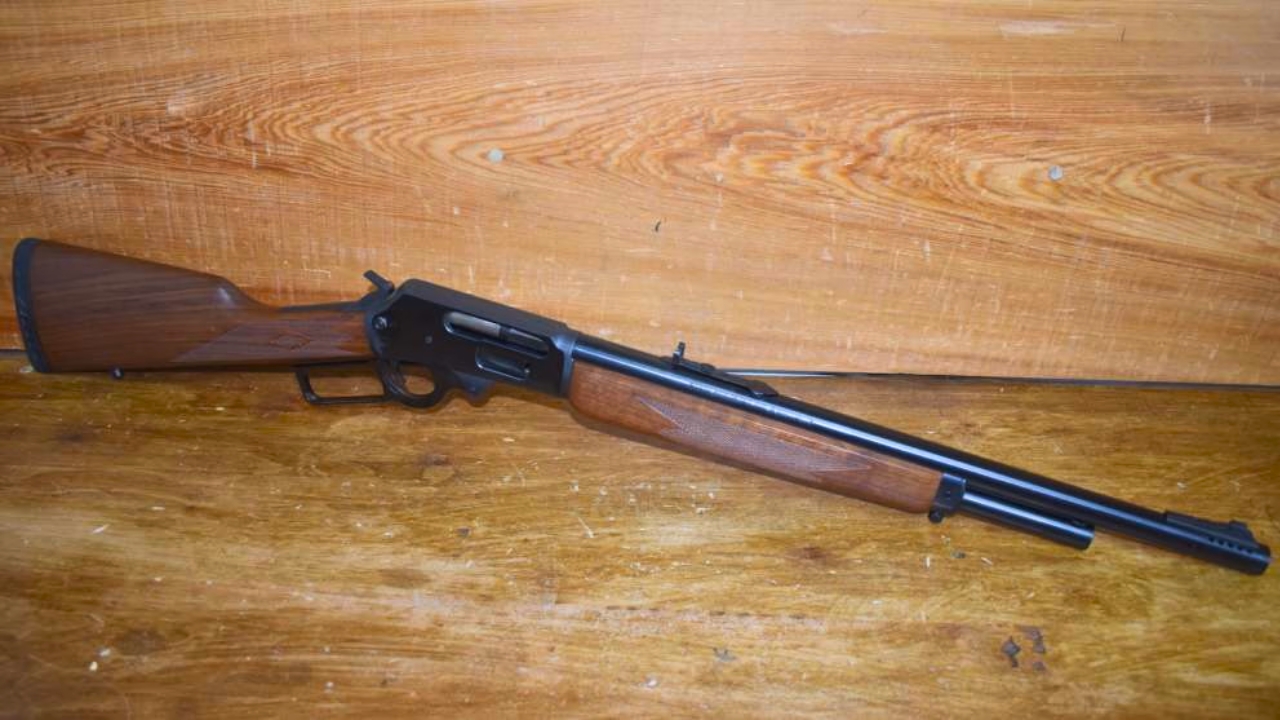
JM-stamped Marlin Guide Guns have picked up a kind of myth around them that makes people talk like every surviving rifle is a relic from a lost age. They are absolutely wanted, especially by shooters who distrust later production periods and want the older Marlin name on the barrel. But wanted and rare are not the same thing. Marlin sold a lot of lever guns, and Guide Guns were never some secret low-production oddity nobody noticed at the time.
What happened is simple. People decided the older guns were better, Ruger-era interest added even more heat, and prices moved fast enough that buyers started describing them as rare to justify the jump. A clean JM-stamped Guide Gun may be harder to snag at a fair number these days, but that has more to do with demand and reputation than true scarcity.
Colt Single Action Army

The Colt Single Action Army earns more honest collector respect than most guns on this list, but it still gets mislabeled constantly. There are truly rare variations out there, no doubt. Early production examples, unusual calibers, and highly original pieces can absolutely cross into real rarity. The problem is that people started stretching that logic over the whole model. Suddenly every old Single Action Army with a strong asking price gets described like it is a frontier ghost nobody ever sees.
In reality, the model’s fame is doing a lot of the heavy lifting. It is iconic, historically important, and heavily collected, which keeps the market elevated. That does not automatically make every example rare. In many cases, what buyers are seeing is a premium attached to legend, condition, and collector appetite. That is real value, but it is not always the same thing as genuine scarcity.
Browning Hi-Power Belgian-made

Belgian-made Browning Hi-Powers have become one of those pistols people talk about like they disappeared overnight. They did not. They are still around, and enough were made that dedicated buyers can usually find one with a little patience. What changed is that the pistol’s reputation kept aging well while production ended and nostalgia grew stronger. That is a recipe for higher prices, and once those prices rose, the rare label started showing up everywhere.
That label often says more about buyer frustration than the gun itself. A clean Belgian Hi-Power now costs enough that people want a bigger explanation than simple market demand. So they call it rare. In most cases, the better description is desirable, increasingly collectible, and no longer cheap. That may sting the wallet just the same, but it is a different thing.
Winchester Model 94 Trapper

The Winchester Model 94 Trapper has been talked up hard in recent years, especially by people who love compact lever guns and want an older Winchester before later corporate changes and shifting production eras complicated the story. It is a handy, attractive rifle, and that makes it easy to sell with a little extra romance. But plenty of people now toss around the word rare when what they really mean is that the market figured out how much buyers like short, lively lever guns.
That is the bigger truth here. The Trapper is cool, useful, and strongly tied to the broader lever-gun surge. Those are powerful forces. But many examples are not especially rare in any meaningful sense. They are simply sought-after enough that decent ones bring more money than people expect, and once that happens, the gun starts getting spoken about like it only appears once a year.
Remington 700 BDL from the older production years
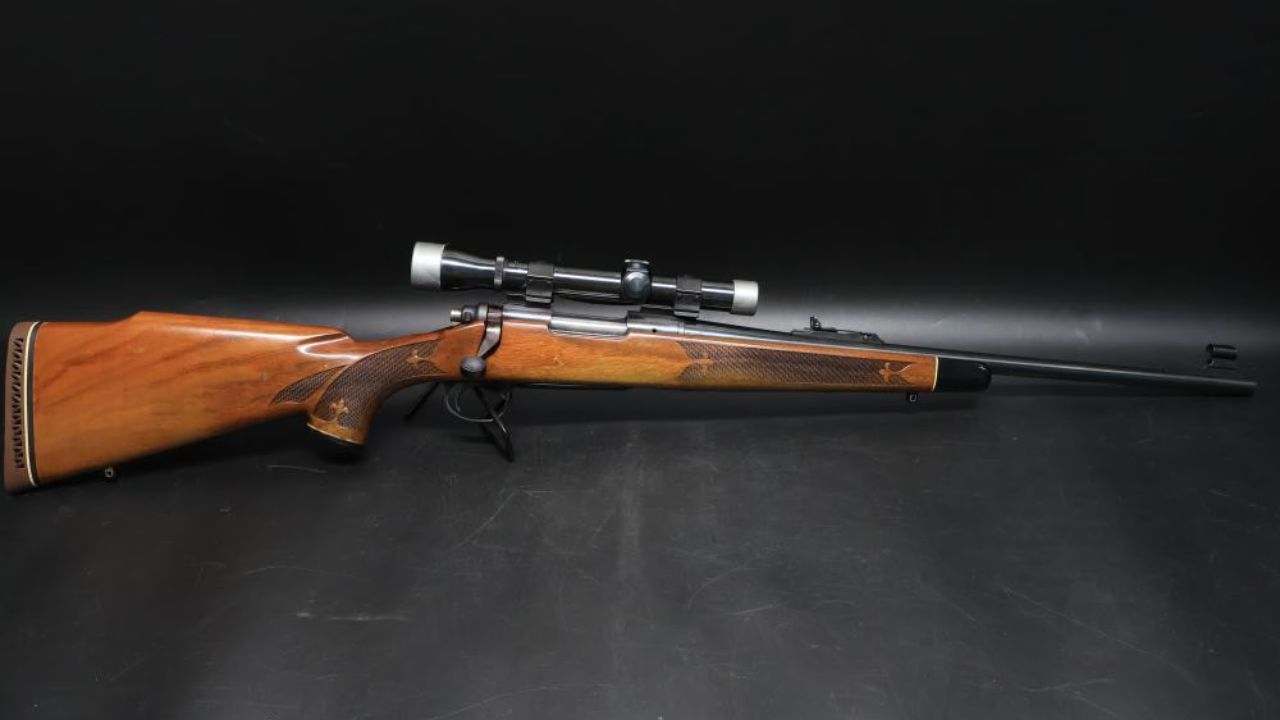
Older Remington 700 BDL rifles, especially cleaner examples from the better-regarded years, now get a lot of “they’re rare” talk from people who mostly mean they miss when these rifles were common, affordable, and taken for granted. The BDL was not some obscure specialty rifle. It was a mainstream hunting rifle with broad appeal and major production behind it. That alone should make people pause before throwing the rare label around too casually.
What changed is that the image of the polished walnut-stocked American hunting rifle now carries more nostalgia than it used to. Buyers want them, and many owners are in no hurry to sell. That tightens supply in the visible market and pushes prices upward. But that is not the same as true rarity. Often it just means a once-common rifle aged into stronger demand while cleaner examples stopped being treated like ordinary tools.
Ruger Old Vaquero
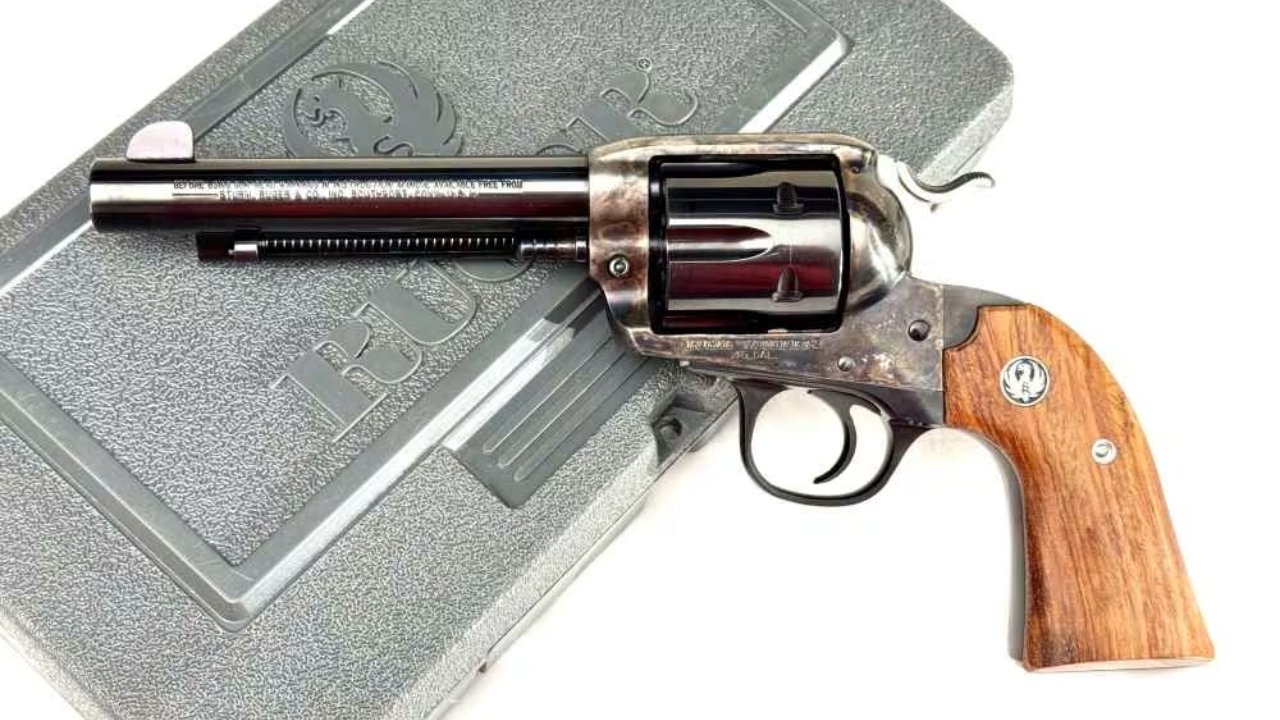
The Ruger Old Vaquero gets talked about like a disappearing legend anytime someone wants to defend a price that would have sounded ridiculous years ago. It is true that many shooters prefer the older frame and like the feel of the original version. That preference matters. But Ruger was not exactly making these in secret. The revolver had a real audience, a clear identity, and enough production that plenty remain in collections, safes, and used gun racks.
The rare label shows up because prices no longer feel like old Ruger prices. Once that happens, buyers and sellers both start reaching for more dramatic language. But expensive due to platform preference is not the same thing as rare. An unusual finish or oddball configuration may deserve stronger collector language. A standard Old Vaquero bringing healthy money usually just reflects demand from people who decided the newer version was not what they wanted.
Colt Detective Special
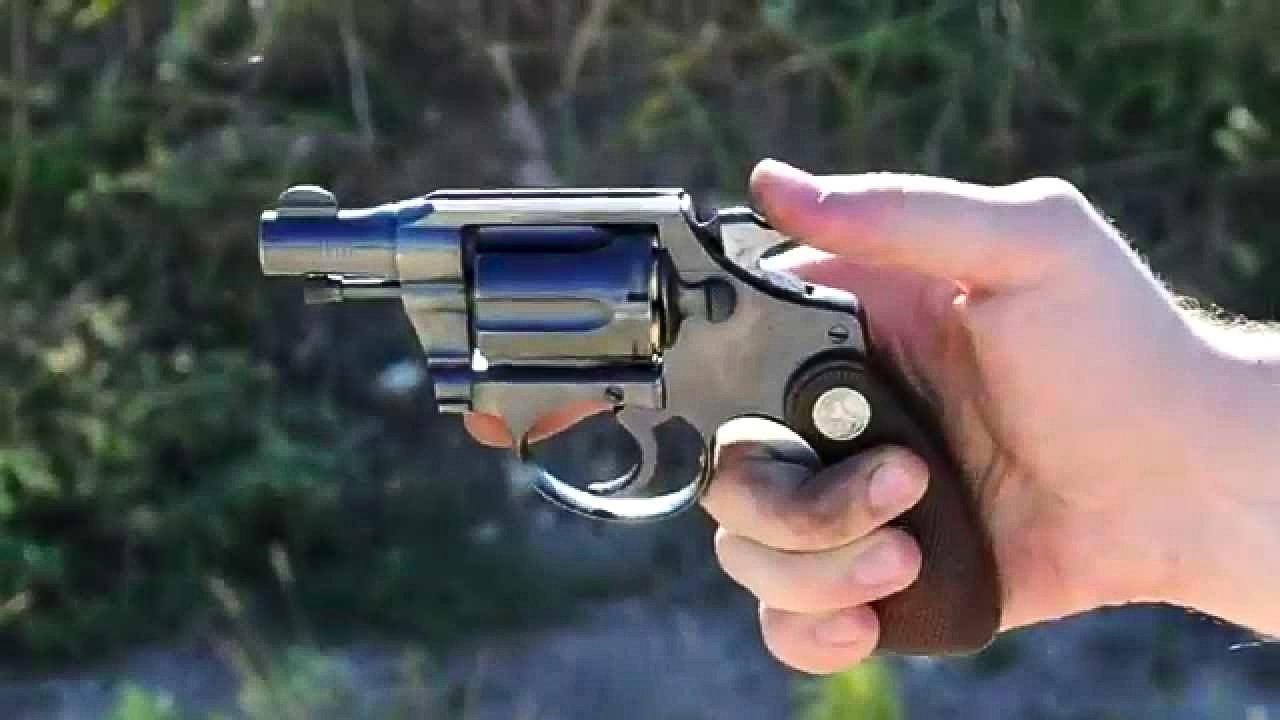
The Colt Detective Special is another revolver that gets talked about like every surviving example came out of some secret detective’s desk drawer. In reality, Colt made a lot of them over a long stretch of time, and the gun earned its reputation honestly as a smart small-frame revolver. The reason prices feel surprising now is not because the gun was scarce from day one. It is because classic double-action Colts developed a following that kept growing while decent examples got harder to find in truly nice shape.
That last part is important. Condition is doing a lot of the work. A sharp Detective Special with original finish and clean timing is far more attractive than a tired one that has lived a rough life. But the market often compresses those distinctions into one lazy word: rare. Most of the time, the gun is not rare. It is older, collectible, and more expensive than people think it should be.
Smith & Wesson Model 27

The Smith & Wesson Model 27 has the kind of polish, reputation, and old-school prestige that makes collectors and revolver fans speak about it with a lot of reverence. That reverence tends to inflate the language fast. Before long, people start acting like every nice Model 27 is a rare survivor. In truth, the gun is better described as a respected premium revolver from another era, one that commands money because buyers still recognize quality when they see it.
That does not mean there are no genuinely hard-to-find versions. There absolutely are. But the standard move of calling any old Model 27 rare because the price climbed is where people lose the thread. Much of the market value comes from taste, finish, craftsmanship, and demand from people who want something newer revolvers do not quite replicate. That is strong collector gravity, not automatic rarity.
Marlin 336 waffle-top
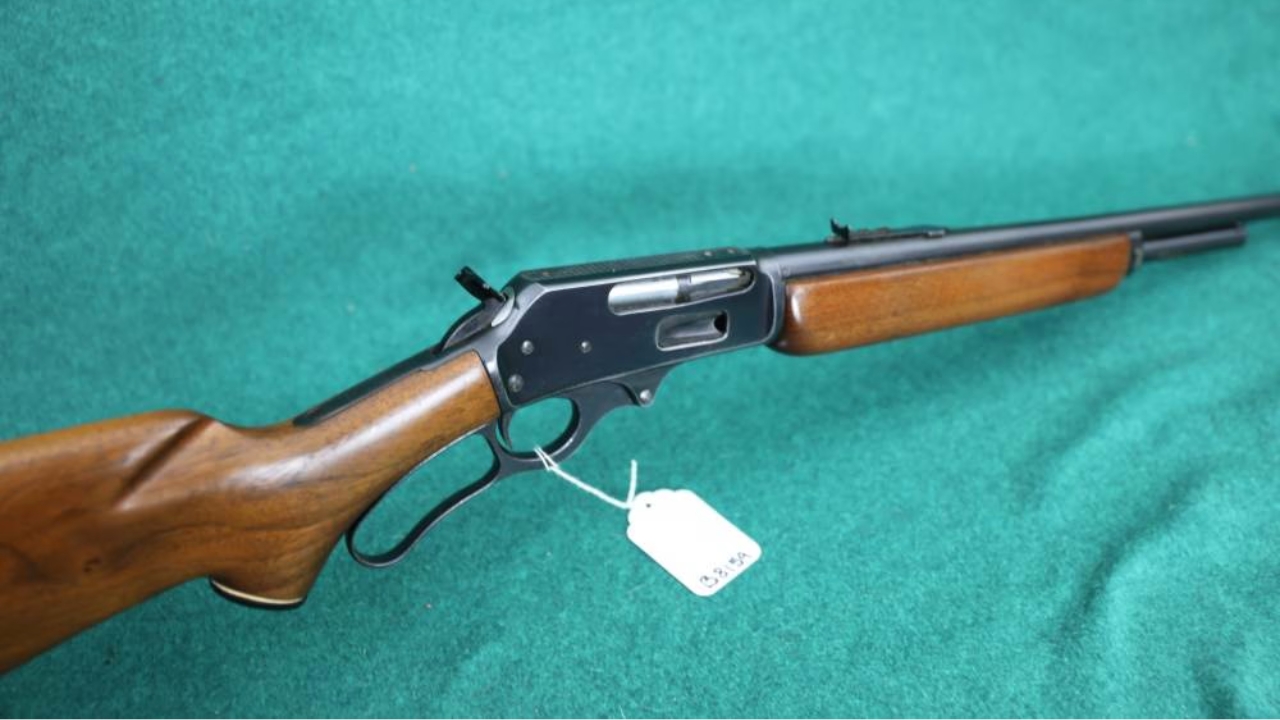
The waffle-top Marlin 336 is one of the few rifles on this list where the rare label can have more teeth, but even here people still overplay it once money gets involved. These early rifles do have specific collector appeal, and knowledgeable lever-gun buyers know exactly what they are looking at. The trouble is that once the term catches on, every seller starts waving it around like the rifle is a one-of-ten artifact regardless of condition, originality, or market context.
That is how prices get dressed up with mythology. A legitimate collector piece deserves attention, but expensive examples are not automatically rare just because they wear a detail collectors enjoy. The gap between collector-interest rare and internet-listing rare can be pretty wide. A lot of the time, the rifle is important and desirable, but the price still gets pushed harder by excitement than by true scarcity alone.
Colt Woodsman

The Colt Woodsman has aged into one of those pistols people treat like a lost treasure from a cleaner, classier time in American gunmaking. It is a fine pistol, and that admiration is understandable. But the way people talk about it now often goes too far. Colt made quite a few Woodsmans over the years, and while some variants are unquestionably more collectible than others, the model as a whole gets called rare more often than the numbers really support.
What drives the price is the combination of Colt on the slide, elegant design, and the fact that they simply are not making more of them. That is enough to push values up without needing to invent scarcity where it does not really exist. A clean Woodsman is expensive because people want it and because condition matters. That is not quite the same thing as saying it has become truly rare.
Winchester 9422
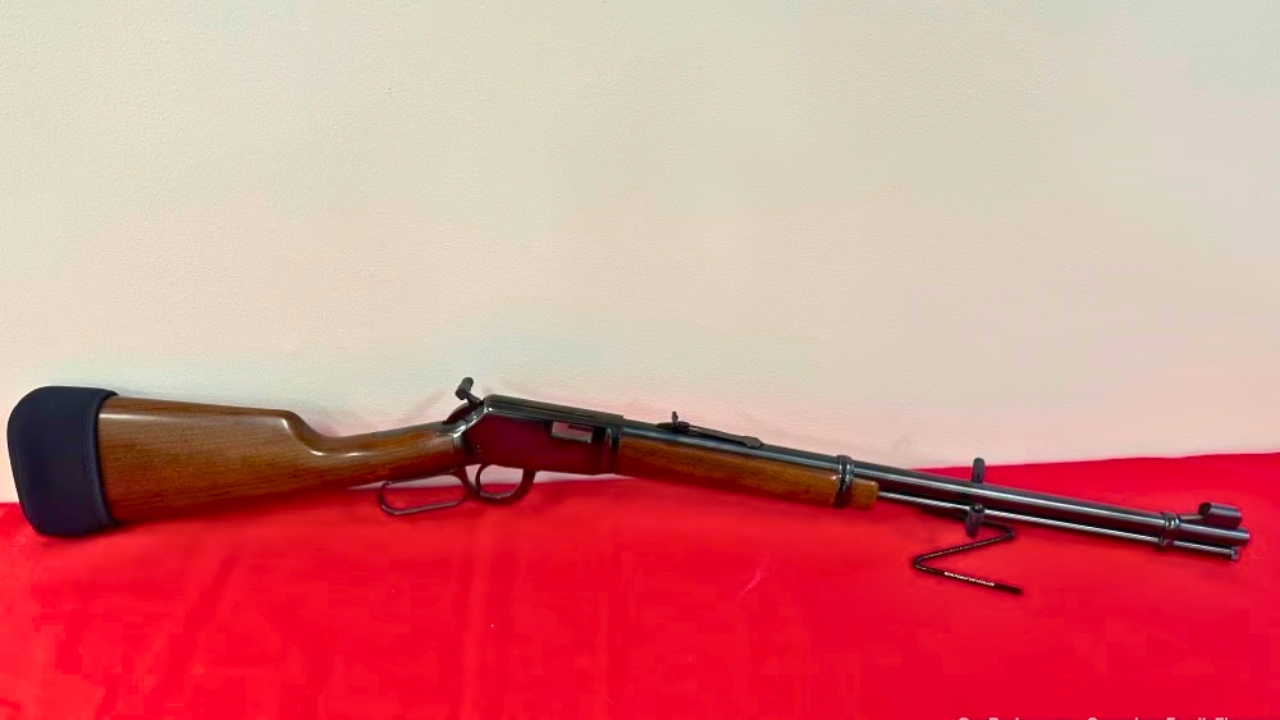
The Winchester 9422 has become one of those rimfires that makes people nostalgic the second they see one tagged for sale. It is handy, good-looking, and tied to a kind of quality that buyers feel has mostly disappeared from the rimfire lever-gun world. That is powerful stuff. But the jump from beloved to rare often happens too quickly. The 9422 was never some hidden-production oddity. It was a popular rifle that developed a stronger following after people realized replacements were not coming.
That is why the rare talk around it usually sounds off. Buyers are reacting to how expensive it has become relative to what many think a rimfire lever gun should cost. That sticker shock pushes people toward collector language. In reality, the 9422 is often better understood as a highly wanted discontinued rifle with a loyal following and shrinking patience for bargain pricing.
Smith & Wesson Model 66 no-dash

The no-dash Smith & Wesson Model 66 is exactly the kind of revolver that gets inflated by detail-oriented collector talk. It is a great revolver, and early examples hold clear appeal for people who know the line well. But once that knowledge filters outward, the language tends to get exaggerated. Suddenly every clean no-dash gun is described as rare when the more accurate story is that knowledgeable buyers are willing to pay up for an early version of a highly respected revolver.
That distinction matters because it keeps the market honest. Early guns, pinned features, and strong original condition all bring attention for a reason. But the no-dash Model 66 is often expensive because the right buyers value those details, not because the gun itself nearly vanished from existence. Too many people use rare when what they really mean is that informed collectors stopped letting them go cheaply.
Belgian Browning Auto-5 Light Twelve
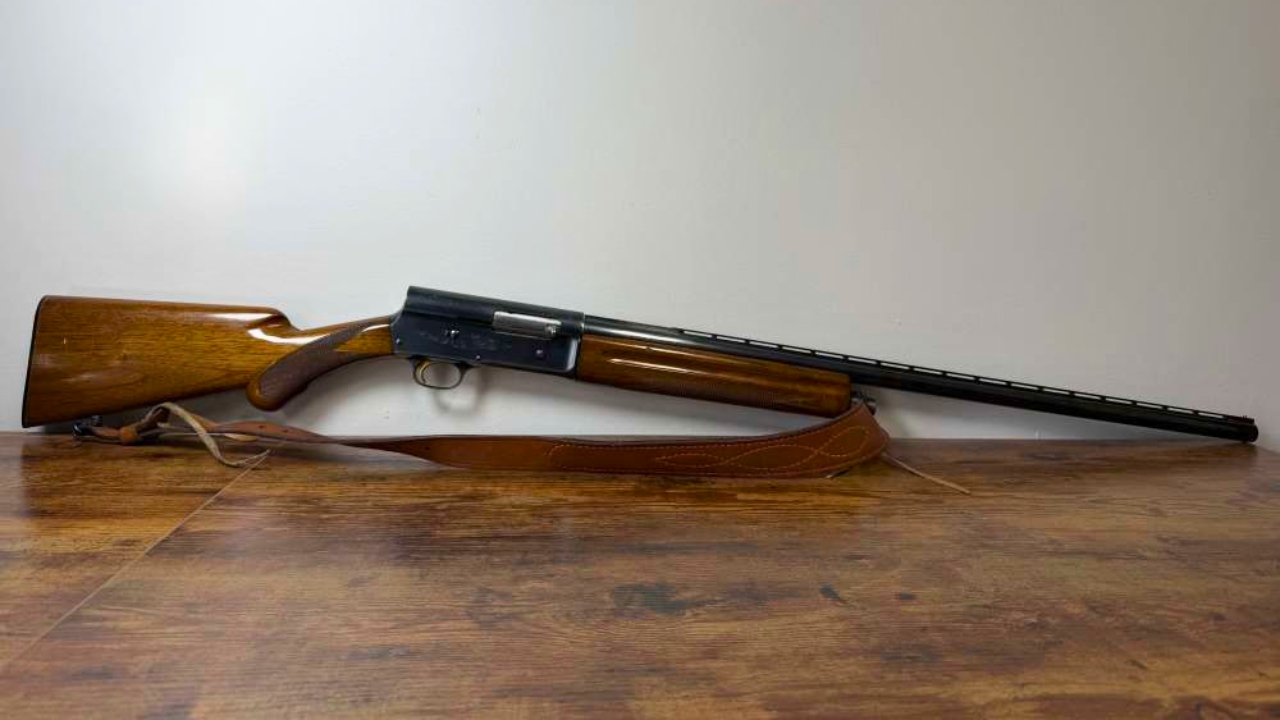
The Belgian Browning Auto-5 Light Twelve gets sold with a lot of emotional language, and that emotional language often drifts straight into claims of rarity. In truth, the gun is better understood as a classic shotgun with long-running appeal, distinctive design, and enough generational loyalty to keep the market active. Plenty were made, and plenty still exist. The problem for buyers is not that they never show up. It is that the nice ones bring strong money and move fast.
That is where expensive starts getting misread as rare. Buyers see a higher tag, feel the nostalgia, and assume scarcity must be the explanation. Often it is not. Often it is just the market saying a well-kept Belgian-made Auto-5 still means something to people who know what it is. That is collector strength and emotional demand, not automatic rarity.
Like The Avid Outdoorsman’s content? Subscribe to our newsletter so you never miss an article.
Here’s more from us: