Photo credit: wirestock/Freepik.com
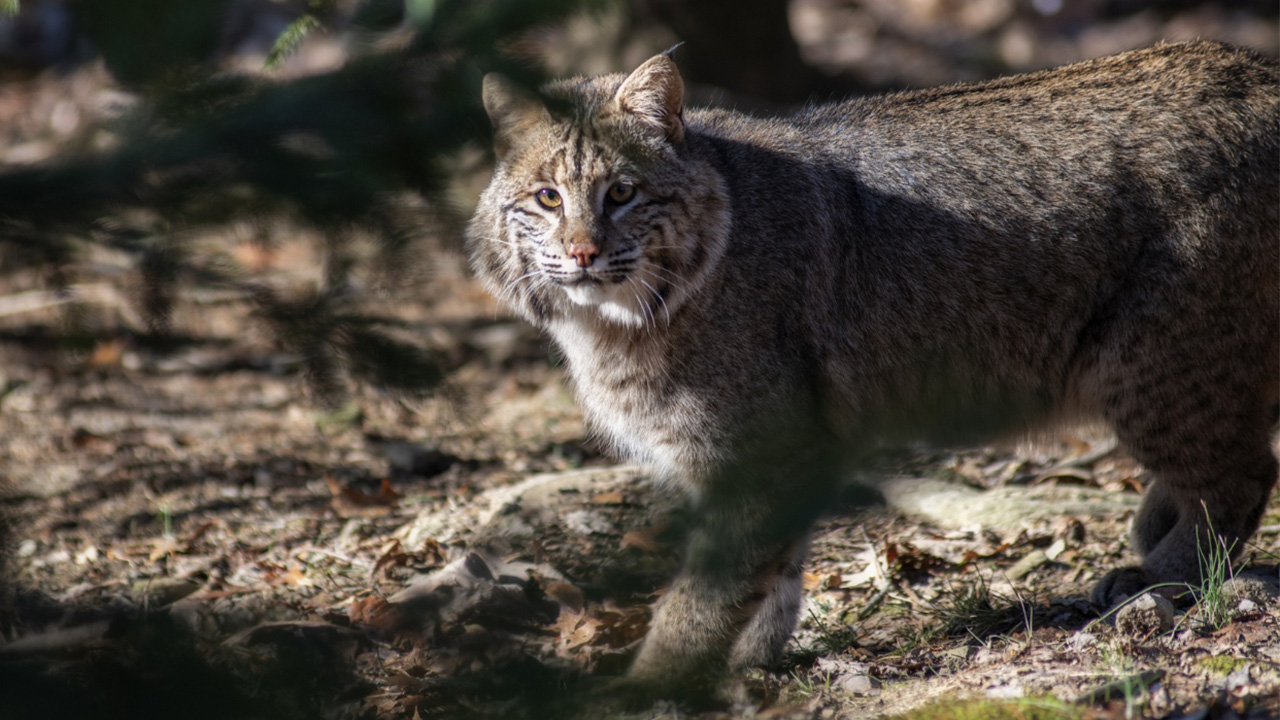
Bobcats are one of the most common predators people don’t realize they’re living around. They don’t need huge wilderness. They need cover, rabbits/rodents, and travel lanes—creek bottoms, brushy fence lines, cutovers, and those weedy edges where deer also like to move. That’s why trail cams catch them so often: bobcats use the same pinch points and logging roads you hang cameras on for whitetails and hogs. In a lot of states, if you’ve got decent habitat and you run cameras year-round, a weekly bobcat appearance is normal.
Texas

Texas is bobcat central because the habitat variety is endless—brush country, mesquite flats, river bottoms, piney woods, and suburban greenbelts that hold rabbits like a buffet line. If you run trail cams on ranch roads, creek crossings, senderos, or even around deer feeders, bobcats show up constantly because they’re cruising edges and checking scent. A lot of folks only notice them when they start missing barn cats or seeing weird tracks near the coop, but the cameras tell the real story. Texas bobcats also tend to move in daylight more than people expect, especially in winter, so that “weekly” frequency is real if you’ve got cameras in the right funnels.
Florida

Florida bobcats are quiet, thick-cover ghosts, but trail cams pull them into the light because they love using the same sandy roads and palmetto edges as everything else. If you’ve got cameras on hog trails, along swamp edges, on oak hammocks, or anywhere that funnels rabbits and rodents, bobcats will eventually start showing up like clockwork. They also cruise around water and drier “islands” in wet country, which makes them predictable on cameras once you figure out the routes. In a lot of Florida spots, folks are shocked how often bobcats are on camera because you can live there forever and rarely see one with your eyes.
Georgia

Georgia has a perfect bobcat mix: cutovers, timber edges, creek bottoms, and agricultural transitions that hold prey year-round. Trail cams on logging roads and food plot edges catch bobcats because they patrol those borders like they own them. A lot of guys first realize “we’ve got a bunch of cats” when they start getting consistent nighttime hits on the same camera, same time window, same travel direction. Georgia bobcats also love thick cover near open feeding zones—rabbits and rodents get pushed into edges, and the bobcat just works the line like a trapper. Weekly hits are common on well-placed cameras, especially in winter and early spring.
South Carolina

South Carolina is one of those states where bobcats are more common than people think because the cover is constant and the prey base is steady. In pine plantations, cutovers and firebreaks act like highways, and cameras on those travel lines pick up bobcats regularly. The cats use ditches, creek drains, and edge habitat where rabbits and squirrels are active, so your deer camera ends up being a predator camera too. A big reason folks see them “weekly” is that bobcats are creatures of habit—once one establishes a route, it’ll keep checking it until pressure or food shifts it. If you’re running cameras in thick Southern habitat, bobcats are one of the most predictable surprises.
North Carolina

North Carolina’s blend of mountains, piedmont, and coastal plain creates a ton of bobcat habitat, and trail cams catch them because the travel structure is obvious. In mountain country, look for benches, saddles, and creek crossings. In the piedmont, it’s brushy creek lines and field edges. In the coastal plain, it’s swamps and pine edges. Bobcats here love using the same “easy walking” routes as deer—logging roads, two-tracks, and drain crossings—so hunters accidentally build a bobcat dataset without trying. If you’ve got cameras soaking for months, you’ll usually have a bobcat show up often enough that it stops feeling special.
Tennessee

Tennessee has a lot of broken terrain and wooded cover, which is exactly what bobcats like because it gives them concealment and plenty of prey. Trail cams on ridge saddles, creek crossings, and old logging roads get regular bobcat traffic because those are the “low-effort” travel lanes. If you hunt whitetails in Tennessee and you’re running cameras on funnels, you’re basically running bobcat cameras too. The cats tend to show up in the same late-night windows, and once you spot a pattern, you’ll realize it’s not random—it’s a routine. That’s how you end up with weekly bobcat hits without ever laying eyes on one in the woods.
Kentucky

Kentucky’s mix of hardwood ridges, hollers, and farm edges makes bobcats extremely camera-friendly. Put a camera on a creek crossing, a field edge near thick cover, or a pinch point on a ridge, and it’s only a matter of time. Bobcats like to move where they can travel quietly with cover close, and Kentucky has that everywhere. A lot of hunters here see them most in the late season camera dumps—because the cats move more predictably when food is concentrated and pressure changes deer movement. If you’ve got rabbits, squirrels, and a brushy edge, the bobcats are there. Cameras just make it impossible to deny.
Arkansas
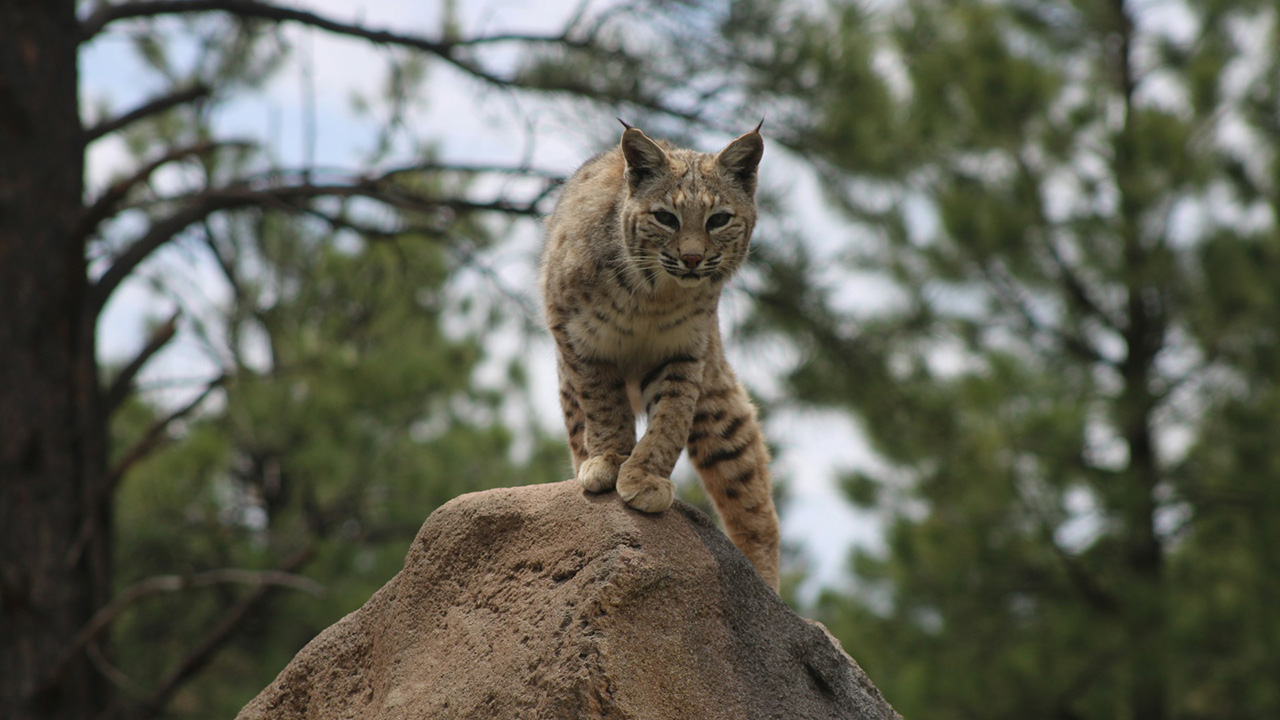
Arkansas has huge stretches of habitat that bobcats thrive in—timber, cutovers, river bottoms, and thick edge cover that keeps them hidden. The trail cam factor in Arkansas is strong because hunters run a lot of cameras for deer, and bobcats use the same crossings and roads. Put a camera on a creek drain, a hardwood flat edge, or a skidder trail between bedding cover and open feeding areas, and bobcats will show up as “regulars.” What makes Arkansas especially prone to weekly sightings is how travel corridors repeat: levees, old roads, and ditch lines become repeat routes for everything from deer to coyotes to cats.
Oklahoma

Oklahoma bobcats show up a lot on cameras because the state has a ton of transition habitat—brush meets pasture, creek bottoms cut across open ground, and deer feeders/food sources create prey movement that predators key on. Even if a bobcat isn’t coming for the feeder, it’s coming for the mice, birds, and rabbits that hang around human activity. Cameras placed on creek crossings, fence gaps, and brushy draws often pick up bobcats with surprising frequency. In many Oklahoma areas, the cats travel like coyotes: steady, purposeful movement along edges and “easy walking” routes. That predictability is why you’ll see them weekly once your camera locations are dialed.
Missouri

Missouri is an underrated trail cam bobcat state because the habitat is quietly perfect—woods, brushy draws, small ag fields, and creek lines everywhere. Put cameras on field edges or along creek crossings and you’ll see bobcats slipping through the same places deer do, usually when the human activity is low. Missouri also has a lot of “edge within the woods” situations—old logging roads, overgrown two-tracks, and ridge benches—that bobcats use as travel lanes. A weekly bobcat on cam isn’t rare if you’re running enough cameras and leaving them out year-round. The cats don’t have to be thick like coyotes to show up often—they just have to keep using the same lanes.
Pennsylvania

Pennsylvania trail cams catch bobcats because PA has loads of cover and a ton of hunters running cameras in funnels, saddles, and creek corridors. Bobcats in PA are often invisible in person because the woods are thick and the terrain hides movement, but cameras sitting quietly on game trails pick them up with consistency. The “weekly” part usually happens when a bobcat is working a travel loop near a stable food area—rabbits in brushy cuts, rodent activity near downed timber, or prey movement near field edges. If you run cameras long enough in PA, you’ll see bobcats more than you’d guess, especially in the same rugged, remote areas where they can move without crossing too much human traffic.
New York

New York has more bobcat activity than many people expect, and trail cams bring that to the surface because the cats use edge and corridor habitat all over the state—woodlots, swamps, creek bottoms, and ridgelines. In the big woods, cameras on crossings and saddles catch cats cruising. In mixed country, cameras on brushy field edges do the job. A lot of NY “weekly bobcat” patterns show up in winter when tracks are visible and cats stick to easier travel routes, which often overlap the same trails hunters scout. You may never see the cat in daylight, but the camera will show it moving with the same calm, repeatable behavior that makes bobcats so successful.
Michigan
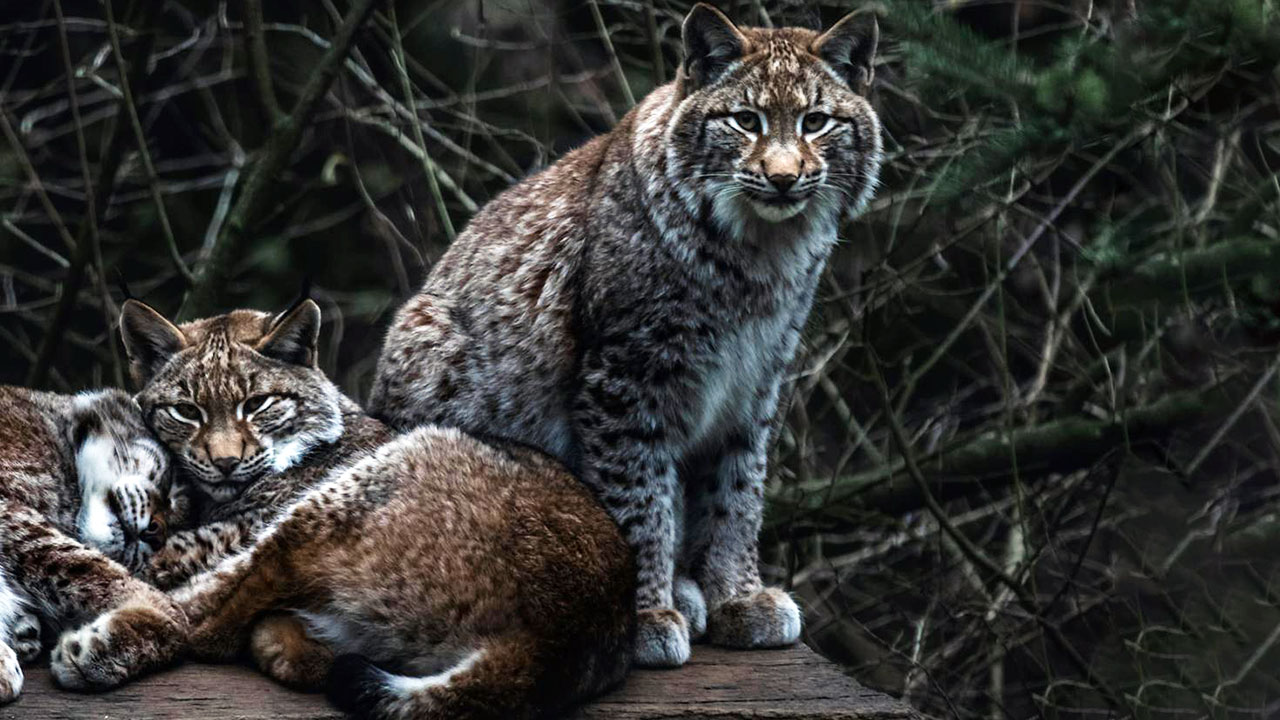
Michigan is a trail cam predator goldmine, and bobcats are part of that. Between thick cover, swamp edges, and abundant small game, bobcats have plenty of food and plenty of places to disappear. Cameras on two-tracks, beaver dam crossings, creek edges, and transitions between hardwoods and thick brush pick up cats regularly—especially in the northern parts of the state where cover is continuous. The reason they show up weekly is that bobcats run routes like a trapline: check a corridor, check a crossing, keep moving. If your camera is on the right corridor, you’ll think you’ve got “a lot” of bobcats when really you’ve just placed a camera on their highway.
Wisconsin

Wisconsin bobcats are another “cameras prove what your eyes miss” deal. In big timber and mixed ag/woods country, bobcats use the same pinch points as deer, and cameras placed for deer inevitably catch cats. Brushy creek lines, edges of clearcuts, and trails that connect cover islands are consistent bobcat travel routes. The weekly pattern shows up when a cat is working a territory and repeatedly uses the easiest connectors between bedding cover and hunting cover. Wisconsin also has long seasonal windows where animals follow predictable movement patterns, which makes camera data feel extra steady. If you’re seeing bobcats weekly, it’s usually because you’ve got a prime corridor and you’re leaving the cam sit long enough to catch the routine.
Arizona

Arizona bobcats show up on trail cams constantly because the terrain funnels movement. Washes, saddle crossings, canyon mouths, and desert edge transitions act like natural highways. Add in the fact that prey animals concentrate around water and cover, and bobcats become very patternable on cameras. A lot of AZ hunters are running cameras for deer or predators, and bobcats end up being “bonus content” that shows up more often than expected, sometimes even in daylight. The weekly frequency is especially common when you’ve got a camera near a wash that connects rocky cover to feeding areas. Bobcats don’t need much—just a corridor and food—and Arizona gives them both.
Like The Avid Outdoorsman’s content? Subscribe to our newsletter so you never miss an article.
Here’s more from us: