Photo credit: Amee Cross/Shutterstock.com
Rattlesnake encounters usually catch people off guard for one simple reason: most people expect them in remote desert or deep backcountry, not near a neighborhood trail, a rocky overlook, a yard edge, or a warm path they use all the time. State agencies keep repeating the same warning in different ways. Stay alert on trails, watch where you put your hands and feet, and do not assume a rattlesnake will always announce itself first. In several states, officials specifically warn that rattlesnakes turn up on trails, pavement, porches, front yards, and around homes, especially where development pushes into brush, rock, or rodent-heavy cover.
This does not mean every yard or trail is a rattlesnake hotspot. It means these states have the right mix of species, habitat, and human activity to produce the kind of surprise encounters people remember. For a gallery headline like this, these are the states that make the most sense.
Arizona

Arizona belongs near the top because rattlesnake encounters are a routine enough concern that Arizona Game and Fish put out a fresh statewide warning on February 27, 2026, saying above-average temperatures could bring out snakes early. The department also warns that encounters can happen anywhere, though they are more likely off trail.
That is exactly the kind of state where people get caught off guard. A lot of residents know rattlesnakes exist, but warm-weather activity near neighborhoods, trail systems, washes, and desert-edge communities still surprises people every year. Arizona also has more rattlesnake species than any other U.S. state.
California

California is one of the easiest states to include because public-health guidance says the state is home to eight species of rattlesnakes and that they may be spotted anywhere from off-road dirt trails to backyards and front porches. That is about as direct as a headline like this gets.
That range of possible encounter spots is why California catches people off guard so often. A hiker may expect one on a sunny trail, but a homeowner does not always expect the same risk near a porch, yard edge, or ornamental rock bed. California has enough rattlesnakes and enough people living in good rattlesnake habitat to keep the surprises coming.
Texas

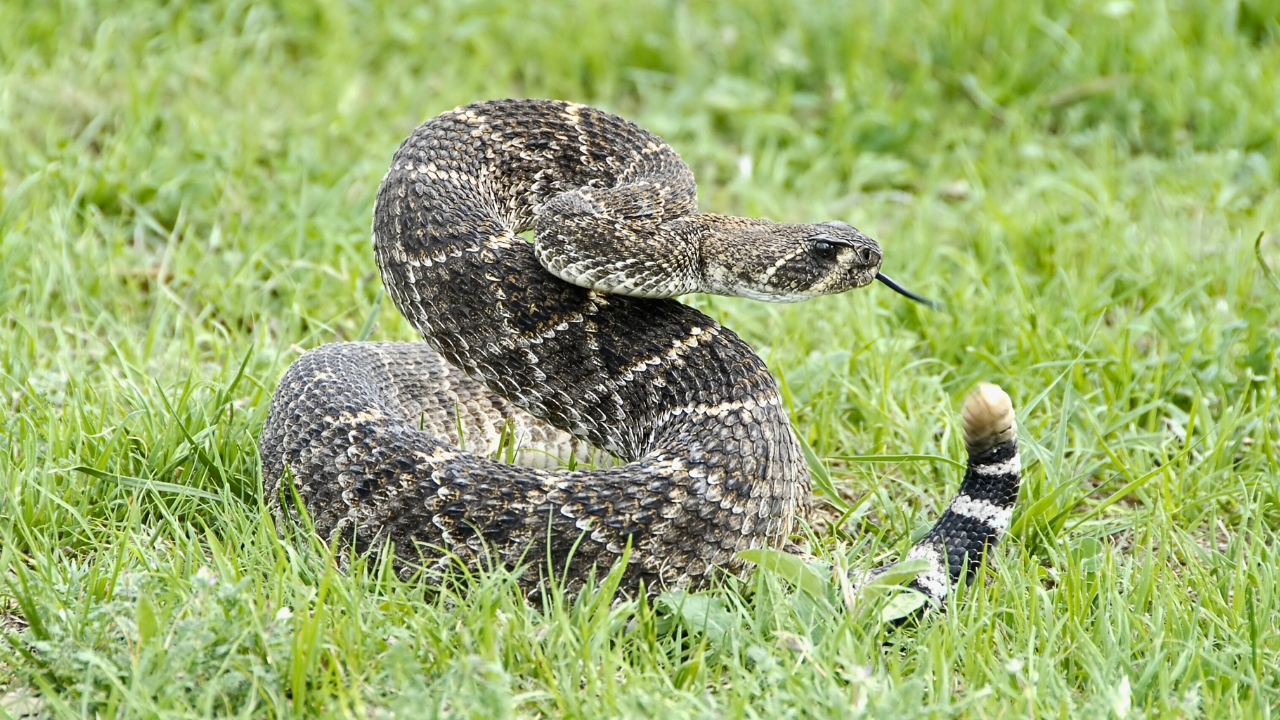
Texas fits this headline for two big reasons. First, Texas Parks and Wildlife says the state has six species in the genus Crotalus and identifies the western diamondback as the most common and widespread venomous snake in Texas, found in all but the easternmost part of the state.
Second, Texas safety guidance is heavily home-focused. The state specifically recommends keeping lawns trimmed and addressing cover around the house, which tells you encounters are not limited to hunting trips or wilderness hikes. In a state this large, with this much snake habitat and this much development, plenty of people still get surprised by how close rattlesnakes can get.
Colorado

Colorado belongs here because Colorado Parks and Wildlife warns hikers to watch where they place their hands and feet and notes that prairie rattlesnakes often use pavement and other hard surfaces such as trails for basking. That creates exactly the kind of unexpected trail encounter that throws people off.
Colorado also works because this is not only a backcountry issue. State and county guidance in Colorado repeatedly treats rattlesnake encounters as a normal part of sharing open space, especially in foothills, rocky grasslands, and trail systems near growing communities.
Utah

Utah is a strong fit because state wildlife officials say rocky benches, high-elevation slopes, and dry canyons are the most common places to encounter rattlesnakes, often while people are hiking, biking, or climbing. They also note that people may encounter them in lower-elevation and open areas too.
That matters because Utah’s most popular recreation spaces overlap neatly with the sort of terrain rattlesnakes like. People often think of rattlesnakes as a desert-floor problem, but Utah’s guidance makes clear that trails, slopes, and canyons used by recreators are exactly where encounters happen.
New Mexico

New Mexico belongs on any rattlesnake list because a University of Florida extension page focused on the state says eleven venomous snake species live there, ten of which are rattlesnakes. That is an enormous rattlesnake footprint for one state.
That kind of diversity makes surprise encounters more likely in more kinds of terrain. In practical terms, New Mexico gives people desert trails, foothills, canyon country, roadsides, and rural home sites where a rattlesnake can show up with very little warning. The state simply has too many rattlesnakes in too many settings to leave off this list.
Nevada

Nevada makes sense because the Nevada Department of Wildlife says rattlesnakes can be found throughout Nevada and explicitly discusses preventing problems with rattlesnakes in yards and on trails. That “yards and trails” combination is exactly why people get caught off guard.
Nevada is also the kind of place where housing edges, desert landscaping, and rocky recreation routes overlap. When a state wildlife agency has to address both home and trail encounters in the same guidance, that is a very good clue the encounters are common enough to surprise people in both settings.
Oklahoma

Oklahoma belongs here because Oklahoma State notes that five species of rattlesnake occur in the state and says most human strikes happen when someone did not see the snake and either put a hand where they were not looking or stepped on it in vegetation. That is almost the definition of getting caught off guard.
Oklahoma also sits at a useful crossroads of plains, rocky country, and wooded terrain, which spreads rattlesnakes into more kinds of everyday outdoor settings than many people assume. In other words, a surprise encounter is not confined to one corner of the state.
Arkansas

Arkansas works well because extension guidance says the state has six native venomous snake species, including the western diamond-backed rattlesnake, timber rattlesnake, and western pygmy rattlesnake. That already gives the state a serious rattlesnake presence.
It also works because Arkansas state parks explicitly discuss sharing trails with snakes. In a state full of rocky trails, wooded hills, creek bottoms, and outdoor recreation traffic, it is easy to see why people keep getting surprised by rattlesnakes in places they think of as ordinary hiking country.
Missouri
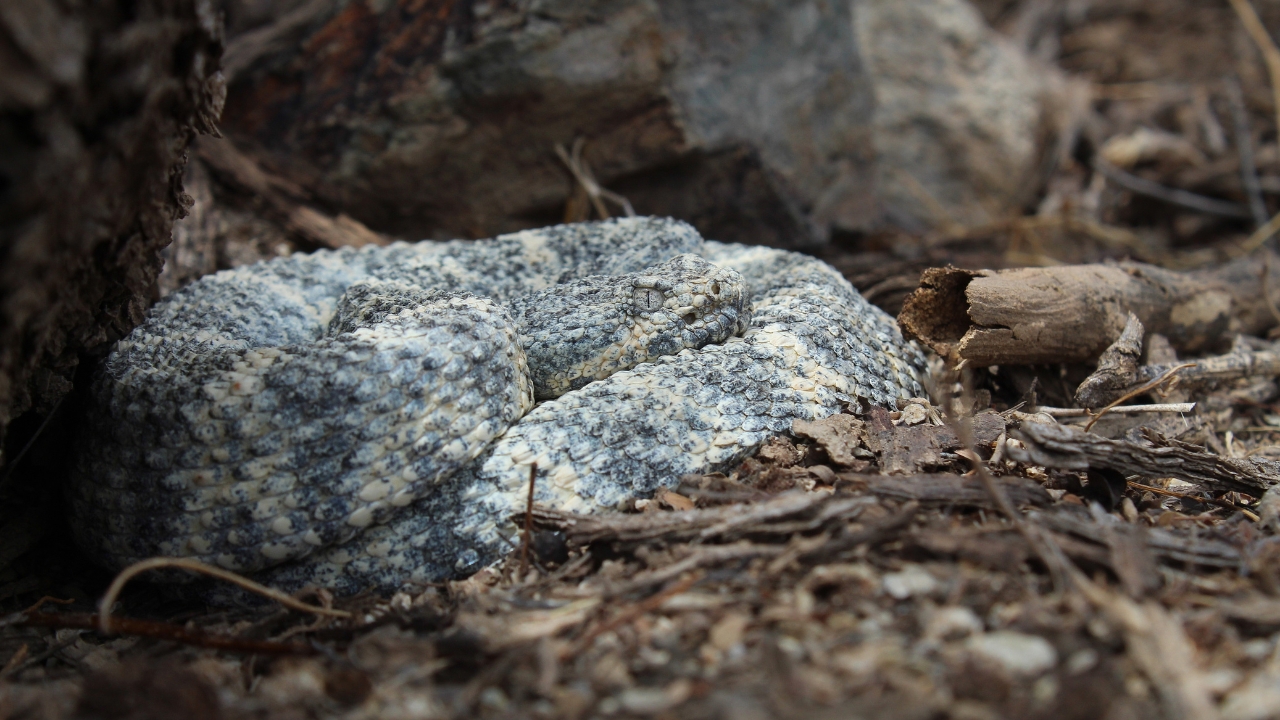
Missouri deserves a place because the Missouri Department of Conservation says the timber rattlesnake is found statewide and is the state’s most widespread rattlesnake, even if bites are relatively uncommon. That broad distribution gives Missouri more rattlesnake relevance than some people expect.
The surprise factor comes from camouflage and terrain. Missouri notes that timber rattlesnakes use camouflage well, and the species turns up in wooded, rocky country that many people use for hiking, hunting, fishing, and lake trips. That is a good recipe for encounters that happen before someone realizes what is beside the trail.
North Carolina

North Carolina belongs here because the state wildlife agency says timber rattlesnakes are most common in the mountains and Coastal Plain. That gives the state a wider rattlesnake footprint than some people realize.
North Carolina is also a state where fast growth meets wooded edges constantly. That means trails, creek corridors, rural properties, and semi-wooded neighborhoods all create the kind of overlap that can lead to a surprise sighting. A lot of people think “beach state” or “mountain vacation,” not rattlesnake state, which is part of why encounters can catch them off guard.
South Carolina
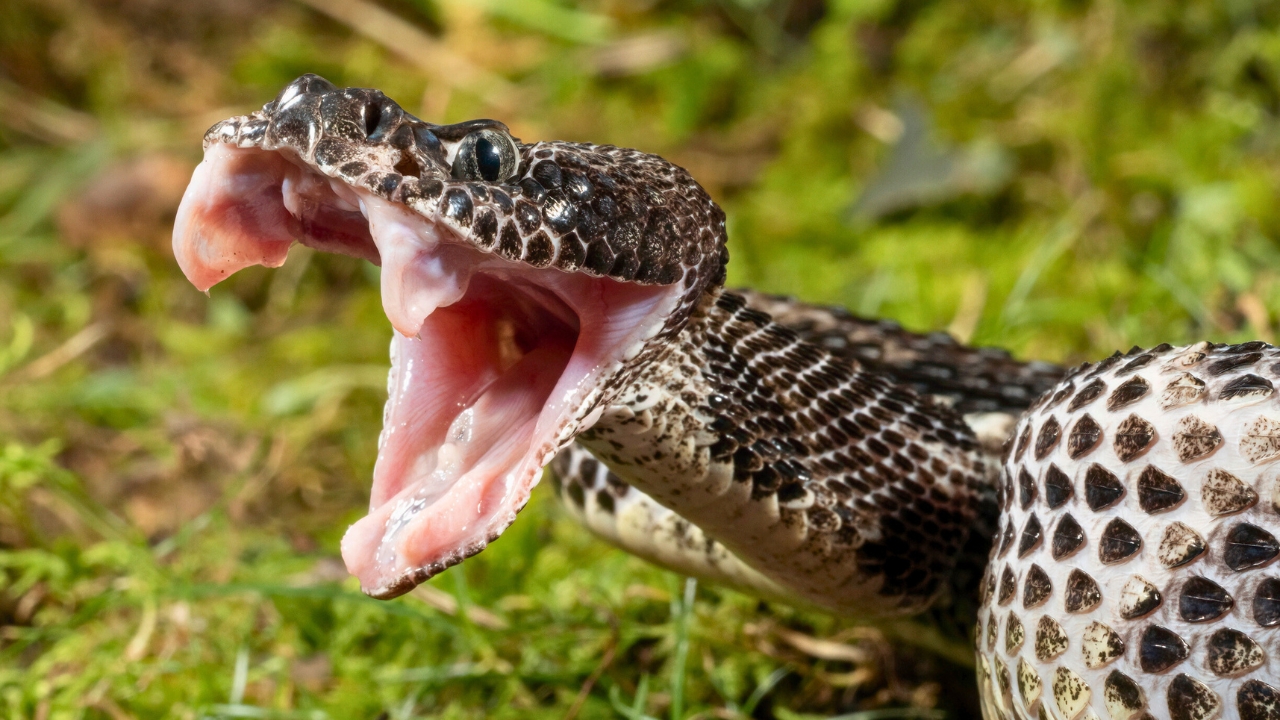
South Carolina makes the list because state wildlife guidance identifies timber rattlesnakes in the Upstate, and snake-conservation guidance treats encounters seriously enough to stress immediately leaving the snake alone and keeping distance.
This is another place where people may not always expect rattlesnakes until they step into the wrong mix of woods, rock, trail, and warm-weather cover. South Carolina’s mix of mountain foothills, forest, and expanding residential areas helps create those surprise moments.
Alabama
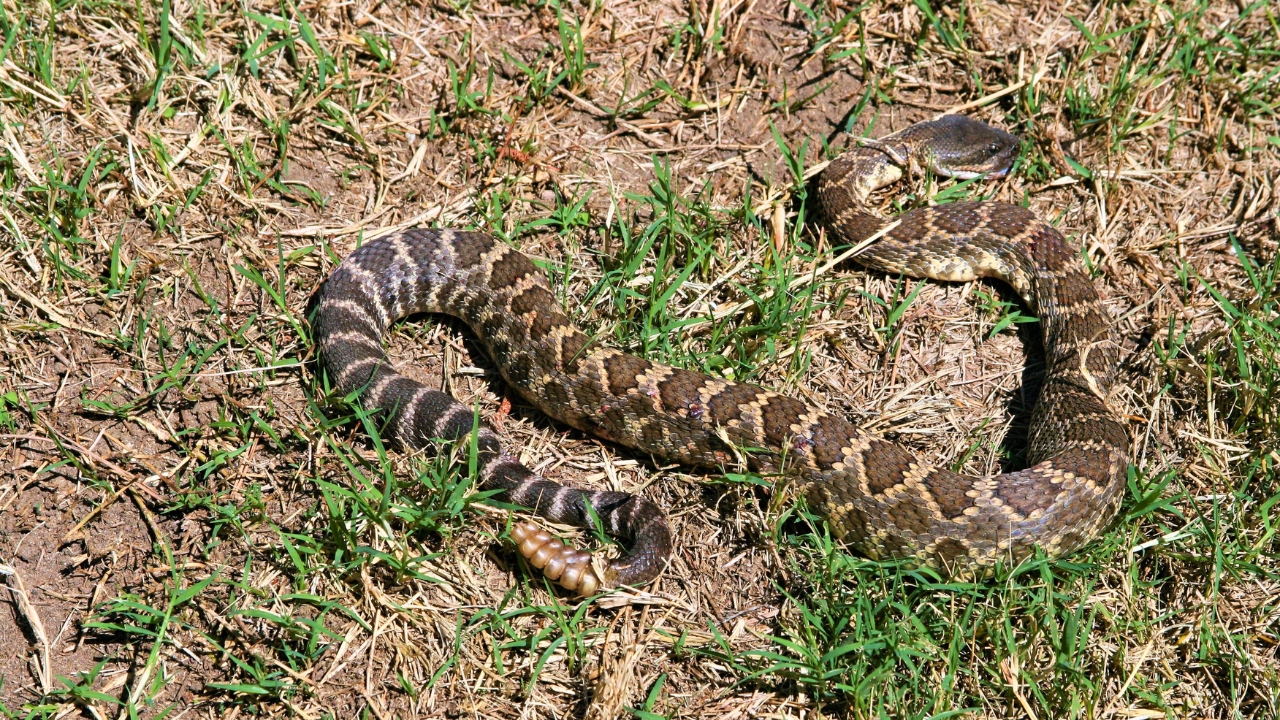
Alabama fits because its terrain supports multiple native rattlesnake species, and timber rattlesnakes are a real presence in the state’s wooded and rocky country. Even though rattlesnake encounters may not dominate the state’s image, they remain a real issue in the sort of outdoor settings people use all the time.
What makes Alabama a good headline state is the way trails, ridges, and park use intersect with rattlesnake habitat. In places where people are out hiking, climbing, or simply moving through rocky wooded country, the surprise factor is always there.
Virginia

Virginia belongs here because timber rattlesnakes are part of the state’s wildlife picture, especially in rugged forested terrain, and they remain the kind of animal that many hikers and landowners do not expect until they are very close.
That is why Virginia works so well for this angle. People in the state may think more about bears, deer, or ticks when they head into mountain country, but timber rattlesnakes still have a place there. That makes encounters memorable and often surprising.
Florida

Florida is a good curveball state because many people think “alligator” long before they think “rattlesnake,” yet Florida has multiple rattlesnake species, including the eastern diamondback and pygmy rattlesnake. UF/IFAS notes that pygmy rattlesnakes can be the species people encounter more often because of habitat choice and how hard their small rattles can be to notice.
That is exactly how people get caught off guard. A small rattlesnake in brushy or semi-urban habitat can be easier to miss than the big stereotype people imagine. Florida may not be the first state people picture for a rattlesnake encounter, but it absolutely belongs in the conversation.
South Dakota
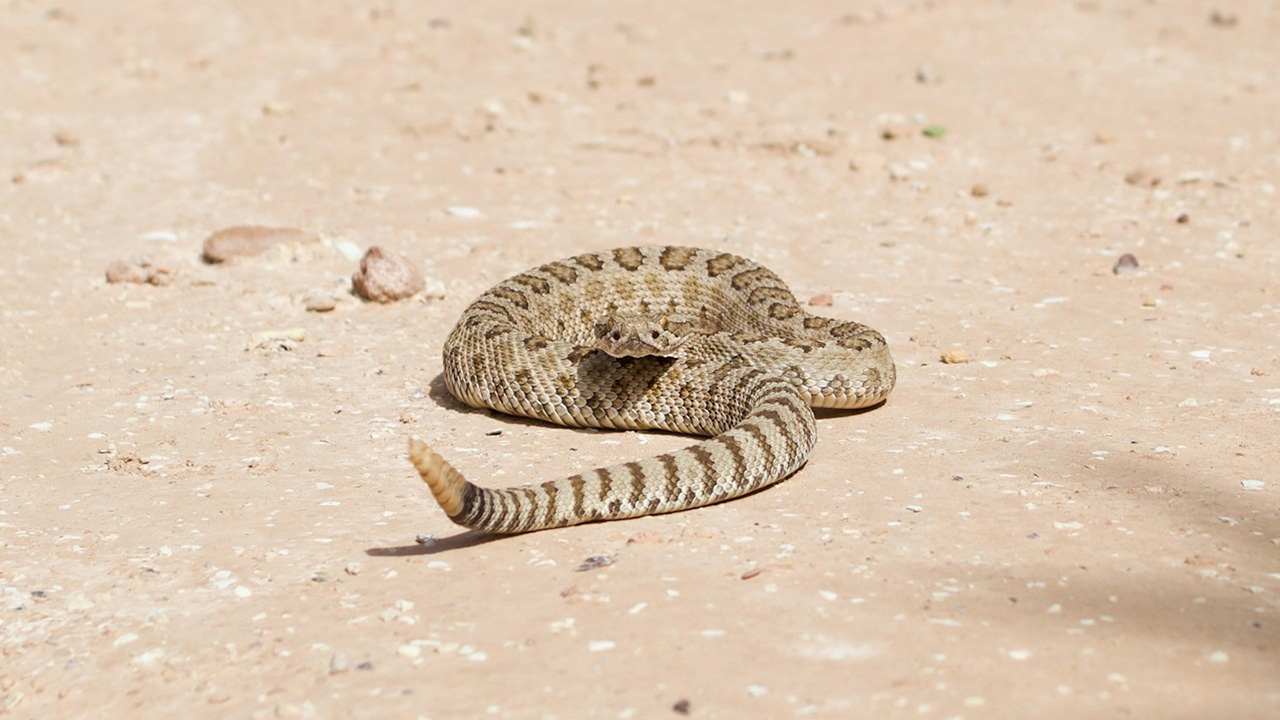
South Dakota belongs because prairie rattlesnakes are part of the state’s western landscape, especially in badlands, prairie, and rocky country that people often explore casually during warmer months. That matters because people often associate South Dakota with road trips, scenic overlooks, and open country more than with venomous snakes. Prairie rattlesnakes change that equation.
The surprise factor here is all about expectation. In a state known for wide-open scenery, many visitors and occasional hikers are not actively thinking about a rattlesnake on a trail edge, rock shelf, or warm path. That is exactly why encounters there can feel abrupt and unexpected.
Kansas

Kansas rounds out the list because prairie rattlesnakes remain part of the western Great Plains picture, and the state’s mix of grassland, rock, and rural outdoor activity creates the same kind of “didn’t see it until I was too close” scenario that shows up elsewhere in rattlesnake country. Even where encounters are not constant, the surprise factor is real because the terrain looks open until a snake blends into it.
For an MSN gallery, Kansas works because it is not the first state many readers would guess. That makes it useful. It reinforces the point that rattlesnake encounters are not only a Southwest desert story. They also happen in the plains, foothills, and recreation spots people move through without expecting much trouble.
Like The Avid Outdoorsman’s content? Subscribe to our newsletter so you never miss an article.
Here’s more from us: