Photo credit: Public Domain, CC0/Wiki Commons
A lot of dogs look tough. Fewer are actually strong in a way that surprises people once you’ve handled them, watched them work, or tried holding one back when it decides it has somewhere to be. That’s what this list is about. Not the obvious giants. Not the dogs everybody already assumes are powerful. These are the breeds that pack a lot more muscle, grit, leverage, or pulling strength into a smaller frame than people expect.
Some of them are compact working dogs. Some are terriers with way more engine than their size suggests. Some are low-built herders or hunters that were made to move stock, go to ground, or keep working long after a softer dog would quit. The common thread is simple: they look manageable until you realize how much dog is packed into that body. AKC breed profiles and standards repeatedly describe several of these smaller breeds as strong, sturdy, powerful, athletic, or built with notable substance for their size.
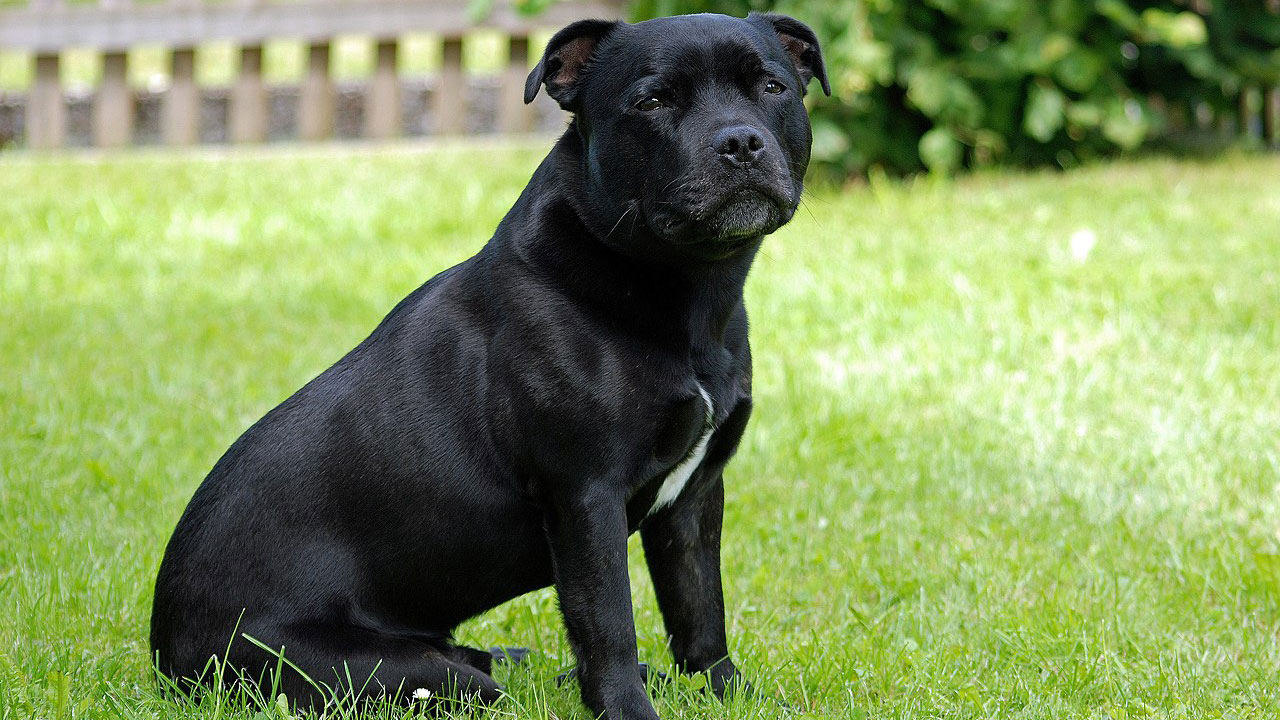
Staffordshire Bull Terrier

The Staffordshire Bull Terrier is one of the clearest examples of a dog that looks medium-small until you get your hands on one. They are compact, dense, and heavily muscled without being oversized, and that combination is what fools people. A Staffy does not need a giant frame to feel powerful. The muscle is packed tight, and the breed’s old bull-and-terrier roots still show up in the way it carries itself and puts force into motion. AKC describes the breed as small but powerful.
What really makes this breed deceptively strong is how explosive it can feel. A dog that size should not be able to launch, pull, and brace the way a well-built Staffy can, but it absolutely can. They’re the kind of dog that makes a flimsy leash setup feel like a dumb idea in a hurry.
American Staffordshire Terrier

The American Staffordshire Terrier is bigger than the Staffordshire Bull Terrier, but it still fools plenty of people because it doesn’t read as a giant working dog at first glance. AKC describes AmStaffs as stocky and muscular yet agile and graceful, which is a very accurate summary of why they land here. They have real substance, but they’re athletic enough that the strength sneaks up on you.
This is the kind of dog that can dig in, turn hard, and move with way more authority than somebody expects from a medium-size breed. They are not just muscular for show. There is real drive and leverage there, and when an AmStaff decides to pull, jump, or hit something with its chest, you feel it.
Boston Terrier
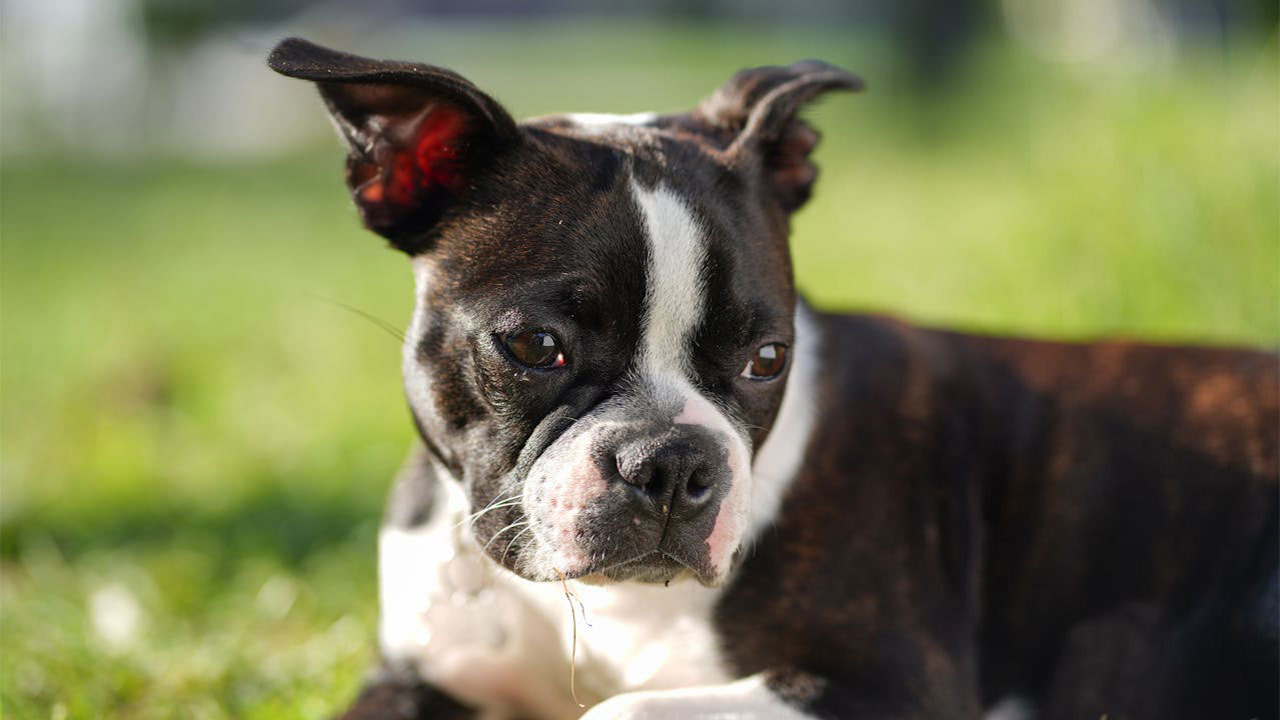
A lot of people think “small companion dog” when they think Boston Terrier. That is exactly why this breed belongs on the list. The AKC and UKC standards both describe the Boston as sturdy, compactly built, and square, with bone and muscle in proportion to its weight. That does not sound dramatic until you realize how much that solid little frame can actually do.
Boston Terriers are not rough-country powerhouses in the same way as a cattle dog or terrier bred to go to ground, but pound for pound they are stronger and more solid than many people expect. Pick one up or try to restrain a determined one and you understand pretty quick that there is more structure under that tuxedo look than people assume.
Pembroke Welsh Corgi

The Pembroke gets underestimated constantly because people get distracted by the short legs and fox-like look. AKC says the breed is strong, athletic, lively, and sturdily built, and the official standard describes it as low-set and strong with substance and stamina in a small space. That is basically the definition of deceptively strong.
These dogs were not built to look cute in photos. They were built to move cattle, hold ground, and work close to hooves without folding up. That low center of gravity makes them feel even stronger than the scale says. A good Corgi can hit like a little battering ram and pull harder than a lot of people see coming.
Cardigan Welsh Corgi

The Cardigan might be the best pure example of “more dog than you thought” on this whole list. AKC says Cardigans are powerful workers, and the official standard calls them a handsome, powerful, small dog capable of speed and endurance. That is not vague breed-club fluff. It’s a pretty direct description of what they are.
Compared with what casual dog owners expect from a short-legged breed, Cardigans can feel surprisingly strong through the chest, shoulders, and neck. They were bred for real stock work, and you can still see that in the frame. They are not tall, but they have serious working-dog substance packed into a low build.
Dachshund

The Dachshund gets treated like a novelty dog far too often, which makes people forget what it was actually bred for. UKC describes the breed as hardy, vigorous, tireless, and courageous to the point of rashness, with a role in hunting small ground game. That background matters. This is not a decorative dog with funny proportions. It is a purpose-built hunting dog with a very determined engine.
Their strength shows up differently than in a blocky breed. It is more about tenacity, digging power, chest strength, and the ability to keep driving into a task. Anybody who has tried to pick up a fired-up Dachshund that wants after something underground knows these little dogs can feel way stronger than they look.
Australian Cattle Dog

The Australian Cattle Dog is not tiny, but it absolutely belongs here because many people still underestimate just how much force and drive they have in a medium frame. AKC describes the breed as strong, compact, and powerfully built, which fits perfectly. This is a dog designed to move stubborn cattle over rough country, and that kind of work creates a different kind of strength than a lot of house-dog people are used to seeing.
They are the kind of dog that can explode off the ground, pivot hard, and keep working all day without losing edge. Their strength is not only muscle. It is drive, durability, and body control. That combination makes them feel bigger than they are when the switch flips.
Standard Schnauzer
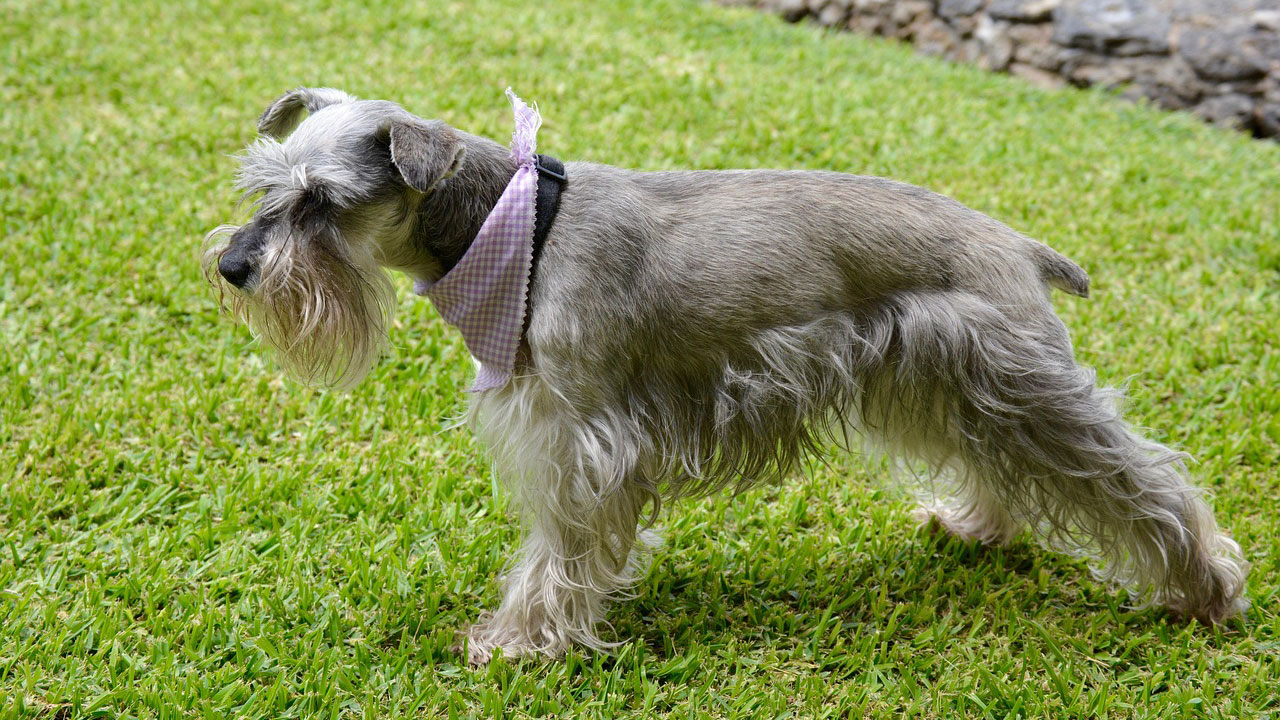
The Standard Schnauzer gets overshadowed by flashier working breeds, but it is one of the better answers here. AKC describes it as robust and sturdy, with an athletic frame built for utility and farm work. That old all-purpose working background matters because it produced a dog with real body, real energy, and a lot more grit than many people expect from a bearded medium-size breed.
What makes them deceptively strong is how balanced they look. They do not scream power at first glance. But they are compact, well-built, and very capable of putting force into movement. In the real world, that means they can pull, brace, and power through work more like a rugged farm dog than like a polished show piece.
Border Terrier
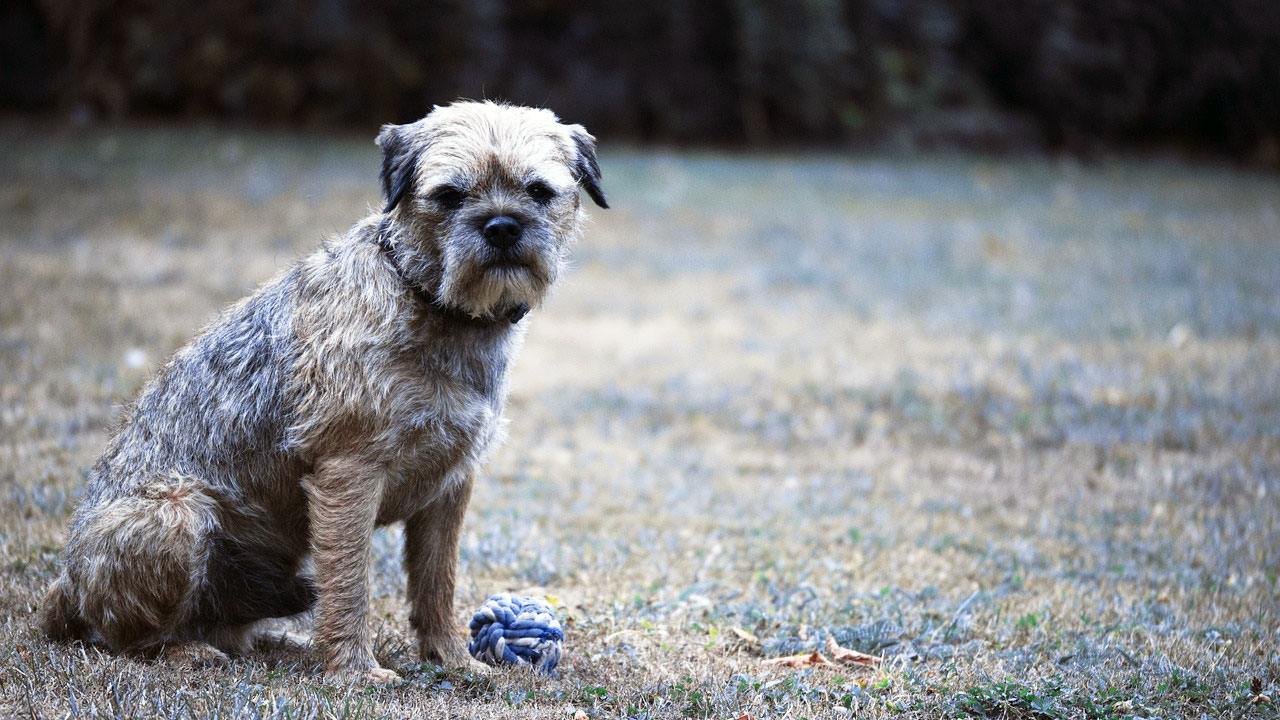
The Border Terrier is one of those breeds that can really fool people. AKC describes Borders as plucky, happy, and affectionate, but also built with the toughness to follow a horse and keep up in the field. Terrier breeds in general were developed to hunt vermin and work around barns and farms, and that background shows up in their surprising strength and grit.
A Border Terrier is not going to overpower an AmStaff, but for its size it has a ton of physical honesty. They are wiry, durable little dogs with real stamina and a working body. When a dog that small can scramble, dig, pull, and keep going with that much determination, it earns a place here.
Cairn Terrier

The Cairn Terrier is another small breed that gets underestimated because of its cute factor. AKC’s terrier-group description points out that terriers were bred to hunt and kill vermin and guard home and barn, and Cairns are one of the classic examples of that small-but-hard build. They were not meant to be fragile lap dogs. They were meant to get after it.
That history matters because it gives the Cairn a toughness and push that a lot of toy-looking breeds do not have. They are small, yes, but they are compact, bold, and built to use their whole body. That kind of little-dog strength surprises people until they’ve lived with one.
Rat Terrier
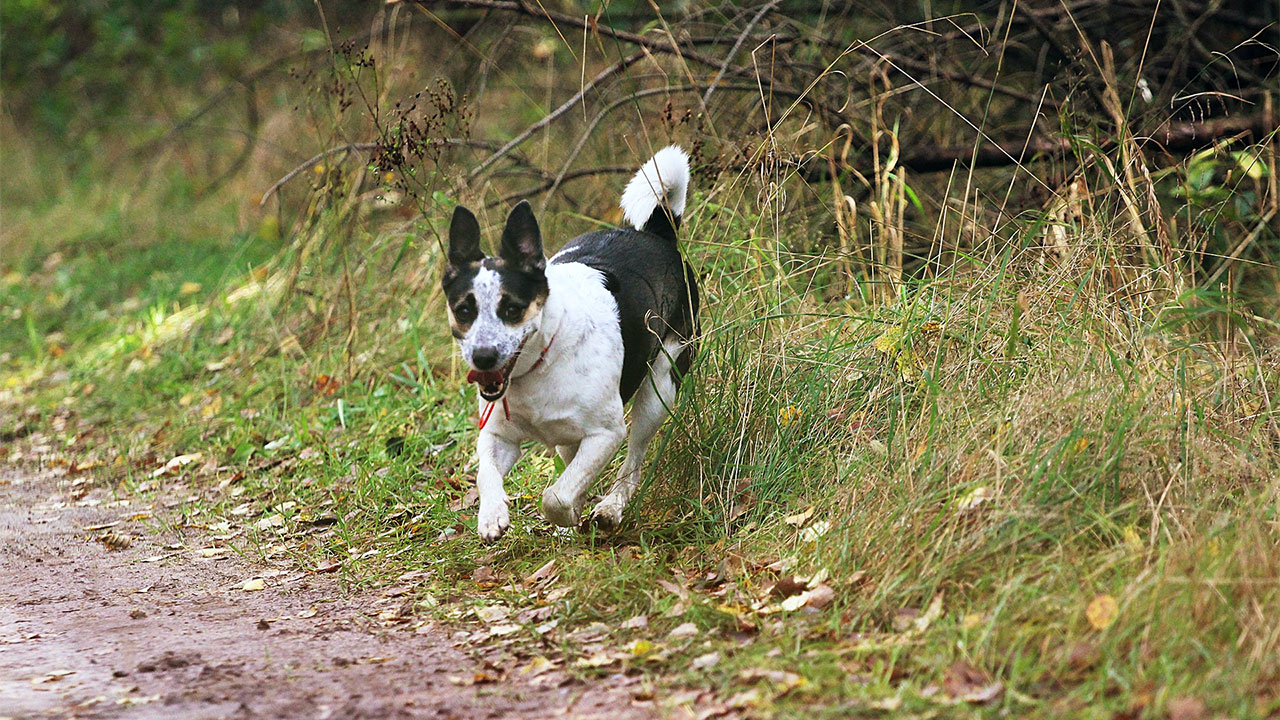
The Rat Terrier belongs here because it combines a relatively light, quick frame with more toughness and working ability than a lot of people expect. AKC describes the breed as compact, sturdy, and smooth, with a history as an American farm dog and vermin hunter. That background usually creates dogs that are stronger and more durable than the average person assumes from looking at them.
This is another one where the strength is not just about raw muscle bulk. It is about snap, agility, persistence, and the ability to keep working. Rat Terriers are built to move fast and hit a task hard, and that makes them feel more powerful than their size suggests.
Patterdale Terrier

The Patterdale Terrier is a very strong fit for this list, even though it is more of a UKC and working-dog crowd breed than a mainstream AKC darling. UKC describes it as an extremely courageous working terrier used to go to ground, very willing to work, and not a dog for the average pet owner. That tells you almost everything you need to know.
These dogs are compact little hammers. They were bred for pressure, grit, and physical commitment, not for easy house-pet life. When people meet one without knowing the background, they often underestimate how much prey drive, pull, and sheer physical stubbornness is packed into that smaller body.
Miniature Bull Terrier
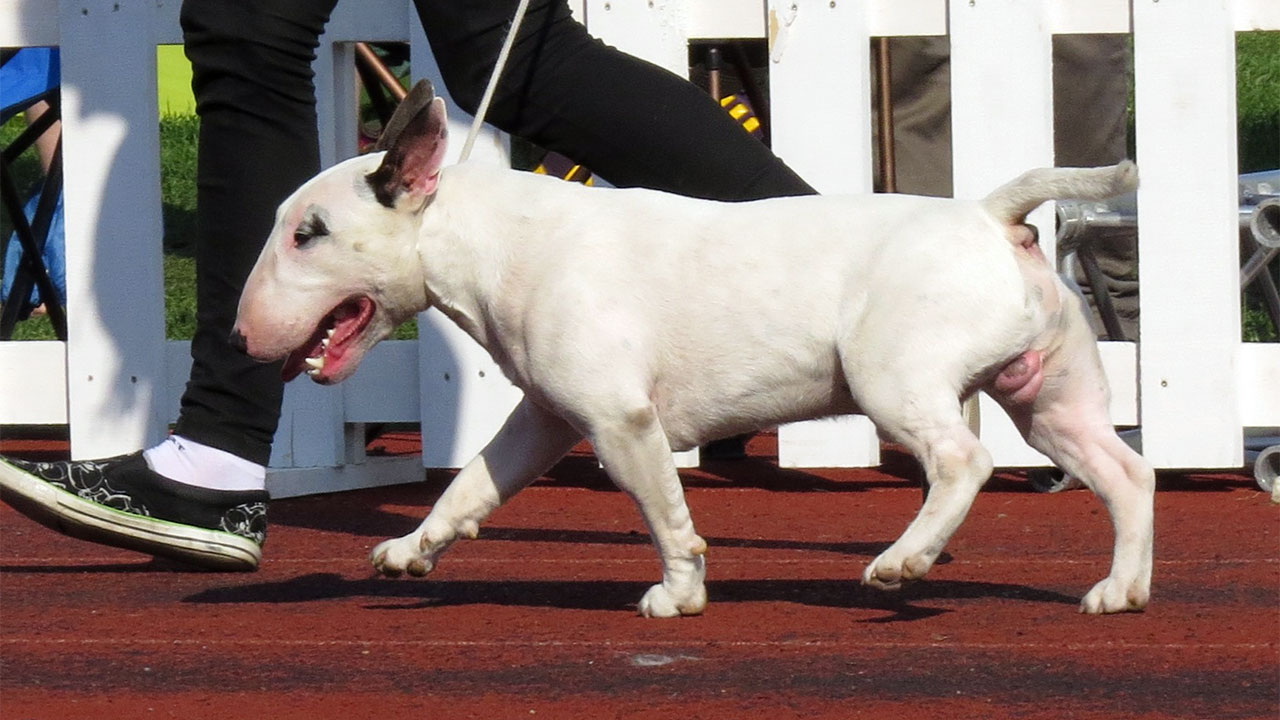
The Miniature Bull Terrier is another breed that can fool people because it almost looks cartoonish until it starts moving with purpose. AKC describes the breed as strong, muscular, and very active. That’s the whole story right there. It is a smaller package, but not a soft one.
This breed has that same dense, compact power you see in other bull-type dogs, just concentrated into a shorter body. They can hit hard for their size, and they often have the confidence to go with it. A lot of “small strong dog” lists miss them, but they absolutely belong.
French Bulldog
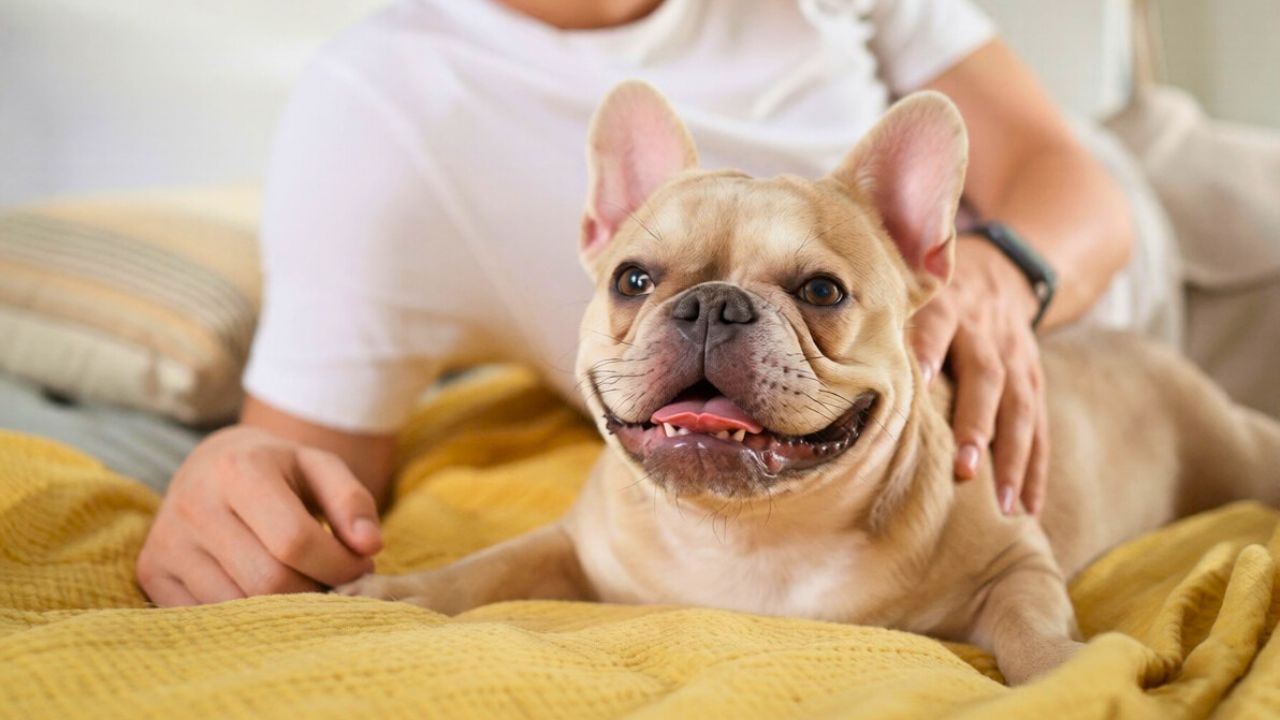
The French Bulldog is not a working farm breed in the same way as a cattle dog or terrier, but it still deserves mention because people routinely underestimate how sturdy and muscular it is. AKC describes Frenchies as compact and muscular, and that tracks with real life. They are not delicate little ornaments. They are built thick for their height.
Now, I would not rank them among the best performance dogs here, and obviously the breed’s health concerns matter. But purely on the point of deceptive physical strength, they count. A stocky Frenchie often feels much more solid and forceful than someone expects from a dog that size.
Jack Russell Terrier / Russell Terrier
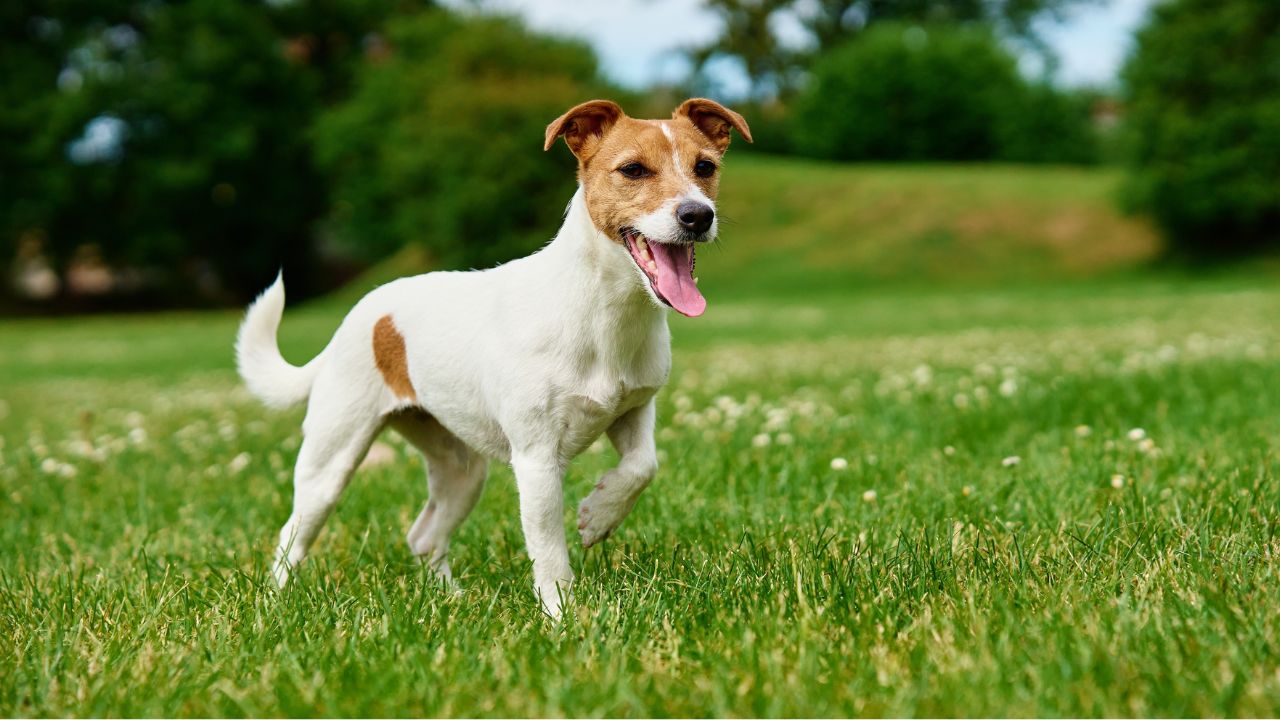
The Russell-type terriers belong in this conversation because they are classic examples of small dogs with way more toughness, jump, and drive than their height suggests. AKC describes the Russell Terrier as an alert, lively, active little dog built for work. Like other terriers, the breed came out of practical hunting needs, not decorative breeding.
That kind of background creates a dog that can launch, climb, dig, and power through work with surprising force. They are not blocky or heavy, but they are absolutely strong in the way that matters for a working small dog. Plenty of people learn that the hard way when a Russell decides the leash is a suggestion.
Like The Avid Outdoorsman’s content? Subscribe to our newsletter so you never miss an article.
Here’s more from us: