Photo credit: Marius-Kristensen/Pixabay.com
Some dogs are forgiving. They make it easy to be a beginner because they bounce back from inconsistency, tolerate a little confusion, and do not immediately try to run the whole house if you miss a few things. These are not those dogs. The breeds on this list tend to do best with people who understand structure, timing, drive, guarding instinct, socialization, and what happens when a smart or powerful dog decides it does not really need your opinion. AKC breed pages and standards repeatedly describe many of these dogs as assertive, territorial, independent, protective, intensely active, or bred for demanding work, which is usually a pretty good sign they are not the easiest starter dogs.
That does not make them bad dogs. Far from it. A lot of them are outstanding with the right owner. But the right owner usually has real dog sense, not just good intentions. With these breeds, experience matters because the margin for error gets smaller once size, intensity, or guarding instinct goes up.
Belgian Malinois
The Belgian Malinois is one of the easiest names to put on this list because the breed is basically built around work, drive, and constant engagement. AKC describes the Mal as smart, confident, versatile, and a world-class worker that forges an intense bond with its handler. AKC also says denying a Malinois activity and your company deprives it of the very things it was made for. That is not beginner-dog language. That is a giant warning label for anybody who thinks a couple walks a day will cover it.
An experienced owner gives this breed structure before problems start. A beginner often waits until the dog is already inventing its own job, and that is where the trouble starts. Malinois can become destructive, frantic, reactive, or just plain too much dog when they are underworked or poorly directed. In the right hands, they are incredible. In the wrong hands, they are exhausting.
Cane Corso
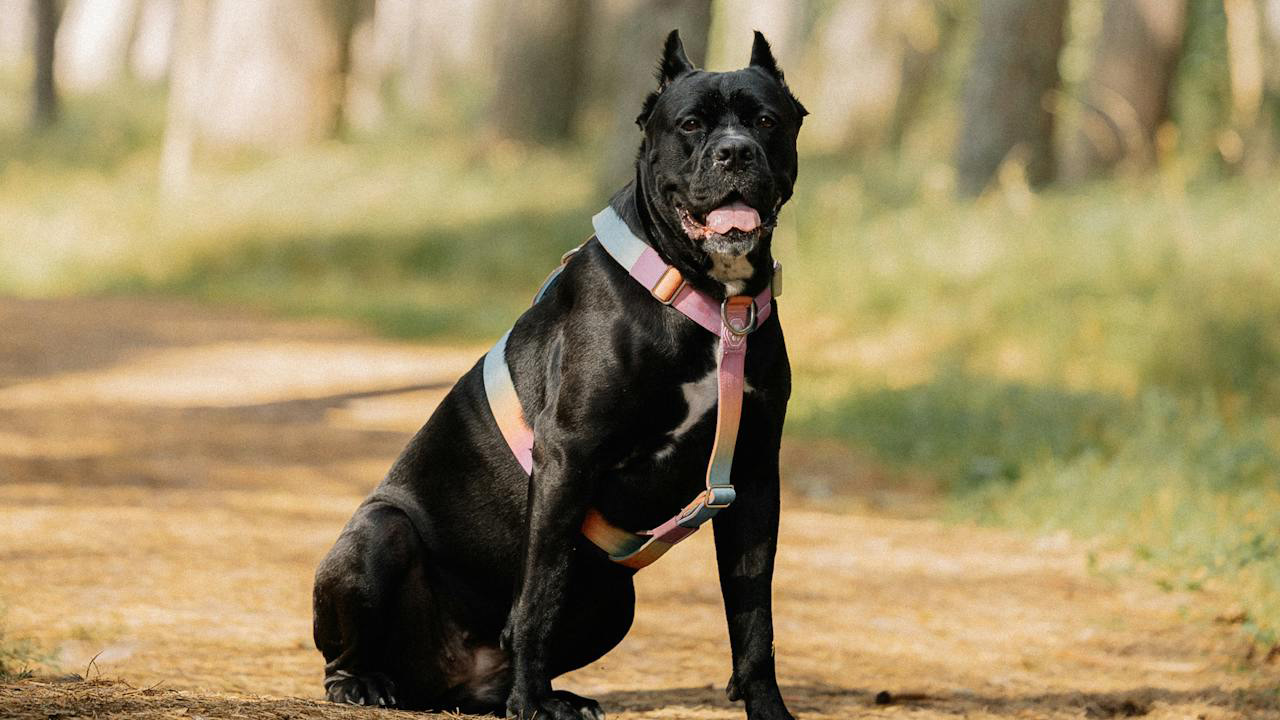
The Cane Corso is another breed that really should not be sold to people as a casual big family dog with a cool look. AKC describes the breed as assertive and confident and calls it a peerless protector. That is exactly why experienced ownership matters. Protection instinct in a giant dog is not something you want paired with shaky leadership, poor socialization, or inconsistent handling.
A seasoned owner understands how to build obedience, neutrality, and control without turning everything into a fight. A beginner often either lets too much slide or tries to dominate the dog in dumb ways that backfire. Corsos can be excellent dogs, but they need somebody who understands boundaries, public manners, and how much trouble a powerful guardian can cause if he starts making his own decisions.
Akita

Akitas are beautiful, loyal, and serious dogs, but they are absolutely not beginner material for most people. AKC describes them as dignified, courageous, and loyal, and the official standard calls them large, powerful, and alert with substantial bone. That combination already tells you what kind of dog you are dealing with. This is not a breed that typically thrives under sloppy leadership or passive ownership.
An experienced owner usually respects what the breed is instead of trying to wish it into being a social butterfly. That matters. Akitas tend to do better with somebody who understands aloofness, same-sex dog issues, and the difference between loyalty and easygoing friendliness. They can be wonderful, but they usually need a handler who brings calm authority, not nervous energy or wishful thinking.
Anatolian Shepherd Dog

The Anatolian Shepherd Dog may be one of the clearest “experienced owners only” breeds in the working world. AKC says flat out that Anatolian owners must be strong leaders, willing and able to handle a dog as dominating and demanding as he is calm and loving. That is about as direct as breed guidance gets. The breed was made to guard livestock and property, not to look to humans for constant direction the way many herding or sporting breeds do.
That guardian independence is exactly why beginners struggle with them. A first-time owner may mistake independence for stubbornness and either overcorrect or completely lose control of the relationship. An experienced owner understands that guardian breeds need thoughtful socialization, secure containment, and very clear expectations from the start. Without that, an Anatolian can become a huge problem fast.
Chow Chow

Chow Chows fool a lot of people because the coat and teddy-bear look soften the breed in people’s minds. That is a mistake. AKC describes the Chow as powerful and compactly built, and recent AKC guidance calls the breed loyal, intelligent, independent, and aloof. That is a very specific temperament mix, and it is one that usually does better with somebody who has handled more serious dogs before.
A good owner for a Chow understands that respect matters more than forced sociability. You do not usually bully this breed into compliance, and you also do not get away with treating it like a golden retriever in a lion costume. They need consistent training, real boundaries, and owners who are not rattled by reserve or independence. Beginners often take the breed personally. Experienced owners usually read it correctly.
Rottweiler
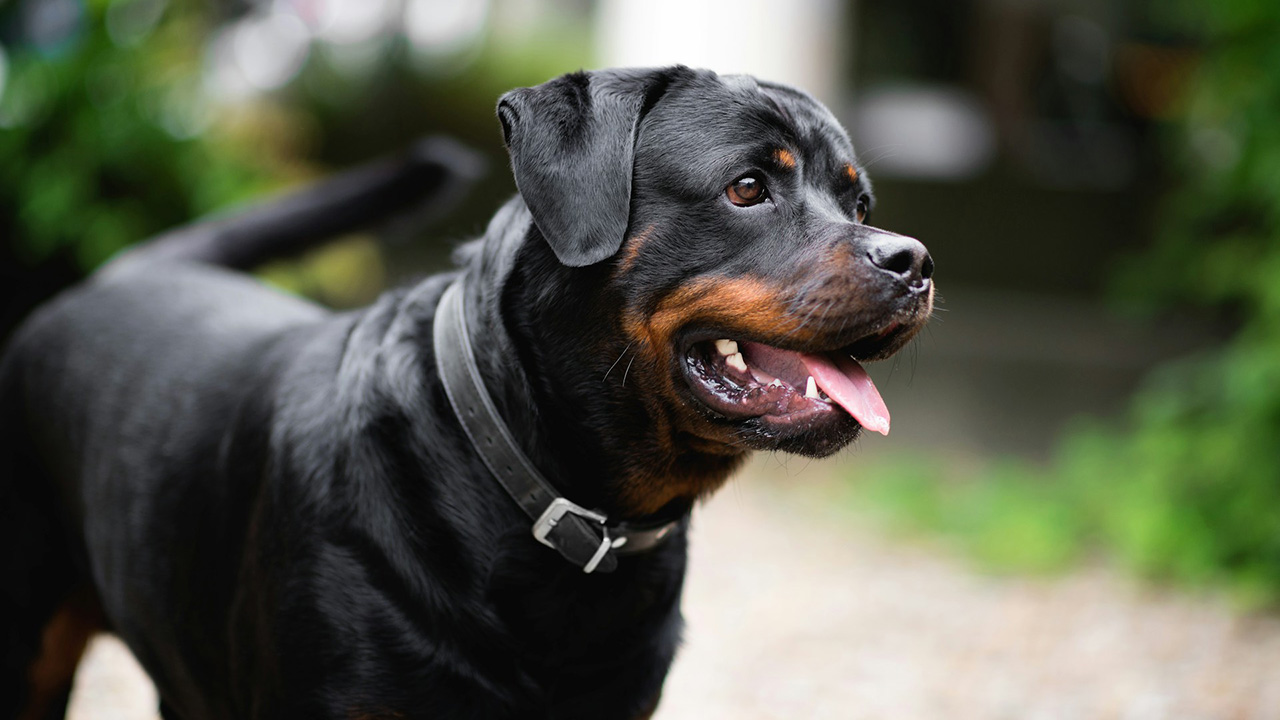
Rottweilers are highly trainable in good hands, but that does not make them beginner-easy. AKC calls the breed a robust working dog of great strength and notes that Rotties observe the outside world with self-assured aloofness. AKC’s own breed-fit guidance also says they do best in active households and need plenty of exercise and work. That mix of power, confidence, and working drive usually asks for somebody who already knows how to handle a serious dog.
The trouble with inexperienced Rottweiler owners is that they often underestimate how much consistency matters. A cute young Rottie can become a very big, very confident adult in a hurry. If obedience, manners, and social expectations are not built in early, the owner ends up trying to fix problems in a much larger dog than the one they started with. That is not a fun position to be in.
Doberman Pinscher

Dobermans are one of those breeds people assume are easy just because they are intelligent and famously trainable. That is only half true. AKC describes the breed as sleek and powerful, fearless, vigilant, and among the world’s finest protection dogs. AKC’s recent breed-fit guidance also says they need daily physical and mental activity and may develop undesirable behaviors without it. That sounds like a breed that does best with an owner who understands drive and structure, not just one who likes the look.
Experienced owners tend to do better with Dobermans because they know how to channel intensity without creating chaos. A bored or poorly handled Doberman can become pushy, anxious, destructive, or reactive. A well-managed one can be outstanding. That gap between great and messy is exactly why this breed usually lands better with people who have already lived with sharp, demanding dogs.
Australian Cattle Dog

The Australian Cattle Dog is not giant, but it is one of the most classic “too much dog for a beginner” breeds around. AKC says these compact, muscular herders are intelligent enough to routinely outsmart their owners, and AKC training material notes they do not thrive when left unattended and need real activity and purpose. That should tell you a lot. This is not a dog that wants to politely hang around while you figure out what kind of owner you are going to be.
What makes this breed tough for beginners is the combination of brains, endurance, and bossiness. A cattle dog can start running the household with sheer willpower if the owner is inconsistent. Experienced owners usually enjoy that kind of dog because they know how to direct it. Beginners often end up worn out and frustrated because the dog never really turns off and never stops testing the gaps.
German Shepherd Dog
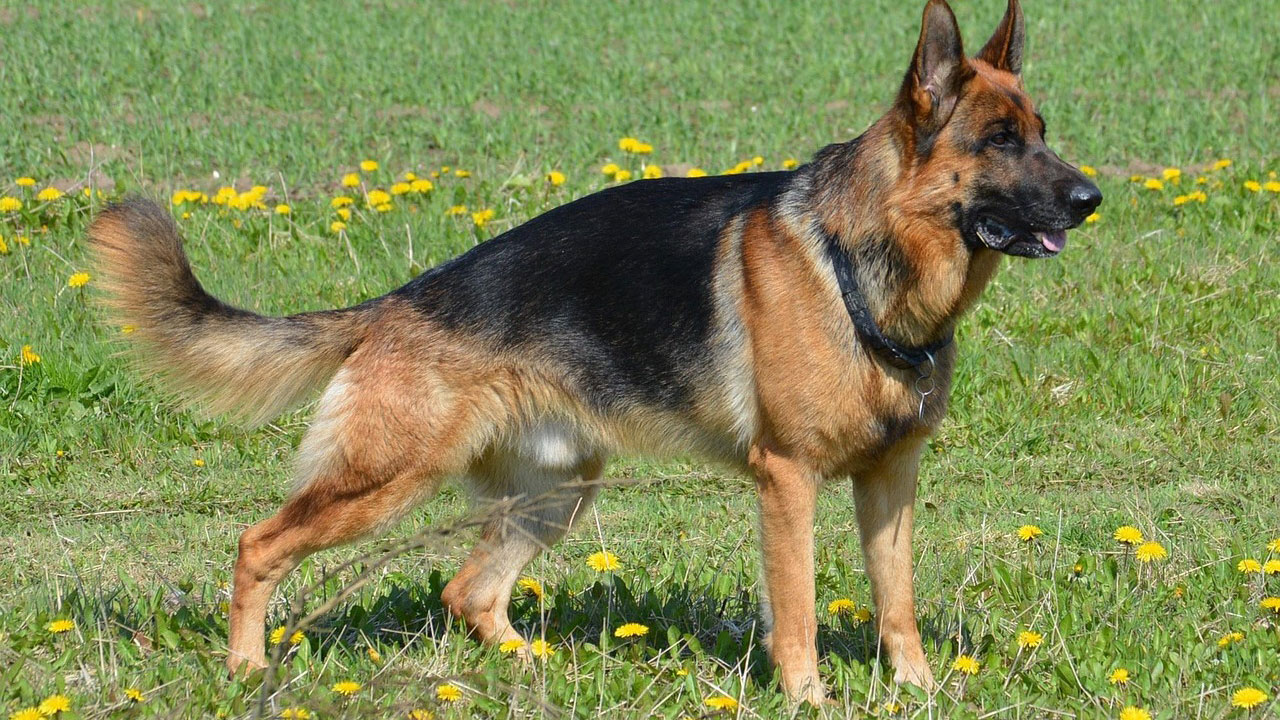
German Shepherds are popular enough that people forget how much dog they actually are. AKC describes them as large, agile, muscular, highly intelligent, loyal, confident, courageous, and steady. AKC’s breed-fit article also says owners should be prepared for an energetic dog that needs a job and daily physical and mental exercise. That is not a plug-and-play family pet for every household.
A Shepherd in the right hands is one of the best all-around dogs on earth. A Shepherd in inexperienced hands can turn anxious, reactive, overprotective, or just badly managed. What makes them better with experienced owners is not that they are impossible. It is that they are powerful, sensitive, and smart enough to amplify whatever kind of handling they get, good or bad.
Beauceron
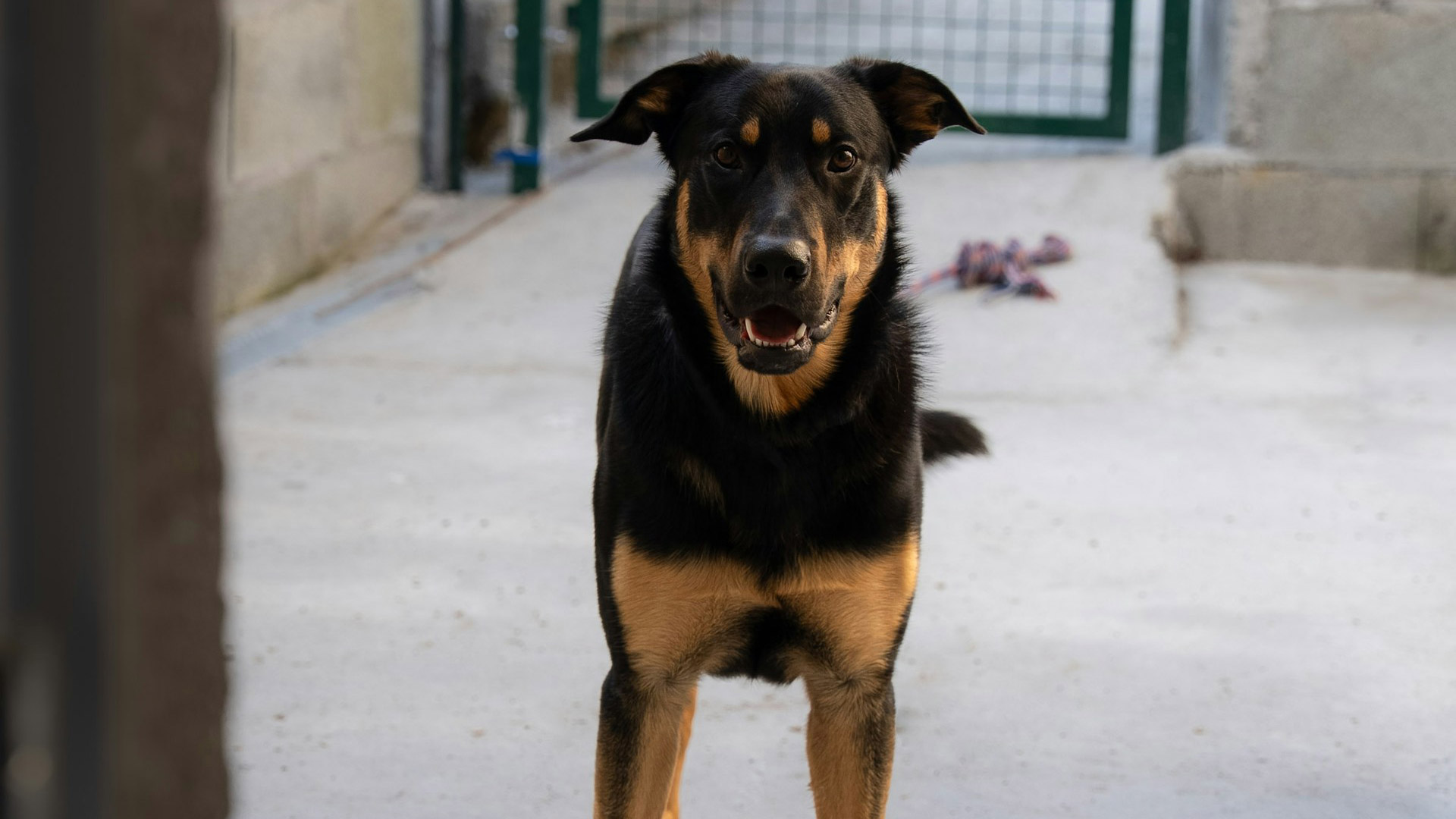
The Beauceron is not as common as some of the other breeds here, but it absolutely belongs. AKC describes it as imposing, powerful, remarkably smart, spirited, and basically a Border Collie brain in a 100-pound body. The official standard adds that the breed was selected for herding and guarding large flocks, with strength, endurance, agility, and a formidable presence. That is a serious working-dog résumé.
That “Border Collie brain in a 100-pound body” line is funny because it is true, and it is also the exact reason this breed overwhelms a lot of novice owners. A smart, athletic, protective dog with size is a whole lot easier to ruin than people think. Experienced handlers tend to appreciate the breed’s honesty and intensity. Beginners often discover that intelligence is not automatically easy.
Giant Schnauzer

The Giant Schnauzer is another breed that can be amazing with the right person and a total mismatch with the wrong one. AKC’s breed-fit guidance says they are not recommended for first-time dog owners, and the standard emphasizes power, agility, and maneuverability in a working dog. That should settle the question right there. This is not a starter guardian-herder mix for somebody learning on the fly.
What makes them challenging is the mix of watchfulness, working drive, strength, and stubborn confidence. A Giant Schnauzer does best with somebody who can train consistently, keep the dog occupied, and understand how guarding instinct interacts with a busy real-world household. If you are experienced, that can be rewarding. If you are not, it can become a headache fast.
Tibetan Mastiff

Tibetan Mastiffs are calm and impressive, but they are not beginner-friendly just because they are quiet in the house. AKC describes them as watchful, aloof, imposing, intimidating, and the guardian dog supreme. AKC’s recent breed-fit piece says they are independent, aloof, territorial around strangers and other dogs, and protectors by nature. That kind of dog really needs an owner who understands guardian breeds, not just giant breeds.
The hard part for beginners is that Tibetan Mastiffs often do not behave like dogs bred to take constant instruction. They assess, decide, and reserve judgment. That can be impressive in the right setup and maddening in the wrong one. An experienced owner sees that temperament for what it is and builds around it. A novice often assumes the dog will eventually start acting like a more eager-to-please breed. It usually does not.
Black Russian Terrier

The Black Russian Terrier is a big, powerful working breed with courage, confidence, intelligence, and natural aloofness toward strangers, according to AKC. The official standard adds that the breed must be stable, reliable, self-assured, and courageous, with great strength and endurance. That is not a breed profile that screams “great dog to learn on.”
This is the kind of dog that needs leadership without drama. A timid owner will get walked on, and a reckless owner can create a defensive mess. Experienced handlers usually do better because they know how to socialize a serious guardian without trying to make it everybody’s best friend. With a Black Russian Terrier, that balance matters a lot.
Boerboel

The Boerboel belongs here because it is a dominant, confident guardian with real size and real responsibility built into the breed. AKC describes Boerboels as intimidating but discerning guardians of home and family, and the breed standard material says they are dominant, intelligent, and strongly protective. Again, that is not starter-dog language.
A beginner can easily get in over their head with a Boerboel because the breed often looks calmer than it really is. Calm does not mean simple. Calm plus confidence plus guarding instinct can become a very difficult combination if the owner does not know how to manage visitors, boundaries, and daily obedience. A good Boerboel owner needs to be steady, experienced, and honest about what the dog was made to do.
Chinese Shar-Pei

The Shar-Pei is not as physically imposing as several breeds here, but it still tends to do better with experienced owners because of its independent and reserved temperament. AKC calls it fascinating but challenging, steadfastly loyal to family, and standoffish with strangers. That is a breed that asks for understanding, not just affection.
What trips beginners up is that Shar-Peis often do not respond like more overtly biddable breeds. They can be strong-willed, guarded, and less interested in performing just to make you happy. That does not make them bad. It just means you usually want an owner who understands how to train a dog that is not dying to agree with you every second of the day.
Like The Avid Outdoorsman’s content? Subscribe to our newsletter so you never miss an article.
Here’s more from us: