Photo credit: freepic.diller/Freepik.com
A protective dog is supposed to make you feel safer, not make you nervous every time someone pulls in the driveway. The sweet spot is a dog that’s naturally alert, confident, and willing to stand between you and a problem, but still biddable enough to live like a normal family dog. The hard truth is this: a lot of “protective” issues come from bad breeding, lazy socialization, and owners accidentally rewarding the wrong behavior. The breeds below can be protective in the right home without turning into a liability, but the common thread is the same—start early, train consistently, and don’t let the dog call the shots just because it looks tough.
German Shepherd
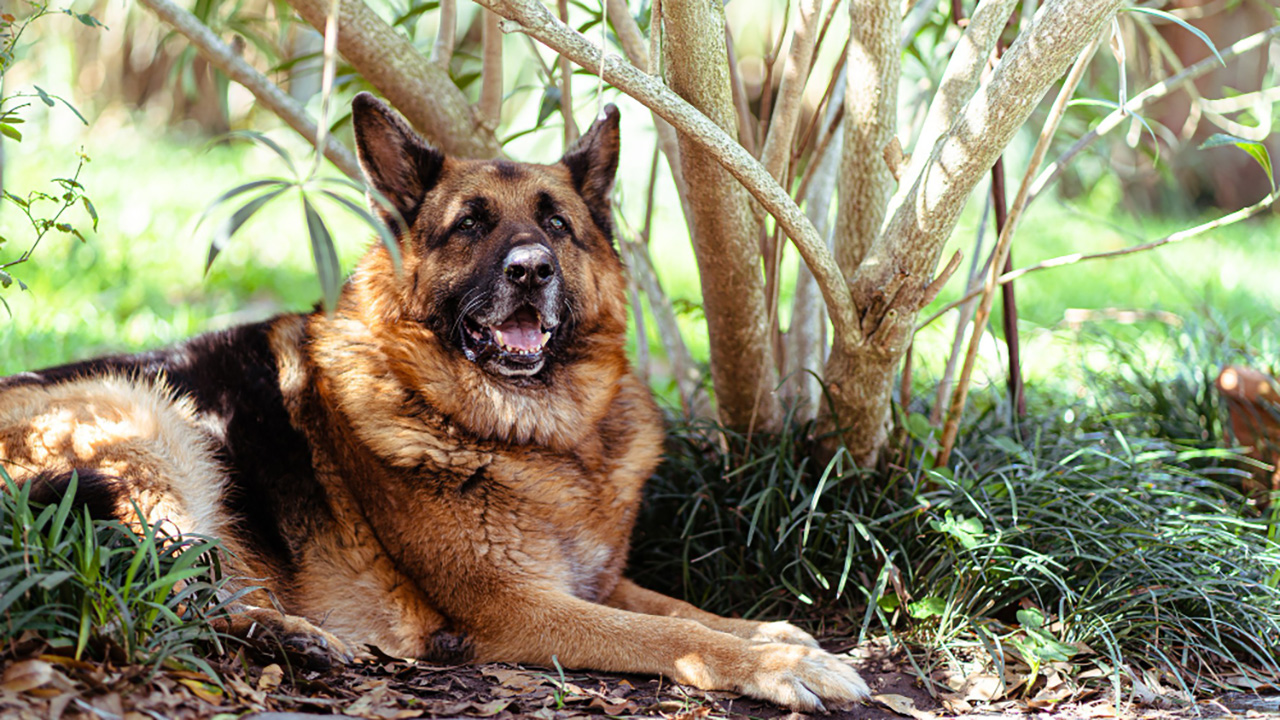
A well-bred German Shepherd is one of the best examples of protection that doesn’t have to be chaotic. The breed tends to be naturally alert, tuned in to its people, and confident enough to hold ground without flying off the handle. The big difference between a solid shepherd and a problem shepherd is structure. If you let a shepherd “decide” who belongs and who doesn’t, you’ll create reactivity fast. If you socialize early, teach neutrality around strangers, and keep obedience sharp, you usually end up with a dog that watches, reads the room, and escalates only when it truly needs to. Shepherds also do best with a job, even if that job is daily training reps, structured walks, and learning to settle. Bored, under-trained shepherds get anxious and that’s when protective turns into reckless.
Doberman Pinscher

Dobermans have a strong “personal protection” reputation because they’re typically close to their people, fast, and confident. The good ones aren’t looking for a fight—they’re looking for direction. That’s what makes them a solid option for owners who want an alert dog that can still live normally. A Doberman that’s trained and socialized tends to be clear-headed: it notices things, it’s quick to respond, and it’s not usually the type that stays in a blind rage. The risk comes when owners try to “build protection” by encouraging suspicion or rough behavior. That’s how you end up with a dog that can’t relax. Done right, a Doberman is more like a security system with legs—aware, present, and under control—rather than a loose cannon.
Rottweiler
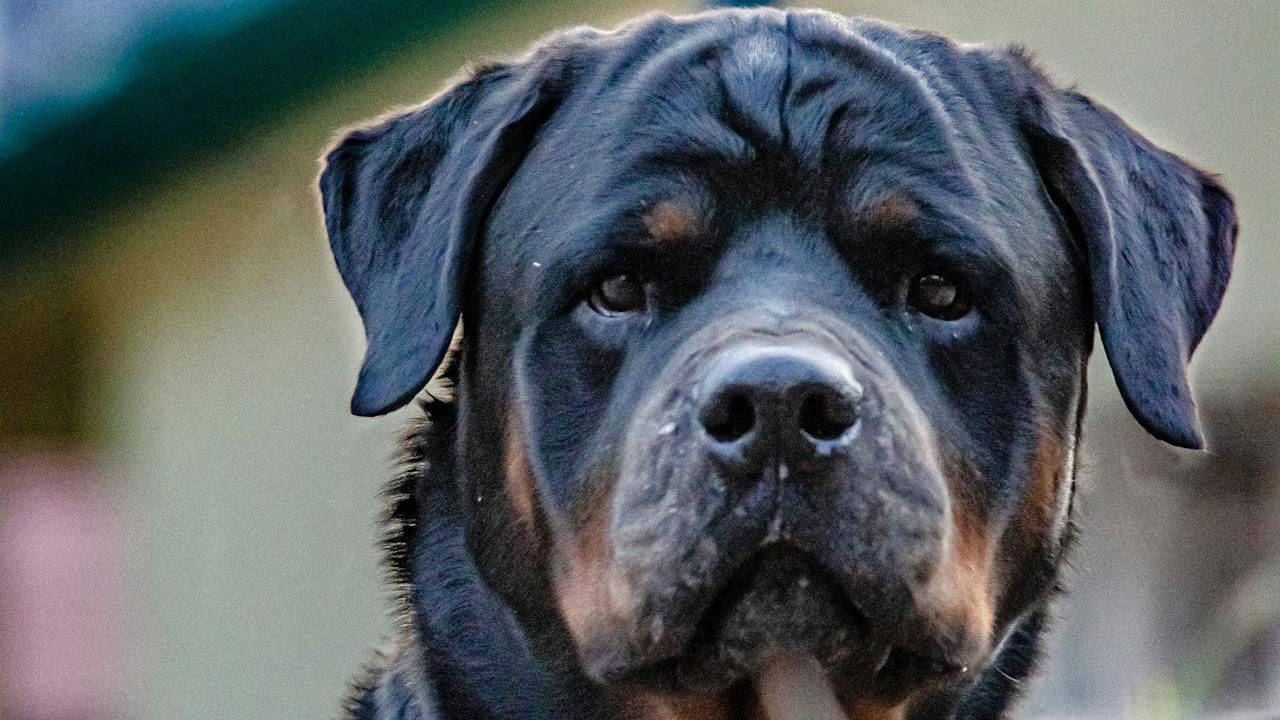
Rottweilers can be steady, reliable protectors because they’re naturally confident and they usually don’t need to be hyped up to take a situation seriously. The best Rottweilers are calm until something actually matters, and that calm is the whole point. They’re big, strong dogs, though, so you don’t get to wing it on training. A Rott that isn’t socialized early can become too suspicious, and a Rott that isn’t taught impulse control can turn a normal moment into a problem. When the foundation is right—basic obedience, controlled introductions, and clear household rules—Rottweilers tend to be protective in a practical way. They watch, they posture, they step in if needed, but they don’t usually act like they’re out hunting for trouble.
Boxer
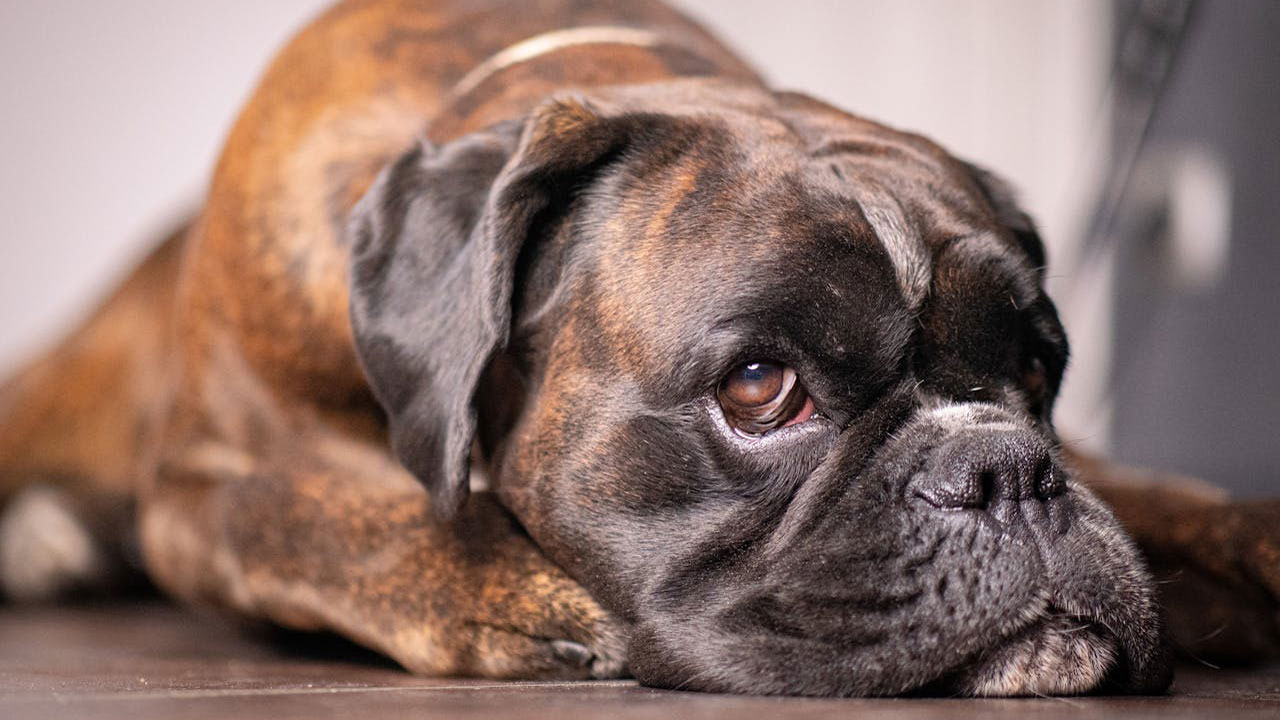
Boxers don’t always get credit because they’re goofy, but that goofy personality can actually be a strength for the right family. A solid Boxer is typically social, confident, and very bonded to its people, which means it’s not usually reactive in a fearful way. They can still be protective of the home and the family, especially when they sense tension or a stranger acts wrong, but they’re less likely to be “always on edge” compared to some guard-heavy breeds. The biggest issue with Boxers is overstimulation—if you let rude behavior slide, they can become wild and pushy. A Boxer that’s trained to settle and has good leash manners can be a great balance: friendly most of the time, serious when it counts, and not constantly looking for conflict.
Standard Schnauzer
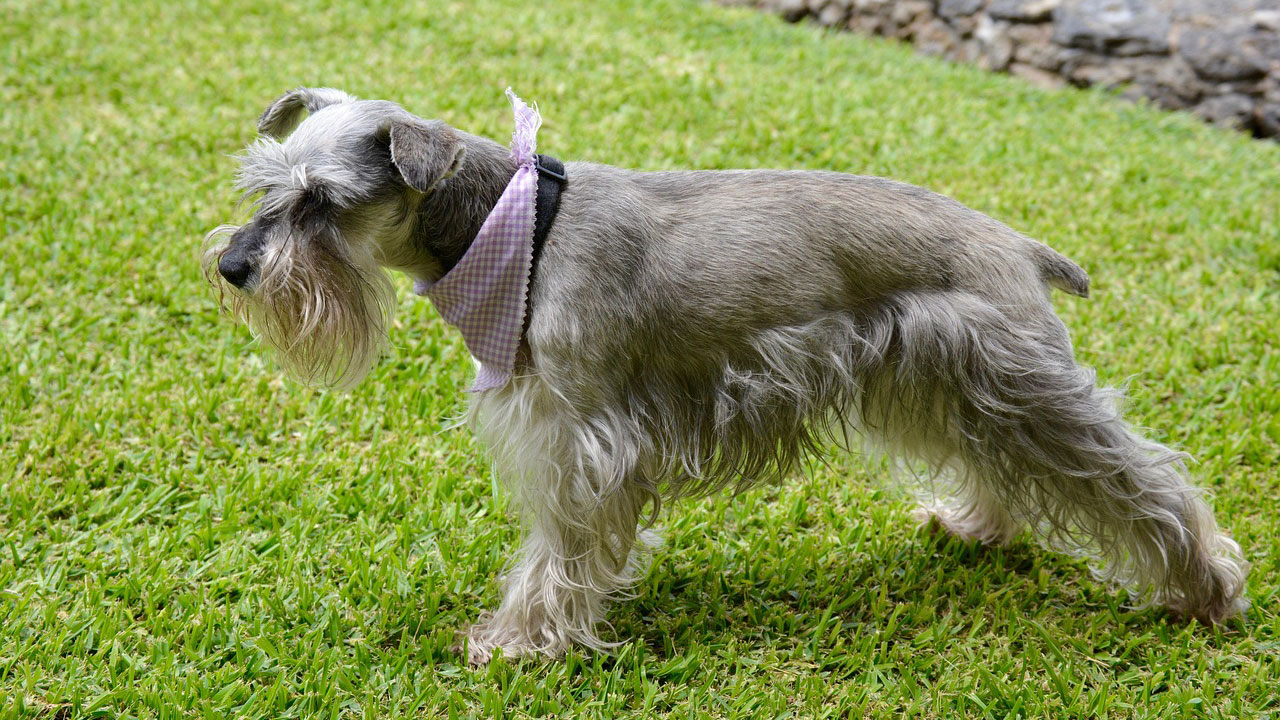
Standard Schnauzers are underrated for practical home protection because they’re naturally alert and territorial enough to care, but smart enough to train well if the owner is consistent. They tend to be vocal and watchful, which is exactly what many people want: a dog that notices what’s happening and makes it known. They can be protective without being reckless because they often default to “alarm” before “attack,” and that’s the correct order for a family property dog. The catch is that they’re not lazy dogs. If you don’t provide structure and a steady routine, they’ll invent their own rules. With training, they can be confident and stable around guests while still taking the home seriously. You get a dog that pays attention and doesn’t miss much.
Giant Schnauzer

If you want more horsepower than the Standard, the Giant Schnauzer is a serious dog that can still be controlled with the right owner. They’re protective, athletic, and smart, and they often take their “guardian” role naturally. The reason they can fit the “protective without reckless” category is that the breed is typically very trainable and handler-focused—if the handler knows what they’re doing. The wrong owner creates a mess by letting the dog posture and escalate whenever it feels like it. The right owner builds obedience, neutrality, and calm exposure to normal life. Giants aren’t for someone who wants an easy dog, but in experienced hands they can be intense in a controlled way, not a chaotic way.
Belgian Tervuren
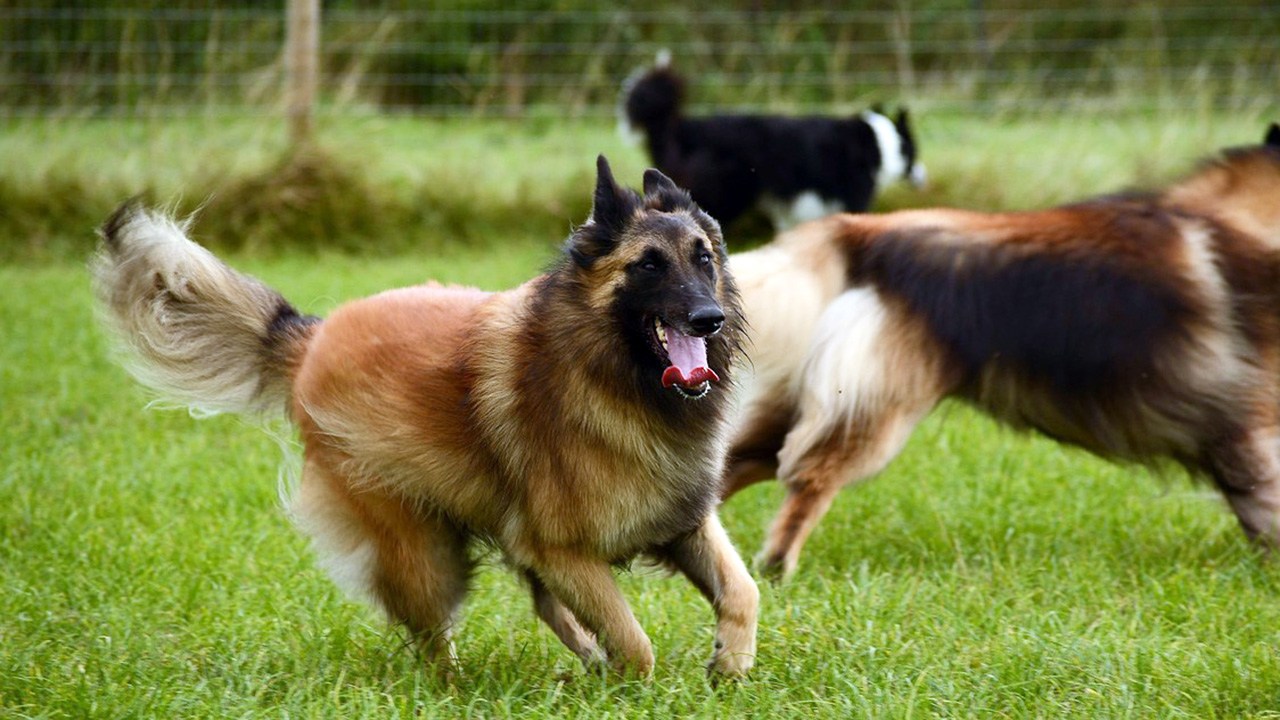
The Belgian Tervuren can be a sharp, serious dog without being reckless when it’s bred for stability and raised with structure. They’re alert, fast, and naturally watchful, which makes them excellent at noticing changes in the environment. The mistake people make is assuming “smart” means “easy.” A Tervuren needs clear rules, controlled socialization, and a handler who can keep the dog’s brain busy. When they’re underworked, they can get anxious and that anxiety can look like defensive behavior. When they’re trained and given purpose, they’re typically confident and responsive. You get a dog that reads the room and stays connected to you instead of freelancing. That’s what keeps protection from turning into reactivity.
Bouvier des Flandres
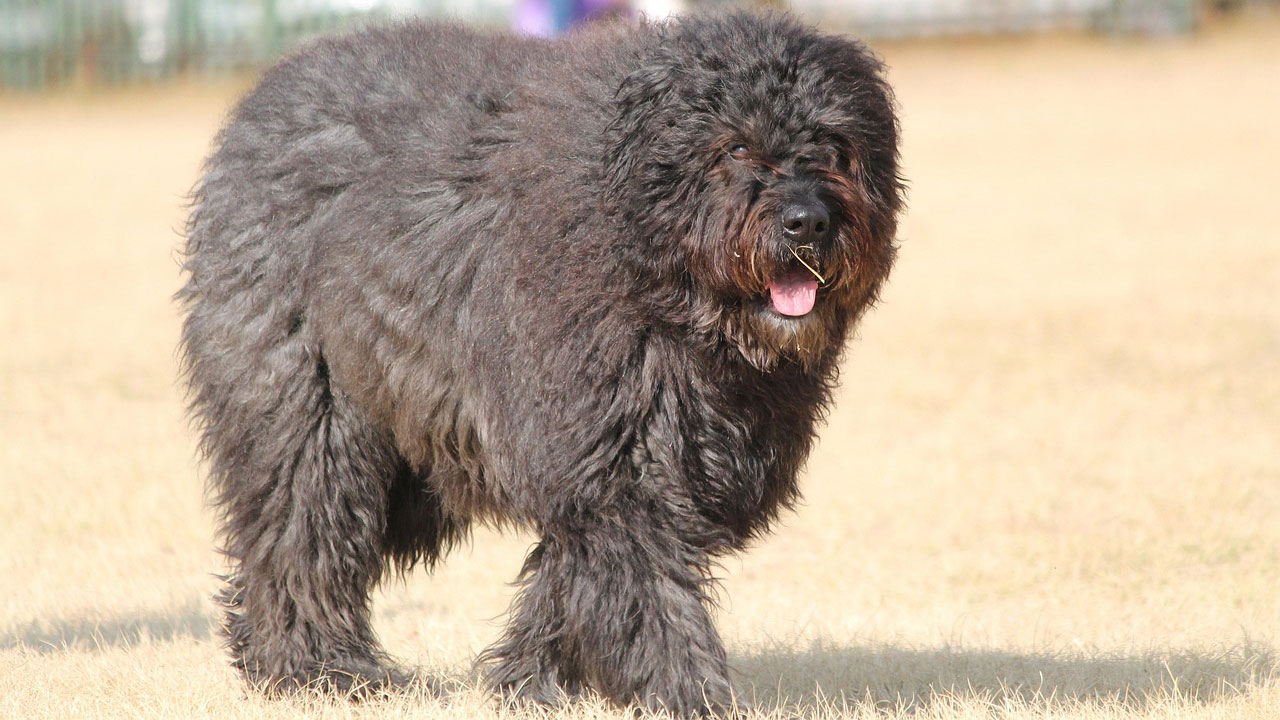
Bouviers are big, powerful dogs that often have a calm seriousness about them. They’re not usually frantic, and that makes them a good “protective without reckless” candidate in the right home. A well-raised Bouvier tends to be steady and watchful, and they can be very loyal to family while being reserved with strangers. That reserved nature is fine as long as it’s paired with socialization and obedience. The owner’s job is to teach the dog what normal looks like, so it doesn’t treat everything unfamiliar as a threat. Bouviers also need grooming and consistent training, but when you put the work in, you can end up with a confident property dog that doesn’t overreact to every little thing.
Rhodesian Ridgeback
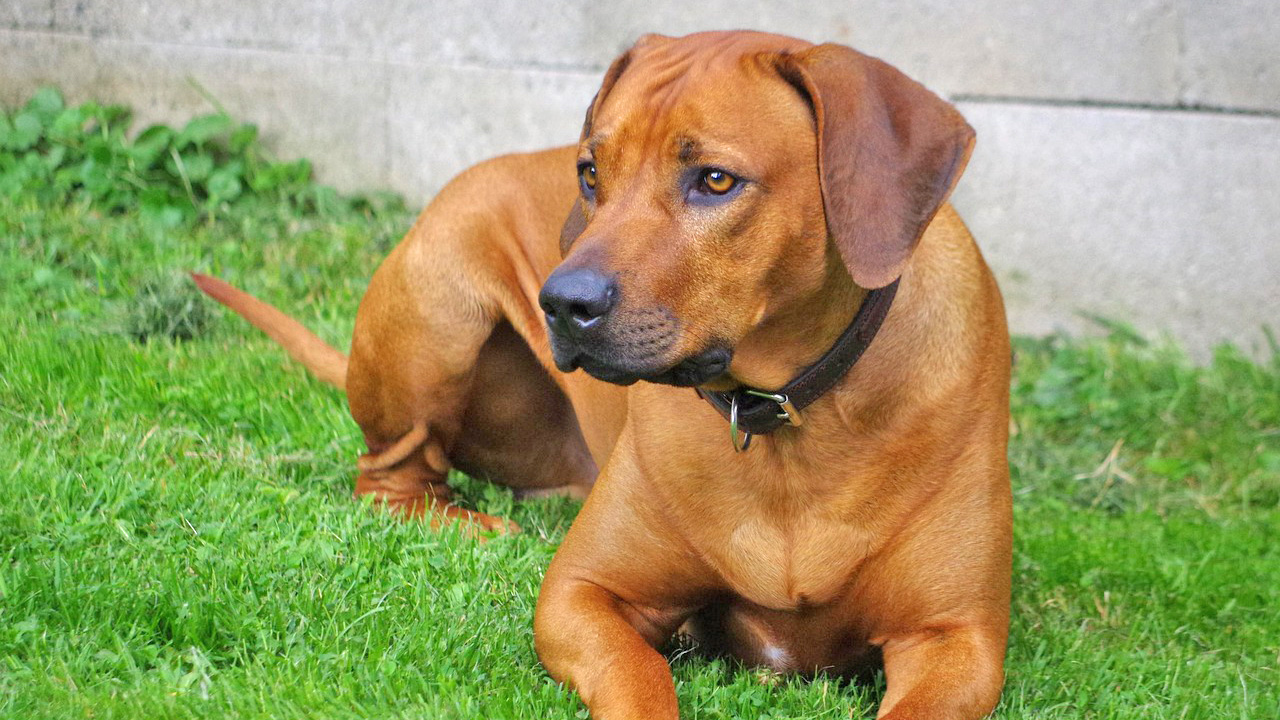
Ridgebacks have a strong “quiet protector” vibe when they’re raised right. Many are naturally reserved with strangers but deeply bonded with family, and they’re athletic enough to be a presence without being a constant headache. They’re not typically the type to bark nonstop or escalate over nonsense, which helps them fit this category. The downside is that they’re independent, so lazy training doesn’t work. You need consistent boundaries and solid recall and leash manners, because a Ridgeback that decides to do its own thing can get you into trouble fast. With structure, though, they’re often confident dogs that don’t act reckless, but they also don’t act clueless if something feels off.
Bullmastiff

Bullmastiffs were built around the idea of a dog that can stop a threat without acting like a hyperactive maniac. They’re big, strong, and often calm, and that calm makes them easier to live with than people expect. A well-bred Bullmastiff is typically watchful and confident, not jittery. They’re also not usually the type that needs constant drama to feel important. The danger is owners who don’t train because the dog seems mellow as a puppy, then realize later the dog is huge and doesn’t listen. If you put in the basic work early—neutrality around guests, solid obedience, proper socialization—you can end up with a dog that’s protective in a practical way and not reckless in everyday life.
Great Pyrenees

A Great Pyrenees is protective by nature, but the protection is usually more about guarding territory and family than acting aggressive. They’re often calm with their people, and they’re more likely to warn and posture than fly into chaos. That said, Pyrenees are independent livestock guardian dogs, which means beginners get surprised when the dog doesn’t “obey” like a retriever. To keep a Pyr from becoming a nuisance, you need boundaries, controlled introductions, and a plan for barking. Done right, you get a dog that takes the property seriously and can deter problems just by existing, without being reckless. Done wrong, you get a dog that decides every passerby is a threat and makes your life loud.
Anatolian Shepherd

Anatolian Shepherds can be excellent protectors because they’re confident, territorial, and serious, but they’re also not the best choice for owners who want a people-pleaser. They’re independent thinkers, and that’s a double-edged sword. In the right setup—rural property, clear boundaries, and an owner who understands guardian breeds—you get a dog that watches, patrols, and reacts appropriately without freaking out over every noise. In the wrong setup, you get a dog that makes its own calls and doesn’t care what you wanted. The difference is management and training. If you treat an Anatolian like a casual pet with no structure, “protective” can turn into “problem” fast. If you respect what it is and put in the work, it can be protective without being reckless.
Chesapeake Bay Retriever
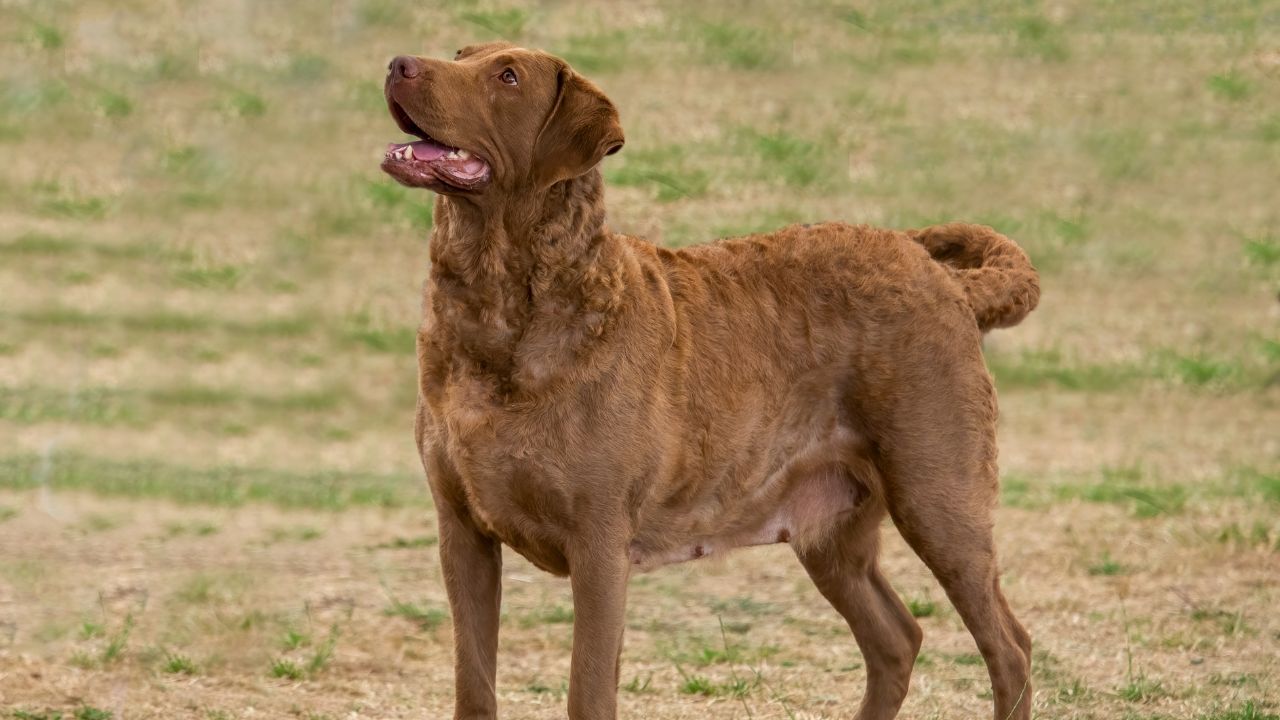
People forget Chesapeakes can be protective because they’re retrievers, but anyone who’s spent time around them knows they’re not the same personality as a Lab. They tend to be more serious, more territorial, and more willing to stand their ground. That can translate into a dog that’s protective of home and family without being a constant liability, especially because they’re also trainable and task-oriented. The key is early socialization and making sure the dog learns neutrality—guests are normal, delivery drivers are normal, people walking by are normal. A Chessie that’s raised with structure often becomes the type of dog that watches and stays close, instead of panicking or escalating. You get a “working dog brain” with enough edge to deter trouble.
Australian Shepherd

Aussies can be protective in a practical way because herding breeds are wired to keep their group safe and controlled. Many Aussies are naturally watchful, they’ll alert when something’s off, and they can be very loyal. The risk is that a bored Aussie can become reactive or mouthy, especially if it starts trying to “control” strangers, kids, or other dogs. The fix is training and purpose. If you teach the dog to settle, reward calm behavior, and socialize properly, Aussies can be protective without being reckless. They tend to respond well to consistent owners who work with them daily. You’re not getting a lazy couch dog, but you can get a stable, confident family protector that doesn’t act out when life gets busy.
Airedale Terrier

Airedales are tough, smart, and naturally protective, but they don’t always get listed because they’re terriers and terriers have opinions. The reason they can fit this category is that they’re often confident and not fear-driven, which reduces the “panic bite” type of behavior. A well-raised Airedale will alert, posture, and hold its ground, and it can be a strong deterrent without needing to be aggressive. The flip side is that they need structure because terriers will run the house if you let them. Airedales do best with training that’s firm and consistent without being harsh. Give them rules, exercise, and real engagement, and they can be protective in a controlled, not reckless, way.
Like The Avid Outdoorsman’s content? Subscribe to our newsletter so you never miss an article.
Here’s more from us: