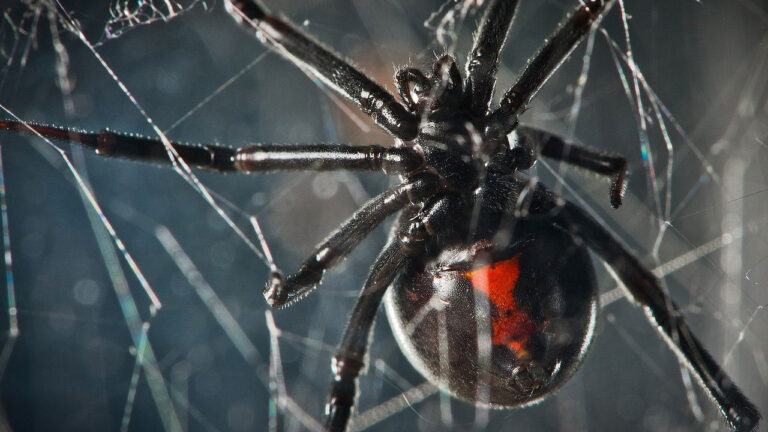
Photo credit: Holger Krisp, CC BY 3.0/Wiki Commons
Most snakebites do not happen because someone walked past a snake and got attacked out of nowhere. They happen because somebody got too close, tried to move it, stepped near it without recognizing it, or convinced themselves it was harmless long enough to make a bad decision. That is where misidentification becomes dangerous. A lot of venomous snakes do not look dramatic in the wild. They look brown, patterned, dull, still, or easy to ignore. That is exactly why people keep getting them wrong.
The problem gets worse when people rely on one quick “rule” instead of the whole animal. They look for a triangle-shaped head, a bright tail, a rattle, or some remembered saying from childhood and assume that is enough. It usually is not. Light changes color. Mud hides pattern. Juveniles look different from adults. A snake in water may not look the way it does in a field guide. By the time somebody bends closer to confirm what they think they are seeing, the distance is already too short. That is why the safest approach is simple: if you are not completely sure, treat the snake like it could be venomous and give it space.
Copperheads get written off as “just a brown snake”
Copperheads may be the most commonly underestimated venomous snakes in much of the eastern and central United States because they do not always look especially dramatic at first glance. People see a tan, brown, or copper-colored snake in leaves, mulch, firewood piles, or along a trail and assume it is some ordinary nonvenomous yard snake. That is exactly where trouble starts. Copperheads blend into the ground incredibly well, and their hourglass-shaped crossbands can disappear fast in broken shade or heavy leaf litter. A person looking casually often sees only “brown snake” and keeps moving closer.
That mistake gets people into trouble around wood lines, rocks, landscaping timbers, and backyard edges where the snake is relying on camouflage instead of escape. Copperheads often hold still when they think they have not been detected, which makes them even easier to overlook. A person reaching into brush, stepping over a log, or trying to nudge one away with a stick may not realize what they are dealing with until the strike comes. If the snake looks thick-bodied, blends almost perfectly into dead leaves, and carries a clean repeating band pattern instead of random blotches, do not lean in for a better look. Back off and let the snake have the space.
Cottonmouths get mistaken for harmless water snakes all the time
Cottonmouths are constantly misidentified because people see a dark snake near water and immediately decide it must be a harmless water snake. That is a risky assumption in the South and parts of the Southeast where cottonmouths are common around creeks, ditches, ponds, swamps, marsh edges, and even flooded roadside areas. People often expect a cottonmouth to look huge, glossy black, and obvious. In reality, some are lighter, some are heavily patterned, and younger ones can look much more detailed than the mental image most people carry around.
This is where behavior and body shape matter more than a quick glance. Cottonmouths often look heavier-bodied and more muscular than many nonvenomous water snakes, and they frequently hold themselves with a kind of coiled confidence instead of trying to flee immediately. When threatened, they may gape and show the white interior of the mouth, but waiting for that display is a bad plan. People get bitten when they step near one at the bank, try to move one from a boat launch, or assume the snake swimming across shallow water is automatically harmless. If you see a stout-bodied snake around water and you are not absolutely certain what it is, do not crowd it and do not try to haze it off the trail with your foot.
Coral snakes fool people who trust old sayings too much
Coral snakes create a different kind of problem because people often know just enough rhyme-based snake lore to feel confident when they should not. They look for a red-yellow-black sequence, try to remember a phrase they heard years ago, and make a decision far too quickly. That can go wrong fast, especially because many people are trying to use a memory trick under stress while the snake is moving through leaves, grass, pine straw, or yard clutter. Depending on the region and the lookalike species nearby, relying on a rhyme instead of distance is not smart snake behavior.
Coral snakes also get underestimated because they are usually smaller, more slender, and less outwardly intimidating than a rattlesnake or cottonmouth. People see a bright little snake and assume it is harmless, juvenile, or even pretty enough to examine more closely. That is exactly the kind of mistake that leads to handling attempts or close-up inspection. If you see a brightly banded snake and you are not fully confident about the identification, do not crouch down and try to sort out the color order at arm’s length. Bright colors are not an invitation to investigate. They are a reason to stop right there and back away.
Rattlesnakes get dismissed when they do not rattle
A surprising number of people expect rattlesnakes to announce themselves clearly every time. When that does not happen, they start ruling rattlesnakes out too early. That is dangerous. A rattlesnake may not rattle because it has not been fully disturbed yet, because it chooses to stay still, because the rattle is damaged, or because the person is already too close when the snake decides movement is the better option. If someone is waiting to hear a warning before taking the possibility seriously, they are already behind.
This is especially true with timber rattlesnakes, western diamondbacks, and pygmy rattlesnakes in brush, rock, tall grass, and trail-edge cover. People often see only part of the body, or they notice a blotched pattern and talk themselves into believing it is a harmless snake because the tail did not buzz. That kind of thinking gets dangerous around logs, ledges, sheds, wood piles, and hunting setups where visibility is broken. If you see a thick-bodied snake with bold patterning and you cannot clearly rule it out, do not close the distance just to confirm whether there is a rattle. The safe move is to assume enough and leave.
Juvenile venomous snakes get underestimated because they are small
A lot of people make the same mistake with juvenile venomous snakes: they think smaller means less dangerous or easier to handle. That is exactly backward thinking. A juvenile copperhead, cottonmouth, or rattlesnake may be easier to overlook because it is shorter, thinner, and sitting in places people do not watch carefully enough. But small venomous snakes still matter, and they are often found in the exact spots where hands and feet go without much caution, like garden borders, under flowerpots, around stacked boards, or in low ground cover near patios and sheds.
Young venomous snakes can also look different enough from adults to confuse people who only know the mature version. Juvenile copperheads and cottonmouths often show brighter tail tips, cleaner patterns, and more contrast than adults. That can make someone think they are looking at a harmless species or some random baby snake that can be brushed aside. That is a terrible idea. A small snake should not lower your guard. If anything, it should increase it because the animal is easier to miss and easier to misread.
People trust head shape and color more than they should
One of the biggest reasons people misidentify venomous snakes is that they reduce the whole animal to one feature. They decide the head is not triangular enough, the color is not dark enough, the pattern is not bright enough, or the body does not match the exact photo they remember. That approach fails constantly in the real world. Snakes flatten their heads when defensive. Angles distort shape. Mud and dust dull color. Shade can make one species look like another. A water snake can look threatening, and a venomous snake can look plain. Relying on one visual cue is a fast way to make a slow, bad decision.
That is why experienced outdoorsmen usually do not play guessing games at close range. They do not need to win an identification contest from six feet away. They need to avoid getting bitten. If a snake is in the trail, around camp, near a blind, beside a stream crossing, or anywhere near your hands or boots, the practical move is distance first. Move around it if you safely can. Wait it out if you cannot. Get help if it is in a place that truly requires removal. The person who gets bitten is often the person who wanted one more second, one more look, or one more chance to prove they already knew what it was.
Like The Avid Outdoorsman’s content? Subscribe to our newsletter so you never miss an article.
Here’s more from us: