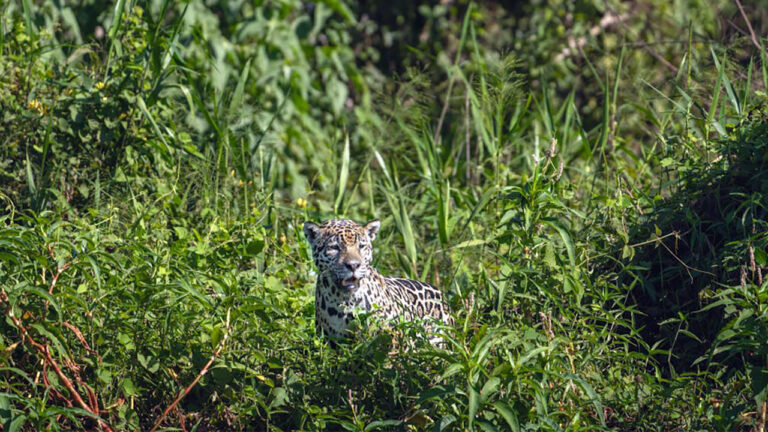
Photo credit: National Park Service/rawpixel
Drought changes animal behavior in ways that matter to hunters, landowners, and anybody spending time outside. When water and food get tight, animals travel farther, show up in places they normally avoid, and get more active at odd hours. Texas Parks and Wildlife has specifically noted that during drought, wildlife from deer and coyotes to raccoons, snakes, and insects move around more in search of scarce food and water, including during the day when people are more likely to notice them. That does not mean every animal turns aggressive overnight. It does mean the margin for error gets smaller fast.
The animals below are the ones I’d take most seriously in drought years. Some are dangerous because they get bolder around homes, feeders, troughs, and stock tanks. Others are dangerous because stressed prey movement pulls predators into new ground. And some are simply the kind of animal you never want to surprise when it is hot, thirsty, and already stretched thin. In bear country, for example, the National Park Service has noted that drought and natural food shortages can help push some bears toward human food sources. That same basic pattern shows up across a lot of species even when the exact response changes by region.
Coyotes
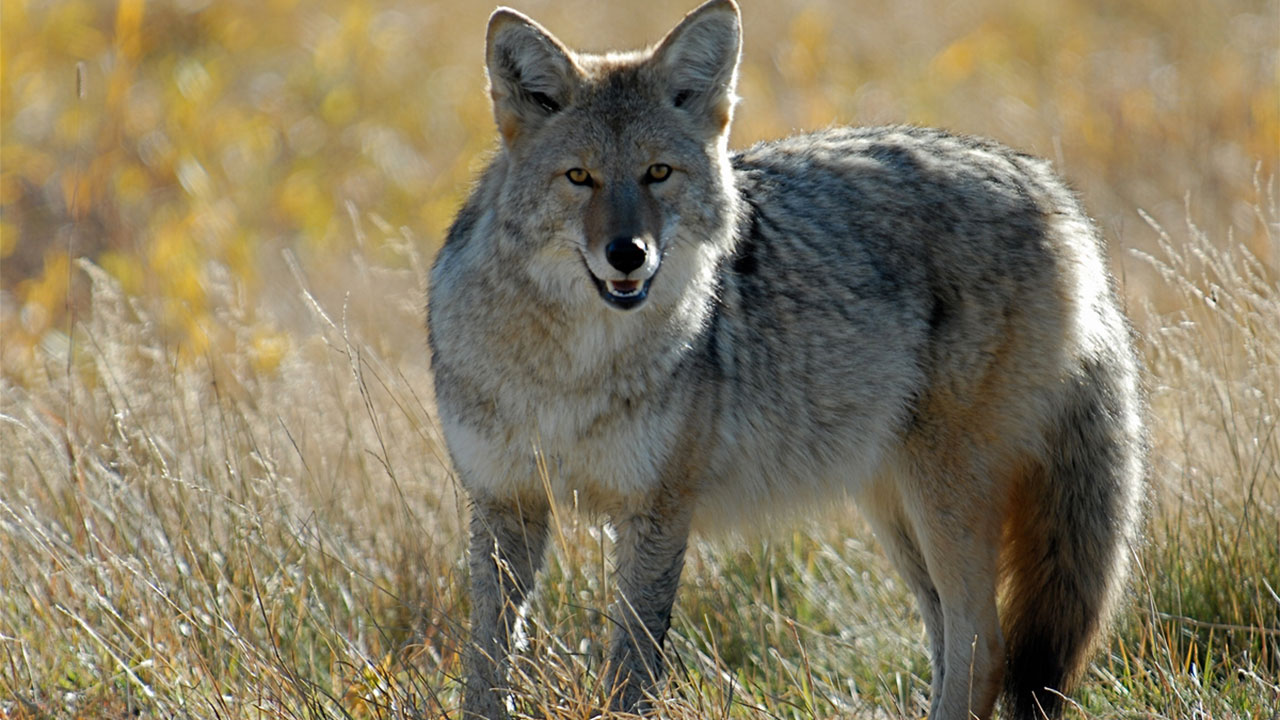
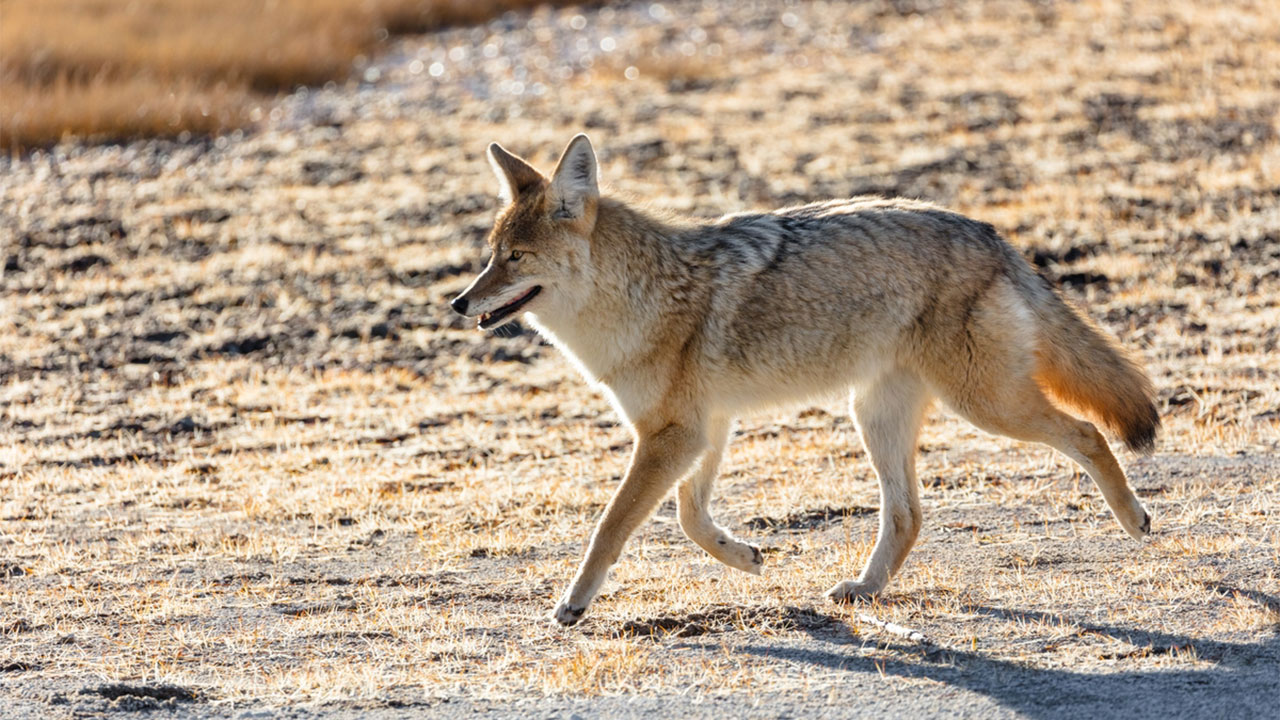
Coyotes are already good at living around people, and drought makes that even more obvious. When rabbits, rodents, insects, fruit, and easy water sources dry up, coyotes widen their search pattern. Texas Parks and Wildlife has noted that drought pushes urban wildlife, including coyotes, to move more in search of food and water, and that animals that are usually nocturnal may start showing up in daylight more often. That is the kind of year when people suddenly start seeing a coyote on the back fence at noon and assume it is rabid, when sometimes it is simply working harder to survive.
What makes them dangerous is not that they are eager to attack grown adults. It is that drought can bring them closer to pets, poultry, trash, and smaller livestock when their normal pattern gets disrupted. A dry year also stacks multiple attractants in one place. If a subdivision has bird feeders, pet food, outdoor water bowls, and small dogs, it starts to look like a buffet. Most coyote trouble starts with food conditioning, bad human habits, or a coyote losing its fear. Drought just speeds that process up.
Black bears
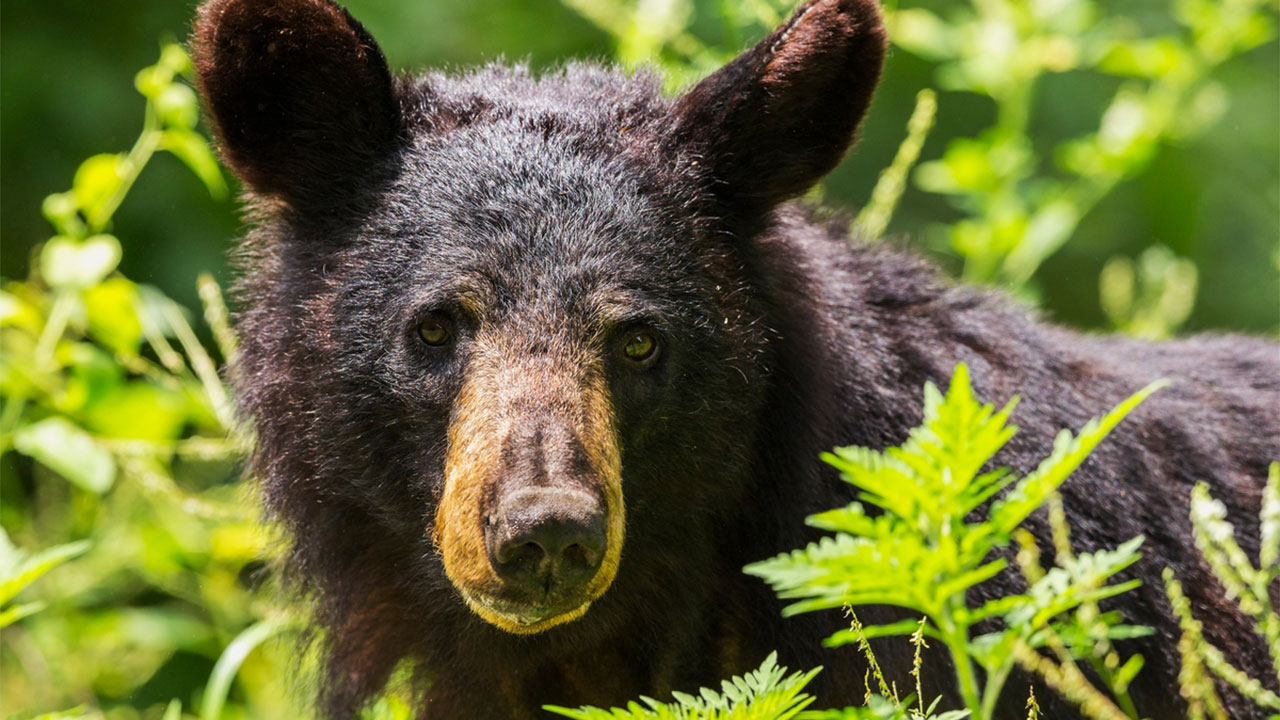
Black bears belong near the top of this list because food shortages change everything. The National Park Service has documented cases where drought conditions and overall natural food shortage likely contributed to bears depending more on human foods. That matters because once a bear starts connecting people with calories, the problem turns serious in a hurry. A dry year can cut down natural browse, berries, mast, and other food sources in some areas, and bears do not sit around politely waiting for better conditions. They move, and they investigate.
That is why drought-year bear danger often shows up first around trash, coolers, cabins, campgrounds, orchards, feeders, and livestock feed. You may not see a “meaner” bear. You may see a hungrier one making worse decisions. That is enough. A food-conditioned black bear is one of those problems people underestimate until it is standing ten yards away and not acting bothered by your presence. In dry country, that is exactly why clean camps and locked-up food matter more than ever.
Mountain lions
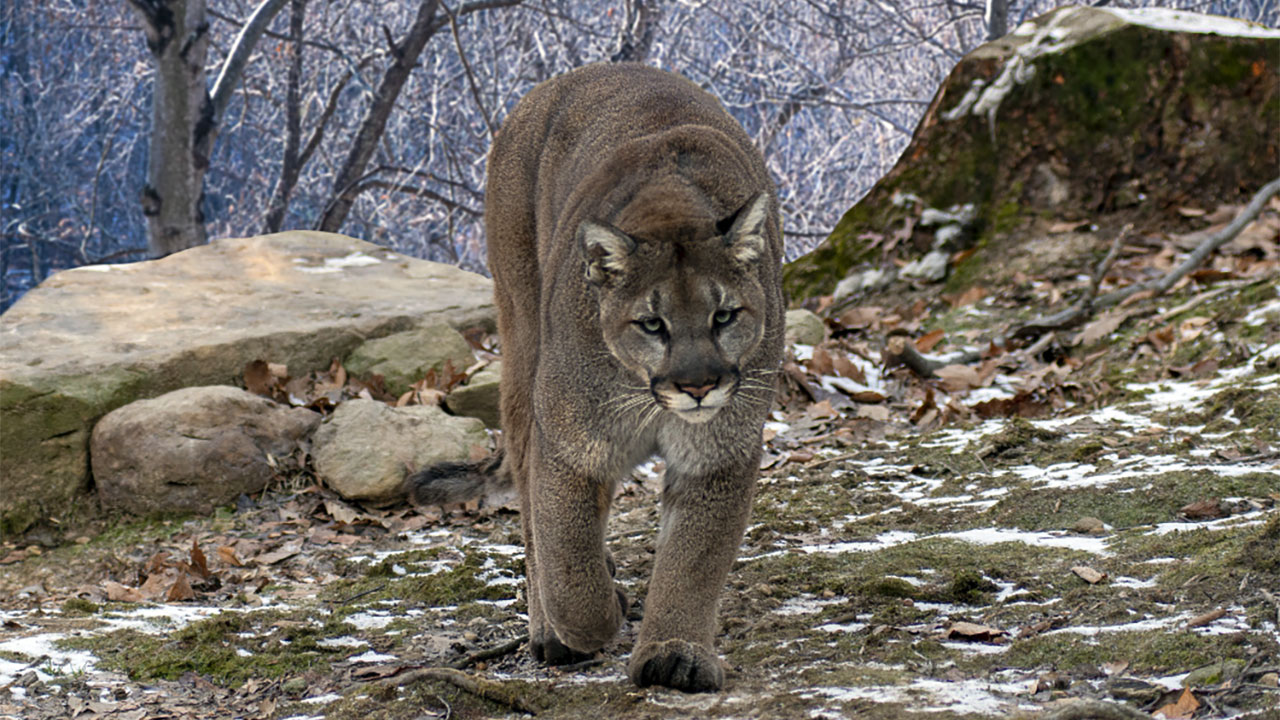
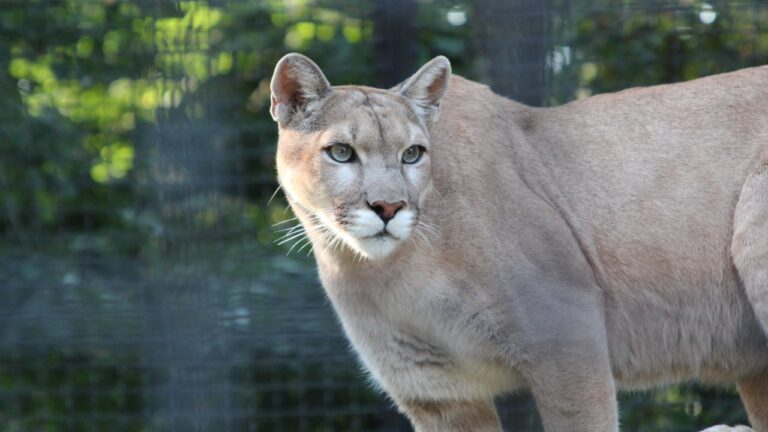
Mountain lions are not usually the animal most folks see coming, which is part of the issue. Drought pressures the whole food chain. When deer and other prey shift their movement to find water or usable forage, lions can shift too. They are not roaming neighborhoods because they enjoy sidewalks. They are following opportunity. In western country especially, that can mean lions showing up closer to edges of towns, greenbelts, irrigated areas, and places where prey collects around the last dependable water. Predator-prey systems are already fluid, and dry years tighten the map even more.
A mountain lion is dangerous for a different reason than a coyote. It is stronger, quieter, and better built for ambush than most people want to admit. During drought, the danger goes up when people mistake greener suburban pockets for “safe” wildlife dead zones. If deer are feeding there at dawn and dusk because the surrounding country is dried out, a lion may not be far behind. You do not need a lion population boom for that to happen. You just need prey movement and one cat making efficient use of it.
Feral hogs
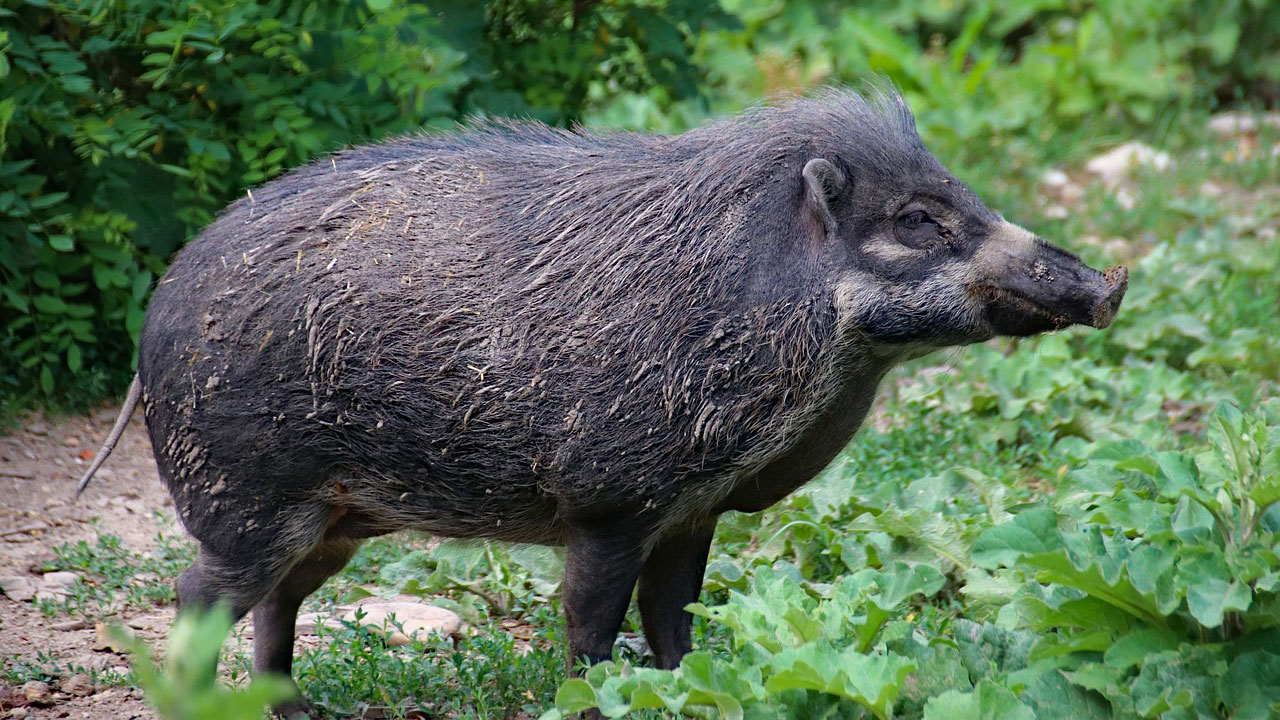
Feral hogs are bad news in good years, and drought does not improve their manners. USDA describes feral swine as highly adaptable, found across much of the country, with major damage tied to their rooting, feeding, and movement. They also compete with native wildlife and hammer wet areas and water quality. In a drought, the places that still hold moisture, mud, and water become even more important to them. That can concentrate hog activity around stock tanks, creek bottoms, irrigated fields, and shaded cover where people also tend to work or hunt.
The danger with hogs is not only aggression. It is unpredictability plus speed plus poor visibility. A sow with pigs in tight cover is already a problem. Add heat stress, crowding around limited water, and nighttime movement bleeding farther into daylight, and the chance of a bad encounter rises. A lot of people still talk about hogs like they are just nuisance pork. That is a good way to get cut up, knocked down, or cornered in brush where you do not have room to react.
Rattlesnakes
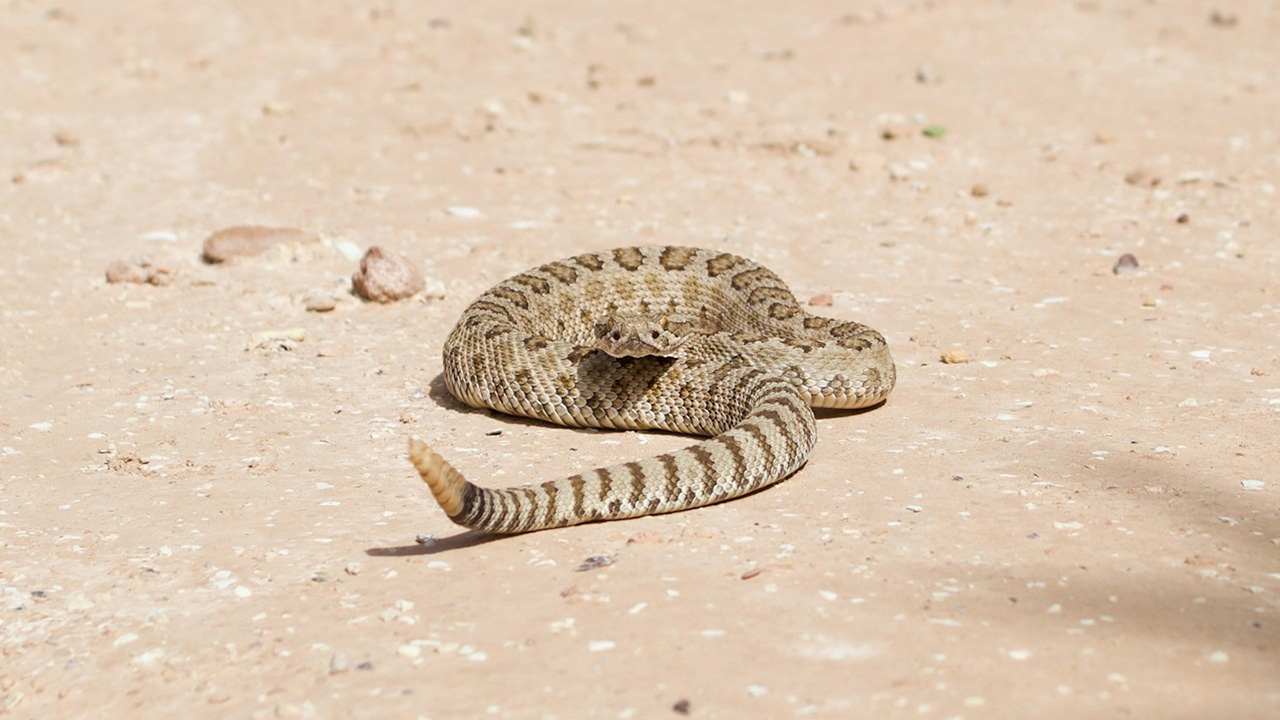
Rattlesnakes become more of a problem in drought because the same search for water and prey that moves rodents also moves snakes. Texas Parks and Wildlife specifically includes snakes among the wildlife affected during drought and notes that animals may be seen more in the daytime while looking for water or food. That is enough to change where and when people run into them. A dry year can push snakes toward irrigated yards, leak-prone outbuildings, livestock water, shaded foundations, wood piles, and brushy edges that still hold a little life.
The biggest mistake people make is assuming drought makes snakes too miserable to move much. Often it means the opposite around the few places that still offer cover, prey, and moisture. That is why bites happen around barns, dog kennels, water troughs, and clutter people have walked past a hundred times before. A rattlesnake does not need to be unusually aggressive to be dangerous. It only needs to be where your hand or boot lands first.
Cottonmouths
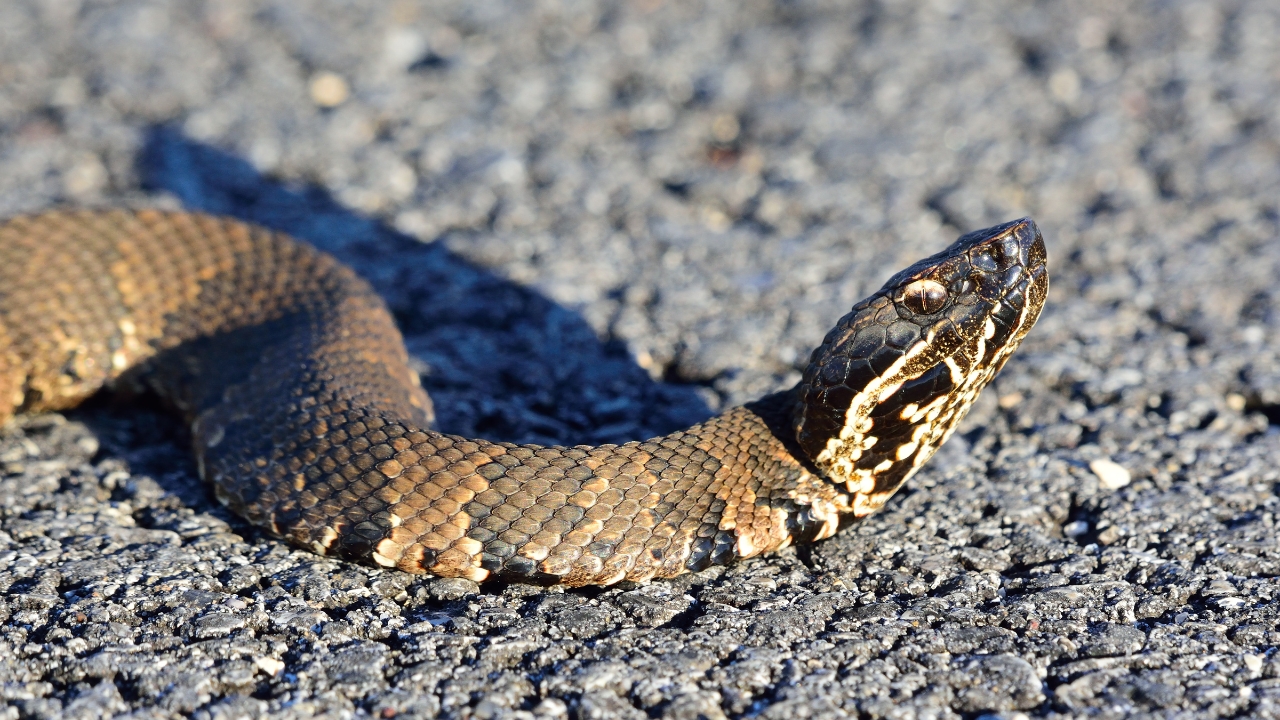
Cottonmouths can get especially touchy in drought periods because shrinking water changes the whole setup. Ponds pull back, sloughs get shallow, and the safe buffer between people and snake habitat gets smaller. Fish, frogs, and other prey get concentrated. So do snakes. When people start walking exposed banks, checking muddy waterlines, or trying to rescue fish and turtles from shrinking pools, they step right into the problem. Dry conditions do not magically turn every cottonmouth into a striker, but they absolutely can increase close-range encounters around reduced water.
What makes cottonmouths dangerous is that a lot of folks still misread them. They get too casual around stagnant or receding water because they assume a hot, dry spell means snakes are elsewhere. In reality, limited water can pack more life into less space. That is the kind of setup where you grab a branch on a bank or step over debris and realize too late you are inside a snake’s comfort zone. During drought, every muddy edge deserves more respect than usual.
Copperheads
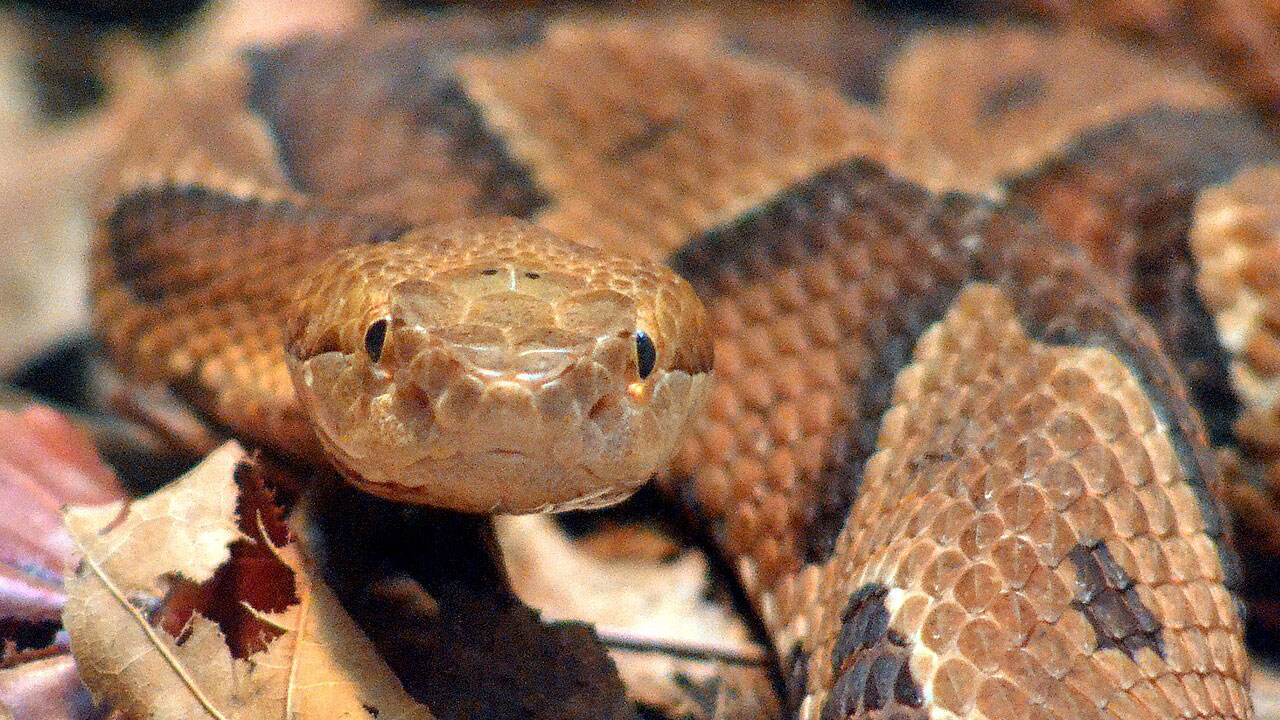
Copperheads do well around people even in normal years, which is why drought can make them extra aggravating. They thrive in edge habitat, wood lines, brush, rock piles, leaf litter, and semi-kept places where rodents and insects still hang on. When dry weather pushes prey toward irrigated flowerbeds, shaded crawl spaces, and damp spots around the house, copperheads are not far behind. They are also masters at disappearing in plain sight. You can look right at one and still not register it until you are close enough to make a bad move.
Their danger in drought years is tied less to wilderness and more to ordinary routines. You are moving a planter. Kids are grabbing toys by a porch. Somebody is checking a hose bib, walking to a coop at dusk, or reaching under a tarp that stayed cool longer than the surrounding ground. That is copperhead country. In a dry year, those little pockets of shade and leftover moisture become even more valuable to everything from mice to frogs to the snake that wants to eat them.
Alligators

Alligators do not usually come to mind first in a drought discussion, but they should in the right country. When wetlands shrink, ponds drop, and marsh edges pull back, gators can get concentrated in fewer water sources or start moving in search of better conditions. That can put them in canals, neighborhood ponds, golf-course water hazards, and drainage systems where people are not mentally prepared to deal with them. The alligator did not suddenly become an urban animal. The water map changed, and the animal followed the only options left.
The real danger is how badly people misjudge their speed and range. A dry-year gator encounter often happens because somebody sees less water and assumes less risk. Then a big animal is lying close to the remaining edge, using the last viable spot exactly the way it is built to. Throw in pets, shoreline fishing, and people getting too comfortable around water that “looks too small to hold much,” and you have the kind of setup that gets ugly fast.
Bees

Bees may not sound like an outdoorsman’s answer, but in drought years they can become one of the most immediate threats on this list. Texas Parks and Wildlife has pointed out that insects are affected by drought too, which makes sense when heat and water stress change nectar sources, plant health, and insect movement. Add in the reality that thirsty people, livestock, and wildlife all gather around the same water spots, and you can end up sharing space with stinging insects at exactly the wrong time.
For most people, a bee encounter is painful and annoying. For someone with a serious allergy, it can turn life-threatening in minutes. That is why drought-year danger is not just about how “aggressive” the insect is. It is about concentration and overlap. You are checking a trough, opening a shed, moving tin, or working near a humming water source, and suddenly a nest or swarm is right there. On hot dry days, that kind of surprise can become a medical emergency faster than a lot of people are ready for.
Wasps and hornets

Wasps and hornets deserve their own spot because they do not need much reason to make a bad day worse. Drought drives people and animals toward the same shaded structures, rafters, barns, porches, blinds, pump houses, and equipment sheds where stinging insects love to build. Heat-stressed summer work also means people move faster, sweat more, and pay less attention before grabbing a gate chain or tossing a tarp aside. That is how you go from normal chores to getting lit up in about two seconds.
The real problem is that multiple stings can be serious even for people without known allergies, and panic causes secondary injuries all the time. Folks fall off ladders, drop tools, crash ATVs, or run blind through brush trying to escape a nest. During drought, every structure that offers shade and a little protection becomes more valuable to wildlife and insects alike. That includes the exact workspaces people trust too much because they use them every day.
Raccoons
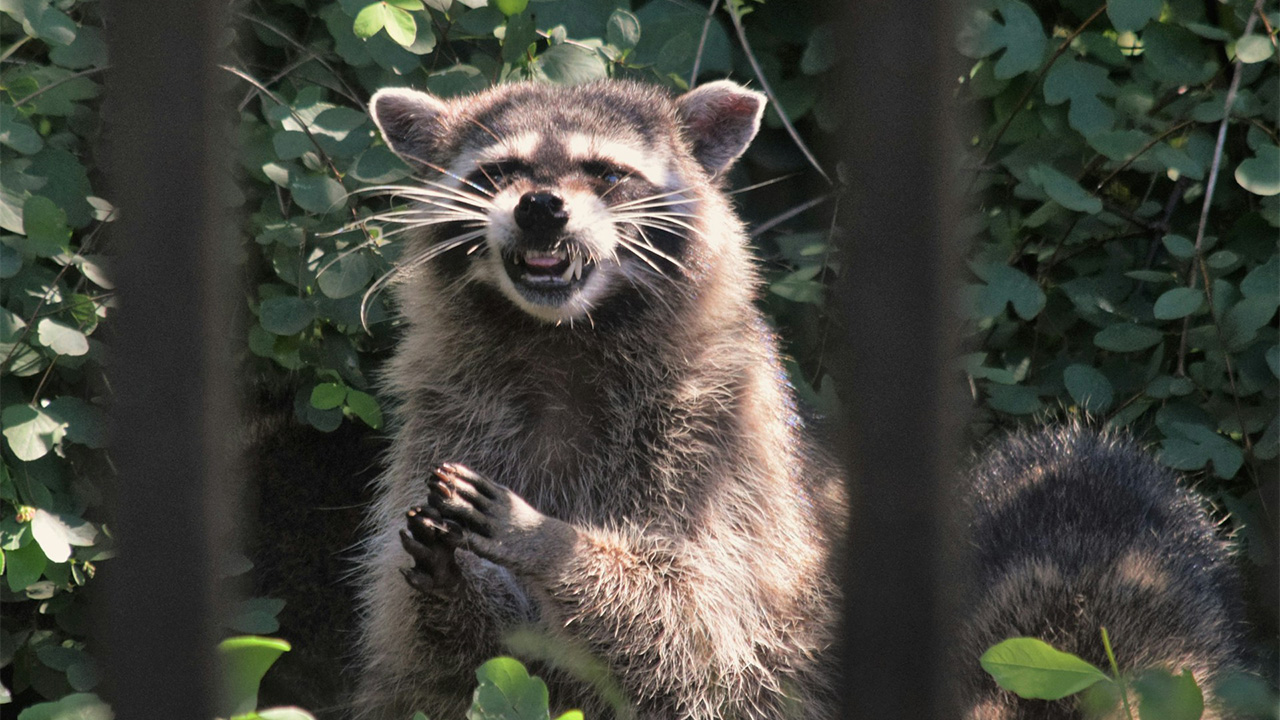
Raccoons are troublemakers in any season, but drought pushes them harder toward human spaces because they are smart, adaptable, and not above raiding anything that smells edible or holds water. Texas Parks and Wildlife has specifically cited raccoons among the urban wildlife affected by drought as they search for scarce food and water. That matters because raccoons are strong for their size, comfortable around homes, and fully willing to turn a feed room, coop, porch, or trash area into their nighttime route if it keeps paying off.
The danger is not that raccoons are the toughest animal on the property. It is that people underestimate them, corner them, or let attractants pile up until encounters become normal. A thirsty raccoon checking pet bowls or birdbaths is not unusual in a dry spell. Neither is one showing up in daylight, which can spook people even when the explanation is simply drought pressure. The wrong response is to walk up on it, try to shoo it with your foot, or trap yourself in a tight space with it.
Bobcats

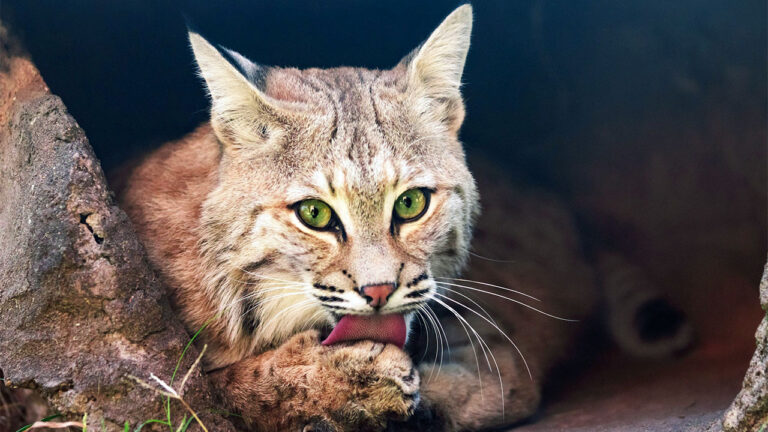
Bobcats are not usually top-tier threats to adults, but drought years can bring them closer to homes, especially where rabbits, birds, and rodents shift toward greener, watered ground. Like coyotes, they make efficient use of edges, small cover, and prey-rich pockets. If a neighborhood has ornamental ponds, bird feeders, outdoor pet feeding, and enough brush to hold rabbits, it starts drawing the whole food chain. Bobcats do not need much room, and most people do not notice them until the animal has already passed through two or three times.
The danger with bobcats is mostly situational. Small pets, poultry, and enclosed corners raise the stakes. So does a person trying to intervene up close with a trapped or stressed cat. In drought years, I would not treat a bobcat sighting near houses as some freak event. I would treat it as a sign that prey and cover are still available there while the surrounding landscape is losing both. That usually means you are seeing one piece of a bigger shift.
Javelina
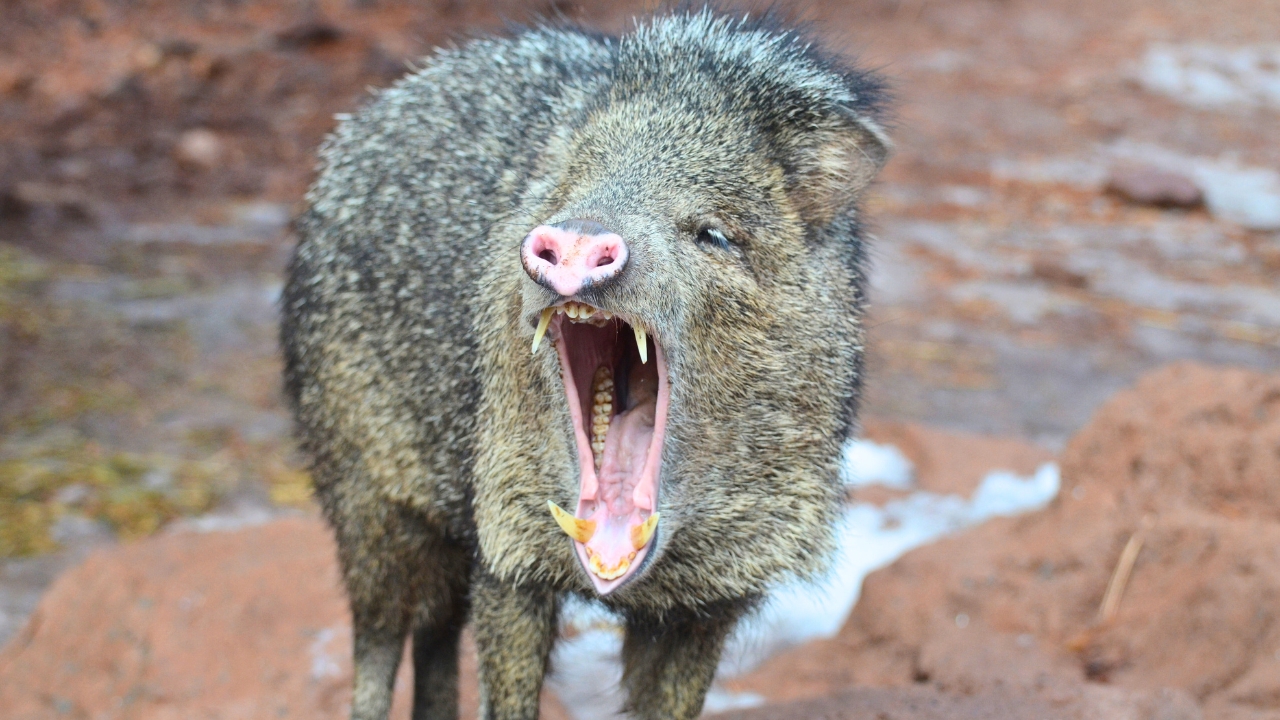
In the Southwest, javelina can get ugly fast when dry conditions pull them toward neighborhoods, landscaping, birdseed, pet food, and water sources. They are not pigs, but they are sturdy, quick, and more than willing to defend themselves if they feel boxed in. Drought makes those encounters more likely because the same irrigated yards and watered plants that look harmless to people can read like survival habitat to a javelina herd trying to get through a rough spell.
What catches people off guard is how close these encounters get. A javelina is not some distant ridge animal once it starts using suburban edges, washes, and greenbelts. People open a garage, step outside with a dog, or round a hedge and end up far closer than they expected. If there are young animals present, the whole tone changes. A dry year does not create the attitude. It just creates more chances for you to be standing in the wrong place when that attitude shows up.
Moose

Moose are not drought-country animals everywhere, but where they live, hot dry periods can still make them more dangerous than people expect. Water, shade, and thick cover matter to a big-bodied animal that overheats easily, and that can pull moose toward riparian strips, irrigated ground, and greener bottoms where people hike, ride, or work. A moose does not have to be a predator to be one of the most dangerous animals in North America. It just has to feel crowded, surprised, or pressured at close range.
What makes drought relevant is that it reduces the amount of comfortable ground available in some areas, which increases overlap. People are often way too casual around moose because they are not hunting you the way a lion might. That misses the point. A moose can cover ground fast, kick with nasty force, and run you over before you have time to rethink the situation. In dry years, any animal depending on shrinking cool cover is worth giving extra room.
Deer

Deer may seem like an odd pick for a “dangerous” list until you remember how many people get hurt in vehicle collisions every year. Drought can shift deer movement dramatically because browse quality drops, water sources shrink, and green forage gets concentrated around irrigated places, crop edges, creek bottoms, and roadside vegetation. Texas Parks and Wildlife has noted drought stress in deer populations, especially where habitat is already stretched, and drought also changes the timing and visibility of wildlife movement more broadly.
So no, the danger is not usually a whitetail squaring up on you in the yard. It is the increased chance of deer crossing roads unpredictably while moving between the few spots that still meet their needs. On rural roads especially, that is a drought-year hazard people forget until a deer comes through the windshield. An animal does not need fangs or venom to be one of the most dangerous things you meet outside. It just needs to hit your truck at the wrong speed.
Like The Avid Outdoorsman’s content? Subscribe to our newsletter so you never miss an article.
Here’s more from us: