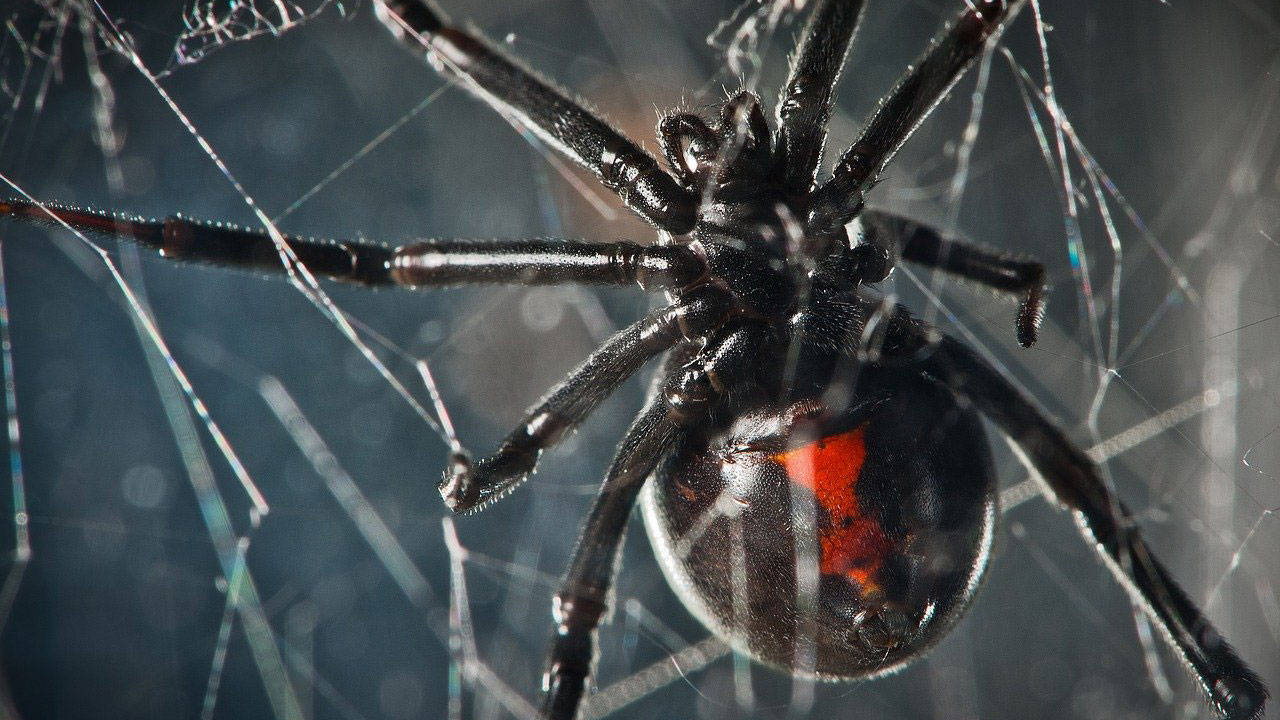
Photo credit: chrishollomanphoto/Pixabay.com
The biggest mistake people make with venomous bites is waiting to see if it “really is that bad.” A lot of the worst outcomes do not come from instant collapse. They come from people brushing off early symptoms, trying home fixes, or losing hours before getting real medical help. U.S. medical guidance is pretty direct on this: venomous snakebites are medical emergencies, and several other venomous bites and stings can also turn serious quickly, especially when breathing problems, neurologic symptoms, swelling, tissue injury, or allergic reactions start building.
The good news is that prompt treatment changes the picture a lot. Antivenom, observation, airway support, and early management can keep a bad bite from turning into a much bigger one. The bad news is that some bites look manageable at first and still get uglier with time. These are the ones I would never mess around with.
Eastern diamondback rattlesnake
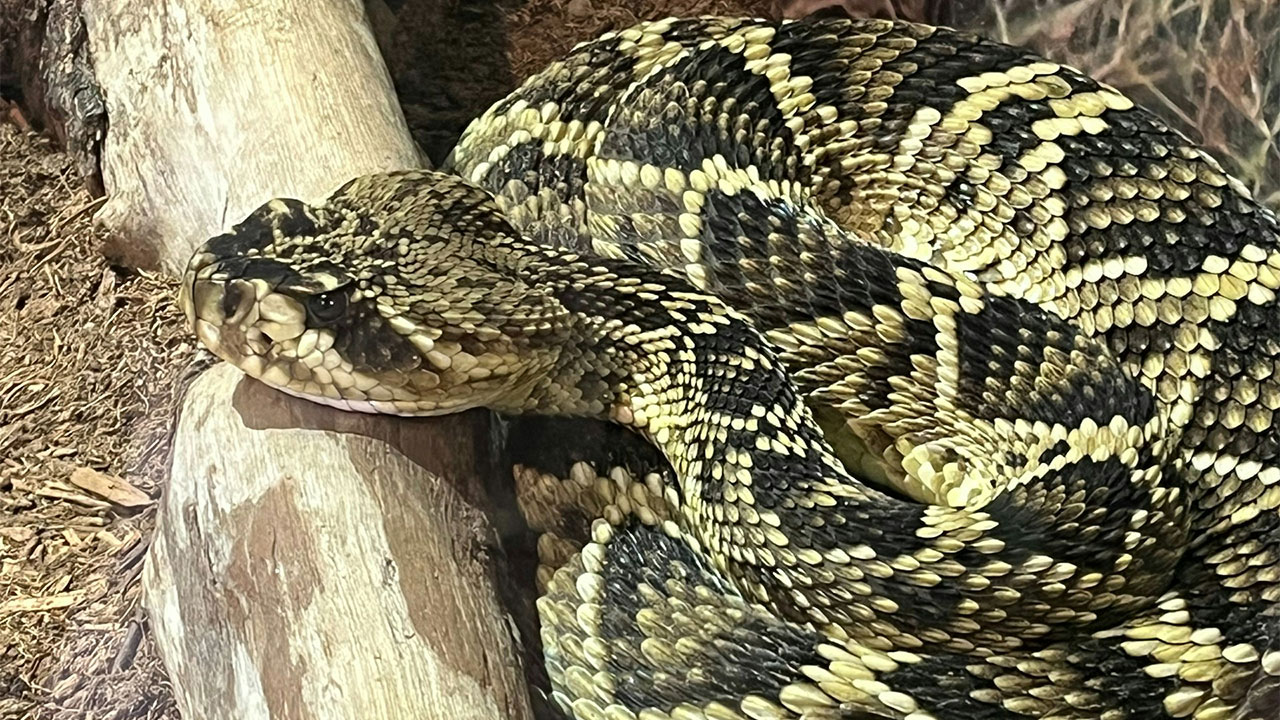
An eastern diamondback bite is one of the clearest examples of why “I’ll wait and see” is a dumb plan. Rattlesnake venom can cause severe local swelling, bleeding, tissue destruction, and systemic effects, and StatPearls notes that crotalid venom causes necrosis and coagulopathy. Tissue necrosis is one of the best-known complications of rattlesnake envenomation, and severe cases can require surgical debridement or even amputation.
What makes a bite like this go bad fast is not just the pain. It is the combination of swelling, tissue injury, and the possibility of delayed bleeding problems even after the first wave seems controlled. StatPearls says recurrent swelling or coagulopathy can happen later, and untreated venom effects can predispose people to delayed major bleeding. With a big-bodied rattlesnake like an eastern diamondback, waiting around at home is exactly how you give venom more time to work.
Western diamondback rattlesnake

Western diamondbacks are another bite that can get ugly in a hurry because rattlesnake venom is built to damage tissue and disrupt normal clotting. The same clinical guidance used for U.S. crotalid bites notes that progressive swelling, systemic symptoms, and coagulopathy are major warning signs, and antivenom is the definitive treatment when envenomation is more than minimal.
The problem for a lot of people is that they focus on whether they feel “okay enough” instead of watching what the bite is doing. If swelling is climbing, pain is intensifying, bruising is spreading, or lab problems are developing, time matters. That is why medical guidance says people bitten by rattlesnakes should promptly seek emergency treatment and avoid wasting time on tourniquets, cutting the wound, suction, ice, or snake-catching heroics.
Mojave rattlesnake
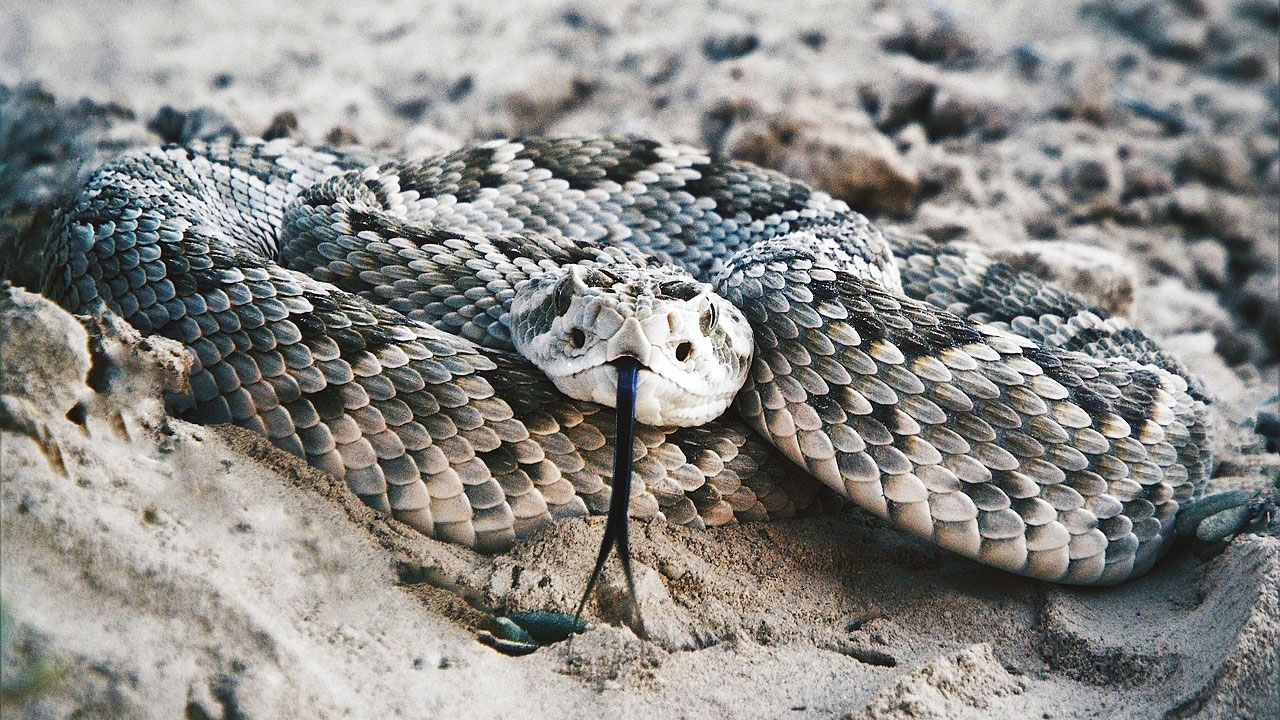
Mojave rattlesnakes deserve their own spot because they are one of the U.S. rattlesnakes most strongly associated with neurotoxic effects. StatPearls specifically notes that Mojave envenomation is known for cranial nerve dysfunction, weakness, and paralysis. That is a different level of concern than a bite that stays mostly local.
That neurotoxic piece is why delay can become a real problem fast. Once weakness, trouble swallowing, facial symptoms, or breathing-related issues start building, you are no longer dealing with a “watch it overnight” kind of situation. Prompt care matters with any rattlesnake bite, but a Mojave bite is one of the clearest cases where slow decisions can turn a survivable emergency into a much rougher one.
Timber rattlesnake

Timber rattlesnakes are another exception to the idea that U.S. pit vipers are mostly about swelling and tissue injury. StatPearls says timber rattlesnake venom has been shown to induce myokymia, which is involuntary muscle quivering, and broader rattlesnake guidance notes that some species can produce important neurologic effects in addition to the usual local damage.
That means a timber bite can get more complicated than people expect, especially if someone assumes they only need to worry about the bite mark itself. Even beyond the neurologic piece, rattlesnake bites can bring serious swelling, bleeding abnormalities, rhabdomyolysis, and delayed coagulopathy. A bite that looks manageable in the first stretch can still become a longer hospital problem if care is delayed.
Other rattlesnake bites in general
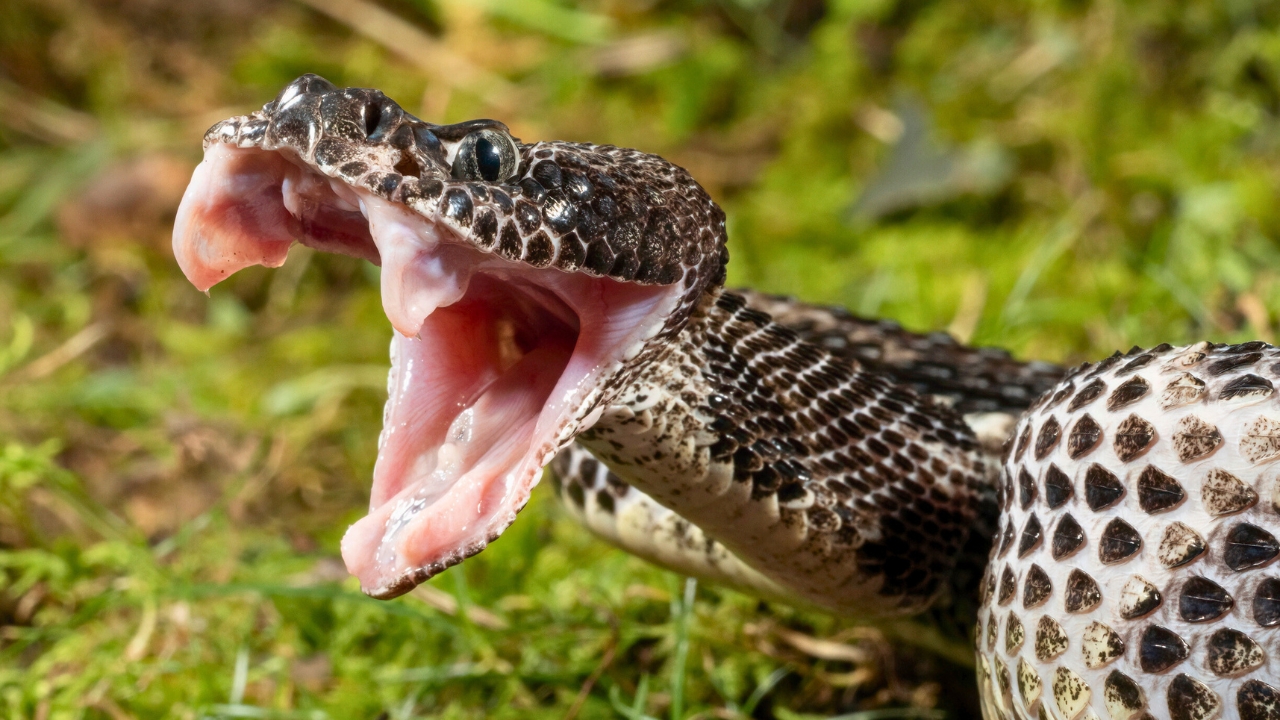
Even when you cannot pin down the exact species right away, rattlesnake bites as a group are not something to play tough with. MedlinePlus says venomous snakebites are medical emergencies requiring immediate attention, and StatPearls says deaths related to rattlesnake bites are often linked to immediate anaphylactic reactions or failure to seek medical attention for antivenom administration.
The practical point is simple: a “regular rattlesnake bite” can still mean necrosis, severe swelling, compartment concerns, coagulopathy, and a long recovery if venom is doing real work. People get into trouble when they act like only the famous species matter. If it is a rattlesnake, speed matters.
Cottonmouth

Cottonmouth bites are often dismissed by people who think they are automatically less serious than rattlesnake bites, but that is still a venomous pit viper with the ability to cause major local damage. StatPearls says cottonmouth venom contains enzymes that cause local tissue necrosis and potentially coagulopathy, along with soft-tissue toxicity that can cause myonecrosis, skin injury, and a strong inflammatory response.
That is exactly why delay is a bad bet. A cottonmouth bite may not always make headlines like a big rattler does, but tissue destruction, worsening swelling, and blood-related effects are not minor problems. If somebody gets tagged near water, on a bank, or in thick cover and then decides to “sleep it off,” they are giving the bite more time to damage tissue and complicate treatment.
Copperhead

Copperhead bites are often described as less severe than many rattlesnake bites, but “less severe” is not the same thing as harmless. StatPearls’ crotalid guidance notes that pit viper bites commonly cause pain, edema, ecchymosis, and erythema, and progressive swelling or systemic symptoms are still signs that antivenom may be needed. Rattlesnake guidance also notes that moderate copperhead envenomations still require close monitoring.
The reason copperheads still belong on this list is that people underreact to them. They assume that because copperhead bites are often less catastrophic, there is no hurry. That is how swelling gets ahead of them. A copperhead bite can still become a significant limb injury, especially if the bite is on a hand, foot, or finger and the person wastes hours before getting evaluated.
Coral snake

Coral snakes are one of the most dangerous “it didn’t seem that bad at first” bites in the U.S. StatPearls notes that coral snake envenomation can produce delayed neurologic toxicity, and poison-center recommendations cited in newer literature call for hourly neurologic exams for at least 24 hours even if symptoms are not yet present. Older clinical literature also describes progression to paralysis of the limbs and respiratory muscles.
That delayed pattern is what fools people. A coral snake bite may not look dramatic early, and that is exactly why it gets mishandled. If somebody waits until weakness, breathing trouble, or neurologic symptoms clearly show up, they may already be behind. This is one of the bites where “I feel okay right now” means almost nothing.
Bark scorpion
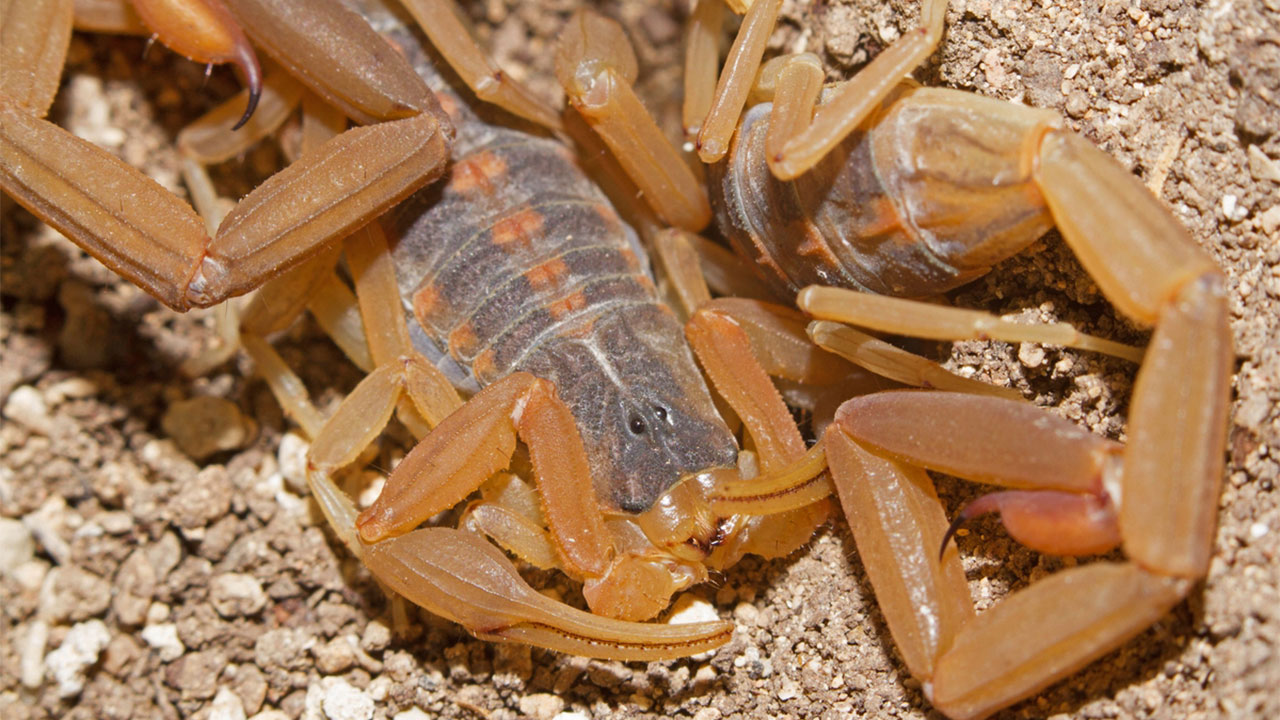
Most healthy adults with a scorpion sting do fine, but bark scorpions are the exception in the U.S. that deserve respect. Mayo Clinic says the bark scorpion is the species in the desert Southwest most associated with severe disease, and that young children and older adults are most at risk of serious complications.
The reason delay matters here is that serious envenomation can move past “painful sting” territory into trouble with neuromuscular symptoms, agitation, abnormal movements, or breathing-related problems, especially in kids. If somebody in bark scorpion country starts showing more than local pain, waiting it out is the wrong call. This is one of those situations where age and symptoms matter a lot more than tough-guy instincts.
Black widow spider
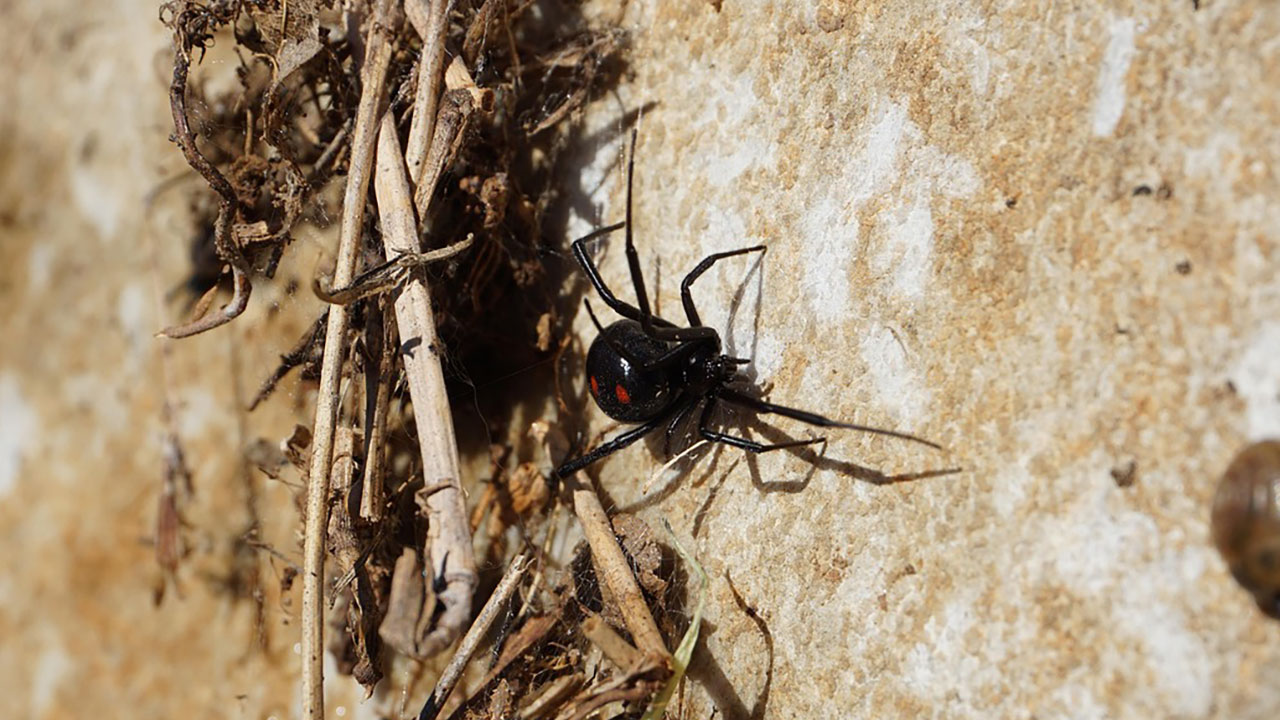
Black widow bites are another classic case of symptoms spreading beyond the bite site. MedlinePlus says black widow venom can cause very painful muscle cramps or spasms, weakness, nausea and vomiting, sweating, high blood pressure, difficulty breathing, and in severe cases seizures, especially in children.
A black widow bite goes bad fast when people misread the early pain as the whole story. The local bite may not look impressive, but systemic symptoms can ramp up. If cramping, chest or belly pain, breathing trouble, or widespread symptoms start showing up, sitting around at home is a bad move. This one can become a whole-body problem fast enough that delay really matters.
Brown recluse spider

Brown recluse bites are tricky because not every bite turns into the horror-story version people have seen online, but some absolutely do become serious. MedlinePlus warns not to try to manage a brown recluse bite on your own and says to call emergency services or poison control if someone is bitten. It also notes that the reaction may include blistering, skin breakdown, and systemic symptoms in some cases.
The reason people get into trouble is that early symptoms can look small compared with what develops later. Tissue injury can worsen over time, and a bite that starts as a sore red spot can become a much nastier wound. Delay does not guarantee a terrible outcome, but it absolutely increases the chance that someone waits until the tissue damage is already established and harder to manage.
Gila monster
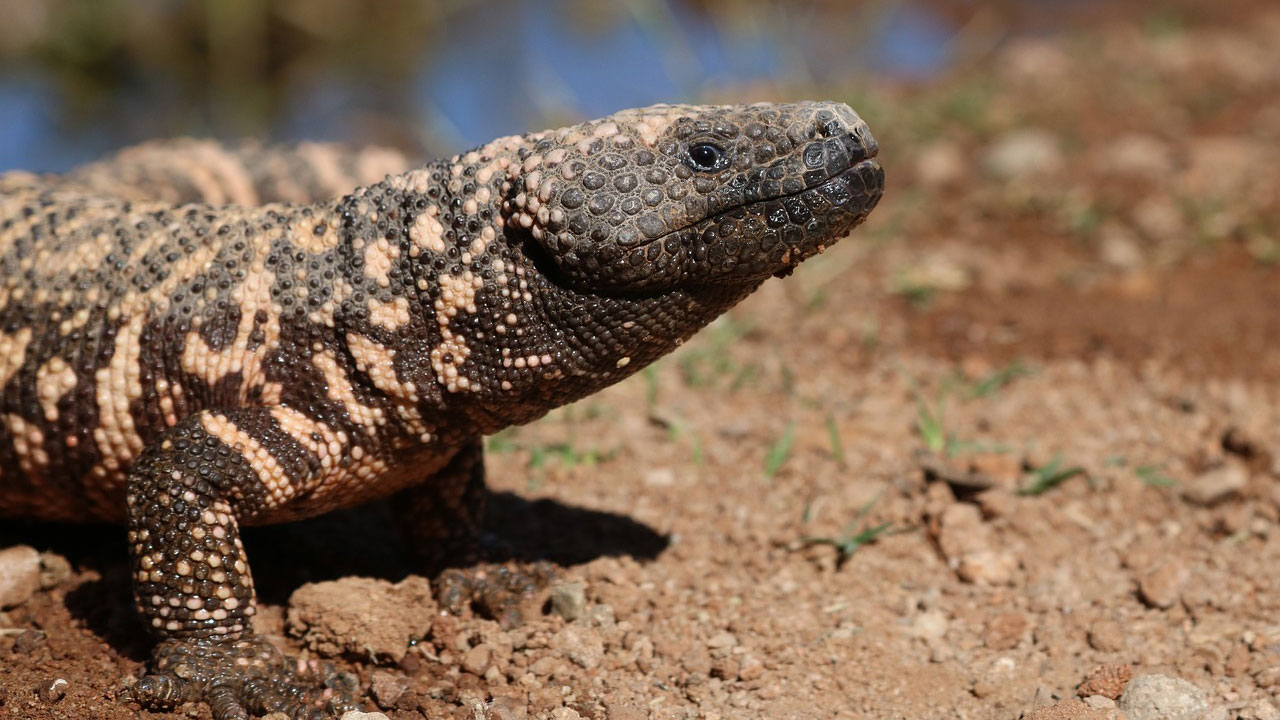
Gila monster bites are rare, but they are real, and they are not a “just rinse it off” situation. Merck Manual says venomous lizard bites can cause intense pain, swelling, ecchymosis, lymphangitis, lymphadenopathy, and in moderate or severe cases systemic symptoms like weakness, sweating, thirst, headache, and tinnitus. It also says any bite with systemic symptoms should be evaluated in a hospital setting.
What makes these bites ugly is that the animal tends to clamp down and chew venom into the wound. That means the injury is not just a quick poke and release. If systemic symptoms start showing up, you need medical eyes on it. There is no antivenom, so prompt supportive care and wound evaluation matter even more.
Bee stings in someone with anaphylaxis
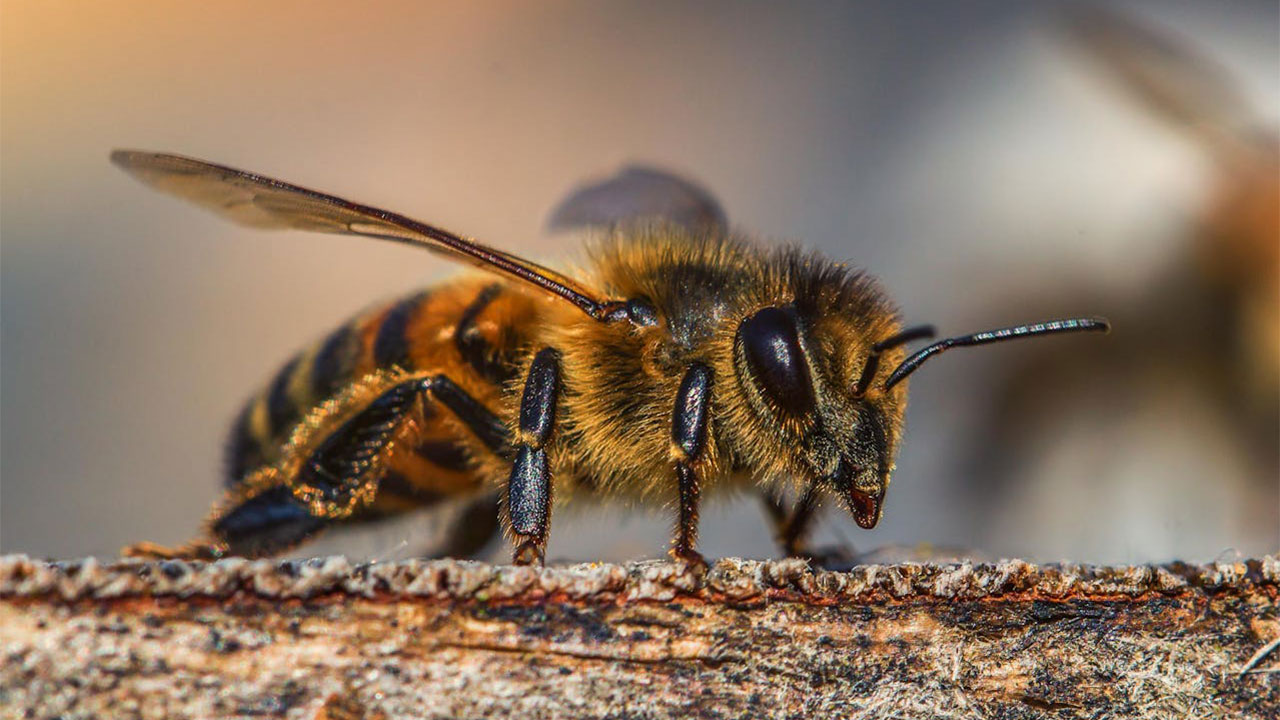
This is technically a sting rather than a bite, but it belongs here because the timeline can be brutally short. MedlinePlus says anaphylactic shock from insect stings can occur very quickly and lead to rapid death if it is not treated quickly. It also says severe reactions can include throat swelling, trouble breathing, and whole-body symptoms, and that emergency help should be called right away.
That is why people with known severe insect-sting allergy are told to carry epinephrine and use it right away. Delay here is not about tissue damage. It is about losing the airway or crashing before help arrives. If breathing or swelling symptoms are developing after a sting, every minute matters.
Wasp, hornet, or yellowjacket stings with severe reaction

Wasp, hornet, and yellowjacket stings can follow the same anaphylaxis pattern. MedlinePlus says to call 911 if the person has an allergic reaction such as severe swelling or difficulty breathing, and that people with known allergy should use epinephrine right away.
These are the stings that catch people because they often happen during normal outdoor work, grilling, mowing, hiking, or brush clearing. Somebody gets stung, thinks they can gut it out, and then symptoms outrun them. If the reaction is turning systemic instead of staying local, delay is exactly what you do not want.
Fire ant stings in someone with severe allergy

Fire ants are another one that can be a lot more than a nuisance for the wrong person. MedlinePlus says some people are allergic to fire ant venom and that severe reactions need immediate medical help. Like other venomous stings, the real threat is not the pain alone but the possibility of a fast allergic collapse.
This matters because fire ant exposures are often multiple, not single. A person can get hit several times before they fully react, and if they are allergic, that is plenty of venom exposure to start a dangerous response. It is another situation where “I’ll just wait a minute” can turn into a really bad decision.
Like The Avid Outdoorsman’s content? Subscribe to our newsletter so you never miss an article.
Here’s more from us: