Photo credit: Sergei Starostin/Pexels.com
A lot of people pick a dog like they’re picking a truck color. They fall for the look, the “friendly” reputation, or a few cute videos, then they’re shocked when the dog comes home and needs real work. The breeds on this list aren’t bad dogs. A bunch of them are incredible dogs. The problem is they get marketed as easy, or they look like they should be low-maintenance, and the reality is they’re high-energy, stubborn, too-smart-for-their-own-good, or they come with grooming and training needs most new owners didn’t plan for. If you choose one of these breeds, it can go great, but it goes great when you’re honest about what you’re signing up for.
Siberian Husky
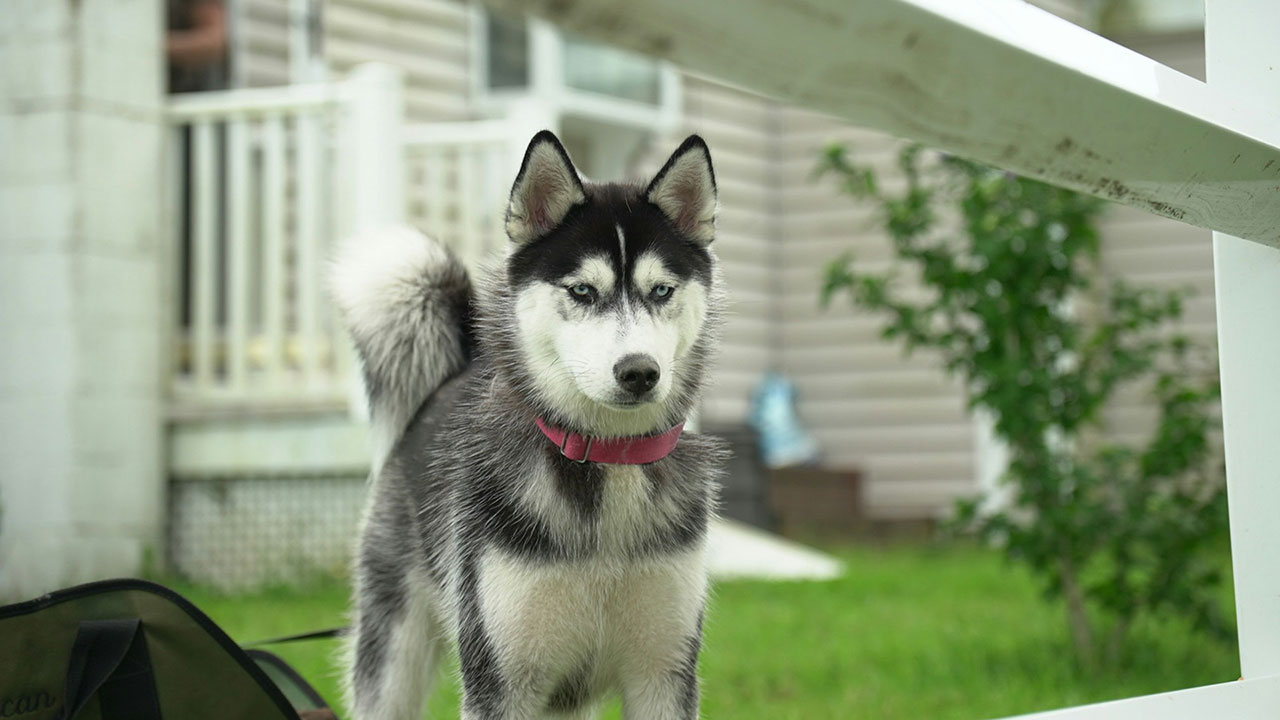
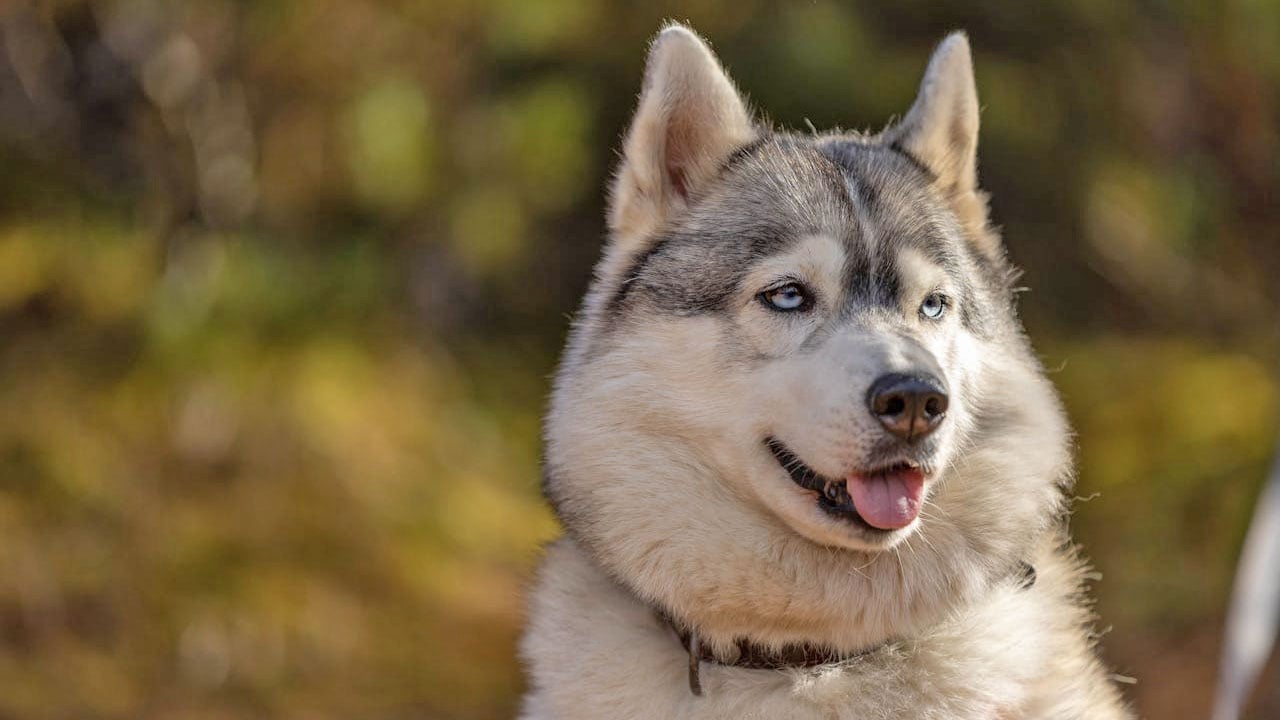
Huskies look like a dream dog until you live with one. They’re smart, athletic, stubborn, and they don’t care about pleasing you the way a Lab does. They also tend to be escape artists, and a bored Husky will turn your yard into a prison-break test site. The “easy” myth comes from their friendly vibe and the fact that they’re not usually aggressive toward people. Friendly doesn’t mean easy. Huskies need exercise, structure, and consistent rules, or they’ll invent their own entertainment. Training can be frustrating because they’ll do the command, then decide they’re done. They also shed like crazy and blow coat hard, which surprises people who thought they were just “fluffy.” If you want a dog that lives for obedience, a Husky will humble you.
Belgian Malinois
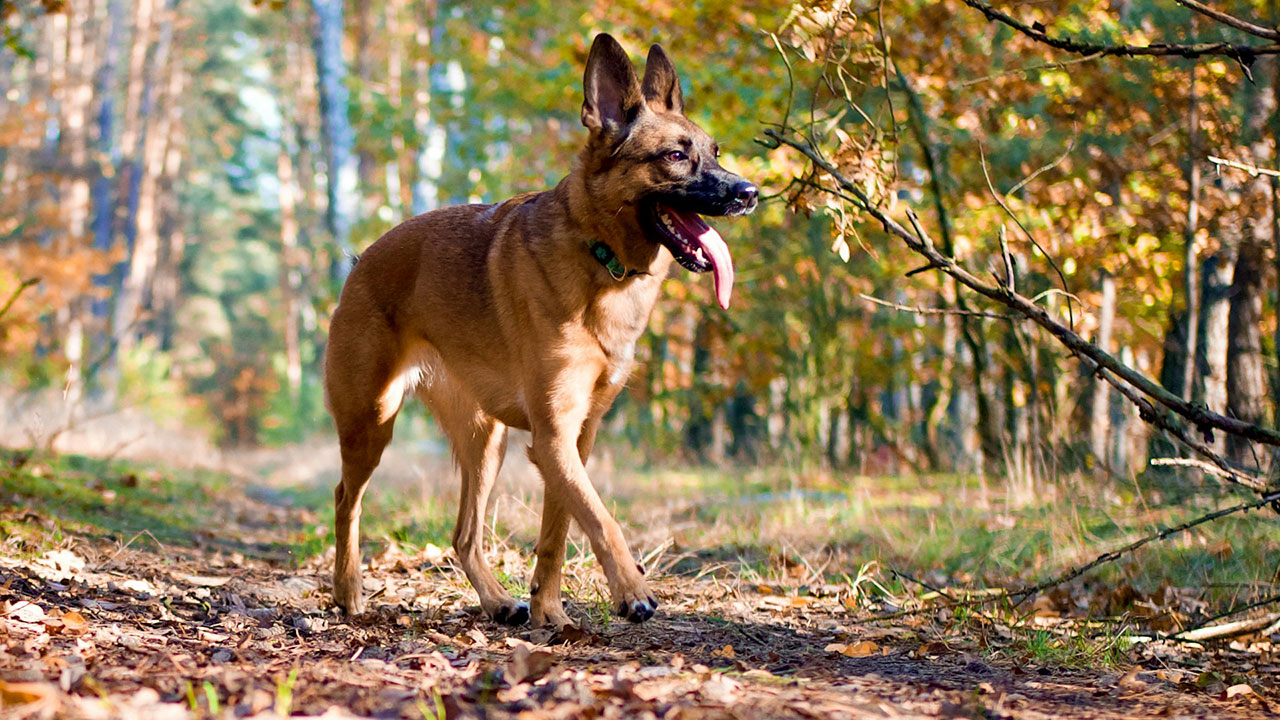
Malinois get sold as a “badass protection dog” online, and that’s how they end up in homes that can’t handle them. They’re intense working dogs, and if you don’t give them a job, they’ll create one—chewing, barking, pacing, nipping, and generally turning your house into a project. They look sleek and manageable, so people assume it’s like owning an athletic German Shepherd. It’s not the same. A Malinois is a high-drive engine that never really shuts off unless you teach it how to settle. They need structured training, mental work, and serious physical outlets. When people say a Malinois is “a lot,” they mean it. If you’re not ready to train daily and manage drive, this breed will feel like a full-time hobby.
Border Collie
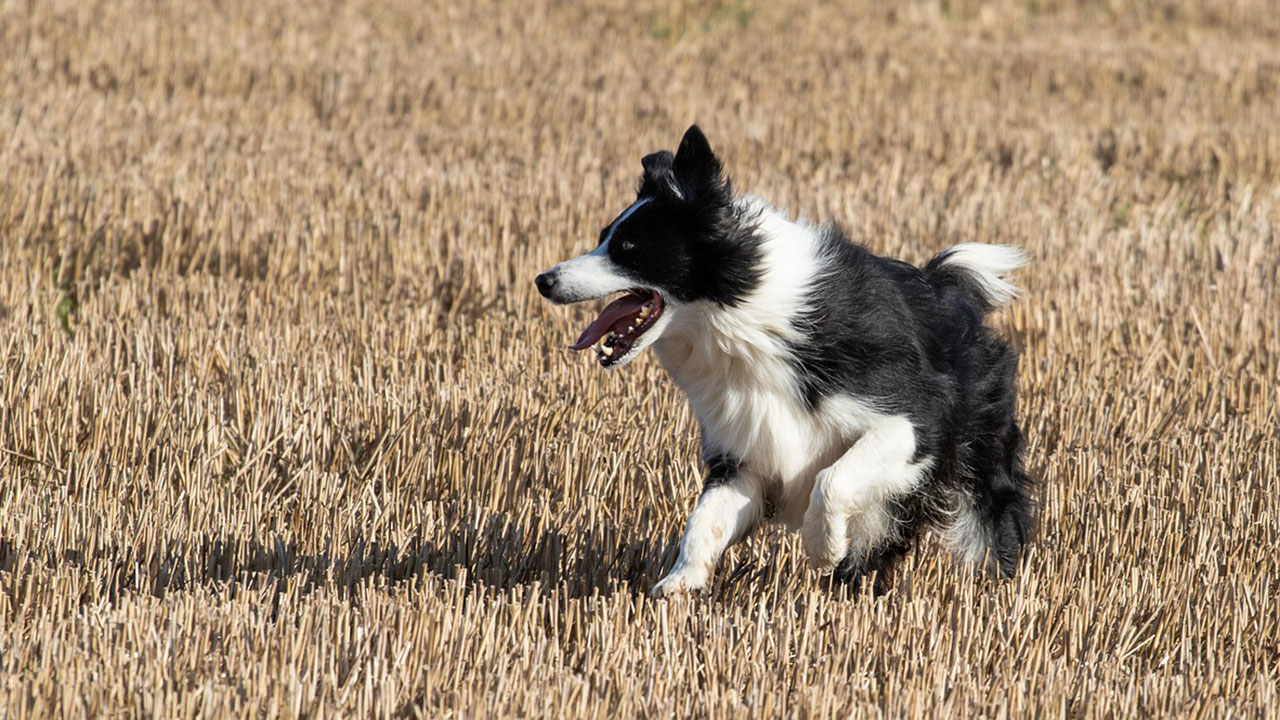
Border Collies look like the perfect smart dog, and they are—if you’re ready to work with that brain every day. They’re not built to be bored. They’re built to control movement and solve problems, and if you don’t give them tasks, they’ll pick one. That can look like chasing kids, herding visitors, obsessing over shadows, or becoming anxious and reactive. They also learn patterns fast, including your bad habits. If you’re inconsistent, they’ll exploit it without meaning to. The “easy” myth comes from how trainable they are. Trainable doesn’t mean low-effort. It means the dog will learn quickly, including learning the wrong things if you don’t manage it. A Border Collie needs a plan, not just love.
Australian Cattle Dog

Heelers look compact and rugged, and people assume that means “easy farm dog.” In reality, they’re intense, stubborn, and wired to work. They don’t just want exercise—they want purpose. Without it, they can become mouthy and controlling, especially with kids and other pets. They can also be reactive if they aren’t socialized and taught boundaries early. The “handful” part shows up when owners realize the dog is always watching, always thinking, and always testing. Heelers do best with people who like training and structure. If you want a chill house dog, a Heeler will make you feel like you’re failing even when you’re trying. They’re great dogs, but they don’t tolerate lazy ownership.
Jack Russell Terrier

Small dog, big problems if you underestimate it. Jack Russells are bold, high-energy, and stubborn, and they were built to chase and dig and stay busy. They look cute, so people assume they’ll be easy. Then the dog starts shredding couch cushions, barking like an alarm system, and hunting anything that moves. Training a Jack Russell isn’t impossible, but it requires consistency and enough exercise to take the edge off. They also tend to be too smart for owners who try to “outwait” bad behavior. Jack Russells don’t get tired of being a pain. They get better at it. If you want one, plan to work with it daily or you’ll end up owning a tiny tornado.
Shiba Inu

Shibas look like a calm, clean, low-maintenance dog, and sometimes they are clean. Calm is not guaranteed. They’re independent, stubborn, and not naturally eager to please. That makes training feel like negotiating with a cat that can sprint. They’re also known for being escape-prone, and many have a strong prey drive that makes recall a real challenge. The “handful” part shows up when owners expect typical dog behavior—wanting affection on demand, responding reliably to commands, and being social with strangers. Shibas often don’t play that game. They can be great dogs for the right person, but they’re not forgiving of beginner mistakes, and they’re not impressed by your feelings.
Beagle
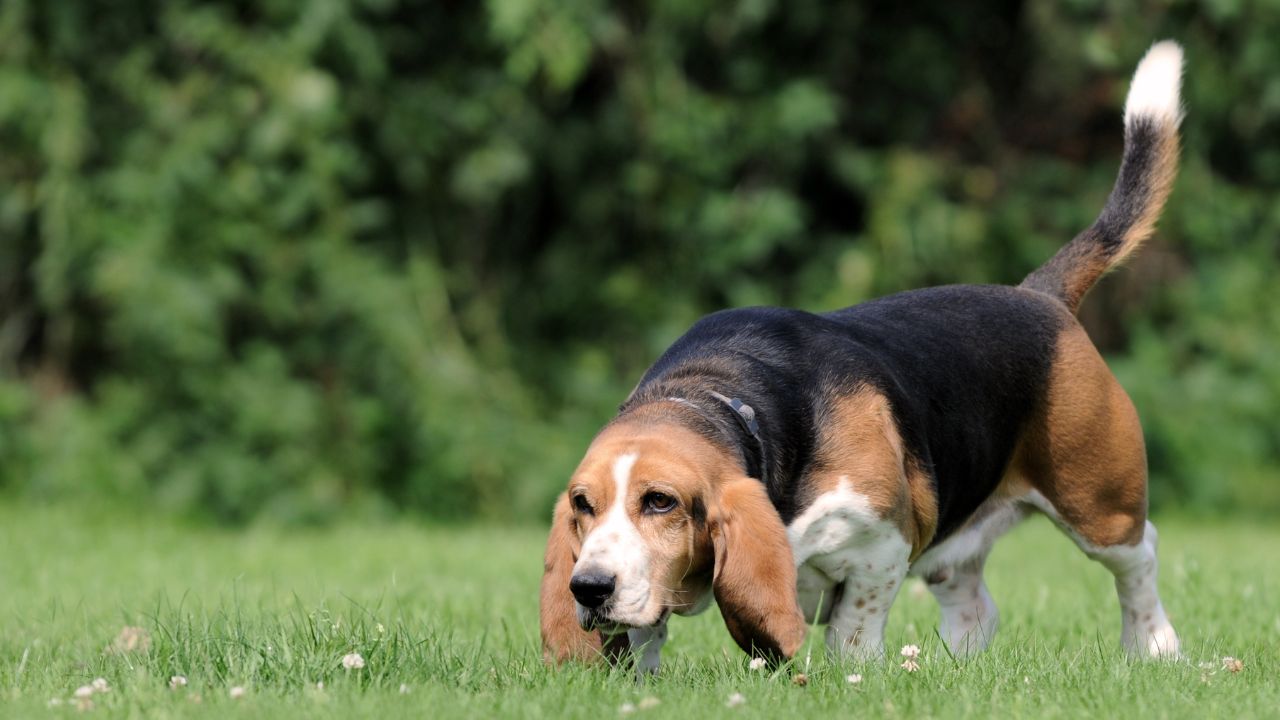
Beagles look like the friendly family dog, and they can be, but they come with a nose that runs the show. A Beagle that catches scent will ignore you, ignore your recall, and follow that trail like it’s the only thing that matters. That’s not disobedience. That’s genetics. They can also be vocal and stubborn, and boredom makes it worse. The “handful” part shows up in training and containment—fences, leashes, and food management matter because Beagles are motivated and persistent. If you want a dog that walks nicely off-leash and checks in constantly, Beagles can frustrate you. They’re lovable dogs, but they’re not easy if you don’t respect what a scent hound is built to do.
Great Pyrenees

Pyrs look like giant teddy bears, so people assume they’ll be lazy and easy. Then the dog starts barking at everything that exists, patrolling the yard like it’s on duty, and ignoring commands because it’s a livestock guardian breed that was bred to think independently. Pyrs can be wonderful, but they’re not “obedience-first” dogs. They decide what matters, and your job is to shape that with boundaries and training. The handful part is barking, digging, and stubbornness, plus managing a huge dog that can be strong-willed. They also need grooming and shed heavily. If you want a calm, quiet, eager-to-please giant breed, the Pyrenees might not match the fantasy people buy into.
German Shorthaired Pointer
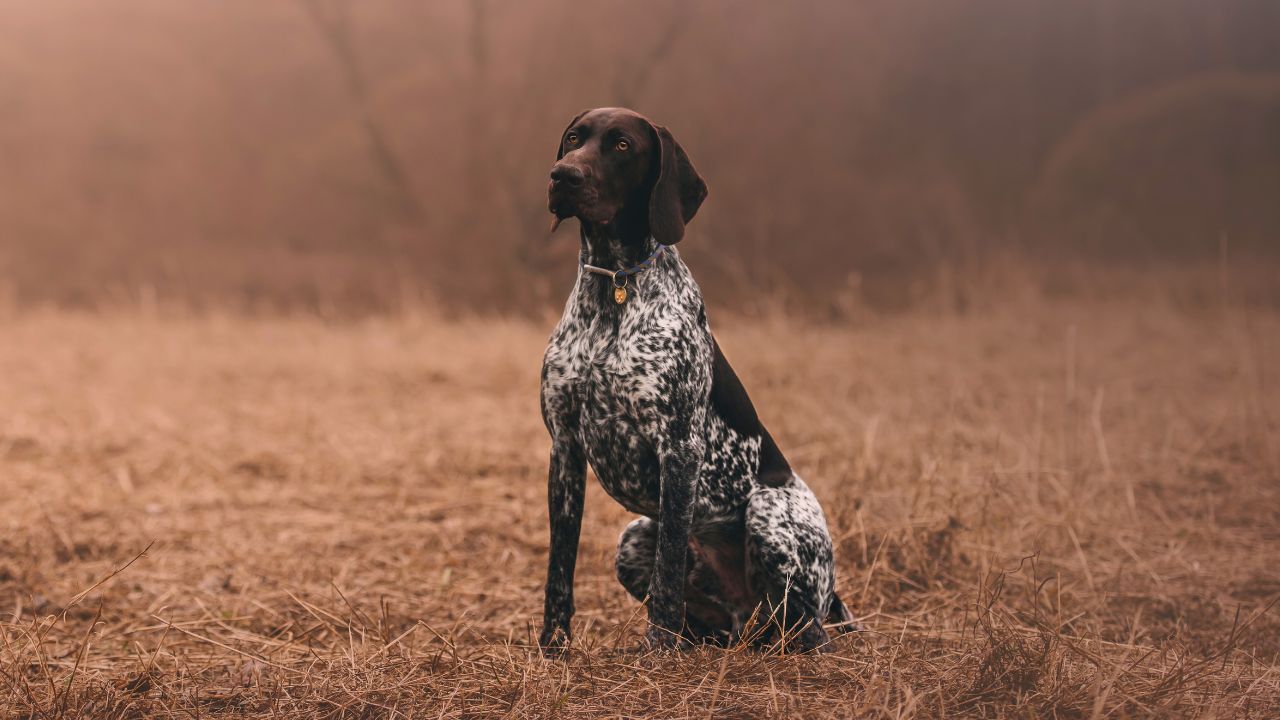
GSPs look like sleek, athletic family dogs, and they are, but they’re not the kind of dog you can “walk around the block” and call it good. They have energy for days, and if they don’t get run and worked, they become restless and destructive. They’re also smart enough to develop bad habits quickly when they’re bored. The handful part comes from the fact that they need real outlets: running, training, retrieving, field work, something. They can also be clingy and struggle with settling if you don’t teach an off-switch. If you want a dog that’s happy with a casual lifestyle, a working-bred pointer will make you feel like you’re always behind.
Weimaraner

Weimaraners look like a classy, smooth-coated, easy dog, but they can be needy, intense, and destructive when they don’t get structure. A lot of Weim issues come from separation anxiety and boredom. They bond hard, then they panic when left alone, and that’s when you get chewed doors and shredded furniture. They also have plenty of athletic drive, which means a Weim that doesn’t get exercise will invent chaos. The “easy” illusion comes from the short coat and the calm look. In reality, they need training, a routine, and consistent boundaries. When you provide that, they can be incredible dogs. When you don’t, they’re a whole project.
Doodles (Goldendoodle, Labradoodle)
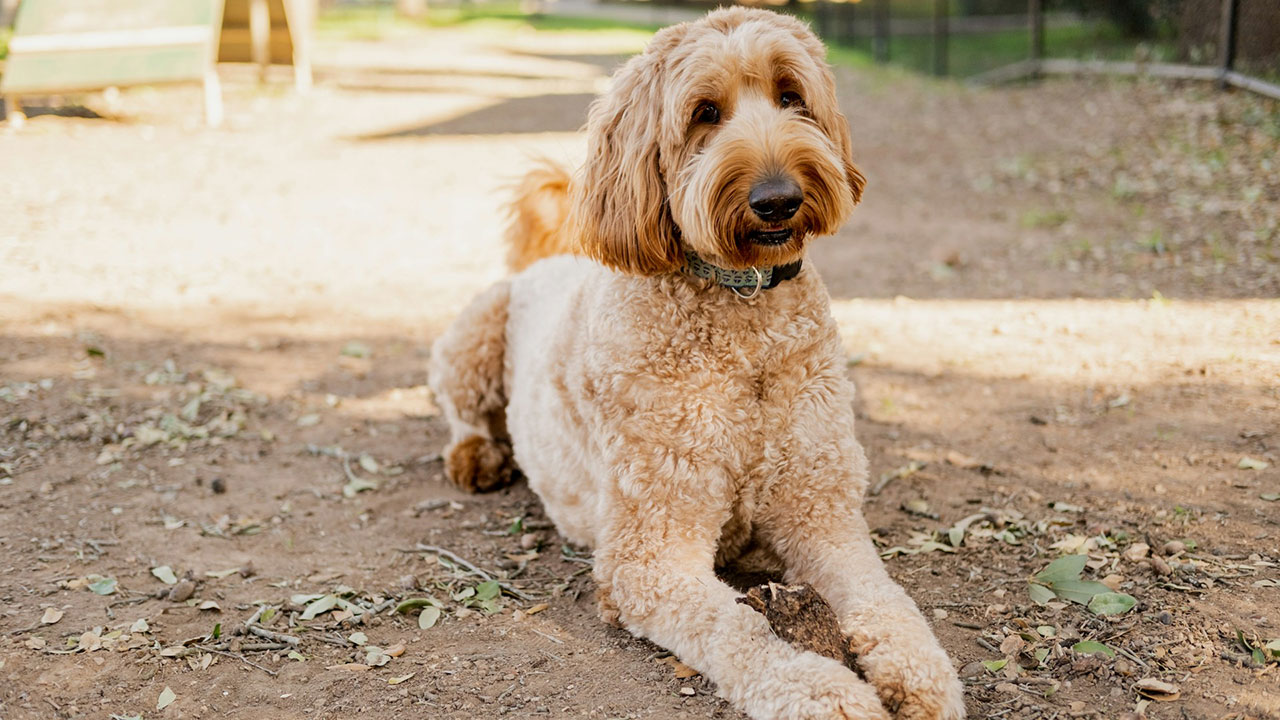
Doodles get marketed like the perfect easy family dog—low shed, friendly, trainable. Reality is often different. Many doodles are high-energy, mouthy, and prone to jumping and overstimulation if training is loose. Grooming is also a big surprise. That coat can mat badly, and if you don’t stay on top of it, you’re paying big grooming bills or dealing with uncomfortable tangles. Temperament also varies wildly because “doodle” isn’t a consistent breed standard the way many people assume. Some are calm. Some are wired. The handful part is owners thinking they bought an easy dog and then not doing the training and structure that any smart, energetic dog needs. They’re not bad dogs. They’re just not automatically easy.
Corgi
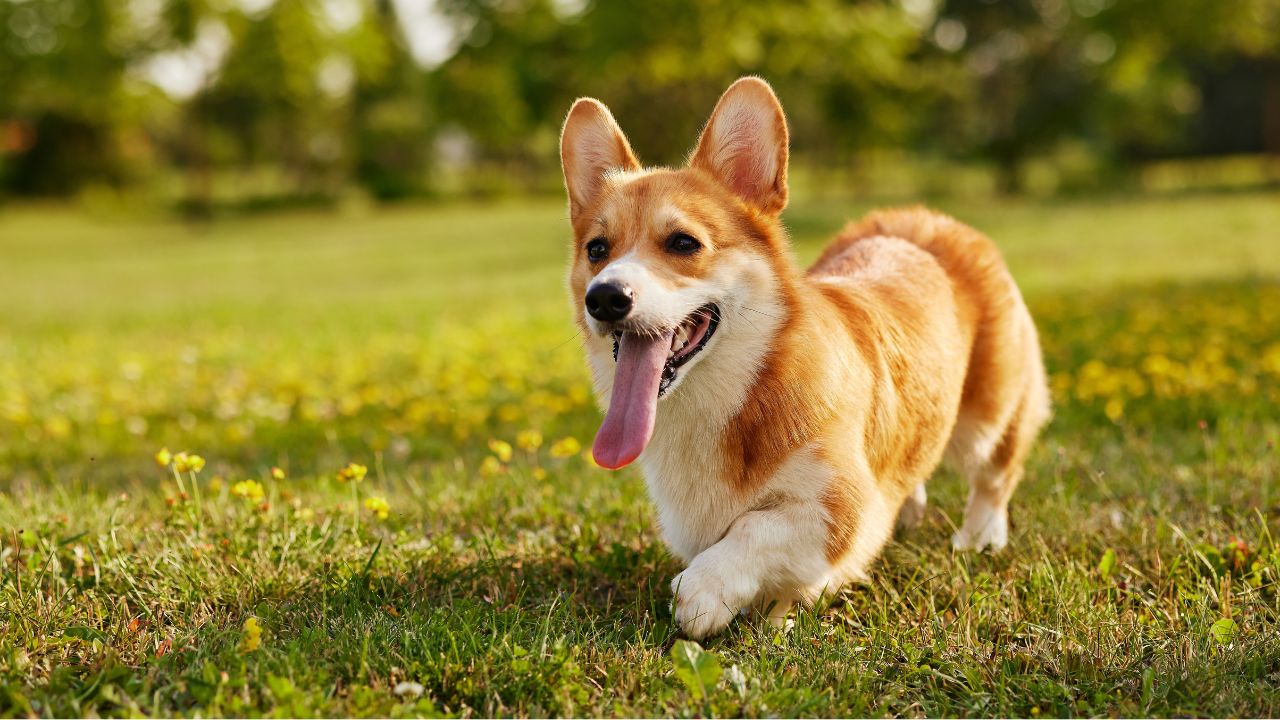
Corgis look like a funny little short dog, but they’re herding dogs with a strong personality. They’re smart, stubborn, and they can be bossy. Many corgis bark a lot and try to control movement, which shows up as nipping and herding behavior if you don’t manage it early. The handful part is that people treat them like lap dogs, but they want a job and boundaries. They also need exercise and mental work, or they become reactive and demanding. Add the fact that they can be strong pullers for their size, and you’ve got a dog that can run a household if you let it. Cute doesn’t mean easy.
Dachshund

Dachshunds look like little house dogs, but they’re hunting dogs with attitude. They can be stubborn, vocal, and surprisingly intense about guarding their space. They also tend to be brave in a way that gets them into trouble, especially around bigger dogs or strangers if socialization is weak. Training can be a challenge because they can be selective about listening. The handful part is owners thinking they’re getting a calm couch dog and then realizing the dog barks at every noise, digs, and refuses to come when called if it thinks something else is more interesting. They’re great dogs, but they’re not always “easy,” and they don’t care how small they are.
French Bulldog

Frenchies look like the easiest indoor dog on earth, and their personality can be great, but the handful part is usually health and maintenance. Many owners don’t realize how much you may deal with allergies, breathing issues, heat sensitivity, and vet visits. That turns “easy” into stressful fast. Behavior-wise, some Frenchies are stubborn and can be hard to house train compared to what people expect. They also don’t handle heat and heavy exercise well, which means you have to manage activity more carefully. The dog may be low-energy, but ownership isn’t always low-effort. If you want a dog with predictable health and fewer limitations, the “easy” look of a Frenchie can hide the reality.
Akita

Akitas look calm and strong, and they can be, but they’re not a beginner-friendly breed. They can be reserved, stubborn, and not naturally social with strangers or other dogs. That means the owner has to be intentional about socialization, boundaries, and management. The handful part shows up when people expect an Akita to behave like a friendly Golden but with a tougher look. That mismatch creates problems. Akitas can also have strong prey drive and strong opinions, and they don’t always tolerate chaos from kids or guests unless the dog is raised with clear structure. They’re not bad dogs. They’re just not “easy” in the casual, laid-back way people imagine.
Like The Avid Outdoorsman’s content? Be sure to follow us.
Here’s more from us: