
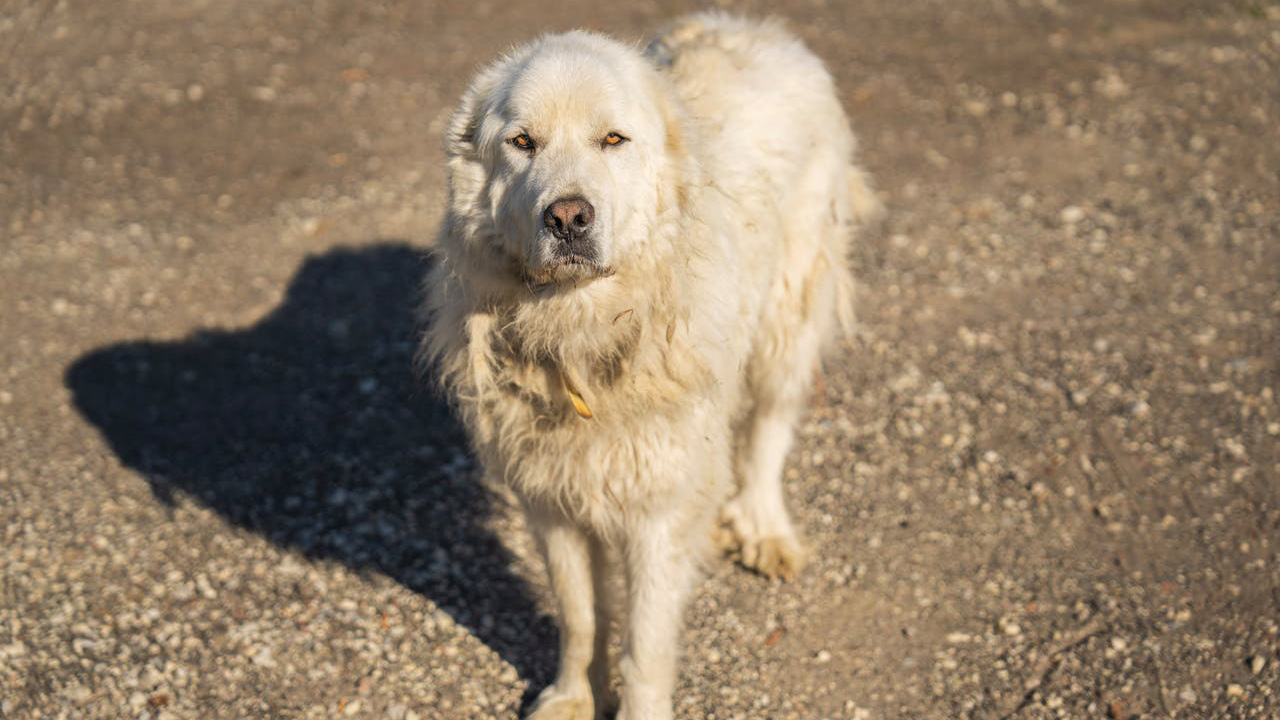
Photo credit: Mark Stebnicki/Pexels.com
There are plenty of dogs that look rugged in a photo and then fall apart once the work gets cold, steep, muddy, or day-after-day hard. Rough country is honest that way. It exposes weak feet, bad nerves, soft temperaments, poor endurance, and dogs that were bred more for appearance than for actual use. The breeds that still belong in that kind of country are the ones that can handle weather, uneven ground, long hours, and the mental pressure that comes with real work. They are not always flashy, and they are definitely not all easy.
A dog built for rough country usually brings more than one thing to the table. It needs stamina, brains, physical toughness, and enough grit to keep going when the conditions get ugly. Some were made for guarding stock in wolf country. Some were made to trail, bay, retrieve, pull, or cover hard ground with purpose. The common thread is that these breeds still make sense where land is rough, work is real, and the day does not end just because the weather turned bad.
Australian Cattle Dog

Australian Cattle Dogs were built for hard ground, long days, and livestock that do not always cooperate. They are compact, tough-footed, and mentally wired for work, which makes them one of the best examples of a dog that still belongs in demanding country. Heat, distance, rough pasture, and stubborn stock do not scare a good one off. In fact, that is the kind of environment where they usually make the most sense.
What makes them so suited to rough country is how complete the package is. They have the endurance to keep moving, the brains to think through pressure, and the toughness to take some bumps without falling apart. They are not soft dogs, and they do not do well with weak ownership or aimless living. But on ranch ground, in broken pasture, or anywhere real work has to get done in rough conditions, a good Cattle Dog still earns its keep the old-fashioned way.
Border Collie
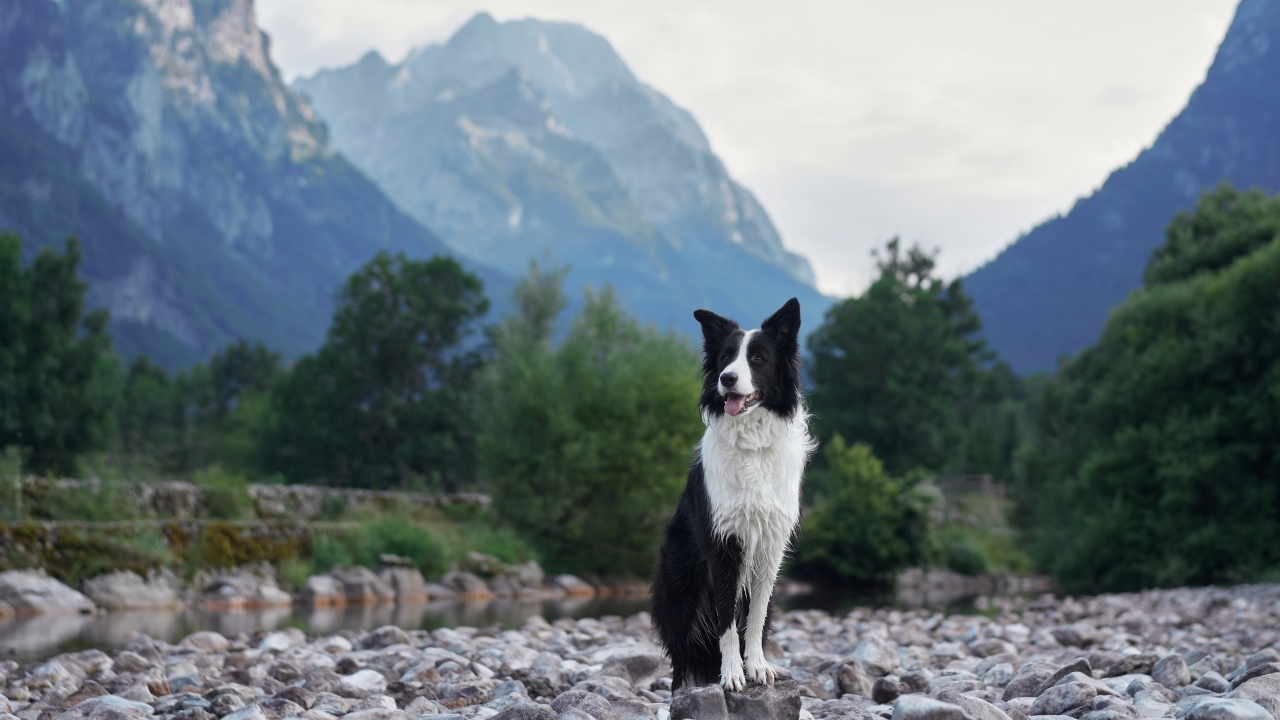
Border Collies are often talked about for their brains first, but people sometimes forget how physically tough the good ones can be. A real working Border Collie is not some fragile sport dog that needs perfect footing and mild weather. These dogs were built to cover uneven ground, work stock in ugly conditions, and stay mentally sharp through long, demanding days. In rough country, that combination of stamina and control matters a whole lot.
They are especially valuable where terrain and livestock both require precision. A dog that can think under pressure, move efficiently, and adjust fast is worth more than one that just charges hard and hopes for the best. Border Collies do best with a serious handler and real work, because all that brain power needs direction. But on hillsides, in rocky pasture, and around livestock that need to be moved with skill instead of chaos, they still make a lot of sense.
Australian Shepherd

Australian Shepherds still belong in rough country when they are from working stock and placed with people who actually use them. A good Aussie has enough stamina, grit, and intelligence to handle livestock, travel bad ground, and stay useful in weather that would wear softer dogs down fast. They are often a little more versatile in style than people expect, which is one reason they remain valuable on real working places.
They also bring a strong sense of involvement. Aussies like having a hand in what is going on, and in the right setup that can be a huge asset. They will work pasture, help gather stock, and stay engaged through the kind of daily movement rural land demands. They are not mindless dogs, and they absolutely do not do well under weak direction. But where the land is rough and the work is consistent, a solid Aussie still feels like a dog built for the job instead of a dog pretending to be.
Catahoula Leopard Dog

Catahoulas were made for difficult country, period. Swamps, brush, rock, heat, rough livestock, hard hunts, and long days all fit the kind of dog they were built to be. They are gritty, athletic, and mentally independent enough to stay useful when the work gets messy. A soft dog tends to unravel in rough country. A good Catahoula often gets more serious and more effective once the conditions stop being easy.
That does not make them easy dogs to live with. They need leadership, direction, and a job that matches their wiring. But for people who live on rural land, handle stock, hunt hard, or spend serious time in country that punishes weak dogs, a Catahoula still makes plenty of sense. They are not polished, and that is part of the point. These dogs were built for places where the ground is bad, the work is unpredictable, and toughness actually matters.
German Shepherd

German Shepherds still deserve a place in rough-country conversations because a well-bred working Shepherd remains one of the most versatile hard-use dogs around. Good ones have the size, brains, endurance, and nerve to handle all kinds of terrain and pressure. They can travel, guard, track, and work through bad conditions with a seriousness that has not gone out of style, even if too many modern lines have drifted away from the breed’s stronger roots.
In rough country, that balance of physical and mental toughness stands out. A Shepherd that can stay sound, keep its head, and make good decisions under stress is useful in ways a lot of dogs are not. They are not a one-size-fits-all ranch dog, but for rural properties, backcountry travel, livestock protection in some setups, or just as a serious all-around working dog, the right German Shepherd still feels like a breed made for real conditions instead of comfort living.
Belgian Malinois

Belgian Malinois are often thought of in military and police terms now, but the reason they excel there is the same reason they still belong in rough country. They are agile, driven, resilient, and mentally intense enough to keep functioning in ugly conditions. Bad footing, long hours, and pressure-heavy work tend to bring out what they were bred for rather than overwhelm them. That makes them a serious option for people who need a dog that can handle a lot more than casual living.
The downside is that they are too much dog for most people. Their toughness comes with intensity, and intensity without structure becomes a problem fast. But in a serious working environment, especially where endurance, rough ground, responsiveness, and grit all matter, a Malinois still makes perfect sense. These are not decorative athletes. A good one is a hard-country dog in a modern package, and when the work is real, they still prove why they belong.
Anatolian Shepherd

Anatolian Shepherds were built for rough country in the most literal sense. Big country, bad weather, predators, stock, distance, and independence are exactly what shaped the breed. These dogs were not created for tidy suburban guarding. They were created to stay with animals, think for themselves, and deal with threats in tough environments where people were not always close enough to intervene. That kind of purpose still matters.
They are not dogs you micromanage every minute, and that is part of their value in the right setting. An Anatolian can travel rough land, hold territory, and stay mentally steady under conditions that wear lesser dogs down. They do best where they have space, a clear role, and owners who understand livestock guardian behavior. In open country, on remote land, or anywhere predators are part of daily life, they still feel like one of the most honest working dogs a person can own.
Great Pyrenees

Great Pyrenees often get underestimated because people see the calm temperament and the fluffy coat before they see the working dog underneath. But a true working Pyr is built for rough mountain country, hard weather, and long-term stock protection. Cold, steep ground, rough pasture, and nighttime predator pressure are exactly the kind of conditions that shaped the breed. That big coat is not decoration. It is field equipment.
What keeps them relevant is how naturally they fit difficult rural life. They can live with stock, watch big ground, and hold their place through the kind of ugly conditions that make other dogs want the porch. They are not fast, flashy, or hyper-precise. That is not the job. Their value is steadiness, presence, and enough toughness to stay useful where weather and predators do not cut much slack. In rough country with real guarding needs, they still make perfect sense.
Kangal
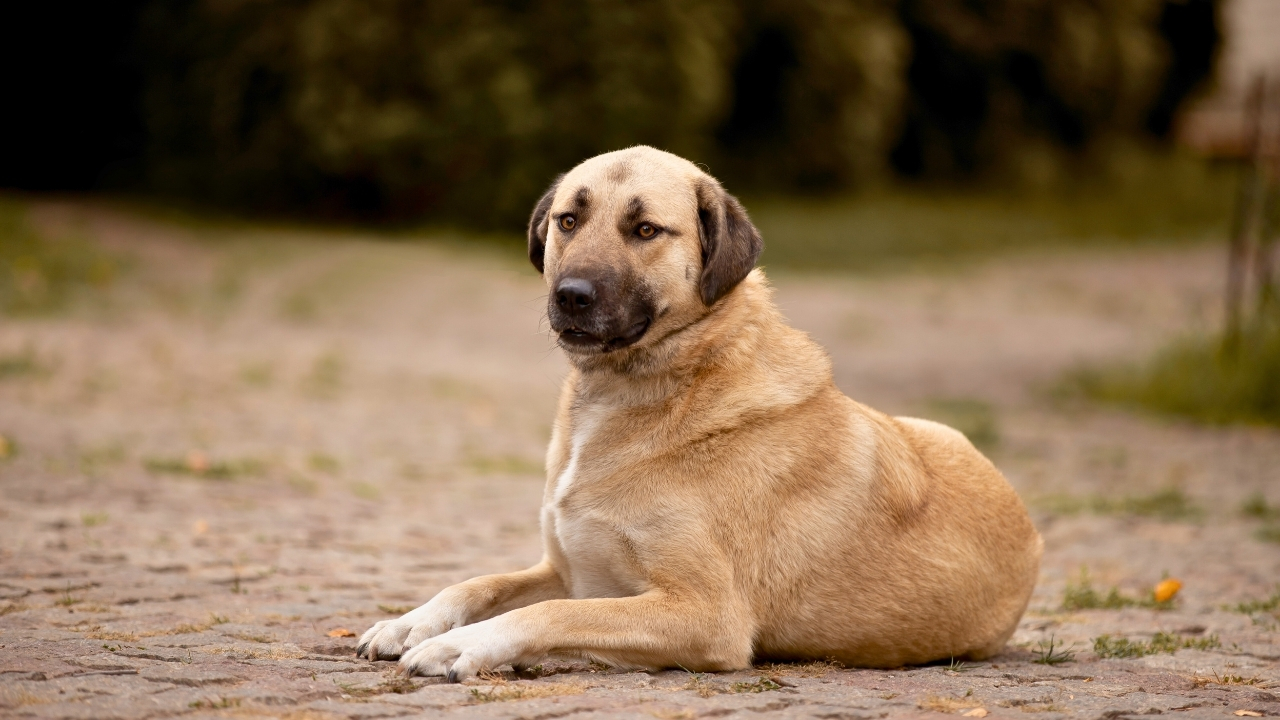
Kangals are one of the clearest examples of a breed that still belongs in big, hard country. They were shaped by stock work, predator pressure, and the kind of open land where a dog has to make its own decisions and back them up physically. That means strength, endurance, awareness, and enough confidence to hold ground when the situation goes bad. Softness was never part of the design.
In rough country, a dog like that is still incredibly valuable. Kangals can travel large areas, stay with livestock, and respond to real threats without falling apart mentally or physically. They are not ideal for casual pet homes or for people who like micromanaging every behavior. But on remote land with real stock and real predator concerns, they are exactly the kind of dogs that still feel built for reality instead of modern convenience.
Maremma Sheepdog

Maremmas remain solid rough-country dogs because they were built to live with stock and function in exposed, demanding terrain without a lot of hand-holding. They are calm but serious, physically capable without wasting energy, and mentally steady in the kind of long, lonely work that livestock protection often demands. That steadiness matters a lot more than flashy obedience when the country is big and the threats show up after dark.
A good Maremma is not there to impress visitors. It is there to keep watch, know its stock, and stay reliable through weather and routine that never really let up. That kind of dog still matters in rural setups where predators are real and the land is too rough or broad for constant human supervision. They are not dramatic dogs, but they are deeply practical, and that practicality is exactly what makes them fit hard country so well.
Rhodesian Ridgeback
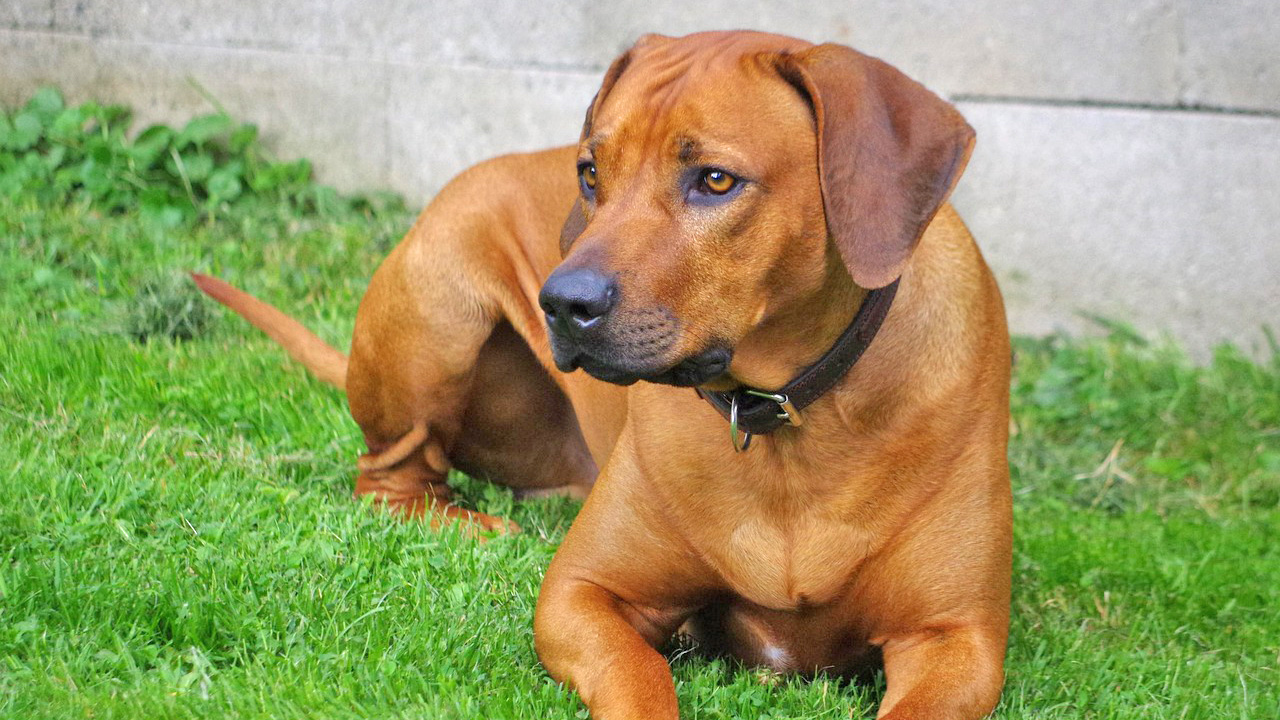
Rhodesian Ridgebacks were built to handle harsh conditions, tough ground, and dangerous game environments, and a good one still carries a lot of that hard-country usefulness. They are athletic, heat-tolerant, strong-willed, and able to move efficiently over ground that would wear softer dogs down. They do not always get grouped with rural working breeds first, but they should get more respect in that conversation than they usually do.
They also bring a level-headed physical confidence that matters in rough country. A dog does not need to be chaotic to be tough. Ridgebacks often stay composed and capable in the kind of places where footing is bad, cover is thorny, and long movement is part of the job. They need strong ownership and enough outlet for both body and mind, but in hard terrain and demanding outdoor life, they still carry the kind of build and mindset that make sense.
Akbash

Akbash dogs are another livestock guardian breed that still fits rough country the way it was originally intended to. They are leaner and often a little more athletic in movement than some other guardian breeds, which helps them cover larger areas while still bringing the size and seriousness needed to handle threats. Big country, exposed ground, and predator pressure are exactly where they are supposed to make sense.
What keeps them valuable is that balance between watchfulness and working endurance. They are not decorative white dogs for soft living. They are serious guardians that do best with real land, real boundaries, and owners who understand that independence is part of the package. In rough pasture or remote stock country, an Akbash still has a place because it was built for the exact kind of work that many modern dogs would rather avoid.
Treeing Walker Coonhound

Treeing Walker Coonhounds belong on this list because rough country is still where they shine best. They have the lungs, legs, and desire to cover ground for long stretches, often in ugly terrain and after dark when the work gets even harder. A good hound can handle hills, brush, rock, creek bottoms, and nasty cover better than a lot of people realize, especially when there is a track worth following.
They are not stock dogs or guardians, but rough country is not just about guarding. It is also about trailing, endurance, and staying effective when the land gets difficult. A real Walker that is bred for work still makes sense for hunters and handlers who need a dog that can keep going across terrain that punishes weak feet and weak will. They are purpose-built movers, and hard ground does not scare them off.
Bluetick Coonhound
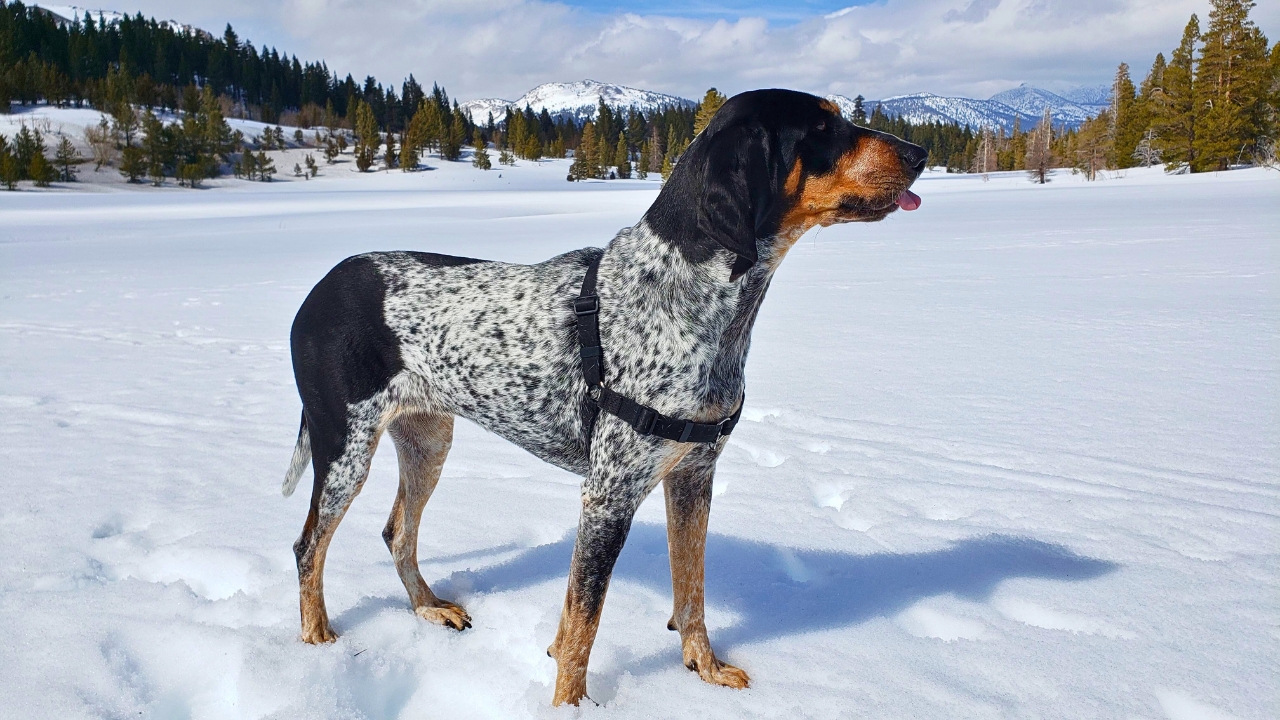
Blueticks are another breed that still hold their own in rough country because they were built to work through it, not around it. They have the nose, persistence, and physical durability to handle long tracks through broken land, steep woods, and the kind of rough footing that wears on lesser dogs quickly. They are not always the fastest breed on paper, but they are steady and tough in the kind of country where steady and tough matter more than speed alone.
They also tend to bring the kind of hound grit that keeps them useful when the conditions get miserable. Cold nights, wet ground, and ugly cover are all part of the equation with real trailing work, and Blueticks have long proven they can handle that life. For hunters and landowners who still rely on dogs to work difficult terrain honestly, a good Bluetick remains a breed that fits hard country better than a lot of newer, softer dogs ever will.
Black Mouth Cur

Black Mouth Curs are one of the most underrated rough-country dogs still going. They were built for practical rural use, not fancy labels, and that shows in how many different jobs they can still do well. They can work stock, bay game, travel bad ground, and stay useful on land where dogs need both brains and toughness. They are not polished in a show-ring way, but that is exactly why serious rural folks still trust them.
A good Cur has grit without being mindless and enough physical ability to hold up through long, demanding days. Heat, brush, rough pasture, and hard movement are all things they handle well when bred right. They do best with people who understand working-dog temperament and are not trying to turn them into couch ornaments. On real land, in real weather, with real work to do, Black Mouth Curs still feel like they were built for country that has not gone soft.
Like The Avid Outdoorsman’s content? Subscribe to our newsletter so you never miss an article.
Here’s more from us:


