Photo credit: Anthony Duran/Unsplash.com
Some dogs are wired to chase. It’s not bad training, bad owners, or “too much energy.” It’s instinct that’s been bred in for generations. Prey drive is what makes a dog lock onto movement, ignore distractions, and go all-in once something runs. For hunters, that trait can be a strength or a liability depending on how it’s managed. In a working context, prey drive is what fuels grit, focus, and persistence. In the wrong hands, it turns into broken recall, livestock trouble, and dogs that disappear over the horizon. These are 15 dog breeds with some of the highest prey drive out there—the kind you need to understand before you ever think about owning or working one.
Belgian Malinois
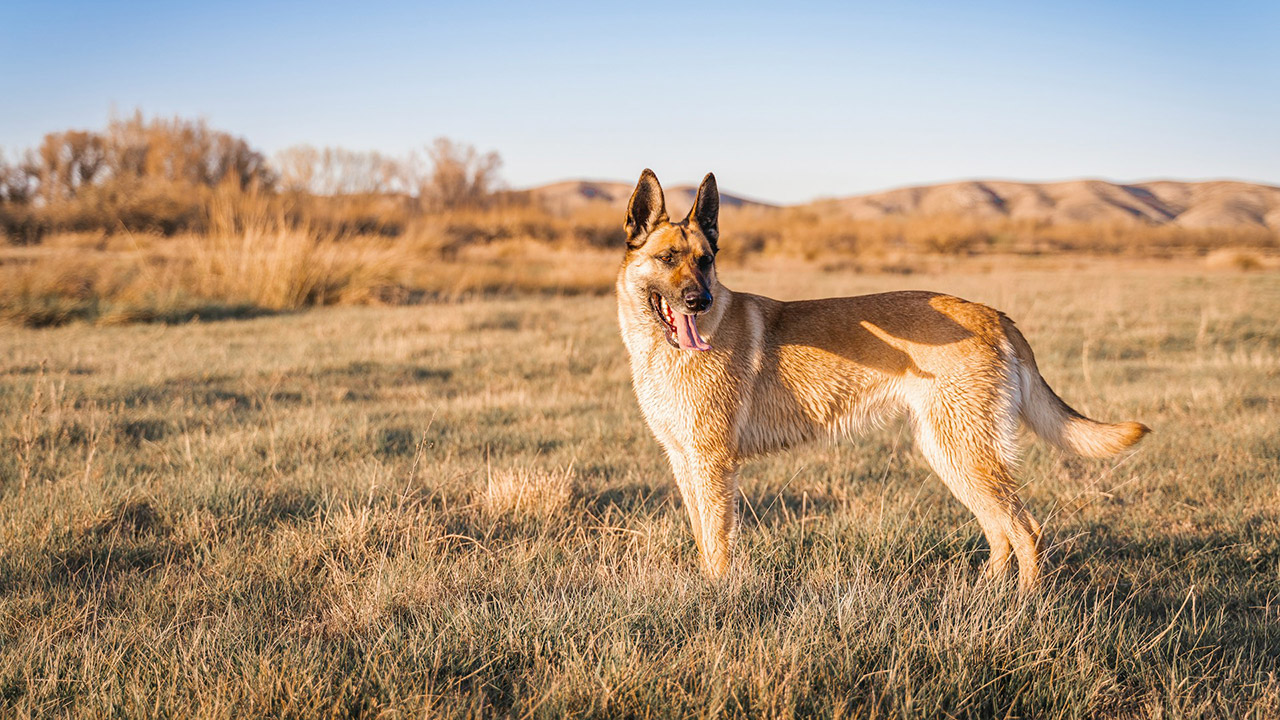
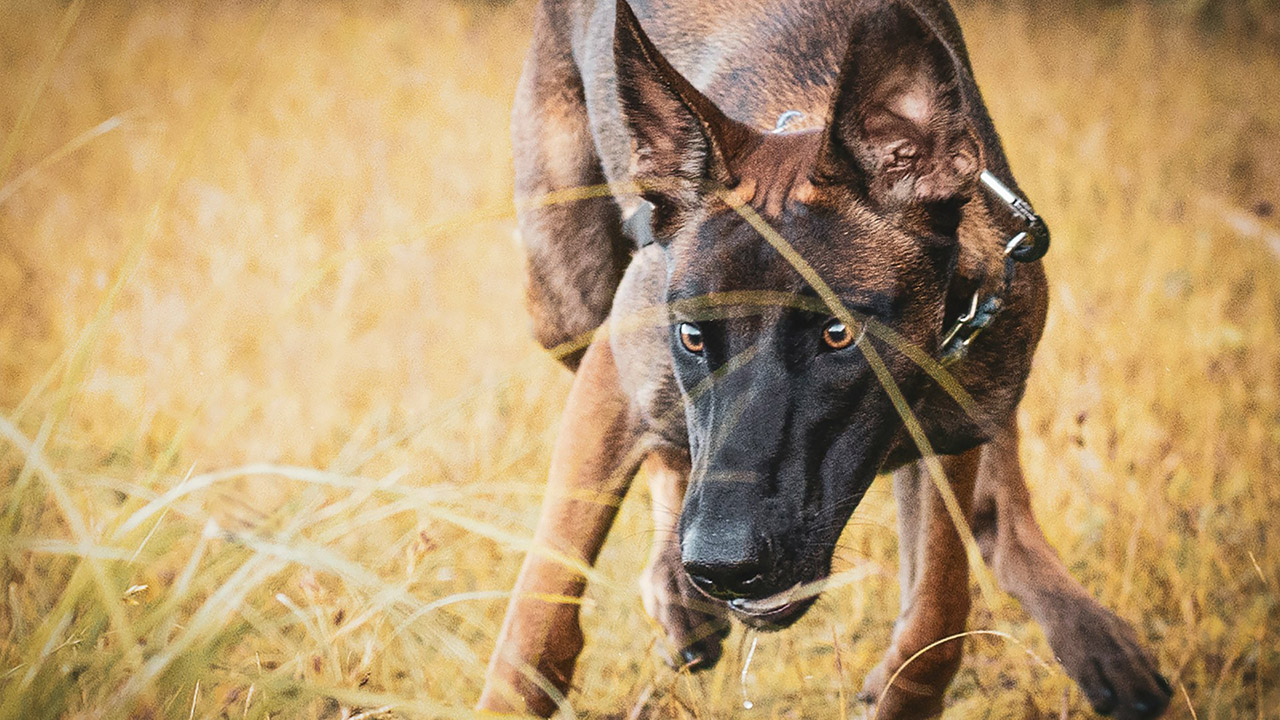
Belgian Malinois are pure prey drive wrapped in a lean, athletic frame. This breed was built to lock in on movement and stay locked in until the job is done. Once a Mal sees something move—animal, decoy, ball, sleeve—the switch flips, and everything else fades out. That intensity is why they dominate police and military work, but it’s also why they overwhelm casual owners fast.
In the field, that prey drive means relentless pursuit and zero hesitation. They’ll run hard, ignore terrain, and push themselves past sensible limits if not handled correctly. That makes them outstanding working dogs and absolute chaos as unmanaged pets. If you don’t have a job for a Malinois, it will invent one—and it usually involves chasing something you didn’t want chased.
Siberian Husky
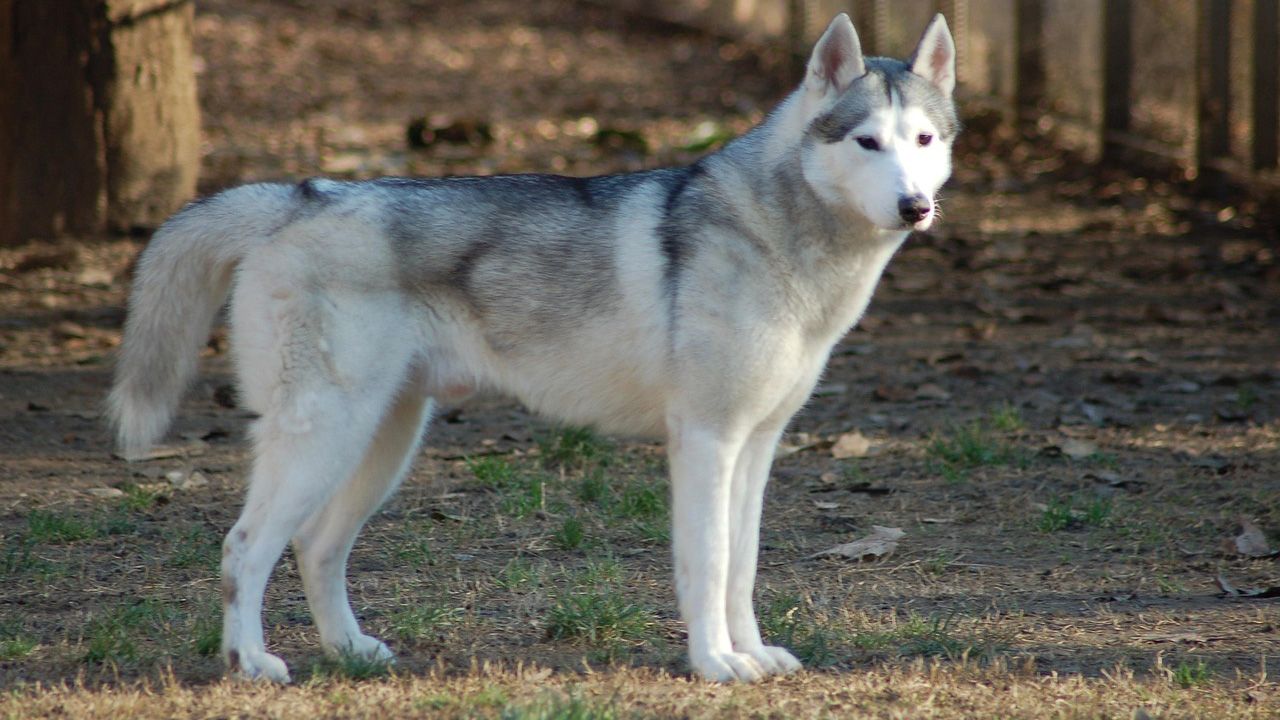
Huskies look friendly, but their prey drive is no joke. This breed was developed to pull, roam, and survive in harsh conditions, and that independence pairs with a strong instinct to chase smaller animals. Rabbits, cats, squirrels—if it moves fast, a Husky is likely gone before you finish yelling.
What makes Huskies tricky is that their prey drive comes with low handler focus. They’re not wired to constantly check in or wait for permission. In the field or on rural property, that means they can cover ground fast and ignore recall completely once prey drive kicks in. Huskies can coexist with other animals if raised carefully, but the instinct never disappears. Owners who underestimate that usually learn the hard way.
Greyhound
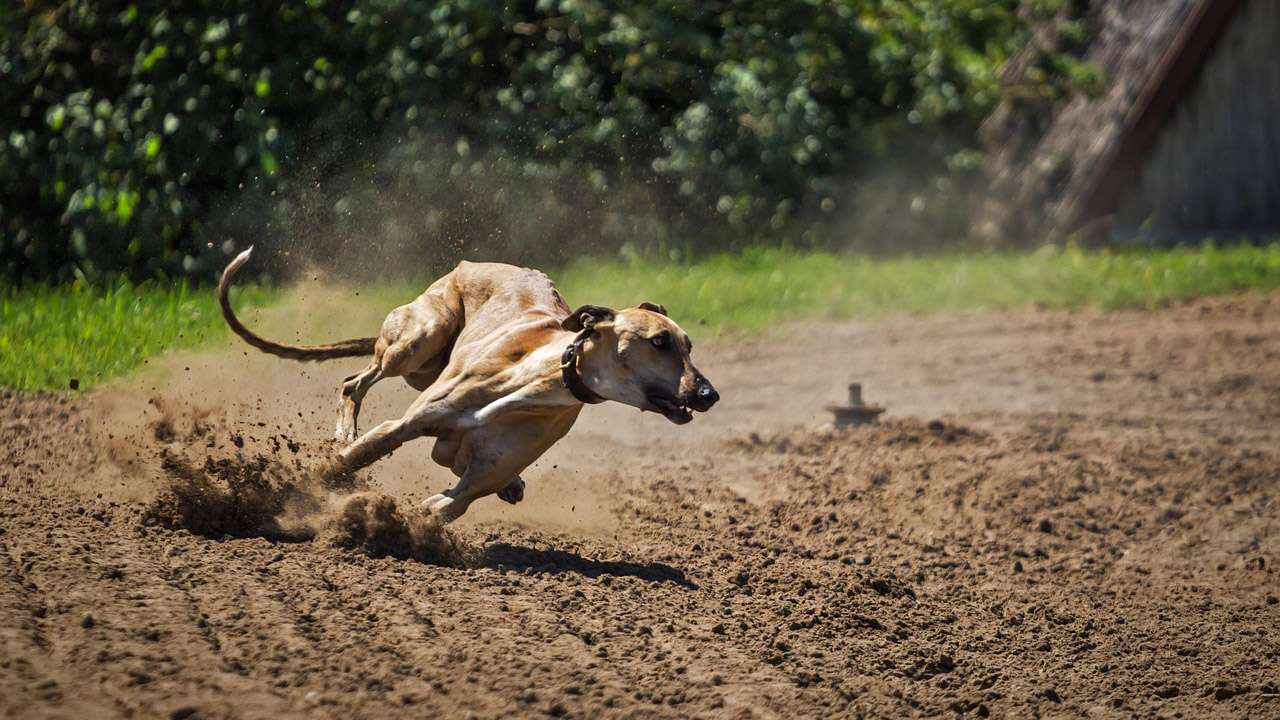
Greyhounds are sight hounds, and prey drive is literally what they were bred for. Their job was to spot movement at distance and pursue it at extreme speed. When something runs, a Greyhound’s brain doesn’t debate—it reacts. That response is instant and powerful.
In hunting or rural settings, that means they’ll chase deer, coyotes, or anything else that bolts. Their speed makes containment a real challenge, and once they’re moving, recall is largely theoretical. Even retired racers often retain that instinct. Greyhounds aren’t aggressive, but prey drive doesn’t require aggression—just motion. If you live where wildlife is common, you need to respect what this breed was designed to do.
Jack Russell Terrier
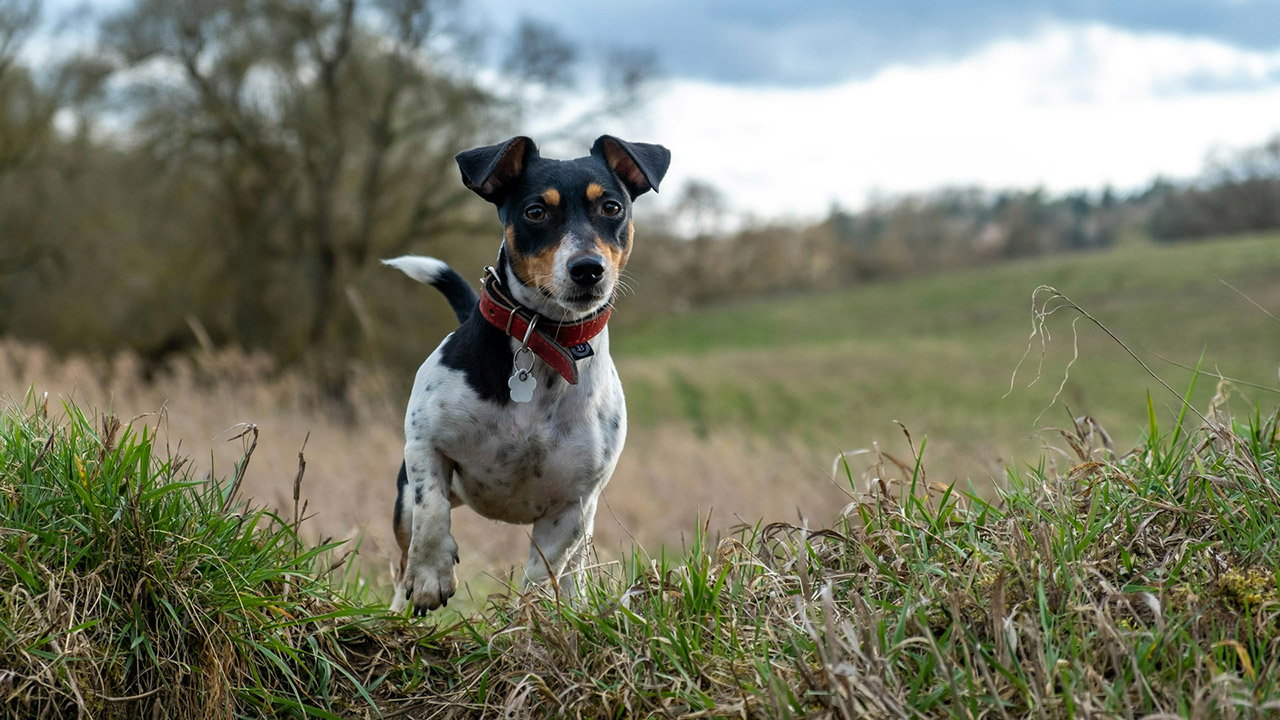
Pound for pound, Jack Russells might be the most prey-driven dogs on this list. These little dogs were bred to hunt and kill vermin underground, and that instinct is still front and center. They don’t chase for fun—they chase to finish the job.
In the field, that means explosive bursts of energy, zero fear, and relentless focus. Jack Russells will go after animals much larger than themselves and won’t back down easily. They’re smart, tough, and incredibly persistent. That prey drive makes them excellent working dogs for pest control but difficult companions around small animals. If it squeaks, scurries, or runs, a Jack Russell sees work—not a pet.
Border Collie

Border Collies are often mislabeled as “just smart,” but their intelligence is built on prey drive. Herding behavior is controlled predatory instinct—eye, stalk, chase—just redirected. That means movement triggers a response even when the dog is well trained.
In open areas, Border Collies will fixate on running animals, bikes, vehicles, or kids. Their prey drive isn’t about killing, but the chase itself is deeply rewarding. In the field, that focus can be an asset or a problem depending on structure. Without boundaries and work, that drive spills into obsessive behavior. Border Collies don’t shut off easily, and their prey drive is a big reason why.
German Shorthaired Pointer

GSPs are built to hunt, and their prey drive reflects that purpose. These dogs are wired to find, pursue, and stay engaged with game for long periods. Birds are the obvious focus, but the drive doesn’t stop there—many will chase fur just as hard if allowed.
In the field, that means wide-ranging runs, high energy output, and strong independence once scent or movement is detected. GSPs need consistent handling and plenty of work to stay manageable. Without it, they’ll self-employ, which often involves chasing wildlife across property lines. Their prey drive is a strength in hunting and a challenge everywhere else.
Weimaraner

Weimaraners were bred as versatile hunting dogs, and their prey drive runs deep. These dogs are known for locking onto scent and movement and staying committed once they do. When a Weim sees game, it’s hard to break that focus without solid training.
In real-world use, that drive translates into dogs that need room, exercise, and purpose. Weimaraners don’t do well confined or underworked. Their prey drive often shows up as chasing cats, deer, or anything that moves quickly. They’re affectionate dogs, but that doesn’t cancel out instinct. Owners who ignore that usually end up frustrated.
Australian Cattle Dog
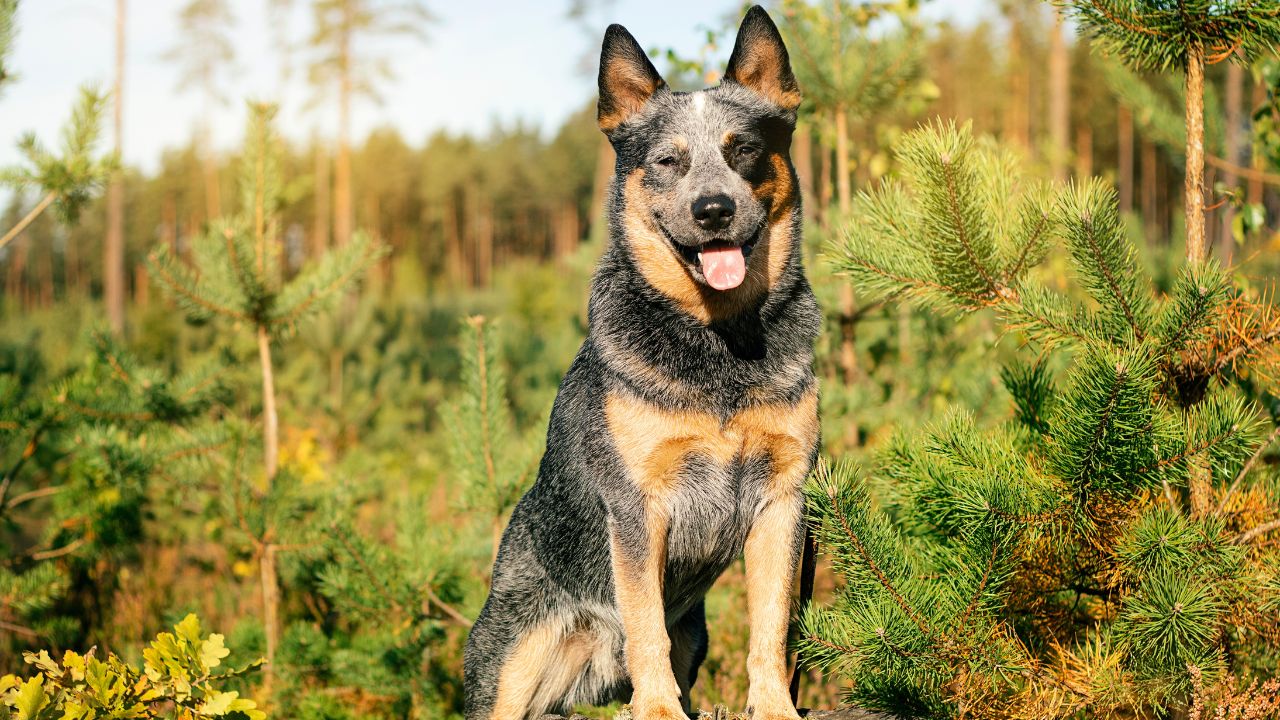
Australian Cattle Dogs were bred to move livestock through pressure, nipping, and relentless pursuit. That work requires strong prey drive paired with toughness and independence. Movement triggers engagement, and once engaged, these dogs don’t quit easily.
In the field, that prey drive shows up as chasing wildlife, vehicles, or anything that tries to flee. They’re smart enough to be trained, but they’ll test boundaries constantly. Without structure, their drive turns into destructive behavior or uncontrolled chasing. ACDs thrive when given real work. Without it, their instincts find less productive outlets.
Rhodesian Ridgeback

Ridgebacks were developed to track and harass large game, including lions, without direct engagement. That background gave them a strong prey drive combined with confidence and independence. They’re not frantic chasers, but once something runs, they’re interested.
In open terrain, Ridgebacks can cover ground quickly and ignore recall when prey drive activates. They’re powerful, athletic dogs that don’t tire easily. Their drive isn’t flashy, but it’s persistent. Owners often underestimate them because they’re calm at home, then get surprised when wildlife enters the picture. Ridgebacks aren’t passive dogs—they’re calculated hunters.
Alaskan Malamute

Malamutes share ancestry with Huskies but tend to be bigger, stronger, and even more independent. Their prey drive is tied to survival instincts—chasing and killing small animals was historically part of staying alive.
In modern settings, that means Malamutes often view cats, small dogs, and wildlife as prey rather than companions. Their size makes that dangerous if unmanaged. In the field, once a Malamute commits to a chase, stopping it is difficult. They’re not built for recall-based work. Their prey drive requires firm boundaries and realistic expectations.
Vizsla

Vizslas are often described as “soft,” but their prey drive says otherwise. They’re bird dogs through and through, with strong instincts to chase, point, and pursue. Movement and scent trigger immediate engagement.
In the field, Vizslas range hard and work fast. That drive is great for upland hunting but requires structure elsewhere. Without outlets, they can become obsessive about moving objects. Their prey drive isn’t aggressive, but it’s intense. Owners who expect a calm, low-drive companion are often caught off guard by how wired these dogs can be.
Doberman Pinscher

Dobermans were bred for protection, but prey drive is a big part of that equation. Fast movement, fleeing behavior, and erratic motion trigger chase instincts quickly. That’s part of what makes them effective deterrents.
In the field or on acreage, Dobermans often pursue wildlife aggressively. Their speed and athleticism make them capable chasers, and their focus can narrow fast. Training can manage it, but the instinct doesn’t disappear. Dobermans aren’t casual dogs—they’re driven, reactive, and intense when something flips the switch.
Whippet
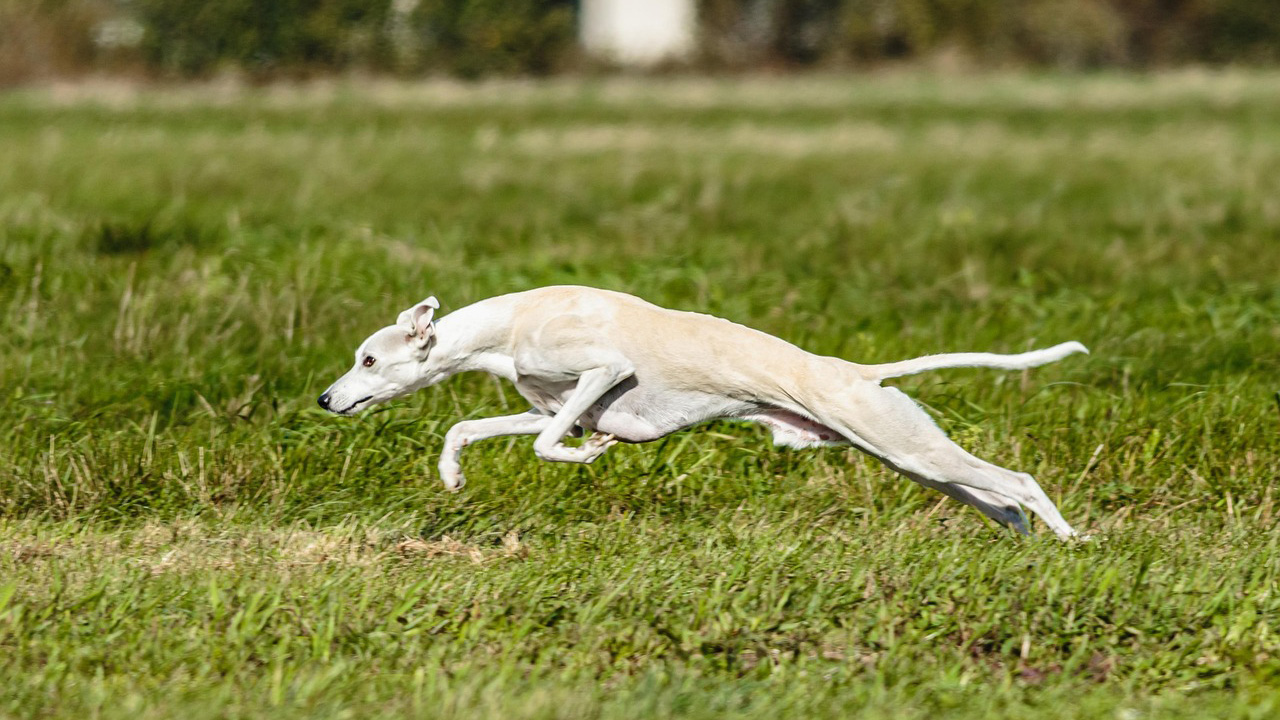
Whippets are smaller Greyhounds with the same core instinct. They’re sight hounds bred to chase, and their prey drive activates instantly when they see movement. Despite their gentle demeanor, that chase response is hardwired.
In rural environments, Whippets will pursue rabbits, birds, and anything that bolts. Their speed makes containment critical. Like other sighthounds, recall under prey drive is unreliable at best. They’re quiet and calm indoors, which makes their outdoor behavior catch people off guard. Prey drive doesn’t always look aggressive—it just looks fast.
Coonhound

Coonhounds are built to follow scent and stay on it no matter what. Their prey drive is tied to endurance and obsession. Once they lock onto a trail, distractions fade, and the chase becomes the only objective.
In the field, this means long runs, loud bays, and dogs that will disappear if not handled carefully. Coonhounds aren’t worried about distance or time—they’re worried about finishing the track. That drive is gold for hunting and a headache for owners expecting easy containment. These dogs live for the chase.
American Pit Bull Terrier

Prey drive in Pit Bulls is often misunderstood, but it’s very real. These dogs were bred for tenacity and focus, and movement can trigger intense chase behavior. That doesn’t mean human aggression—but it does mean strong interest in smaller animals.
In the field, Pit Bulls can be relentless once engaged. Their strength and determination make prey drive harder to interrupt than in many breeds. Proper training and management matter, but instinct still plays a role. Owners who pretend prey drive doesn’t exist do the breed no favors. Understanding it is how you keep everyone safe.
Like The Avid Outdoorsman’s content? Subscribe to our newsletter so you never miss an article.
Here’s more from us: