Photo credit: NPS, Public Domain/Wiki Commons
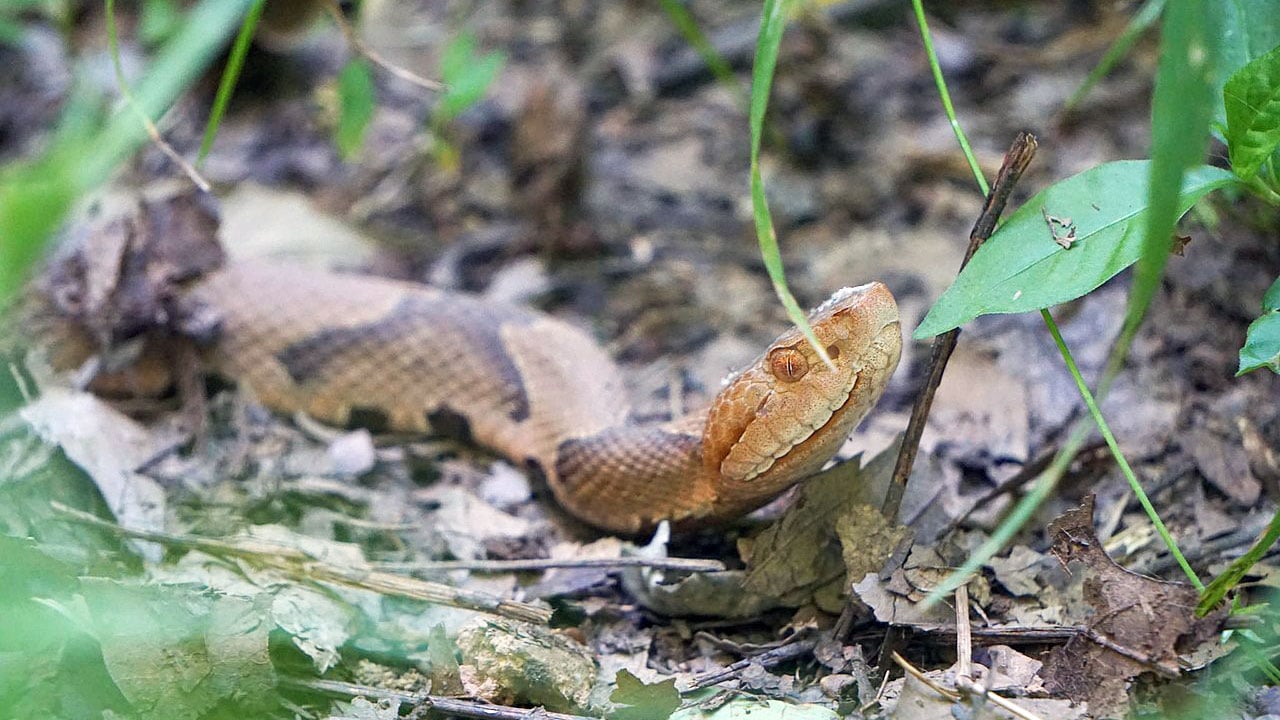
Copperheads are the kings of “you don’t see them until it’s too late.” They don’t always rattle, they often freeze instead of fleeing, and their hourglass pattern disappears in leaves, pine needles, mulch, and dead grass. The CDC even notes they’ll often freeze if frightened and strike if they feel threatened—so the danger is usually that people (or dogs) get way too close without realizing it.
These 15 states are places where copperheads are common enough—and the habitat around homes, trails, woodlines, and yards is “leaf-litter perfect” enough—that accidental step-ons happen a lot more than people want to admit.
North Carolina
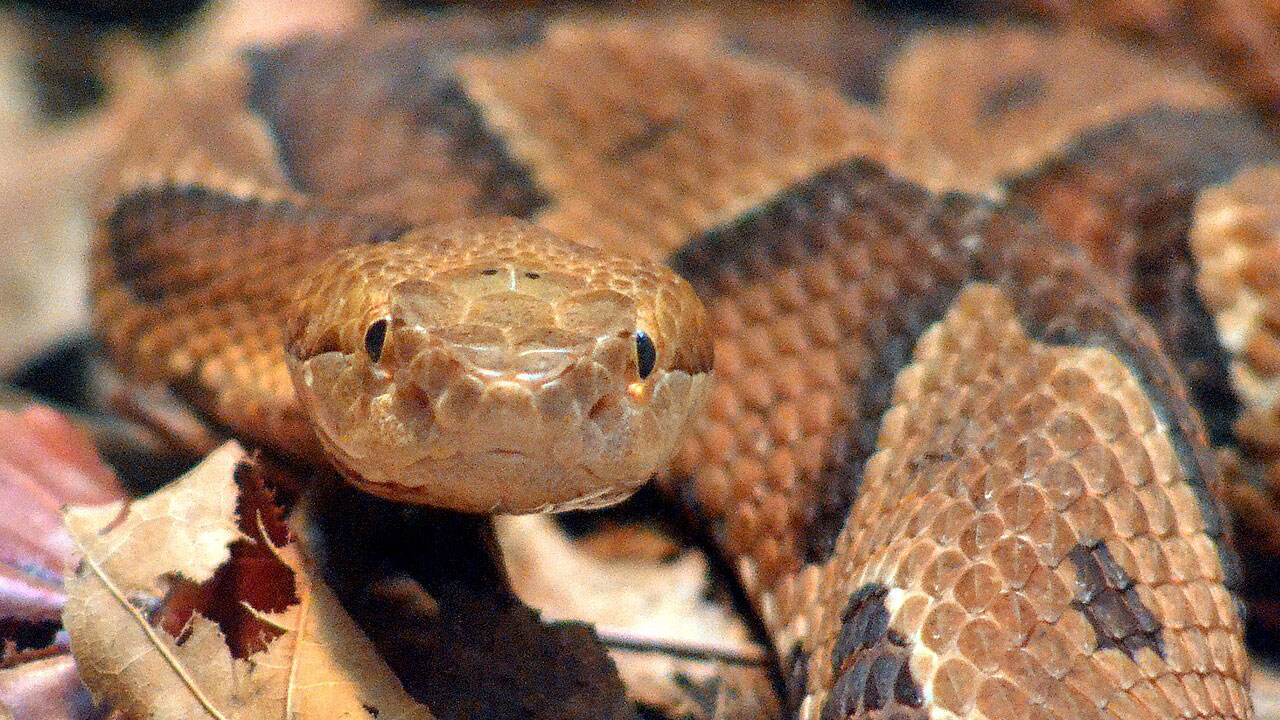
North Carolina Wildlife says it straight: the copperhead is the most common and widespread venomous snake in North Carolina, and in many areas (including big urban areas) it’s the only venomous snake people are likely to run into. That matters because copperheads don’t need wilderness—they do great in the messy edge habitat people live around: creek corridors, brushy lots, wood piles, landscaping beds, and neighborhoods backed up to woods. The classic “step-on” scenario in NC is a copperhead sitting still in leaf litter right beside a trail, sidewalk, or driveway edge, especially in spring and fall when temperatures make them more active. If you’re walking a yard line at dusk or stepping off a path to let someone pass, that’s where people get surprised.
Virginia

Virginia’s wildlife agency calls copperheads the most common venomous snake in the state and notes they’re found statewide. That’s exactly why they show up in the most normal places—wooded neighborhoods, rural garages, brush lines behind sheds, leaf piles along fences. Virginia is also prime “leaf litter and hardwoods” country, so the camouflage advantage is huge. Most accidental bites here happen during normal chores: moving a tarp, grabbing something from a woodpile, cleaning up limbs, or stepping into a pile of leaves you meant to bag “later.” The fix is annoyingly simple but effective: boots in the yard, gloves when moving anything stacked, and a flashlight at night even if you’re “just running out real quick.”
Missouri
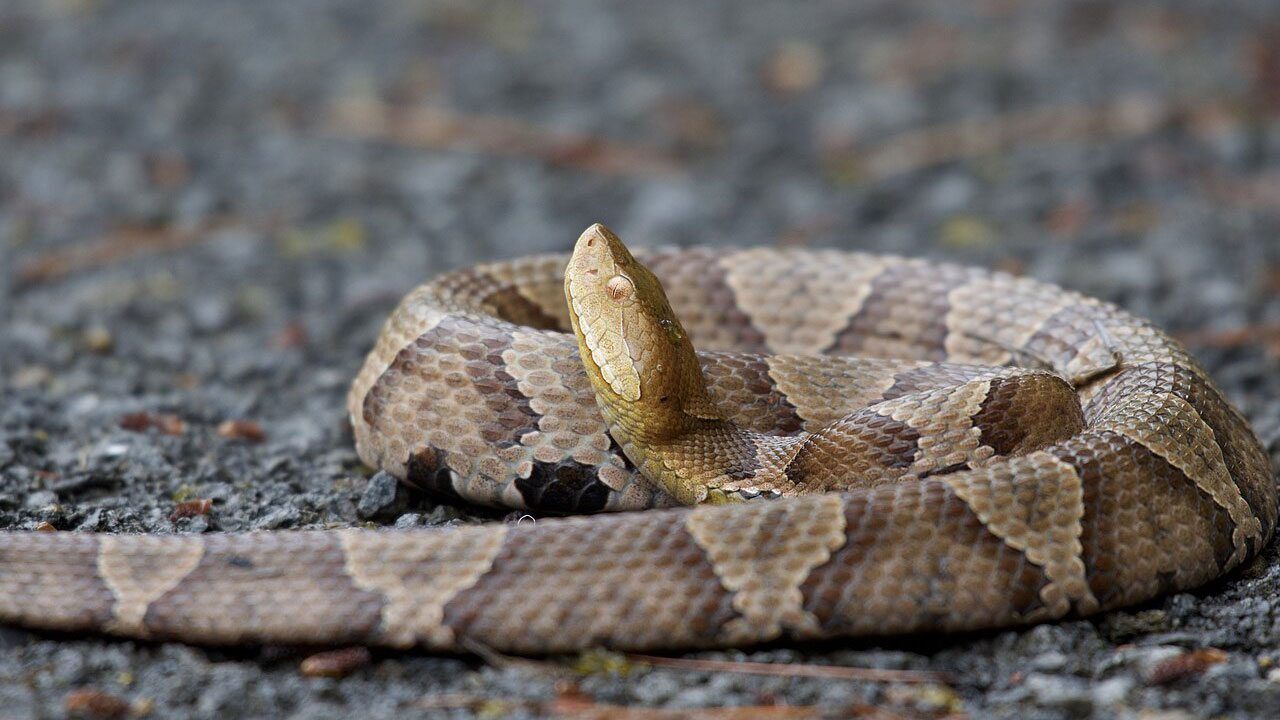
Missouri’s conservation department says the eastern copperhead is the most common venomous snake in Missouri. Missouri also has a ton of habitat where copperheads blend in perfectly—oak woods, rocky edges, field borders, and brushy creek bottoms. The common “step-on” moment is somebody walking along a trail edge where leaves collect, or stepping around a downed branch and putting their foot exactly where the snake is tucked. If your property has stacked lumber, landscape timbers, brush piles, or old boards leaning against a shed, that’s copperhead real estate. Clean, open ground near your house and keeping clutter off the ground is one of the fastest ways to cut down surprise encounters.
Tennessee
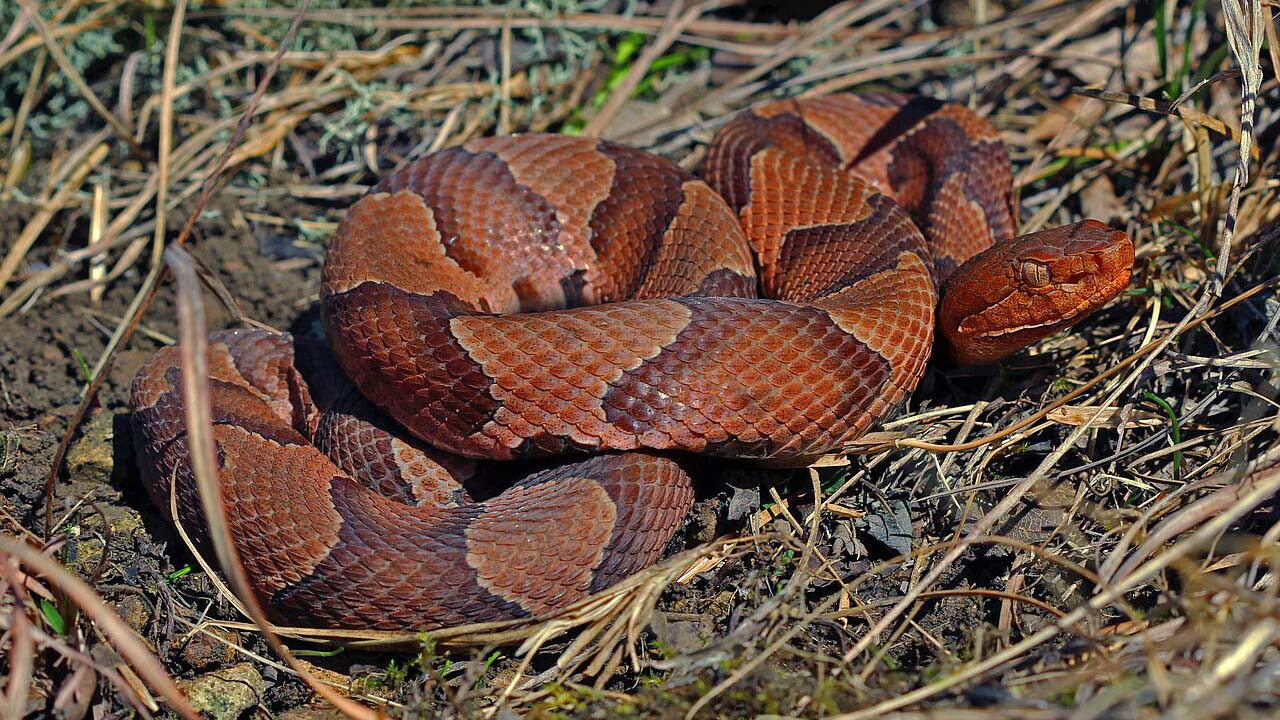
Tennessee is squarely in copperhead country (part of the broader eastern U.S. range), and it has the same recipe that makes them hard to spot: hardwood leaf litter, mixed woods, and a lot of yard-to-woods transition areas where people walk without thinking. The bites you hear about most aren’t from “messing with snakes.” They’re from stepping over logs, stepping into tall leaves, or walking along rock-lined paths where a copperhead is tucked in the shadow line. If you’re in TN and you’ve got kids who like to explore creek edges and leaf piles, the best safety habit is “look before you step, and step on top before you step over.”
Kentucky

Kentucky sits in the copperhead’s established eastern range, and it’s full of copperhead-friendly habitat—wooded hollows, rock piles, brushy field edges, and leaf-heavy yards. The step-on problem in Kentucky tends to show up in two places: trail edges covered in leaves, and the “stuff zone” around homes (firewood stacks, scrap lumber, junk corners of barns/garages). Copperheads like tight cover and a stable temperature, and those storage areas give them both. If you do one thing, do this: stop stepping over things blind. Step onto the log or rock first, scan the far side, then step down.
West Virginia

West Virginia’s terrain is basically built for copperheads—rocky hillsides, hardwood forests, and endless leaf litter that hides patterns perfectly. A lot of popular walking loops and backyard footpaths in WV follow ridge lines and creek corridors, and those are exactly the travel zones where you can step near a snake without ever seeing it. Copperheads also love to hold tight rather than bolt, so you don’t always get the “movement warning” that helps people avoid a close call. Boots and a light are your friend here, especially during warm evenings when you’re out doing chores or letting the dog out.
Pennsylvania

Pennsylvania is within the copperhead’s eastern U.S. range, and the same “they disappear in leaves” issue is the reason so many people don’t spot them until they’re right there. In PA, the step-on situations often happen on wooded trails in warmer months, especially where leaves collect in trail ruts and along log steps. Another common moment is yard work season—moving brush, stacking wood, or cleaning up storm debris. If you’ve got property that backs into woods, treat leaf piles and brush piles like you’d treat a hornet nest: assume something you don’t want is using it until you prove otherwise.
Ohio

Ohio is also inside the copperhead’s broader eastern range, and the bite-risk setup is familiar: leaf litter, wood edges, and people doing normal yard stuff. The camouflage advantage is huge in Ohio’s mixed woodland and creek-bottom zones, and copperheads can sit motionless in exactly the spots people step when they cut corners—literally. Walking the side of a path, stepping off to let a bike pass, hopping down off a curb into a leaf pile—those “tiny” decisions are what put a boot near a snake. If you hike or walk wooded loops, keep your eyes 6–10 feet ahead and stay centered on the clear tread.
Indiana

Indiana is part of the copperhead’s established range, and it has plenty of habitat where they blend in: leaf-heavy woods, brushy edges, and creek corridors that run right through parks and neighborhoods. The step-on risk tends to spike during shoulder seasons when people are outside more and leaves are down (or being moved around). Indiana also has lots of “small-town trails” that run near woods and drainage, and those edges are exactly where copperheads can sit unseen. The best prevention isn’t trying to spot every snake—it’s reducing the moments you put hands/feet in blind spots.
Illinois

Illinois is included in the copperhead’s U.S. range, especially in the southern parts of the state, and that’s where the classic leaf-litter camouflage is strongest. People get tagged when they assume “I’m not that far south” or “this doesn’t feel like snake country.” Copperheads don’t need desert rocks—they do great in woods, field edges, and brush piles. If you’re anywhere in IL copperhead range, don’t walk through leaves in thin shoes, don’t grab stacked boards barehanded, and don’t let dogs shove their nose into brush piles on walks.
Georgia

Georgia’s woods-and-bottomland mix is copperhead-friendly, and they’re part of the copperhead’s established range across the Southeast. The Georgia step-on story is usually a snake sitting still in leaf litter beside a trail, near a creek edge, or tucked under yard debris near a fence line. Suburban lots that back up to woods are a big one—copperheads tolerate moderate human disturbance and can show up in places like suburban lots and parks. The homeowner mistake is leaving the yard edge messy: leaves piled against the slab, brush stacked “for later,” and bird seed/pet food drawing in rodents.
Alabama
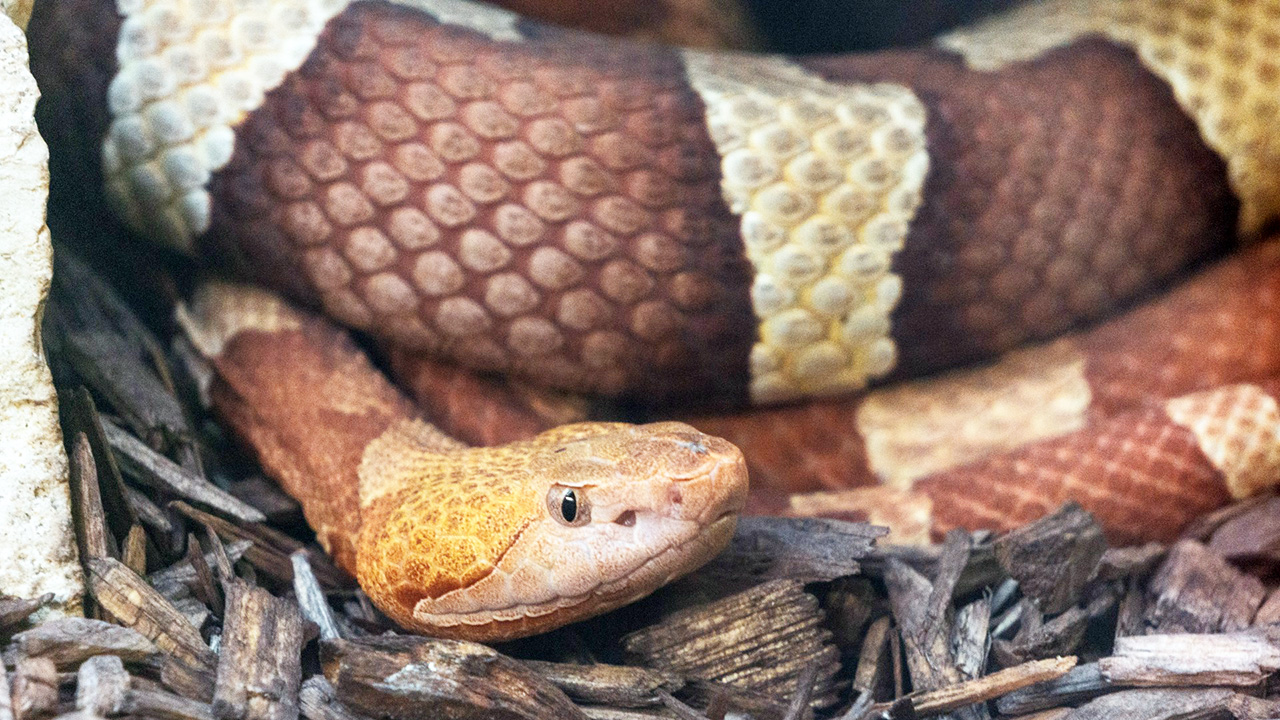
Alabama is firmly in copperhead range, and the state’s heavy forests and bottomlands give copperheads near-perfect camouflage. The common Alabama step-on moment is simple: someone walking in yard shoes through leaf litter near a woodline, or reaching into a brush pile with bare hands. Copperheads don’t always give you a warning, and they’re not “out chasing you”—they’re counting on you not seeing them. Reduce hiding cover near the house, keep wood and debris stacked neatly (and off the ground if you can), and don’t let kids play in leaf piles right up against the woods.
South Carolina

South Carolina is classic copperhead territory, and they blend in brutally well in pine needles, oak leaves, and landscaping mulch. The “step-on” risk spikes in yards with heavy leaf cover and near water edges where prey is common. The other pattern is people gardening or doing yard cleanup and putting a hand where they can’t see—under a pot, behind a stacked brick, under an old board. If you’re in SC, treat any “warm, shaded, tight spot” like it could be occupied, and move things with a tool first instead of your fingers.
Arkansas

Arkansas is within copperhead range, and it has endless habitat transitions that create perfect camouflage: woods into field edges, creeks through back property, rocky patches mixed with leaf cover. The step-on situations are usually not dramatic—they’re normal life. Walking out to a deer stand in the dim, cutting through leaves along a fence line, stepping over a downed limb after a storm. Arkansas also has a lot of properties where people keep brush piles and wood stacks, which are basically “prey + cover” packages. The best habit is slowing down in leaf litter and keeping your feet on clear ground whenever you can.
Oklahoma

Oklahoma’s eastern and central zones overlap with copperhead range, and the state has plenty of leaf-litter/brush-edge habitat that makes them nearly invisible. The “step-on” moment in Oklahoma often happens on mixed-use paths and trail loops when people step off the tread into leaves or grass to pass someone, or when they cut corners on switchbacks. If you’re hiking in OK during warm seasons, keep your eyes on the ground in leaf-heavy areas and don’t let dogs range ahead into brush. Copperheads are a “close-range surprise” snake—your whole goal is to prevent surprises.
Texas

Texas has multiple copperhead subspecies and TPWD notes copperheads can be found in rocky areas, wooded bottomlands, and even weed-covered vacant lots, plus they can show up along streams and rivers in spring—basically the same kinds of edges people walk every day. The Texas step-on story is usually somebody walking along a creek edge, stepping into leaf litter by a fence line, or doing “quick garage/yard stuff” in low light. Copperheads are famous for camouflage, and when they’re feeding on easy seasonal prey (like insects during boom cycles), they can be active in places people don’t expect. If you’re in Texas copperhead range, don’t go barefoot outside, use a light at night, and don’t reach into stacked junk without looking first.
Like The Avid Outdoorsman’s content? Subscribe to our newsletter so you never miss an article.
Here’s more from us: