Photo credit: Marius-Kristensen/Pixabay.com
A pretty dog can still be a brutal fit for your life. Most “regret breeds” aren’t bad dogs — they’re dogs with needs people didn’t understand until the dog was already in the house. The common traps are: underestimating exercise needs, ignoring grooming reality, not realizing how loud/destructive a bored dog can get, and not taking guarding/herding/drive seriously. If you pick a breed because it looks cool on Instagram, you can end up living with problems you didn’t plan for.
This list is about breeds that often trigger buyer’s remorse when the decision was mostly based on appearance. Plenty of owners do great with these dogs — but only because they went in with eyes open.
Siberian Husky
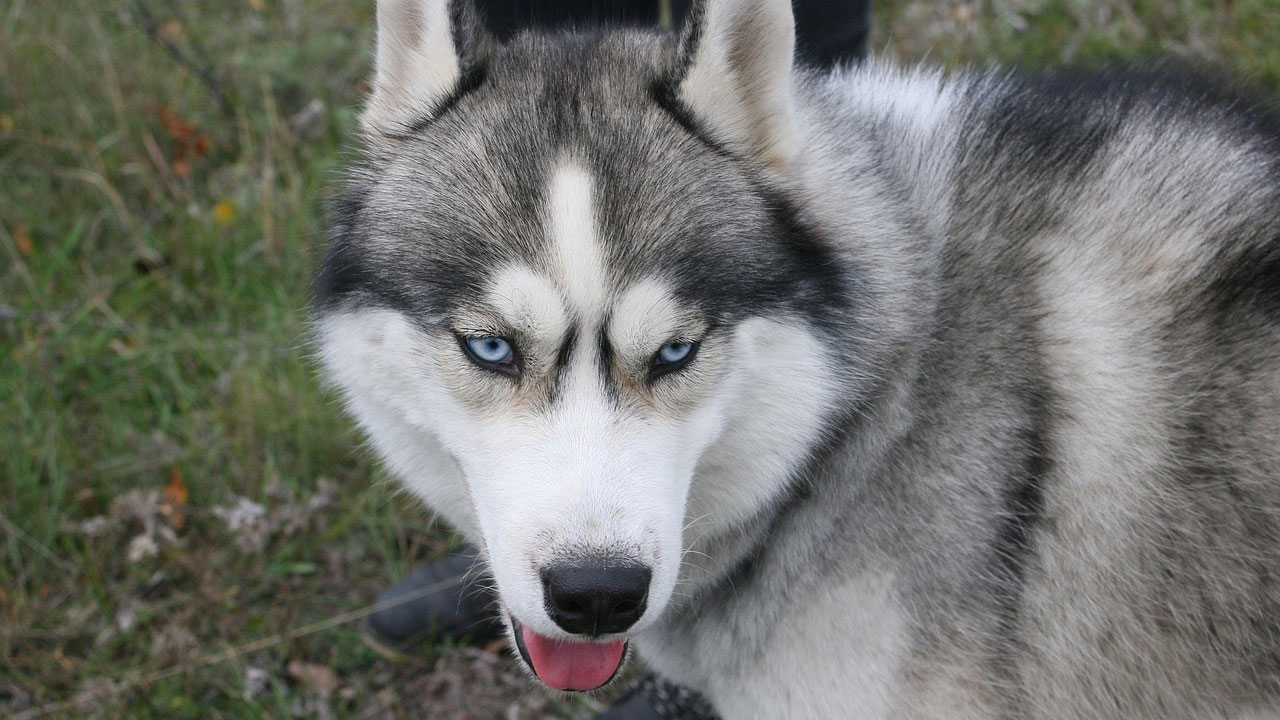
People pick Huskies for the wolfy look and bright eyes, then get blindsided by the reality: high energy, loud opinions, and a talent for escaping that feels personal. A bored Husky can destroy a couch like it’s a hobby. They also shed in a way that shocks first-time owners — not a little hair, but constant hair, seasonal blowouts, and hair in places that don’t make sense.
The biggest regret trigger is recall and roaming. Many Huskies can’t be trusted off-leash in open areas, and if they slip a door, they’ll happily go on an adventure. If you want a Husky, you need strong fencing, daily exercise, and a tolerance for noise and chaos.
Belgian Malinois
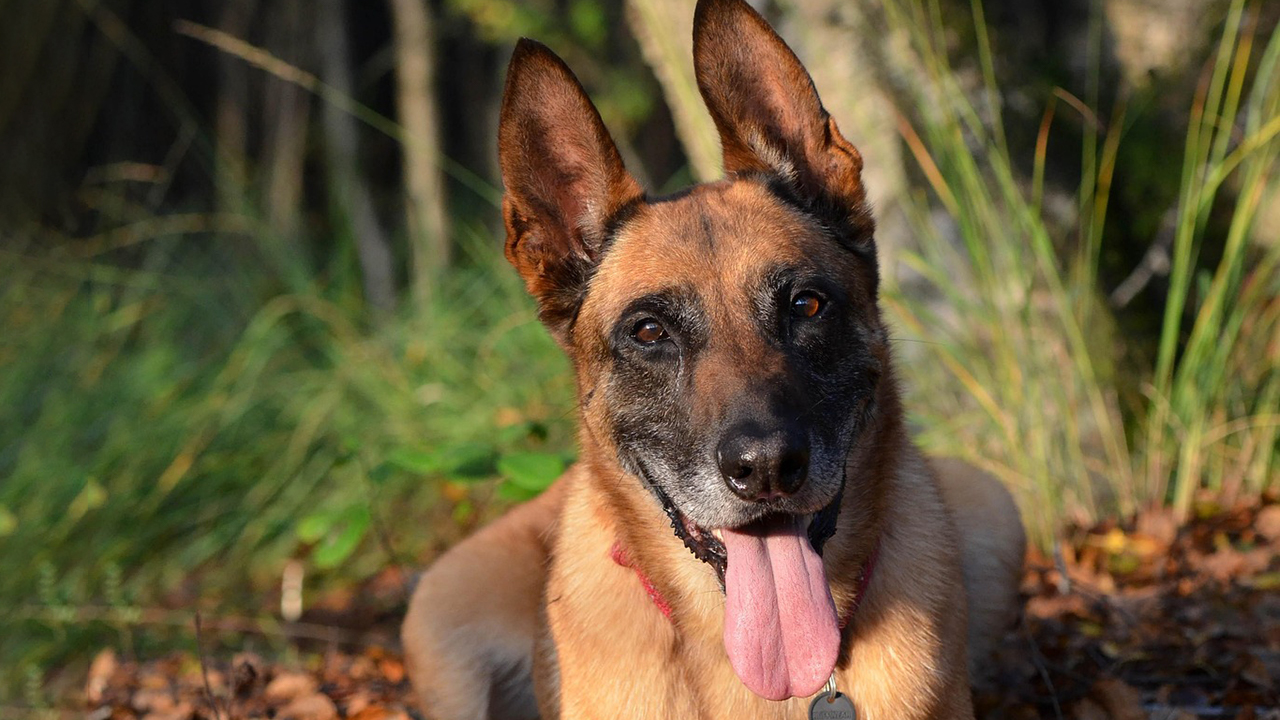
Malinois look like “cool working dog” perfection — athletic, sharp, intense. People buy them for the vibe and then realize they’re basically a full-time project. A Mal that isn’t trained and worked will invent jobs: chasing shadows, nipping kids, pacing, barking, tearing up the house, or becoming reactive because it’s overloaded and under-directed.
Regret usually shows up around months 8–18 when the dog is strong, fast, and mentally demanding. This breed can be incredible in the right hands, but “right hands” usually means someone who trains daily and actually likes structured work. If you want a calm family pet with occasional walks, this is often the wrong pick.
German Shepherd
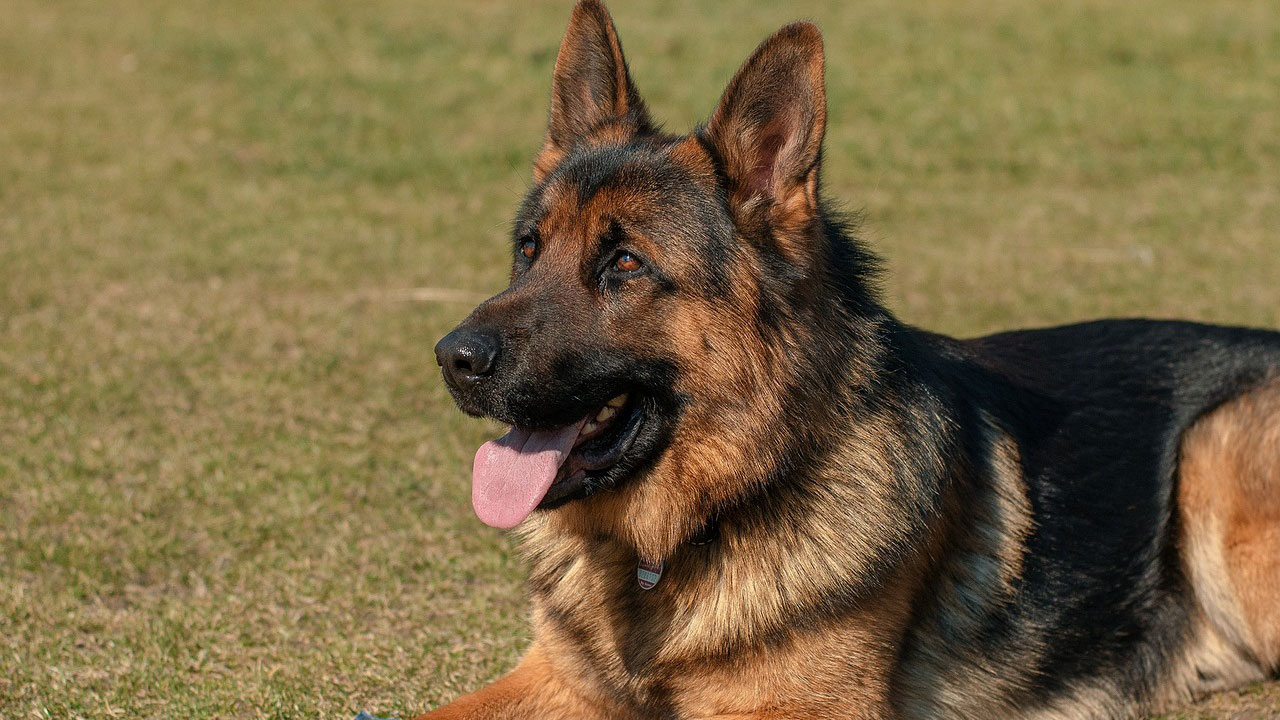
Shepherds look like the ultimate loyal family protector, and they can be — but they’re not automatically easy. A lot of regret comes from underestimating how much structure they need and how quickly they can become anxious, reactive, or over-guarding if socialization and training aren’t consistent. A Shepherd that decides it’s in charge of security can turn normal situations into drama.
Another regret point is shedding. Shepherd hair gets everywhere, and it never fully stops. Add in potential joint issues in poorly bred lines, and owners can end up dealing with expensive vet bills plus a dog that needs steady training. The look is iconic — the lifestyle fit is the real question.
Great Pyrenees

People fall for the big white bear look and the gentle expression, then find out they brought home a livestock guardian that was bred to make its own decisions. Pyrs are famous for nighttime barking, roaming, and ignoring commands when they think they’re doing their job. If you have neighbors, the barking alone can become a problem fast.
They also shed heavily and can be hard to keep clean. Many Pyrs are sweet, but they aren’t “obedience first” dogs. Owners who expected a giant golden retriever personality often get frustrated when the dog won’t reliably recall, won’t stop patrolling, and won’t stop barking at 2 a.m.
Australian Shepherd

Aussies are gorgeous — merle coats, bright eyes, that alert look. Regret happens when people don’t understand they’re herding dogs with real drive. Without enough daily exercise and mental work, they can become destructive, neurotic, or bossy. Many will herd kids by nipping heels or body-blocking, and they can become reactive if they’re overstimulated and under-trained.
They’re also Velcro dogs. Some owners love that. Others feel trapped because the dog can’t settle alone and gets separation anxiety. If your schedule is hectic and you want a chill dog that doesn’t need a “job,” the Aussie can become a tough match.
Border Collie
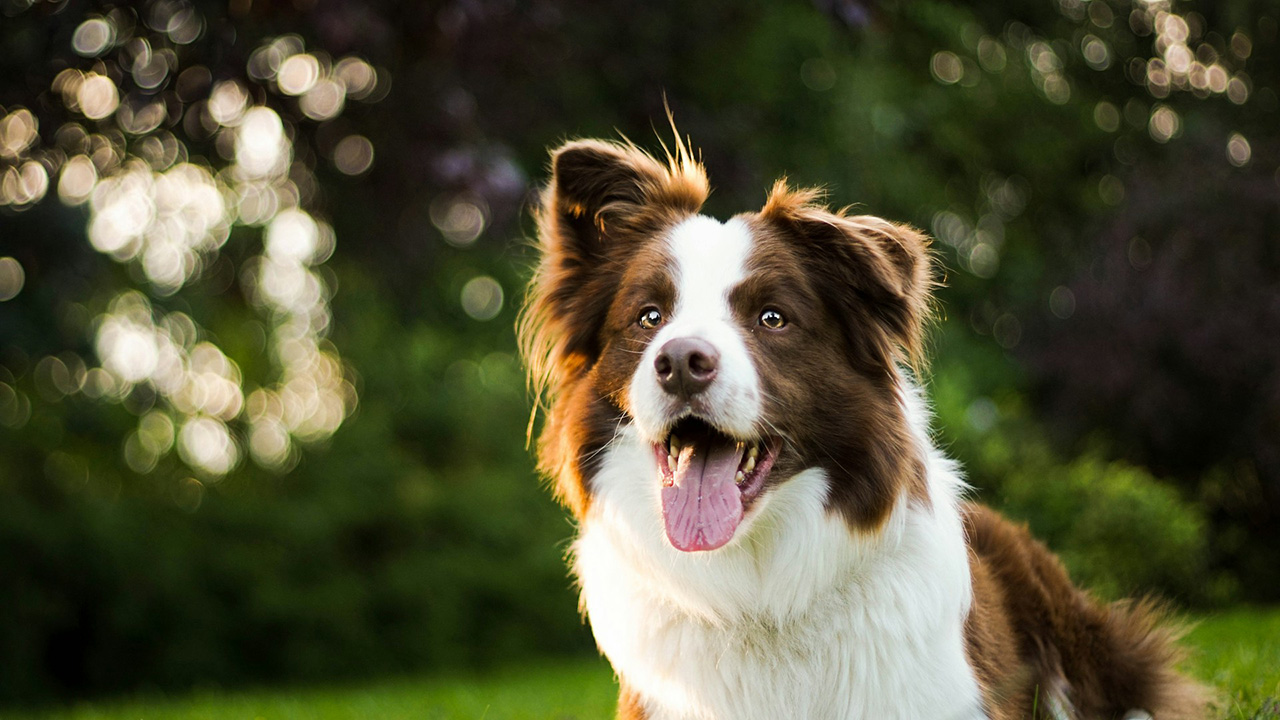
Border Collies look like the smartest, coolest dog in the world — and they are insanely smart. That’s exactly why people regret them. A bored Border Collie will invent problems: obsessive behaviors, chasing cars, barking at everything, tearing up the yard, or becoming stressed because it needs constant input. They don’t just want exercise — they want purposeful work.
Regret often comes from people thinking, “I’ll throw a ball.” That helps, but it’s not enough for many individuals. If you don’t have training time and mental outlets every day, this breed can run your household instead of joining it.
Cane Corso
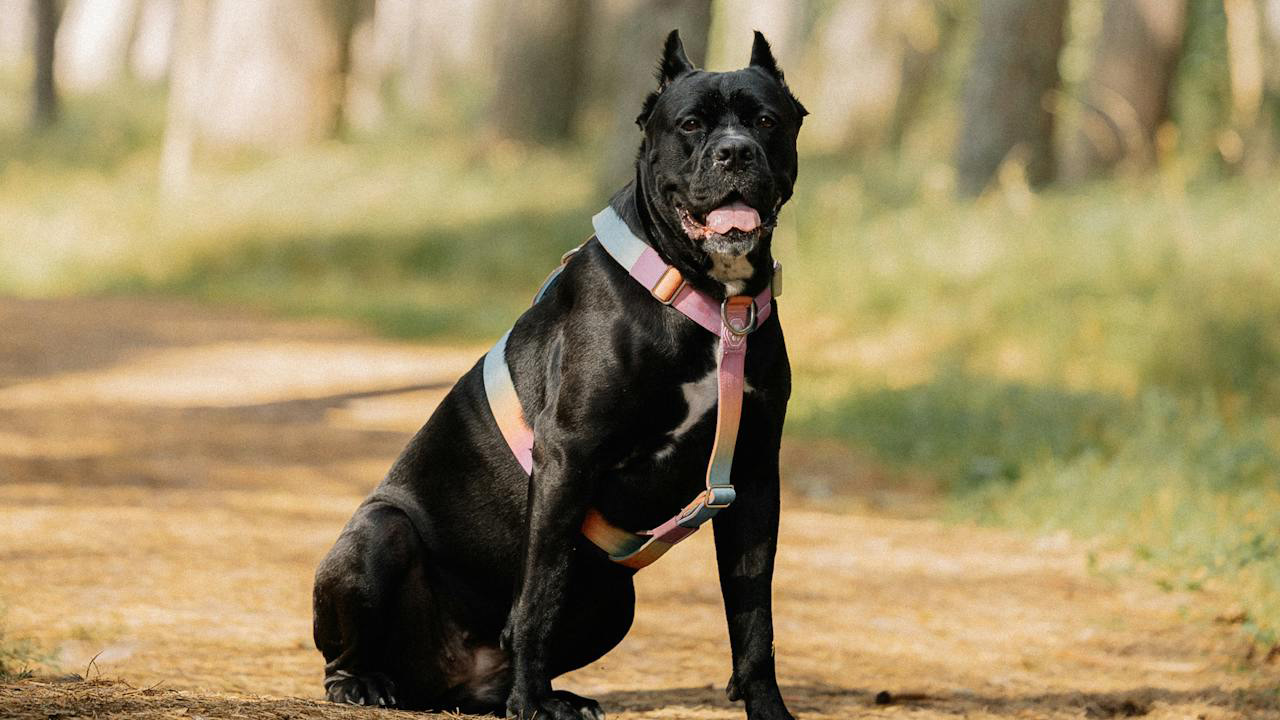
The Corso looks intimidating and powerful, and some people buy one for that reason alone. That’s where regret starts. Large guardian breeds require serious training, socialization, and confident management. If you don’t know what you’re doing, you can end up with a dog that’s difficult to handle, suspicious of strangers, and a major liability in public.
They also mature into a lot of dog — physically and mentally. What looks “cool” at 12 weeks becomes a 100+ pound animal with opinions. If your goal is a safe, easy family dog that welcomes everyone at the door, this breed often isn’t the right fit.
Rottweiler

Rottweilers are gorgeous, solid, and loyal — but regret happens when owners underestimate how much early training and socialization matters. A poorly trained Rottie can become pushy, overly protective, or reactive. Because of the breed’s size and reputation, even small behavior issues can create big real-life consequences.
Another regret factor is strength. If you aren’t consistent, the dog will be. And if you end up with a dog that pulls hard, jumps, or guards resources, it’s not like dealing with a 25-pound dog. You can absolutely have an amazing Rottie — but you can’t wing it.
Akita
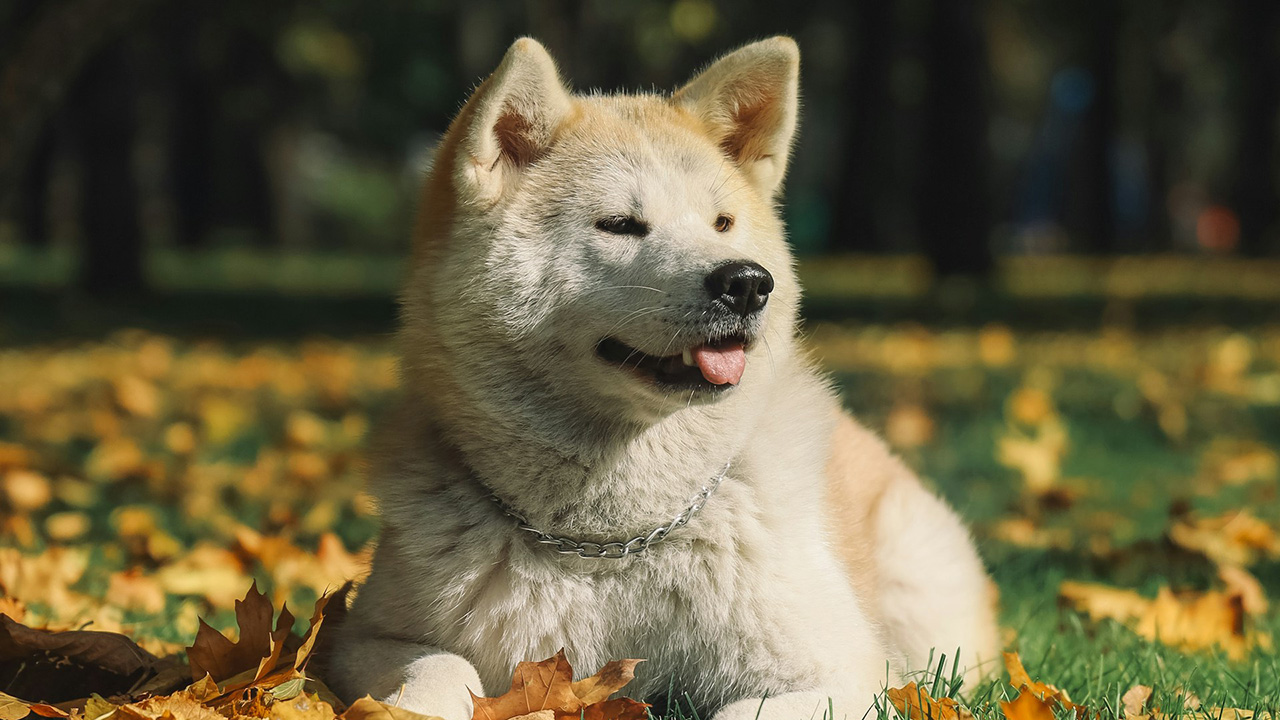
Akitas have that majestic, thick-coated look that pulls people in. Then owners learn Akitas can be independent, dog-selective, and not particularly interested in strangers. Many are not safe as casual “dog park dogs,” and some don’t tolerate other dogs in the home, especially same-sex dogs.
They also shed heavily and can be stubborn about training. If you expected an eager-to-please companion that wants to greet everyone, an Akita can feel like a mismatch. They’re often loyal to their people, but they’re not everyone’s version of “easy family dog.”
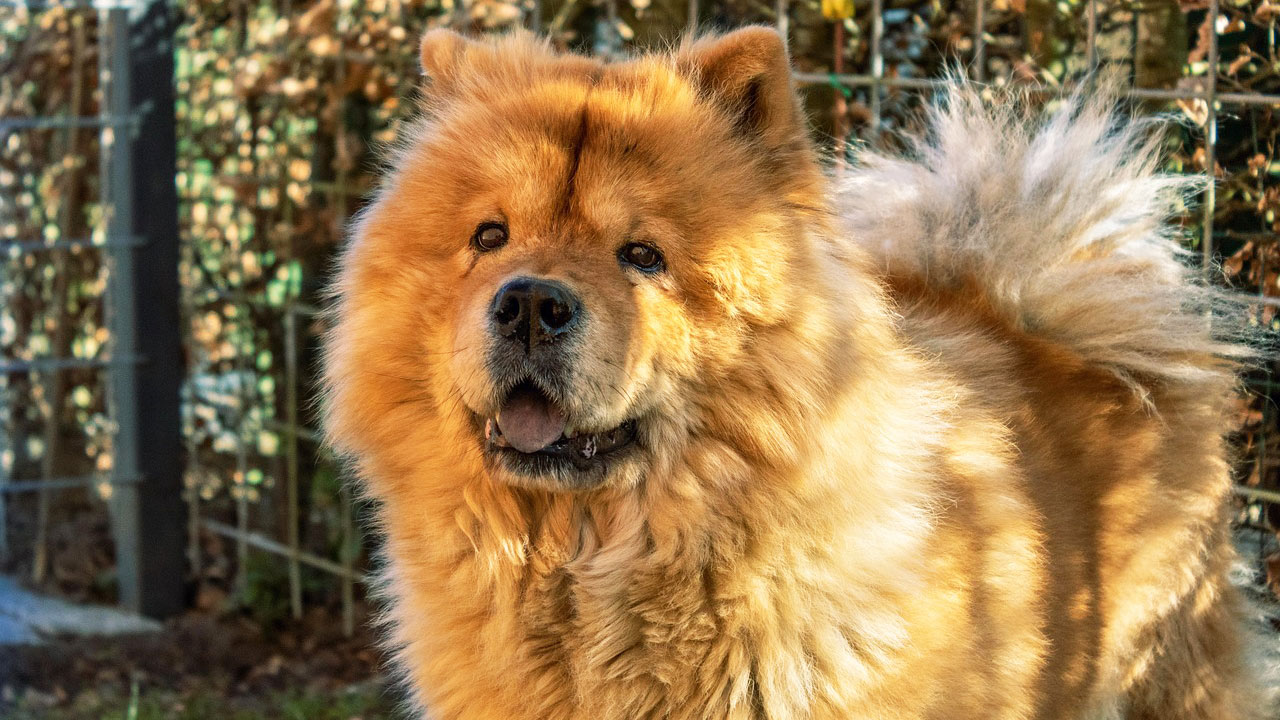
Chow Chow

Chows look like living teddy bears. That’s the trap. Many Chows are aloof, independent, and can be wary of strangers. If they aren’t well socialized early, they can become defensive. Grooming is also intense — thick coat, matting risk, and a lot of brushing to keep them comfortable.
Regret typically shows up when owners expected a cuddly, outgoing dog and instead got a dog that likes its space and doesn’t tolerate chaos. Add in potential heat sensitivity and you’ve got a breed that requires a specific home setup, not just a cute face.
English Bulldog
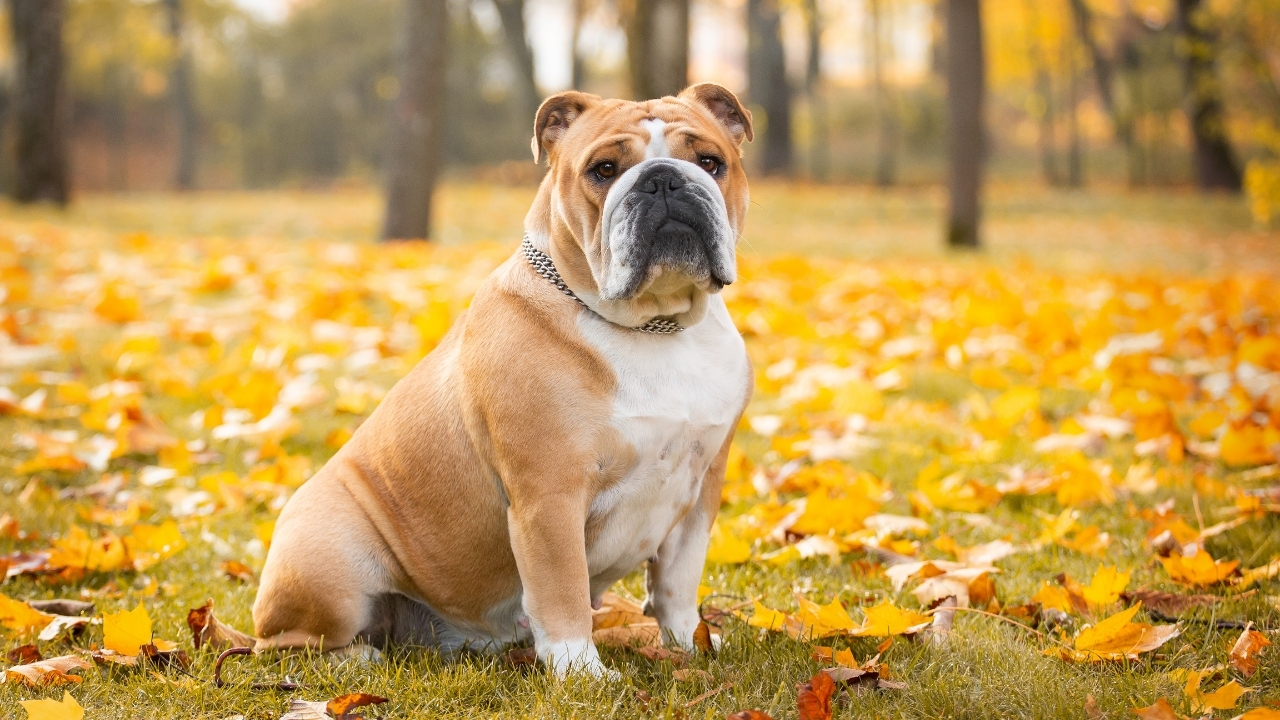
Bulldogs are adorable, and their squishy look sells people hard. The regret is usually medical and maintenance. Many Bulldogs have breathing issues, skin fold infections, allergies, and heat intolerance. Vet costs can be high, and owners can feel overwhelmed by ongoing care routines.
They can also be stubborn, harder to train than expected, and not built for long hikes or hot weather. If someone bought one thinking it would be a simple, low-energy companion with no downsides, reality can hit fast when the first big vet bill shows up.
French Bulldog

Frenchies are wildly popular because they’re cute and compact. Regret often comes from the same place as English Bulldogs: health problems and cost. Many Frenchies deal with breathing issues, allergies, spine problems, and overheating risk. They also tend to be expensive up front, and that cost can continue long-term.
They can be awesome little dogs, but they aren’t always “easy.” Many are clingy, struggle with separation, and can be stubborn with potty training. If someone bought a Frenchie purely for looks without planning for the health reality, regret is common.
Dalmatian

Dalmatians look striking, and movies made them seem like easy family dogs. In real life, they’re high energy, can be intense, and need strong training. Many are not naturally laid-back, and without enough exercise and structure, they can become destructive or reactive.
There’s also a health component many people don’t research: Dalmatians have unique urinary considerations and can be prone to stones depending on diet and management. Owners who expected a chill spotted dog often end up surprised by how much work and routine a Dalmatian can require.
Saint Bernard

People pick Saints for the giant gentle look, then realize they drool — a lot — and they’re massive. Feeding cost, grooming, and sheer space needs can shock new owners. They also don’t live as long as smaller dogs on average, which can be emotionally rough for families who didn’t think that through.
The other regret factor is mess. Big dog, big hair, big drool, big mud. If you’re a neat-house person or you don’t have the space and budget for a giant breed, the day-to-day reality can become frustrating quickly.
Poodle (standard)

This one surprises people. Many choose a poodle for the “clean, classy” look or because they want low shedding. Regret happens when they underestimate grooming cost and time. A standard poodle coat isn’t “easy” — it’s high-maintenance. If you don’t keep up, you get matting, discomfort, and expensive grooming appointments.
Poodles are also smart and active. A bored standard poodle can get annoying fast. They’re fantastic dogs in the right setup, but if someone wanted a decorative low-energy dog that doesn’t need training or mental work, a poodle can become a bigger job than expected.
Like The Avid Outdoorsman’s content? Subscribe to our newsletter so you never miss an article.
Here’s more from us: