
Photo credit: Danre/Shutterstock.com
Most knife regret doesn’t show up in the store. It shows up halfway through an animal, when the blade stops cutting, the handle won’t stay put, or the design starts working against you instead of for you. A lot of these knives look tough, photograph well, or get pushed hard by marketing—but experienced hunters tend to cycle them out quickly once real work starts. The knives below aren’t all “bad knives.” They’re knives that experts consistently see hunters replace after a season or two because they don’t hold up, don’t cut efficiently, or don’t match real field needs.
Gerber StrongArm

The Gerber StrongArm gets recommended everywhere as a “do-it-all” fixed blade, but that’s exactly why hunters end up regretting it. The blade stock is thick, the grind is conservative, and the edge geometry favors durability over cutting efficiency. When you start skinning or breaking down an animal, it wedges instead of slicing, forcing extra pressure on every cut.
Experts point out that the StrongArm shines as a utility or survival knife, not a hunting blade. It’s fine for batoning or camp chores, but hunters quickly realize it’s more work than it should be on hide and meat. Many replace it with something thinner and more purpose-built after one or two animals.
Ka-Bar USMC Fighting Knife
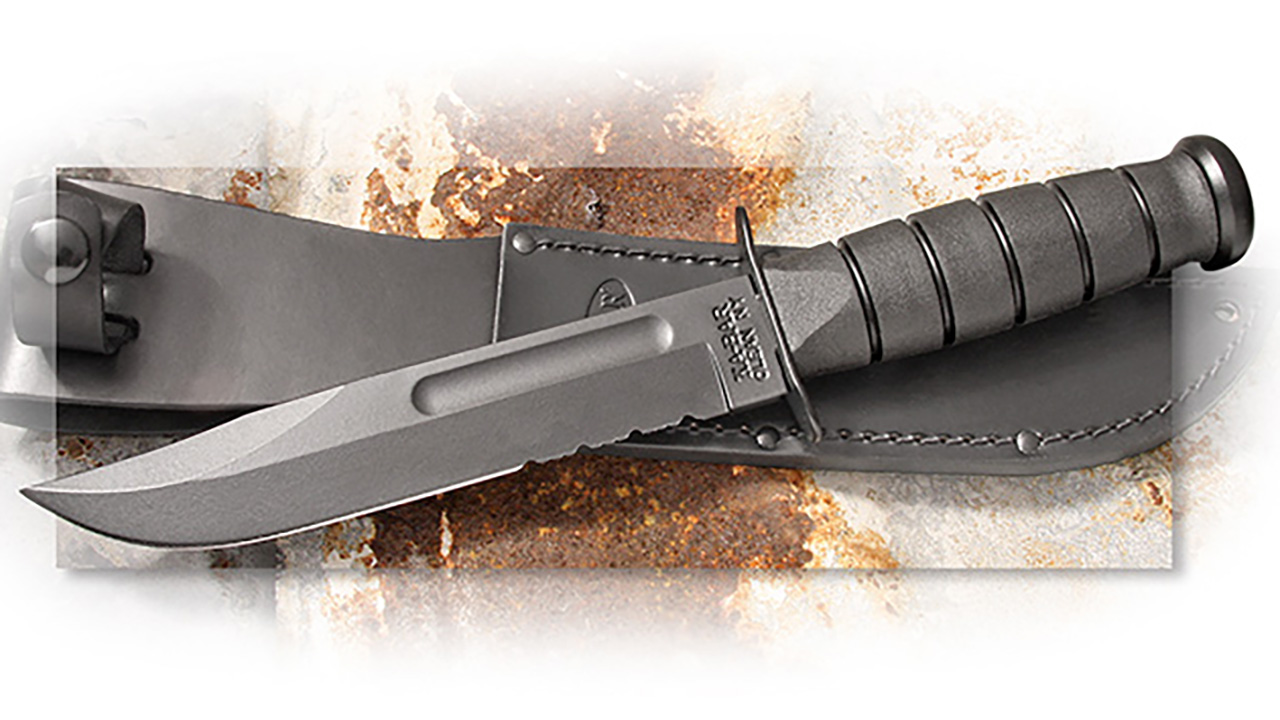
The Ka-Bar USMC is iconic, but nostalgia doesn’t make it a good hunting knife. Its long blade, clip-point profile, and thick spine make precision work harder than it needs to be. Skinning around joints, caping, and fine trimming feel awkward and clumsy with this knife.
Experts say hunters regret the Ka-Bar because it was never designed for processing game. It excels at what it was built for, but hunting isn’t that job. After a season of fighting the blade length and balance, most hunters move on to shorter, more controllable designs.
Buck 119 Special
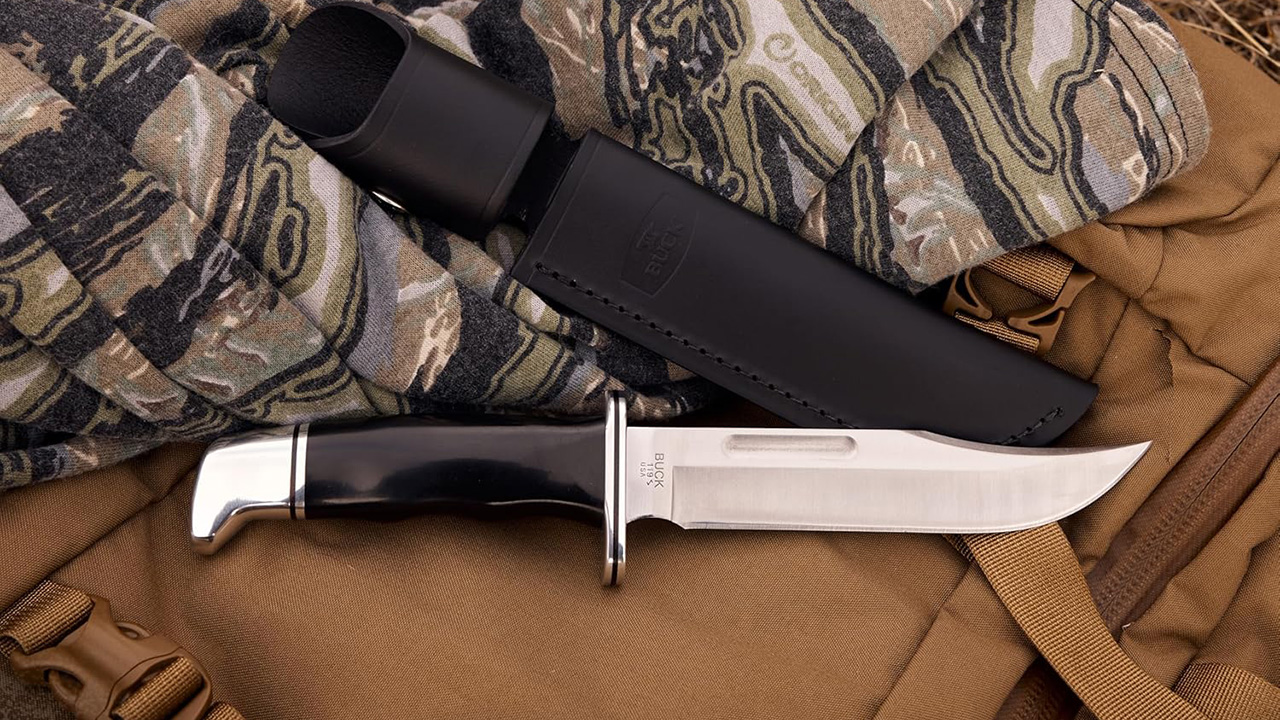
The Buck 119 looks like a classic hunting knife, but its size is the problem. The long blade feels impressive, but once you’re working inside the body cavity or around bone, it becomes a liability. Control drops fast, especially for smaller-framed hunters.
Experts often see the 119 bought early in someone’s hunting career and replaced later. It’s not poorly made, but it’s oversized for modern field dressing. Most hunters eventually downsize to a blade that offers more precision and less fatigue over long sessions.
Cold Steel SRK

The Cold Steel SRK is marketed as rugged and indestructible, which appeals to hunters who want “one knife for everything.” In practice, the blade thickness and grind make it inefficient for skinning and meat work. It’s tough, but toughness doesn’t equal usefulness.
Experts say hunters regret the SRK because it feels like a compromise knife. It’s not great at fine cutting, and it’s overbuilt for processing game. Many owners keep it for camp use and replace it with a slimmer blade once they realize how much effort it takes to break down animals cleanly.
Gerber Bear Grylls Ultimate Knife
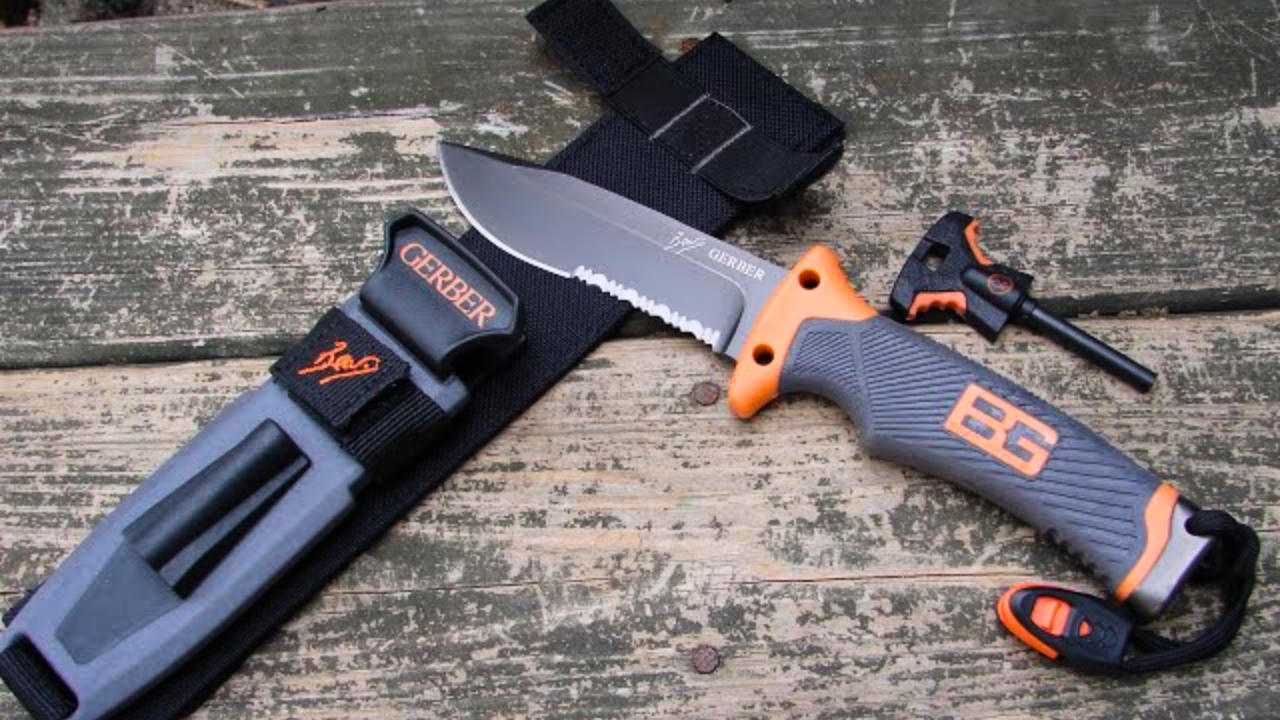
This knife sells an image, not performance. The Bear Grylls Ultimate is bulky, awkwardly balanced, and coated in features hunters don’t need. The blade coating drags through hide, and the handle ergonomics aren’t built for long cutting sessions.
Experts consistently point to this knife as a regret purchase because it’s designed for marketing appeal. Hunters who use it once or twice usually retire it quickly after realizing how clumsy it feels compared to simpler, better-balanced knives.
Smith & Wesson Extreme Ops Folder

The Extreme Ops is a common budget buy, and that’s where the regret starts. The steel loses its edge quickly, the lockup isn’t confidence-inspiring, and the blade geometry struggles with anything more demanding than light cutting.
Experts say hunters regret this knife because it fails mid-task. When you’re cold, tired, and working through an animal, a blade that needs constant sharpening becomes a liability. Most hunters replace it with a higher-quality folder or ditch folders altogether for fixed blades.
CRKT M16 Series

The CRKT M16 lineup looks tactical and capable, but the blade geometry and steel choices often fall short for hunting use. Edge retention is mediocre, and the shape isn’t ideal for skinning or controlled cuts.
Experts note that hunters buy M16s thinking they’ll double as a hunting knife and everyday carry. In reality, they’re passable at neither. Once hunters experience better edge life and ergonomics elsewhere, the M16 usually gets relegated to non-hunting duty.
SOG Seal Pup

The Seal Pup is another knife that suffers from being overbuilt for hunting. Thick blade stock, heavy coating, and a grind focused on durability rather than slicing efficiency make it tiring to use on game.
Experts say hunters regret this knife after the first full breakdown. It doesn’t fail outright—it just makes the job harder than it should be. Most replace it with a thinner, simpler blade that cuts better and cleans easier.
Mossy Oak Fixed-Blade Combo Knives
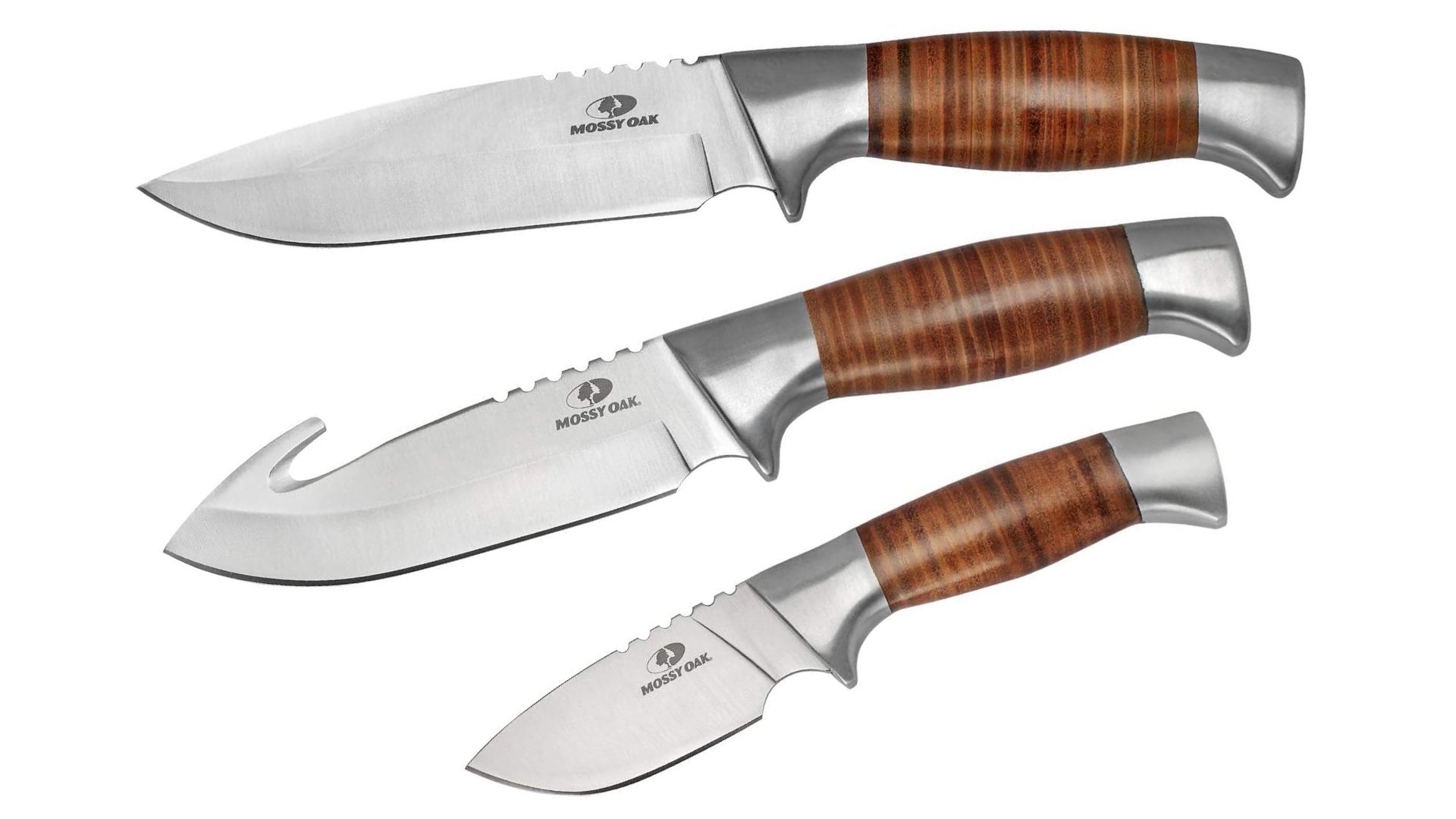
Mossy Oak-branded combo knives are often sold as value packs, but experts regularly see them replaced fast. The steel is soft, edge retention is poor, and handles can become slick or uncomfortable during extended use.
Hunters regret these knives because they feel disposable. One animal is often enough to expose the limitations. While affordable, they rarely hold up through a full season, leading hunters to spend more later on a knife that actually performs.
Schrade SCHF Series

Schrade’s SCHF fixed blades are popular budget options, but many are overly thick with conservative grinds. They’re durable, but not efficient cutters, especially for skinning and meat processing.
Experts say hunters regret these knives because they feel like survival tools pretending to be hunting knives. They work, but they require more effort than necessary. After struggling through a few animals, most hunters look for something slimmer and easier to control.
Benchmade SOCP Dagger
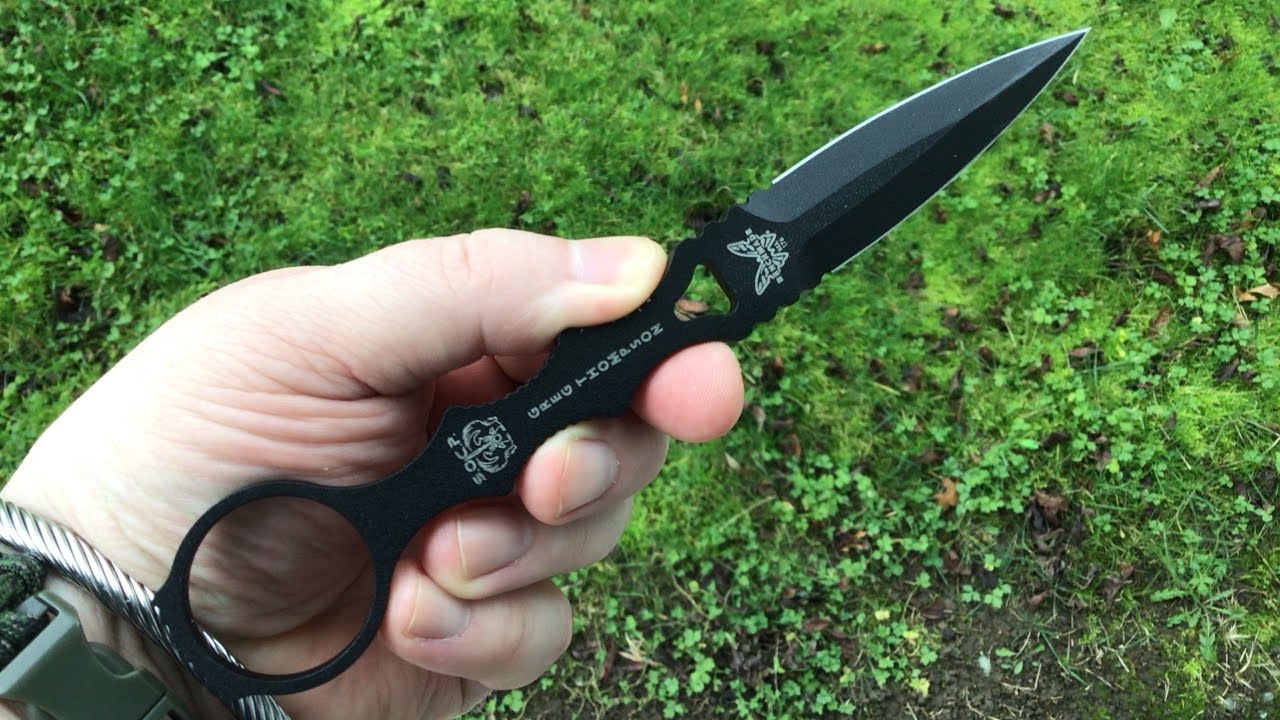
The SOCP is a specialized defensive blade, but some hunters buy it thinking it’ll fill multiple roles. It won’t. The narrow, dagger-style profile is terrible for skinning, caping, or meat work.
Experts say regret sets in immediately once hunters try to use it on game. It’s simply the wrong tool. Most end up keeping it as a novelty or selling it after realizing it has no practical hunting application.
Buck PakLite Skinner

The PakLite saves weight, but it goes too far. The skeletonized handle becomes uncomfortable during long sessions, and the blade can feel flimsy under pressure.
Experts note that hunters regret the PakLite when real work starts. It’s fine for ultralight kits or emergency use, but as a primary knife, it often lacks the comfort and confidence hunters want when working around bone and joints.
Outdoor Edge RazorLite (cheap blade versions)

Replaceable-blade systems have their place, but the cheaper RazorLite models are notorious for snapped blades and flexy handles. In cold weather, blade changes become frustrating and sometimes unsafe.
Experts say hunters regret these knives after breaking blades mid-job. While premium replaceable systems can work well, budget versions often don’t hold up to real use. Many hunters return to traditional fixed blades after one bad experience.
United Cutlery Large Hunting Knives
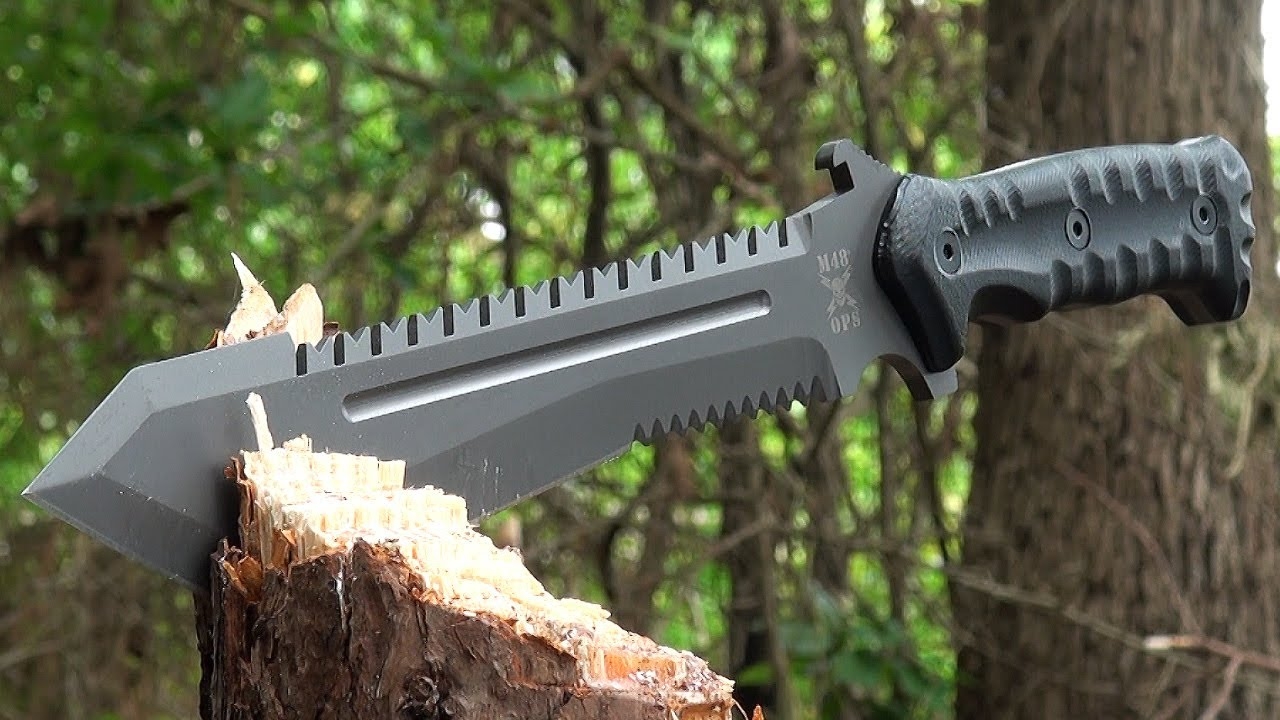
United Cutlery knives often emphasize looks over performance. Oversized blades, flashy finishes, and poor balance make them awkward in the field.
Experts say hunters regret these knives because they feel like wall hangers that accidentally ended up in a pack. They’re heavy, poorly balanced, and inefficient cutters. Most get replaced quickly once hunters experience better-designed tools.
“Damascus” Amazon Hunting Knives

Cheap Damascus knives sold online are one of the most common regret purchases experts see. Steel quality is inconsistent, heat treatment is questionable, and edge retention varies wildly from knife to knife.
Hunters often regret these knives after chipping, rolling edges, or struggling to sharpen them properly. While true Damascus can be excellent, bargain versions rarely are. Most experts recommend avoiding them entirely for serious hunting use.
Like The Avid Outdoorsman’s content? Subscribe to our newsletter so you never miss an article.
Here’s more from us:


