Photo credit: NRApubs/Youtube
A used gun can look like a deal right up until you get it home. The price seems fair, the model has a good reputation, and the outside looks clean enough under store lighting. Then you start noticing the rough bore, weak springs, mystery gunsmithing, cracked stock, buggered screws, or magazines that cost more than your truck payment.
Some firearms deserve extra attention before money changes hands. Not because they’re always bad buys, but because condition, parts support, production history, or owner tinkering can make the difference between a great find and an expensive lesson. These are the guns buyers often wish they had inspected more closely.
Remington 700
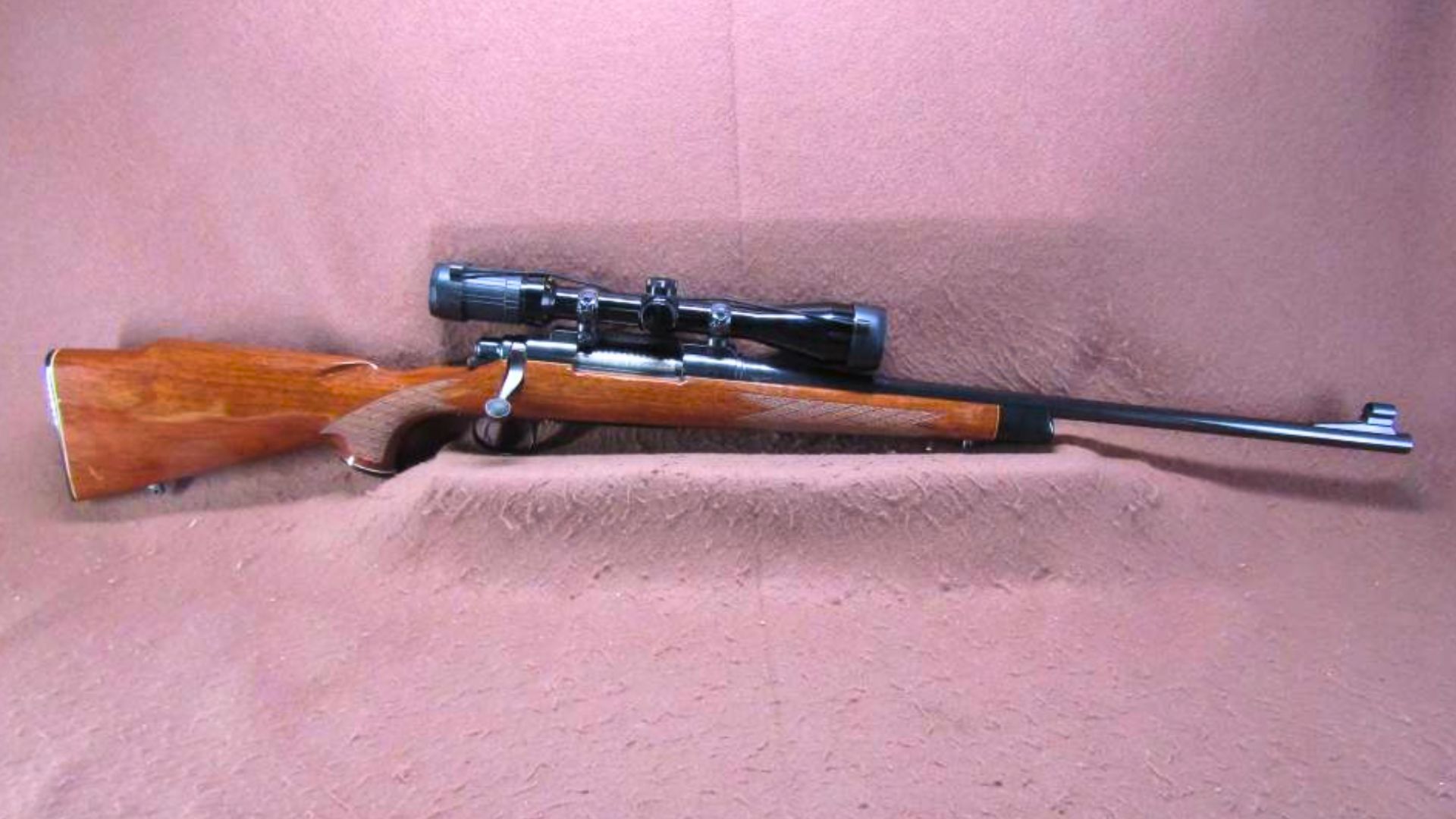
The Remington 700 is one of the most common used rifles worth checking carefully because there are so many versions, eras, and owner-modified examples out there. A clean 700 can be a great hunting rifle or project base. A neglected one can hide problems behind a familiar name.
Buyers should slow down and check the bore, crown, bolt face, trigger, bedding, scope base holes, and any signs of amateur work. A lot of 700s have been rebarreled, restocked, adjusted, or “improved” by someone who may or may not have known what they were doing. The rifle’s reputation is strong, but reputation doesn’t fix a rough chamber or a hacked trigger. A careful inspection can separate a keeper from someone else’s problem.
Winchester Model 94

The Winchester Model 94 is easy to buy emotionally. It’s classic, handy, and tied to generations of deer hunting. That nostalgia can make buyers miss the things that matter. A worn-out or abused Model 94 can still look charming on the rack, especially if the price feels tempting.
The big things to inspect are the bore, muzzle, lever function, locking surfaces, carrier timing, screws, and any cracks around the tang or stock. Older rifles may have honest wear, and that’s fine. But rust, poor refinishing, bad scope-mount drilling, or feeding issues can turn a classic into a headache. A good Model 94 is worth owning. A rough one bought too quickly can make a buyer wish they had looked past the history.
Smith & Wesson Model 19
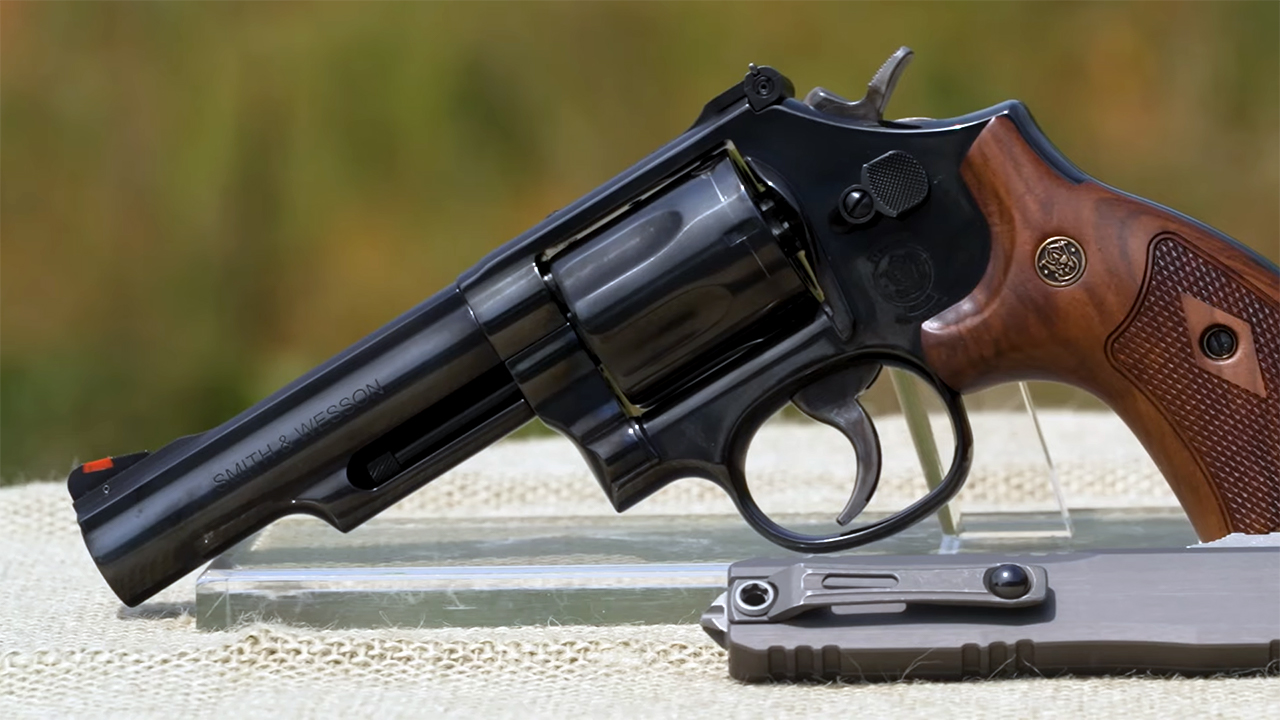
The Smith & Wesson Model 19 is one of those revolvers buyers get excited about fast, and for good reason. It’s a classic K-frame .357 with excellent balance and strong collector appeal. But it also deserves a close inspection, especially if it has seen a steady diet of hot magnum loads.
Check the forcing cone carefully, especially at the six o’clock area, along with timing, lockup, endshake, cylinder gap, and flame cutting on the top strap. A Model 19 is not weak, but it was never meant to be treated like a heavy-frame magnum forever. A beautiful finish can distract from mechanical wear. The right one is a fantastic revolver. The wrong one can become an expensive lesson in why inspection matters.
Marlin 336

The Marlin 336 is one of the best used lever-action buys when it’s right, but it can hide problems if you only look at the outside. Plenty of these rifles lived hard lives in trucks, cabins, damp closets, and deer camps. A little honest wear is normal. Neglect is different.
Buyers should check the bore, action smoothness, loading gate, carrier function, extractor, stock cracks, and rust around the receiver and barrel. It’s also worth checking whether the rifle has been drilled, modified, or poorly scoped. JM-stamped rifles bring extra interest, but that stamp doesn’t guarantee condition. A good 336 is a woods-rifle treasure. A rusty bore or feeding problem can make that “deal” feel pretty thin.
Colt 1911
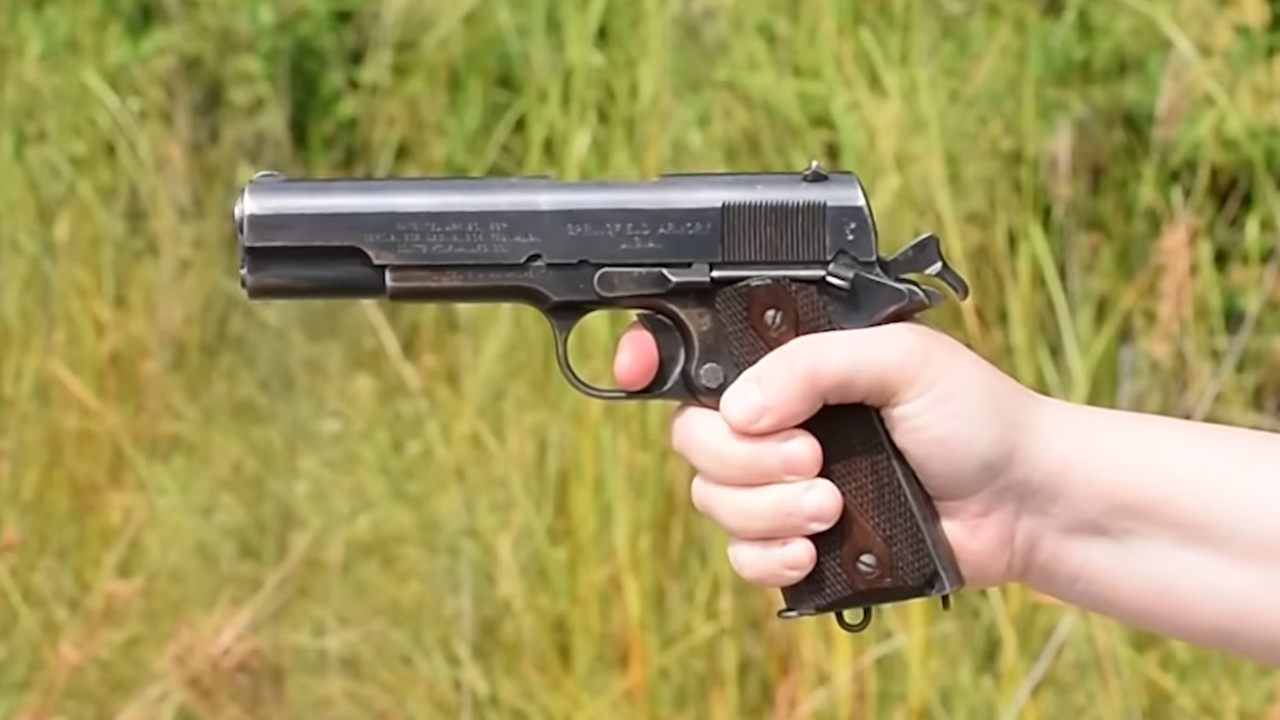
A used Colt 1911 can be a great find, but it is also one of the easiest pistols to buy too quickly. The Colt name pulls people in, and the 1911 platform invites decades of owner tinkering. That means two pistols that look similar on the outside can be very different mechanically.
Buyers should inspect barrel fit, slide-to-frame fit, feed ramp condition, extractor tension, safety function, grip safety, sights, magazines, and signs of amateur polishing or throating. Plenty of old 1911s have been “worked on” by someone with confidence and a file. A good Colt can be a lifetime pistol. A poorly modified one can require parts, fitting, and money before it earns trust.
Ruger Mini-14
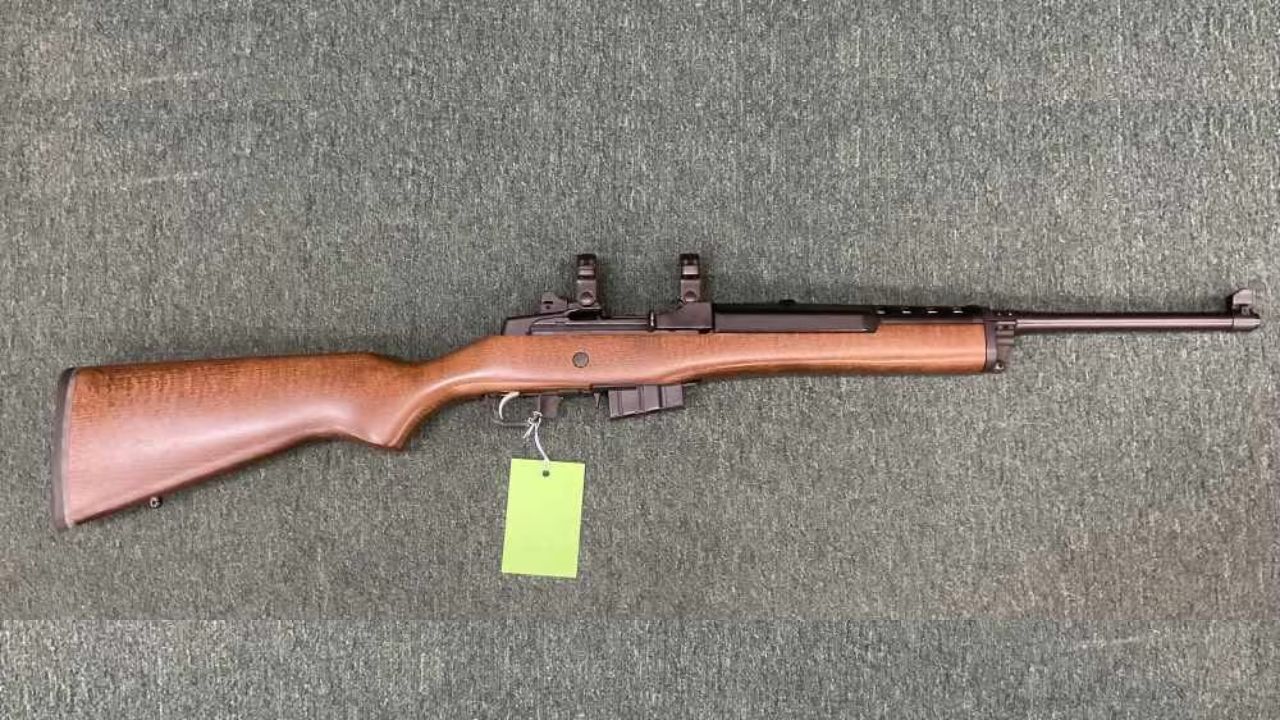
The Ruger Mini-14 has a loyal following, but used buyers need to know what they’re looking at. Different production eras have different accuracy reputations, and older rifles can vary quite a bit. A Mini-14 that looks handy and clean may not shoot the way a buyer hopes.
Inspect the bore, crown, gas system, stock fit, magazine quality, and signs of hard use. Magazines matter a lot with these rifles, and cheap aftermarket magazines have caused plenty of frustration. Buyers should also check whether the rifle has been modified with questionable parts or homemade accuracy fixes. A good Mini-14 is a useful ranch-style rifle. A neglected or poorly set-up one can sour the experience fast.
Browning Auto-5
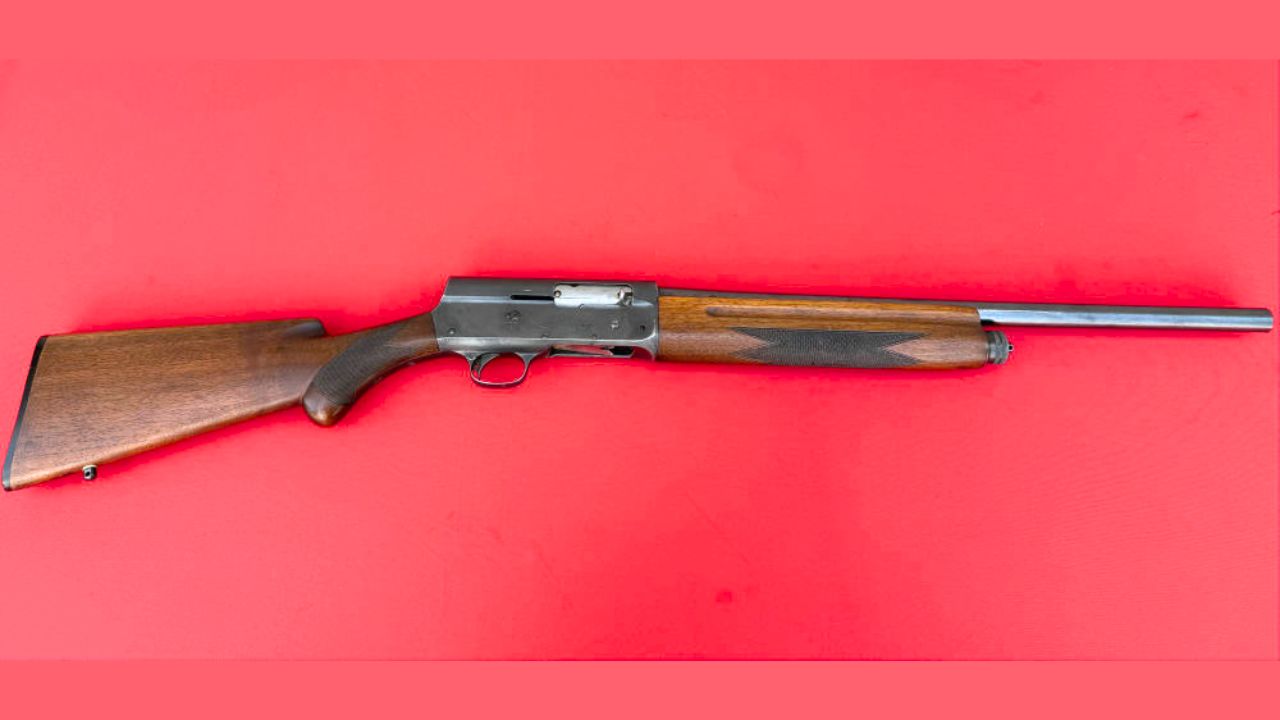
The Browning Auto-5 is a classic shotgun, but it is not a gun to buy without understanding its friction-ring system and condition. A lot of these shotguns are old enough to have been used hard by multiple generations, and they can still look good while hiding mechanical or maintenance issues.
Buyers should check the barrel, receiver rails, forearm cracks, recoil spring, magazine tube, friction rings, screws, and whether the gun is set up properly for the loads being used. Cracked wood around the forearm is especially common and worth watching. The Auto-5 is wonderful when it’s right. But if someone buys one without knowing what to inspect, they may end up chasing cycling problems that were visible from the start.
Remington 870
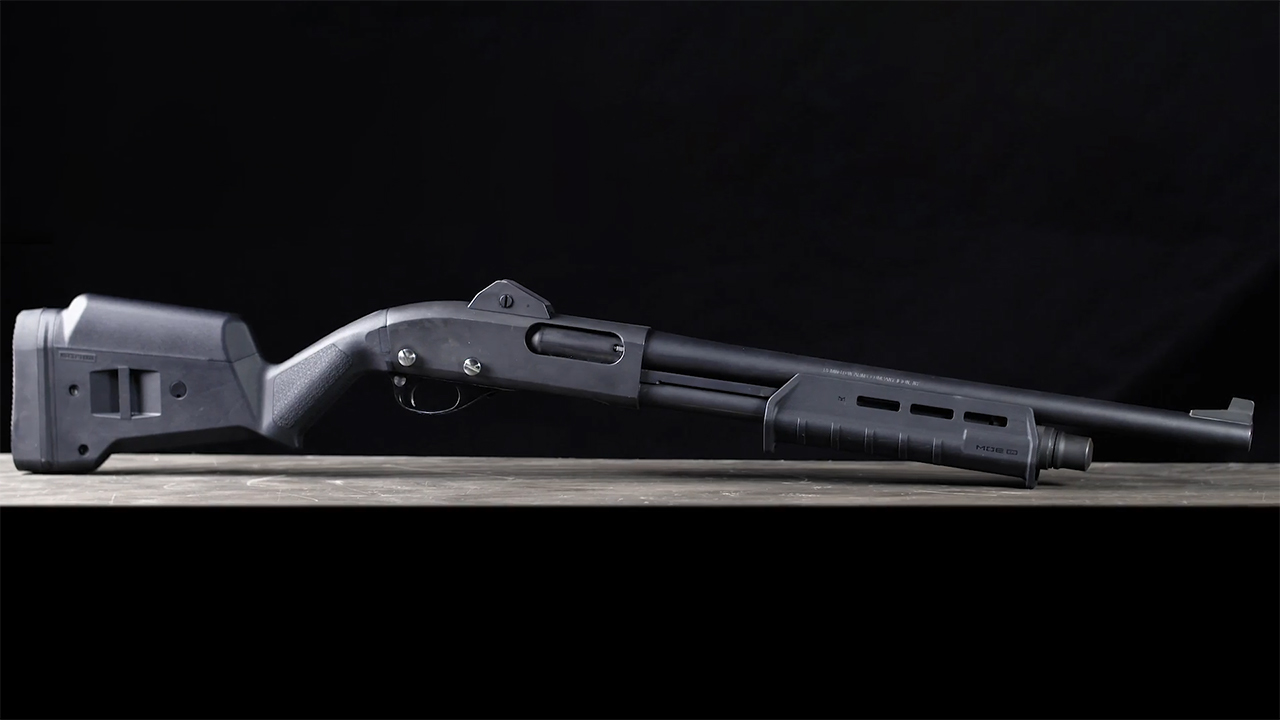
The Remington 870 is common enough that buyers sometimes assume any used one is safe money. That’s not always true. Production era, model type, maintenance history, and storage conditions matter. A Wingmaster, Police Magnum, Express, and later-production field gun can all feel very different.
Inspect the chamber, bore, action bars, shell latches, magazine tube, ejector, safety, and any rust under the barrel or around the receiver. Some 870 Express models had rough chambers or finish issues that made extraction and rust more frustrating than buyers expected. The platform is still excellent, but condition matters. A slick old Wingmaster can be a prize. A neglected bargain pump can become a project you didn’t mean to buy.
Savage Model 99

The Savage Model 99 is one of those rifles buyers often want so badly that they overlook the details. It’s clever, historic, and increasingly desirable. But it is also mechanically more complex than a basic bolt-action or traditional lever gun, and that means inspection matters.
Check lever lockup, rotary magazine function if equipped, cartridge counter, bore, stock cracks, scope-drilling work, and whether it feeds smoothly. Some rifles were altered over the years, and some chamberings are more desirable or harder to feed affordably than others. A clean Model 99 is absolutely worth owning. But a worn or poorly modified one can be expensive to sort out, especially if parts become the problem.
SIG Sauer P229

The SIG P229 is a sturdy pistol, but used examples deserve a close look because many were carried hard by law enforcement or shot heavily by private owners. External holster wear isn’t necessarily a problem. Internal wear and poor maintenance are the things that matter.
Inspect frame rails, locking surfaces, barrel hood wear, recoil spring condition, decocker function, sights, magazines, and trigger reset. On older .40 S&W or .357 SIG guns, it’s especially worth checking wear because those chamberings are harder on pistols than 9mm. A used P229 can be one of the better service-pistol buys around. But buyers should not let the SIG name keep them from doing a serious mechanical check.
Winchester Model 70

The Winchester Model 70 has enough history that buyers can get swept up in model names, production eras, and controlled-round-feed talk before checking the actual rifle. That’s risky. A great Model 70 is a serious hunting rifle. A rough one is still rough, no matter what era it came from.
Check the bore, crown, bolt smoothness, safety function, bedding, stock cracks, floorplate fit, scope mounts, and whether the rifle has been altered. Pre-64 rifles deserve even more careful inspection because collector interest can hide practical issues. A newer Classic or current-production rifle still needs the same attention. Model 70s can be excellent, but the name should make you look closer, not faster.
Beretta 92FS

The Beretta 92FS is usually a safe-feeling used buy because the design is proven and parts support is strong. Still, many used examples come from police, security, military, or high-volume range backgrounds. That means the outside may look fine while springs and locking parts need attention.
Inspect the locking block, barrel lugs, slide rails, frame rails, safety/decocker function, trigger return, magazines, and recoil spring condition. The locking block is the big one everyone talks about, and it deserves attention. A well-maintained 92FS can run for a very long time. A cheap one with unknown round count and tired springs may need more work than the sticker price suggests.
Ruger Blackhawk

The Ruger Blackhawk has such a tough reputation that buyers sometimes forget it still needs inspection. Rugers are strong, but they’re not immune to abuse, bad handloads, amateur trigger work, or years of neglect. A single-action revolver can hide issues if you don’t know what to check.
Look at timing, cylinder lockup, bore condition, forcing cone, base pin fit, cylinder gap, screws, and whether the trigger has been altered. On convertible models, make sure both cylinders are present and properly fitted. A Blackhawk with honest holster wear may be perfectly fine. One with bad timing or questionable home gunsmithing can cost more to fix than expected. Tough does not mean inspection-proof.
CZ 75
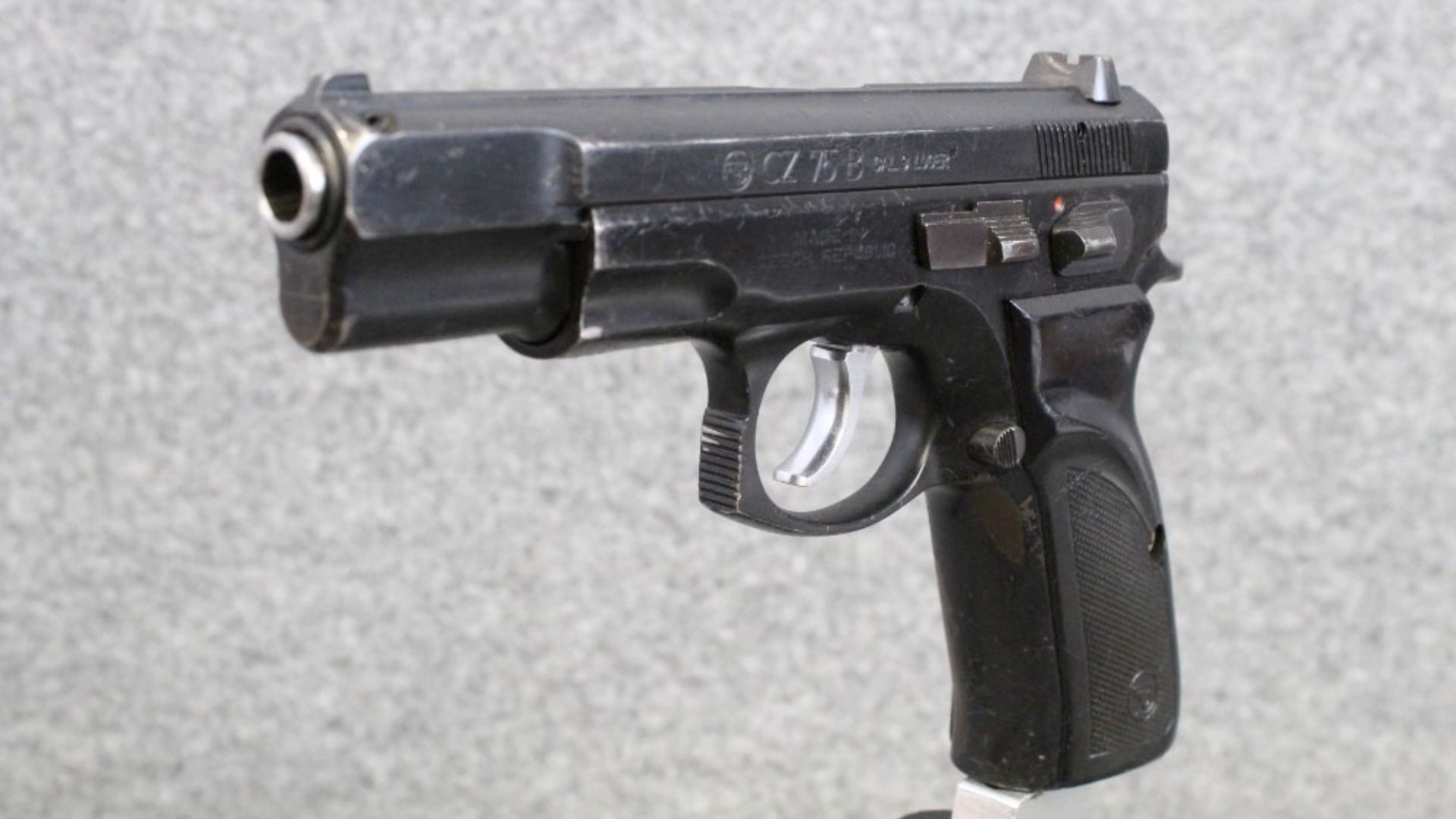
The CZ 75 is a great pistol, but used buyers need to pay attention because these guns often get shot a lot. That’s not a bad thing. It means owners like them. But high round counts, competition use, spring changes, and trigger work can all affect what you’re buying.
Inspect the slide rails, barrel fit, locking lugs, trigger reset, safety or decocker function, magazines, sights, and any aftermarket work. Older surplus or police pistols deserve extra attention because finish wear may be only part of the story. A CZ 75 that has been maintained well can be fantastic. One that has been modified badly or run hard without spring replacement can feel less like a bargain once problems show up.
Benelli Super Black Eagle

The Benelli Super Black Eagle is a serious shotgun, and used prices often reflect that. Buyers should inspect carefully because waterfowl guns can live rough lives. Mud, salt, cold, boat rides, and wet cases can wear on a shotgun even when the outside looks decent.
Check the barrel, chamber, bolt head, recoil spring system, magazine tube, stock, ribs, choke tubes, and signs of corrosion in hidden areas. Make sure it cycles properly and that the inertia system has not been neglected. A good Super Black Eagle is a dependable hunting shotgun with a strong reputation. A hard-used one that lived wet can become expensive fast. This is one of those guns where “used but premium” still needs a flashlight and patience.
Like The Avid Outdoorsman’s content? Subscribe to our newsletter so you never miss an article.
Here’s more from us: