Photo credit: AZ Gear Guy/Youtube
Some firearms look questionable before they ever make it to the range. Maybe the design is odd, the price seems too low, the brand has baggage, or the whole concept feels like it was built for a problem nobody asked to solve. It’s easy to look at one and think, “That can’t be as good as people say.”
Then the first range trip happens.
A gun that looked awkward starts feeling natural. A cheap rifle starts printing tight groups. A strange shotgun cycles better than expected. These firearms looked like mistakes at first, but owners changed their minds once they actually shot them.
Beretta PX4 Storm Compact

The Beretta PX4 Storm Compact has never been an easy pistol to love from across the counter. Its rounded shape, bulky-looking slide, and DA/SA trigger system make it look out of step with the clean striker-fired pistols most people expect today. A lot of shooters have dismissed it before even picking it up.
That changes quickly once it’s fired. The rotating barrel system gives the PX4 Compact a smoother recoil impulse than many pistols its size, and the grip feels much better than the styling suggests. It shoots flatter than expected, carries better than it looks with the right holster, and rewards shooters willing to learn the trigger. What looked like a strange Italian mistake starts looking like one of the more underrated compact 9mms around.
Ruger American Predator

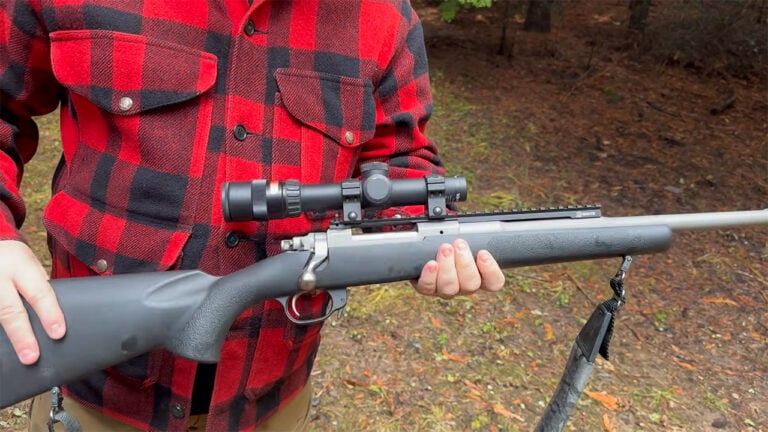
The Ruger American Predator looks like a budget rifle because it is one. The stock feels plain, the finish is basic, and nobody picks it up expecting custom-rifle polish. At first glance, it can look like the kind of rifle someone buys only because they’re trying to save money.
Then owners start shooting groups. Many American Predator rifles deliver accuracy that feels far better than the price suggests. The heavier-profile threaded barrel, adjustable trigger, and practical chamberings make it useful for predators, deer, hogs, and range work depending on setup. It is not refined, and the stock still feels cheap to some shooters. But once it starts stacking shots, the “mistake” starts looking like a very smart buy.
Taurus TX22
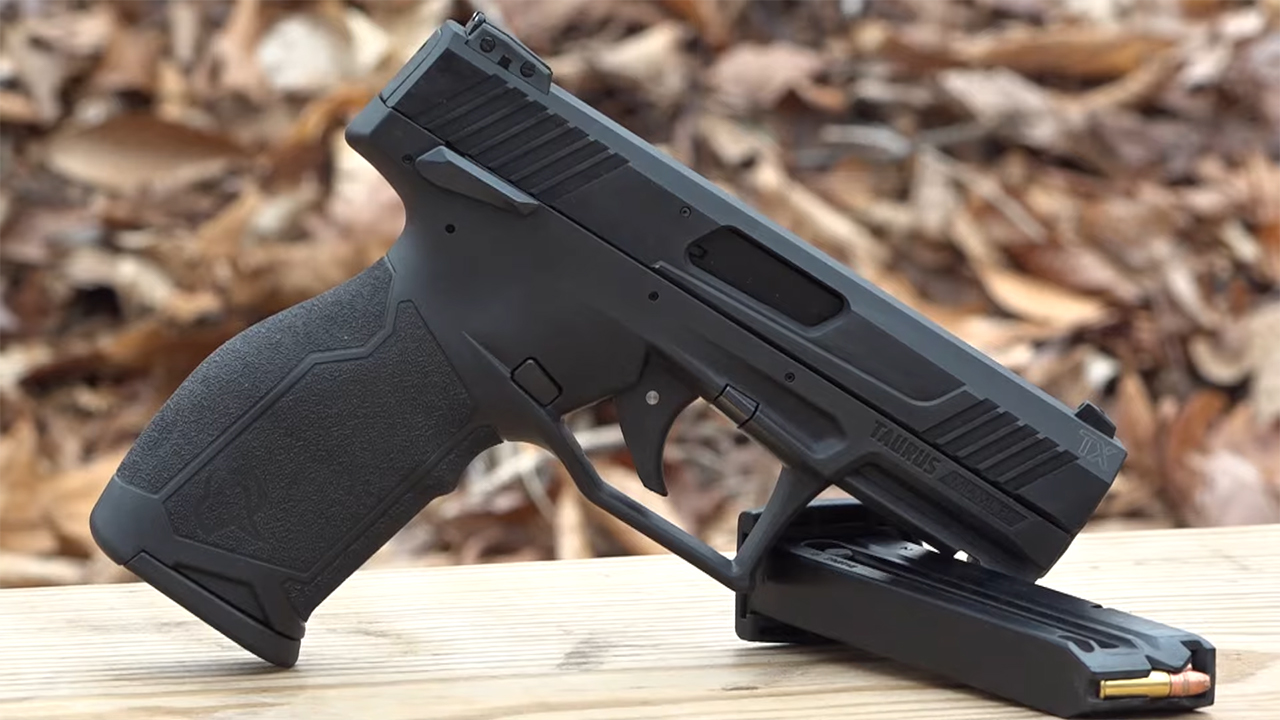
The Taurus TX22 looked risky to shooters who had been burned by budget rimfires or by Taurus’ uneven reputation. A polymer .22 pistol from Taurus sounded like it might be ammunition-sensitive, cheaply built, or more aggravation than fun. Plenty of people expected problems.
Instead, many owners found a pistol that was light, comfortable, affordable to shoot, and genuinely enjoyable. The TX22 has good capacity for a rimfire, familiar controls, and enough reliability with the right ammunition to make it a regular range companion. It is not a premium target pistol, and rimfire ammo can always be picky. But it gets people shooting more, and that matters. A gun that looked like a gamble turned into one of Taurus’ best surprises.
Henry Homesteader

The Henry Homesteader sounded like an odd idea when it first showed up. Henry is known for lever-actions, rimfires, and traditional-looking rifles. A semi-auto 9mm carbine from that company felt like it belonged to a completely different brand. Some shooters wondered if Henry had wandered too far from what it did best.
Then the rifle started making sense in the hands. The Homesteader is mild, simple, easy to shoot, and styled in a way that appeals to people who don’t want an AR-style pistol-caliber carbine. Magazine compatibility options add practical value, and the 9mm chambering keeps recoil low and range time approachable. It isn’t trying to be tactical or extreme. Once owners shot it, the strange concept started looking useful.
Canik TP9SFx
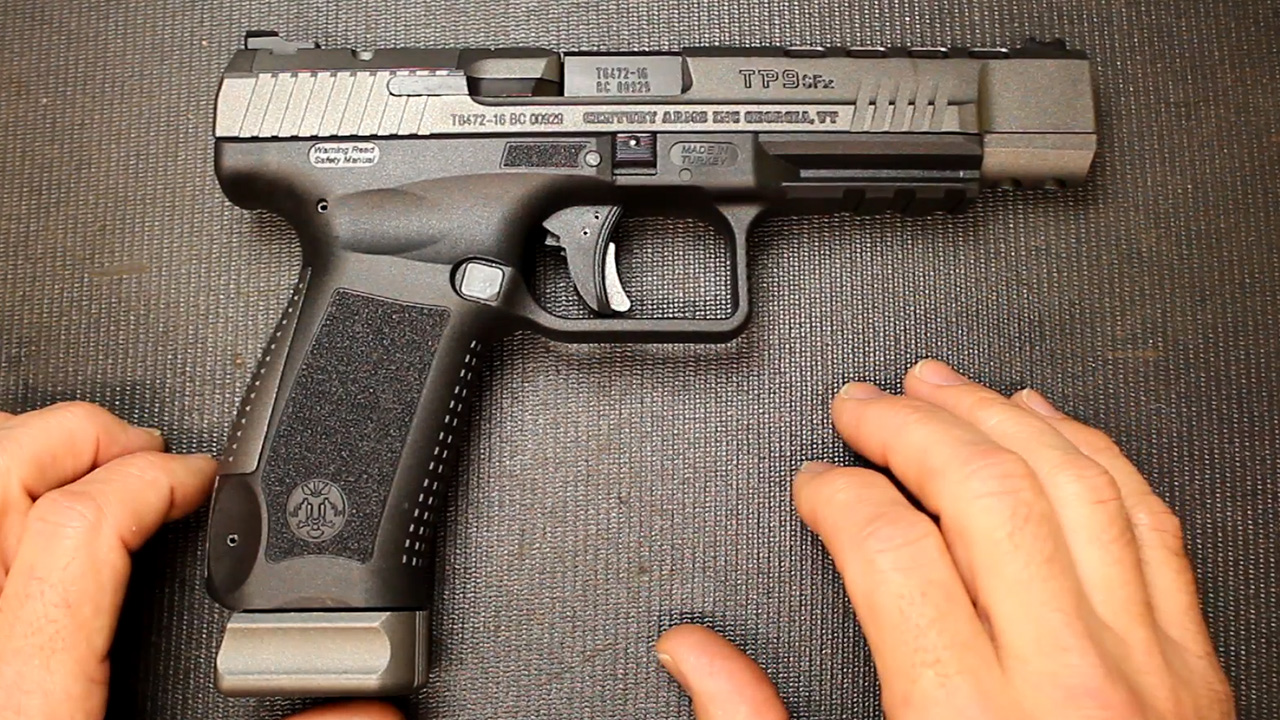
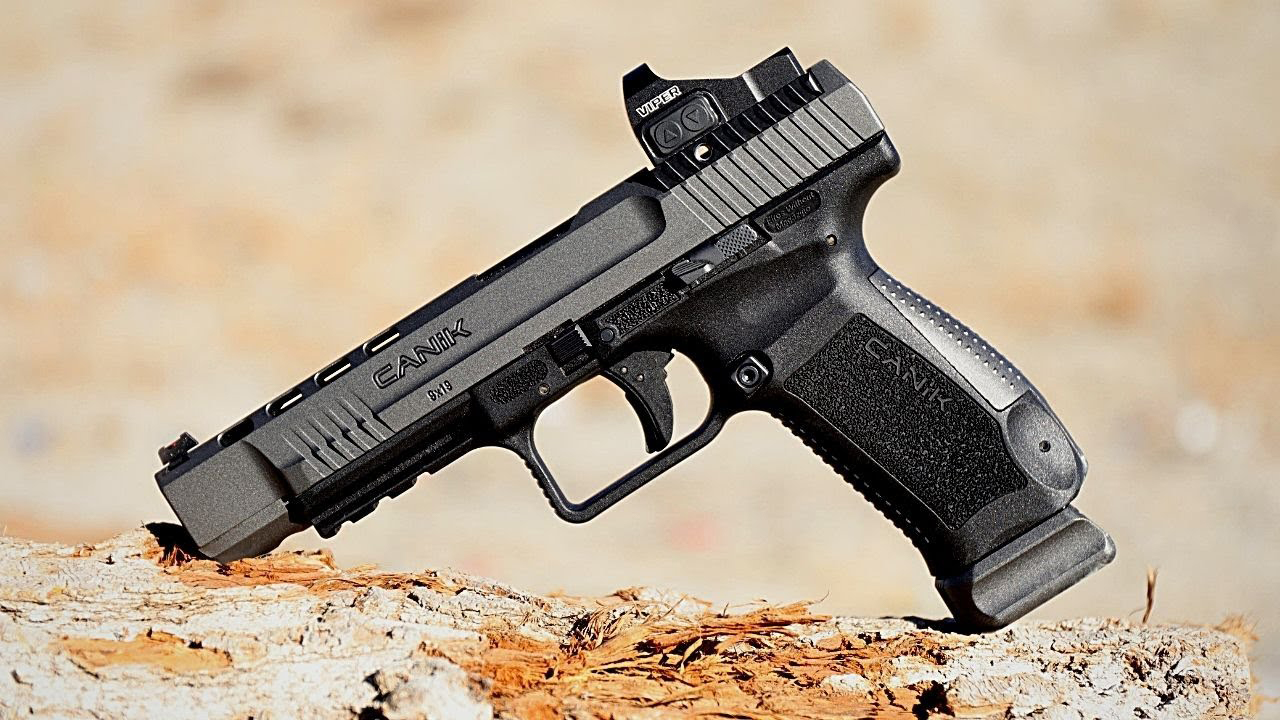
The Canik TP9SFx looked suspicious to buyers who thought the price was too good for what it offered. A long-slide 9mm with a good trigger, competition-style features, and a value price can make experienced shooters wonder where the catch is hiding. Some assumed it had to be a mistake.
The range told a different story. The TP9SFx has a strong trigger for the money, a long sight radius, good practical accuracy, and enough weight and size to shoot comfortably. It is too large for normal concealed carry, but it was never built for that. As a range and entry-level competition pistol, it gives owners a lot to work with. The mistake was assuming a lower price automatically meant lower performance.
Mossberg 940 Pro
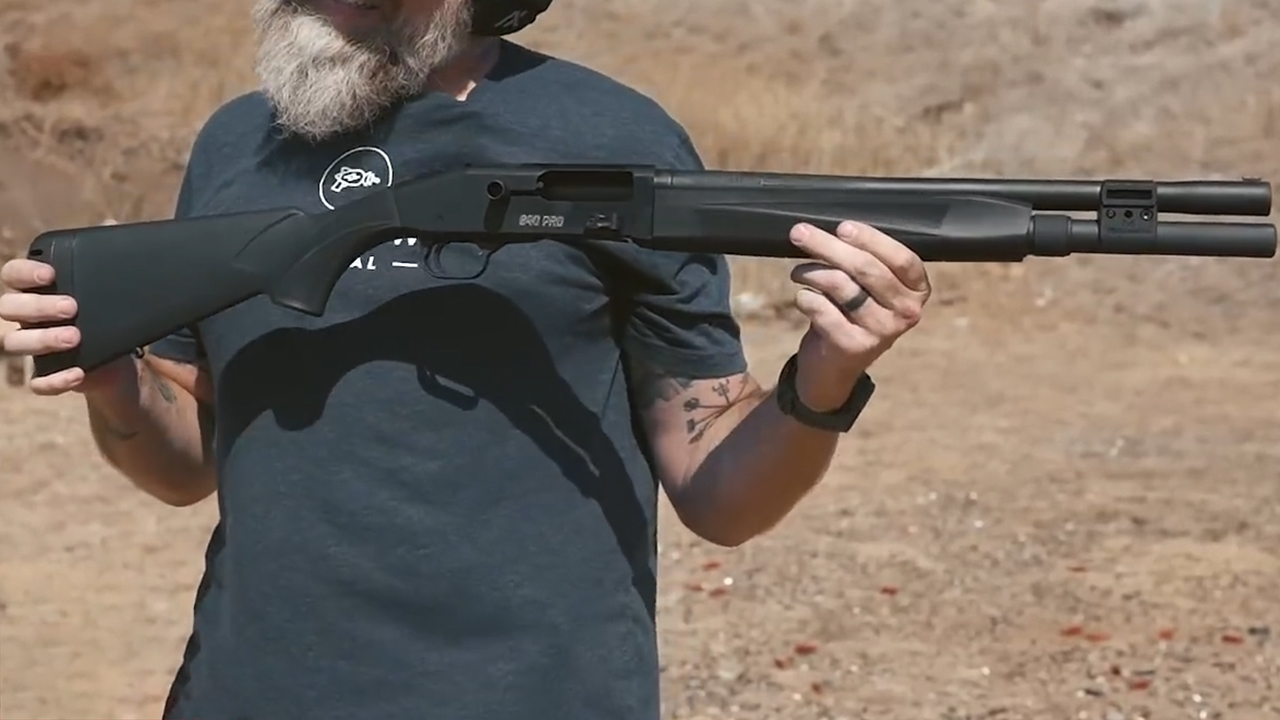
The Mossberg 940 Pro had to overcome skepticism from shooters who remembered mixed opinions about the older 930. Mossberg has a strong pump-shotgun reputation, but semi-autos live under harsher judgment. Some people expected the 940 to be an improved but still imperfect attempt.
Once owners shot it, the improvements became harder to ignore. The gas system, controls, loading port, and maintenance details all felt more thoughtfully updated. Depending on the version, the 940 Pro works for hunting, defensive setups, or competition-style use. It doesn’t have the prestige of high-end Italian semi-autos, but it doesn’t need to. It looked like a maybe-mistake until it started running well and proving Mossberg had listened.
Smith & Wesson Bodyguard 2.0
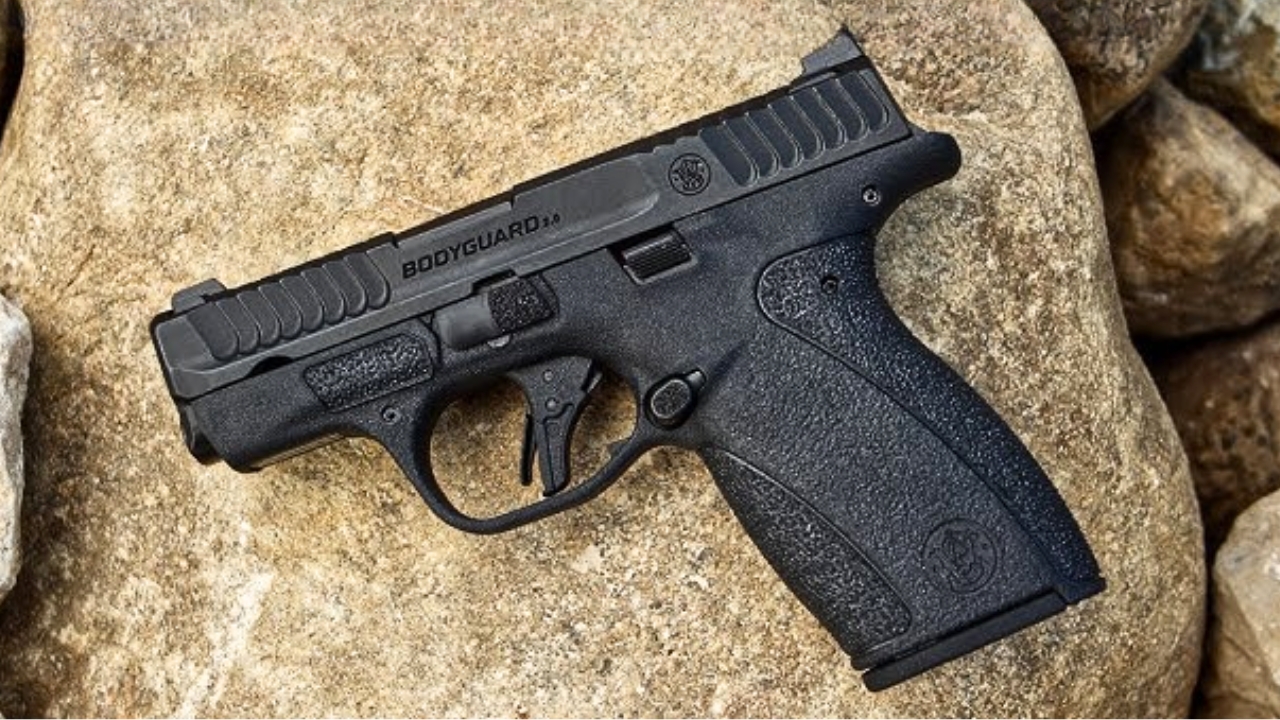
The Smith & Wesson Bodyguard 2.0 had a rough shadow hanging over it because many shooters were not wild about the original Bodyguard .380. Tiny .380 pistols are already hard to shoot well, and the older version’s trigger and handling gave critics plenty to complain about. A new one could have easily looked like another compromise.
Instead, the 2.0 felt like a real correction. It is still a very small .380, so nobody should expect full-size pistol manners. But the ergonomics, trigger feel, and shootability are much better than many expected from a gun this compact. For deep concealment, pocket carry, and recoil-sensitive shooters, it makes more sense than the old reputation suggested. What looked like a risky redo turned out to be a much more usable little pistol.
Ruger PC Carbine
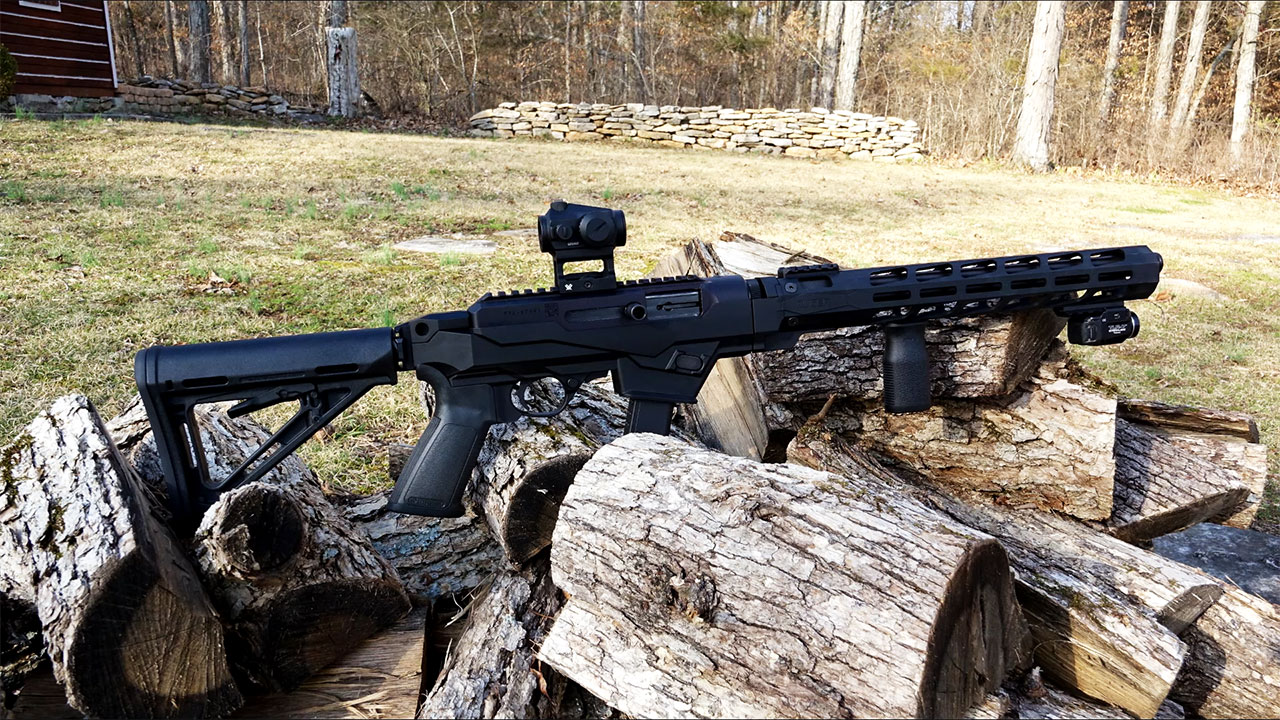
The Ruger PC Carbine can look clunky at first. It doesn’t have the sleekness of some pistol-caliber carbines, and the takedown design makes it seem more practical than exciting. Some shooters looked at it and saw a heavy 9mm carbine that didn’t know whether it wanted to be a rifle or a range toy.
Then they shot it and realized practical is the point. The PC Carbine is mild, easy to control, and friendly for newer shooters. The takedown system makes storage and transport simple, while magazine-well options add real usefulness for owners with compatible pistol magazines. It is not the coolest PCC on the rack, but it is one of the easiest to live with. The mistake was judging it by style instead of function.
Weatherby Vanguard Series 2

The Weatherby Vanguard Series 2 doesn’t look like the Weatherby people imagine when they hear the name. It lacks Mark V prestige, and basic synthetic models can seem plain enough to ignore. Some buyers may wonder whether they’re really getting anything special or just a cheaper rifle wearing a famous brand.
Shooting one often changes the conversation. The Howa-built action is sturdy, the Series 2 trigger is good, and many rifles are impressively accurate. The Vanguard is not the lightest rifle in its class, but that extra weight can help with recoil and steadiness. It’s a practical hunting rifle first, and that is exactly why owners like it. What looked like the lesser Weatherby can turn into the rifle that simply works.
KelTec Sub2000

The KelTec Sub2000 looks like a mistake to people who judge guns by refinement. It folds in half, feels utilitarian, and has styling that makes it seem more like a clever gadget than a serious carbine. Plenty of shooters assume it is a gimmick before they ever fire one.
The concept makes more sense once it’s used. A folding 9mm carbine that accepts common pistol magazines depending on version solves a real storage problem. It is light, compact when folded, low-recoil, and handy for range use, travel storage where legal, and emergency setups. It is not refined, and expectations need to stay realistic. But the Sub2000 proved that an odd-looking gun can be useful if the oddness serves a purpose.
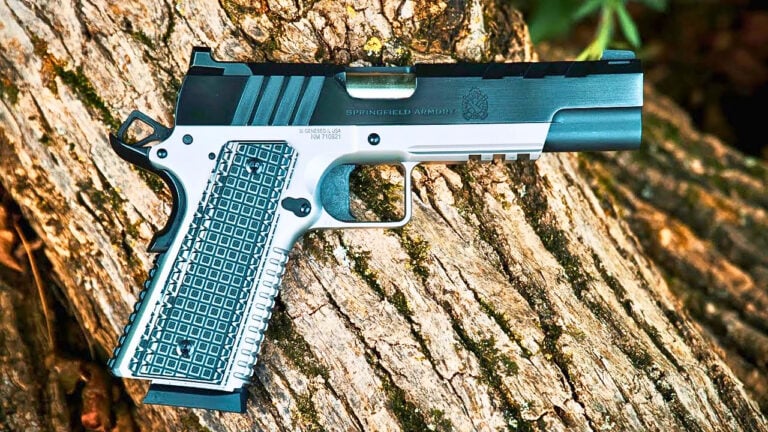
Springfield Armory Echelon
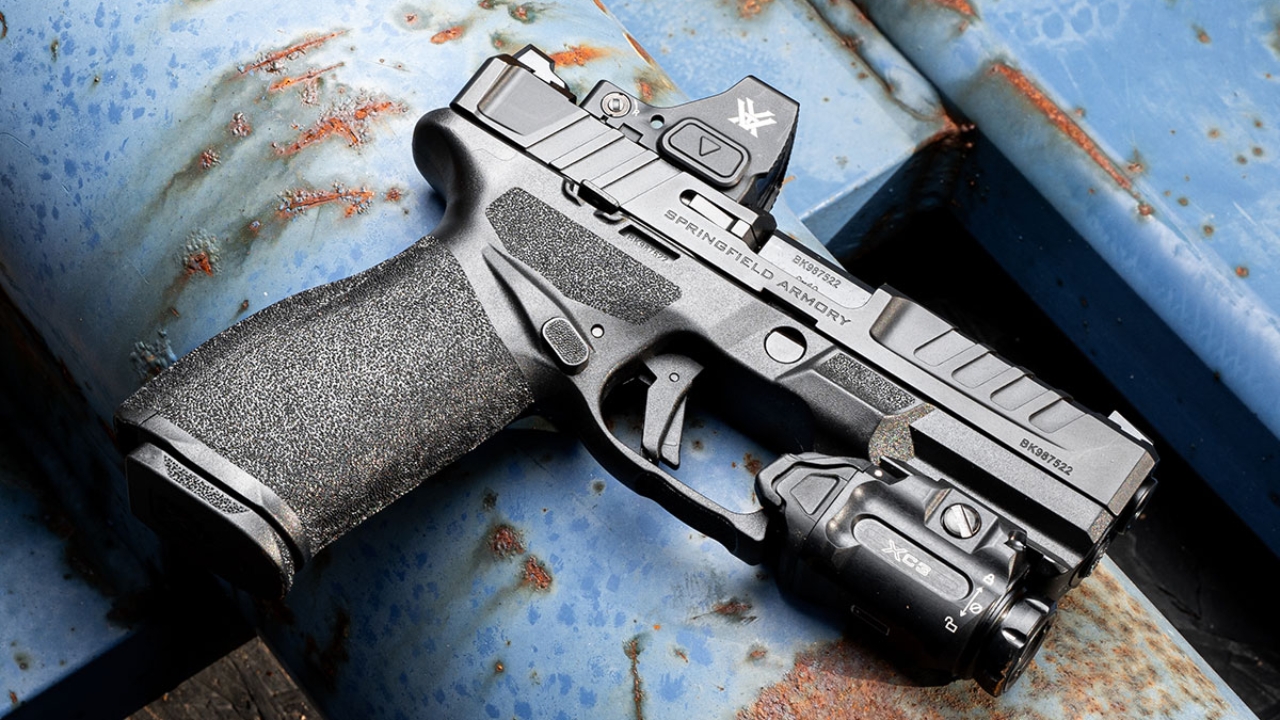
The Springfield Armory Echelon looked unnecessary to skeptics because the striker-fired 9mm market is already packed. Another duty-size polymer pistol with modern features could have easily been a forgettable “me too” release. Some shooters expected it to feel like Springfield was just checking trend boxes.
Then owners shot it and saw the thought behind it. The optics mounting system, modular chassis, grip texture, and overall handling gave it a more complete feel than expected. It’s not just a generic pistol with a new name. It feels built around modern use from the start. Not every shooter will choose it over Glock, SIG, Walther, or Smith & Wesson, but the Echelon beat the “mistake” label by arriving more finished than many expected.
Savage Axis II

The Savage Axis II looks like a cheap rifle because it is built to be affordable. The stock is basic, the finish is plain, and the whole gun lacks the pride-of-ownership feel of nicer hunting rifles. It is easy to assume it will perform like a bargain-bin afterthought.
Then the AccuTrigger and barrel start doing their job. Many Axis II rifles shoot well enough for real hunting use, and that changes how owners view them. It’s not refined, and it won’t make anyone forget a premium rifle. But as a first deer rifle, loaner gun, or budget hunting setup, it can be surprisingly effective. The rifle looked like a compromise until it reminded people that groups matter more than glamour.
CZ 600 Alpha

The CZ 600 Alpha looked like a mistake to some longtime CZ fans because it did not feel like the older rifles they loved. The 527 and 550 had old-world charm. The 600 Alpha looked modern, synthetic, and utilitarian. For people who wanted walnut and Mauser-style nostalgia, that was a disappointment.
Judged on its own terms, the Alpha works better than that first reaction suggested. It has a practical stock, adjustable trigger, solid action feel, and chamberings that make sense for hunters. It does not replace the emotional appeal of older CZ rifles, and it probably never will. But as a modern field rifle, it is rugged and useful. It looked like CZ had lost its charm, but owners found out it had gained a different kind of practicality.
Smith & Wesson Equalizer
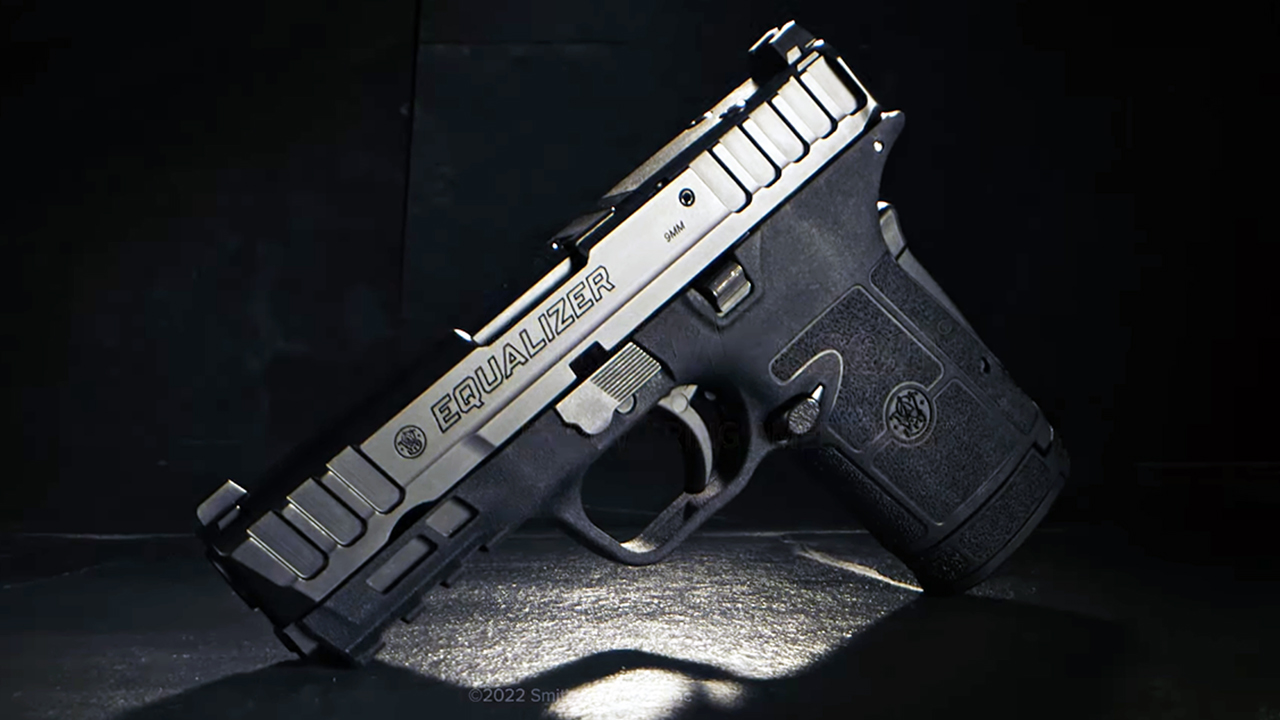
The Smith & Wesson Equalizer looked like a niche gun to some shooters. Easy-rack pistols are often assumed to be only for people with hand-strength issues, and that can make the rest of the market overlook them. Some buyers expected a compromise pistol built around convenience more than performance.
Shooting and handling it changed that for a lot of people. The Equalizer is easier to rack, easier to load, and still offers practical 9mm performance in a carryable package. It isn’t the smallest gun in its class, and the grip safety will not please everyone. But for shooters who struggle with stiff slides or simply want a friendlier defensive pistol, it solves real problems. What looked like a niche mistake turned into a useful option.
Franchi Affinity 3

The Franchi Affinity 3 looked like a middle-child shotgun to buyers who were focused on bigger names. It wasn’t as cheap as budget semi-autos and didn’t carry the same prestige as Benelli or Beretta. That awkward middle spot made some people assume it was forgettable.
In the field, the Affinity 3 made a stronger case. It is an inertia-operated semi-auto with simple maintenance, good handling, and enough reliability to satisfy many hunters. It can kick more than gas-operated shotguns, especially with heavier loads, but the straightforward action appeals to people who hunt in rough conditions. Once owners shot birds, clays, or pattern boards with it, the middle-child label started looking unfair. Sometimes the quiet option is the one that makes the most sense.
Like The Avid Outdoorsman’s content? Subscribe to our newsletter so you never miss an article.
Here’s more from us: