Photo credit: The VSO Gun Channel/YouTube
Some cartridges had their moment—usually for a good reason—but that time has passed. Whether they were replaced by better performers, became obsolete due to design flaws, or just never really caught on, these calibers hang around for nostalgia more than practicality. If you’re building a serious rifle setup or stocking up for the field, these are the ones that probably don’t deserve a second look—unless you’re a collector or you’re chasing memories, not results.
.219 Zipper
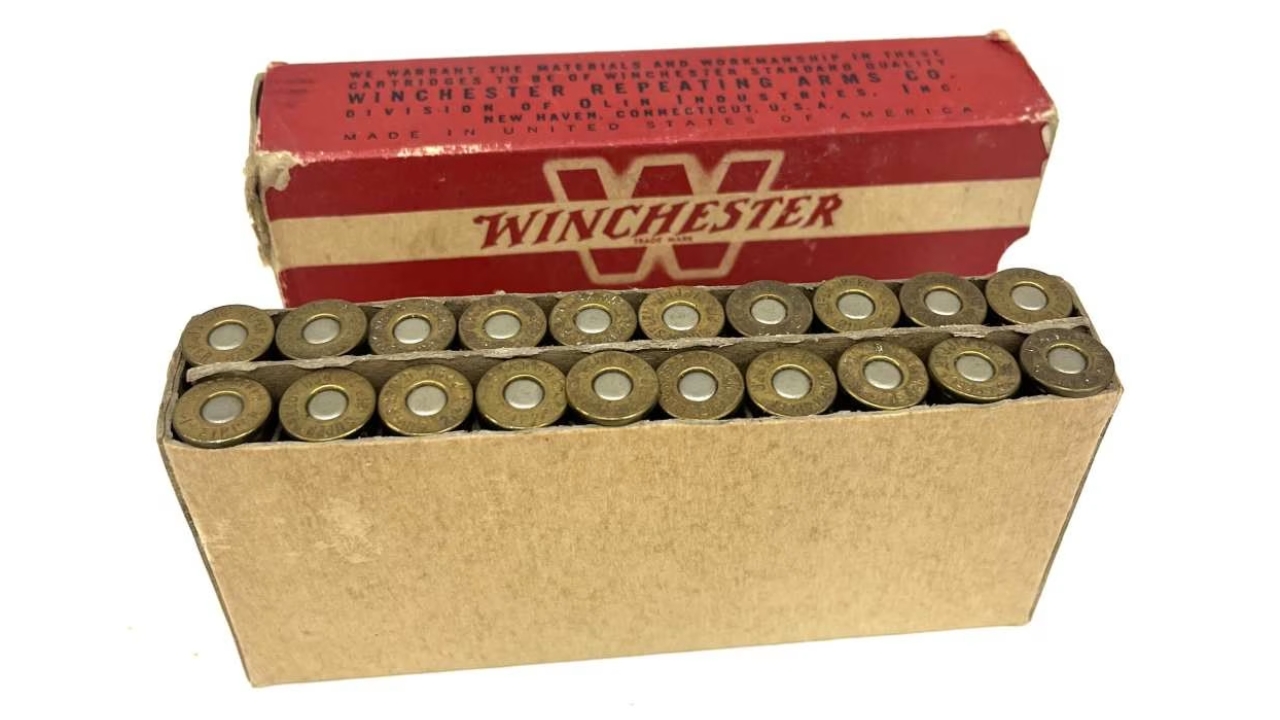
The .219 Zipper tried to bring high velocity to lever-action rifles, but it never really worked out. Accuracy was hit-or-miss, and finding factory ammo today is nearly impossible.
It’s one of those cartridges that sounded exciting on paper but just didn’t hold up in real-world use. If you see one at a gun show, it might make a neat conversation piece—but don’t expect it to shine on your next varmint hunt.
.32 Winchester Special
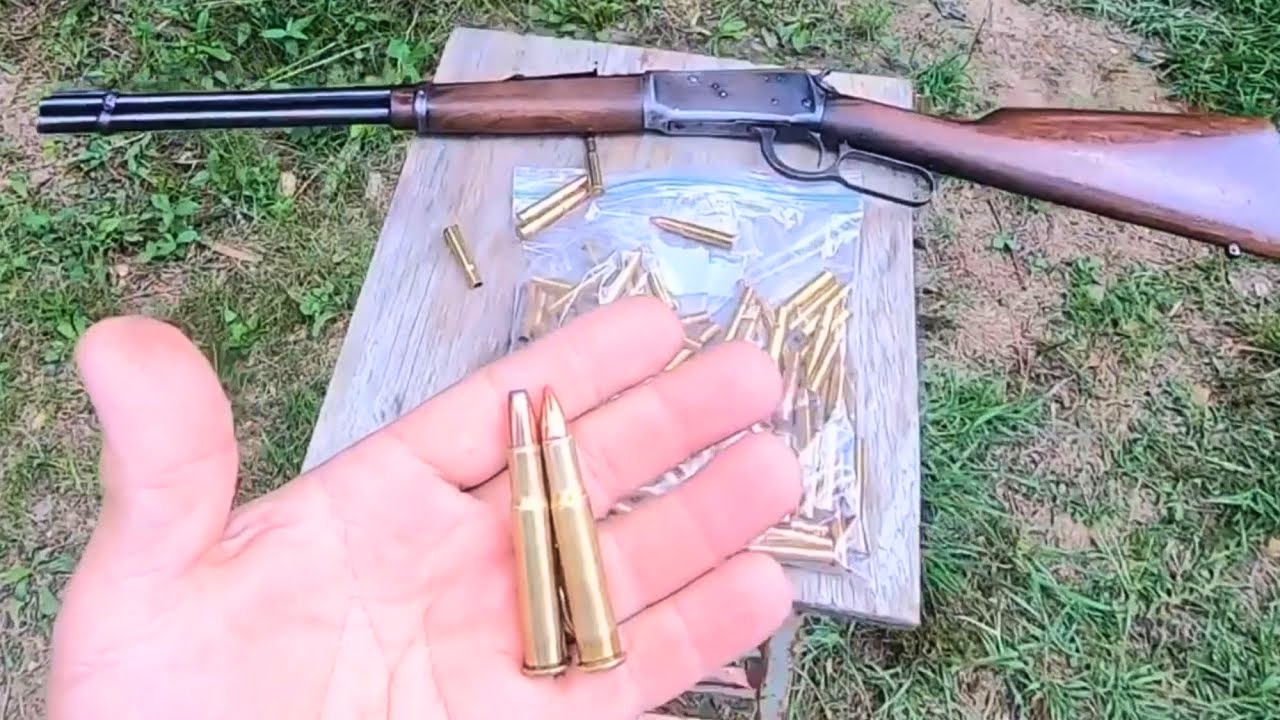
The .32 Win Special was supposed to give a little more punch than a .30-30 without the recoil of a .30-06. Problem is, it didn’t do much better than the .30-30 at all.
Ammo is harder to find, reloading data is limited, and performance is mediocre by today’s standards. It’s mostly hanging on because of old rifles chambered for it, not because it’s a caliber worth reviving.
.41 Action Express
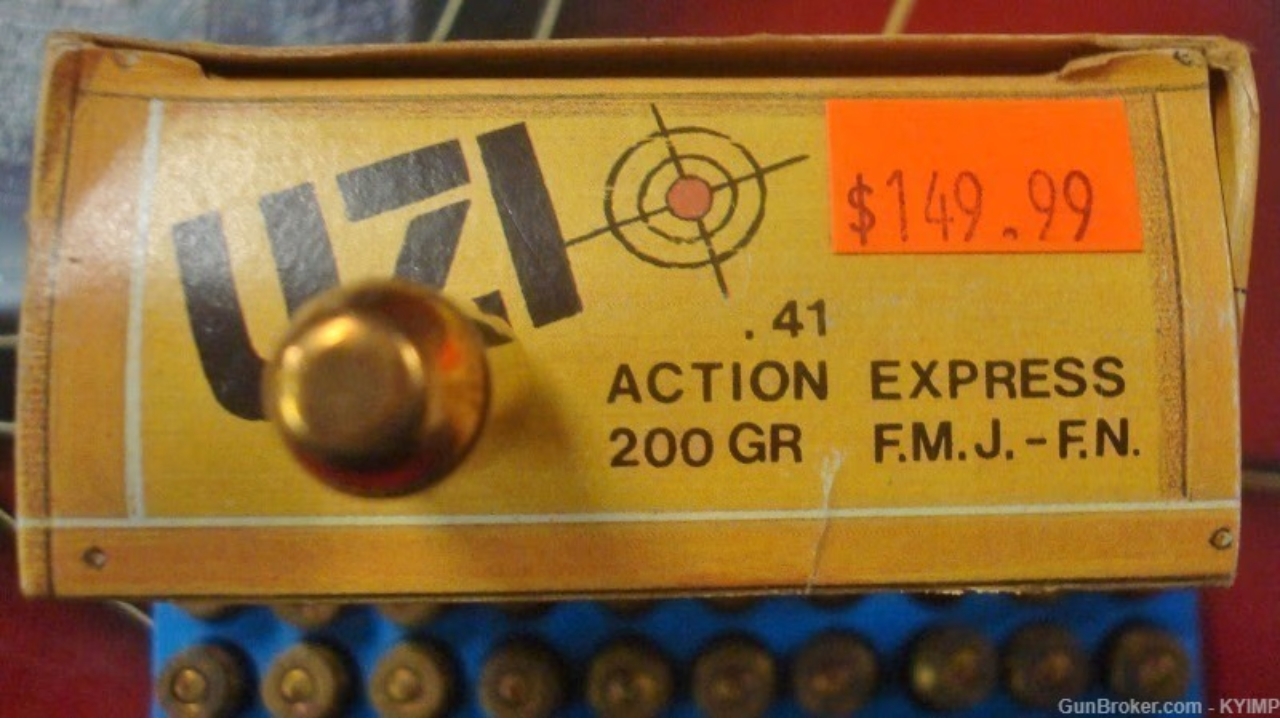
The .41 AE aimed to bring .41 Magnum performance to semi-autos by using a rebated rim design. It never really took off, even though a few pistols were made for it.
Between limited factory support and being overshadowed by the rise of .40 S&W, it never had a chance. Today, it’s more trivia than practical choice.
.25-20 Winchester
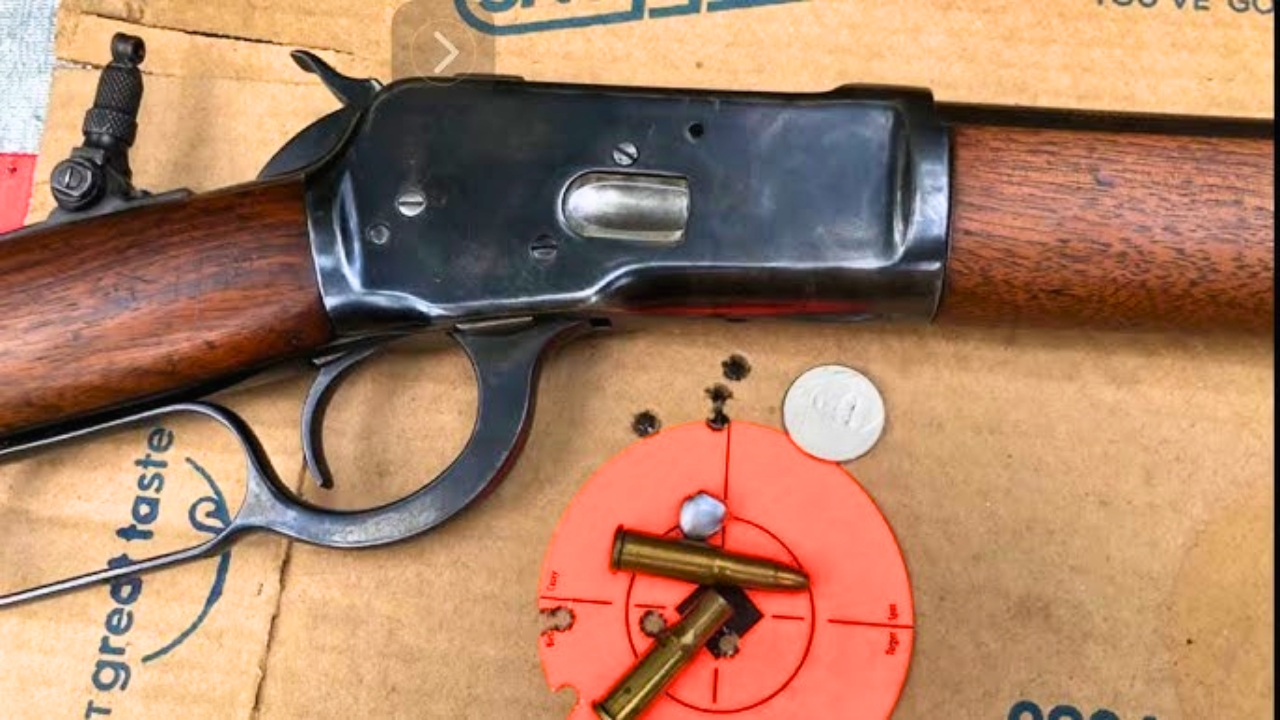
This little cartridge was popular for varmints and small game back when lever guns ruled the woods. These days, it’s mostly forgotten—and for good reason.
It’s underpowered by modern standards, has minimal factory support, and isn’t all that impressive ballistically. It’s charming in old rifles, but you’re better off with a .22 Magnum or .223 for actual use.
.17 Mach 2
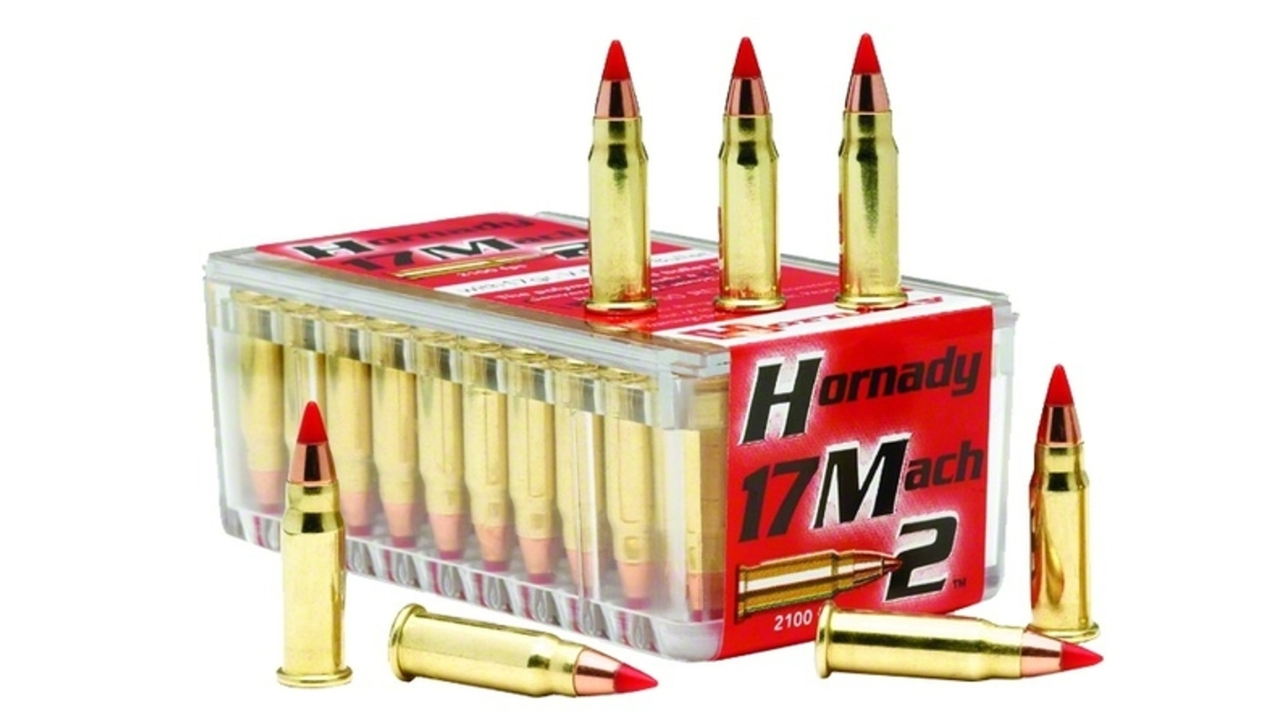
The .17 Mach 2 was supposed to be the bridge between .22 LR and .17 HMR. Instead, it ended up in no man’s land—too hot for rimfire actions and not powerful enough to stand out.
Ammo availability has been inconsistent, and few rifles were ever chambered for it. If you find a box of it today, odds are it’s been sitting on a dusty shelf for a while.
5mm Remington Rimfire Magnum
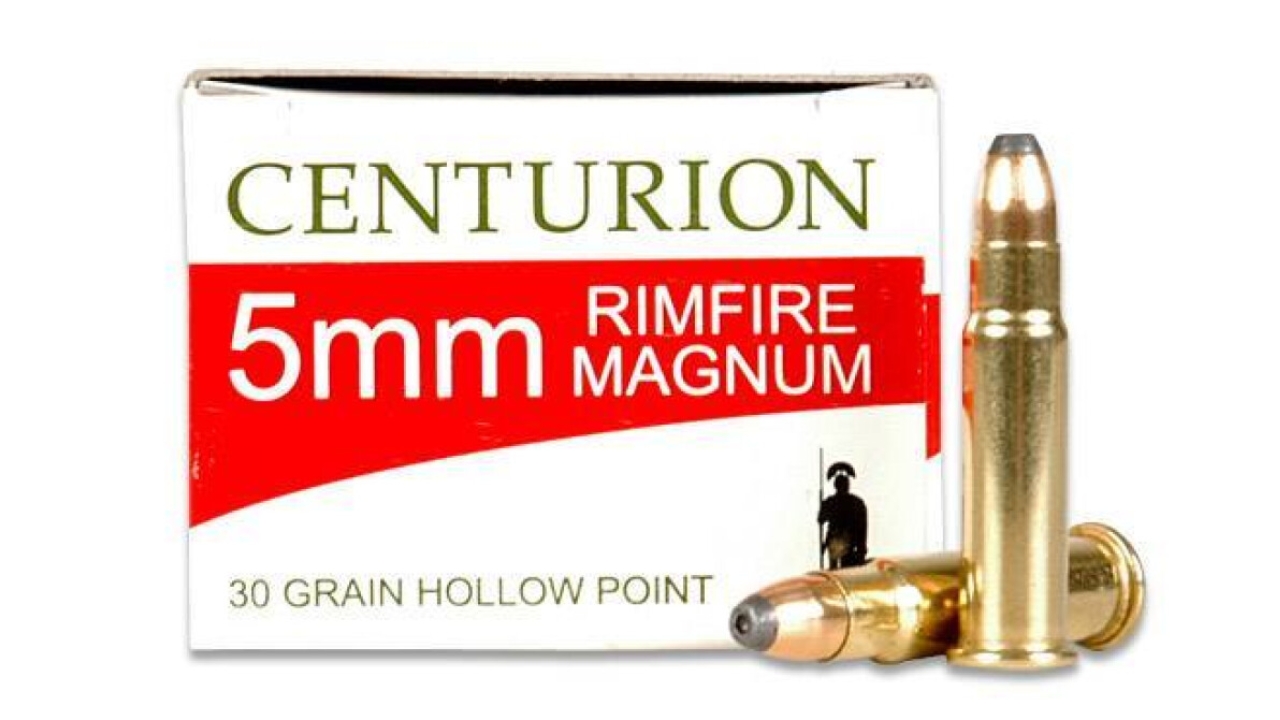
This one had promise when it launched, offering better ballistics than .22 WMR. But Remington dropped the ball by discontinuing the rifles and ammo not long after.
Some niche companies have tried to bring it back, but the market’s never recovered. With options like .17 HMR doing so well, the 5mm RRM just feels like a relic from a weird experiment.
.30 Remington
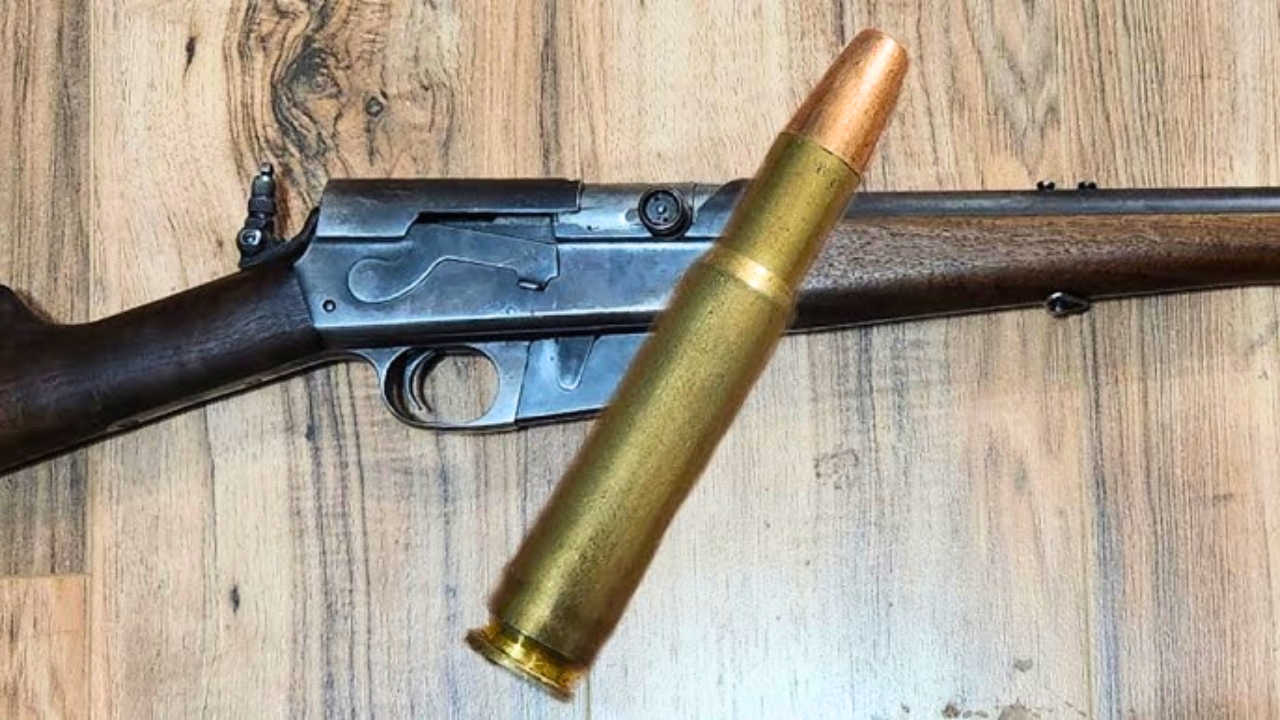
Meant to compete with the .30-30 Winchester, the .30 Remington never caught up in popularity. It offered similar performance, but fewer rifle options and limited ammo choices made it a tough sell.
Most folks who want an old-school deer rifle stick with the .30-30. The .30 Remington doesn’t really offer anything new—and the few rifles chambered in it are more wall-hangers than workhorses.
.45 GAP (Glock Auto Pistol)
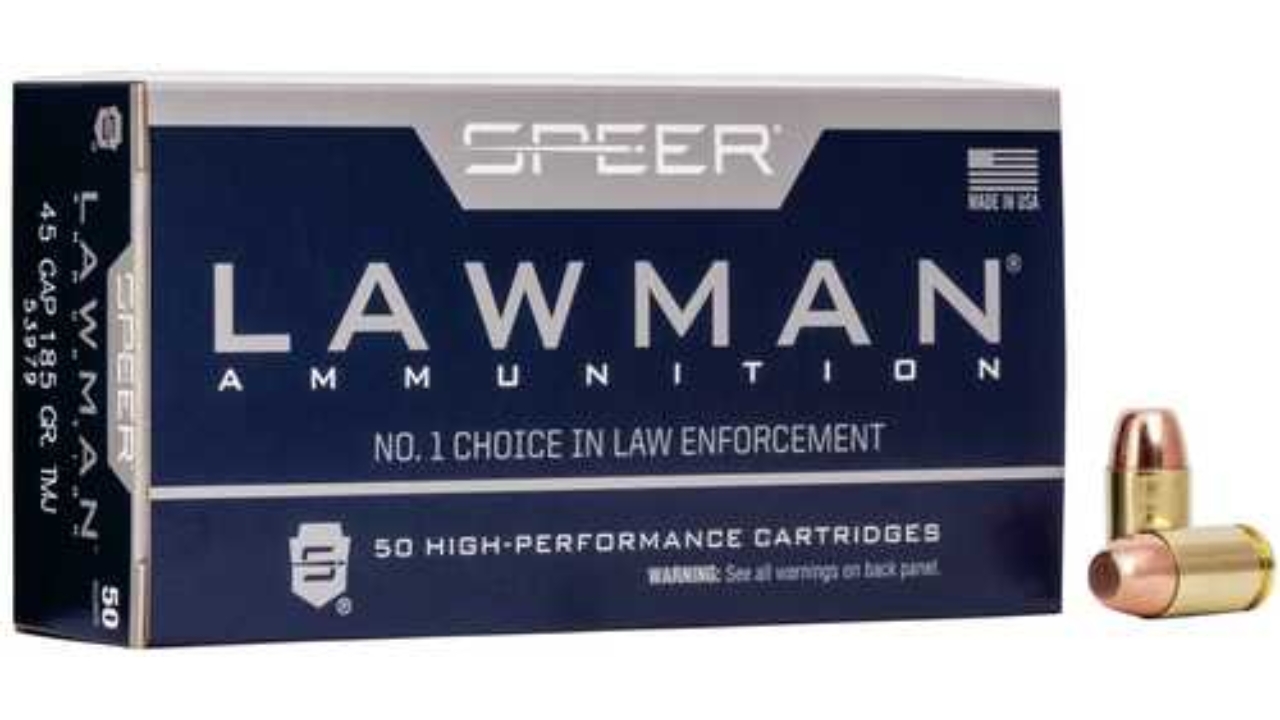
Glock tried to create a more compact .45 ACP with the .45 GAP, but it didn’t offer enough benefits to justify the change. Recoil was still stout, and magazine capacity wasn’t any better.
Plus, ammo has always been limited and expensive compared to .45 ACP. Outside of a few law enforcement agencies who gave it a try, almost no one stuck with it.
.22 Jet

This bottlenecked revolver cartridge promised flat-shooting performance from a wheelgun. What it delivered was sticky case extraction and frustrating fouling.
It’s a cool concept, but it never worked as well in practice as it did on paper. Today, it’s more of a collector’s curiosity than a cartridge you’d trust for real use.
.35 Remington

It still has some fans, especially in Marlin 336 rifles, but the .35 Remington has mostly faded out. Ammo is getting harder to find, and newer cartridges do the job more efficiently.
It doesn’t have the range or trajectory for open country hunts, and in close quarters, there are more modern options with better support. It’s not worthless—it’s just not worth chasing anymore.
*This article was developed with AI-powered tools and has been carefully reviewed by our editors.