Photo credit: Justin Opinion/Youtube
Some guns look outdated the second the market changes direction. A new trigger system takes over. Polymer replaces metal. Micro-compacts crush single-stacks. Modern bolt-actions get lighter, cheaper, and more adjustable. Suddenly, older firearms start looking like yesterday’s answer.
Then shooters get tired of chasing trends and remember why those older guns worked. The feel, balance, durability, simplicity, or build quality starts looking better than the latest feature list. These firearms looked outdated for a while, right up until shooters started wanting them back.
Smith & Wesson 3913
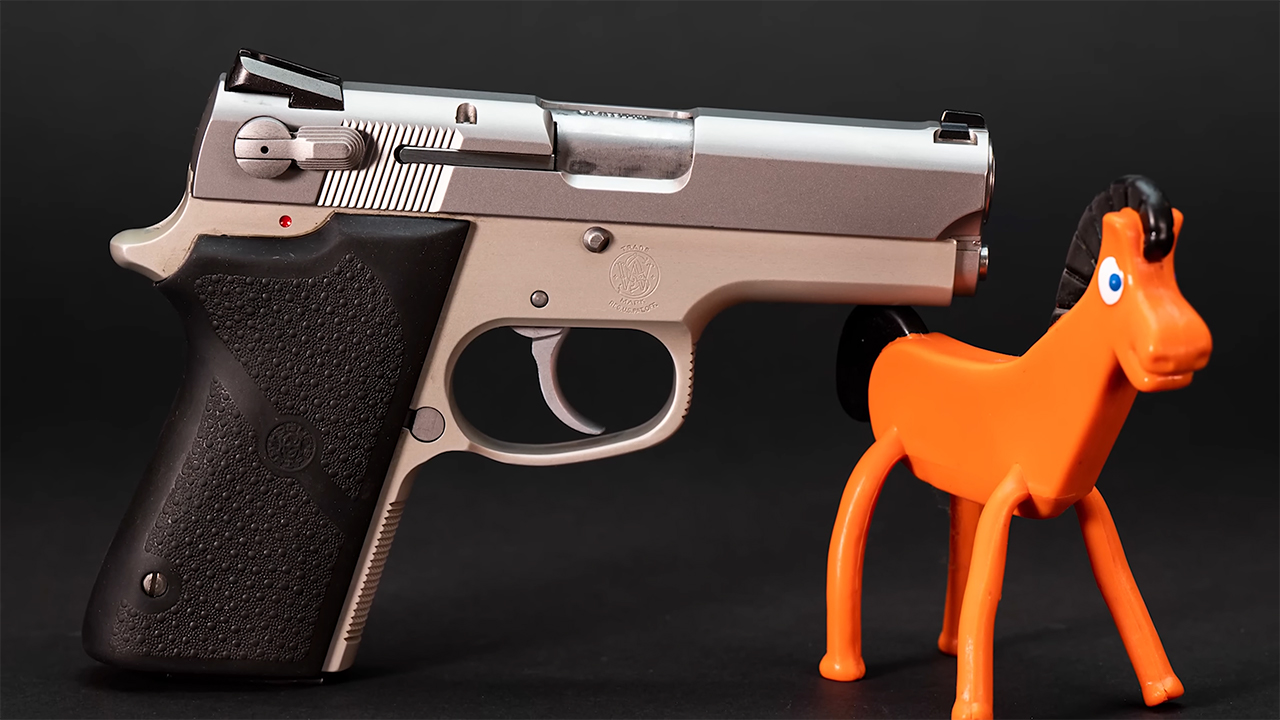
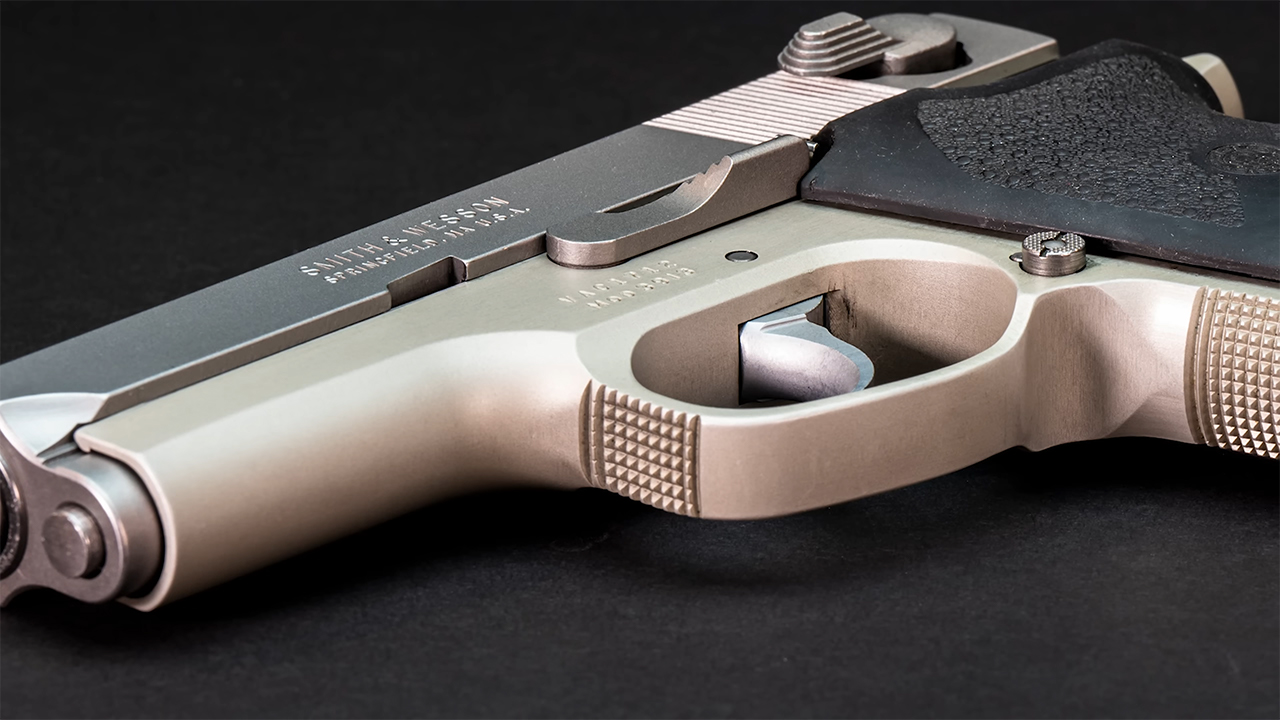
The Smith & Wesson 3913 looked outdated once modern micro-compacts started offering more capacity in smaller packages. It’s a single-stack 9mm with an alloy frame, DA/SA trigger, and no modern optics support. On a spec sheet, it looks like a pistol the market already replaced.
Shooters started wanting it back because specs don’t tell the whole story. The 3913 carries flat, shoots better than many tiny pistols, and has a refined feel that newer carry guns don’t always offer. It isn’t the best choice for someone who wants maximum capacity or easy accessory support. But for people who miss slim metal-frame carry pistols, it still makes a lot of sense. Outdated started looking more like well-balanced.
Browning Hi-Power
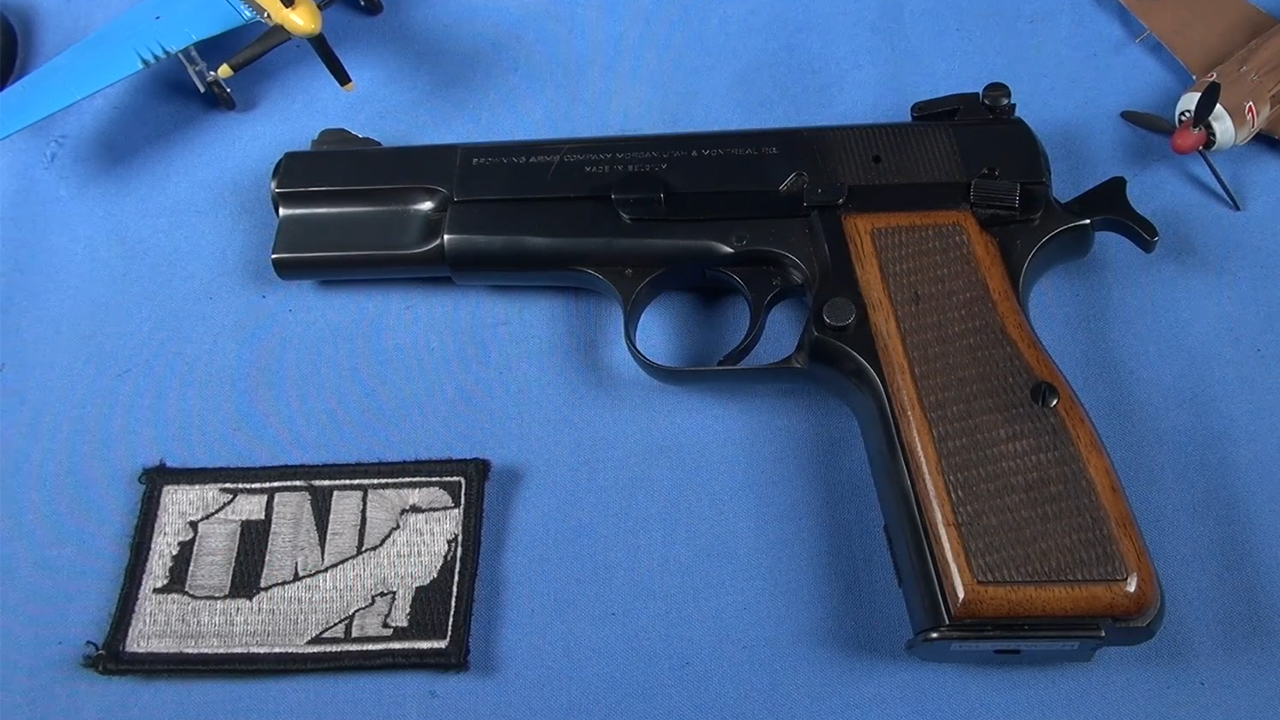
The Browning Hi-Power looked outdated when modern double-stack pistols took over with rails, better sights, polymer frames, optic cuts, and improved triggers. Older Hi-Powers often had small sights, a magazine disconnect many shooters disliked, and a design that clearly belonged to another era.
Then people remembered the grip. The Hi-Power still feels excellent in the hand, with a slim double-stack profile that many modern pistols don’t fully match. Its balance, history, and classic lines keep pulling shooters back. It may not win a modern features contest, and some examples benefit from thoughtful upgrades. But the core pistol remains deeply appealing. Shooters wanted it back because newer pistols had more features, but not always more soul.
Marlin 336
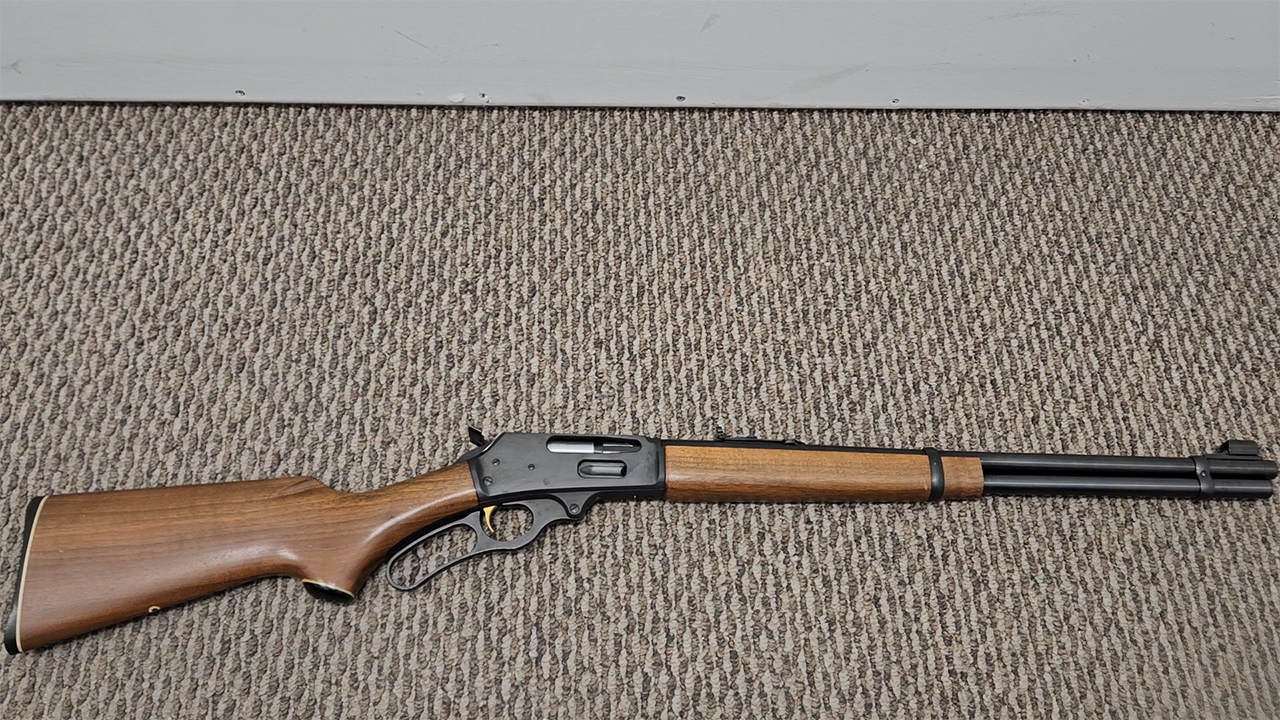
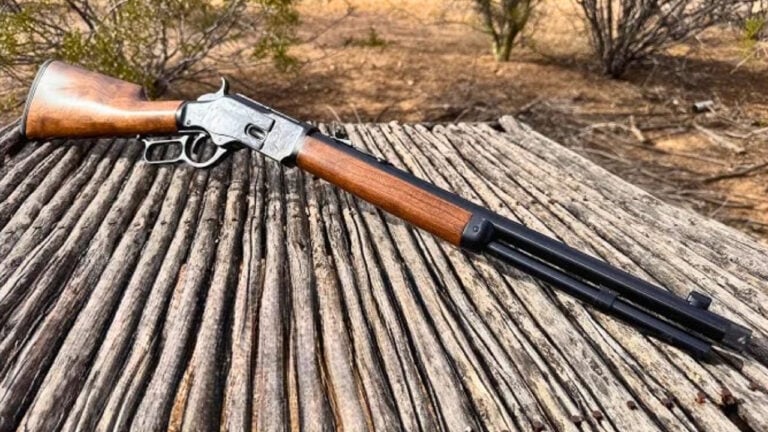
The Marlin 336 looked outdated when bolt-actions, AR-style rifles, and long-range hunting setups started dominating the conversation. A .30-30 lever gun with traditional lines doesn’t look impressive beside rifles built for distance, detachable magazines, and big optics.
Then hunters remembered most deer woods don’t require a long-range rifle. The 336 carries well, shoulders quickly, and works beautifully inside normal timber distances. In .30-30 Winchester or .35 Remington, it still makes sense for thick cover, creek bottoms, and short shooting lanes. Older Marlins gained even more attention as shooters started caring about production era and condition. It looked outdated only if you forgot what kind of hunting it was built for.
Beretta 92FS

The Beretta 92FS looked outdated once striker-fired polymer pistols became the default. It’s large, heavy, DA/SA, and not especially convenient for concealed carry. The slide-mounted safety also lost favor with many modern shooters. On paper, newer pistols seem easier.
Then people kept shooting the Beretta and remembered why it lasted. The 92FS is smooth, soft-recoiling, and accurate enough to make long range sessions enjoyable. The metal frame and full-size layout make it far easier to shoot well than many smaller pistols. It does require practice with the DA/SA trigger, and the controls won’t fit everyone. But shooters wanted it back because a big pistol that shoots beautifully never really goes out of style.
Savage Model 99

The Savage Model 99 looked outdated when bolt-actions became the obvious modern hunting rifle. It was an old lever-action with a more complex design than a Winchester 94 or Marlin 336, and many used examples simply looked like another deer rifle from the past.
Now shooters appreciate what made it different. The Model 99 offered lever-action handling with cartridge capability that traditional tube-fed rifles couldn’t match. Rotary-magazine versions allowed pointed bullets, and chamberings like .300 Savage, .250-3000 Savage, and .308 Winchester kept the rifle practical. It is not as simple as more common lever guns, and condition matters. But the design was smart. Outdated became desirable once hunters realized nothing current feels quite like it.
Colt Government Model
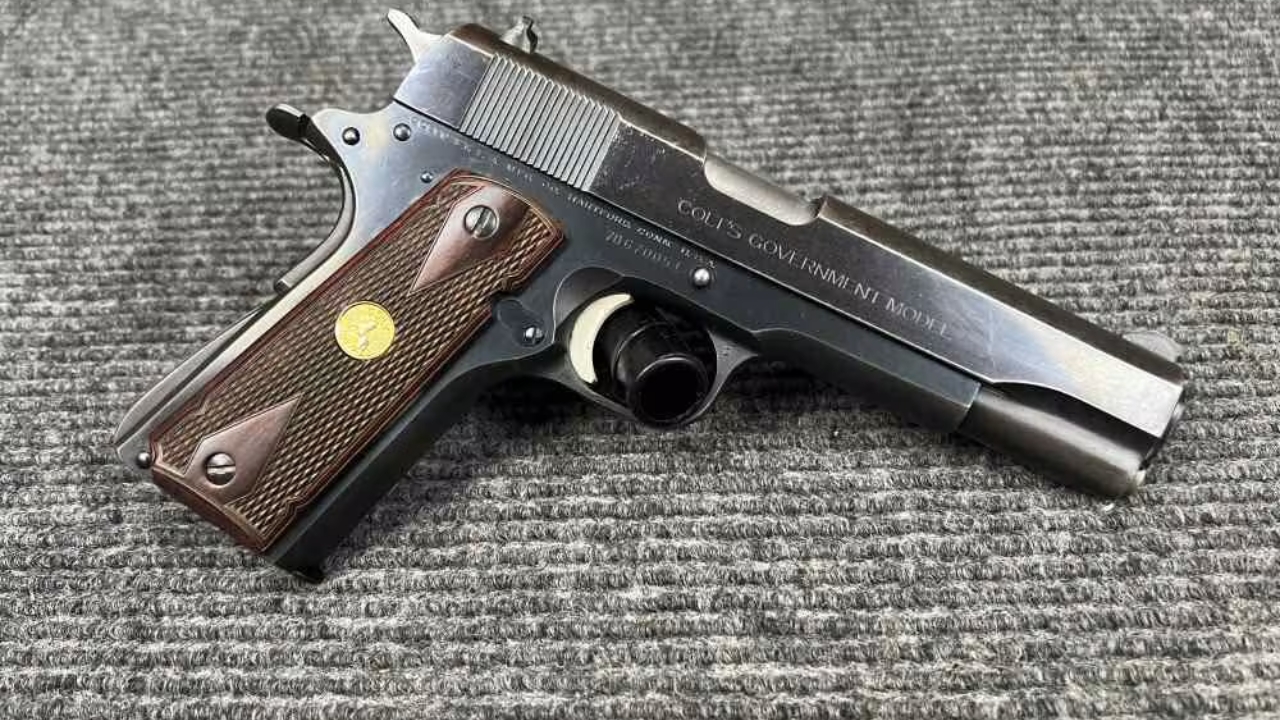
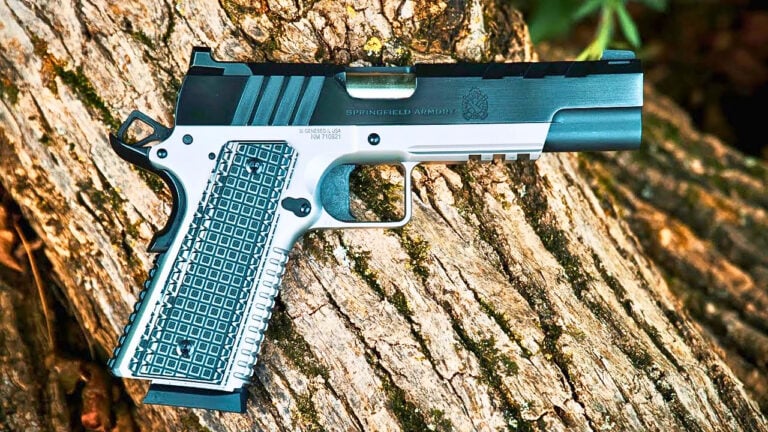
The Colt Government Model has been called outdated for generations, and plenty of those criticisms are fair. Lower capacity, more maintenance, thumb-safety training, and magazine sensitivity all matter. A modern striker-fired 9mm is easier for many shooters to own and run.
Still, the 1911 keeps calling people back. The slim grip, clean single-action trigger, and natural pointability remain hard to beat. A good Government Model rewards careful shooting in a way many pistols don’t. It is not the simplest handgun for every owner, and it requires commitment. But shooters wanted it back because some older designs survive for a reason. The 1911 may be old, but the way it shoots still feels current to a lot of people.
Remington Model Seven

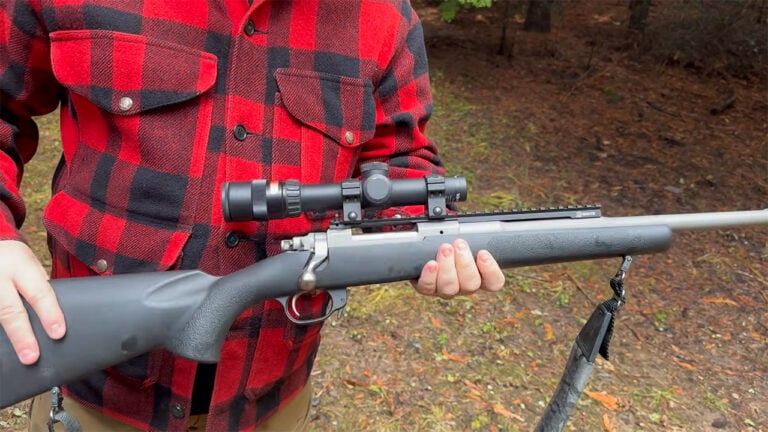
The Remington Model Seven looked outdated when newer compact rifles and lightweight synthetic hunting rifles became more common. It seemed like a shortened Model 700 from a different era, and some hunters overlooked it for flashier mountain rifles or budget compact options.
Then they started missing how handy it was. The Model Seven carries well, shoulders quickly, and feels right in blinds, timber, and thick cover. It doesn’t feel like a cheap youth rifle, which is where many compact rifles fall short. Chamberings like 7mm-08 Remington, .243 Winchester, and .308 Winchester give it plenty of deer-rifle capability. Shooters wanted it back because compact hunting rifles with real quality are not as common as they should be.
Smith & Wesson Model 10
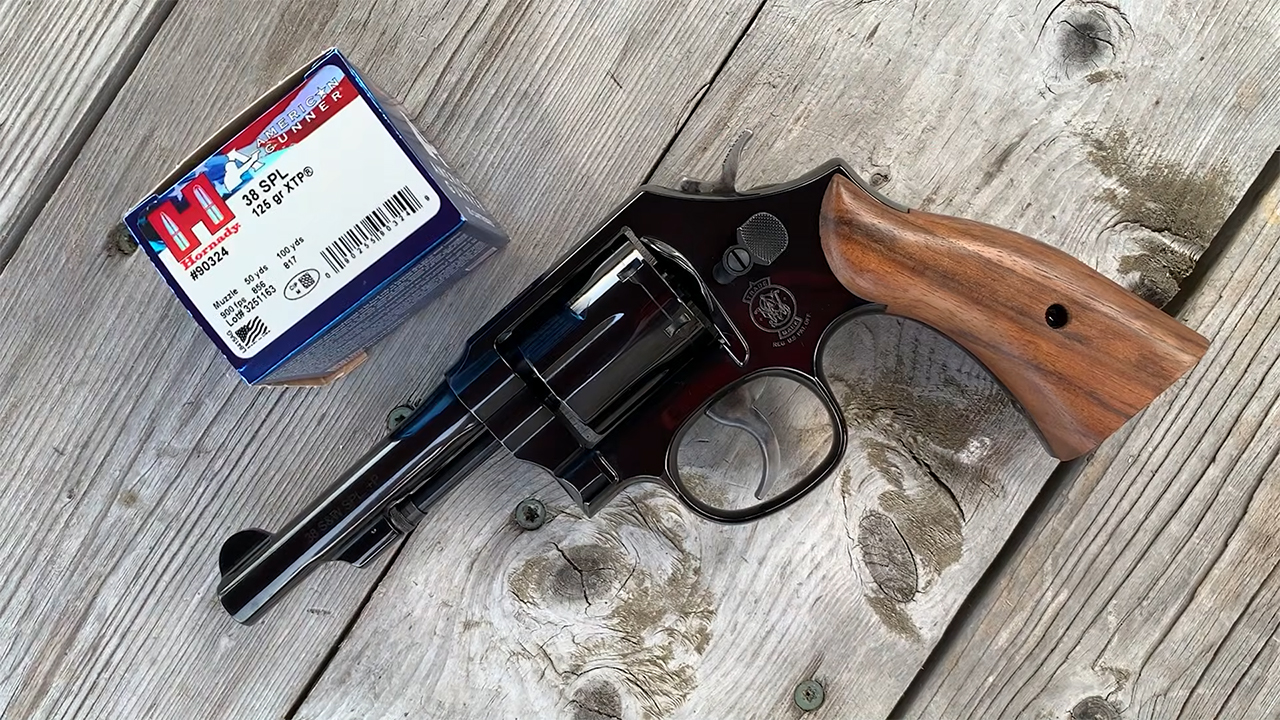
The Smith & Wesson Model 10 looked outdated the moment high-capacity semi-autos became the serious defensive standard. A fixed-sight .38 Special revolver with six rounds doesn’t look impressive now. It has no optic cut, no rail, no magnum chambering, and no modern capacity advantage.
Then shooters remembered how useful it is for fundamentals. The Model 10 is comfortable, accurate, and excellent for learning double-action trigger control. It teaches a clean press and steady sight picture without punishing recoil. It may not be the first choice for modern carry, but as a range gun, training revolver, or classic home-defense option, it still has value. Shooters wanted it back because simple guns can still teach hard lessons well.
Winchester Model 70 Classic

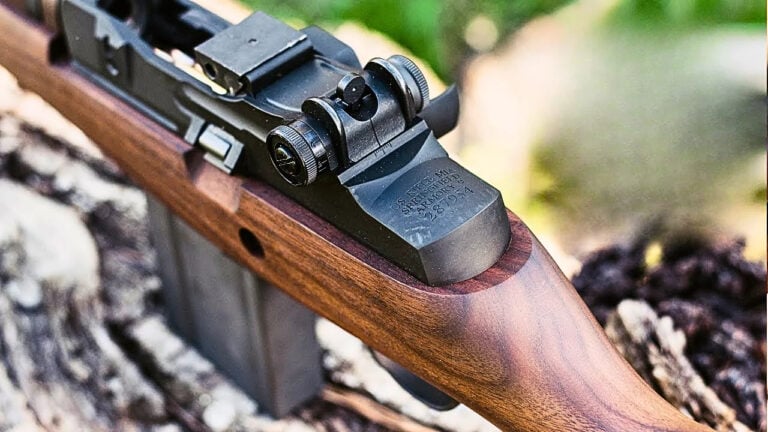
The Winchester Model 70 Classic looked outdated when hunters started chasing cheaper, lighter, more modular rifles. Controlled-round feed, walnut stocks, blued steel, and traditional safeties don’t always sound exciting in a market filled with adjustable stocks, carbon barrels, and threaded muzzles.
Then the old strengths started looking good again. The Model 70’s three-position safety, controlled-round-feed action, and classic handling inspire confidence in the field. It may not be the lightest or cheapest rifle, but it feels like a hunting rifle built around reliability and safe handling. Clean Classic models, especially in desirable chamberings, are more appreciated now. Shooters wanted them back because old-school rifle confidence still matters.
Walther PPK
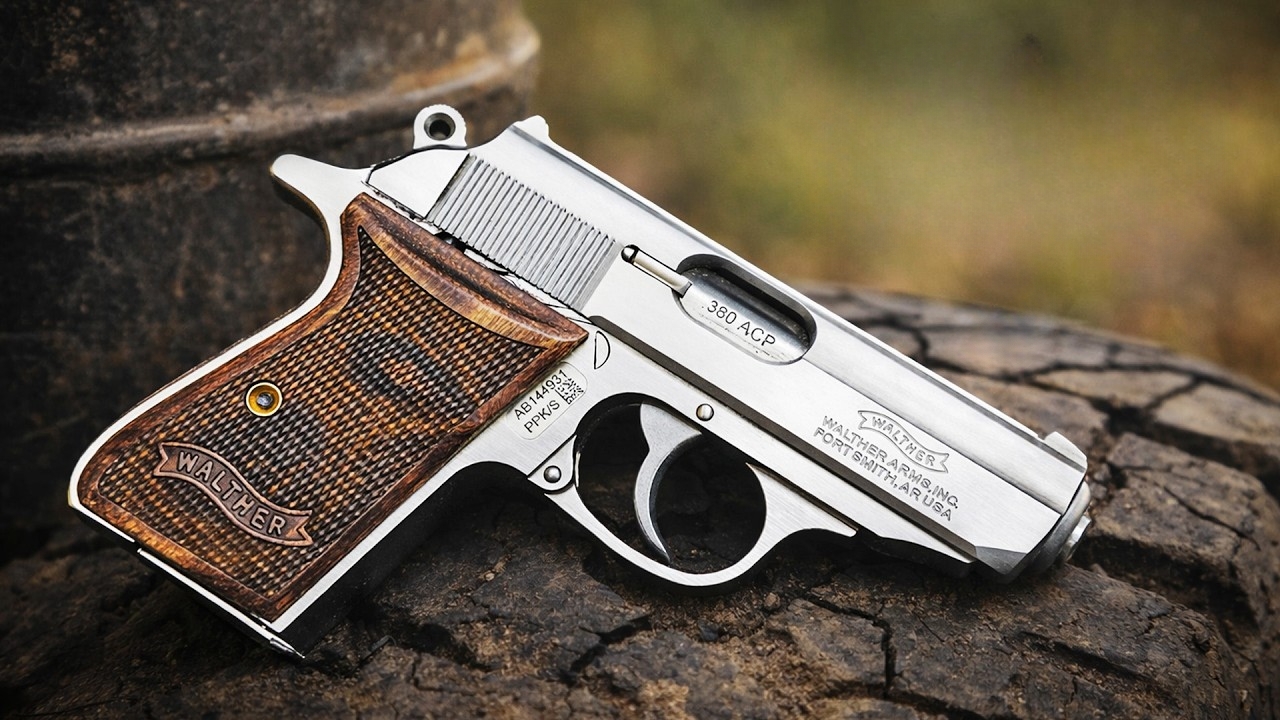
The Walther PPK looked outdated as soon as smaller, lighter pocket pistols and compact 9mms became common. It’s heavier than many modern .380s, lower-capacity than newer carry guns, and can be sharp to shoot depending on the shooter. It’s not the most efficient defensive choice.
But efficiency is not the only reason people want a handgun. The PPK has classic styling, metal-frame confidence, and a fixed-barrel design that can shoot surprisingly well. It feels like a real pistol in a compact package, not a featherweight compromise. It requires reliability testing and is not ideal for everyone, but shooters wanted it back because some pistols have a presence that modern plastic pocket guns don’t replace.
Ruger No. 1
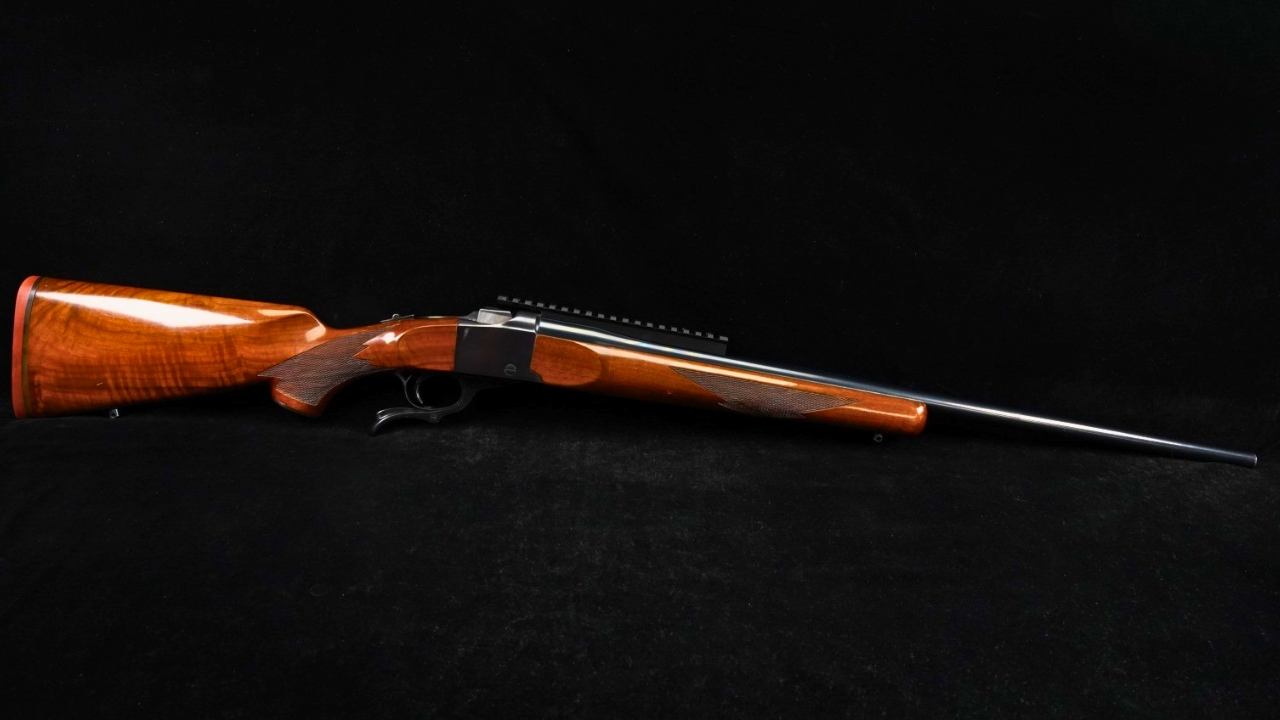
The Ruger No. 1 looked outdated because it is a single-shot rifle in a world that loves capacity, speed, and modularity. A bolt-action seems more practical for most hunting, and an AR-style rifle offers far more firepower. It’s easy to call the No. 1 old-fashioned.
That old-fashioned nature became the whole appeal. The falling-block action is strong, the rifle is compact for its barrel length, and the design has been chambered in a wide range of interesting cartridges. It asks the shooter to slow down and make the first shot count. Not every hunt suits that, but many hunters enjoy the deliberate feel. Shooters wanted it back because not every rifle needs to be optimized for speed.
SIG Sauer P228
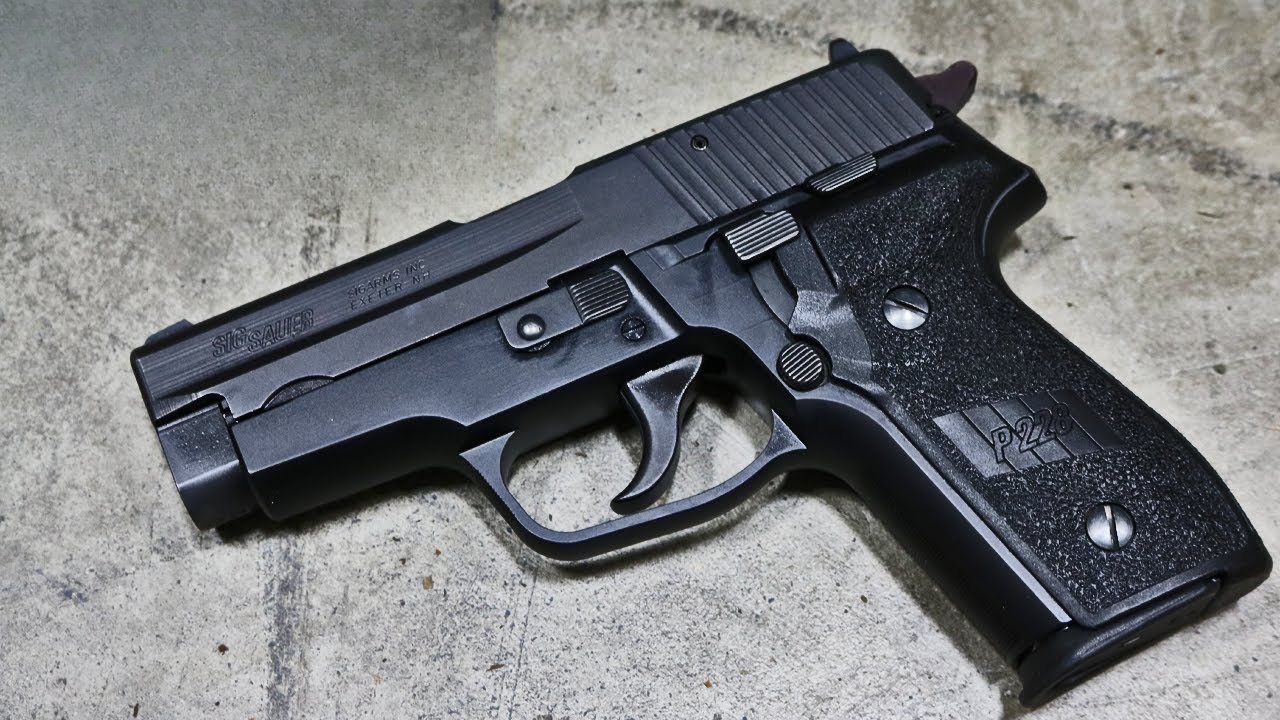
The SIG Sauer P228 looked outdated once lightweight polymer compacts took over. It’s an alloy-frame DA/SA 9mm without modern optics support, and newer pistols beat it on weight, accessory options, and often capacity. On paper, it seems easy to replace.
In the hand, it is much harder to dismiss. The P228 has classic SIG balance in a compact package. It shoots with a steady, settled feel that many lighter pistols don’t match. It requires practice with the DA/SA trigger, but it rewards that practice with confidence. Clean examples are not as common as they once were, and shooters started noticing. They wanted it back because newer pistols may be easier to carry, but not always nicer to shoot.
Browning Auto-5
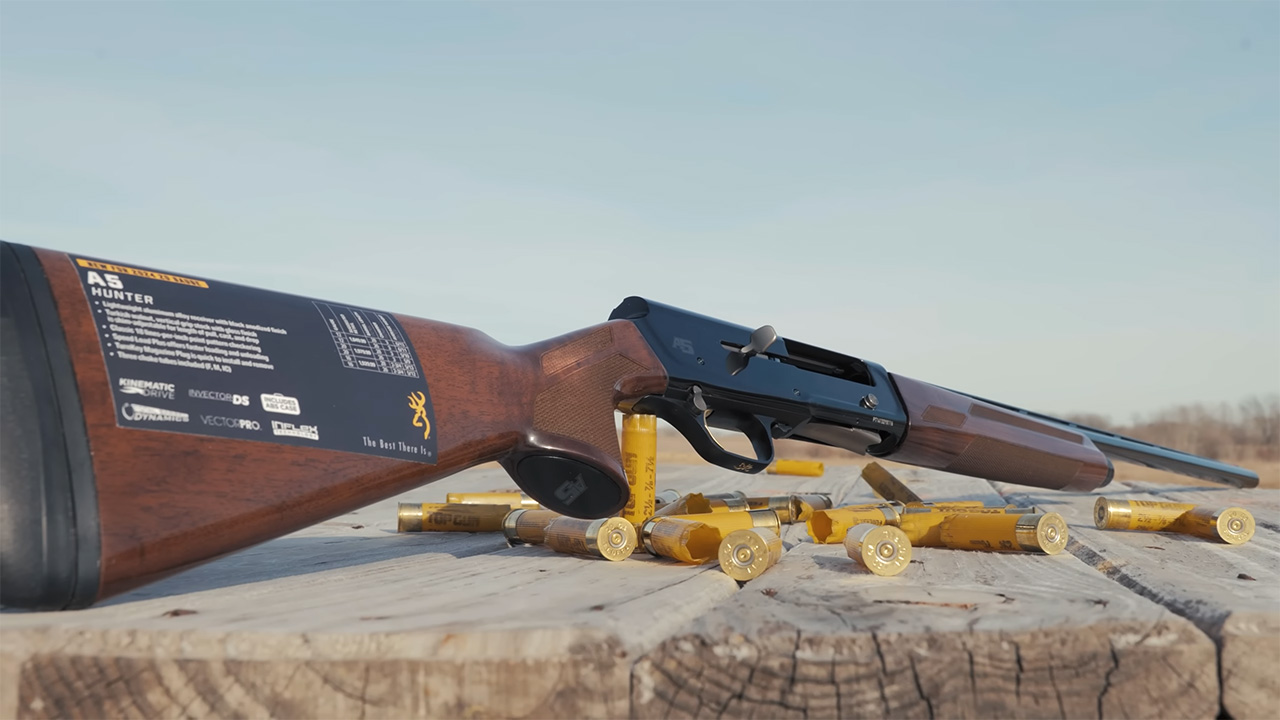
The Browning Auto-5 looked outdated when modern gas and inertia shotguns became lighter, simpler, and easier to tune for different loads. The Auto-5’s long-recoil action, friction ring setup, and old humpback profile made it seem like a shotgun from another time.
That other time had some good ideas. The Auto-5 has character, history, and a sighting plane that many shooters still love. It requires proper setup and maintenance, so it isn’t as forgiving as some modern semi-autos. But a clean, well-functioning Auto-5 still feels special in the field. Shooters wanted it back because modern convenience did not erase the charm of a shotgun that had already proven itself for generations.
CZ 75B
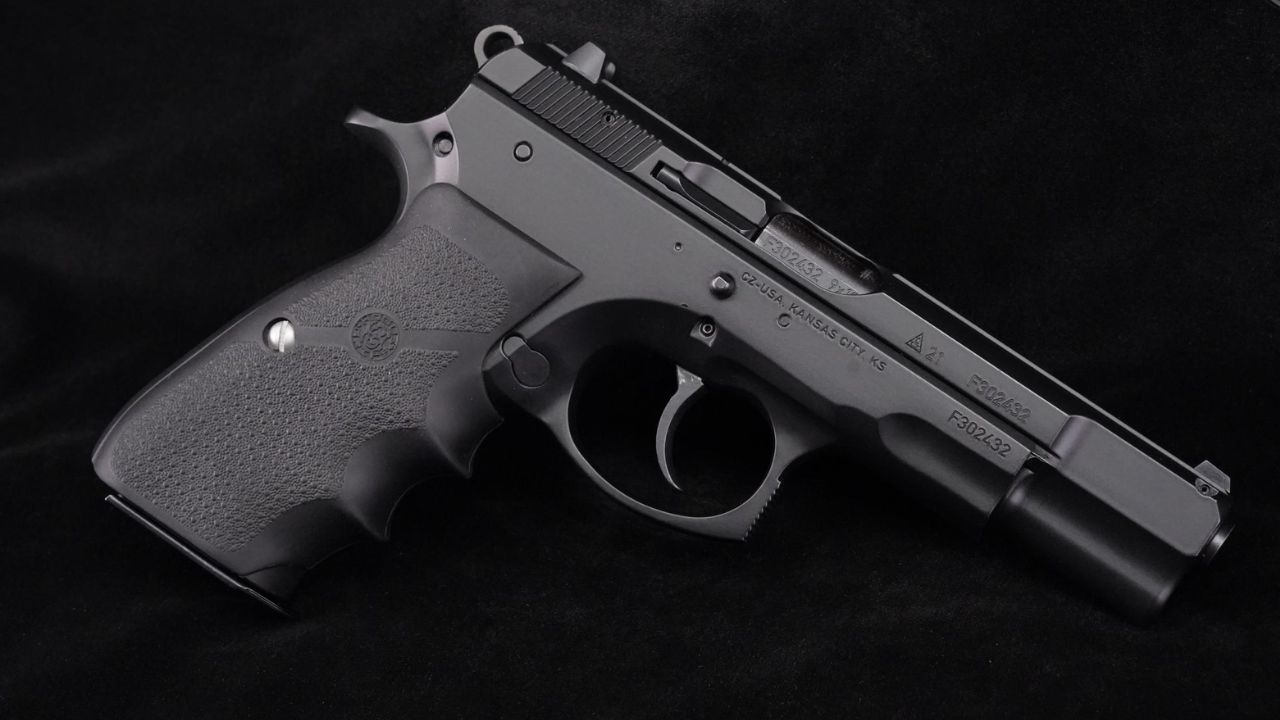
The CZ 75B looked outdated as polymer striker-fired pistols took over. It’s steel-framed, DA/SA, heavy, and not built around current optics trends. Plenty of modern pistols are lighter, simpler, and easier to carry. That makes the CZ look old on paper.
Then people shoot it and remember why it stayed popular. The grip shape is excellent, the weight tames recoil, and the pistol points naturally for many shooters. It is not the easiest carry pistol, but for range work, home defense, and classic service-pistol enjoyment, it still shines. Shooters wanted it back because the market moved toward lighter guns, but lighter didn’t always mean easier to shoot well.
Marlin 39A
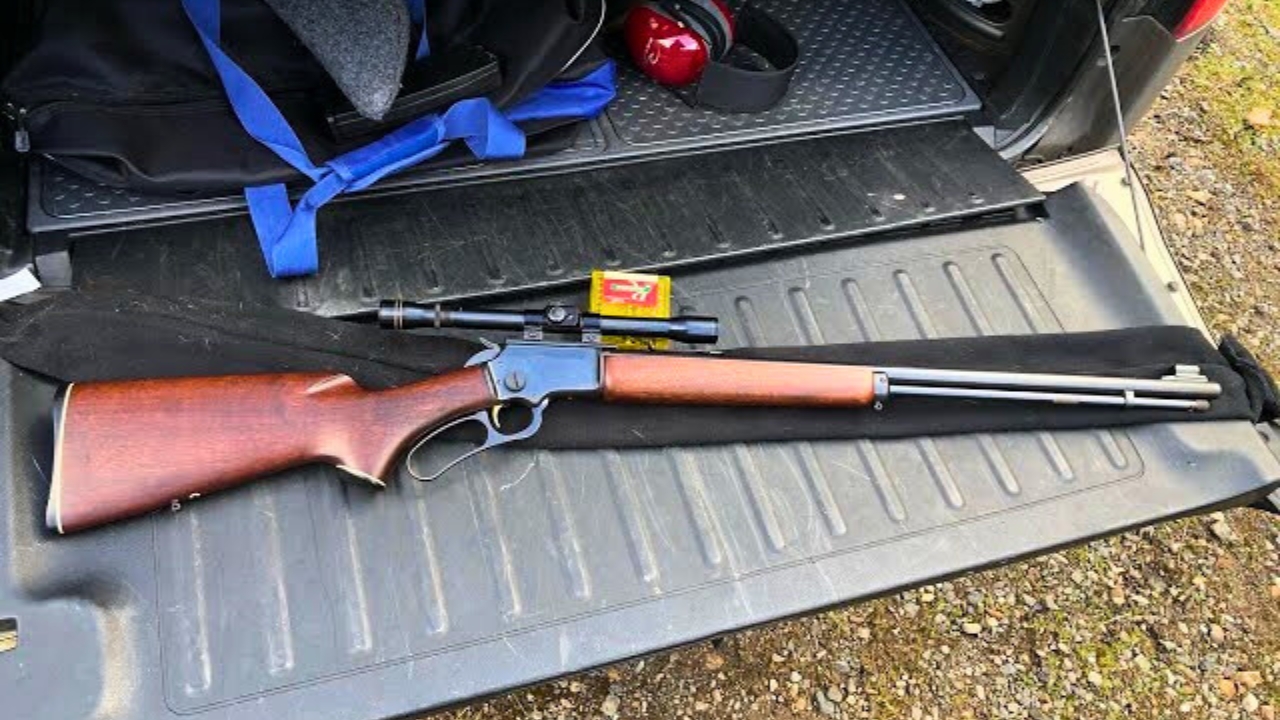
The Marlin 39A looked outdated because lever-action rimfires don’t seem modern in any way. Cheaper semi-auto .22s, precision rimfire trainers, and tactical-style rimfires all offer features the 39A never tried to chase. To some buyers, it looked like an old squirrel rifle.
Then they picked one up. The 39A has walnut, steel, takedown construction, smooth lever-action handling, and real rifle feel. It works for small game, plinking, and teaching new shooters, but it also feels like something worth keeping for life. Clean examples became more desirable because shooters realized a great rimfire doesn’t need to look modern. It needs to make people want to shoot it, and the 39A still does.
Like The Avid Outdoorsman’s content? Subscribe to our newsletter so you never miss an article.
Here’s more from us: