Photo credit: Savage Arms
When you shoot an animal, the goal is always a clean kill and as much usable meat as possible. Some cartridges don’t make that easy. High velocity, explosive bullets, and excessive energy transfer can turn a good shot into a messy situation. Instead of neat wound channels, you’re left with bloodshot shoulders, destroyed ribs, and wasted backstrap. Hunters who’ve been at it long enough know that not every caliber is as “meat-friendly” as it’s advertised.
Choosing the wrong round for the job doesn’t just mean you lose meat—it also means you’re working harder during field dressing to salvage what’s left. Many of these calibers have their place, but in the wrong context, they do more harm than good. If you’ve ever opened up a deer or hog and realized half of it was ruined, chances are you were using one of these. These are the calibers that destroy more than they save.
.243 Winchester with light bullets

The .243 Winchester is often recommended for youth hunters, but with light, fast bullets it can wreak havoc on game meat. Those 55–75 grain projectiles scream out of the muzzle at blistering speeds, and when they hit soft tissue, they tend to fragment violently. A shoulder shot with this setup can leave little salvageable meat.
With proper bullet selection, the .243 is excellent on deer and antelope. But too many factory loads are designed for varmints rather than medium game. Hunters who don’t match their ammo to the job often end up disappointed when they find shredded front quarters. If you’re going to use a .243 on deer, you’re better off with controlled-expansion bullets in the 90–100 grain range. That way, you get penetration and less wasted meat. The cartridge itself isn’t the problem—it’s how fast, fragile bullets behave when pushed at extreme speeds.
.22-250 Remington

The .22-250 is a predator and varmint round that can easily ruin meat when pointed at deer-sized game. Its claim to fame is extreme velocity, often pushing light bullets at over 3,800 feet per second. On coyotes or smaller game, that explosive energy is an advantage. On deer, it’s a recipe for wasted shoulder and rib meat.
Some hunters still use it for deer in states where it’s legal, but its performance is far from ideal. The wound channels are shallow, and much of the bullet’s energy is spent creating shock and destruction near the surface. That leaves you with bloodshot tissue rather than clean penetration. The .22-250 has its place—it’s perfect for varmints and predators—but when hunters push it onto larger animals, the result is usually more damage than meat. If your goal is a freezer full of venison, this caliber will frustrate you more than it will satisfy.
.300 Winchester Magnum at close range

The .300 Win Mag is a powerhouse built for open-country hunting and long shots. Used properly, it anchors elk and moose with authority. But when you fire it at deer inside 100 yards, the results can be devastating. The velocity combined with heavy bullets creates massive shock that bloodshots meat well beyond the wound channel.
Hunters who use the .300 Win Mag for whitetail often report ruined shoulders, blown-out ribs, and excessive damage even on lung shots. It’s not that the caliber can’t kill deer effectively—it’s that it kills them with too much energy at close distances. The magnum recoil, muzzle blast, and meat loss often outweigh the benefits. If you’re hunting open country for elk, the .300 Win Mag shines. But for closer deer hunts, it’s one of the worst choices if you want to preserve meat. Choosing the right tool for the distance makes all the difference.
.270 Winchester with light loads
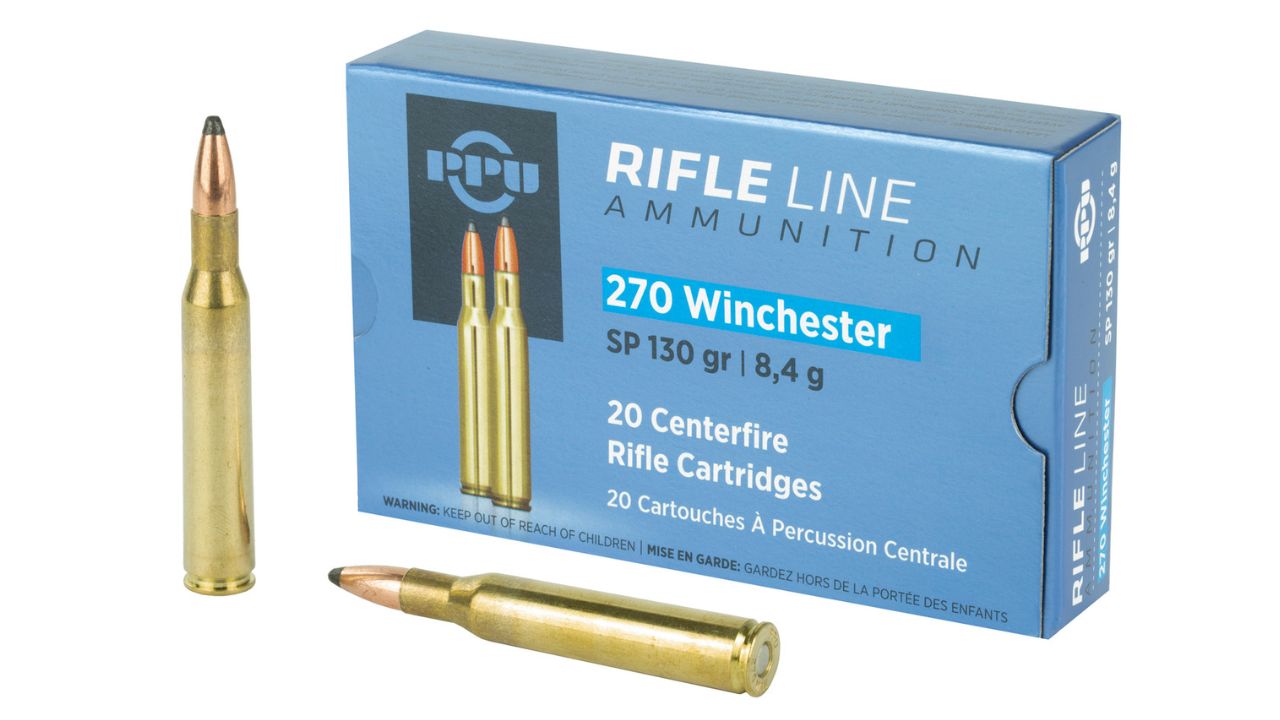
The .270 Winchester is a classic, but like the .243, it suffers when paired with light, fast bullets. Projectiles in the 100–110 grain range, moving at over 3,100 feet per second, tend to blow apart on impact. That creates wide, shallow wound channels and heavy bloodshot tissue in the surrounding area.
On paper, it looks like you’re getting flat trajectories and quick kills. In the field, you’re losing valuable meat. The .270 is at its best with 130–150 grain controlled-expansion bullets, which provide better penetration and less fragmentation. When used properly, it’s one of the most effective deer cartridges ever made. But hunters who push light, high-velocity rounds often regret the meat damage they find afterward. If you’re going to carry a .270, stick to the bullets that made it famous—not the fragile ones that waste more meat than they save.
6.5 Creedmoor with varmint-style bullets

The 6.5 Creedmoor has become hugely popular, and while it’s highly accurate, it can be a meat-waster with the wrong bullets. Many factory loads use thin-jacketed match or varmint bullets that were never designed for hunting. When those bullets hit deer-sized game, they fragment violently, ruining shoulders and ribs in the process.
Hunters who use the Creedmoor successfully stick to bonded or monolithic bullets that expand in a controlled manner. With proper ammo, it’s clean and efficient. But too many shooters rely on target bullets or light-fragmenting loads, thinking they’ll perform the same way on animals. The result is usually wasted meat and shallow penetration. The 6.5 Creedmoor isn’t inherently bad for hunting—far from it—but using the wrong bullet in it has given it a reputation for blowing up deer rather than cleanly harvesting them. If you want to save meat, ammo choice is everything with this caliber.
.223 Remington with lightweight ammo

The .223 Remington is widely used for varmints, predators, and even deer in some areas. But with light, fast-expanding bullets, it can do more harm than good. A 55-grain varmint bullet hitting at high speed tends to fragment immediately, leaving behind ruined shoulders and bloodshot ribs rather than clean wound channels.
Hunters who use the .223 effectively on deer rely on heavy-for-caliber bullets, often in the 62–77 grain range, designed for penetration. Those rounds do a much better job of creating controlled expansion and preserving meat. Unfortunately, many shooters grab common .223 ammo designed for coyotes or prairie dogs, then carry it into deer season. The results are messy and disappointing. The .223 has its place in the hunting world, but unless you’re running the right load, you’re likely to waste meat rather than save it. It’s one of those cartridges where bullet selection makes all the difference.
.30-06 Springfield with high-velocity loads
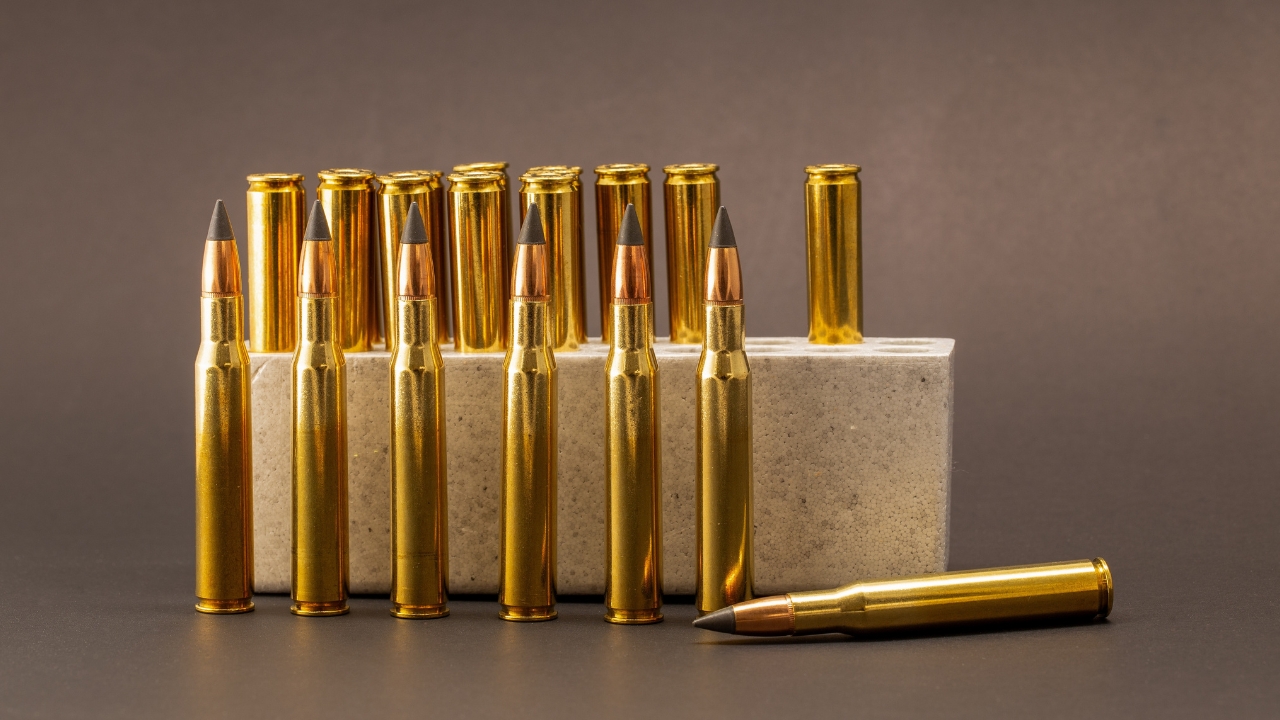
The .30-06 has harvested more game than almost any other cartridge, but when loaded hot with light bullets, it can create serious meat loss. Factory loads with 150-grain bullets pushed to high speeds often fragment and cause widespread tissue damage at close to medium ranges. Hunters find themselves trimming away bloodshot meat well beyond the wound channel.
The .30-06 performs best when paired with heavier, controlled-expansion bullets in the 165–180 grain range. Those loads penetrate deeply, expand reliably, and minimize collateral damage. At its core, the .30-06 is one of the most versatile cartridges available, but when it’s loaded for speed rather than balance, it wastes more than it saves. If you stick with proper hunting bullets, you’ll preserve meat while still getting the performance the .30-06 is known for. But push it too fast with fragile bullets, and it becomes one of the biggest offenders for ruining venison.
7mm Remington Magnum

The 7mm Rem Mag is beloved for its flat trajectory and long-range power, but inside 150 yards, it can be brutal on game meat. Its high velocity combined with modern expanding bullets creates tremendous shock, often leaving shoulders and ribs bloodshot far beyond the actual wound channel. Hunters who take close shots with this caliber often regret the amount of meat lost.
That doesn’t mean the 7mm Rem Mag isn’t effective—it’s one of the best all-around big-game cartridges ever designed. But it’s a poor choice if you’re hunting in tight woods where shots are close. Its real advantage shows up in open country, where the velocity has dropped enough to provide cleaner expansion without so much collateral damage. If you use this cartridge, it pays to match bullet type to your hunting style. Otherwise, you’ll find yourself throwing away more meat than you carry out.
.220 Swift
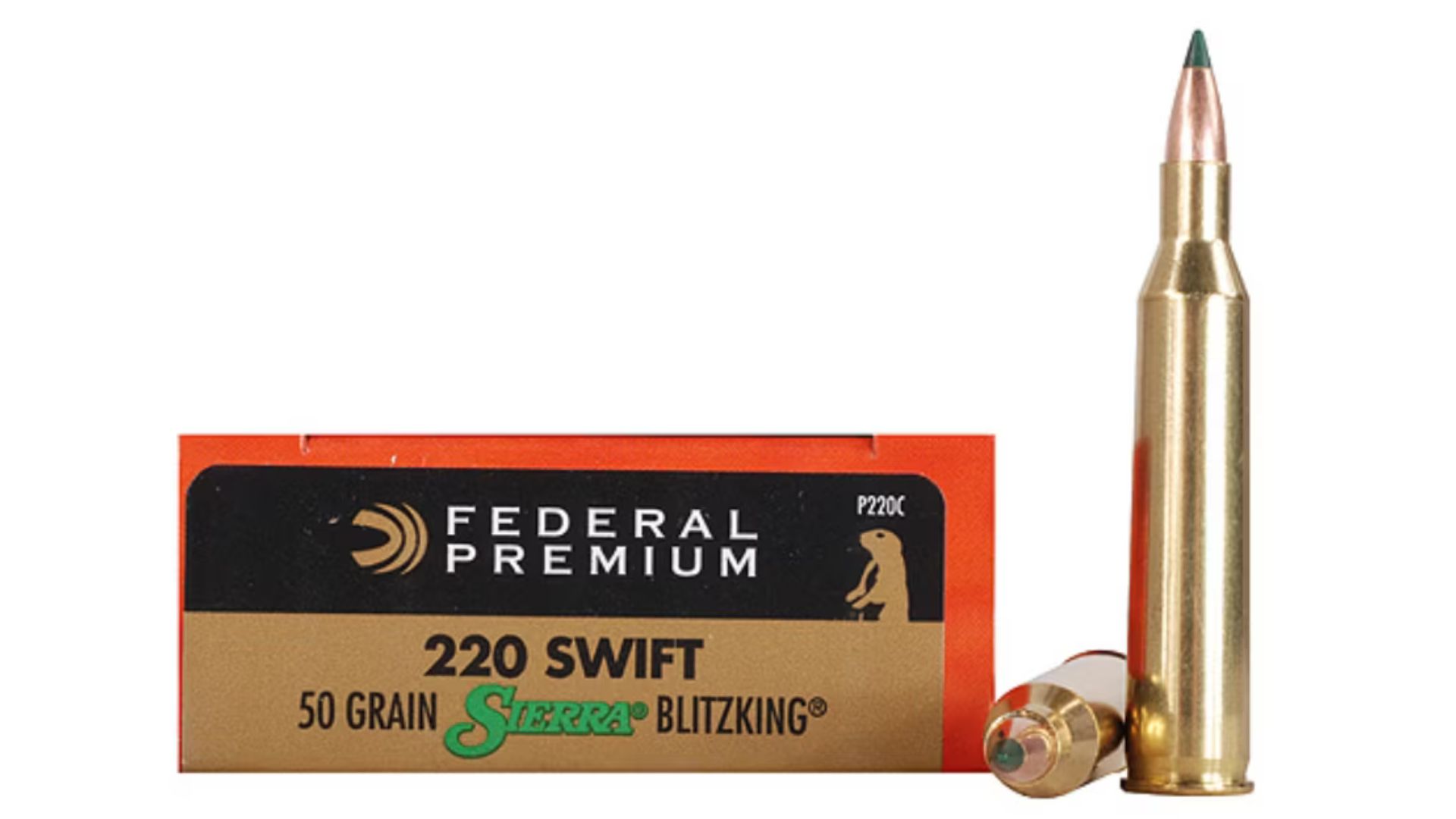
The .220 Swift was revolutionary when it broke the 4,000 feet-per-second barrier, but that velocity comes at a cost. Designed for varmints and predators, it delivers explosive terminal performance that’s devastating on small game. On deer-sized animals, it tends to fragment violently, ruining shoulders and producing shallow wound channels.
While legal for deer in some areas, the .220 Swift is far from ideal. Its extreme speed destroys far more meat than it saves, making it one of the worst choices for hunters concerned with preservation. On coyotes, it’s brilliant, dropping them in their tracks. But on whitetail or similar animals, it creates more waste than clean harvest. The Swift’s reputation for accuracy and flat shooting is well-deserved, but when it comes to putting venison in the freezer, it’s one of the most destructive calibers you can carry.
.338 Winchester Magnum

The .338 Win Mag is a serious big-game round, designed for elk, moose, and bear. On those animals, it makes sense. But when hunters use it on deer or antelope, it’s overkill in the worst way. The heavy bullets and massive energy transfer create wound channels that destroy entire shoulders and ribs.
Hunters carrying this round into whitetail woods often end up wasting more meat than they save. It has the power to anchor anything in North America, but using it on deer is like swatting flies with a sledgehammer. For big, tough game, the .338 is outstanding. For medium-sized animals, it ruins far more meat than necessary. If you value venison, there are dozens of better choices. The .338 Win Mag deserves its reputation as a powerhouse—but it’s also one of the most wasteful rounds when used outside its intended role.
.45-70 Government with hot loads

The .45-70 is a classic, and with traditional loads, it performs beautifully on big game. But modern “hot” loads, especially in strong rifles, push it into overkill territory for deer-sized animals. Heavy bullets driven at higher speeds create massive wound channels that can obliterate front quarters.
For elk or bear, the .45-70 with hot loads makes sense. But hunters who carry it for whitetail often find themselves tossing more meat than they carry out. Standard-pressure loads are much better suited for medium game, offering deep penetration and clean kills without catastrophic damage. The .45-70 is one of the most versatile cartridges out there, but when loaded for maximum power, it becomes a meat waster. If you want to enjoy what this cartridge offers without losing venison, keep the loads traditional and save the hot rounds for the biggest animals.
.30-30 Winchester with hollow points

The .30-30 Winchester is one of the most trusted deer cartridges in history, but when paired with aggressive hollow points, it can ruin meat. Designed for rapid expansion at moderate speeds, these bullets often come apart in soft tissue, creating wide wound channels and excessive bloodshot shoulders.
With traditional soft points, the .30-30 performs as it should—reliable, effective, and easy on meat. But hunters who load it with hollow points often end up with far more destruction than they bargained for. The .30-30 doesn’t need extra help expanding—it already performs well at its velocity range. If your goal is to put venison in the freezer without wasting half the deer, stick to tried-and-true soft points. The hollow points make the .30-30 far more destructive than it was ever intended to be.
6.8 SPC
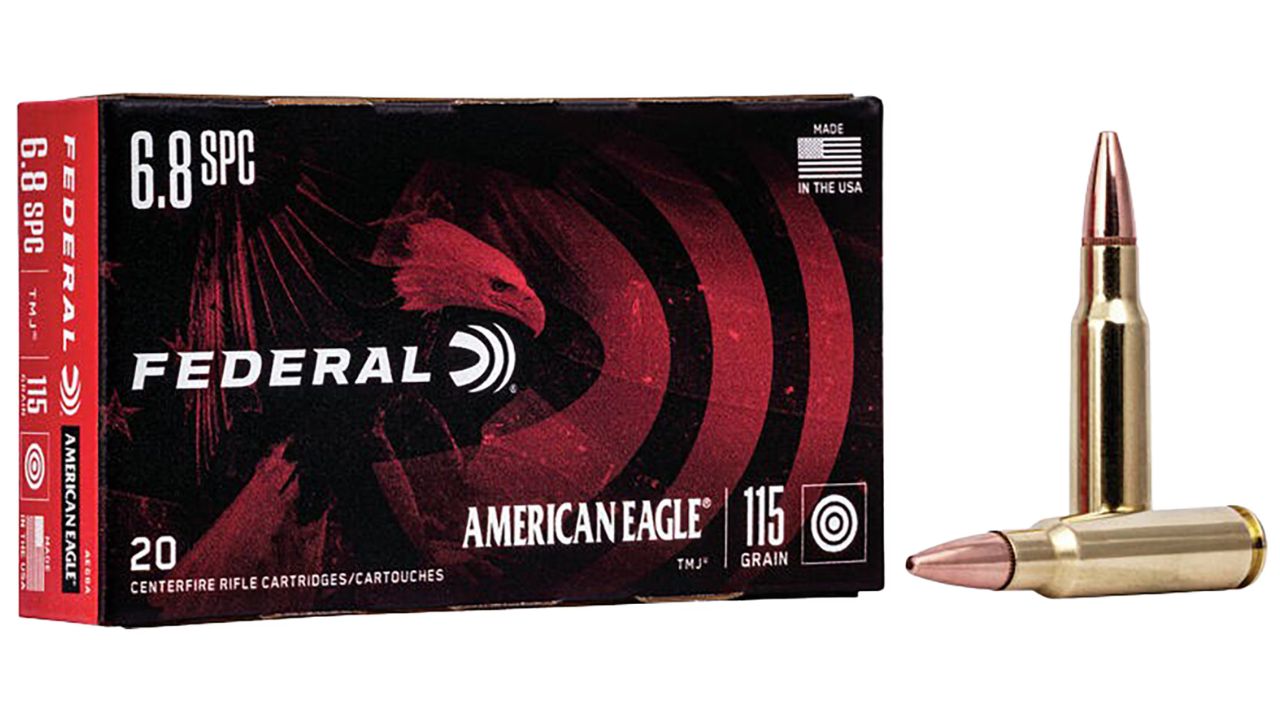
The 6.8 SPC was developed for better terminal performance than the 5.56, and on deer-sized game it’s effective. But some loads, especially with lighter bullets, expand so aggressively that they waste more meat than necessary. Hunters often report bloodshot shoulders and ribs when using fragile bullets at close ranges.
When paired with tougher bullets, the 6.8 SPC does a fine job on deer and hogs. But too many factory loads lean toward rapid expansion rather than controlled penetration. That design creates impressive terminal effects but leaves hunters trimming away valuable meat. The 6.8 SPC is a capable cartridge, but it shows how bullet choice can turn a round into a meat-waster. If you want clean kills without heavy loss, you need to be selective about the ammunition you run through it. Otherwise, you’ll find yourself throwing more into the scrap pile than the cooler.
7.62x39mm with soft-point loads

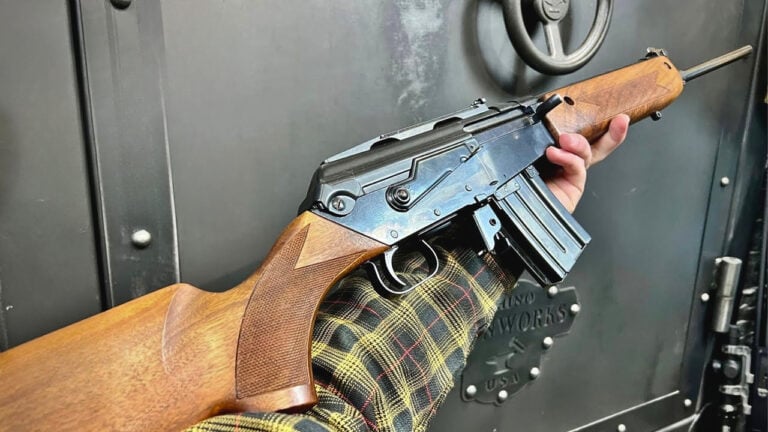
The 7.62x39mm, commonly associated with the AK-47 and SKS, is effective on deer and hogs at close range. But when loaded with certain soft-point bullets, it often causes excessive tissue damage. The bullet’s expansion at modest velocities can be unpredictable, sometimes fragmenting and creating wide wound channels that ruin shoulders and ribs.
While it’s not as fast as other calibers on this list, the design of the bullets is what makes the difference. Some expand too rapidly, leaving hunters with more wasted meat than they expected. The 7.62x39mm is perfectly capable of ethical kills when paired with the right load, but with the wrong one, it becomes a meat-destroyer. If you’re hunting with this caliber, bullet choice is critical. Otherwise, you’ll find yourself cutting away large sections of bloodshot tissue that didn’t need to be lost. It’s a round with potential, but it’s also one that can go wrong quickly.
*This article was developed with AI-powered tools and has been carefully reviewed by our editors.