Photo credit: Stoeger USA/Youtube
Every gun has a reputation, and most of the time it’s earned. But every once in a while, a firearm gets labeled “junk,” “obsolete,” or “not worth it,” and that label sticks even when the gun keeps doing real work in the deer woods, on the trap line, or behind a truck seat. I’ve watched plenty of good guns get traded off because a buddy on the range said something once, or because the internet decided it was uncool.
Here are 20 that tend to get underrated. Some are homely. Some are heavy. A few have real quirks you need to respect. Still, for the money, the usefulness, and the simple fact they keep running, they’re better than their reputation.
1. Ruger Mini-14

The Mini-14 has been the punchline for “inaccurate” for a long time, and early ones didn’t help themselves. Thin barrels and older sights could make a guy feel like he was chasing groups instead of shooting them.
But the newer Ranch models are a different deal, and even the older ones do fine for what most folks actually use them for: ranch carry, coyotes called in close, and general-purpose “grab it and go” work. They balance well, they’re handy, and they don’t scream for attention like some rifles do.
Magazine quality matters with Minis, and that’s part of the reputation problem. Run good mags, keep it reasonably clean, and it’s a solid tool.
2. Ruger American Rifle
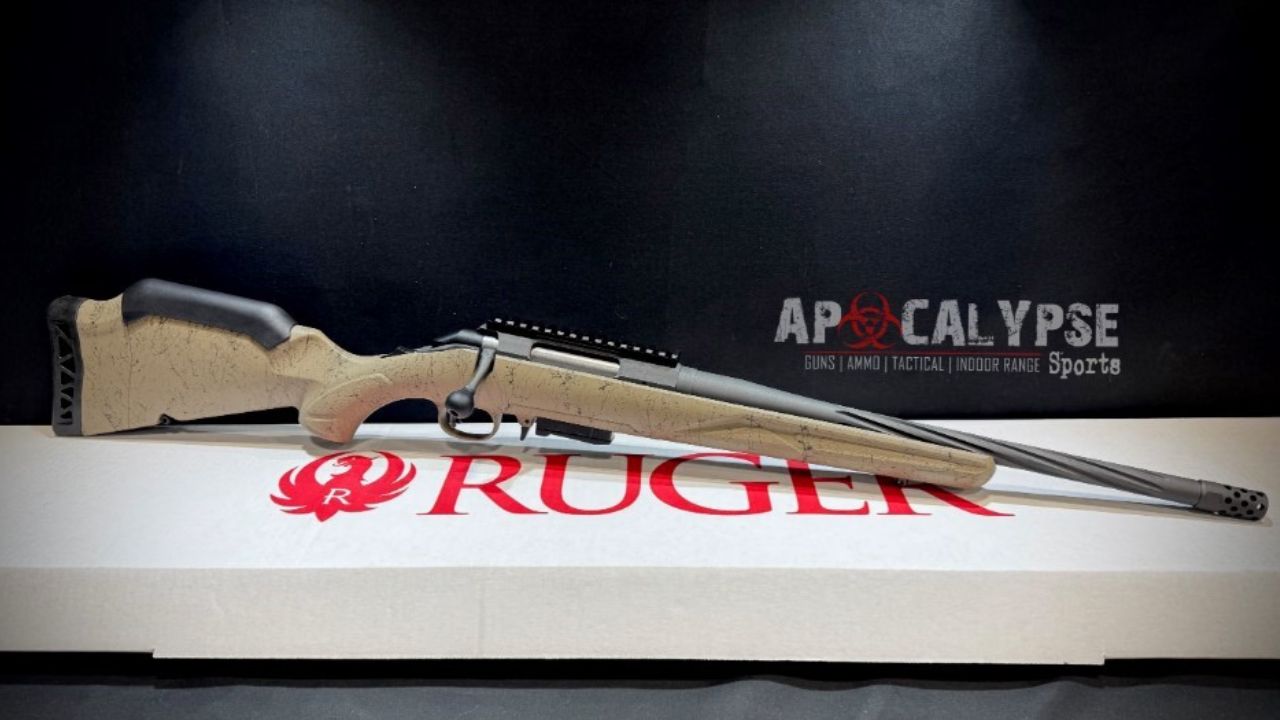
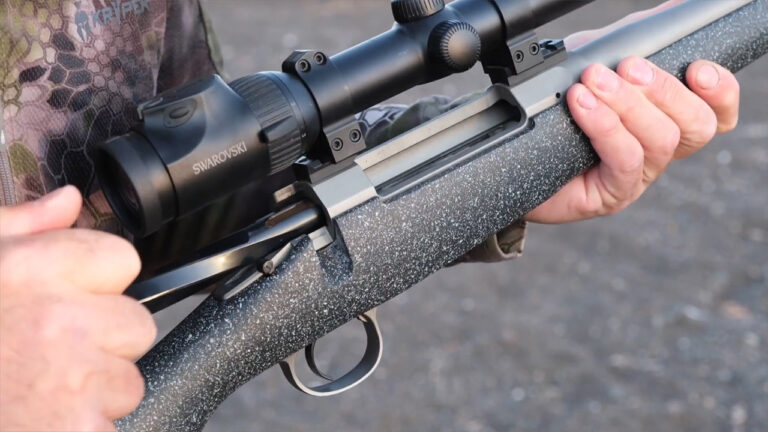
I get why some shooters look down their nose at the Ruger American. It’s light, it’s plastic where your granddad expected walnut, and the bolt feel can be a little “budget store” out of the box.
Then you go to the range and it stacks hunting-weight bullets into groups that make people with fancier rifles stare at their targets. It’s not a showpiece, but it’s a dead-serious working rifle that leaves money in your pocket for glass and ammo.
If you actually hunt more than you post, it’s hard to hate a rifle that shoots and carries like that.
3. Savage Axis

The Axis gets treated like the rifle you buy when you’re desperate or broke, and the stock flex doesn’t exactly inspire romance. The trigger on older ones could be rough, too.
Still, a lot of them flat-out shoot. They’re light enough to pack all day, they’re simple, and they don’t mind being knocked around in a side-by-side. For a beginner deer rifle, or a “leave it at camp” rifle, it’s better than the jokes.
It’s not fancy. And that’s kind of the point.
4. Mossberg Patriot
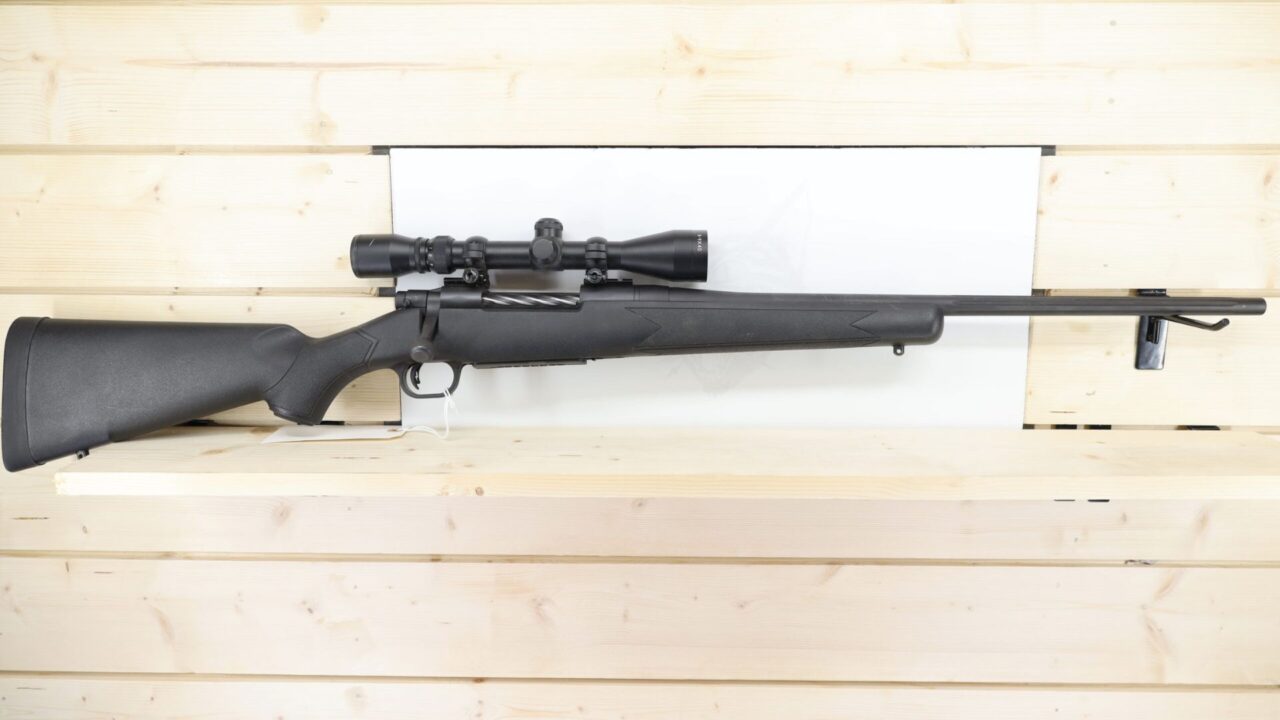
The Patriot gets compared to every other budget bolt gun, and it tends to lose the popularity contest. The fit and finish won’t make anyone write poetry, and some of the early chatter about feeding didn’t help.
But as a basic hunting rifle, the Patriot is usually plenty accurate, and it handles well in the woods. It’s also one of those rifles that just seems to show up everywhere—meaning parts, mags, and know-how aren’t hard to find.
If you find one that feeds your chosen ammo smoothly, it’ll put venison in the freezer for a long time.
5. Marlin Model 60
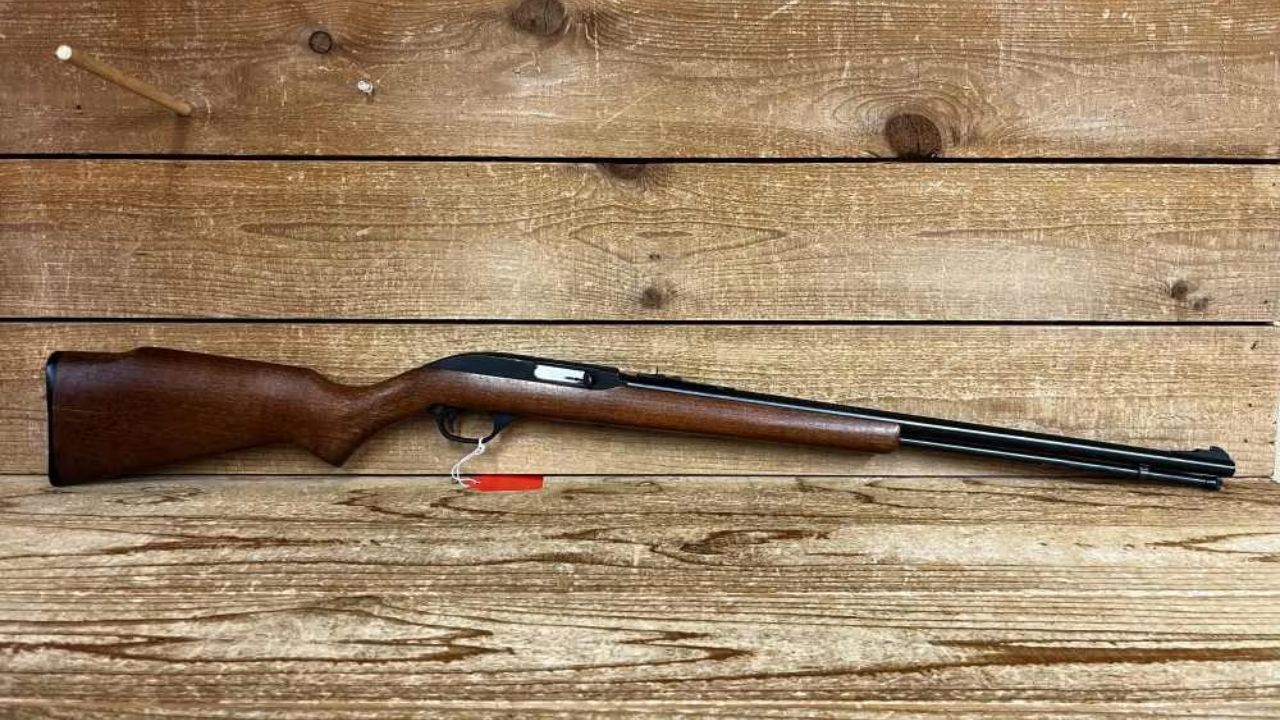
Tube-fed .22s get treated like relics, and the Model 60 sometimes gets dismissed as the “cheap” option next to pricier .22s. That’s mostly talk from folks who don’t shoot squirrels anymore.
A good Model 60 is accurate, mild, and surprisingly dependable if you don’t let it turn into a pocket-lint storage unit. For potting small game, teaching kids, or just keeping a woods gun by the door, it’s hard to beat.
There’s a reason so many of them are still out there, still running.
6. Remington 870 Express

The 870 name is legendary, but the Express models caught plenty of heat over rust, rough chambers, and spotty finishing from certain eras. Some of that criticism is fair.
Even so, an Express that’s been cleaned up and kept oiled is still an 870 at heart: simple, strong, and easy to keep alive. Parts are everywhere. Barrels are everywhere. Every gunsmith on earth knows what to do with one.
For a field shotgun you don’t baby, it’s still a real option, not a punchline.
7. Mossberg 500

Some folks treat the Mossberg 500 like it’s “second tier” because it isn’t the other famous pump gun. They complain about the rattle and the feel, like a hunting shotgun needs to feel like a bank vault door.
What it needs to do is work wet, cold, dirty, and half-forgotten in the back of the safe until two days before season. The 500 does that. The tang safety is also a big deal for left-handed shooters and for gloved hands in late season.
It’s a working man’s shotgun with a long track record, even if it isn’t glamorous.
8. Winchester SXP

The SXP gets called “cheap” because it’s priced that way, and because it isn’t trying to be a classic. But these pumps can run fast, and they point well for a lot of shooters.
I’ve seen them take plenty of birds and keep going. If you want a pump that cycles slick and doesn’t cost a month’s groceries, it deserves a longer look than it usually gets.
Just don’t expect it to feel like a hand-fitted old wing-shooter gun. It’s a tool.
9. Stoeger Coach Gun
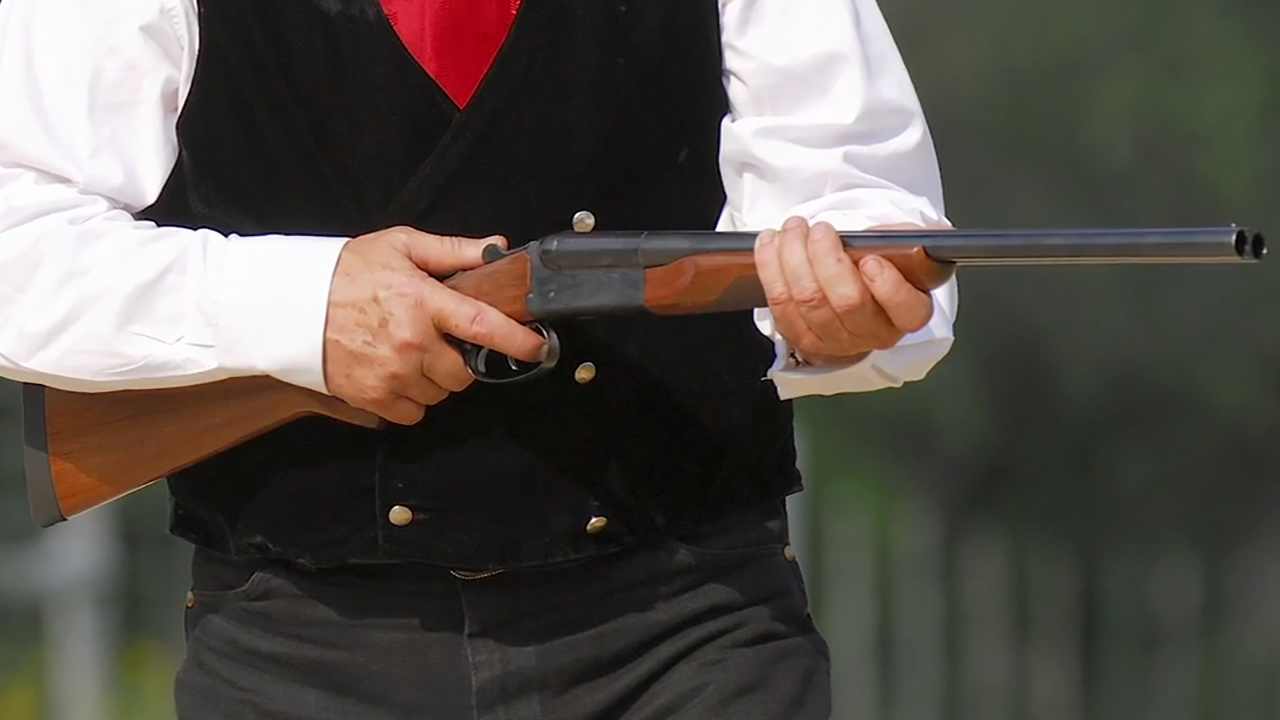
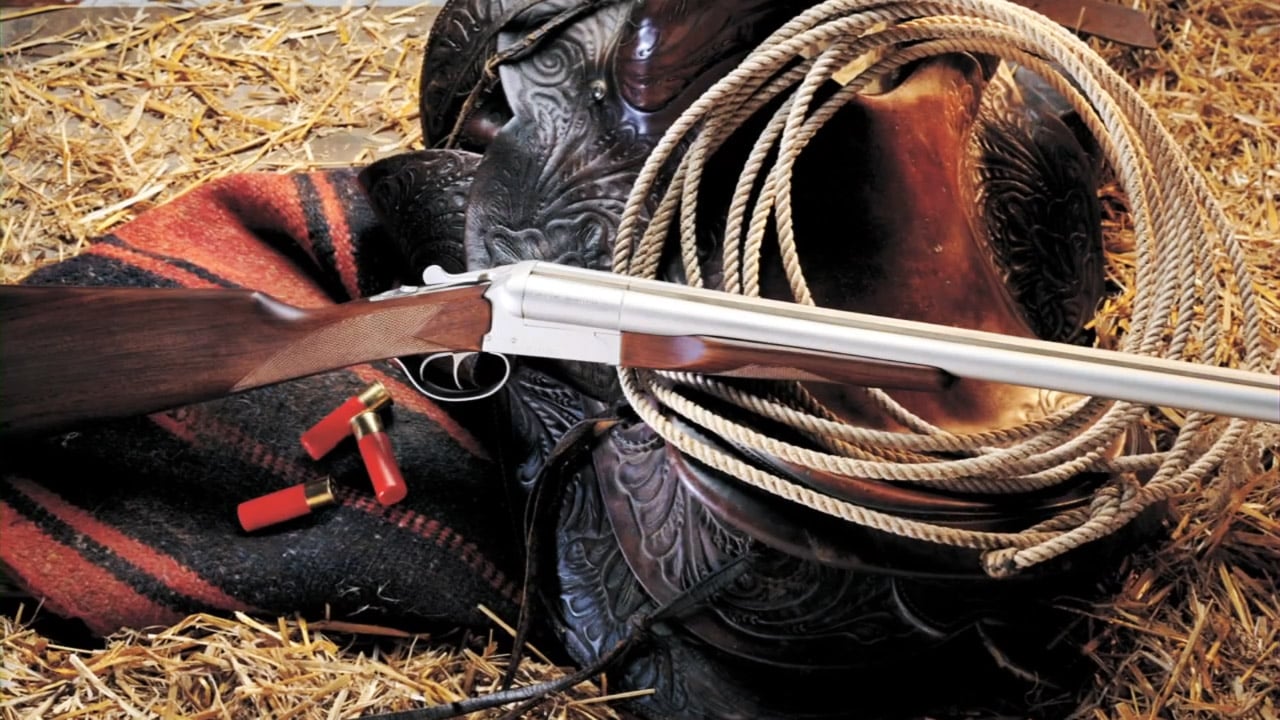
Side-by-sides in general get accused of being impractical, and the budget ones get it even worse. The Stoeger Coach Gun also gets tagged as a “cowboy toy.”
Then you carry one around a farm or into thick brush and realize why short doubles never died. It’s compact, it’s simple, and it’s hard to beat for quick handling in close quarters—snake duty, pests, or just a camp gun that everyone can understand.
No, it’s not a high-dollar upland gun. It’s a handy, honest scattergun.
10. Ruger Security-9
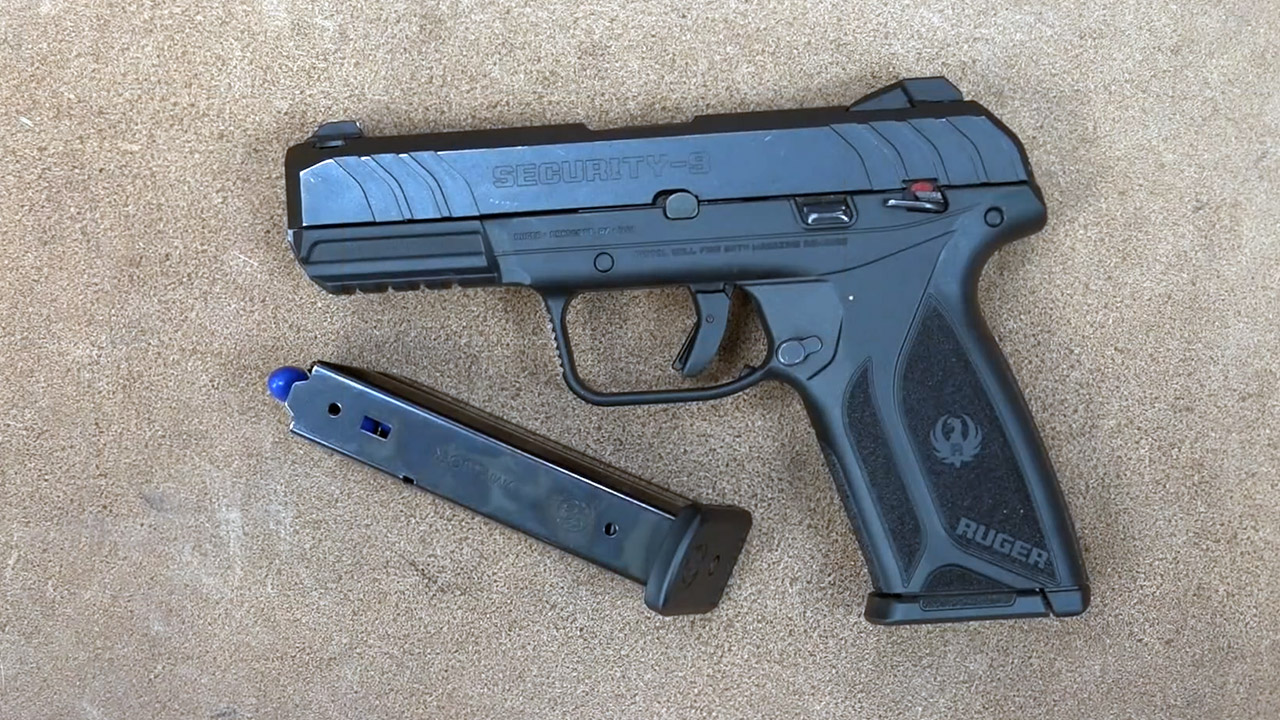
The Security-9 doesn’t get much respect because it isn’t the “cool” Ruger pistol and it isn’t the latest micro-compact trend. It’s also not trying to be a tank like some older duty pistols.
But for a lot of hands, it shoots comfortably, carries fine, and runs. The trigger is serviceable, the controls make sense, and it hits a sweet spot for someone who wants a reliable 9mm without paying for a name.
It’s not fancy, but it’s very usable—especially as a home gun or truck gun where simplicity matters.
11. Smith & Wesson SD9 VE

The SD9 VE gets knocked for its trigger, and that’s the main complaint. It’s not a target trigger, and nobody should pretend it is.
What it is: a tough, affordable pistol that tends to run and run. For a new shooter who needs something dependable for home defense and range practice, it can be a smart buy if you’re realistic about the feel.
Spend time learning the trigger instead of fighting it, and you’ll see why so many of them are still in circulation.
12. Glock 26

In the era of skinny micro 9s, the Glock 26 gets called “too thick” and “outdated.” I hear it all the time at gun counters.
But it’s still one of the easiest small pistols to shoot well, and it has a deep bench of magazine compatibility and parts support. It’s boring in the best way. It works, and it keeps working, even when neglected more than it should be.
If you can carry the thickness, it pays you back in controllability and durability.
13. Beretta APX
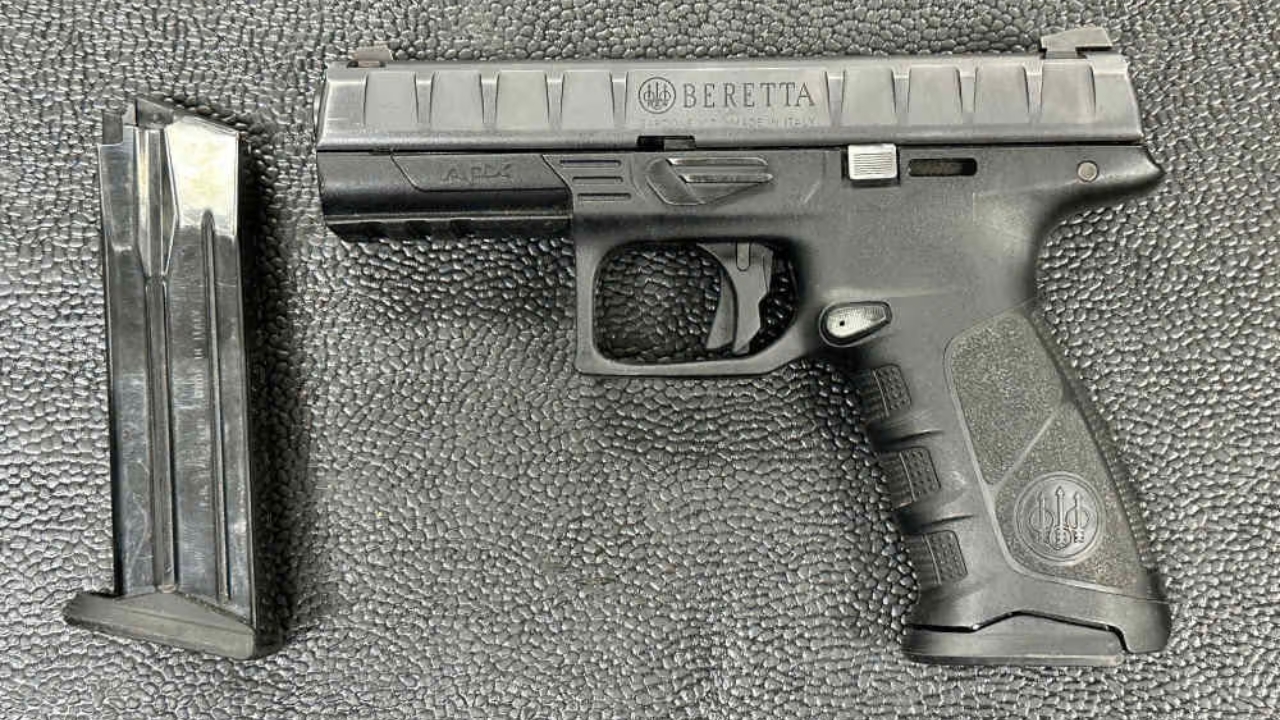
The APX got plenty of side-eye for the looks, and I’ll admit it’s not the prettiest pistol on the shelf. The styling turned people off before they ever pressed a trigger.
What’s funny is how often the folks who actually shoot one end up respecting it. The grip texture is solid, the slide is easy to grab, and reliability has been good in most real-world use I’ve seen.
Sometimes “ugly” is just another word for “built to be handled.”
14. Springfield XD (original series)
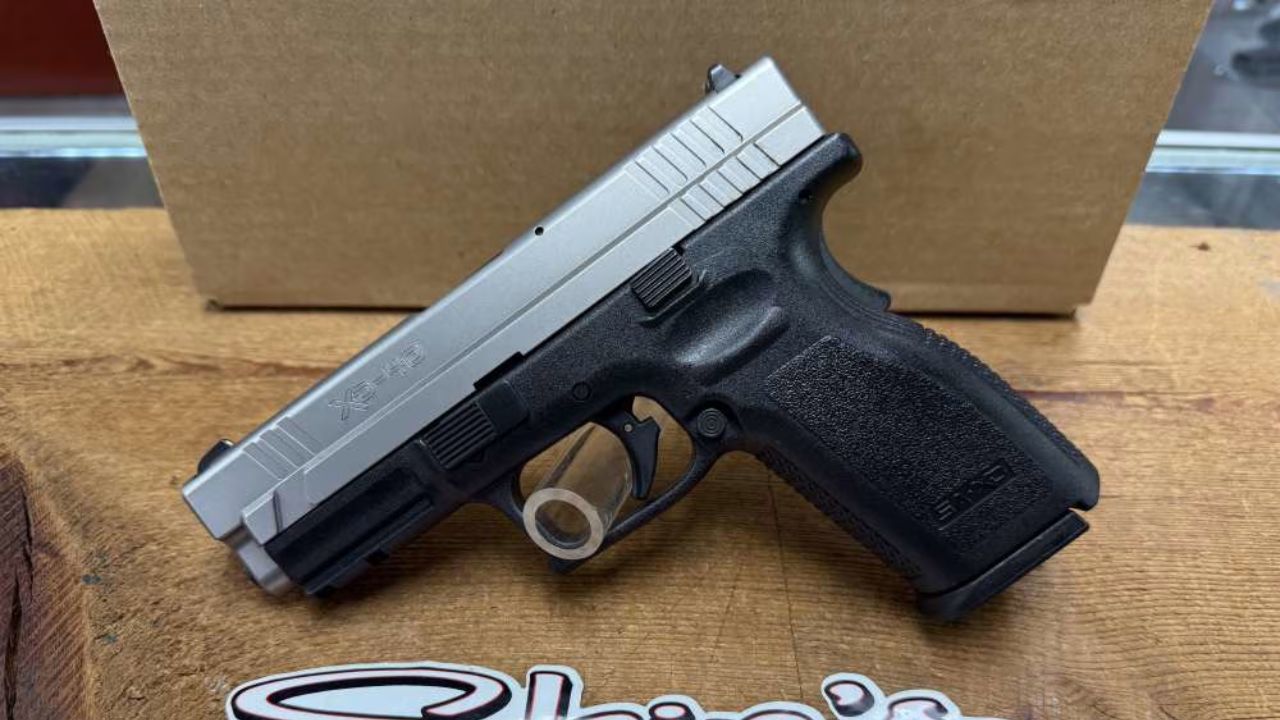
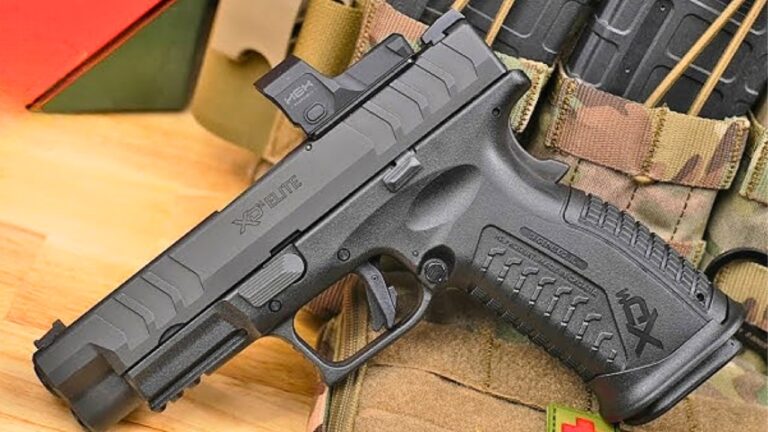
The XD line has caught a lot of online shade over the years, some of it deserved, some of it just bandwagon stuff. The grip safety gets mocked, and the pistols aren’t as trendy as they once were.
But many of these have lived hard lives as range rentals and still keep chugging. They point naturally for a lot of shooters, and the ergonomics help people who struggle with other striker guns.
I wouldn’t call them perfect, but I also wouldn’t be quick to toss one aside if it’s been reliable for you.
15. Taurus G2C / G3C
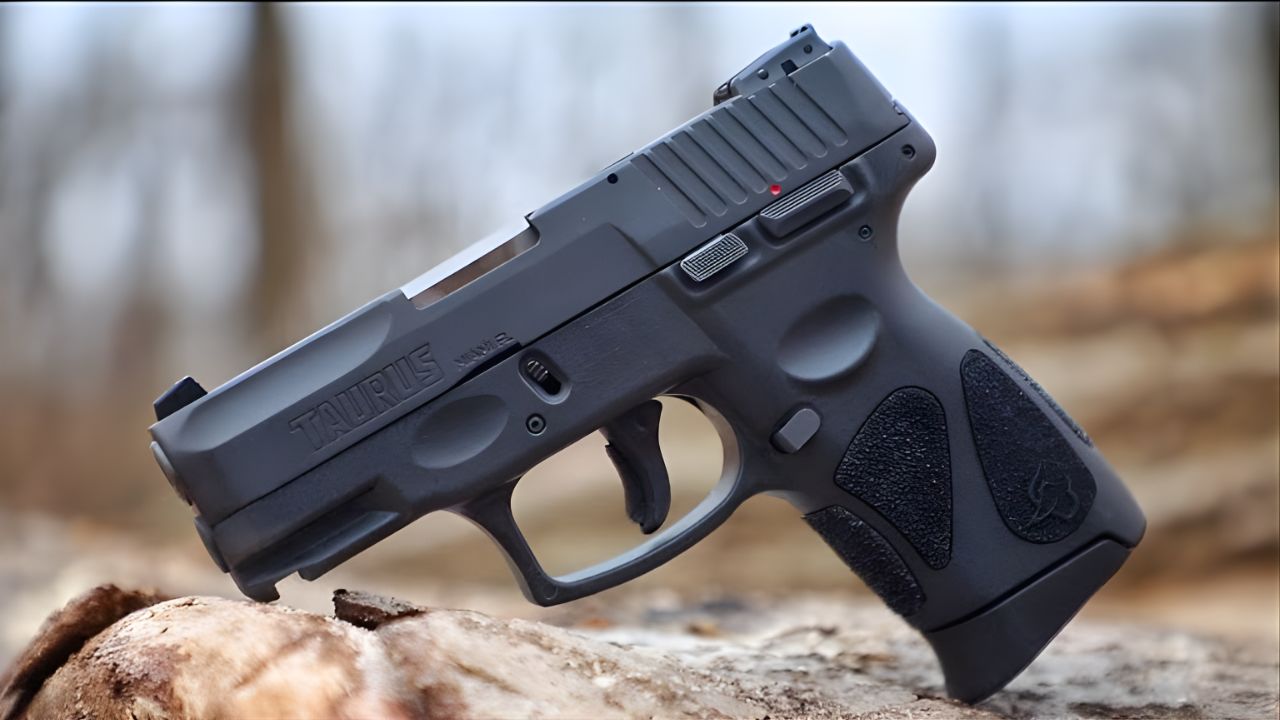
Taurus has earned skepticism over the decades, so I’m not going to pretend the brand doesn’t come with baggage. That said, the G2C and G3C changed a lot of minds because they offered real function at a price regular folks could swing.
When you get a good one, it’s a lot of pistol for the money: decent capacity, manageable recoil, and generally solid reliability with common ammo. The aftermarket isn’t as deep as the big names, but it exists.
Buy smart, test your carry ammo, and don’t treat any new gun like it’s proven until you’ve proven it.
16. Charter Arms Undercover .38

Charter revolvers get dismissed as “cheap snubs,” and compared to older Colts and Smiths, they can feel rough. The finish isn’t always pretty, and the trigger can vary.
But a light .38 revolver that actually gets carried is more valuable than a safe queen that never leaves the house. The Undercover has put in decades of quiet service as a simple, close-range defensive gun that doesn’t depend on magazine springs or slide velocity.
It’s not a collector’s piece. It’s a pocketable tool with a purpose.
17. Ruger LCP (original .380)

The little LCP gets knocked because it’s snappy, the sights are minimal, and it’s not fun to shoot for long. All true. It’s also the kind of gun that ends up in a pocket when a bigger pistol stays home.
There’s value in that. For quick trips, hot weather, or as a deep-concealment backup, the LCP filled a real need for years and still does. It’s not a range toy, it’s a “have it on you” gun.
Just be honest about its limits and practice enough to run it safely.
18. Hi-Point C9
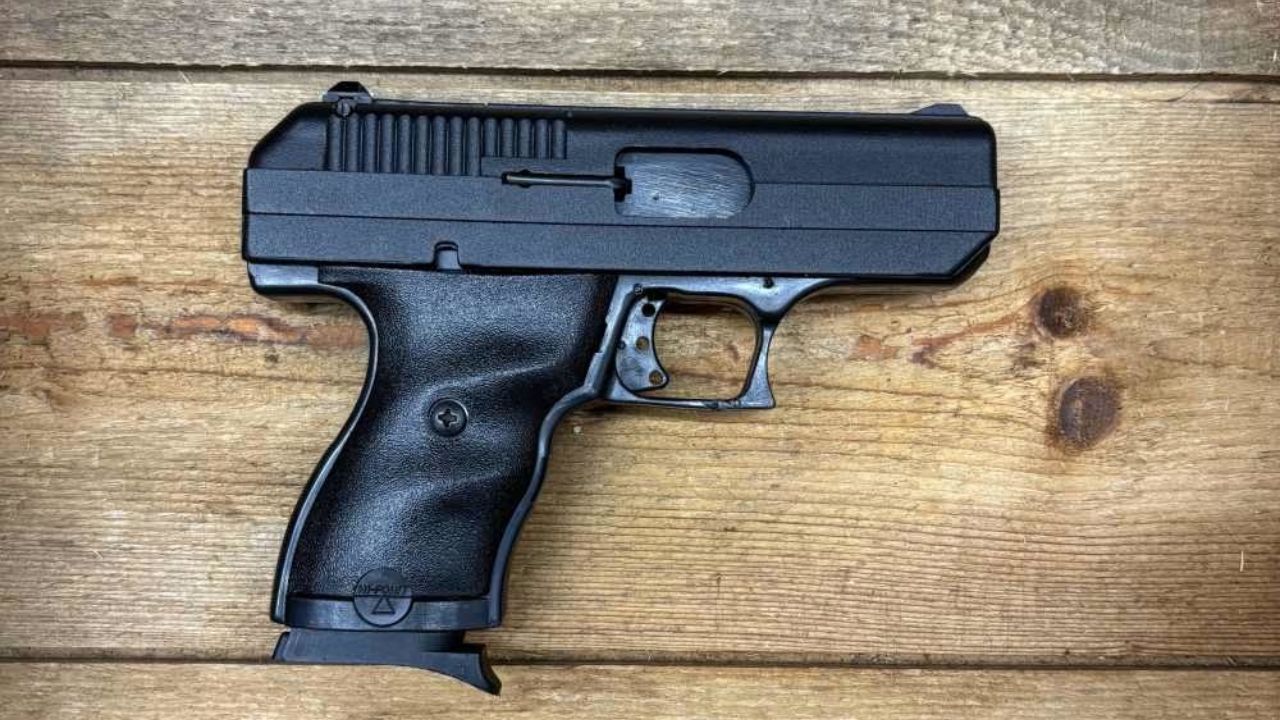
Every time Hi-Point comes up, somebody laughs. It’s big, it’s heavy, and it looks like a shop class project. I get it.
But I’ve watched more than one of them run reliably through ugly range conditions, and that’s the whole point. Not everyone has the money for a premium pistol, and a gun that goes bang consistently is not worthless just because it’s homely.
If you own one, keep it clean, use decent ammo, and don’t let pride keep you from having a functional option.
19. SKS (especially the beat-up imports)
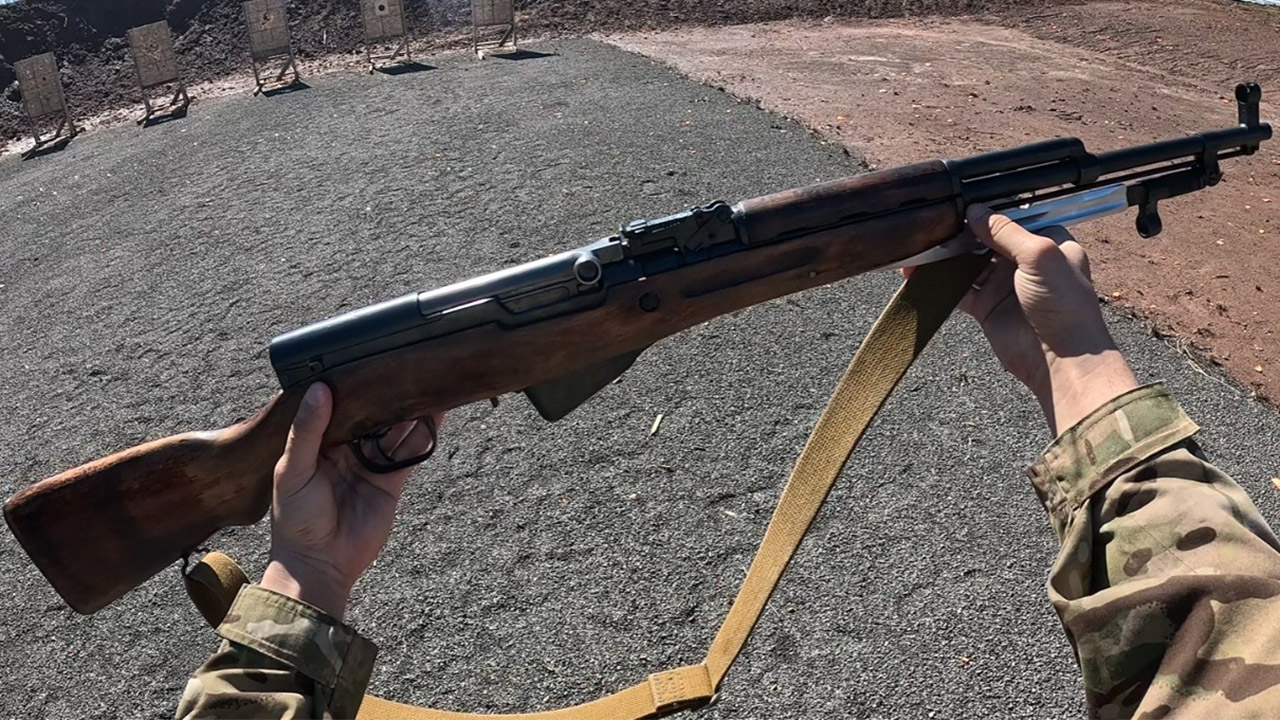
The SKS used to be the cheap surplus rifle everybody had, and now it gets criticized for being heavy, old-fashioned, and slower to reload than an AR. All fair.
But an SKS with a fixed magazine and iron sights is rugged, simple, and still very capable for hogs, deer at reasonable distances, and general woods walking. The 7.62×39 cartridge is effective inside its lane, and the rifles often run dirty without much complaint.
Leave it mostly original, feed it decent ammo, and it’ll keep doing what it was built to do.
20. Ruger SP101

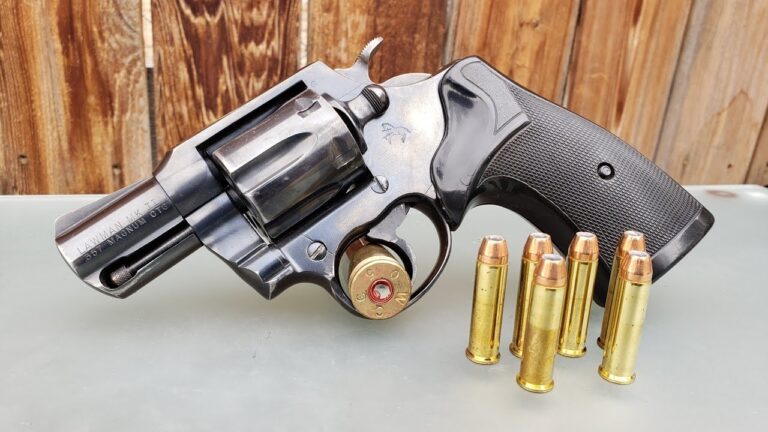
The SP101 gets called chunky for its size, and compared to lighter carry revolvers, it is. You feel it on the belt, and you feel it in the pocket if you try to pocket-carry it.
What you get back is strength and shootability. With .357 loads it’s controllable enough to practice with, and with .38s it’s downright pleasant. It’s also one of those revolvers that seems to last forever with normal use.
If you want a small revolver that doesn’t feel disposable, the SP101 is easy to underrate until you live with one.
Reputation is loud, but it isn’t always right. The guns above aren’t all winners for every person, and a few have quirks you should acknowledge before you bet your season or your safety on them. Still, in a world full of hype, it’s worth remembering that a plain gun that runs, carries well, and does the job is often the one you end up missing after it’s gone.
Like The Avid Outdoorsman’s content? Be sure to follow us.
Here’s more from us: