Photo credit: TheHumbleMarksman/Youtube
First impressions can fool you at the gun counter. A firearm can feel great for three minutes under bright lights and still become annoying after real use. Another one can look plain, awkward, or outdated, then slowly prove itself after enough range time or field work.
That’s why experienced shooters get cautious about judging too fast. Looks, weight, trigger feel, and feature lists all matter, but they don’t tell the whole story. These firearms made buyers stop trusting first impressions and start paying attention to what happens after the newness wears off.
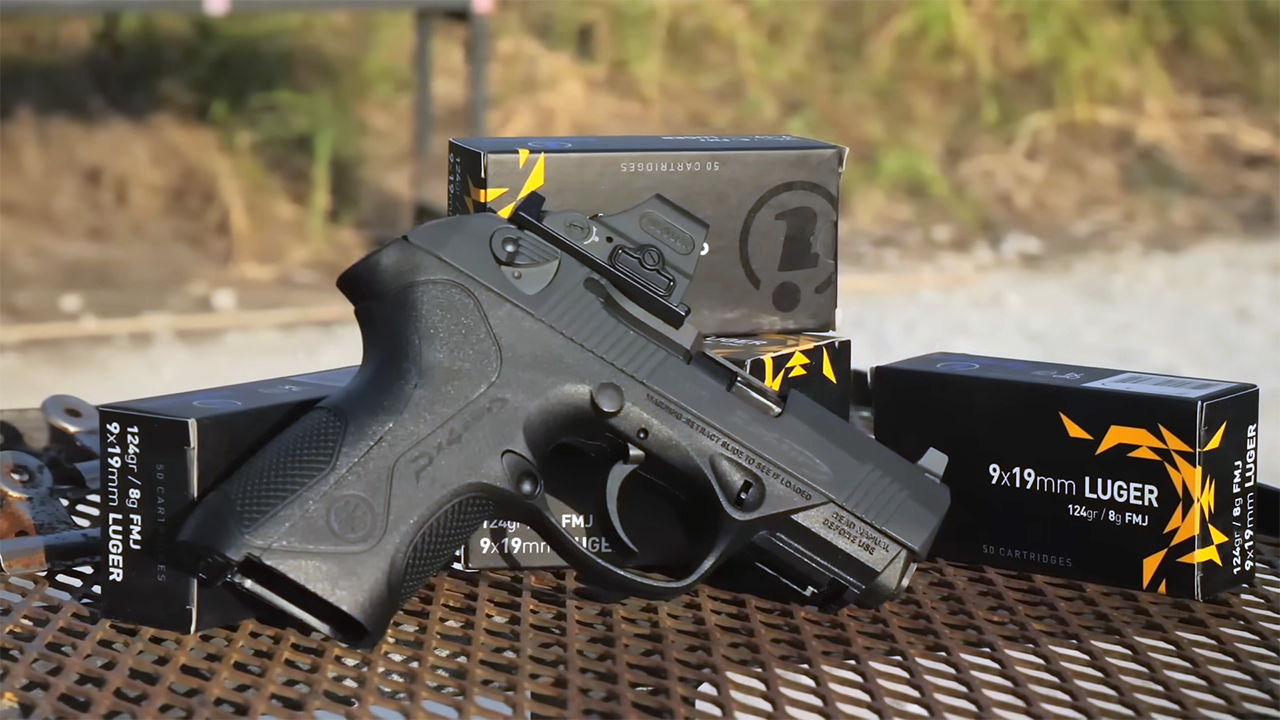
Beretta PX4 Storm Compact
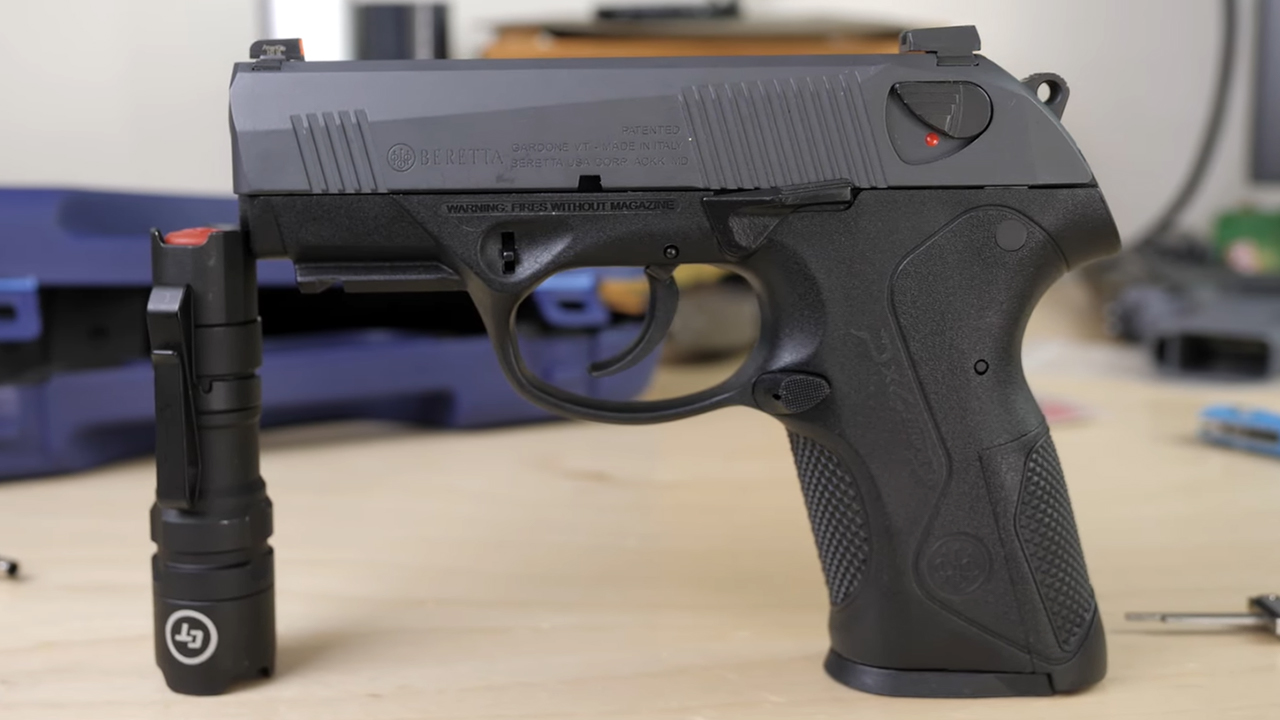
The Beretta PX4 Storm Compact doesn’t always win people over at first glance. Its rounded styling looks different, and some shooters dismiss it because it doesn’t have the clean lines of the 92 series or the simple look of most striker-fired compacts. The DA/SA trigger system also feels old-school to buyers who want one consistent pull.
Then they shoot it. The rotating barrel system gives the Compact a smooth recoil impulse, and the pistol feels softer than its size suggests. It points well for many hands, carries better than its chunky look implies, and rewards people who learn the trigger. A first impression may say strange. Range time says useful. It’s one of those pistols that makes quick judgment feel pretty lazy.
Ruger American Ranch
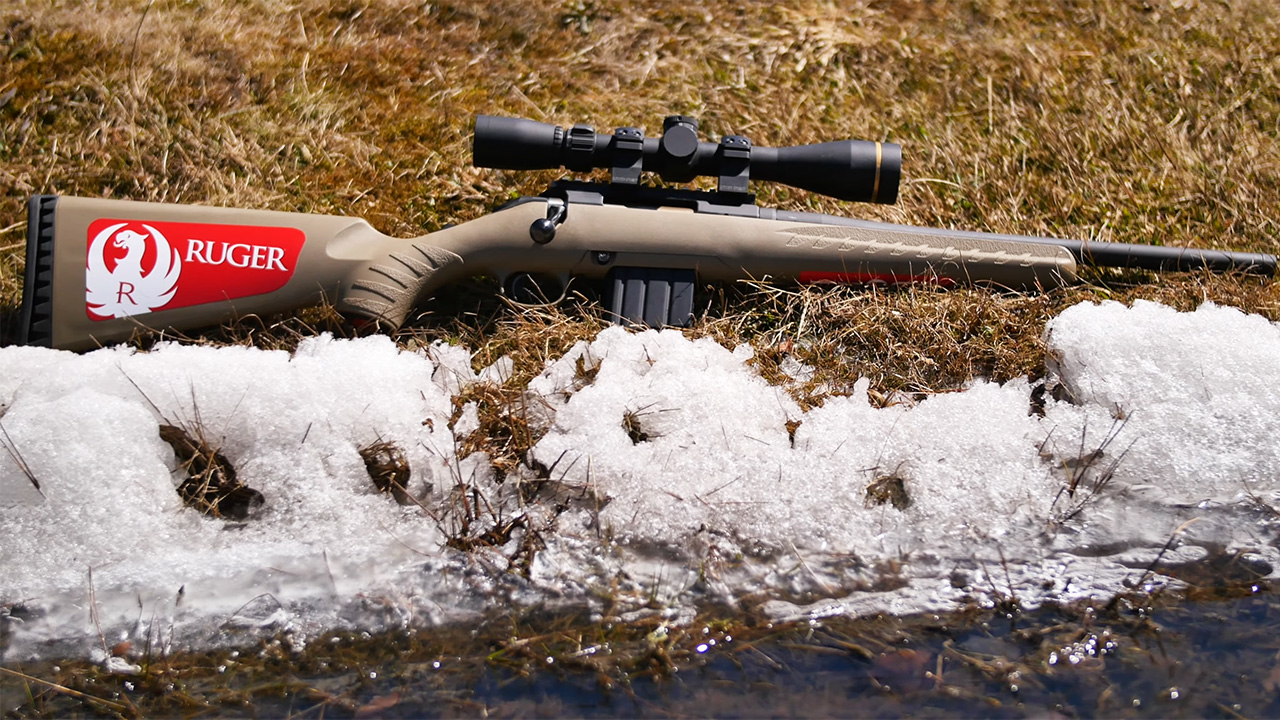
The Ruger American Ranch looks almost too plain to trust deeply. It has a basic synthetic stock, short barrel, practical finish, and little visual charm. Some buyers pick it up and immediately think budget rifle, which is fair enough. It was built to be affordable and useful, not pretty.
But the Ranch often proves itself through handling and accuracy. Its short overall length makes it handy in trucks, blinds, thick brush, and suppressor setups where legal. Chamberings like 5.56 NATO, .300 Blackout, 7.62×39, and .350 Legend give it real utility depending on the model. The first impression may be cheap little rifle. After use, it feels more like a clever tool that does simple jobs well.
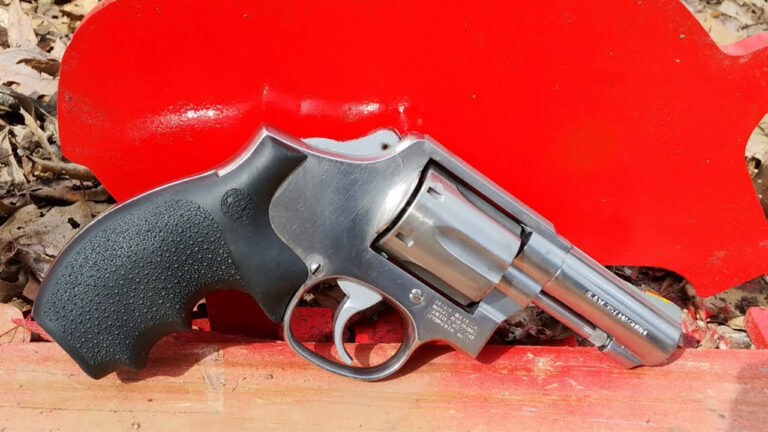
Smith & Wesson Model 642
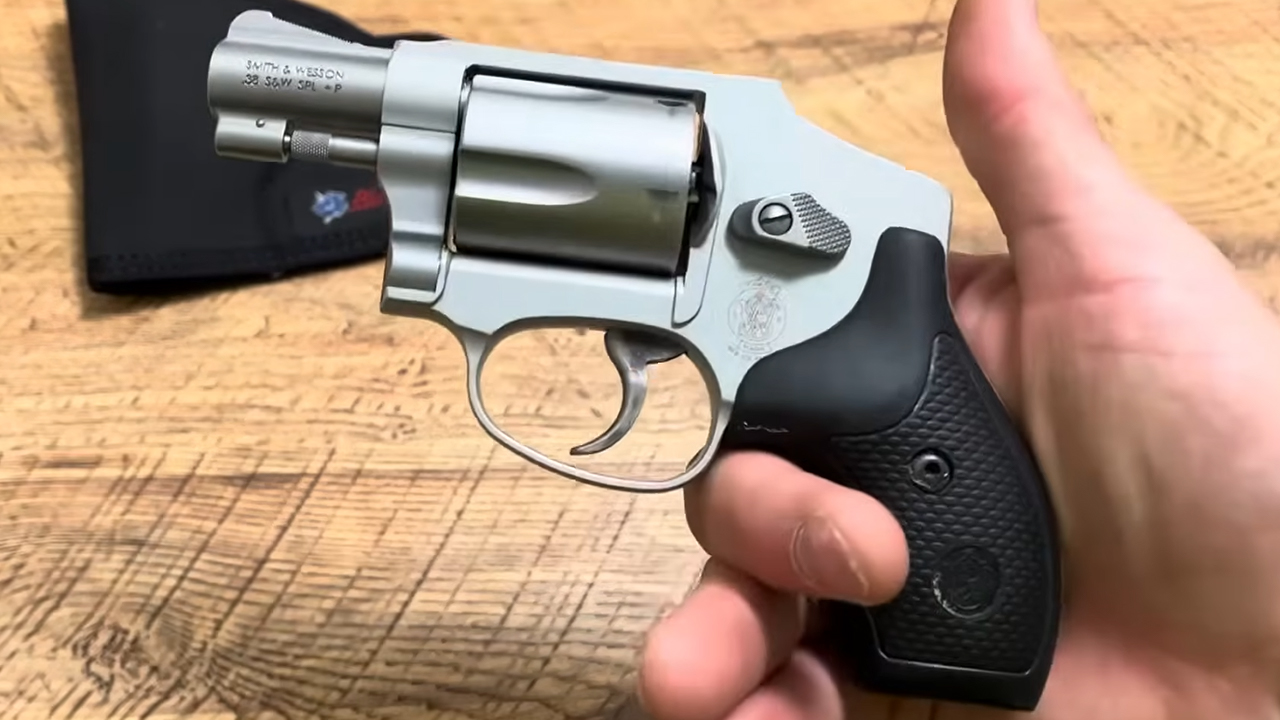
The Smith & Wesson Model 642 can make a bad first impression on the range. It’s small, light, and not especially pleasant with hotter .38 Special loads. The sights are basic, the trigger takes real control, and new shooters may wonder why anyone still carries one.
Living with it changes the conversation. The 642 is extremely easy to carry, snag-resistant thanks to the enclosed hammer, and simple to operate. It’s not a range toy and shouldn’t be judged like one. For pocket carry, backup use, or times when a larger pistol gets left behind, it fills a real role. The first range trip may focus on recoil. Long-term carry explains the point.
Winchester SXP
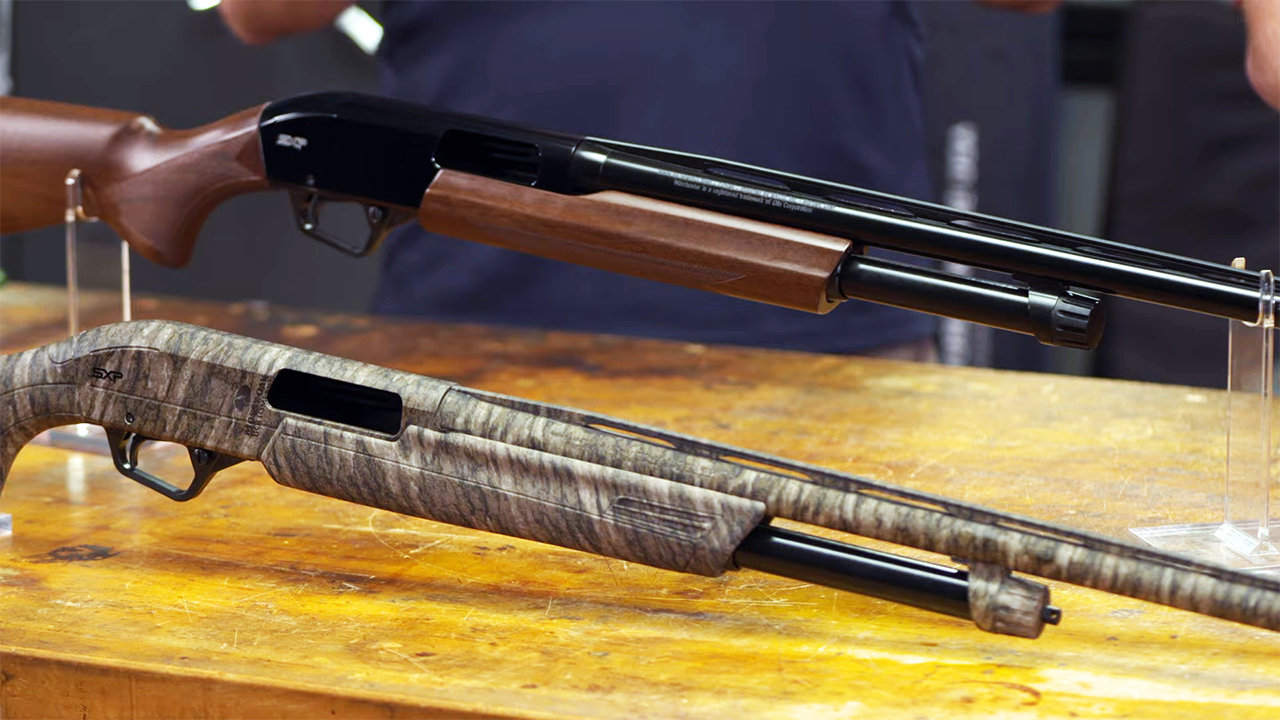
The Winchester SXP can seem like just another modern pump shotgun. It doesn’t carry the old-school respect of a Model 12 or the massive familiarity of an 870 or Mossberg 500. On the rack, it can look like a basic shotgun with little reason to stand out.
Shooters who actually run one often notice the fast action. The SXP cycles quickly for a pump, and the platform comes in enough hunting and defensive configurations to cover a lot of ordinary shotgun needs. It may not have the polished feel of nicer guns, but it gives buyers a practical tool at a reasonable price. The first impression may be forgettable. A few seasons can make it look smarter.
CZ P-07
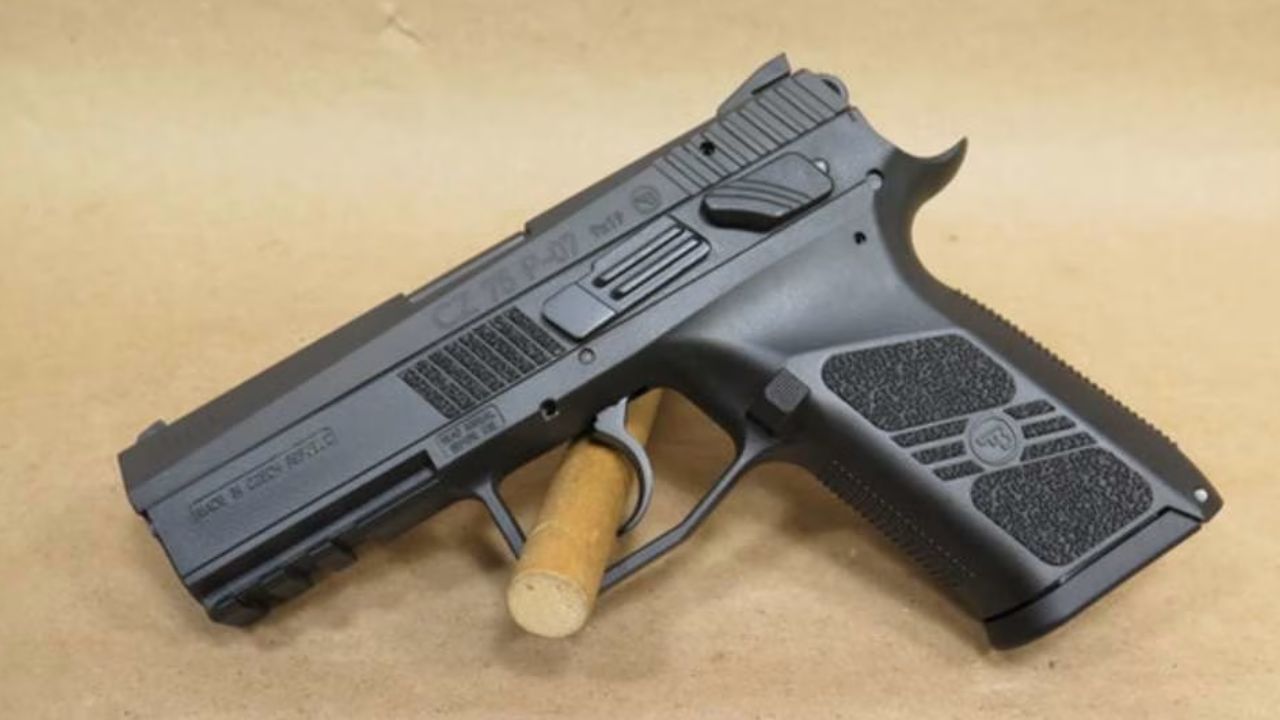
The CZ P-07 can feel underwhelming at first if someone expects classic CZ steel-frame magic. It’s polymer, compact, and not as visually appealing as a CZ 75 or SP-01. Some shooters pick it up and think it feels ordinary compared with the company’s older metal guns.
Range time usually helps. The P-07 has a comfortable grip, manageable recoil, and a DA/SA system that can be configured with a decocker or safety. It shoots like a more serious pistol than its plain looks suggest. The Omega trigger may not satisfy everyone immediately, but it improves with use and practice. Buyers who dismissed it as a lesser CZ often found it was simply a different kind of CZ.
Weatherby Vanguard Synthetic

The Weatherby Vanguard Synthetic can look like a plain budget rifle sitting under flashier Weatherby models. It doesn’t have the glossy walnut, dramatic stock lines, or Mark V prestige people often connect with the brand. At first glance, it may seem like the practical compromise.
That impression undersells it. The Vanguard’s Howa-built action is sturdy, and many rifles shoot very well. The synthetic stock isn’t fancy, but the rifle has a solid feel that separates it from flimsier bargain options. It may be heavier than some hunters prefer, but that weight can help with steadiness and recoil. The first impression may be basic. The longer story is dependable, accurate, and hard to regret.
Taurus TX22
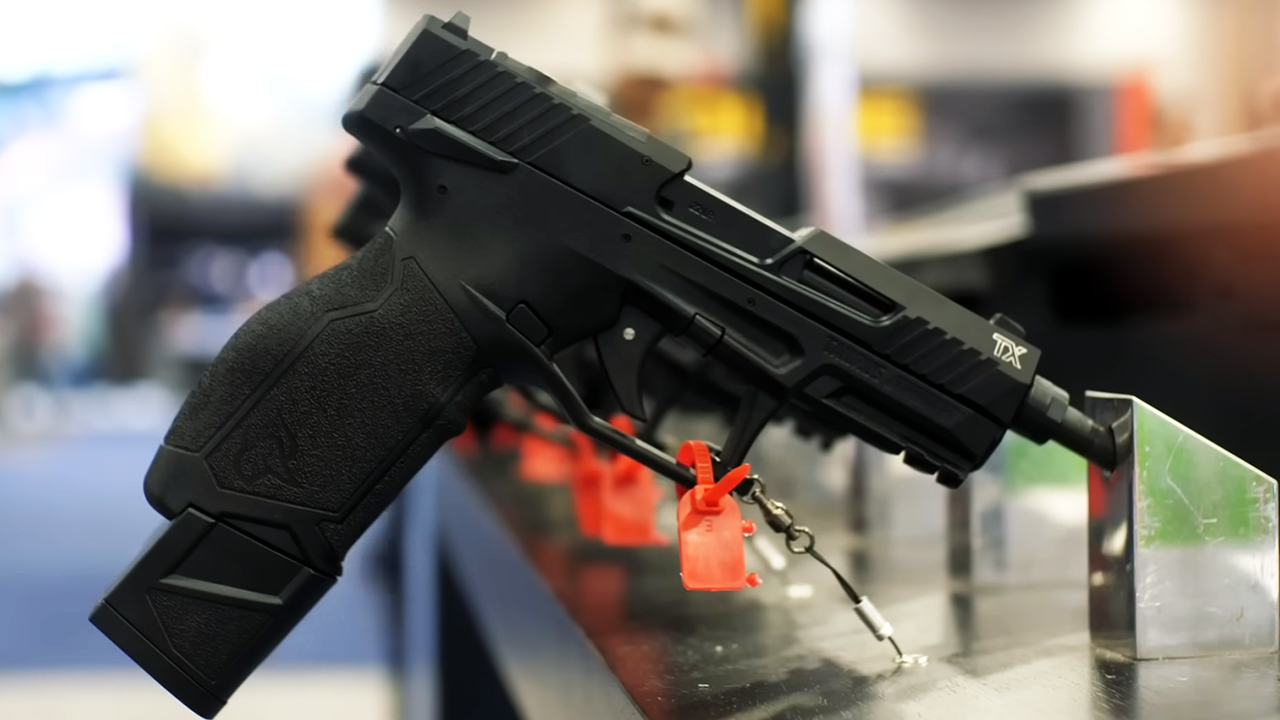
The Taurus TX22 had to fight first impressions because of the name on the slide. Taurus has made enough questionable semi-autos over the years that plenty of shooters were ready to doubt this one before firing a round. A lightweight polymer .22 from Taurus sounded like it might be another finicky rimfire headache.
Then owners started putting serious rounds through them. The TX22 turned out to be fun, comfortable, and reliable with the ammunition it likes. The capacity is useful, the controls feel familiar, and the pistol makes cheap practice easy. It is not a match pistol, and rimfire ammo always has quirks, but the TX22 changed a lot of minds. It proved first impressions based on brand baggage can be wrong.
Remington Model 783

The Remington 783 didn’t get the benefit of the doubt from everyone. It arrived as an affordable rifle after the 770 had already damaged trust in Remington’s budget bolt-action efforts. A lot of buyers looked at the 783 and assumed it was another cheap rifle not worth taking seriously.
The 783 was better than that first impression. It had a stronger design than the 770, a usable trigger, and enough accuracy potential to serve as a practical deer rifle. It still didn’t carry the pride of a Model 700, and the stock felt budget. But it did what many hunters needed it to do. First impressions were colored by history. Actual use showed it could be a reasonable working rifle.
Glock 30
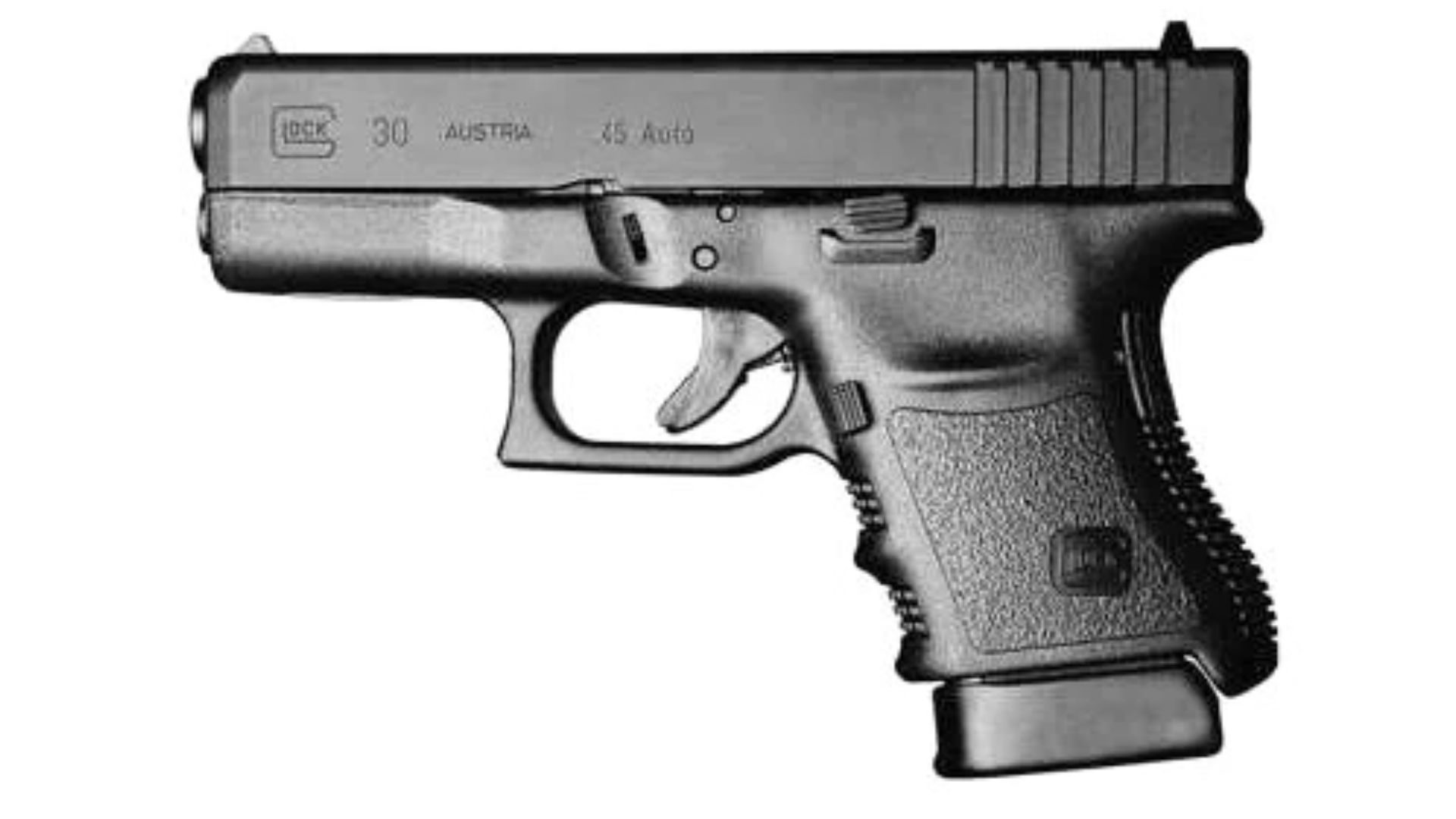
The Glock 30 can feel awkward when someone first picks it up. It’s chunky, short, and chambered in .45 ACP, which makes it seem like an odd little brick compared with slimmer carry pistols. The grip dimensions don’t suit every hand, and the pistol doesn’t look graceful from any angle.
Shooting it changes the reaction for many people. The Glock 30 is surprisingly accurate, manages .45 ACP recoil well for its size, and gives shooters strong capacity for the cartridge. It’s not the easiest pistol to conceal, and smaller hands may struggle. But owners who shoot it well often trust it deeply. The first impression says bulky. The range can say reliable, soft enough, and better than expected.
Savage Axis II
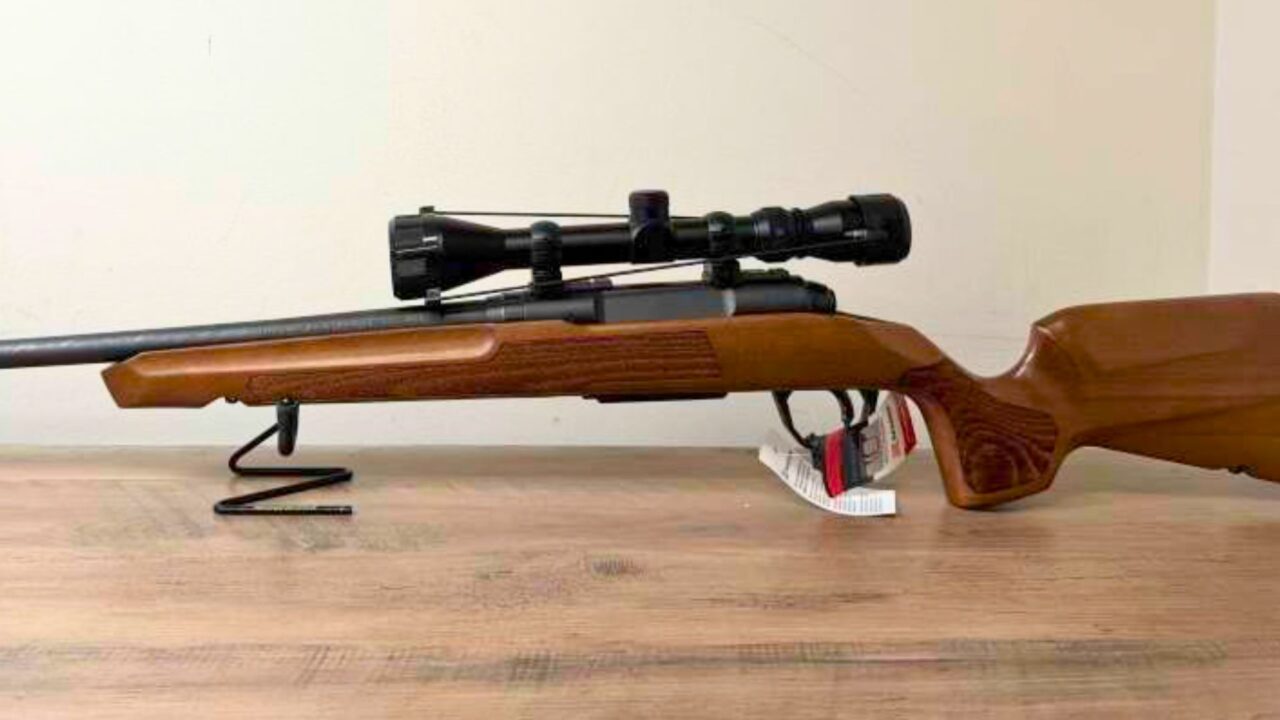
The Savage Axis II is easy to judge quickly because it looks and feels like a budget rifle. The stock is basic, the finish is plain, and nothing about it screams long-term pride of ownership. Buyers who care about refinement may dismiss it immediately.
Then the rifle shoots. The AccuTrigger helped the Axis line become much easier to use well, and many Axis II rifles deliver accuracy that embarrasses prettier guns. It’s still not a premium rifle, and nobody should pretend it is. But as a starter rifle, backup deer gun, or affordable hunting tool, it can make a strong case. The first impression may be cheap. The target often says capable.
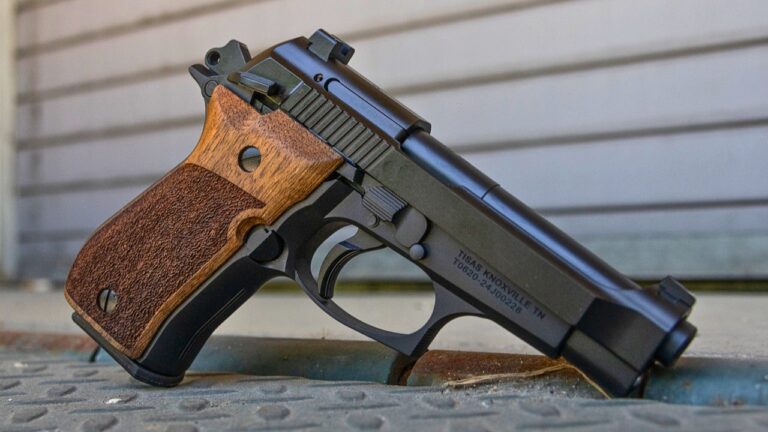
Beretta 84FS Cheetah

The Beretta 84FS Cheetah can confuse buyers at first because it’s a .380 ACP pistol that’s larger than many modern 9mms. On paper, that looks inefficient. Why carry a bigger .380 when smaller, stronger options exist? That’s the obvious first impression.
The shooting experience tells another side. The Cheetah is soft, smooth, comfortable, and beautifully made. It feels like a real pistol instead of a tiny compromise gun. For recoil-sensitive shooters, collectors, or anyone who values enjoyable range time, it makes more sense after the first few magazines. It may not be the most efficient carry choice now, but it proves specs don’t always capture why a gun is worth owning.
Henry AR-7
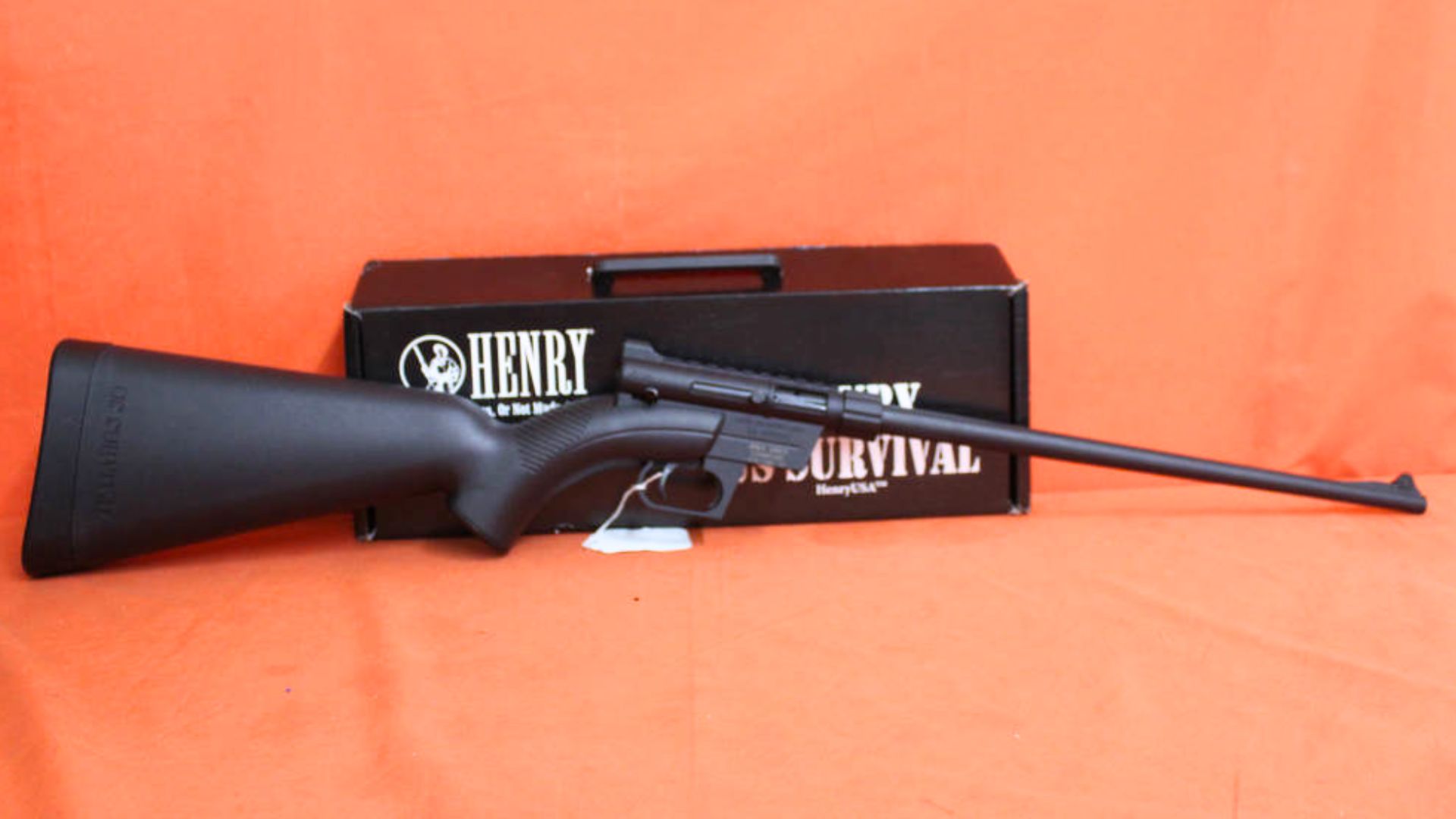
The Henry AR-7 survival rifle doesn’t always inspire confidence at first. It’s lightweight, odd-looking, and designed to pack into its own stock. That makes some shooters treat it more like a novelty than a serious rimfire. The first impression is usually “interesting,” not “trustworthy.”
Its purpose explains the design. The AR-7 is made to be compact, floatable when packed properly, and easy to store in a pack, boat, or emergency kit. It’s not a precision rifle, and it’s not as comfortable as a standard .22. But if the goal is a portable survival-style rimfire, the weirdness has a reason. Buyers who judge it against normal rifles miss the point. It’s odd because the role is odd.
Walther PPQ M2

The Walther PPQ M2 can seem almost too simple at first. It’s another polymer striker-fired 9mm in a category full of them, and its looks don’t stand apart dramatically. Some buyers may pick it up, like the grip, dry-fire it, and still wonder if it really does anything different.
Range time answers that. The PPQ trigger is excellent, the ergonomics are strong, and the pistol is easy to shoot well. It may not have the optics-ready focus of the newer PDP, but as a pure shooter, it remains highly respected. The first impression may be just another striker gun. After enough rounds, it feels like one of the pistols that got the important parts right.
Browning Silver Field

The Browning Silver Field can look like an ordinary semi-auto shotgun sitting between budget options and higher-end Brownings. It doesn’t have the same attention as newer Maxus models or the classic status of older shotguns. First impression may be mild interest at best.
Using it makes the case stronger. The gas system helps soften recoil, the shotgun handles well for many hunters, and it can serve in bird fields, duck blinds, and clay ranges depending on setup. It’s not the flashiest semi-auto, but it gives owners a lot of practical performance. Shotguns are judged best after long days, not quick handling at the store. The Silver Field gets easier to appreciate when your shoulder still feels good.
Ruger LCR .327 Federal Magnum

The Ruger LCR in .327 Federal Magnum makes some buyers pause because the cartridge isn’t as common as .38 Special or .357 Magnum. First impression may be uncertainty. Ammo availability, recoil expectations, and the unusual chambering all create questions.
The more people understand it, the more interesting it becomes. The .327 LCR gives shooters six rounds in a compact revolver instead of the usual five, and it can fire several compatible cartridges depending on the model and load selection. Recoil can be sharp with full-power .327, but lighter loads make it much more manageable. It’s not the obvious choice, but it rewards buyers who look past first impressions and understand the flexibility.
Like The Avid Outdoorsman’s content? Subscribe to our newsletter so you never miss an article.
Here’s more from us: