Photo credit: The Avid Outdoorsman
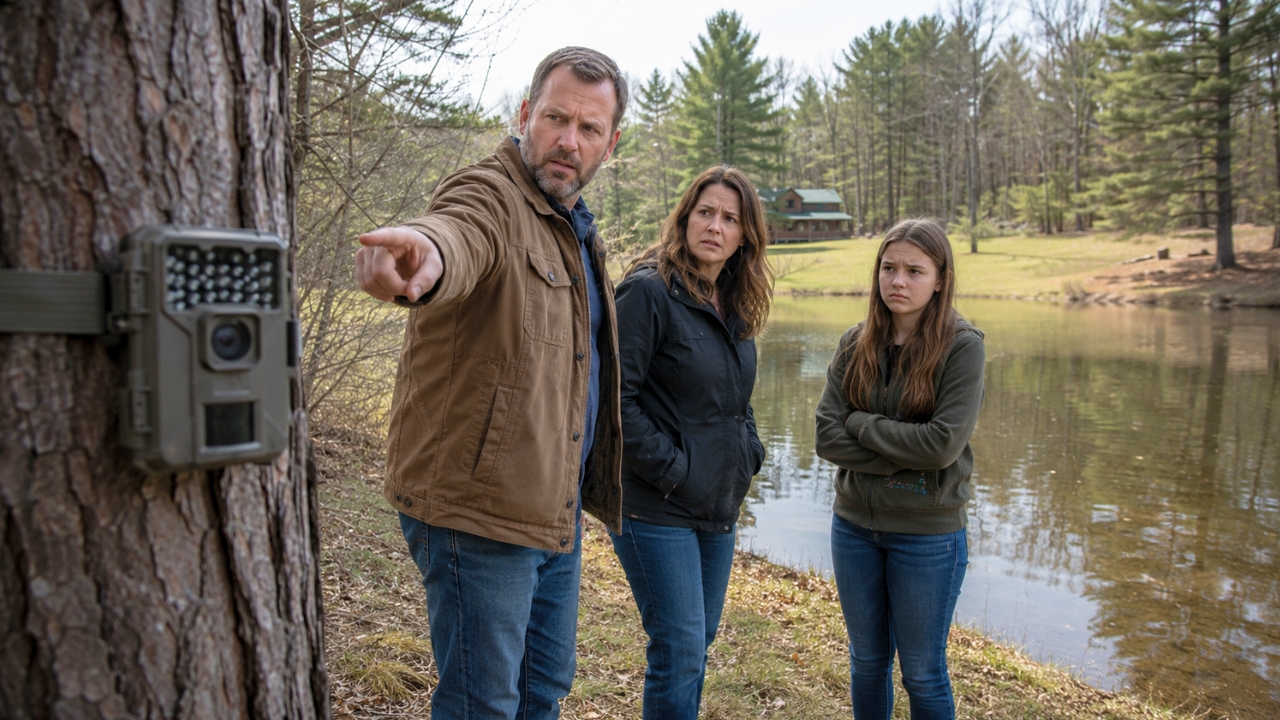
A New Hampshire family went down to a pond on their own land and found something they never expected to see: a trail camera lodged in a tree and pointed toward the water.
According to the Reddit poster, nobody in the family had given permission for the camera to be there. They did not know who put it up, why it was there, or whether they could legally take it down.
The situation bothered them for a few reasons. The pond was on family land. Children in the family swam there. And the camera was not just sitting somewhere deep in the woods. It was watching a place where people actually spent time.
The poster laid out the issue in a Reddit thread and asked whether the family could confiscate the unauthorized trail camera: https://www.reddit.com/r/legaladvice/comments/cr7nrj/new_hampshire_my_family_found_an_unauthorized/
The land was private, but it was not posted
The detail that complicated everything was the posting issue.
The poster said the land was private, but it was not posted with no-trespassing signs. In New Hampshire, that matters more than it might in other places because unposted private land can be open to certain outdoor uses, including hunting.
That was the part that made the family pause. They were not necessarily trying to start a fight with every hunter who ever walked through the woods. The problem was the camera.
Letting people hunt on unposted land feels different from letting a stranger mount a recording device near a family pond.
That was the heart of the question. Did the person have the right to walk through the property? Maybe. Did that also mean they could leave a trail camera behind without asking? That was much murkier.
The camera was near a pond where kids swam
The location of the camera made the whole thing feel more invasive.
The poster said the camera overlooked a pond where their nieces and nephews swam. Even if the device was meant for deer, ducks, or other wildlife, the family had no way of knowing that when they found it.
That is why the situation hit differently than a random stand or marker deep in the timber. A camera near a family pond can feel like surveillance, even if the person who put it there only cared about animal movement.
One commenter tried to bring the temperature down by pointing out that the camera was probably placed there by a hunter scouting deer activity around a water source. That may have been true, but it did not solve the landowner’s concern.
The family still had an unknown person placing equipment on private land without asking.
The family worried confiscating it could backfire
The poster wanted to know if they could simply take the camera.
That seems like the obvious reaction. It is on your land. You did not approve it. You do not know who owns it. Take it down.
But several commenters warned that the family should be careful. Even when something is placed somewhere it does not belong, destroying it or keeping it could create a separate argument over property.
One commenter suggested a less aggressive move: show a written note to the camera, remove it carefully without damaging it, leave the note attached to the tree, and tell the owner how to contact the family.
That approach gave the landowner a way to assert control without immediately escalating the situation.
It also created a useful paper trail. If the owner contacted them, the family might finally learn who had placed the camera and could make it clear that cameras were not allowed.
Commenters focused on New Hampshire’s land rules
A major part of the thread turned into a discussion about New Hampshire’s rules for unposted land.
One commenter said New Hampshire woodlands are generally presumed open for hunting unless properly posted. They pointed the poster toward the state’s posting requirements and said that if the family wanted to keep hunters off the land, they needed proper signs around the perimeter.
That did not fully answer the trail camera question, though. The poster pushed back because walking across land and mounting a recording device near a pond do not feel like the same thing.
Some commenters agreed that the camera was rude at the very least. Others said the legality was not as obvious as the family wanted it to be because the land was not posted.
That uncertainty was what made the thread useful. It was not a clean “take it” or “leave it” situation.
Fish and Game became the practical answer
Several commenters told the poster to call Fish and Game or the local game warden.
That was probably the smartest advice in the thread. A game warden would be more likely than a random commenter to know whether trail cameras have to be tagged, whether they can be placed on unposted private land, and what the landowner can do without creating a problem for themselves.
One commenter said trail cameras in New Hampshire may need to be tagged with the owner’s name and address. The poster replied that they had looked the camera over and did not see any tag.
If that was true, it gave the family another reason to involve the proper wildlife authority rather than just handling it themselves.
Posting the land became the bigger lesson
Even though the family was mainly asking about the camera, commenters kept coming back to one bigger point: post the land clearly if you want more control over who comes in.
Some people suggested the family could still allow hunting while restricting specific behavior. For example, they could post signs saying no trail cameras or stands without written permission.
That kind of approach would let the family avoid banning every hunter while still drawing a clear line around equipment and surveillance devices.
Another commenter said signs should be placed at obvious entrances, natural trails, and other places people are likely to access the property. The goal is to remove the excuse that someone did not know.
The family was not anti-hunting
One interesting part of the thread was that the poster did not frame the family as anti-hunting.
They said they kept the land unposted because they were okay with hunting. Their concern was not that someone might be hunting nearby. It was that someone placed a camera on their property, near a pond and in the direction of the house, without ever contacting them.
That distinction matters.
A lot of landowners are willing to be neighborly until someone takes advantage of it. Using private land with quiet permission is one thing. Leaving gear behind without asking is another.
For this family, the trail camera seemed like the moment where “we do not mind hunting” turned into “someone is getting too comfortable.”
The camera made an old rural boundary issue feel modern
This was not just a story about a person walking across private land with a rifle.
It was about an unknown person leaving a surveillance device on property that was not theirs. Even if the intent was ordinary deer scouting, the family had every reason to feel uneasy when they found it near a pond used by kids.
The thread showed how messy these situations can get in states where unposted land may be treated differently from clearly posted land.
For landowners, the practical lesson was pretty clear: post the property properly, talk to Fish and Game, document what you find, and be careful about destroying or keeping someone else’s gear.
Because once a stranger’s camera shows up near the family pond, the old “we do not mind hunters” arrangement may not feel so harmless anymore.
Like The Avid Outdoorsman’s content? Subscribe to our newsletter so you never miss an article.
Here’s more from us: