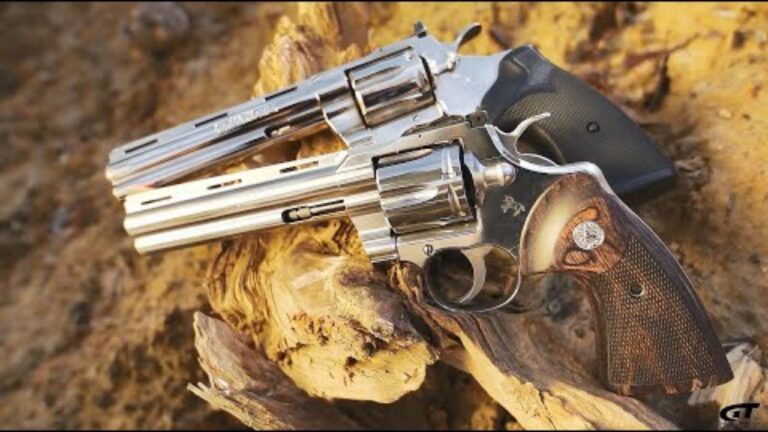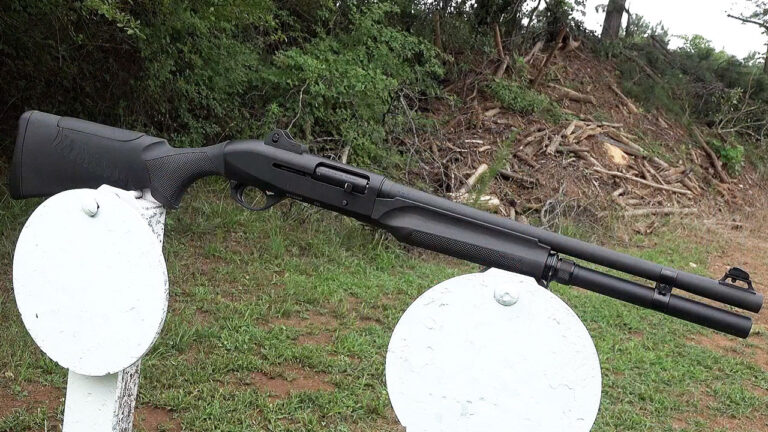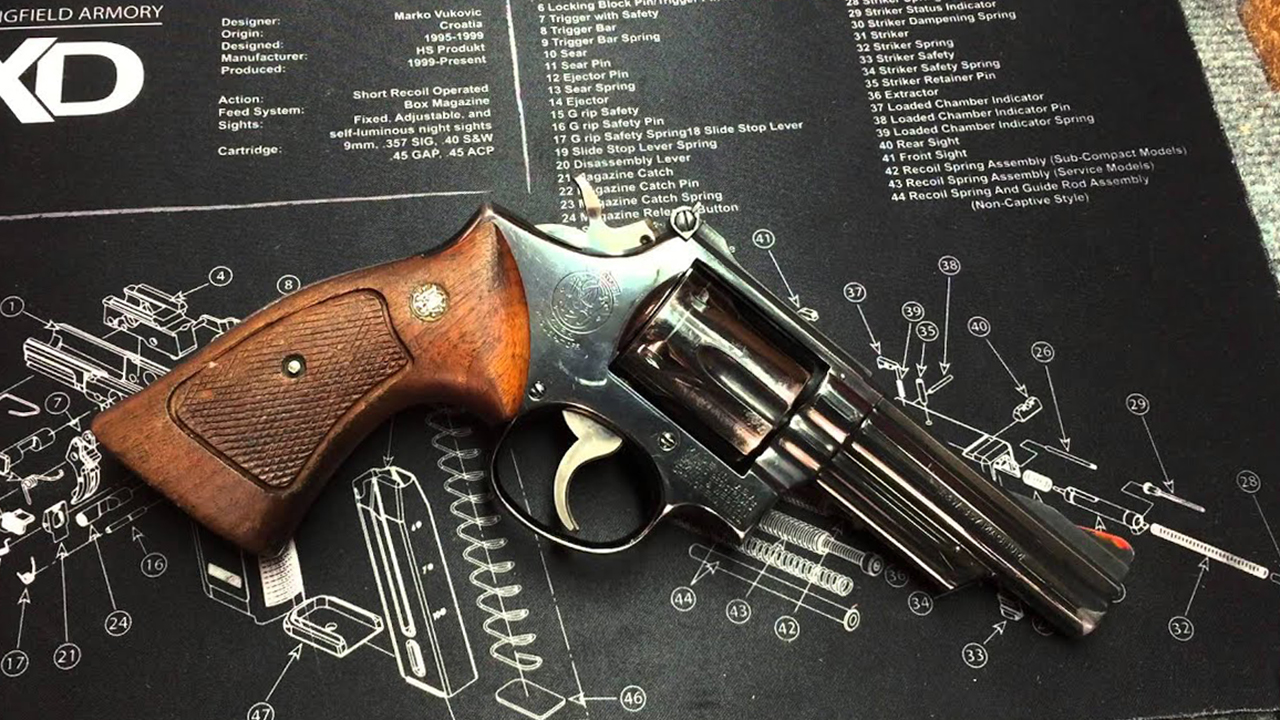
Photo credit: personaldfence/Youtube
Some guns don’t seem hard to replace until they’re gone. At the counter, the trade-in looks reasonable. Maybe the gun has been sitting in the safe too long. Maybe something newer has better specs. Maybe the offer sounds good enough in the moment.
Then a few months pass, and the mistake starts showing. The old gun filled a role better than expected, had a feel newer models don’t match, or simply became harder and more expensive to replace. These firearms are the kind that make regret hit after the trade-in is already done.
Marlin 1894C
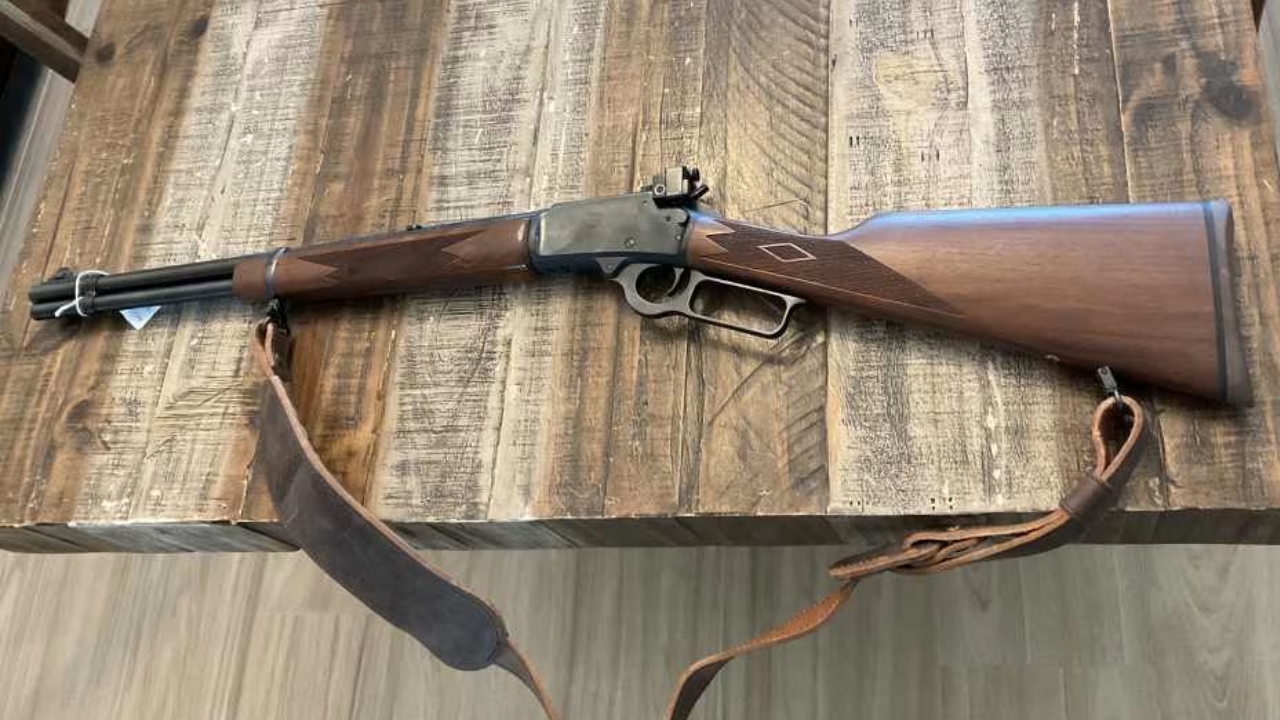
The Marlin 1894C is one of those rifles owners often regret trading because it fills such a useful little niche. A .357 Magnum lever-action carbine is light, handy, easy to shoot, and far more practical than it may seem at first. It can run mild .38 Special loads for relaxed range time and full-power .357 Magnum loads for field use where legal and appropriate.
Once it’s gone, replacing it can sting. Older Marlins have become more desirable, and clean examples are not always easy to find at friendly prices. The 1894C carries well around rural property, works in thick cover, and pairs nicely with a .357 revolver. It may not look like a must-keep rifle until the owner realizes nothing else in the safe does quite the same job.
Smith & Wesson Model 19
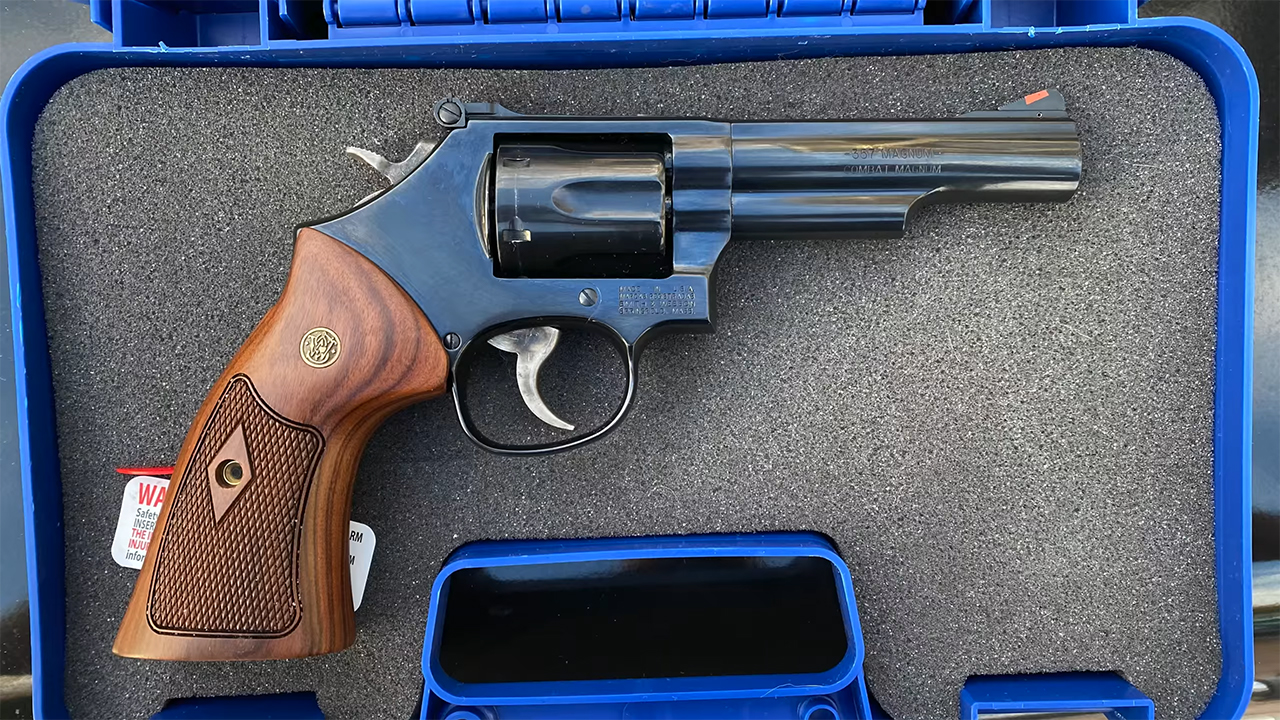
The Smith & Wesson Model 19 is easy to regret trading because its balance is hard to duplicate. A K-frame .357 Magnum gives shooters something larger revolvers don’t: enough power for practical use with a carryable, natural feel. It is not as stout as an L-frame or Ruger GP100, but that was never the whole point.
The regret usually shows up when the owner tries to replace that smooth .38 Special practice feel and trim .357 capability in one revolver. A Model 19 carries better than bigger magnums and shoots better than many smaller ones. Used examples vary, and heavy magnum wear matters, but a clean one has a way of sticking in the memory. Selling it often feels smarter before it’s actually gone.
Browning Auto-5
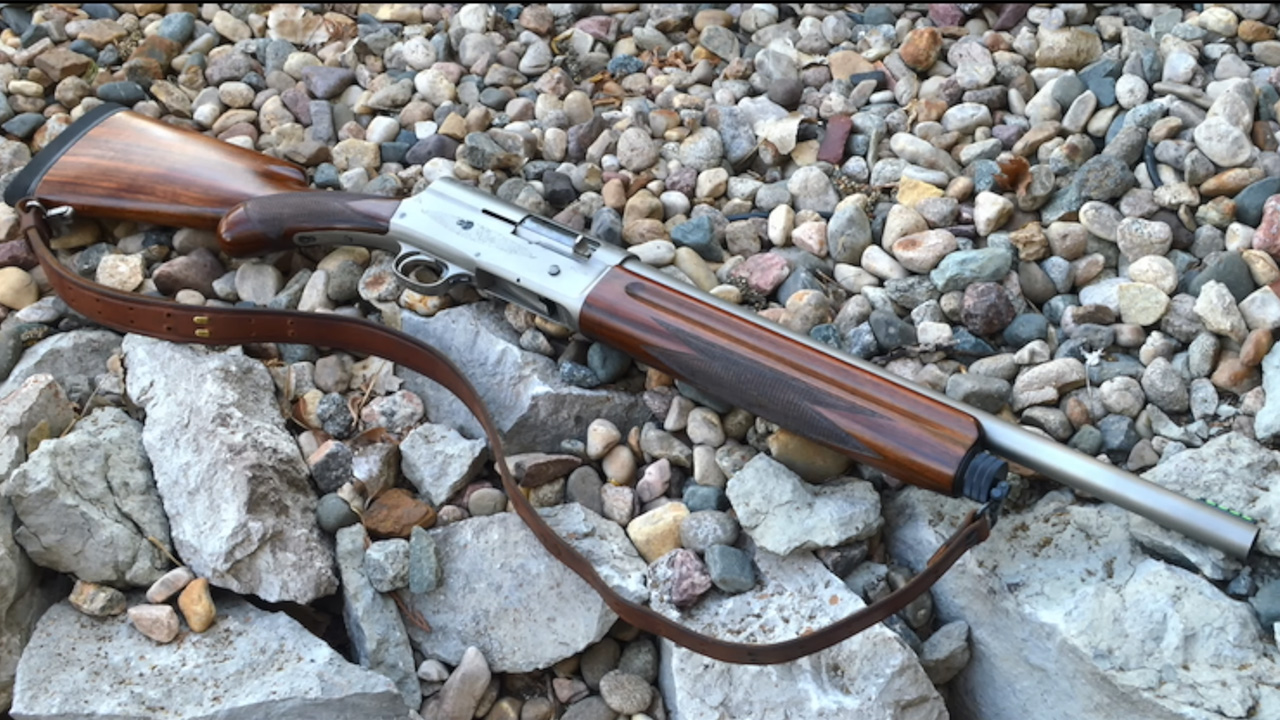
The Browning Auto-5 is the kind of shotgun people trade because it seems old, heavy, or less convenient than a modern semi-auto. Newer shotguns are often lighter, softer-shooting, and easier to maintain. That all sounds reasonable until the owner starts missing the feel of the old humpback.
A good Auto-5 has personality that modern shotguns rarely copy. The long-recoil action, distinctive receiver profile, and old Browning build give it a field presence that sticks with people. It does require proper friction ring setup and maintenance, so it’s not as simple as some new guns. But once someone has hunted with a good one, replacing that exact feel is hard. Trade-in regret comes fast when the replacement feels efficient but forgettable.
Ruger Security-Six
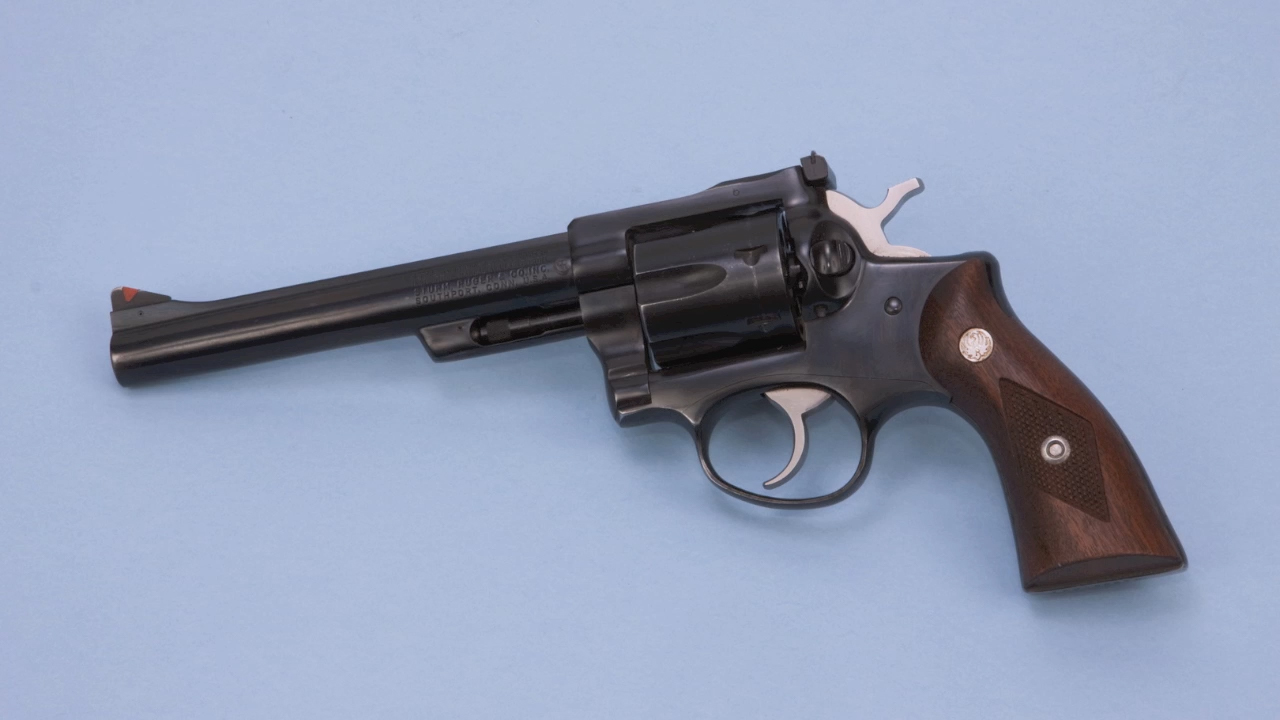
The Ruger Security-Six is easy to undervalue because it looks like a plain old working revolver. It doesn’t have the refinement of a classic Smith & Wesson, and it isn’t as beefy as the GP100 that replaced it. That can make it seem like a reasonable trade when something newer catches the eye.
Then owners start missing the size. The Security-Six sits in a sweet spot: strong enough for .357 Magnum use, smaller and handier than a GP100, and rugged enough for real field work. It works as a range gun, woods gun, home-defense revolver, or simple .38 Special trainer. Once traded, it becomes obvious that Ruger doesn’t make that exact revolver anymore. That’s when the regret usually lands.
Remington Model Seven
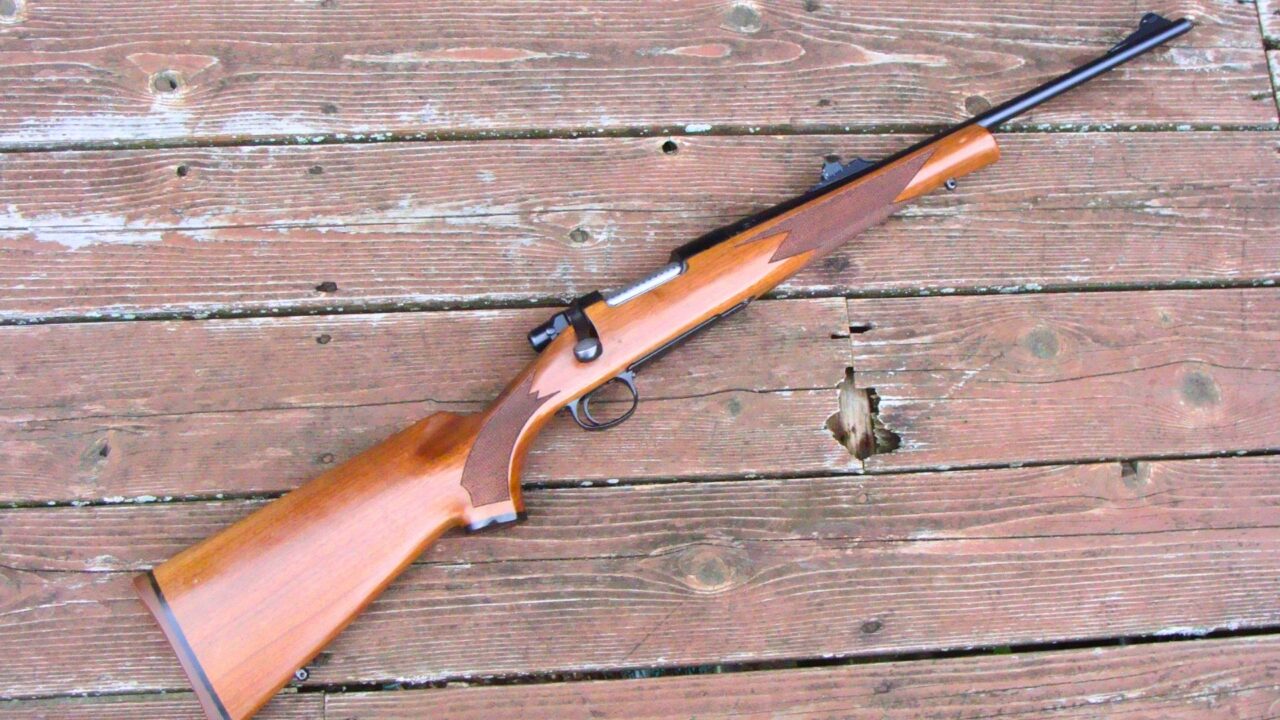
The Remington Model Seven often becomes a regret gun because compact hunting rifles are easy to take for granted. It may look like a shorter Model 700, but in the woods, tight blinds, and thick cover, that shorter build matters. A full-size rifle can feel clumsy after you’ve spent years carrying a Model Seven.
In chamberings like 7mm-08 Remington, .243 Winchester, and .308 Winchester, the Model Seven gives hunters real deer-rifle capability in a handy package. The rifle carries well, shoulders quickly, and fits smaller-framed hunters or tight stands better than many standard sporters. Once it’s traded, replacing that exact combination of size and usefulness can be harder than expected. Many owners only learn that after the rifle is already gone.
SIG Sauer P228
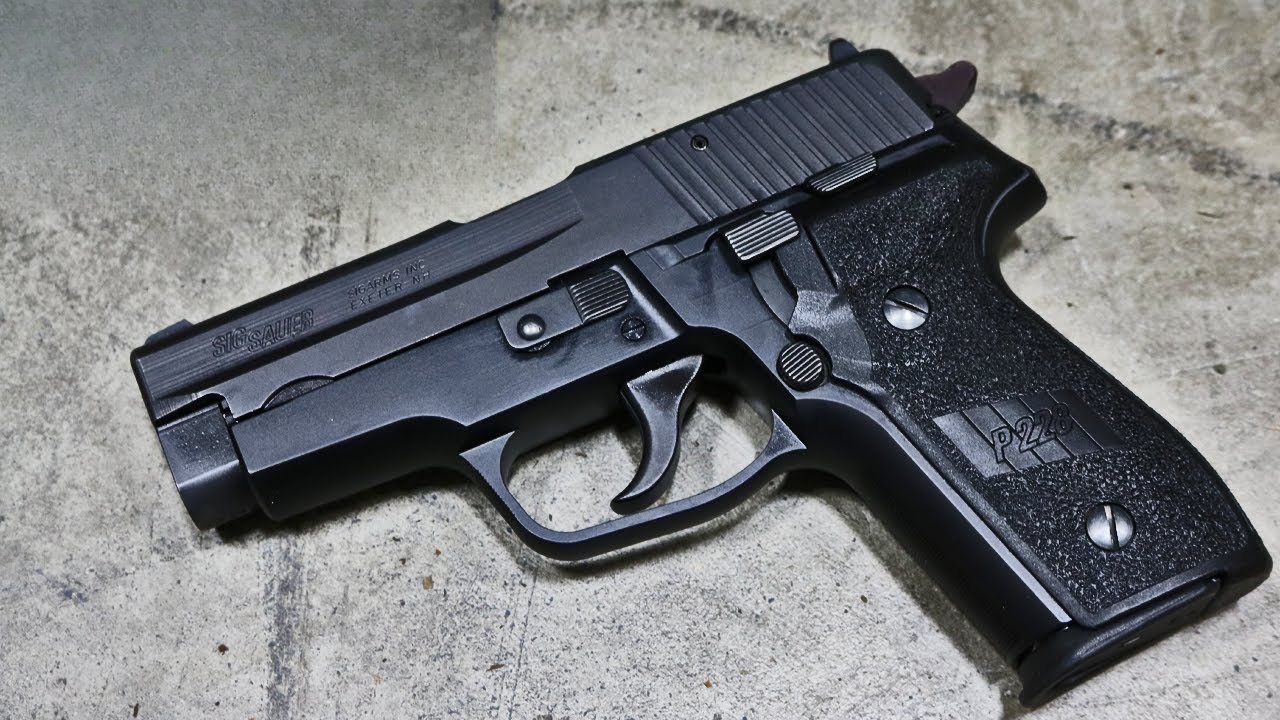
The SIG Sauer P228 is the kind of pistol that makes trade-in regret feel personal. It isn’t the newest, lightest, or highest-capacity compact 9mm anymore. Modern pistols beat it on optics support, weight, and simplicity. That makes trading one for something current seem reasonable at first.
Then the owner shoots the replacement and remembers what the P228 felt like. The compact alloy frame, smooth DA/SA trigger system, and classic SIG balance give it a shooting feel many newer pistols don’t match. It carries better than a P226 but still shoots like a serious service pistol. Clean examples are not getting easier to find, either. Once a good P228 leaves the safe, it often becomes the pistol everything else gets compared against.
Winchester Model 9422
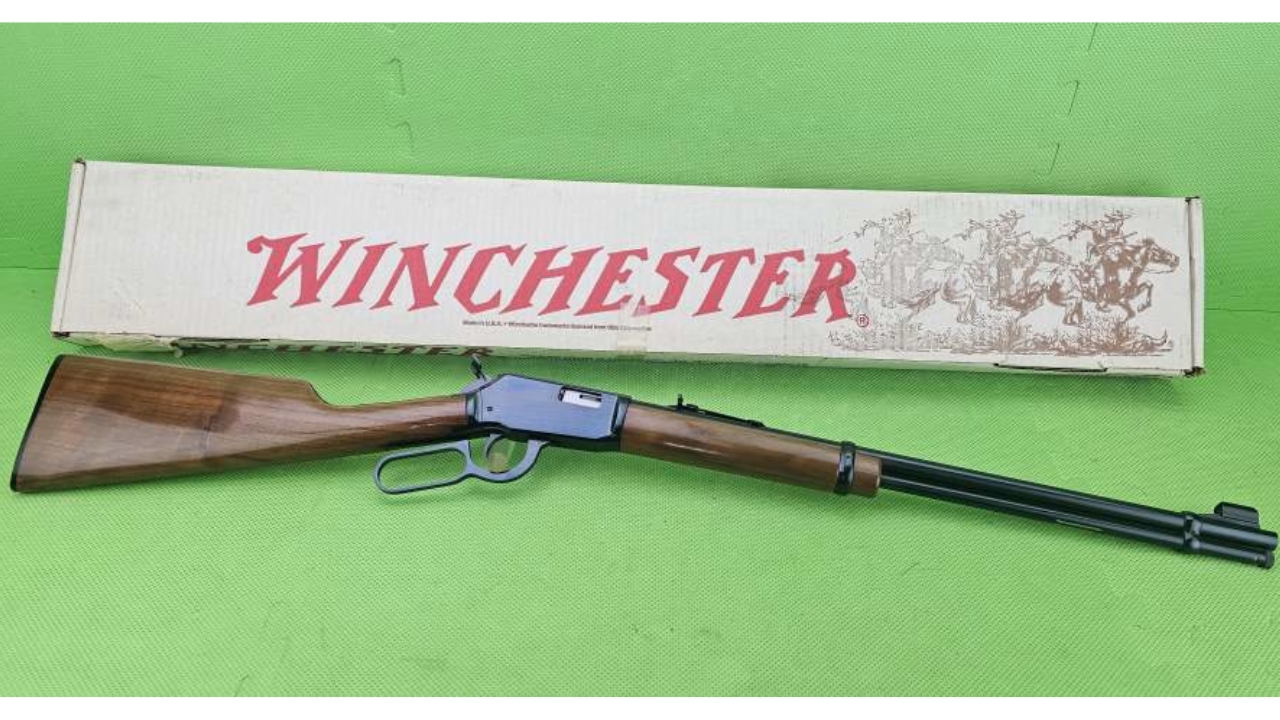
The Winchester Model 9422 is one of those rimfires that owners regret selling because it’s not merely another .22. It has smooth lever-action handling, quality construction, and a feel that makes cheaper rimfires seem temporary. At the time of trade, it may feel like an easy sacrifice because it’s “just a .22.”
That thinking usually doesn’t last. The 9422 is fun, useful, and increasingly hard to replace in clean condition. It works for plinking, small game, and teaching new shooters, but it also has enough quality to satisfy experienced owners. A rifle like this can become part of family range days without anyone realizing how attached they’ve gotten. Trade it away, and suddenly every other .22 feels less special.
Smith & Wesson 3913
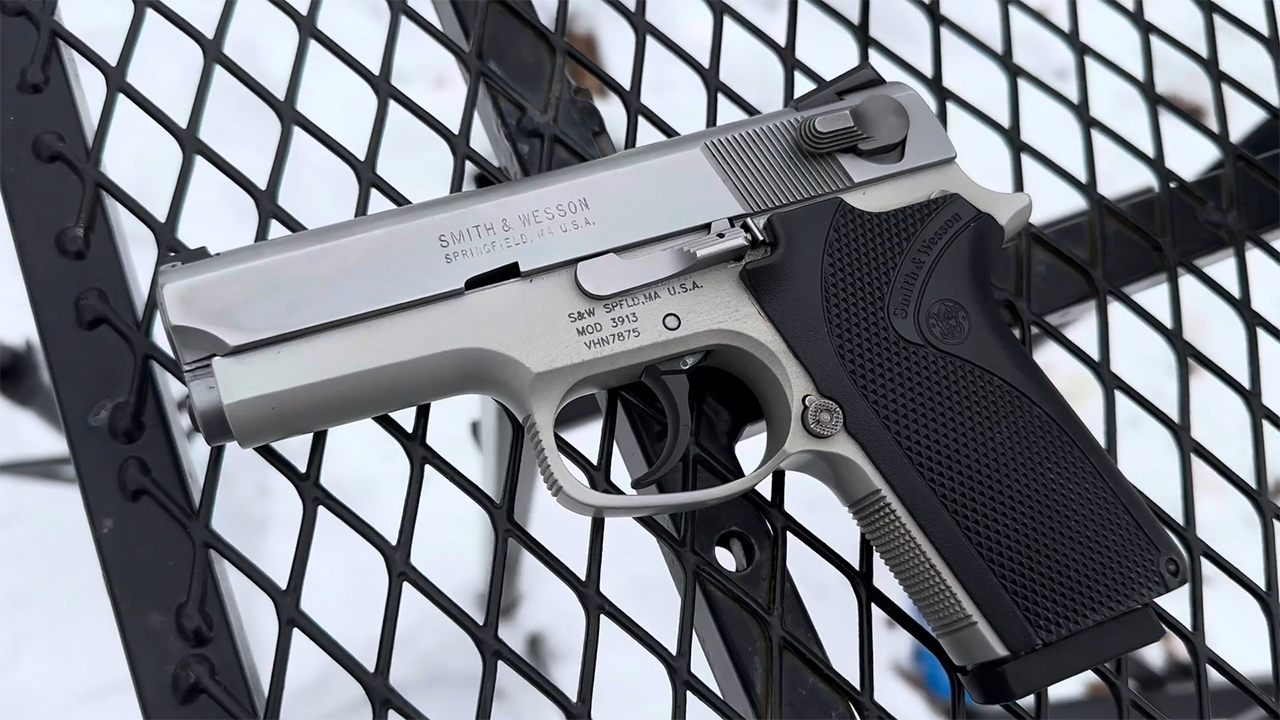
The Smith & Wesson 3913 is easy to regret trading because modern specs don’t tell the whole story. A slim single-stack 9mm with an alloy frame and DA/SA trigger looks outdated beside today’s micro-compacts. It holds fewer rounds and lacks modern optics support. On paper, trading it can seem logical.
In use, the 3913 has a carry feel that many newer pistols don’t fully replace. It is slim, comfortable, and more refined than a lot of small carry guns. The recoil is manageable, the grip feels natural, and the pistol has old Smith quality that owners tend to miss later. Parts and magazines take more effort now, which makes clean examples even more worth keeping. Once gone, the 3913 can be surprisingly hard to forget.
Marlin 336

The Marlin 336 is a rifle many hunters regret trading because they assume another deer rifle can replace it easily. A bolt-action may shoot flatter. A newer rifle may be lighter. A different lever gun may look more modern. But the 336 has a woods-rifle feel that is hard to copy.
In .30-30 Winchester or .35 Remington, it carries well, shoulders fast, and works inside normal deer-woods distances. It’s not trying to be a long-range rifle, and that’s the reason it fits thick cover so naturally. Older Marlins, especially clean JM-marked examples, have become more desirable over time. Trading one away can feel harmless until deer season comes and the replacement doesn’t come to the shoulder the same way.
Beretta 390
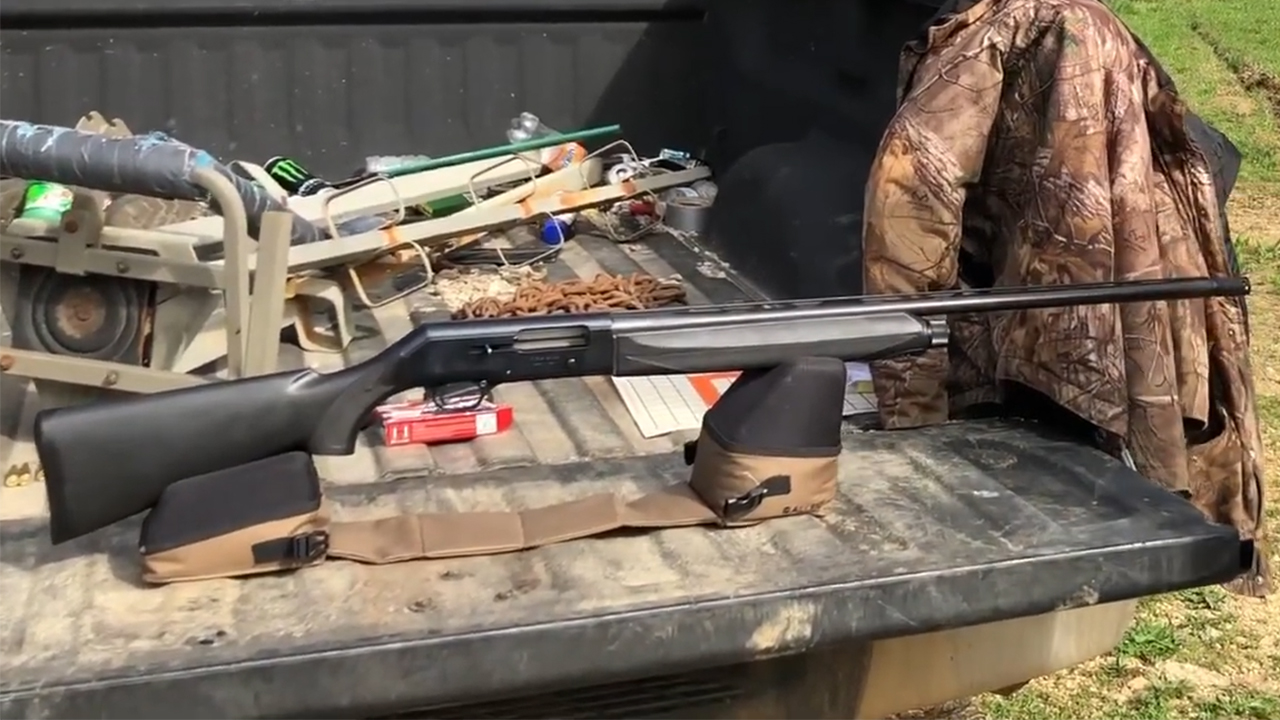
The Beretta 390 is one of those shotguns owners regret trading after they spend time with something newer that doesn’t feel as natural. Modern semi-autos may offer oversized controls, updated finishes, and easier accessory options, but the 390’s balance and soft-shooting gas system still hold up beautifully.
For clays, dove, upland hunting, and general field use, the 390 earned trust by being comfortable and dependable when maintained properly. It doesn’t need flashy styling to make long shooting days better. Once it’s gone, owners often realize they traded away a shotgun that simply fit them. That’s not easy to replace. A shotgun that points naturally is worth more than its trade-in value suggests.
Ruger No. 1
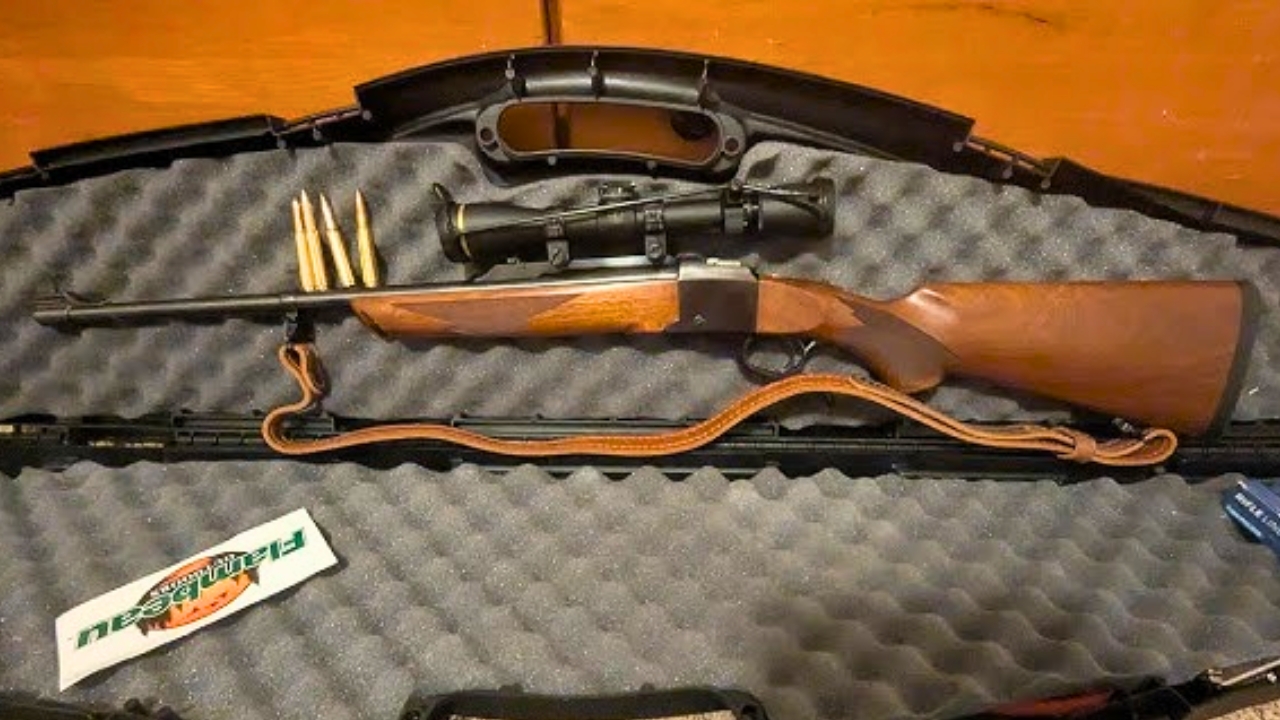
The Ruger No. 1 is the kind of rifle that can look expendable if someone is thinking only about practicality. It’s a single-shot in a world full of repeaters, and it doesn’t offer fast follow-up shots. A trade can seem easy if the owner wants something more modern or versatile.
Then the regret shows up. The No. 1 has strength, elegance, and a field feel that most bolt-actions don’t match. It is compact for its barrel length, chambered over the years in all kinds of interesting cartridges, and built around a deliberate kind of shooting. It may not be the most practical rifle in the safe, but it is often one of the most distinctive. Replacing that identity is not simple.
Colt Detective Special
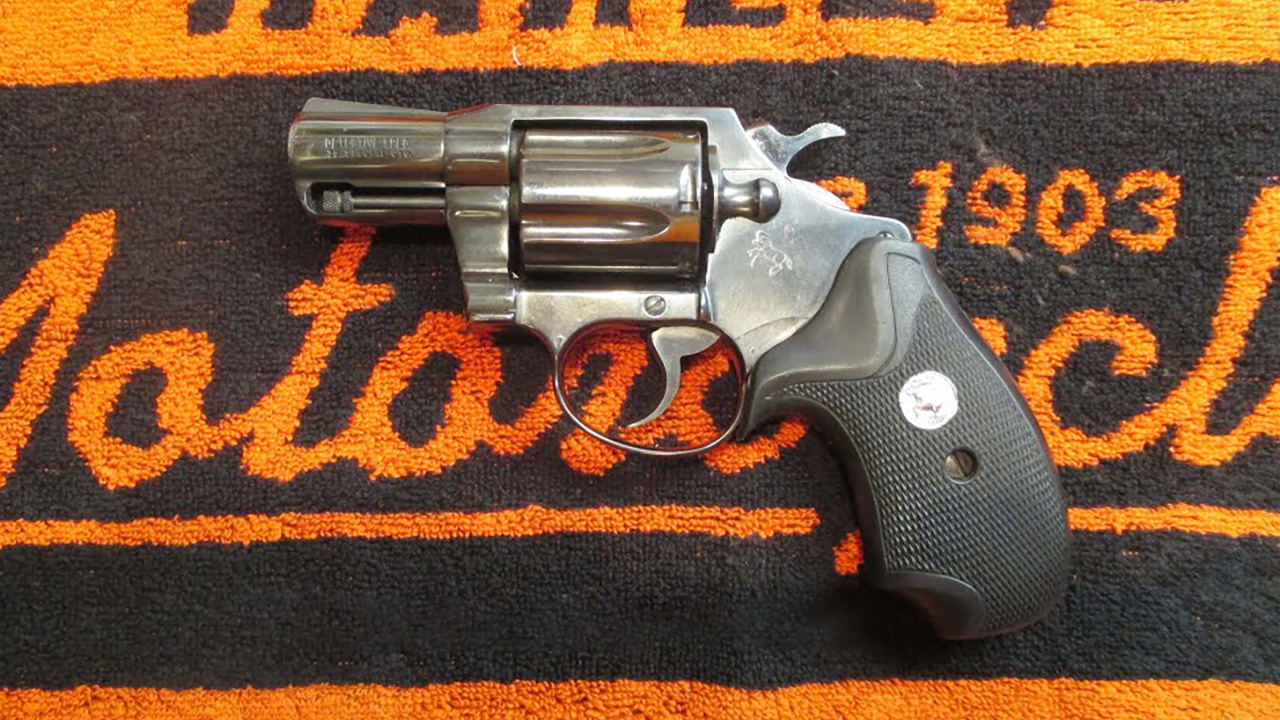
The Colt Detective Special is easy to regret trading because small revolvers with this much character are not easy to replace. Modern compact pistols beat it on capacity, reload speed, and often weight. Even newer small revolvers can be lighter and more practical for daily carry. That makes the old Colt tempting to move.
But the Detective Special has a feel that sticks. Six rounds in a compact steel revolver, classic Colt lines, and a surprisingly shootable balance make it more than a relic. Used examples need careful inspection, especially timing and lockup, but a good one has real charm. Once traded, the owner may find plenty of smaller guns, but not many that feel as solid or memorable.
Browning BLR Lightweight

The Browning BLR Lightweight can bring real regret because it fills a lane most rifles don’t. It gives lever-action speed with modern cartridge capability through a detachable magazine and rotating bolt. That means chamberings like .308 Winchester, .243 Winchester, and 7mm-08 Remington can live in a lever-action hunting rifle.
A standard bolt gun may be simpler and cheaper, but it won’t replace the BLR’s handling. The rifle carries well, cycles quickly, and fits mixed terrain where shots may be close one day and across an opening the next. It is more complex than traditional lever guns, so condition and care matter. But once an owner trades away a good one, finding another rifle with the same blend of speed and reach can be frustrating.
Smith & Wesson Model 41

The Smith & Wesson Model 41 is the kind of pistol people trade when they convince themselves a .22 target gun is too expensive to keep sitting around. Then they shoot a cheaper rimfire and remember exactly why the Model 41 cost what it did.
The trigger, sights, balance, and accuracy make it feel like a serious pistol, not a casual plinker. It rewards careful shooting and makes rimfire practice feel refined. A cheaper .22 can still be fun, but it usually won’t deliver the same experience. Selling a Model 41 may free up money for something louder or more practical, but replacing that smooth target-pistol feel can cost more later. That’s when regret gets real.
Winchester Model 88

The Winchester Model 88 is a rifle that makes regret hit because it is so different from most current options. It has lever-action handling, a rotating bolt, and a detachable magazine, giving hunters modern-cartridge capability in a fast, slim rifle. It doesn’t fit neatly into today’s categories, and that is part of its appeal.
In chamberings like .308 Winchester, .243 Winchester, and .284 Winchester, the Model 88 remains a capable deer rifle when in good condition. The action has quirks, and used rifles need careful inspection, but a good one is not easy to replace. Trade it away, and a standard bolt-action may shoot fine but feel ordinary. The Model 88 has a personality that tends to be missed only after it’s gone.
Like The Avid Outdoorsman’s content? Be sure to follow us.
Here’s more from us: