Photo credit: Northern Hills Trading Post/Youtube
Complicated guns can be impressive. There’s a place for adjustable everything, modular systems, optics-ready cuts, threaded barrels, chassis stocks, and every other modern feature that fills a spec sheet. Some of that stuff genuinely helps.
But simple designs keep proving something shooters forget: fewer distractions can be a strength. A firearm that feeds reliably, handles naturally, and doesn’t need constant tinkering will always have a place. These guns prove simple still has the edge when the job matters more than the feature list.
Mossberg 500
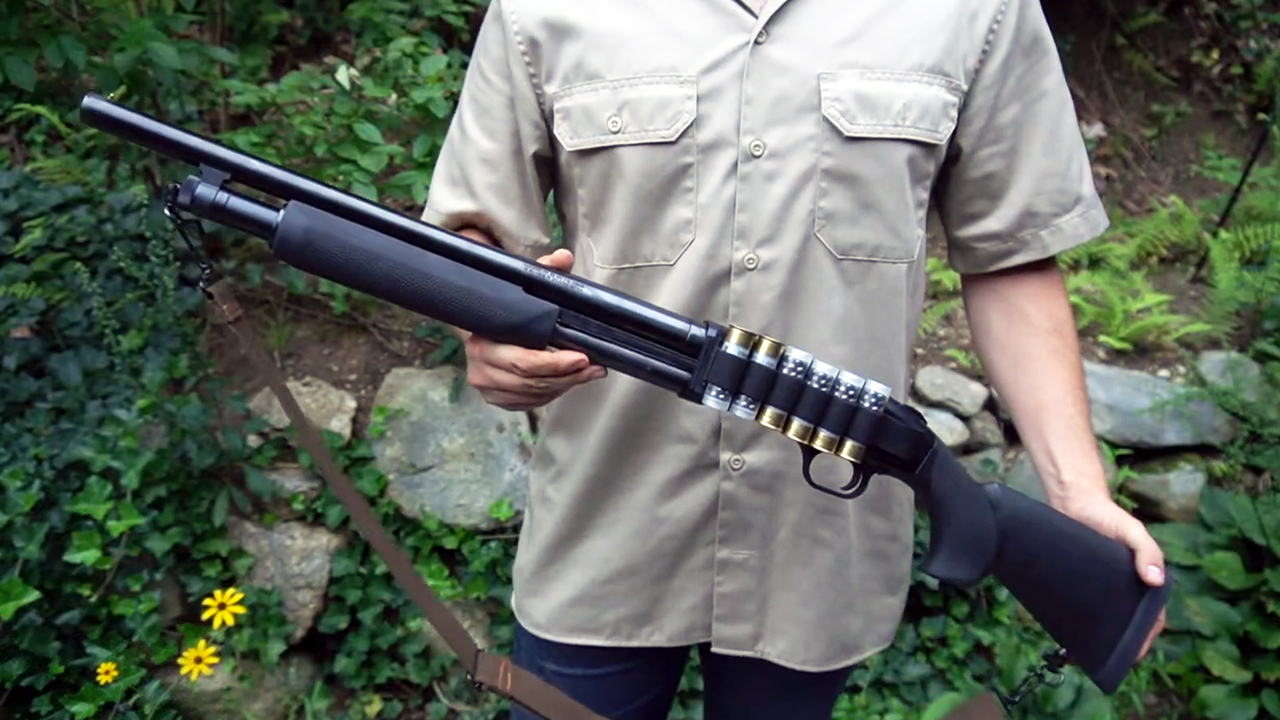
The Mossberg 500 has stayed useful because it doesn’t try to be anything more complicated than a dependable pump shotgun. One receiver can handle different barrels, different roles, and different seasons without turning into a project. Bird hunting, turkey hunting, deer setups, clays, home defense, and rough property use all fit the platform with the right configuration.
That’s the edge of a simple design. The controls are easy to understand, the tang safety works well for many shooters, and parts support is strong. It may not feel as polished as more expensive shotguns, but it doesn’t need to. A basic pump that cycles, points, and keeps working after years of use is hard to beat. The 500 proves usefulness lasts longer than styling.
Ruger 10/22
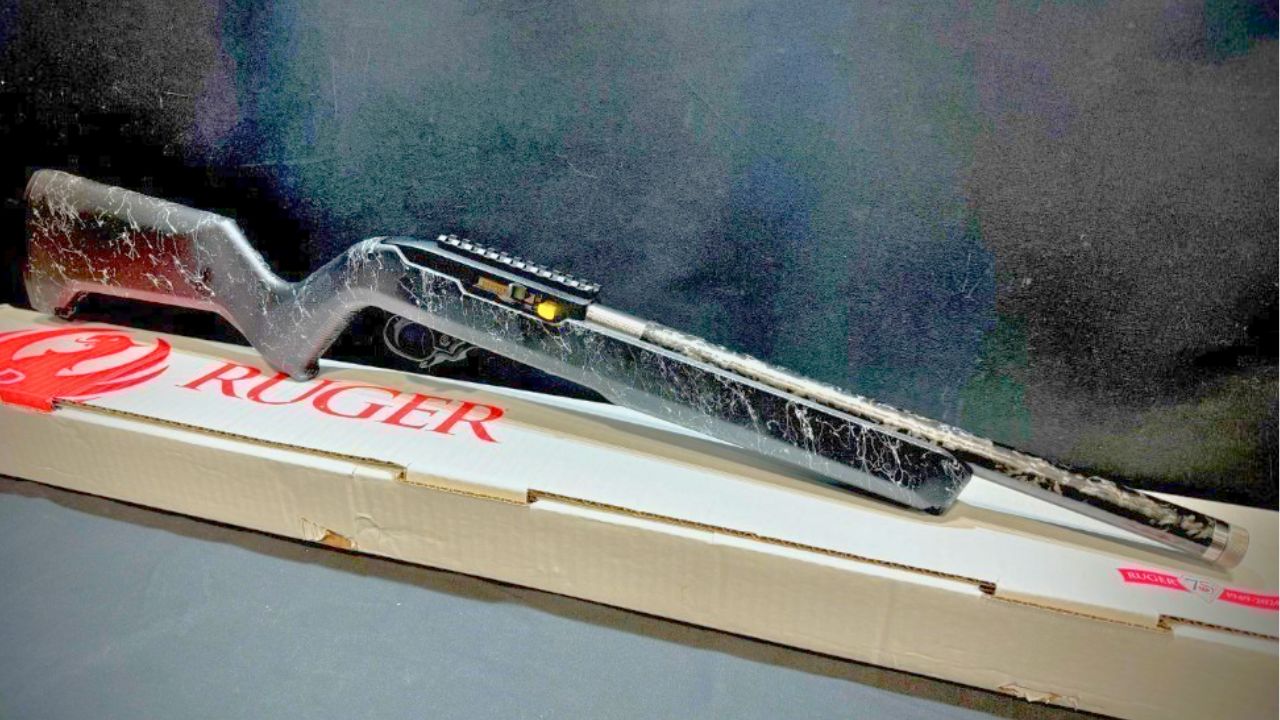
The Ruger 10/22 is one of the best examples of simple done right. It’s a semi-auto .22 rifle with a rotary magazine, easy handling, and enough reliability to become one of the most common rimfires in the country. It’s not complicated, and that’s exactly why it works for so many people.
A 10/22 can teach new shooters, handle small-game hunting, burn cheap ammo, or become a custom project if the owner wants to go that route. The basic rifle is still useful without any of that. Magazines are easy to find, parts are everywhere, and the manual of arms is simple enough for nearly anyone to learn. It proves a good foundation beats a pile of unnecessary features.
Smith & Wesson Model 10
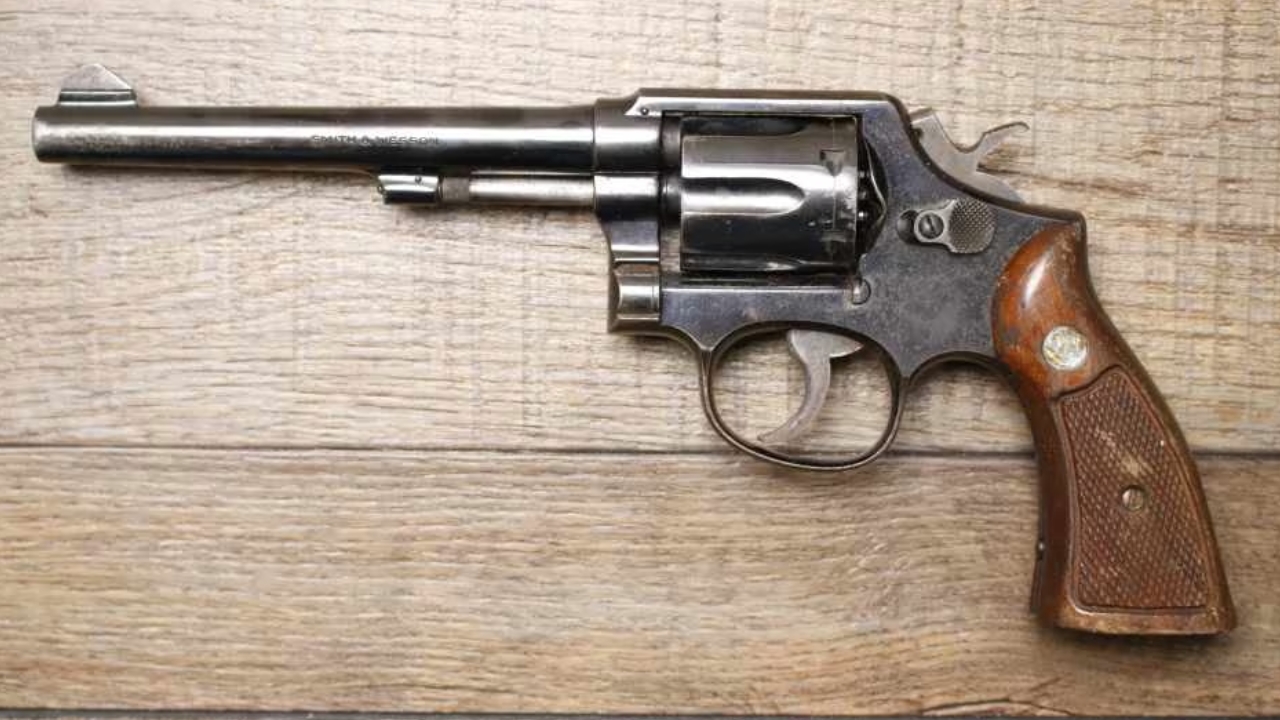
The Smith & Wesson Model 10 is about as plain as a defensive or training handgun can get. Fixed sights, .38 Special chambering, six rounds, and a double-action revolver system that has been around forever. On paper, it looks outdated compared with modern semi-autos.
Then you shoot one and remember why it lasted. The recoil is mild, the balance is excellent, and the trigger teaches real control. It doesn’t rely on capacity or attachments to make its case. It works because it’s understandable, durable, and honest. For training fundamentals, casual range use, or simple defensive familiarity, the Model 10 still has value. It proves plain does not mean useless.
Winchester Model 94
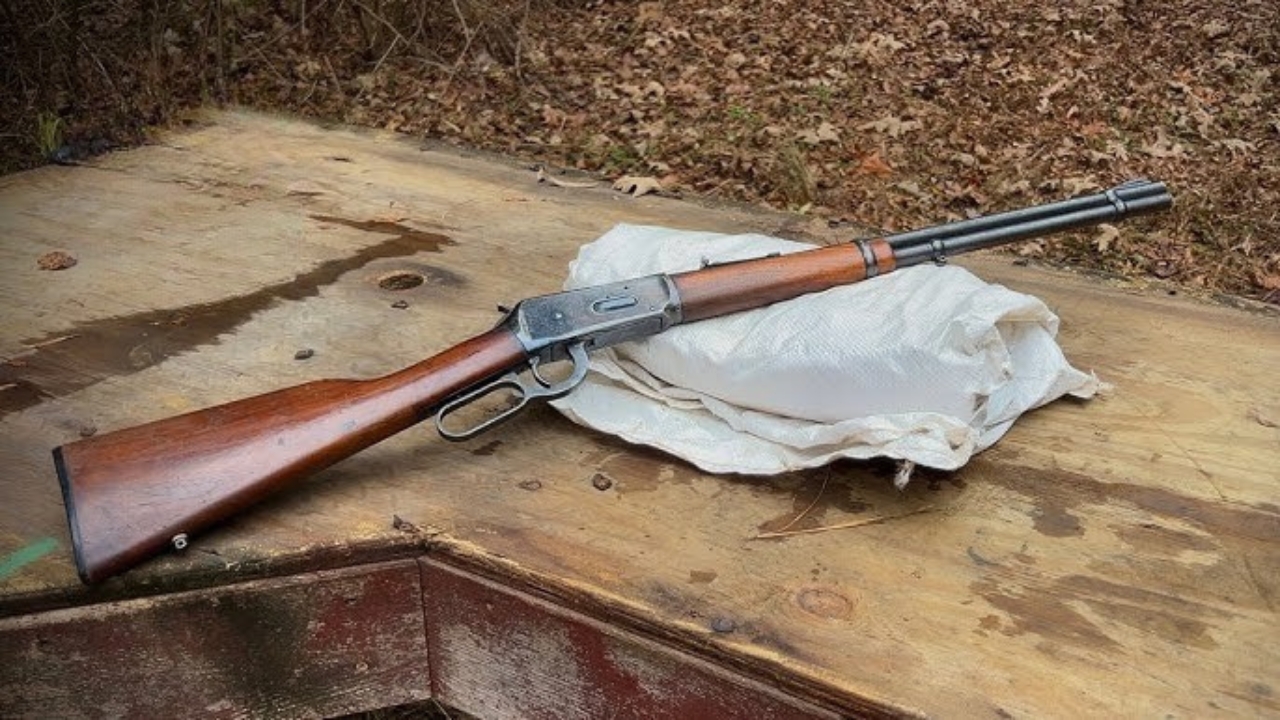
The Winchester Model 94 remains one of the clearest examples of a rifle designed around a real hunting need. It’s light, quick, handy, and chambered most famously in .30-30 Winchester. It doesn’t pretend to be a long-range rifle or a precision bench gun. It’s a woods rifle, and it knows it.
That clear purpose is why the design still works. In thick timber or brush country, a rifle that shoulders fast and carries easily can matter more than raw ballistic performance. The Model 94’s simplicity makes it easy to live with and easy to trust inside its limits. Some modern rifles can do more on paper. The 94 does its job with less fuss.
Glock 17
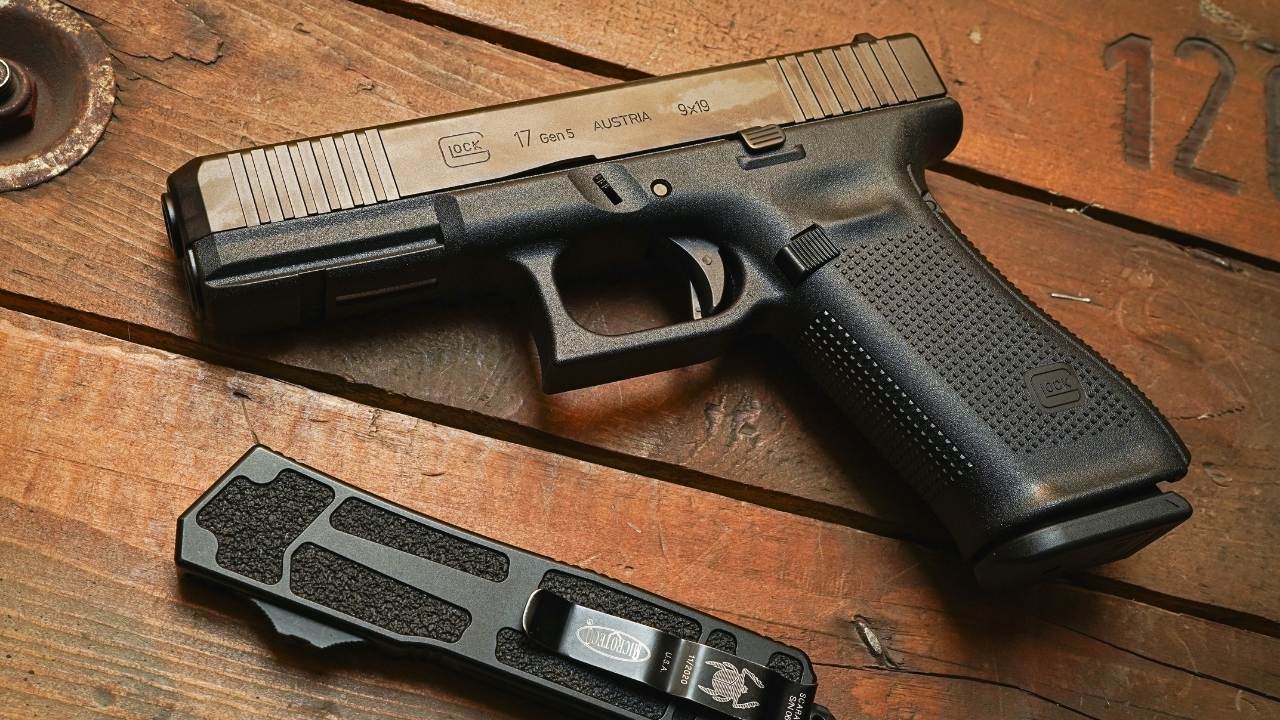
The Glock 17 proved simple could change the handgun world. It wasn’t the first polymer pistol, but it showed how powerful a simple, reliable, easy-to-maintain duty pistol could be. Minimal external controls, strong magazine capacity, and straightforward maintenance gave shooters something that worked without much drama.
That simplicity is still the main reason people trust it. A Glock 17 doesn’t need a complicated manual of arms or delicate maintenance routine. It runs, parts are everywhere, magazines are common, and nearly every holster maker supports it. Plenty of newer pistols have better factory triggers or more refined grip texture, but the Glock 17 keeps proving that practical simplicity has real staying power.
Marlin 336
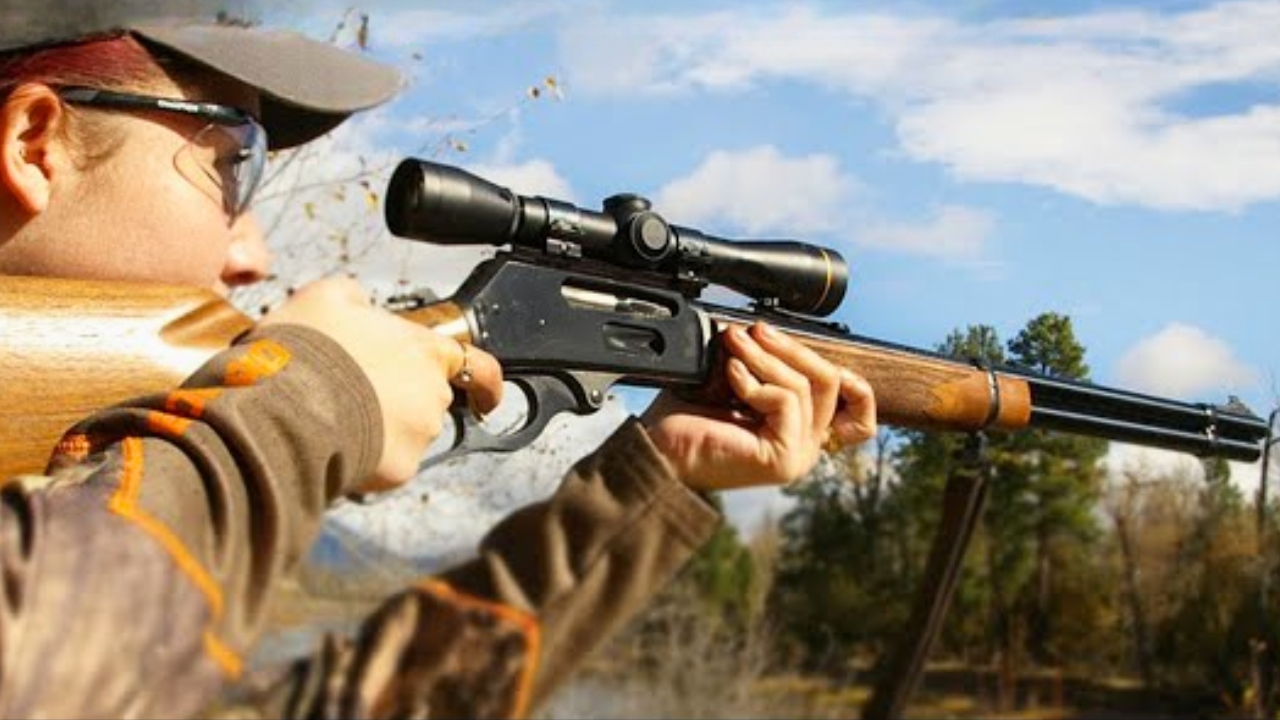
The Marlin 336 is simple in the way a good hunting rifle should be. Lever-action operation, side ejection, a solid-top receiver, and classic woods cartridges like .30-30 Winchester and .35 Remington make it easy to understand. It was built for hunters who needed a handy rifle, not a science project.
The 336’s edge is how naturally it fits real deer woods. It carries well, cycles quickly, and takes a scope more easily than top-eject lever guns. It doesn’t need long-range marketing to matter. It just needs to put a bullet where it belongs at normal hunting distances. A good 336 reminds hunters that simple rifles keep working because most hunting is simpler than the ads pretend.
Ruger Blackhawk
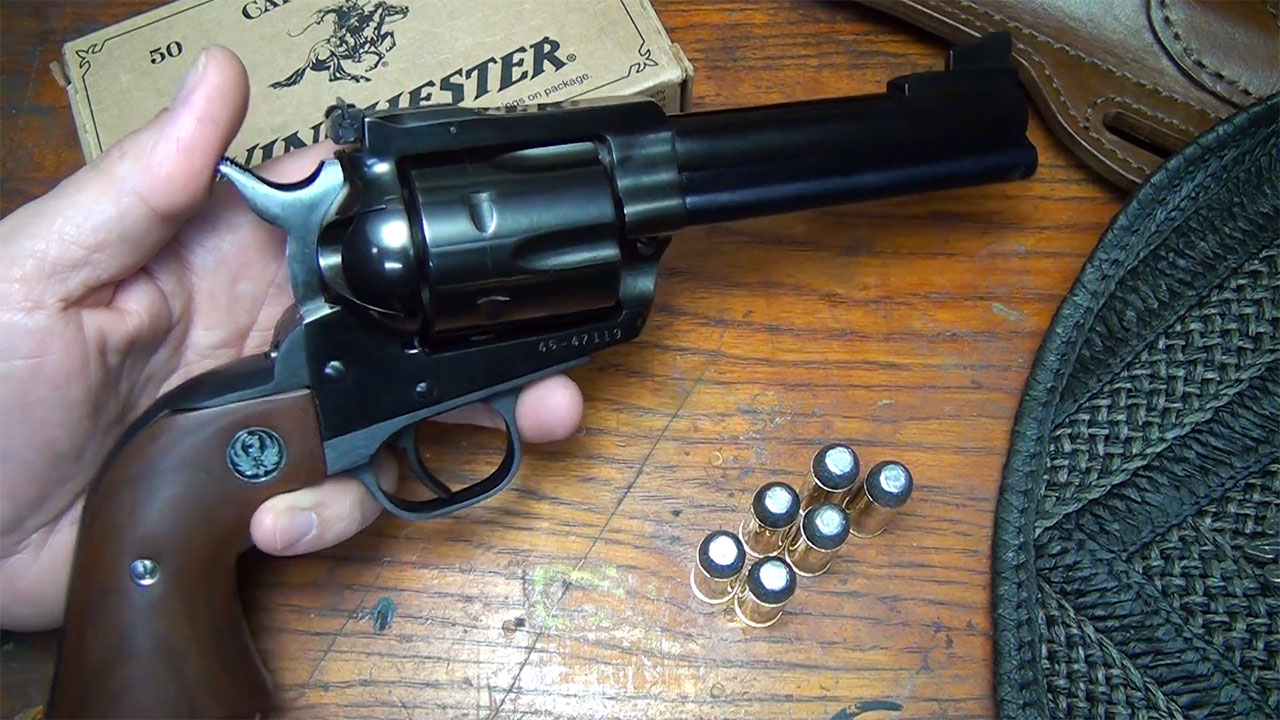
The Ruger Blackhawk proves that a strong single-action revolver still has a place. It’s slower to load than a modern semi-auto and less refined than some fancy revolvers, but it makes up for that with durability, accuracy, and a design that rewards deliberate shooting.
In chamberings like .357 Magnum, .44 Magnum, and .45 Colt, the Blackhawk works for range shooting, woods carry, and hunting roles where a revolver makes sense. The controls are simple, the frame is strong, and the gun doesn’t feel fragile. Some shooters want speed and capacity. Others appreciate a revolver that encourages them to slow down and shoot well. The Blackhawk keeps proving that kind of simplicity still matters.
Remington 870 Fieldmaster

The Remington 870 Fieldmaster keeps the basic 870 formula alive: pump action, steel receiver, broad barrel options, and a design that has handled almost every shotgun role imaginable. It doesn’t need to be radical. It needs to be smooth, reliable, and useful.
That’s where the 870 still has an edge. A hunter can use one platform for birds, deer, turkey, clays, or general utility with the right barrel and choke setup. The Fieldmaster brings a better-finished feel than the rougher budget versions that hurt the 870’s reputation in later years. At its heart, though, it’s still a simple pump gun. That’s a good thing. Simple pumps have fed families and protected homes for generations.
Henry H001 Lever Action .22
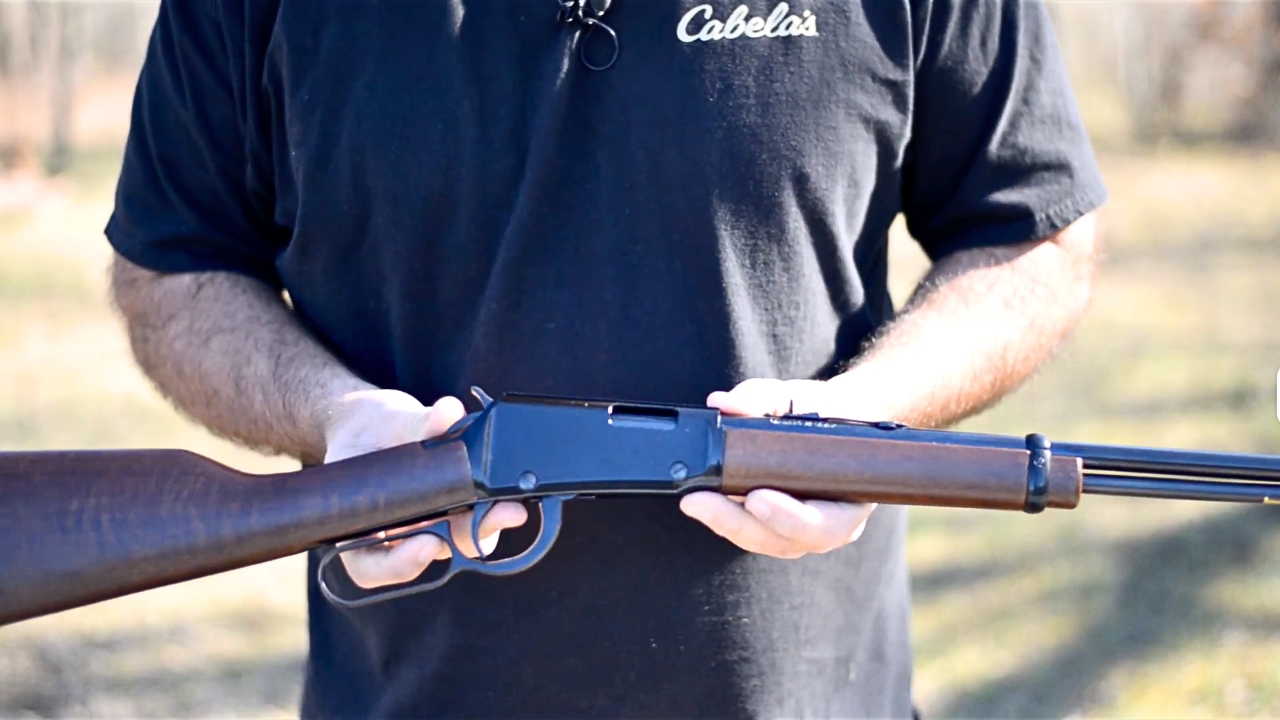
The Henry H001 is one of those rifles that proves simple can also be fun. A lever-action .22 doesn’t need a tactical stock, match barrel, or detachable magazine to keep people interested. It just needs to run smoothly, shoot well enough, and make range time enjoyable.
That’s exactly what the H001 does. It’s friendly for new shooters, useful for casual practice, and capable for small-game hunting where legal. The lever action slows things down just enough to make every shot feel intentional. A lot of modern rimfires try to sell features. The Henry sells the experience of shooting. That’s why it stays popular with families, hunters, and people who just enjoy a good afternoon with a .22.
CZ 527 Carbine

The CZ 527 Carbine was simple, handy, and more useful than many people realized while it was still easy to find. It used a compact mini-Mauser-style action, detachable magazine, and practical chamberings like .223 Remington and 7.62×39. It didn’t need to look modern to be smart.
Its edge was handling. The rifle was short, easy to carry, and accurate enough for field use without becoming bulky. The single-set trigger on many versions gave it extra precision when wanted, but the rifle stayed practical at heart. Now that the 527 line is gone, shooters appreciate how well that simple little carbine filled a real niche. Not every rifle needs to be full-size to be serious.
Beretta 92FS

The Beretta 92FS may look more complex than some pistols because of its DA/SA system and slide-mounted safety, but its long-term appeal is simple: it shoots smoothly and runs reliably. It’s a full-size 9mm built around comfort, control, and a proven service record.
The 92FS doesn’t chase tiny size or extreme modularity. It gives the shooter a long sight radius, soft recoil impulse, and a metal-frame feel that makes practice enjoyable. Yes, it’s large. Yes, the controls are not everyone’s favorite. But when it comes to putting rounds on target with confidence, the design still works. It proves simple shooting comfort can matter more than modern minimalism.
Savage Model 110

The Savage Model 110 became respected because it delivered accuracy without a lot of flash. The barrel nut system, practical action design, and later AccuTrigger helped Savage build rifles that regular hunters could afford and actually shoot well. It wasn’t always pretty, but it got results.
That’s the edge here. A rifle that groups well and holds together through hunting seasons doesn’t need much decoration. The 110 has been offered in countless versions, but the core appeal is still simple: affordable accuracy and practical function. Some rifles sell tradition. Some sell looks. The Savage 110 sold performance to people who cared more about the target than the nameplate.
Browning BL-22

The Browning BL-22 proves that a simple rimfire can still feel special when it’s built well. It’s a lever-action .22 with a short throw, quality feel, and enough refinement to make cheap plinkers feel rough by comparison. It’s not complicated. It’s just nicely done.
That quality is why owners keep them. The BL-22 works for small-game hunting, casual range days, and teaching new shooters. It cycles quickly, points naturally, and feels like a rifle worth keeping. There’s nothing tactical or trendy about it. It succeeds because the basic design is enjoyable and well executed. That’s a lesson a lot of modern rimfires could stand to remember.
Smith & Wesson Model 642
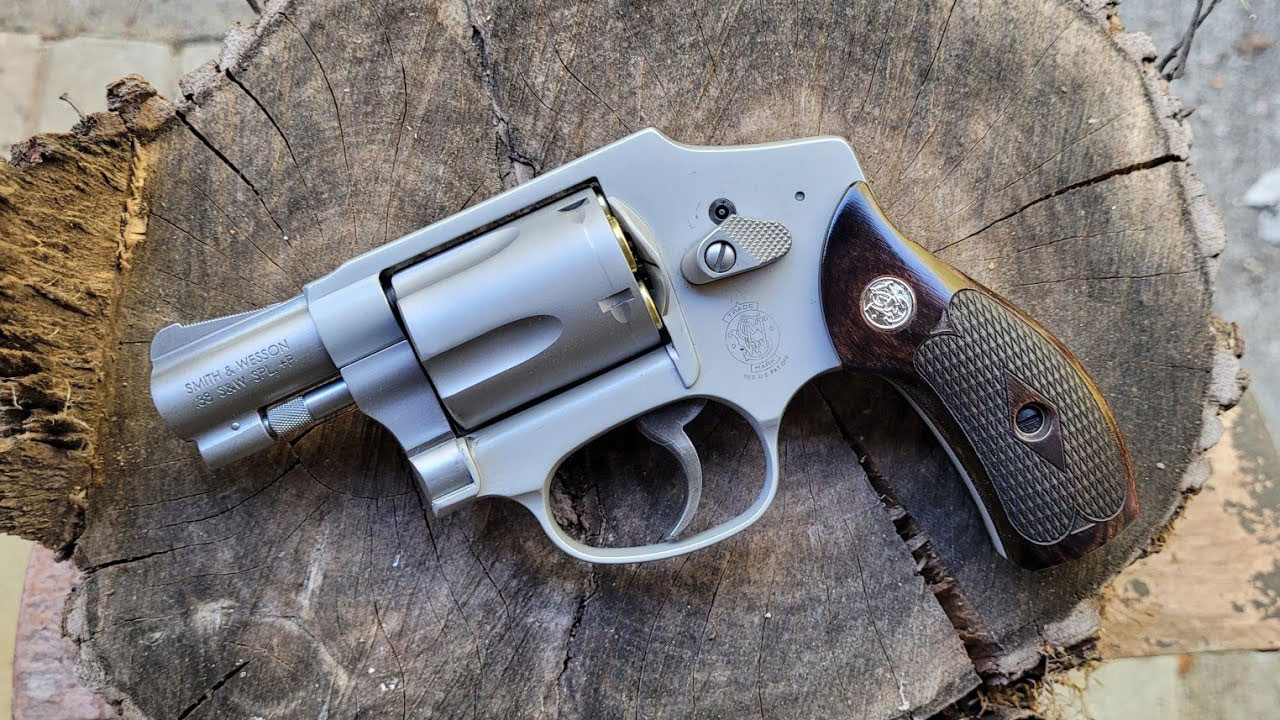
The Smith & Wesson Model 642 is one of the simplest carry guns still taken seriously. It’s a lightweight hammerless .38 Special revolver with basic sights and a heavy double-action trigger. By modern standards, it gives up capacity, shootability, and easy reloads. Yet it still fills a role.
That role is deep concealment and simple operation. The enclosed hammer keeps it snag-free, the small frame makes it easy to carry, and the revolver design is straightforward for owners who train with it. It is not easy to shoot well, and that should never be ignored. But for people who practice, the 642 proves a simple pocket revolver can still make sense when larger guns won’t.
Ruger American Rifle
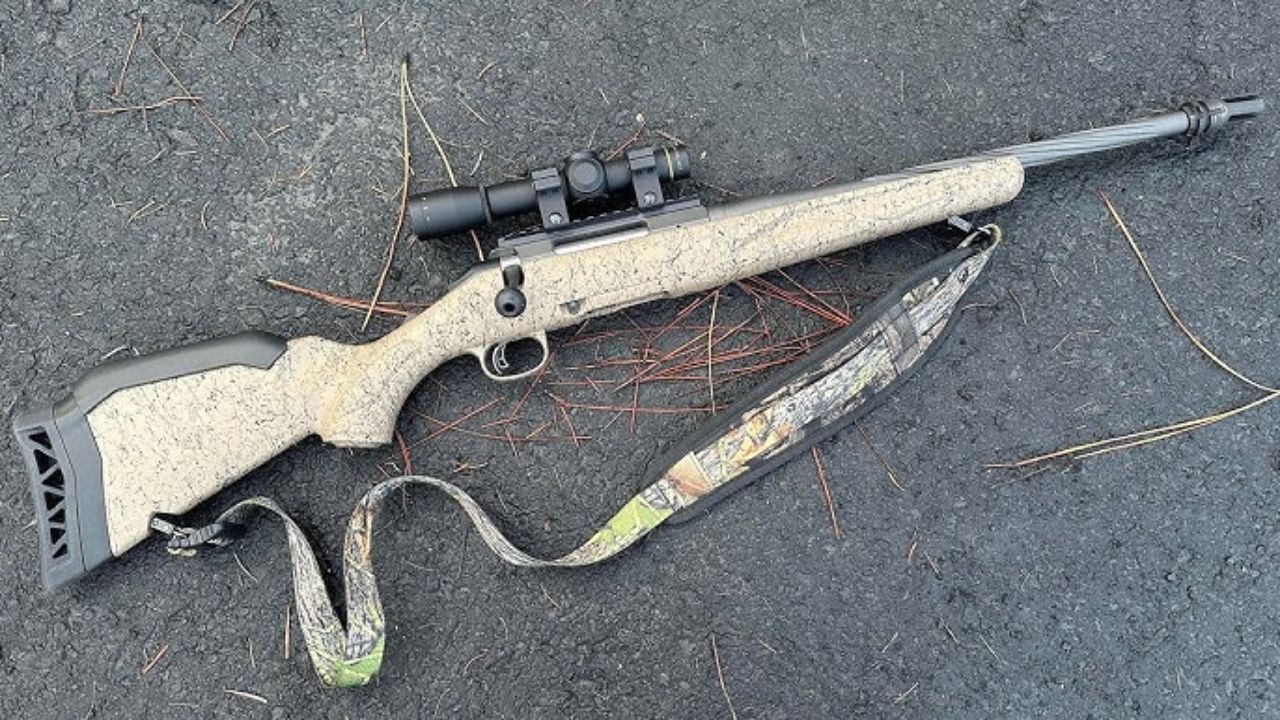
The Ruger American Rifle is a modern example of simple working well. It’s affordable, accurate, and practical without pretending to be a premium hunting rifle. The stock is basic, the finish is plain, and the whole package is clearly built for value. But the rifle shoots.
That’s what gave it an edge. The Marksman Adjustable trigger, bedding system, rotary magazine on many versions, and wide chambering options made it far better than some expected at the price. It doesn’t need walnut, engraving, or a famous old action to do its job. It gives regular hunters a rifle that works. Sometimes simple wins because it puts the money where it matters.
Like The Avid Outdoorsman’s content? Subscribe to our newsletter so you never miss an article.
Here’s more from us: