Photo credit: Alabama Arsenal/YouTube
The Colt Python became legendary before the internet could turn every gun into a weekly argument. It did not need influencer videos, limited drops, or collectors screaming at each other in comment sections to build its name. The Python earned its reputation the old way: by looking incredible, shooting beautifully, and feeling different from the average revolver the second someone picked it up.
Colt introduced the Python in 1955 as a premium .357 Magnum double-action revolver, and it quickly became known for accuracy, a smooth trigger, tight cylinder lockup, adjustable sights, and its unmistakable full underlug and ventilated rib barrel profile. It was built as a top-of-the-line revolver, and that is exactly how people remembered it.
1. It Looked Like Nothing Else on the Counter

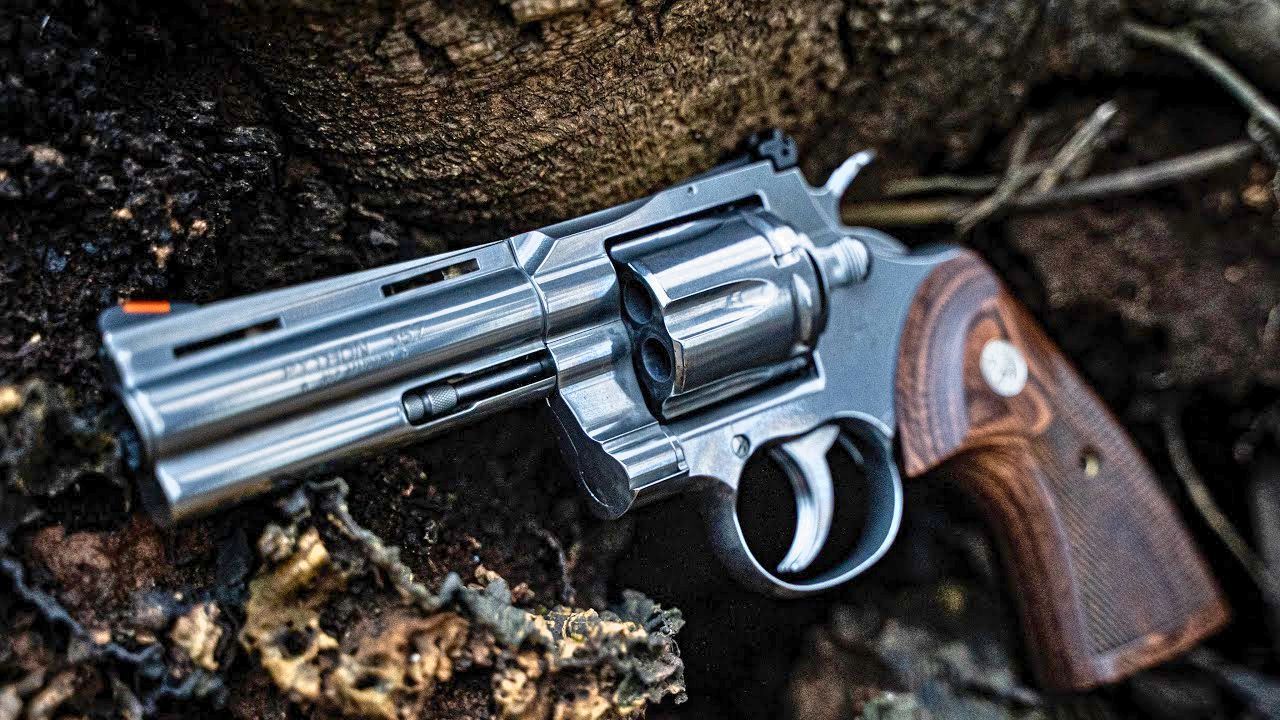
The Python has one of the most recognizable revolver profiles ever made. The full-length underlug, ventilated rib, adjustable sights, and long, graceful barrel lines made it stand out from plainer revolvers immediately. It looked expensive because it was built to look expensive.
That mattered more than some shooters want to admit. Guns earn reputations through performance, but they become legends when people remember them at a glance. The Python had that effect. You did not need to read the roll mark to know what it was. The shape gave it away.
2. The Royal Blue Finish Became Famous

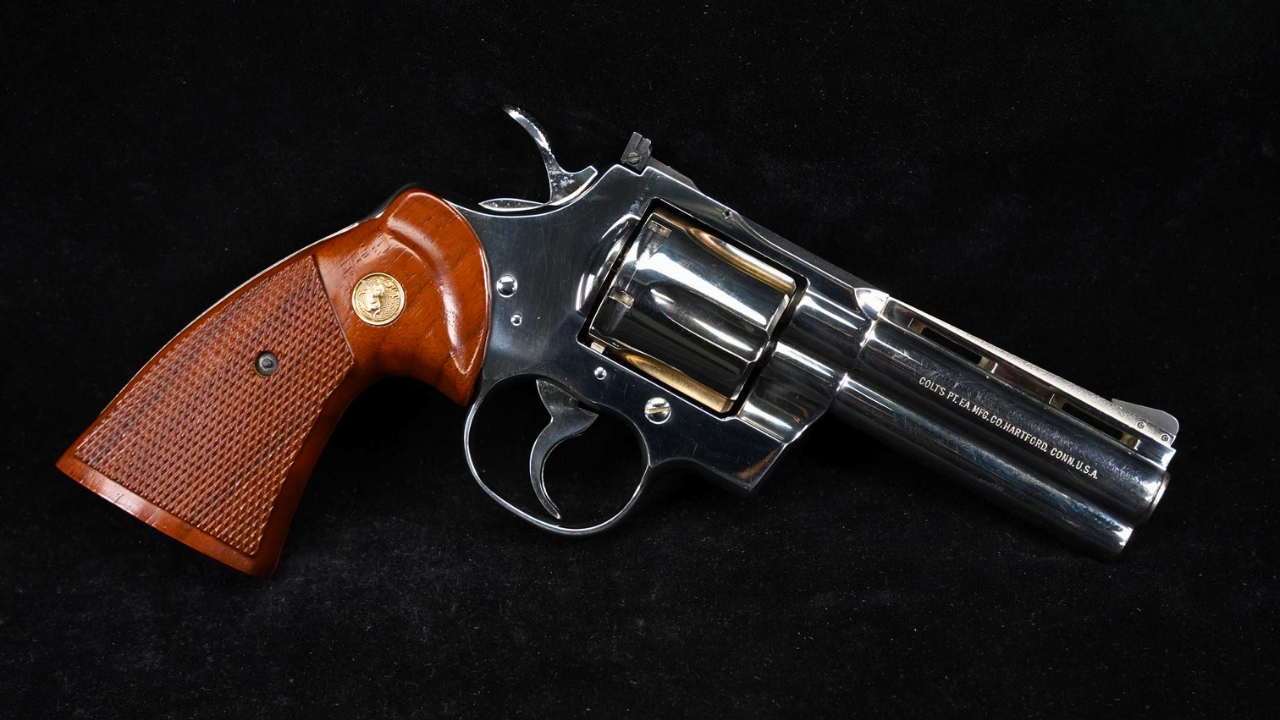
The old Colt Royal Blue finish is one of the reasons vintage Pythons became so desirable. It had a deep, polished look that felt more like old-world craftsmanship than mass production. A good blued Python looked like someone had actually cared about the surface before it left the factory.
That kind of finish is hard to fake. It takes polishing, time, and attention. It also scratches, wears, and shows age, which is part of why clean examples became so collectible. The Python’s finish helped separate it from revolvers that may have worked fine but did not carry the same visual weight.
3. The Trigger Reputation Was Earned

The Python’s double-action trigger is one of the biggest parts of the legend. A good Python trigger feels smooth, rolling, and controlled in a way that made shooters pay attention. It was not only about light pull weight. It was about how the trigger moved through the stroke.
That mattered because double-action revolver shooting depends heavily on trigger control. A smooth pull lets the shooter keep sights settled through the entire press. The Python did not make poor technique disappear, but it gave skilled shooters a better tool. That smooth trigger reputation became one of the main reasons people chased them.
4. It Was Built as a Premium Revolver
The Python was never meant to be a cheap working gun. It was introduced as Colt’s top-of-the-line model and was originally aimed at the premium target-revolver market. That premium identity followed it for the rest of its life.
That matters because expectations were different from the start. People did not buy a Python because it was the cheapest way to get a .357 Magnum. They bought it because it was supposed to be special. The fit, finish, trigger, sights, and balance all supported that reputation. Colt gave it a high-end identity, and shooters believed it because the gun backed it up.
5. The .357 Magnum Chambering Gave It Real Authority

The Python’s .357 Magnum chambering helped make it more than a pretty revolver. The .357 gave shooters power, versatility, and credibility. They could shoot full-power Magnum loads when they wanted authority, or run .38 Special for lighter recoil and easier practice.
That combination made the Python useful in several roles. It could be a target revolver, range gun, hunting sidearm, defensive revolver, or collector piece. A beautiful gun that also fires a serious cartridge has a much stronger claim to legend status than one that only looks good in a display case.
6. It Had Serious Accuracy Potential
The Python built a reputation for accuracy, and that did not come from looks alone. The tight lockup, quality barrel work, adjustable sights, and strong trigger all helped the revolver shoot well in the hands of someone who knew how to run a double-action gun. Pythons became known for accuracy, smooth trigger pull, and tight cylinder lockup.
That kind of accuracy reputation matters with revolvers. A good revolver should feel predictable from cylinder to cylinder, shot to shot. The Python gave shooters confidence that the gun could do its part if they did theirs. That helped it appeal to target shooters and serious handgun people, not only collectors.
7. The Full Underlug Changed the Feel

The Python’s full underlug was part of the look, but it also affected how the gun handled. That extra weight under the barrel helped steady the muzzle and gave the revolver a planted feel during recoil. It also made longer-barreled Pythons feel especially settled in slow, accurate shooting.
Not everyone wants a heavy muzzle, and shorter-barreled revolvers have their own appeal. But the Python’s underlug became part of the identity. It made the revolver feel substantial. That weight out front helped with control, and it gave the gun the visual profile people still associate with high-end .357 revolvers.
8. The Vent Rib Made It Instantly Recognizable

The ventilated rib is one of those details that became pure Python. It gave the barrel a distinctive top line and made the revolver look more refined than ordinary service guns. Colt was not the only company to use ribs, but the Python’s rib became part of its signature.
That kind of detail matters in a legendary firearm. The rib did not need to be the most practical feature in the world to matter. It helped create the Python’s silhouette. A legendary gun usually has something about it that people can recognize from across the room. The Python had several, and the vent rib was one of the biggest.
9. It Balanced Target Gun and Combat Magnum Ideas

The Python has often been described in the space between target revolver and combat magnum. It had precision sights, a smooth trigger, and the kind of finish target shooters appreciated, but it also chambered .357 Magnum and had enough strength and presence to be taken seriously as a working revolver.
That balance helped the Python reach different audiences. Target shooters liked the trigger and accuracy. Collectors liked the craftsmanship. Defensive shooters respected the .357 Magnum chambering. Hunters and outdoorsmen appreciated the power in longer-barreled versions. It was not locked into one narrow identity.
10. Barrel Length Options Gave It Different Personalities
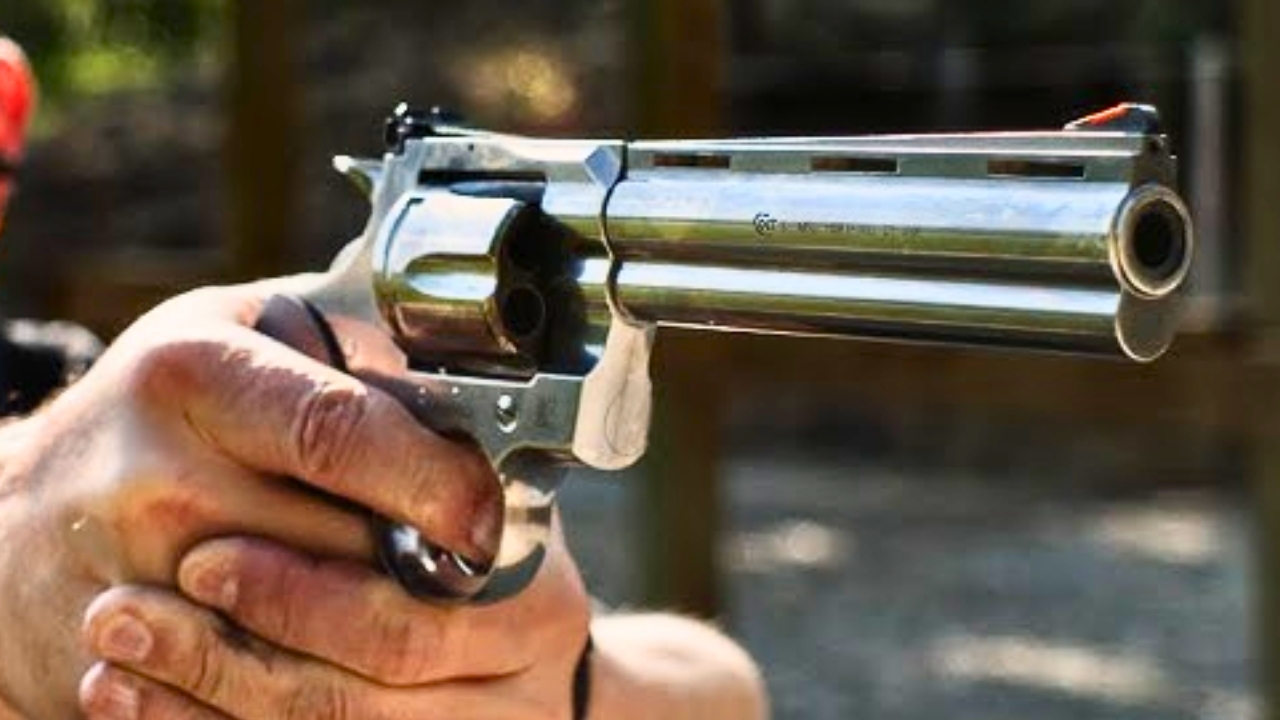
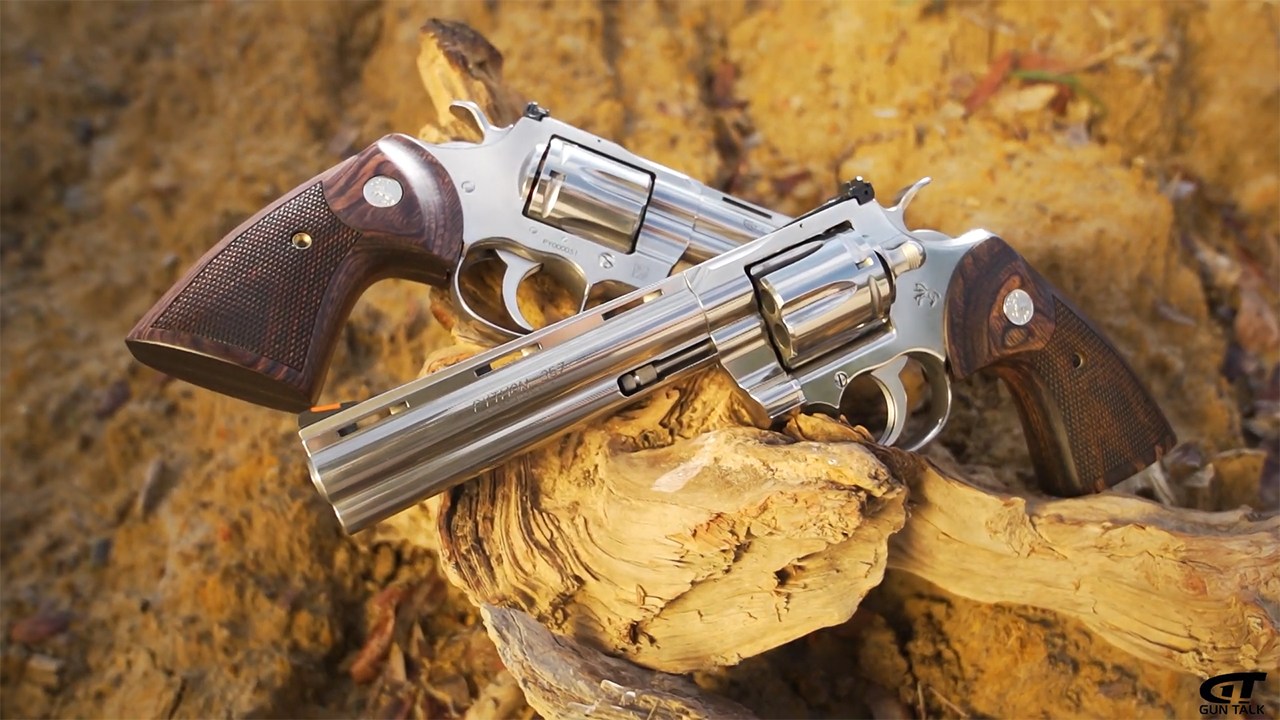
The Python’s different barrel lengths helped build the legend because each one had its own following. Shorter barrels looked compact and carry-friendly. Four-inch guns felt like classic working revolvers. Six-inch models had that target-rifle steadiness in handgun form. Eight-inch versions leaned into hunting and target use.
That variety kept the Python interesting. A collector could argue over which barrel length looked best. A shooter could pick one based on balance and purpose. The same basic revolver could feel like several different guns depending on length. That helped keep people talking about it for decades.
11. It Became a Collector Magnet

The Python became collectible because it had the right mix of quality, beauty, history, and scarcity. Once original production ended, nice examples became harder to find and more expensive. Condition, finish, barrel length, box, papers, and production era all started to matter more.
That collector pull fed the legend even more. When a gun becomes expensive and sought-after, people start treating it differently. Some of that can become overblown, but with the Python, the interest had a real foundation. It was not collectible because it was obscure. It was collectible because people already wanted it when it was still being made.
12. It Had the Colt Name Behind It
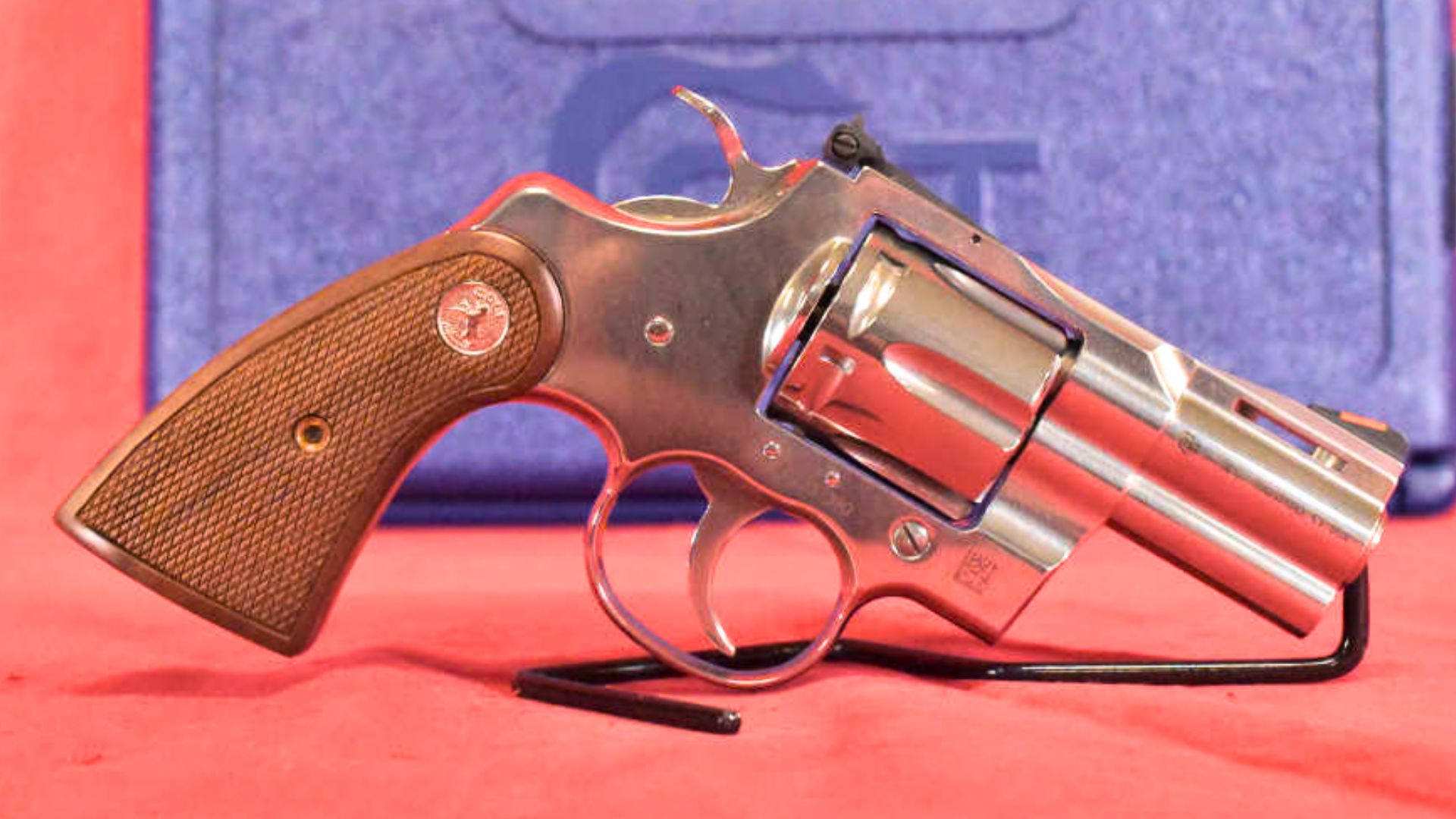
The Python benefited from the Colt name in a big way. Colt already had deep American firearms history, and the Python became one of the company’s most famous revolvers. That brand weight helped it feel important from the beginning.
But the name alone would not have been enough. Colt has made plenty of guns, and not all of them became legends. The Python became legendary because it made the Colt name feel alive in the premium revolver world. It was the kind of gun people expected from a company with Colt’s history.
13. Pop Culture Kept It Alive

The Python showed up in movies, television, video games, posters, and crime-drama imagery for years. That kept it recognizable to people who may never have handled one. A revolver with that kind of screen presence gets remembered differently than a gun that only lives in old catalogs.
Pop culture can cheapen a gun’s reputation if the gun itself does not back it up. The Python did not have that problem. Its real-world reputation was already strong, and its appearances in popular media only made the image bigger. It became one of the few revolvers non-gun people might still recognize.
14. It Was Discontinued Long Enough to Become Mythic
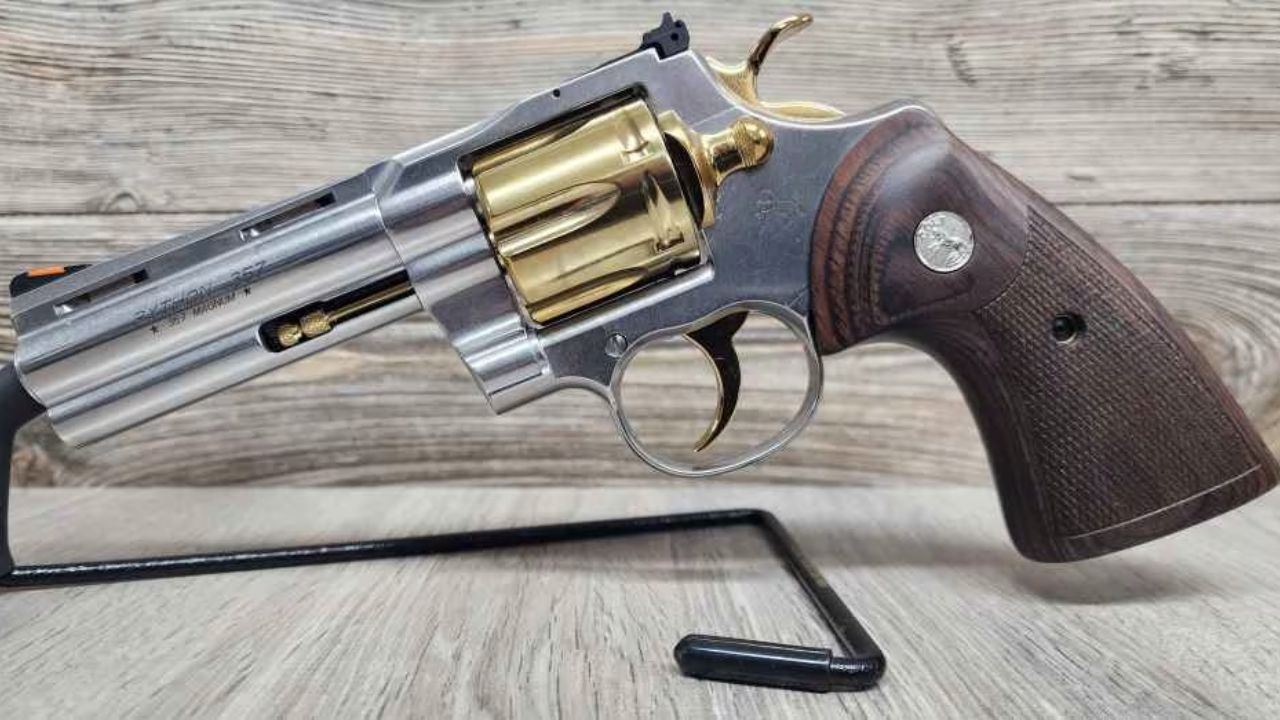
Original Python production ended, and that helped turn the revolver from desirable to almost mythical. Once buyers could no longer simply walk into a shop and order one, every clean example became more interesting. Prices climbed. Stories grew. People started talking about older Pythons like they were from a different world of gunmaking.
Scarcity does that. It turns good guns into legends and legends into objects people chase. The Python’s original production run from 1955 to 2005 and later return in 2020 created a long enough gap for the old guns to gain serious collector gravity.
15. It Felt Special in a Way Most Revolvers Didn’t

The biggest reason the Colt Python became legendary is simple: it felt special. Plenty of revolvers are reliable. Plenty are accurate. Plenty can handle .357 Magnum. But the Python combined function, looks, trigger feel, finish, balance, and brand history in a way that made people remember it.
That is hard to manufacture. A gun can be good without becoming legendary. The Python crossed that line because shooters did not only respect it; they wanted it. They talked about it. They compared other revolvers to it. They kept chasing clean examples decades later. That is what made the Python more than another .357. It became the revolver everyone remembered.
Like The Avid Outdoorsman’s content? Subscribe to our newsletter so you never miss an article.
Here’s more from us: