Photo credit: Lucky Gunner Ammo/YouTube
Some handguns get popular because they photograph well, or because a big name carried one once. The ones that earn a spot in a holster are different. They run when they’re dirty, they don’t need a special diet of ammo, and they don’t make you fight the gun under stress. They also have real support—mags you can find, sights you can replace, holsters that actually fit, and a track record that isn’t based on internet hype.
Here are 15 sidearms I’ve seen keep showing up on belts for a reason, with the good and the “know this before you buy it.”
Glock 19

The Glock 19 earns its spot because it’s the same story every time: it runs. It’s not the softest shooter, and it’s not the prettiest, but it’s hard to argue with a pistol that keeps feeding and firing across a huge range of ammo and conditions. The size hits a sweet spot too—big enough to shoot well, small enough to carry for a lot of people.
The reason it stays in holsters is support. Parts are everywhere, mags are cheap, holsters are endless, and you can set it up the way you want without chasing rare components. If you put in the reps, the grip angle stops being a “thing,” and it becomes a very repeatable gun.
Glock 43X

The 43X is one of those pistols that makes people actually carry more often. It’s thin enough to disappear on a normal day, but it isn’t so tiny that you feel like you’re hanging onto a bar of soap. For a lot of shooters, it’s the first “slim” pistol that doesn’t punish them during longer practice sessions.
Holster support is strong, the reliability track record is solid, and it’s easy to keep simple. The main caution is making sure your mags are boring and dependable. If you stick with proven mags and don’t chase questionable add-ons, the 43X tends to stay out of drama—and that’s why it keeps earning belt time.
Glock 17

If you spend real time shooting, the Glock 17 makes a ton of sense. The longer grip and sight radius help people shoot faster and cleaner, especially under any kind of time pressure. It also tends to be a little more forgiving when you’re not perfectly locked in on your grip that day.
It earns the holster spot for folks who prioritize shooting performance over maximum concealment. It’s also a workhorse for training. Parts, mags, sights, and holsters are everywhere, and the gun rarely surprises you. If you want one pistol that you can practice hard with and trust, the 17 is still near the top.
SIG Sauer P365

The P365 changed what people expect from a small pistol, mainly because it gave you real capacity in a package that used to mean “accept the drawbacks.” It carries easily, points naturally for many shooters, and it’s one of the few micro-9s that people actually enjoy practicing with once it’s set up right.
What keeps it in holsters is the balance: size, capacity, and shootability. Just be honest with yourself—micro guns demand more from your grip and follow-through than compact pistols do. Also, stick with proven mags and springs. If you treat it like a serious tool and maintain it like one, it earns its place.
SIG Sauer P365 XL

The XL is the P365 that a lot of shooters end up settling on after the honeymoon phase with smaller guns. The longer grip and slide smooth things out, and you get a gun that carries well but doesn’t feel like a compromise once you start shooting strings faster.
It’s a strong “do most things well” option, especially if you want a slim carry pistol that still behaves like a real pistol at the range. The XL also has great holster and sight support. The biggest win is control—less muzzle rise, more consistent return to target. That’s what keeps it riding in a holster after the novelty wears off.
SIG Sauer P365 XMacro

The XMacro is a smart answer for people who like the P365 system but want a more stable platform. It carries flatter than a lot of double-stacks, but it shoots closer to a compact. If you’ve ever felt like a micro-9 was always one step away from getting sloppy during fast strings, the XMacro fixes a lot of that.
It earns holster time because it’s easier to grip consistently under stress. You also get capacity without needing a giant frame. The tradeoff is it’s not a tiny gun—plan your carry setup accordingly. With a good belt and a holster that locks it in tight, it’s one of the more practical “carry a lot, shoot a lot” options.
Smith & Wesson M&P 2.0 Compact
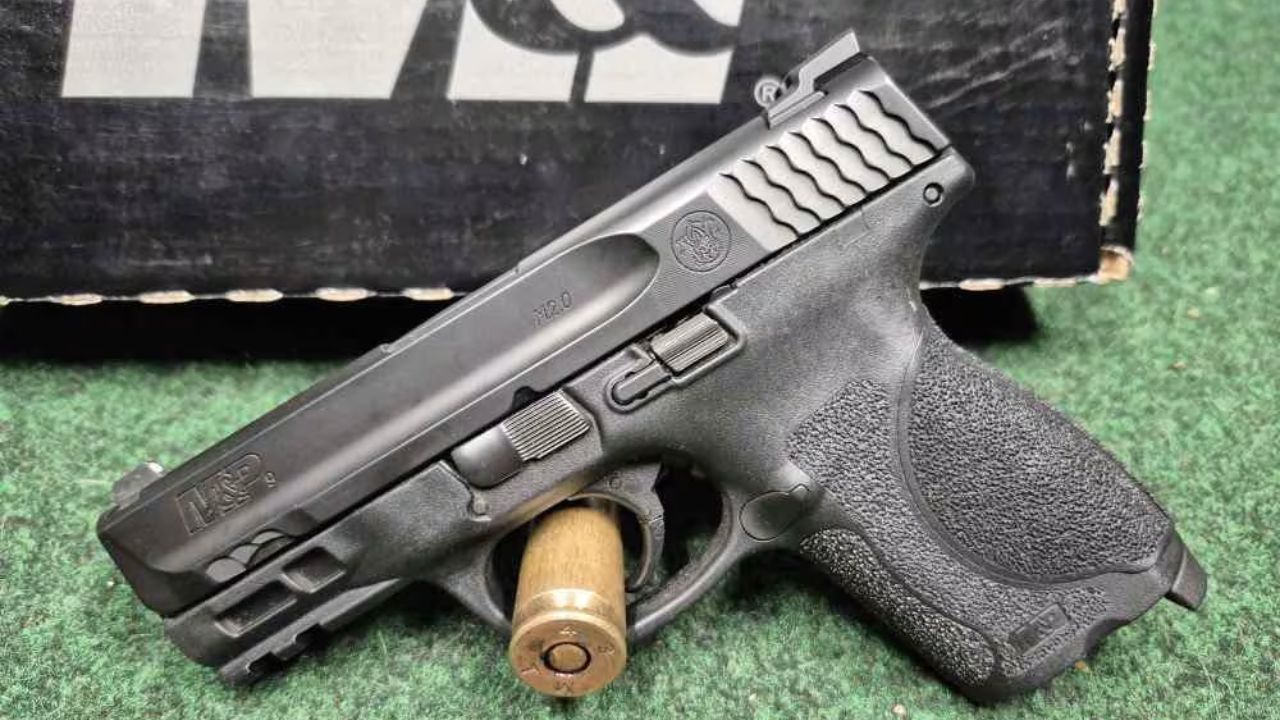
The M&P 2.0 Compact has become a staple because it fits a lot of hands well and it shoots flat for its size. The grip texture is aggressive in a good way—it helps when your hands are sweaty, cold, or you’re trying to run the gun fast without readjusting every shot.
It stays in holsters because it’s dependable and easy to live with. Holster support is strong, and the platform has matured a lot over the years. If you want a striker-fired carry pistol that doesn’t feel “blocky” in the hand, the M&P is worth a hard look. Set it up with solid sights and run it.
Walther PDP Compact
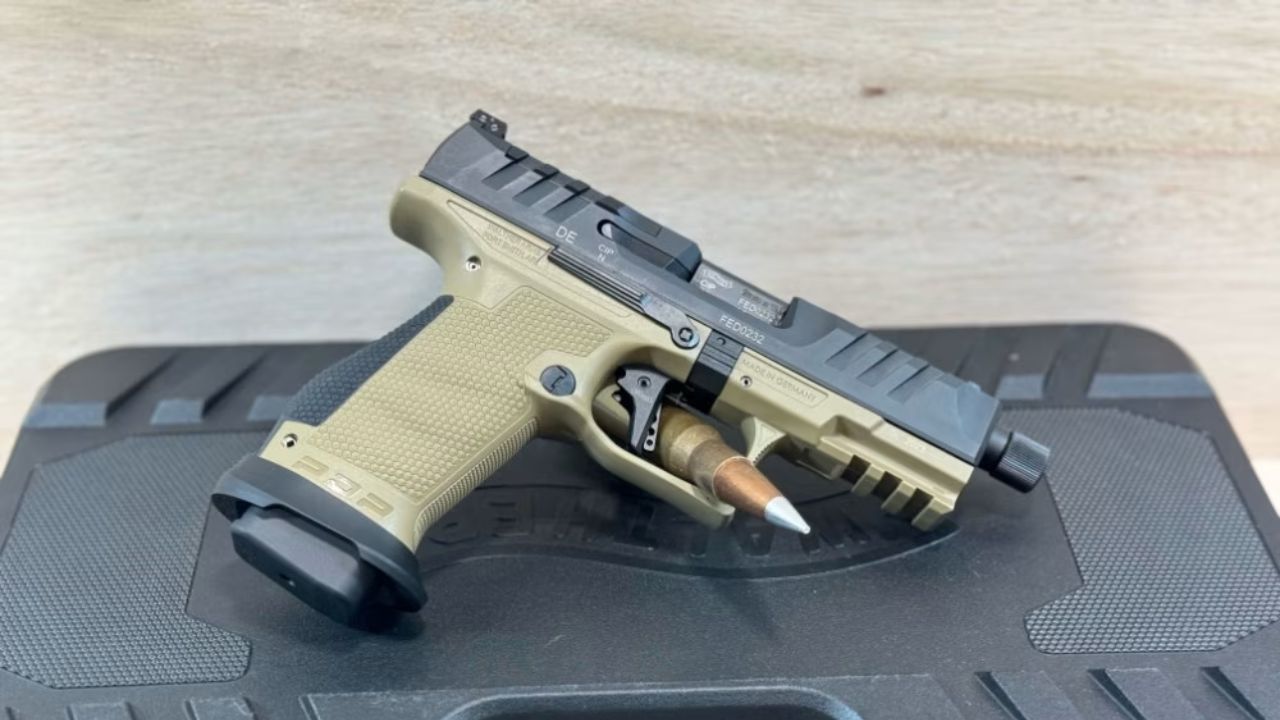
The PDP Compact is for shooters who care about how a pistol feels and tracks during recoil. The ergonomics are excellent for many people, and the slide serrations are actually useful when your hands are wet or cold. It’s also a pistol that tends to make people shoot better quickly, which matters more than folks like to admit.
It earns the holster spot because the combination of grip shape and trigger feel helps with consistent hits at speed. The caution is that the gun can feel a little “snappy” to some shooters, depending on the load and your grip. Put real rounds through it before you commit. If it fits you, it’s an easy pistol to trust.
HK VP9SK

The VP9SK is built like what you’d expect from HK—tight, reliable, and made to run for a long time. The SK version carries well and still gives you enough grip to control the gun. For people who struggle to get a consistent grip on smaller pistols, the VP9SK often solves that.
It earns holster time because it’s a steady performer that doesn’t need babysitting. The controls are well thought out, and the gun tends to be forgiving during fast shooting. The tradeoff is you’re paying for that build quality, and mags aren’t cheap. If you’re okay with that, it’s a serious option.
CZ P-10 C
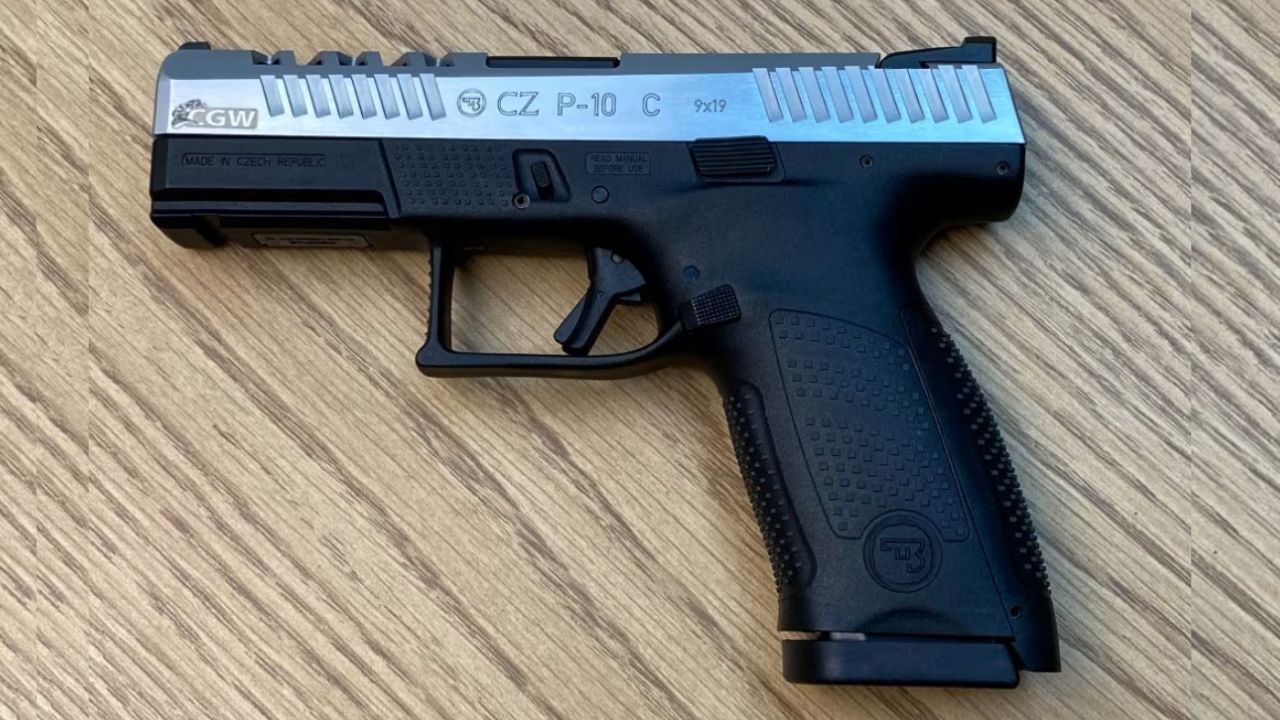
The P-10 C is one of the best values in a compact striker-fired pistol when you care about actual shooting. The trigger is generally solid out of the box, the grip shape works for a lot of hands, and the gun tracks nicely during recoil. It doesn’t feel like a “budget compromise” once you’re running drills.
It stays in holsters because it’s reliable and it shoots better than many pistols in its price range. The main drawback is aftermarket and holster availability can be a little thinner than Glock or M&P, depending on your area. If your carry setup is easy to source, the P-10 C is hard to hate.
Ruger LCR

The Ruger LCR is ugly in the way a good tool is ugly. It’s light, it’s simple, and it’s the kind of gun you can actually throw in a pocket holster when you’re doing chores or running into town for ten minutes. Revolvers still have a place, and the LCR is one of the easiest ways to keep one on you.
It earns its spot because it doesn’t demand much. You’re not worrying about magazines or slide manipulations, and it handles neglect better than most people want to admit. The downside is recoil can be sharp in the lighter models, and you need to practice your trigger work. If you do, it’s dependable and practical.
Smith & Wesson 642

The 642 is the classic “always” gun. It’s not the gun you brag about, but it’s the gun that ends up in pockets and ankle rigs because it’s simple and proven. For deep concealment, especially in hot weather, that matters. It’s also a revolver a lot of people can carry without changing their whole wardrobe.
It stays in holsters because it’s predictable. You get a consistent trigger, a snag-resistant profile, and a platform that has decades of hard use behind it. The honest truth is you need to practice with it more than a compact 9mm, because small revolvers punish sloppy fundamentals. Put in the work and it earns the spot.
Beretta 92G
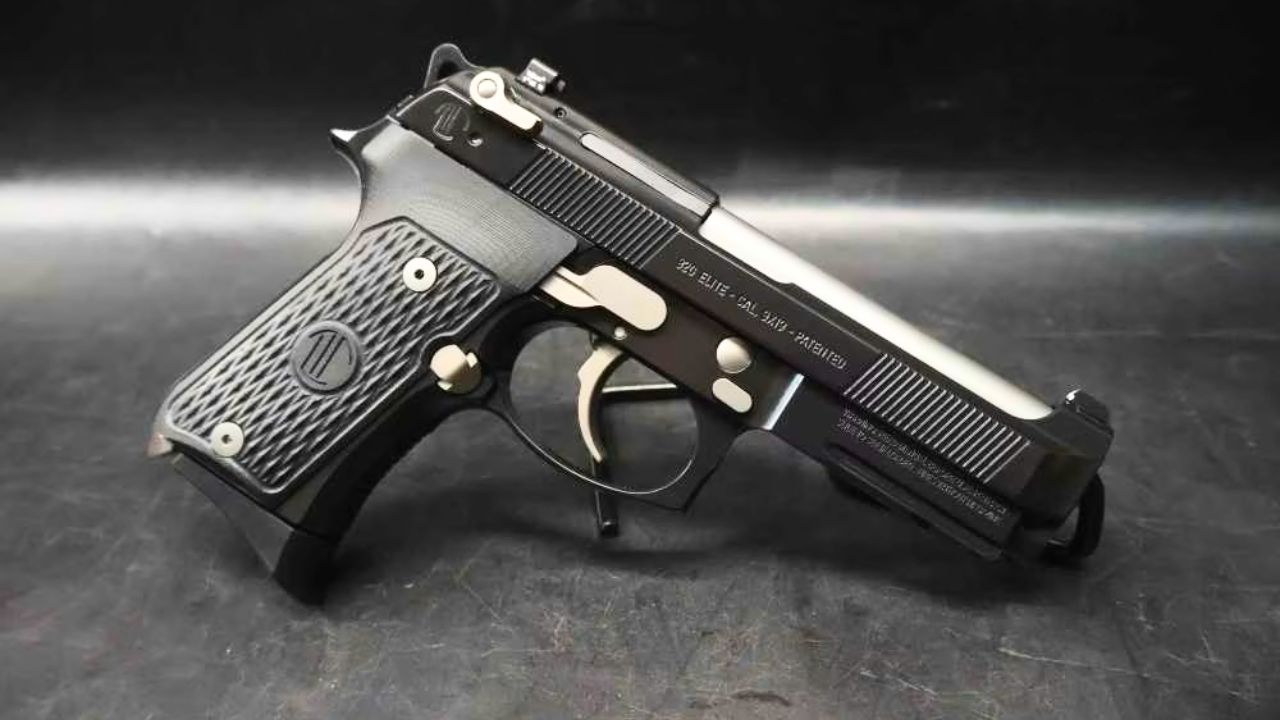
The Beretta 92 series has been around forever for a reason. It’s smooth, it’s reliable, and it’s one of the easier pistols to shoot well once you learn the system. The weight and the way it cycles soak up recoil, and the gun tends to stay flatter than many lighter 9mms.
A 92G earns holster time for people who carry a full-size gun and want something that shoots like a “real” duty pistol. The drawback is size—this isn’t a minimalist carry option. But if you’re carrying OWB, winter carry, or you just want a sidearm you can practice a lot with, it’s still a strong pick.
Colt Combat Commander (1911)
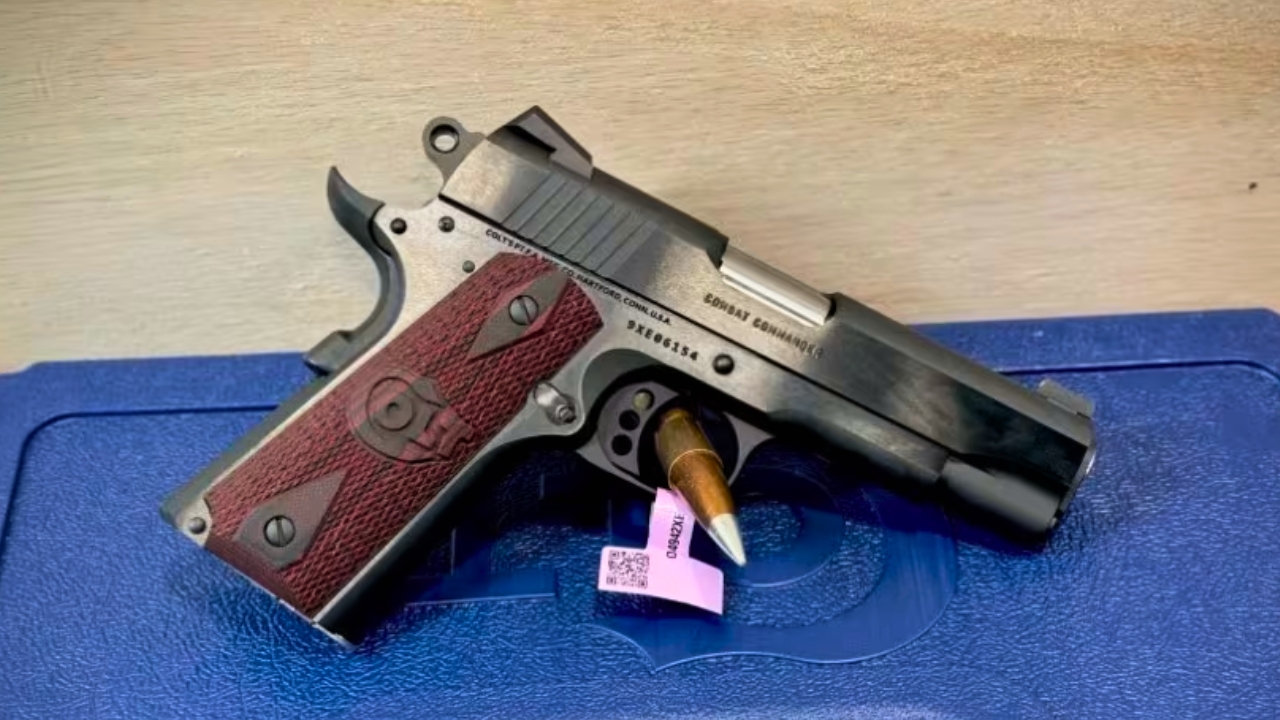
A good Commander-length 1911 earns a holster slot because it shoots clean and fast in skilled hands. The trigger is hard to beat, and the slim frame carries flatter than people expect. It’s also a pistol that rewards careful setup—good mags, good springs, and a proven extractor go a long way.
The flip side is you need to respect the platform. Not every 1911 is built the same, and cheap parts or bad mags will turn it into a headache. If you’re the type who maintains your gear and you want that classic single-action feel, a quality Commander can be a real working sidearm, not a safe queen.
Ruger GP100 3-inch

For an outdoors sidearm, the 3-inch GP100 is the kind of revolver you can beat on without feeling bad about it. It’s strong, it handles heavier loads well, and it’s big enough to control without being a boat anchor. In the woods, simplicity and durability matter, especially when dirt and weather get involved.
It earns holster time because it’s a “bring it every time” revolver. The tradeoff is weight compared to small revolvers, but you get control and shootability back. Pair it with a good belt holster and it rides fine. If you want a sidearm for land work, trails, and truck carry, it’s a proven choice.
Like The Avid Outdoorsman’s content? Subscribe to our newsletter so you never miss an article.
Here’s more from us: