Photo credit: Richard Watt, OGL 3/Wiki Commons
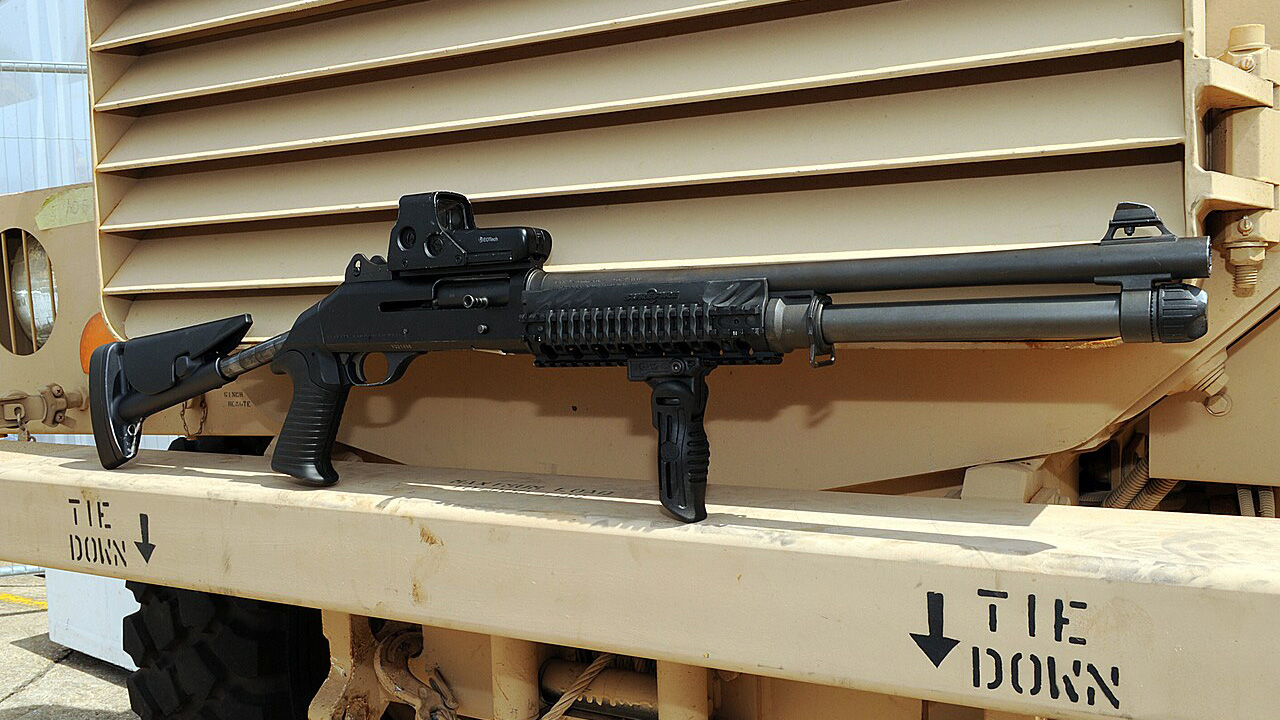
The Benelli M4 is one of those shotguns that a lot of shooters recognize instantly, even if they do not always know the backstory. For some people, it is simply “the Marine Corps Benelli.” For others, it is the premium semi-auto tactical shotgun they keep seeing in classes, reviews, and clone discussions. But the real story is a little richer than that. The M4 platform was launched in 1998, and a version of it was adopted by the U.S. military as the M1014, with the Marine Corps fielding it in 1999. Benelli’s M4 line then built a civilian reputation on that same core design.
What makes the M4 especially interesting is that it is not a “typical Benelli” in one important way: it does not use the inertia system the brand is famous for. Instead, the M4 uses Benelli’s A.R.G.O. gas system, which helped make it into one of the defining combat-oriented semi-auto shotguns of the modern era. That difference alone makes the M4 stand out inside Benelli’s own family, never mind against the rest of the shotgun market.
1. The M4 is not an inertia gun, even though Benelli is famous for inertia guns

This is probably the biggest Benelli M4 fact that casual shooters miss. Benelli is widely known for inertia-driven semi-automatic shotguns, but the M4 does not use that system. Shooting Illustrated’s 2025 M4 EXT coverage says Benelli’s shotguns are historically famous for inertia actions, but the M4 takes a different path and uses the A.R.G.O. gas system instead.
That matters because it explains why the M4 sits in a different lane from guns like the M2 or other Benelli sporting semi-autos. The M4 was built around combat reliability and function under harsh use, and Benelli clearly believed the gas system was the right tool for that job. It is a Benelli, but it is not “Benelli doing the usual Benelli thing.”
2. The platform dates to 1998, but the military story picked up in 1999

The M4 and M1014 dates get blurred together constantly, but the distinction matters. American Rifleman’s 2019 Remington autoloading-shotguns overview says Benelli launched the M4 platform in 1998 and then the M1014 for the U.S. military after that, while American Rifleman’s 2020 M4 piece says the Marine Corps fielded the M1014 in 1999.
That is useful because it shows the M4 was not invented solely as a civilian copy of a military gun after the fact. The platform itself was already in motion, and then the military designation and service identity amplified its reputation in a major way.
3. “M1014” is the military designation, not just a cool alternate model name

A lot of buyers use “M4” and “M1014” interchangeably, which is understandable, but the distinction is real. American Rifleman’s 2020 article says the firearm, with a military designation of M1014, is still in use by the Marine Corps, while Benelli’s civilian tactical shotgun is generally referred to as the M4.
That matters because the M1014 label carries specific military baggage and specific feature differences in some cases, especially when people start talking about stocks, clone builds, and exact issue-type configurations. The names overlap, but they are not always being used in exactly the same context.
4. The A.R.G.O. system is the core of the shotgun’s identity

If the M4 has one major technical calling card, it is Benelli’s A.R.G.O. system. American Rifleman’s 2019 overview says the M4/M1014 used the A.R.G.O. (Auto-Regulating Gas-Operating) system with two short-stroke steel pistons located near the barrel’s forcing cone. Shooting Illustrated’s 2025 M4 EXT feature describes that same setup as using two small pistons and a self-regulating gas valve to cycle the action.
That is a big reason the M4 has the reputation it does. The system is central to how the gun handles fouling, cycling, and hard use. People may talk about the M4’s look, military use, or price first, but the A.R.G.O. system is really the mechanical heart of the whole platform.
5. The civilian M4 did not always get all the same features as the military M1014

This is one of the more useful little-known facts for buyers. American Rifleman’s 2011 “Combat Modernity” piece says that while the military M1014 features a fully collapsing stock, the civilian M4 Super 90 shipped with a stock fixed in the extended position for compliance reasons. It even notes that the recoil tube geometry differed between them.
That matters because a lot of shooters assume buying an M4 always means buying the exact military shotgun. Sometimes the core system is the same, but the details are not. For clone-minded buyers or collectors, those little differences can be a huge part of the story.
6. The Marine Corps connection became a huge driver of civilian popularity
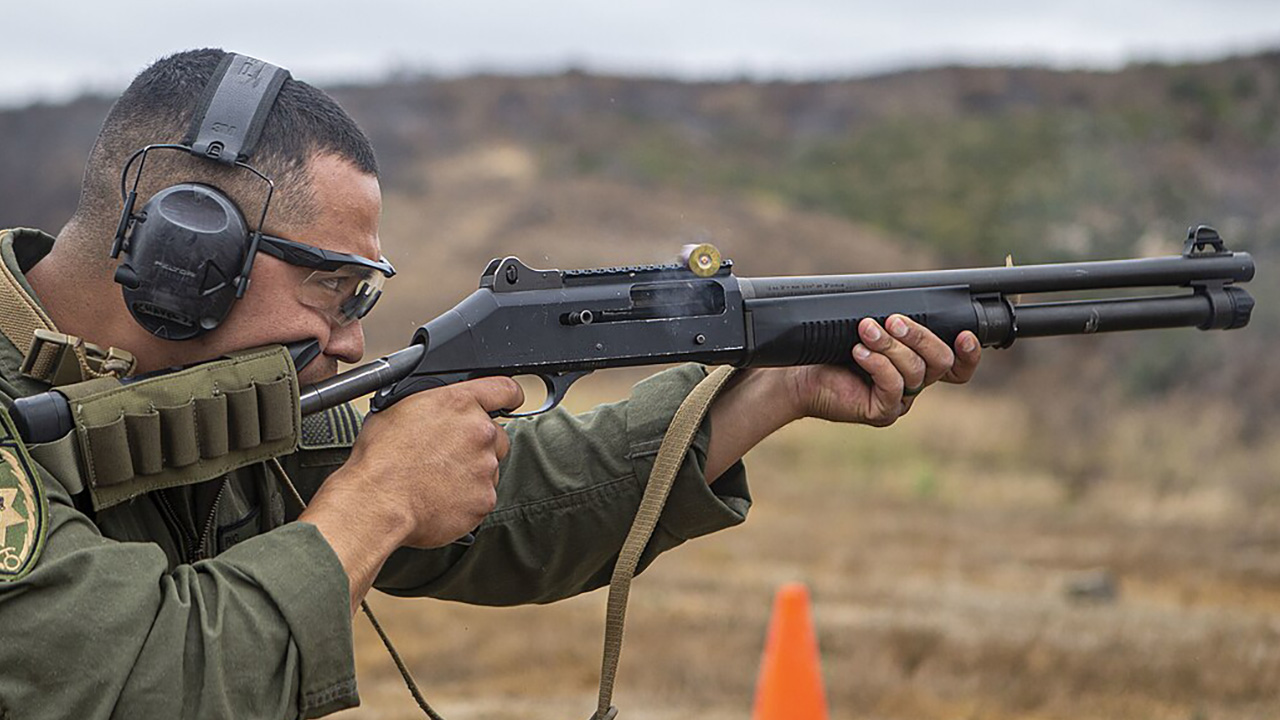
The M4’s military use was not just a bragging-rights footnote. It became one of the biggest reasons civilian shooters wanted the gun. American Rifleman’s 2020 article says the Marine Corps’ continued use of the M1014 made the platform appealing to civilian enthusiasts, and Shooting Illustrated’s 2024 fighting-shotgun piece says Benelli M4 sales spiked in the 2000s partly because American home defenders often follow the shotgun choices of the U.S. military.
That is a big part of why the M4 occupies the place it does in the market. It is not just “a good semi-auto.” It is one of those guns whose military adoption directly shaped its civilian image and desirability.
7. The M4 stayed relevant long enough to be a repeat top seller years after launch
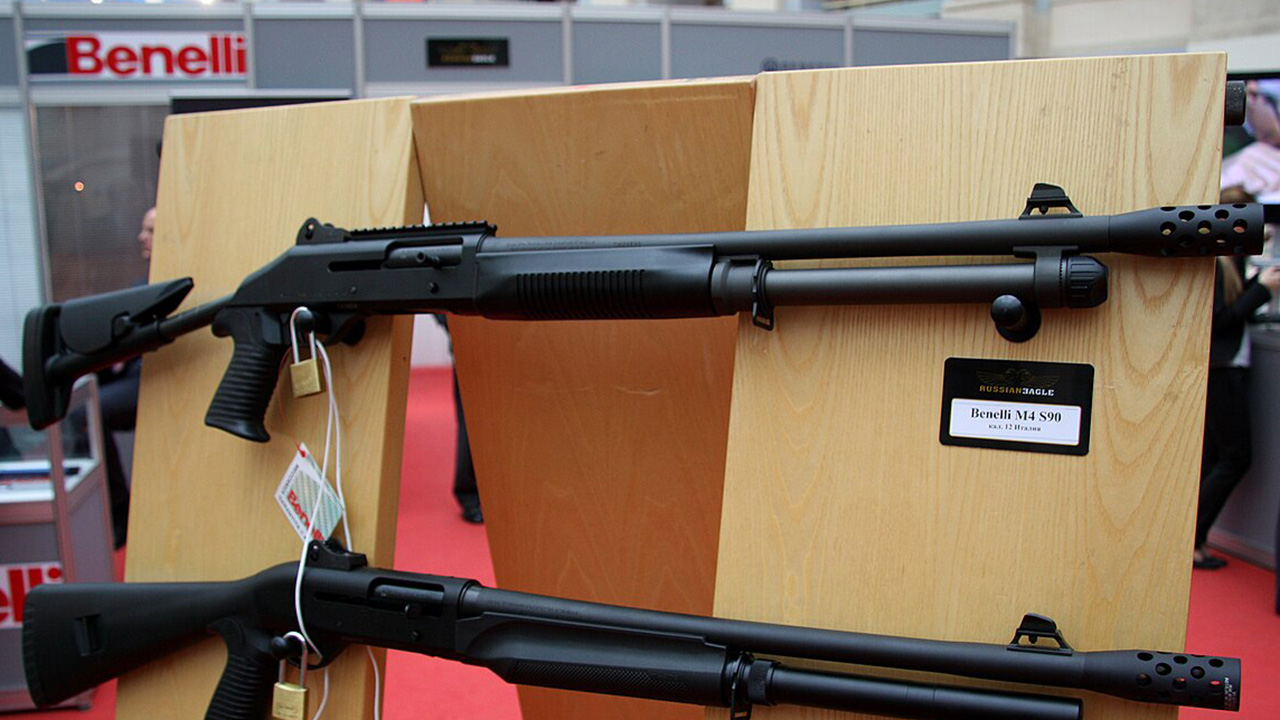
Some tactical shotguns get a burst of attention and then fade. The M4 did not. American Rifleman’s 2020 piece says the Benelli M4 was among GunBroker’s top-10 semi-auto shotguns for multiple years running, including 5th place in 2019, as well as top-10 placements in 2018 and earlier years.
That matters because it shows the shotgun’s market pull was not only about launch hype or military cachet. The gun kept selling because people continued to see it as one of the standard answers in the premium defensive semi-auto shotgun space.
8. The M4 proved itself over a very long military-service timeline
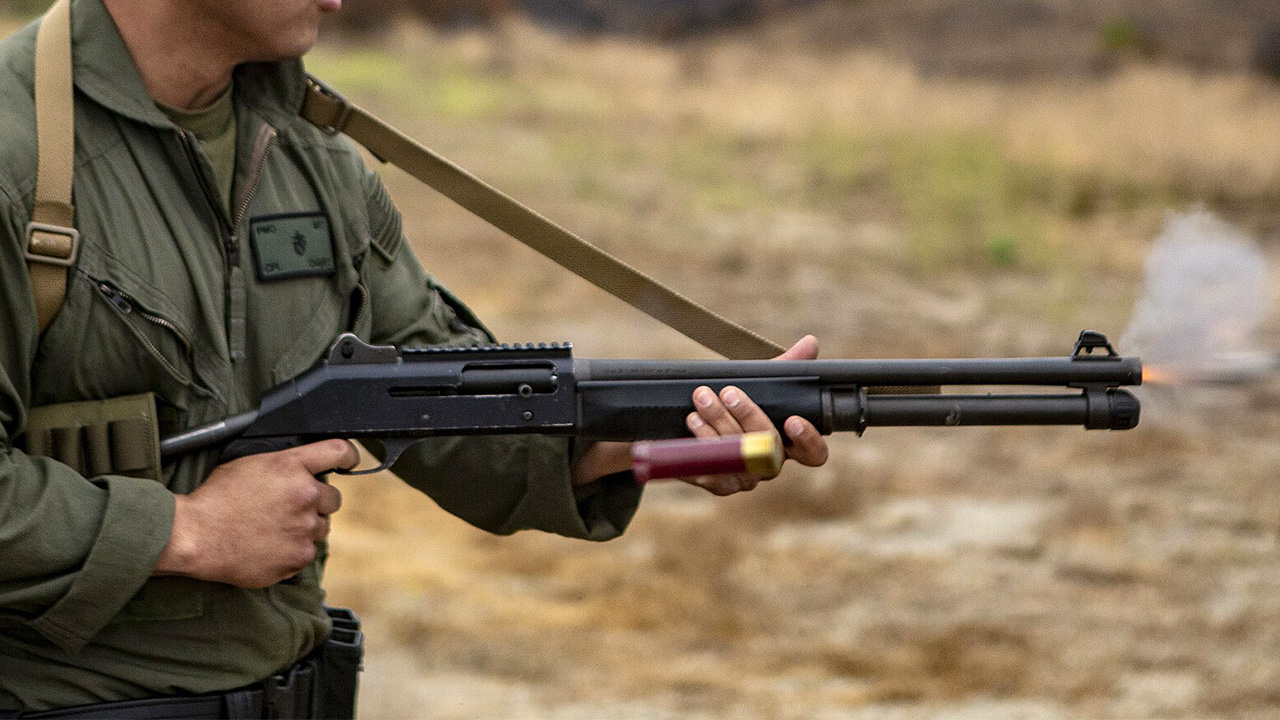
By the time Shooting Illustrated covered the Cerakote model in 2017, the article described the design as having proven itself after more than a decade in military service. Even earlier, Shooting Illustrated’s 2012 NP3 coverage said the U.S. Marines had depended on the M4 for their shotgun needs since 1999.
That is important because it helps separate the M4 from a lot of “tactical-looking” shotguns that mostly live on marketing copy. The M4’s reputation is anchored in long service life and repeated institutional validation, not just civilian enthusiasm.
9. The shotgun’s reputation helped create a whole clone market
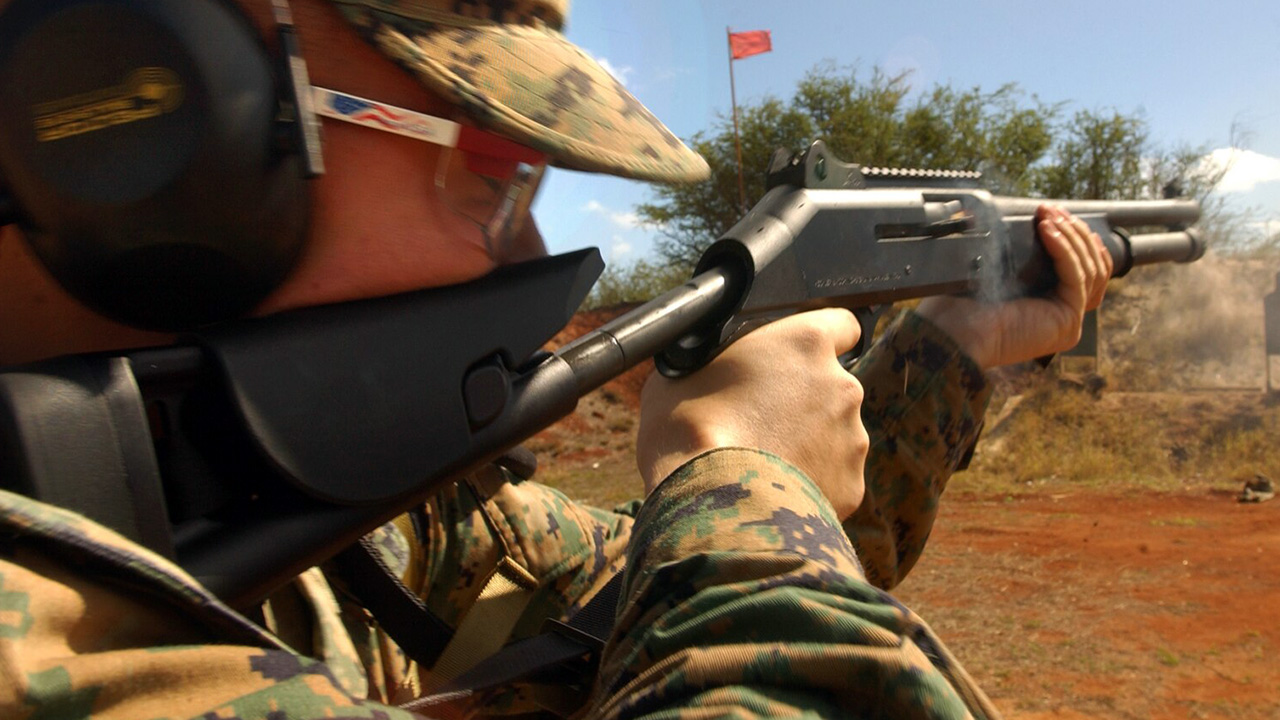
One of the strongest signs that a firearm has become a benchmark is when other companies start building close copies around it. American Rifleman’s 2025 review of the MAC 1014 says it is a faithful clone of the Benelli M4/M1014 and that most M4 aftermarket products are compatible with it. That only happens when the original platform is influential enough to support a broad ecosystem.
That matters because it shows the M4 is more than just one premium shotgun model. It has become a pattern other companies now try to imitate for shooters who want the form and feel without paying full Benelli money.
10. Weatherproof coatings became part of the platform’s modern evolution
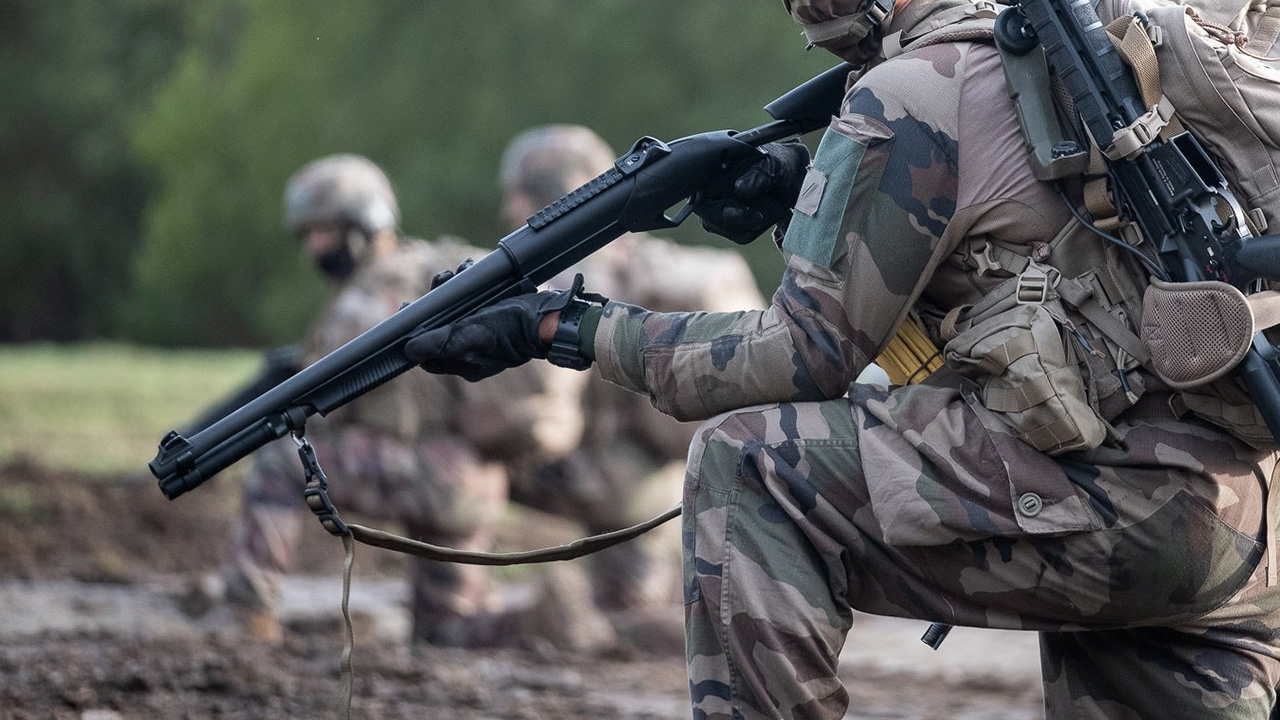
The core M4 design stayed recognizable, but Benelli still found ways to evolve it. Shooting Illustrated’s 2015 and 2017 Cerakote coverage describes the M4 as a proven design that was being improved with more corrosion-resistant finishes to extend service life and cut down on maintenance.
That matters because it shows Benelli was not content to let the M4 sit unchanged forever. The underlying shotgun had already proven itself, so later refinements focused on durability, weather resistance, and long-term hard-use practicality—exactly the things buyers in this category care about.
11. The M4 is one of the clearest examples of a combat shotgun shaping civilian taste

Shooting Illustrated’s 2024 “Evolution of the Fighting Shotgun” piece makes a very useful point: American civilian buyers often follow military shotgun trends, and the M4 is one of the best examples of that. During the same broader period when military choices shaped home-defense buying, M4 sales surged.
That is worth knowing because it helps explain why the M4 became more culturally visible than some other excellent semi-auto shotguns. It was not just a good gun on its own merits. It also occupied that “the military picked this” zone that tends to matter a lot to American defensive-gun buyers.
12. The M4 accepts both 2¾-inch and 3-inch shells, but not every light load is ideal
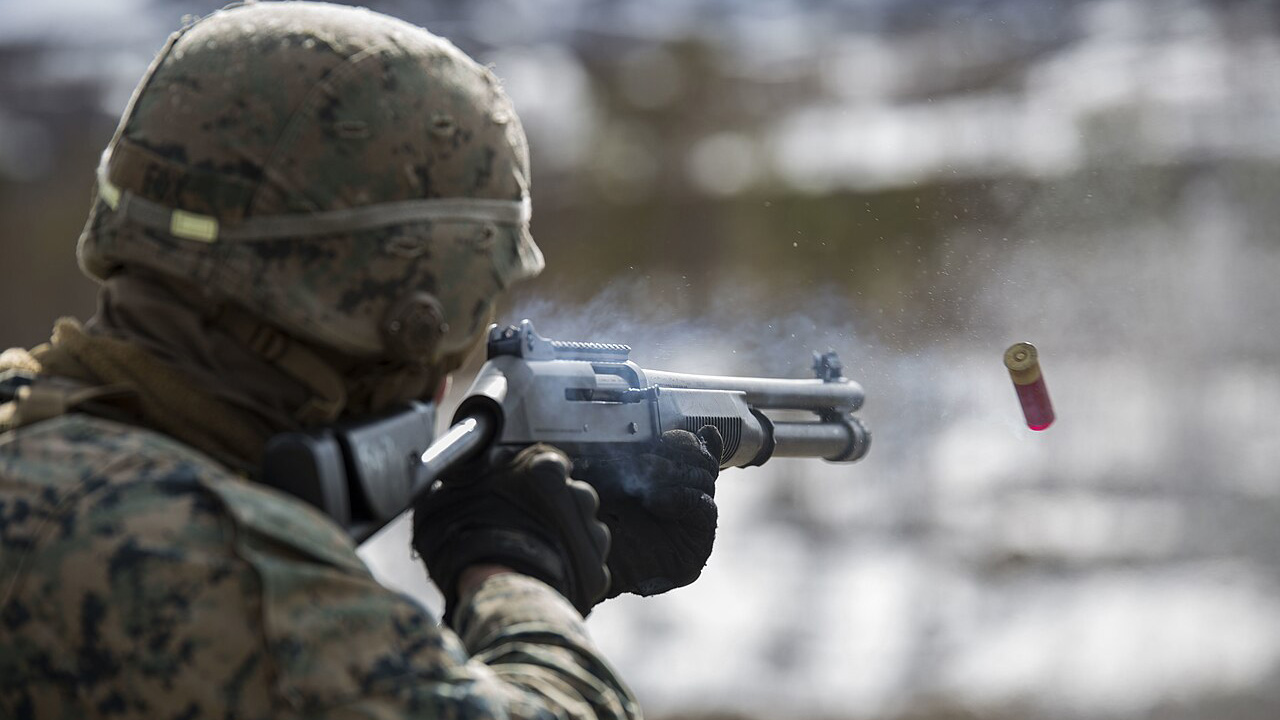
American Rifleman’s 2021 training piece says the M4 accepts 2¾-inch and 3-inch shells, but also notes that the system generally wants at least a 3-dram equivalent powder charge and 1 1/8 oz. of shot for reliable operation in practice contexts.
That is a useful little reality check because tactical-shotgun reputation can sometimes make people assume a gun will run absolutely everything with zero caveats. The M4 is highly respected, but like many semi-auto shotguns, it still has a practical operating range that owners should understand.
13. Oversize controls became part of the M4’s usability story
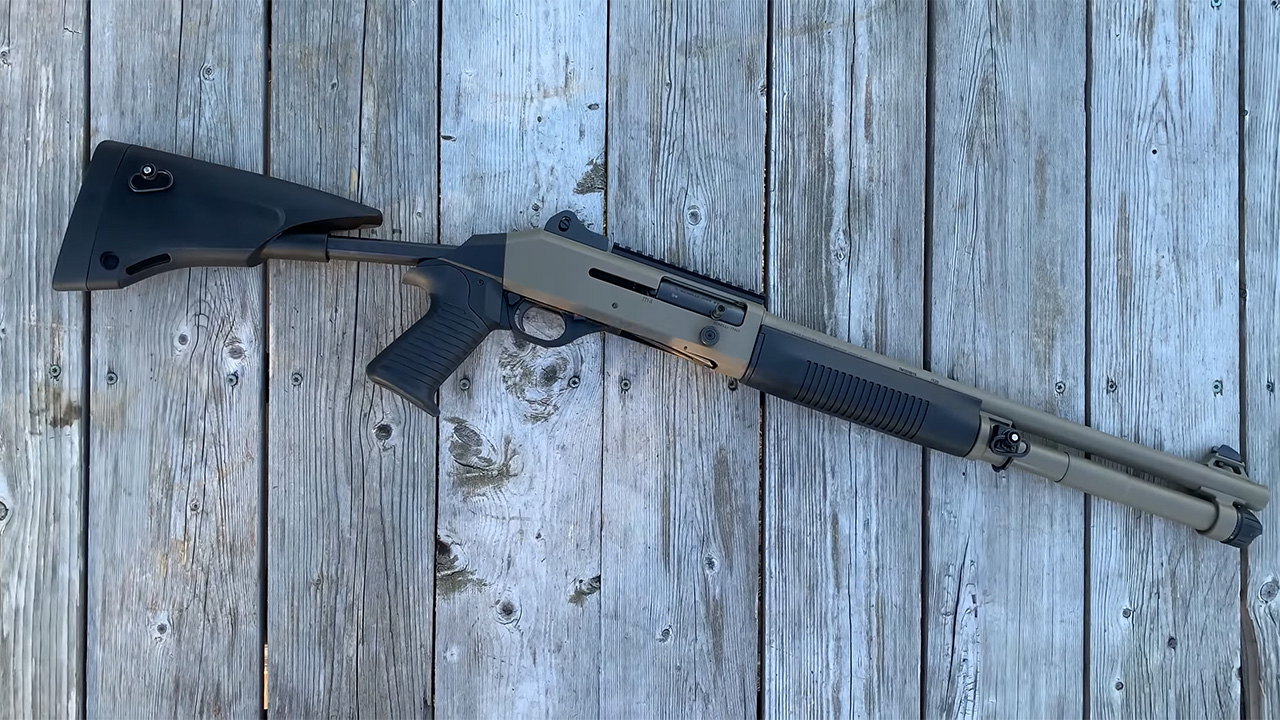
Later M4-family coverage highlights things like the oversize bolt release, larger bolt handle, and tactical-friendly control layout as part of the shotgun’s identity. American Rifleman’s 2026 M4 EXT feature and other M4 pieces point directly to those details.
That matters because the M4’s appeal is not just in its operating system. It is also in the practical handling details that make a shotgun easier to run under stress, with gloves, or in a hard-use training environment. The gun feels purpose-built, not just dressed up.
14. The M4 stayed important long enough that Benelli launched the M4 EXT in 2025
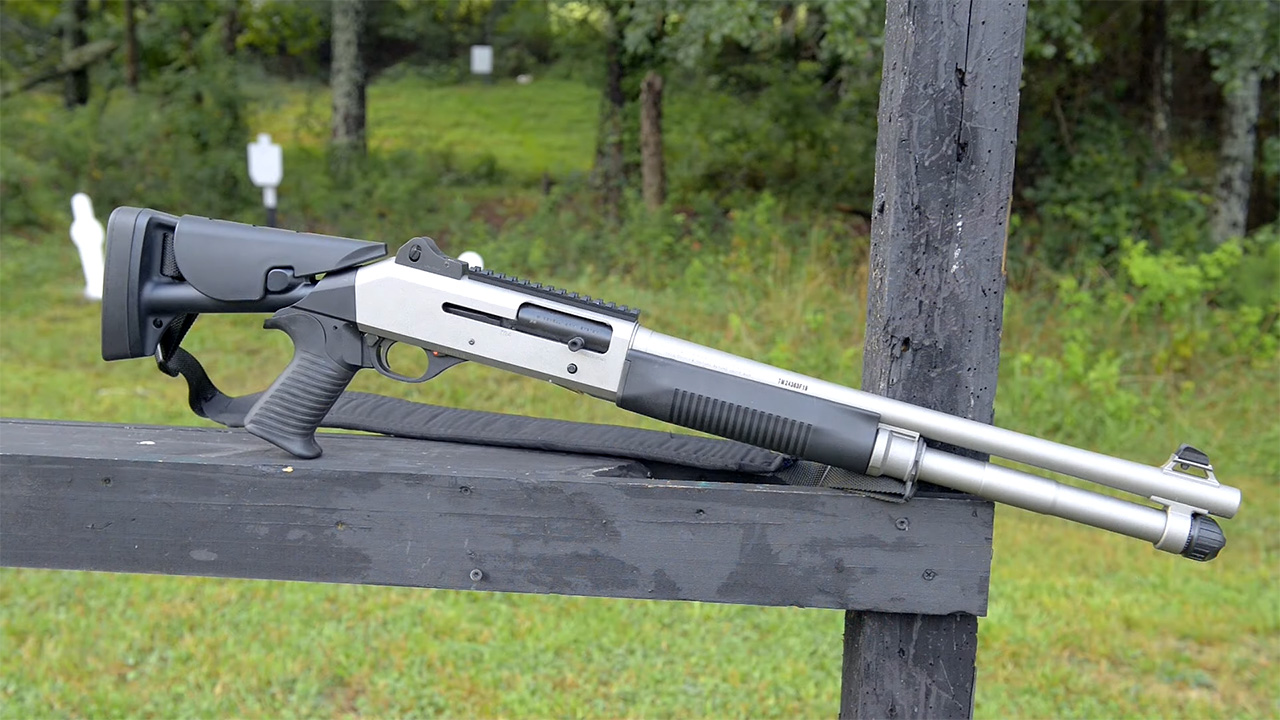
A platform does not usually get a notable extension like the M4 EXT unless the underlying line is still commercially important. American Rifleman’s 2025 and 2026 coverage makes clear that Benelli was still investing in the M4 platform decades after its original military adoption, including an expanded-capacity version aimed at users who wanted more of the same basic formula.
That is a strong sign of the M4’s staying power. The shotgun is not simply coasting on its old Marine Corps reputation. Benelli still sees enough value in the platform to keep evolving it for current buyers.
15. The biggest little-known fact may be that the M4 stands out by being unlike most other Benellis
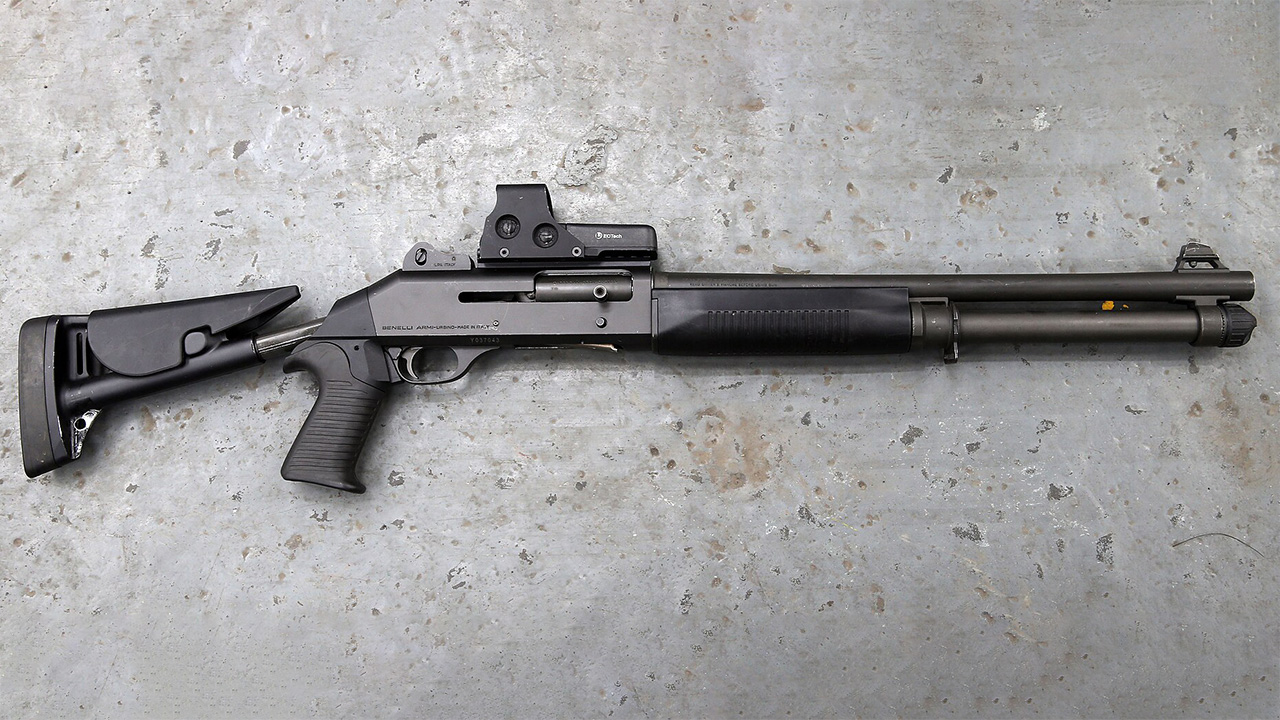
This is probably the best way to understand the Benelli M4. It is famous partly because it is a Benelli, but it is also unusual precisely because it breaks from Benelli’s best-known inertia-gun identity. The M4 uses the A.R.G.O. gas system, grew through military adoption as the M1014, and then became one of the standard-bearers for premium combat-style semi-auto shotguns in the civilian world.
That is what makes it more interesting than just “the expensive tactical Benelli.” The M4 is the shotgun that proved Benelli could build a very different kind of semi-auto and still make it into one of the most recognizable combat shotguns of the modern era.
Like The Avid Outdoorsman’s content? Subscribe to our newsletter so you never miss an article.
Here’s more from us: