Photo credit: Misha’s Guns/Youtube
Simple guns don’t always get the attention they deserve when they’re new. They can look plain next to feature-packed models, and they don’t always give buyers much to brag about. No wild controls, no strange operating system, no dramatic styling, and no long list of upgrades already bolted on.
But simple designs have a way of aging well. Fewer parts to fight, fewer quirks to explain, and fewer trends to outgrow. A gun that works cleanly and makes sense from the start can stay useful long after the market moves on. These guns prove simple designs often age better than complicated ideas.
H&R Handi-Rifle
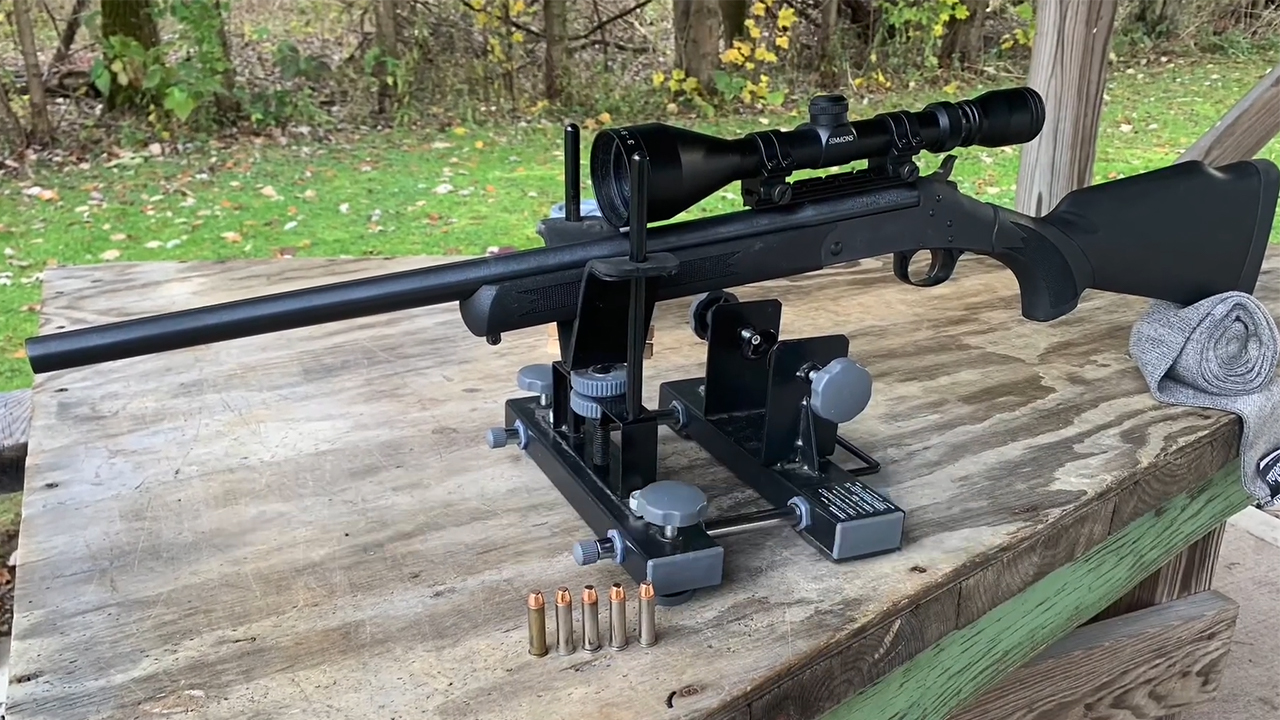
The H&R Handi-Rifle is about as simple as a centerfire hunting rifle can get. Break it open, load one round, close it, and focus on making the shot count. It doesn’t have a magazine, bolt throw, gas system, detachable box, or anything else to complicate the process.
That simplicity is why so many hunters respected it. The Handi-Rifle was affordable, easy to understand, and available in a wide range of chamberings over the years. It worked well for deer stands, youth hunters, straight-wall seasons, and anyone who liked a slower, more deliberate rifle. It wasn’t fancy, and accuracy varied by individual gun and chambering. But the basic idea aged beautifully because simple hunting still makes sense.
Smith & Wesson Model 10
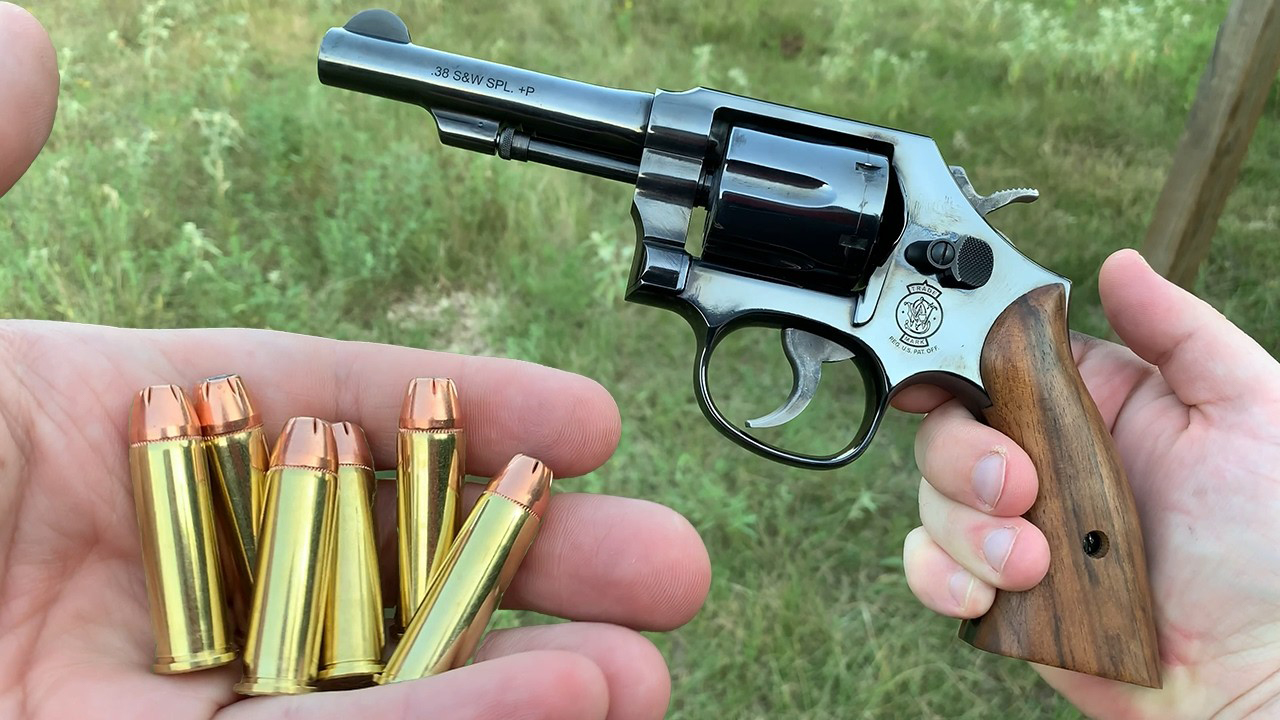
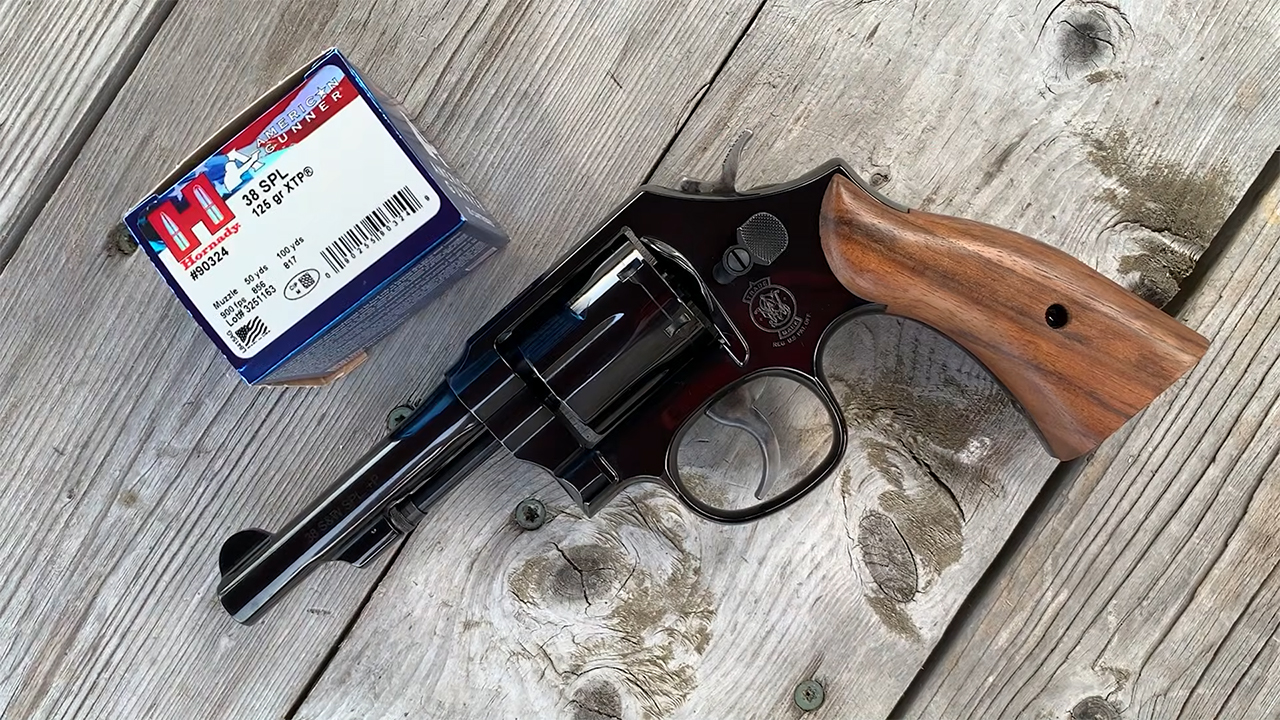
The Smith & Wesson Model 10 proves simple handgun design can stay relevant for generations. A fixed-sight .38 Special revolver does not sound exciting today, especially in a world full of optic-ready pistols and high-capacity magazines. But the Model 10 earned trust by being reliable, easy to understand, and comfortable to shoot.
It is one of the best revolvers for learning double-action trigger control. The sights are basic, the cartridge is manageable, and the K-frame size gives the shooter enough weight and grip to practice seriously. It doesn’t need magnum power or modern styling to matter. A clean Model 10 still feels like a handgun that knows exactly what it is. That kind of simplicity ages very well.
Marlin Model 60

The Marlin Model 60 is a simple semi-auto .22 that has probably taught more people to shoot than many fancier rimfires ever will. Tube-fed, light, affordable, and accurate enough for small game and plinking, it never needed to be complicated to be useful.
It aged well because the job never changed. People still need a simple .22 for cans, squirrels, paper targets, and teaching new shooters. The Model 60 doesn’t have the same magazine convenience or aftermarket support as some competitors, but it has a slim feel and a reputation for practical accuracy. Owners who grew up with one often still trust it because it did what a .22 should do: shoot straight and keep range time easy.
Mossberg 500
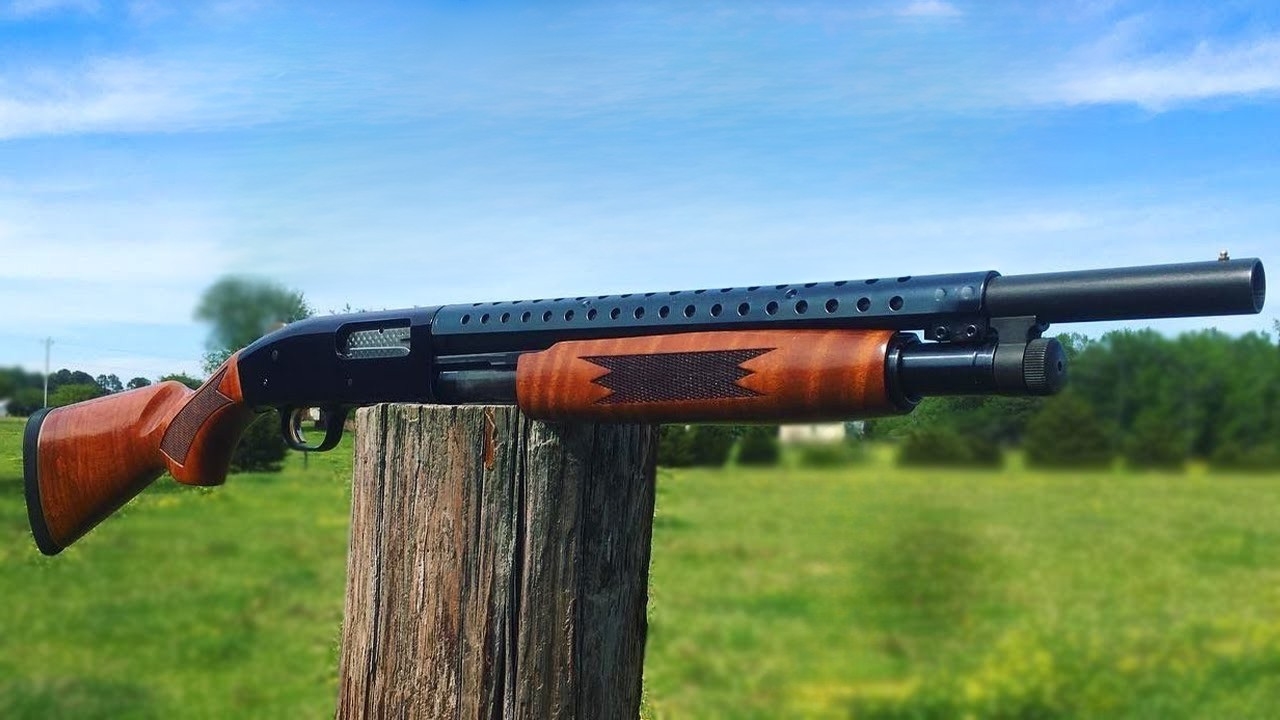
The Mossberg 500 has aged well because pump shotguns are one of the clearest examples of useful simplicity. The 500 is easy to run, easy to maintain, and available in enough configurations to cover hunting, clays, home defense, and general property use. It doesn’t need a complicated system to stay useful.
The tang safety is easy for many shooters to access, and the platform has enough support to keep parts and barrels available. Semi-autos can be faster and softer-shooting, but a pump like the 500 wins on familiarity and broad usefulness. It works in bird fields, deer woods, turkey blinds, and defensive setups when the owner trains properly. Simple design becomes valuable when one gun can cover that much ground.
Ruger No. 1
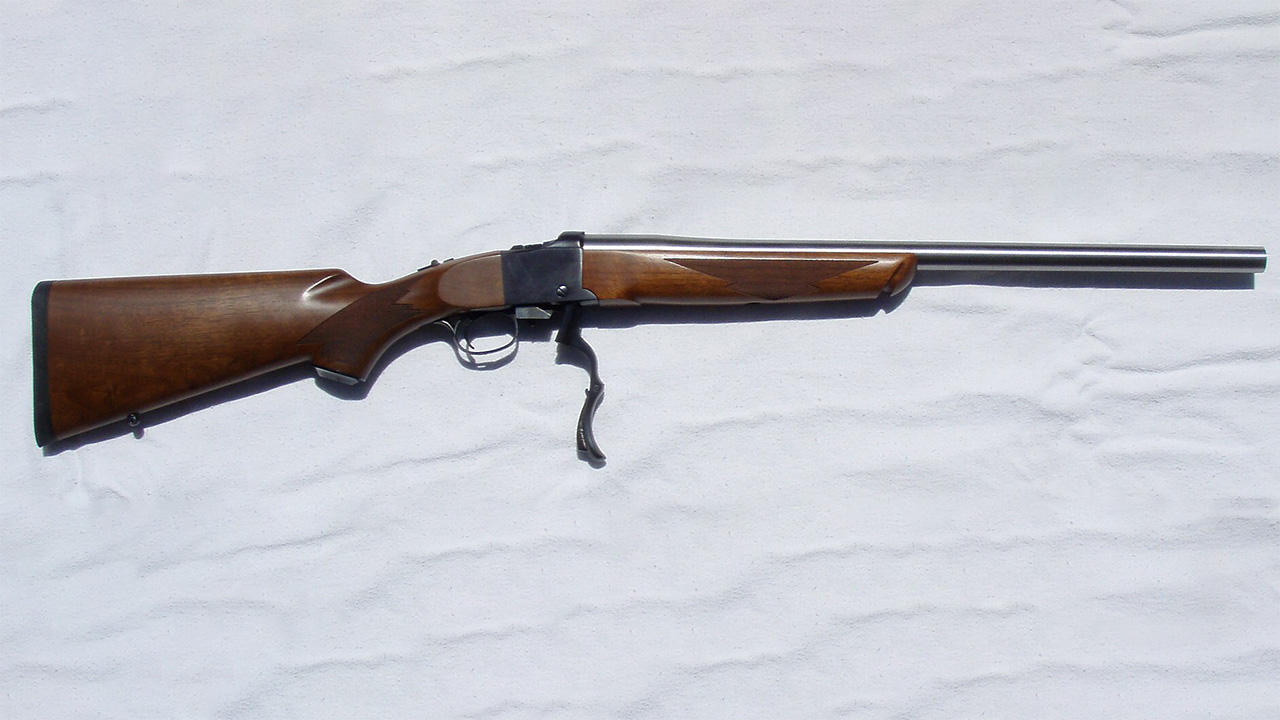
The Ruger No. 1 is simple in a different way. It is a single-shot falling-block rifle with strength, character, and a deliberate pace. It doesn’t chase magazine capacity or speed. It asks the shooter to load one round and make it count.
That old-fashioned design has aged well because it still feels special. The No. 1 is compact for its barrel length, chambered over the years in many interesting cartridges, and strong enough for serious hunting loads. It won’t be everyone’s first choice for practical hunting, especially where quick follow-up shots matter. But as a rifle for careful hunters and shooters who appreciate mechanical elegance, it keeps aging with dignity. Simple does not have to mean basic.
Glock 17

The Glock 17 became famous because its design was simple, durable, and easy to maintain. It may not feel exciting now because the striker-fired pistol market is full of competitors, but the original idea still holds up: fewer external controls, consistent trigger pull, reliable magazines, and easy field stripping.
That simplicity has aged better than many more complicated service pistols. The Glock 17 is easy to train with, easy to support, and easy to keep running. It doesn’t have the best factory trigger or the most refined grip, but its straightforward design is why so many shooters and agencies trusted it. The market keeps trying to improve on it, and some pistols do certain things better. But the G17 still proves simple can be hard to beat.
Winchester Model 94
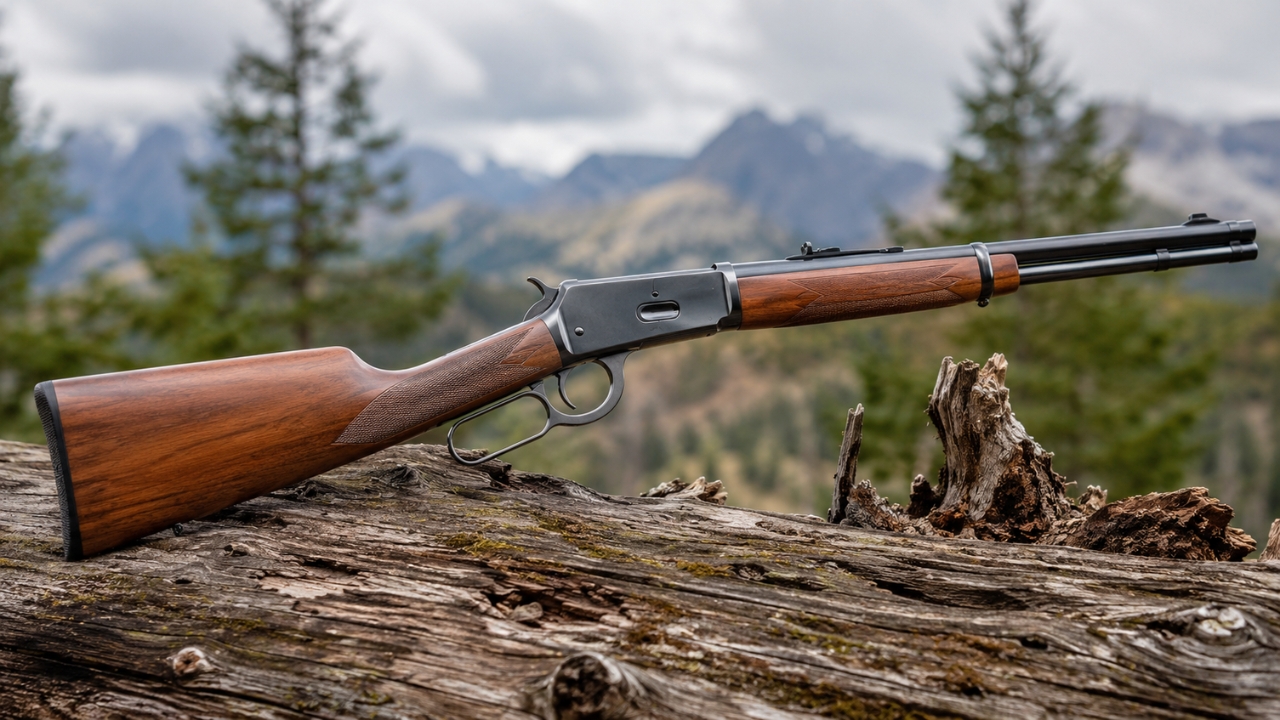
The Winchester Model 94 has aged well because its design fits its purpose so clearly. A light, handy lever-action in .30-30 Winchester or similar classic chamberings still makes sense in thick woods and close-range deer hunting. It doesn’t need long-range promises to matter.
The Model 94 carries easily, points quickly, and gives hunters a fast follow-up shot without complicated controls. It is not ideal for every hunt, and top-eject versions can complicate scope mounting. But inside its lane, the rifle still works. That’s what simple designs do best. They keep fitting the job they were built for long after newer ideas claim to replace them.
Ruger Standard Pistol
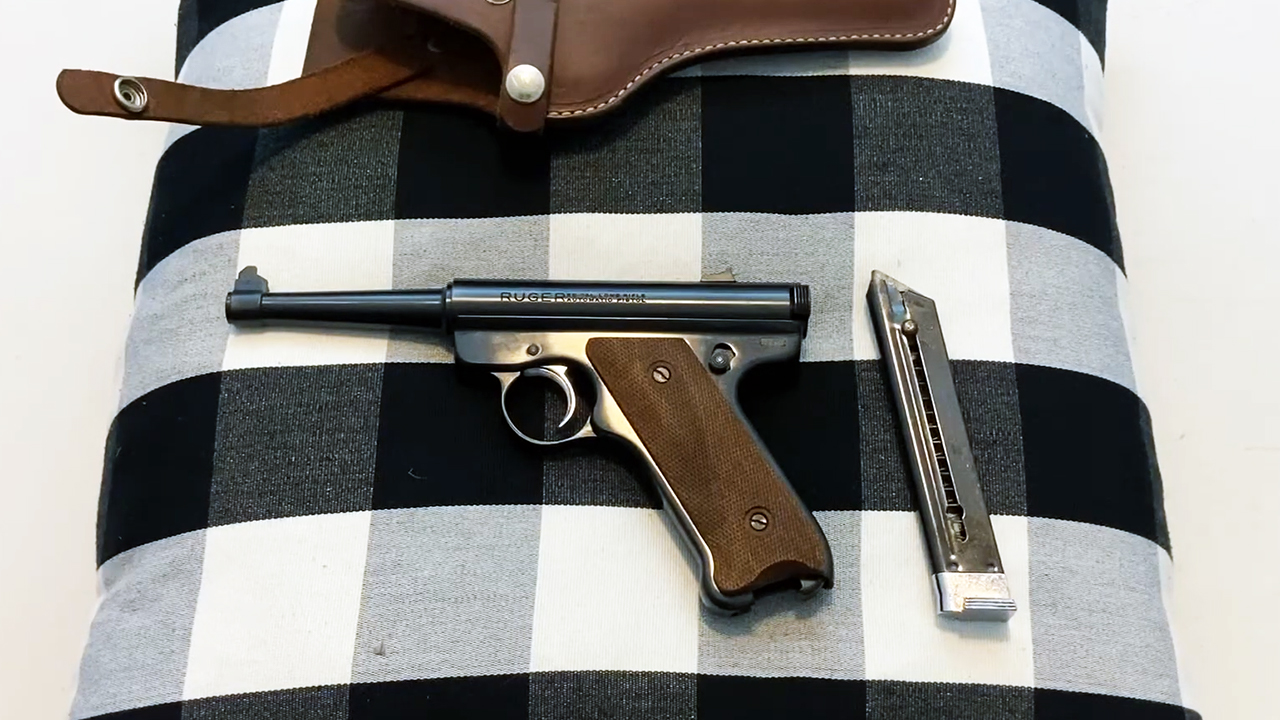
The original Ruger Standard pistol aged well because it gave shooters a simple, affordable, accurate .22 pistol that felt more serious than its price suggested. Its basic blowback operation and Luger-inspired profile became the foundation for generations of Ruger Mark-series pistols.
Older Ruger rimfire pistols are famously annoying to reassemble until you learn them, so they are not simple in every maintenance detail. But the shooting design itself is clean and lasting. Good accuracy, mild recoil, and affordable practice never go out of style. The newer Mark IV fixed the takedown complaint, but the original Standard still deserves credit for proving that a plain .22 pistol could become a classic.
NEF Pardner Pump
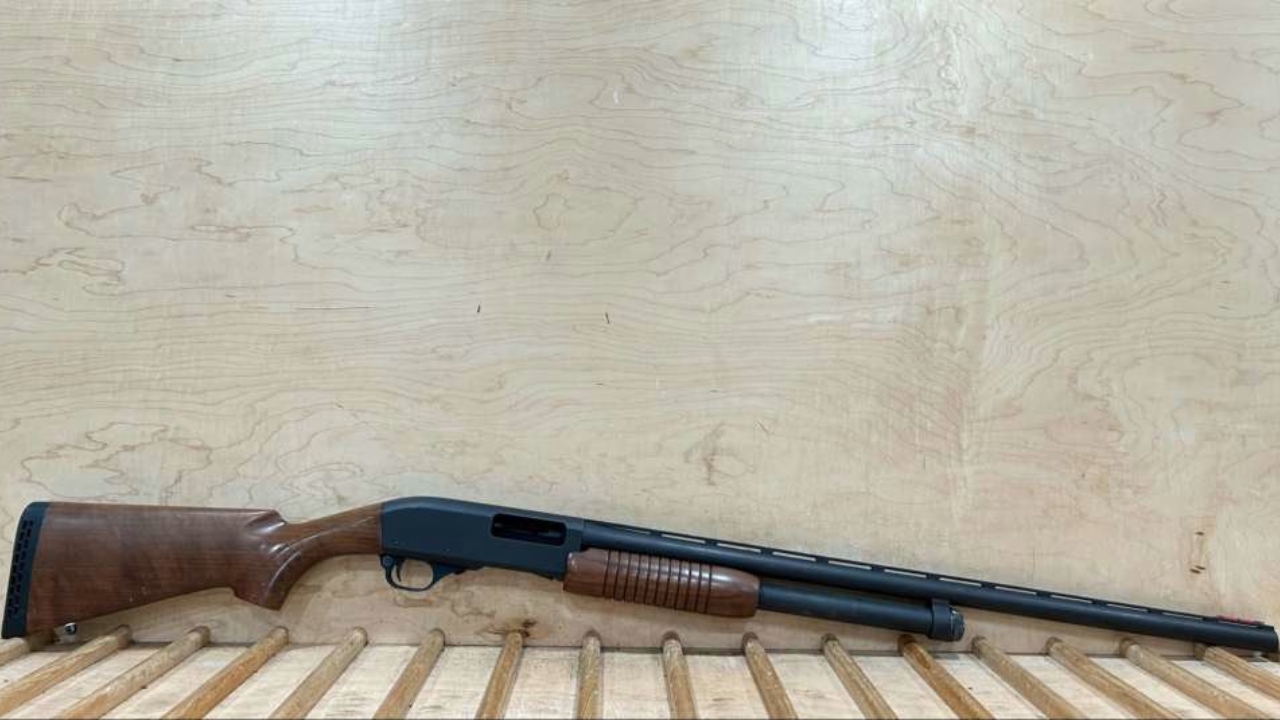
The NEF Pardner Pump is not glamorous, but its simple design is exactly why some owners respect it. It was an affordable pump shotgun patterned in a familiar way, built for people who needed a working gun more than a status piece. That made it easy to dismiss until it started doing its job.
It is heavier than some competing pumps, and it does not have the refinement of nicer shotguns. But for basic hunting, property use, or a budget home-defense setup with proper training, it gave owners a straightforward tool. Simple pump guns age well when they keep cycling and don’t ask for much. The Pardner Pump proved that boring construction can still serve regular shooters.
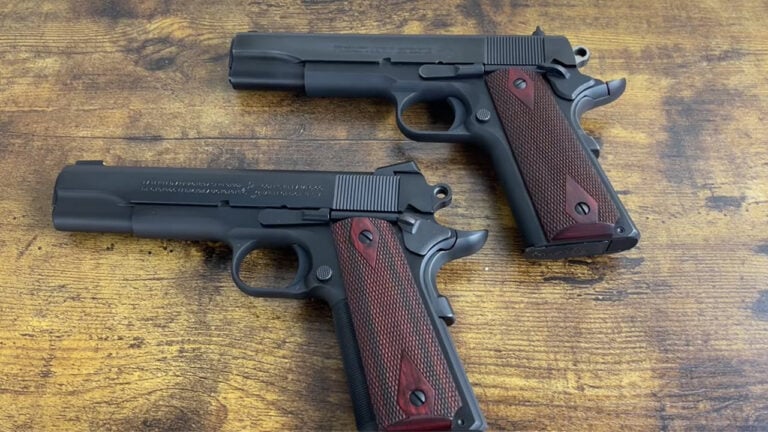
Colt Single Action Army
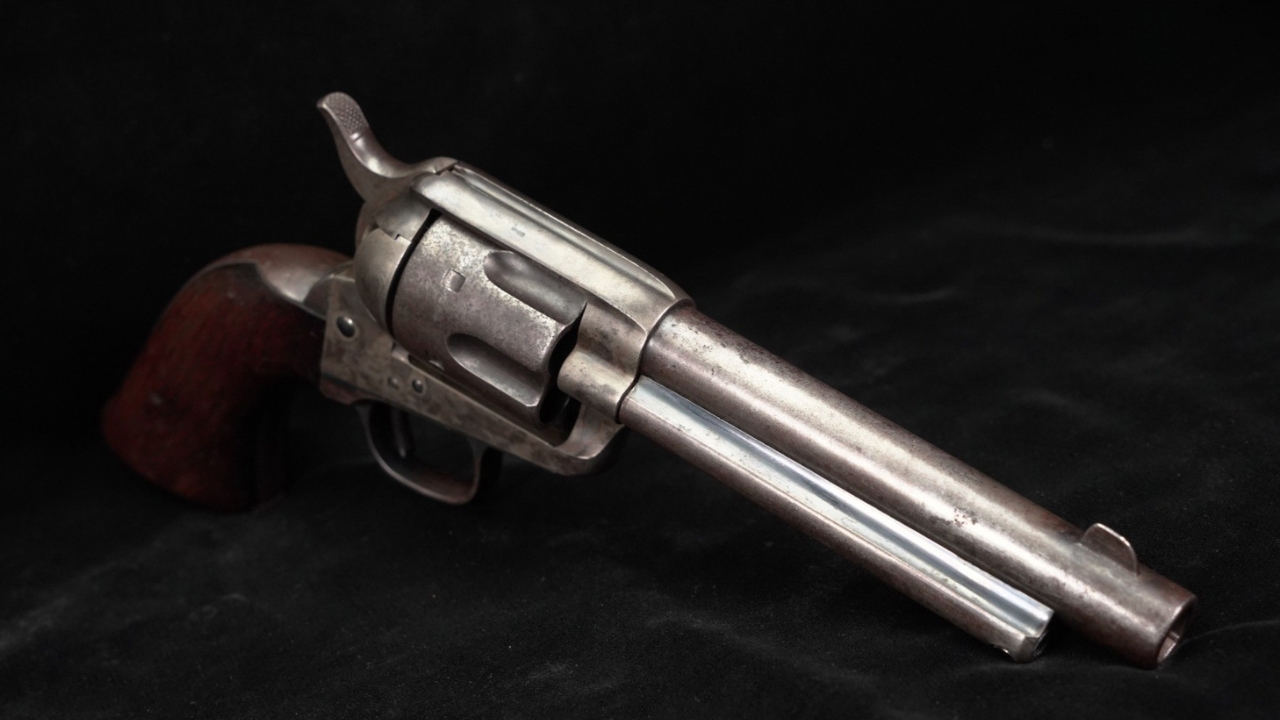
The Colt Single Action Army is an old design that still has power because it is so clear and mechanical. Load it carefully, cock the hammer, press the trigger, and repeat. It is slow by modern standards, limited in capacity, and not practical for most defensive uses today. None of that erases why it aged well.
The design has survived because it feels good, points naturally, and connects shooters to a huge part of American firearm history. Modern reproductions and original Colts both show how strong the single-action idea remains for range use, collecting, cowboy action shooting, and hunting in suitable chamberings. It isn’t simple because it lacks value. It is simple because the design has lasted.
Remington Model 870 Express
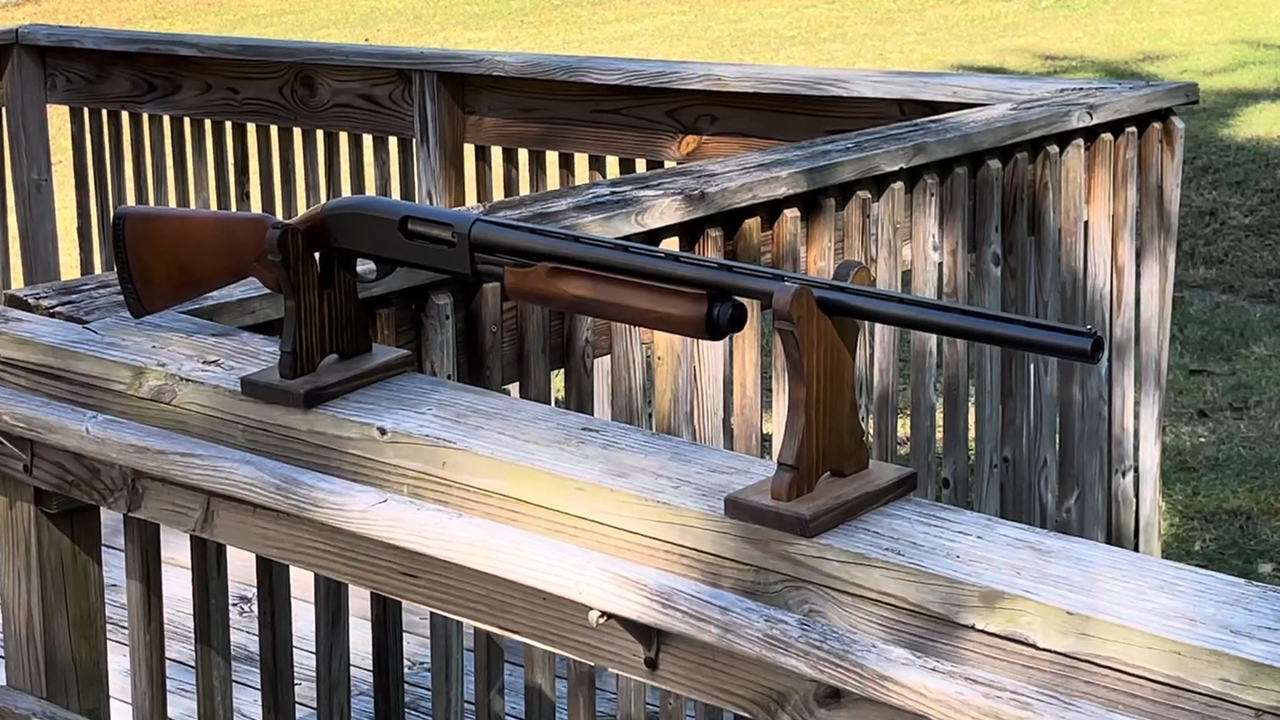
The Remington 870 Express had its ups and downs, especially depending on production era, but the basic design aged well because the 870 platform itself is so straightforward. It is a pump shotgun with massive parts support, familiar controls, and enough barrel options to handle many roles.
The Express was the more affordable version, and some later examples had finish and quality complaints. Still, countless owners used them for birds, deer, turkey, clays, and home defense. A simple pump shotgun with a proven action is hard to make irrelevant. The nicer Wingmasters may feel better, but the Express showed why a plain working pump could still earn a place in gun cabinets everywhere.
Browning BL-22

The Browning BL-22 proves simple fun ages beautifully. It is a lever-action .22 with a short lever throw, quality feel, and enough accuracy for small game and plinking. It doesn’t need tactical styling or precision-rifle weight to stay appealing.
The BL-22 works because it makes shooting enjoyable. It cycles quickly, carries lightly, and fits the kind of relaxed rimfire use that never gets old. It is refined enough to feel special without becoming too fancy to use. A simple lever-action .22 may not sound impressive on a spec sheet, but owners know better. The design has aged well because it gives people exactly what they want from a rimfire: easy handling and a good time.
Savage Axis II
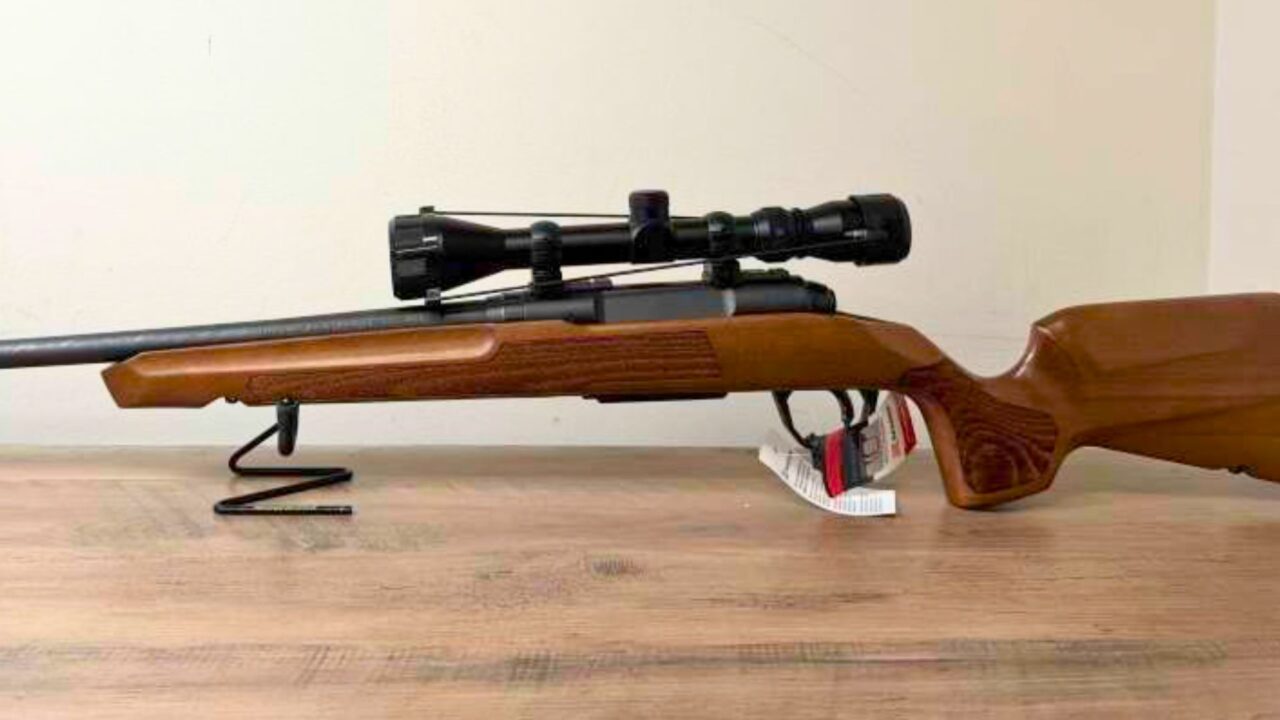
The Savage Axis II is simple in a modern budget-rifle way. It does not have a fancy stock, polished action, or premium finish. What it does have is practical accuracy, a usable AccuTrigger, and a low price that helped a lot of hunters get into the field.
That kind of simplicity ages better than some people expected. The Axis II may not feel like an heirloom, but it can be a very capable deer rifle, backup gun, or first centerfire. It strips the rifle down to the basics: trigger, barrel, action, and enough stock to get the job done. Not every simple design becomes beautiful with time. Some simply keep working, and that has its own value.
Smith & Wesson Model 442
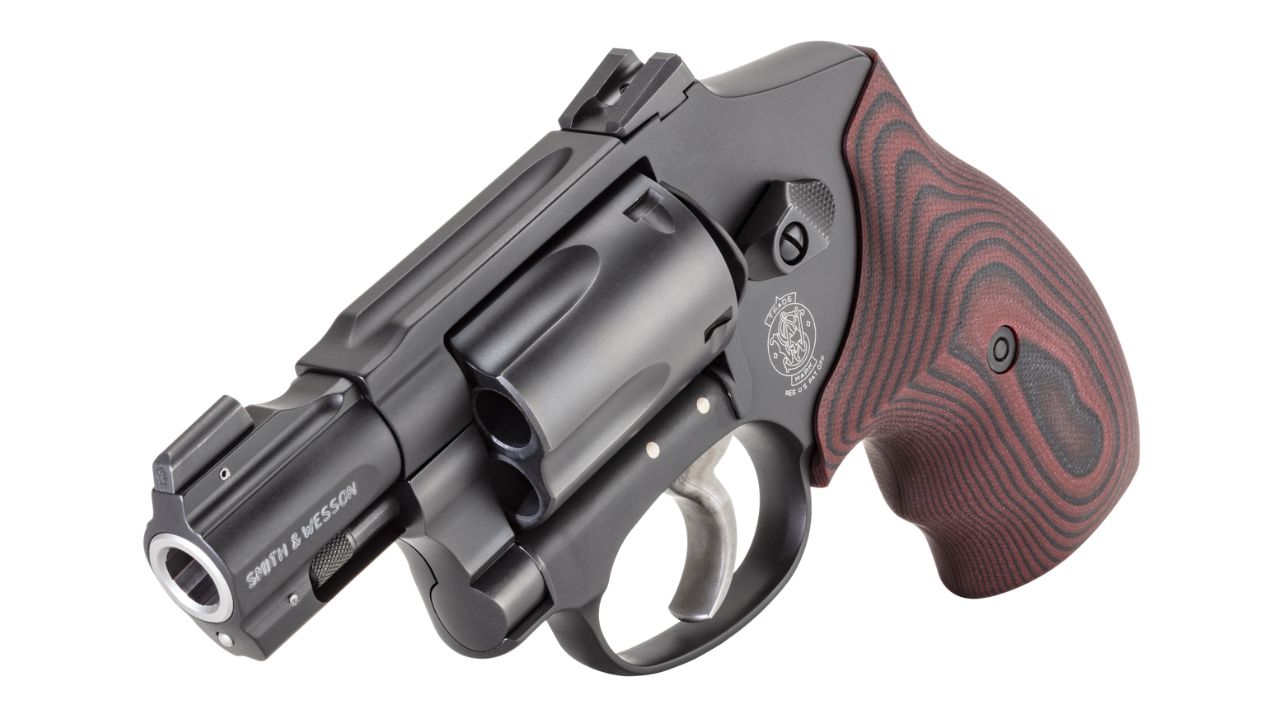
The Smith & Wesson Model 442 is a simple carry revolver that has aged well because it solves a specific problem. It is light, snag-resistant, easy to carry, and simple to operate. It does not pretend to be pleasant for long range days or superior to a compact 9mm in capacity.
That honesty is why it still matters. The enclosed hammer makes pocket carry cleaner, and the small frame disappears where larger handguns do not. It takes practice to shoot well, and recoil with defensive loads can be sharp. But the design is direct: a lightweight revolver for close-range carry when convenience matters. Simple guns age well when they understand their own limits.
Henry H001
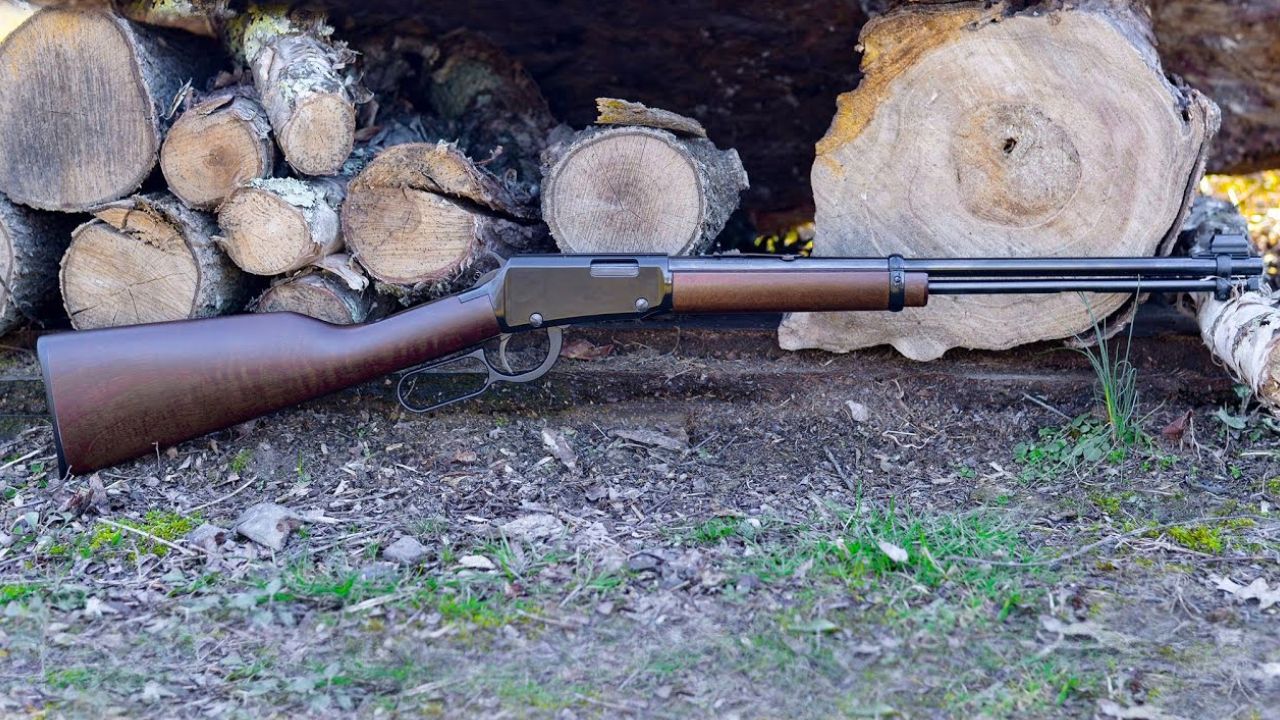
The Henry H001 is simple, affordable, smooth, and easy to like. It is a lever-action .22 that doesn’t try to be a tactical trainer or precision rifle. It is built for plinking, teaching, and making a box of rimfire ammo feel like a good afternoon.
That kind of simplicity never goes bad. The H001 is friendly to new shooters, still enjoyable for experienced ones, and practical for small-game use where legal. It may not have the premium feel of more expensive lever-action rimfires, but the basic experience is strong. Smooth action, mild recoil, and cheap practice are hard to argue with. A simple gun that gets used often has already won.
Like The Avid Outdoorsman’s content? Subscribe to our newsletter so you never miss an article.
Here’s more from us: