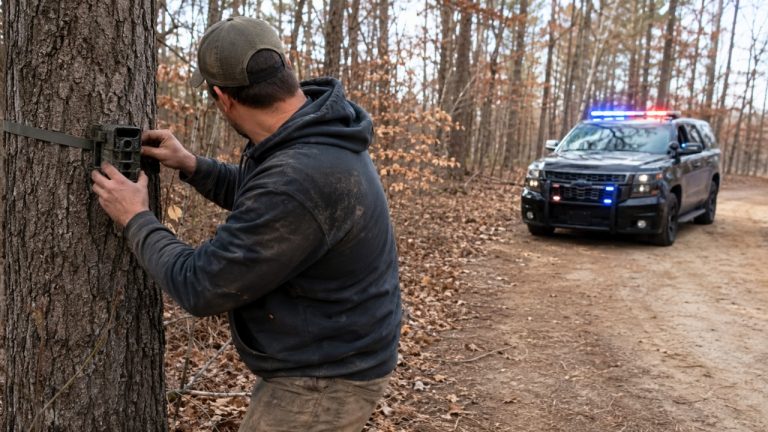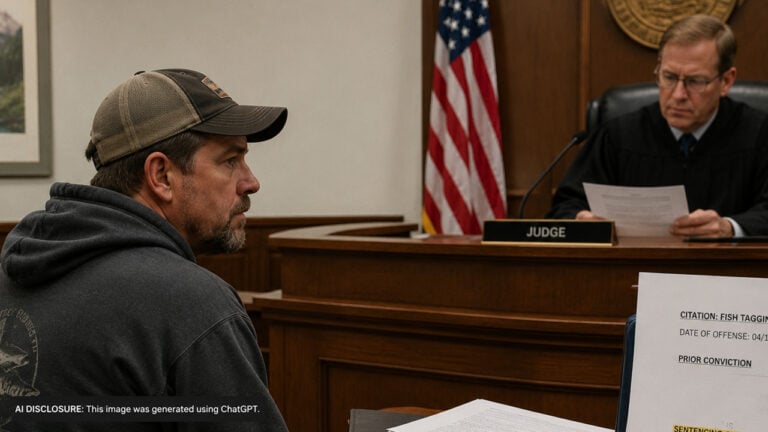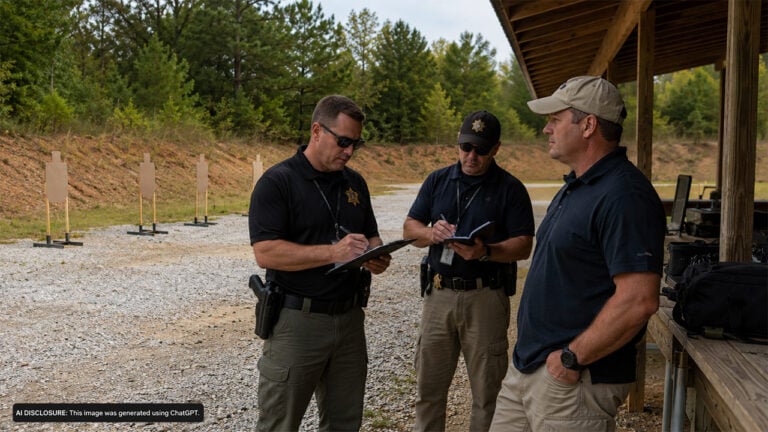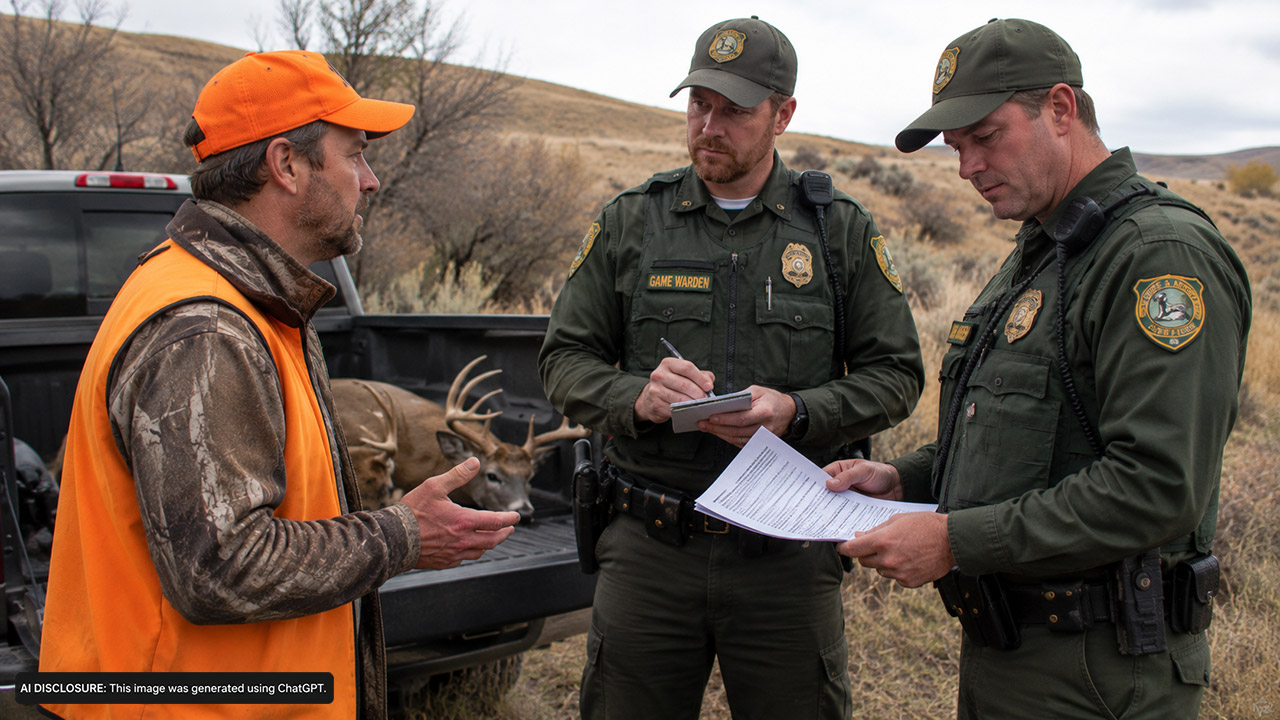
Photo credit: AI-generated image created using ChatGPT. Illustrative only
Every deer hunter has replayed a shot in his head afterward. The one you shouldn’t have taken. The one that didn’t go like the clean picture you had in the scope. And sometimes it isn’t a bad hit or a long track job—it’s the sickening moment when you realize there was another animal you never saw.
That’s the situation a Wyoming landowner described in the original post, after he fired at a deer on his own property and accidentally killed a second deer standing behind the first. He said he reported it that morning, but the encounter still turned into a case—one that highlights a hard truth about hunting: doing the right thing after a mistake doesn’t always erase the violation.
A clean shot that turned into a two-deer wreck
In his account, the hunter said he made what he believed was a “perfect shot” on the first deer. The problem was bullet travel. The round went through the neck of that deer and continued into the chest of a second deer he didn’t see behind it.
If you’ve spent time in the field, you know how fast a “safe” lane can change when deer are moving, stacked up, or filtering through brush. But the physics don’t care about intentions—if there’s an animal behind the target, a pass-through can create a second “shot” you never meant to take.
The follow-up shot and the pregnant doe
The second deer, a doe, was hit in the chest and was “wheezing,” according to the hunter. He said he “put her down,” which most hunters will read as a mercy shot to end suffering.
Then came the gut punch: he realized the doe was pregnant. Depending on season dates and local regulations, a pregnant doe can be legal, but emotionally it hits different. And in some places, taking an antlerless deer without the right tag—or outside the right window—can put you on the wrong side of the law no matter what you meant to do.
Panic in the moment: leaving the scene and thinking about staying quiet
Instead of handling it like a straightforward mistake, the hunter admitted he “kind of ran from the area.” He also recognized he couldn’t just pretend it didn’t happen because it was his property and the dead deer would still be there.
The key question he asked was the one that gets people into deeper trouble: should he keep it quiet? That’s a natural panic response, but it’s also where a manageable accident can start looking like an intentional cover-up if a warden stumbles onto it or a neighbor sees activity and calls it in.
Why “I told them right away” doesn’t always stop charges
Hunters sometimes assume that self-reporting is a free pass. It helps, no doubt. It can be the difference between a warning and a citation, or between restitution and something more serious. But it doesn’t automatically make the underlying act legal.
If a hunter kills an extra deer without a tag for it, that’s often treated as “over limit,” “unlawful take,” or “take without proper license/tag,” even if it was accidental. Wardens and prosecutors have to enforce the statute as written, and most wildlife laws aren’t built around intent—they’re built around the take itself.
That’s why this kind of situation can end with charges even when the hunter reports it immediately. Self-reporting can be a strong factor in how the case is handled, but it isn’t a magic eraser.
What hunters focused on: accountability, salvage, and not making it worse
The hunter’s own language shows he knew he’d been careless: he said he was trying to be careful but admitted he was negligent. That word matters. In hunting, “I didn’t mean to” can still be “I should have known better,” especially when the shot angle and what’s beyond the target weren’t fully confirmed.
Just as important, once an animal is down, you’re usually dealing with two immediate responsibilities: prevent waste and follow the law on reporting and tagging. Hauling both deer home and hoping nobody notices can add a whole new layer of trouble, because it starts to look like concealment or wanton waste if anything doesn’t get handled correctly.
Even without getting into jurisdiction-specific details, most experienced hunters will tell you the same thing: when you mess up, you don’t improve your odds by running from the scene, moving animals around, or trying to “figure it out later.” You stabilize the situation—ethically and legally—by contacting the right people and following their direction.
The field lesson: bullet behavior, backstops, and tight shot selection
This story is a reminder that “one deer” can become “two deer” in a heartbeat when animals are lined up. A pass-through isn’t rare on deer, especially with common hunting cartridges and broadside or slightly quartering angles. If there’s another deer in line, you’ve got a real risk of hitting it.
The practical fix isn’t complicated, but it takes discipline: don’t shoot into a group, don’t shoot when you can’t see the full body and what’s behind it, and don’t assume a deer is alone just because your focus is locked on the one in your crosshairs. If the lane is crowded, wait. Let them separate. A filled tag is never worth a bad decision.
And when it does happen—because accidents do happen—the best move is the boring one: own it, report it, and do exactly what the warden tells you to do with the animal. You may still get cited, but you’re far more likely to come out of it with your integrity intact and without the extra headaches that come from trying to hide a mistake that can’t stay hidden.
For hunters and landowners, that’s the real takeaway. The shot matters, but what you do in the next 30 minutes matters too. When you’re in the wrong—even by accident—your choices afterward decide whether it stays a hard lesson or turns into a full-blown case.
Like The Avid Outdoorsman’s content? Subscribe to our newsletter so you never miss an article.
Here’s more from us: