Photo credit: AI-generated image created using ChatGPT. Illustrative only
Most private gun sales feel routine: two adults, cash changes hands, and everybody goes back to work on Monday. But one Florida gun owner learned how fast that “simple” transaction can turn into a phone call you don’t want to get—when a detective reached out about a pistol that had been “recovered” months after the sale. The details come from the original post.
In the post, the seller explained he wasn’t moving guns for profit or acting like a dealer. He was a part-time worker, full-time student, and he simply didn’t shoot much anymore. So when coworkers showed interest after a casual conversation about a range trip with his younger brother, he decided to sell.
A casual workplace conversation turned into a trunk-gun transaction
The situation started in January, when the seller mentioned taking his little brother to the range. His manager asked what firearms he owned and expressed interest in buying one. The next day, because his small collection was already in his range bag from the day before, the seller brought the bag to work and kept it in his trunk.
The manager didn’t end up buying anything. But another coworker took interest in a pistol the seller said he “didn’t need or care too much about anymore.” A day or two later that coworker showed up with $200, and the seller handed over the handgun.
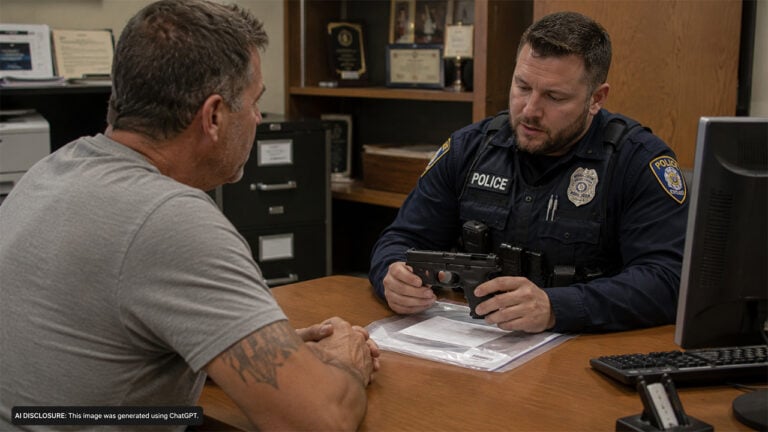
Six months later, a detective texted about a “recovered” Kel-Tec 9mm
About six months after the sale, the seller said he finished an online class and checked his phone to find a missed call, voicemail, and a text message from a detective. The message said the department was trying to contact him “in reference to a keltec 9mm firearm that we recovered,” noting it appeared to be tan and originally purchased about 10 years earlier from the shop where the seller bought it.
That’s a punch-in-the-stomach moment for any gun owner. Even if you did nothing wrong, it immediately raises the questions: Where has that pistol been? Why did police recover it? And why is your name still attached to it?
He learned the buyer had a felony record from New York
Trying to make sense of it, the seller drove to work to find the coworker he sold the pistol to. The coworker wasn’t there, but the seller got in touch with the coworker’s manager, who told him the buyer did have a felony on his record from time back in New York.
At that point, the seller realized the private sale had a serious problem: he’d transferred a handgun to someone who apparently wasn’t legally allowed to possess it. According to the post, he said he had no idea the coworker was a felon at the time of the sale, and he believed Florida didn’t require a background check for private sales in that context.
The buyer’s story: his wife turned it in months earlier
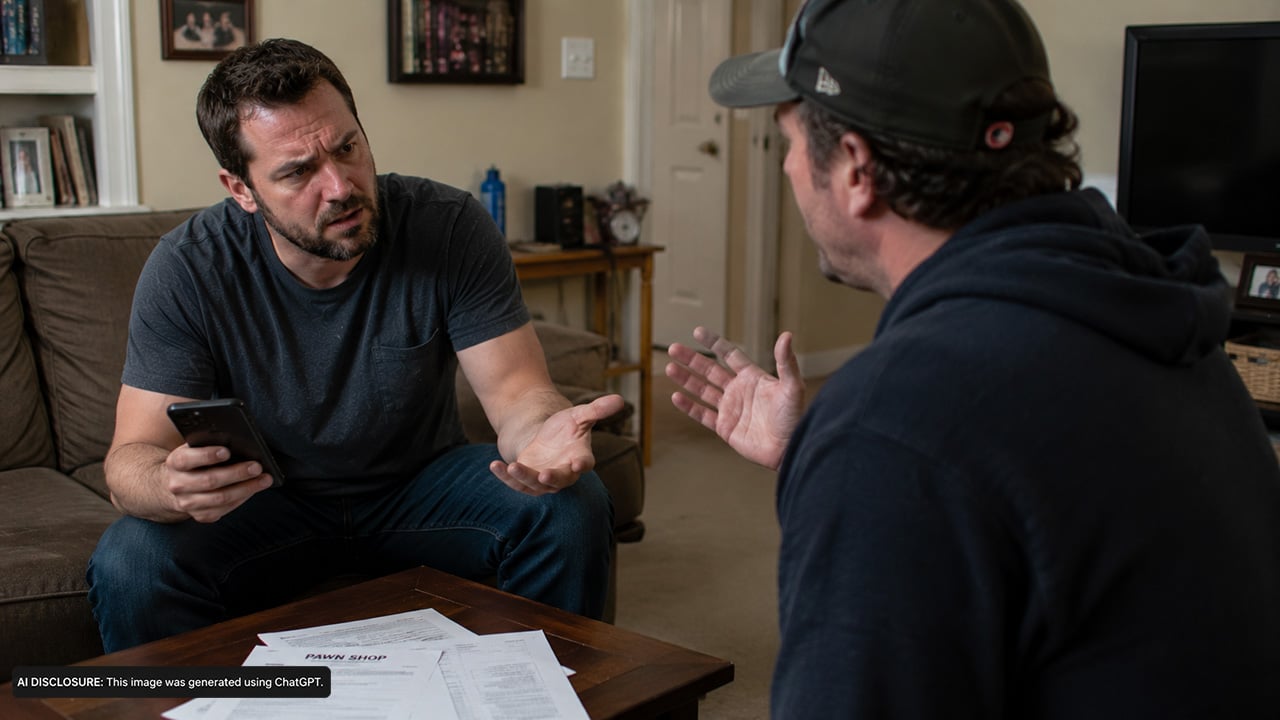
The seller then called the coworker directly and asked what happened to the gun. The coworker’s explanation was that his wife turned it in to police back in March—only a couple months after the January sale.
The details were messy. The seller said he wasn’t clear on the whole story, but it sounded like the couple had a falling out and the coworker hadn’t seen his wife in months. The coworker claimed he bought the gun to give to her for protection, though the seller didn’t know whether that was true.
Whatever the relationship drama was, the end result was the same: law enforcement had the pistol, and the original buyer was now known (at least to the seller) to have a felony conviction in his background.
The real danger shifted from the sale to what he might say next
The seller’s biggest immediate concern wasn’t the gun itself—it was the conversation with the detective. He believed he wasn’t “in any trouble as of yet,” but he was torn between telling the straightforward truth and trying to avoid “sending him back to prison,” especially if the gun was supposedly intended for the wife.
He floated a few options in his head: claim he sold the gun at a gun show years ago and lost track of it, or say he sold it to the coworker’s wife, or simply tell the detective he sold it to the coworker. He also worried about whether police could compel his involvement, whether he could be charged for lying, and whether he should call the detective back without first speaking to a lawyer.
From a practical gun-owner standpoint, this is where folks get into trouble. The sale may have been a dumb move, or it may have been legal under state rules as the seller understood them, but making up a story for an investigator is where the floor can drop out. A bad private sale is one problem. A false statement is a whole different kind of problem.
The outdoorsman takeaway: private sales still need a paper trail and a gut check
This story is a good reminder that “private sale” doesn’t mean “no consequences.” Even when a state doesn’t require a background check for certain private transfers, the gun can still boomerang back to you through the trace if it’s recovered by police later. That’s not Hollywood—your name is tied to the original purchase, and that’s often where the phone calls start.
It also highlights a common weak point: selling to someone you know from work feels safe because they’re familiar. But “familiar” isn’t the same as “lawful,” and you may not know what someone has in their past, what’s going on at home, or whether they’re even the real end user.
If you’re going to sell a firearm, the common-sense approach is to slow down and treat it like a serious transfer of responsibility. Meet in a safe, neutral place. Consider using a local FFL to run the transfer if your state allows it and you want that extra layer. And at minimum, document the sale in a simple bill of sale and keep your records. None of that guarantees a buyer won’t do something stupid later, but it can keep you from standing there empty-handed when the detective starts asking questions.
For the Florida seller in this situation, the “recovered” text message wasn’t just about one tan Kel-Tec 9mm. It was a wake-up call that the easiest gun sale you’ll ever make can turn into the hardest explanation you’ll ever have to give—especially if you try to talk your way around it instead of sticking to the truth.
Like The Avid Outdoorsman’s content? Subscribe to our newsletter so you never miss an article.
Here’s more from us: