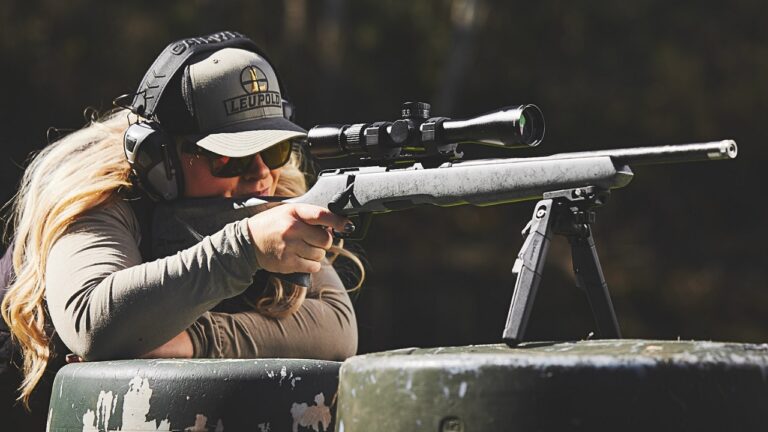
Photo credit: AlaskanFrontier1/YouTube
FN has the kind of reputation that does not come from one famous rifle. It comes from being tied to an entire century of military firearms history. Battle rifles, machine guns, service pistols, squad automatic weapons, special operations carbines, and military contracts all sit under the FN name in one way or another.
That is why military rifle fans respect it. FN has not always been the loudest civilian brand on the rack, but its resume is hard to ignore. When a company is connected to rifles like the FAL, guns like the M249 and M240, and modern platforms like the SCAR, people who pay attention to military arms are going to take it seriously.
FN Built the FAL Into One of the Most Famous Battle Rifles Ever
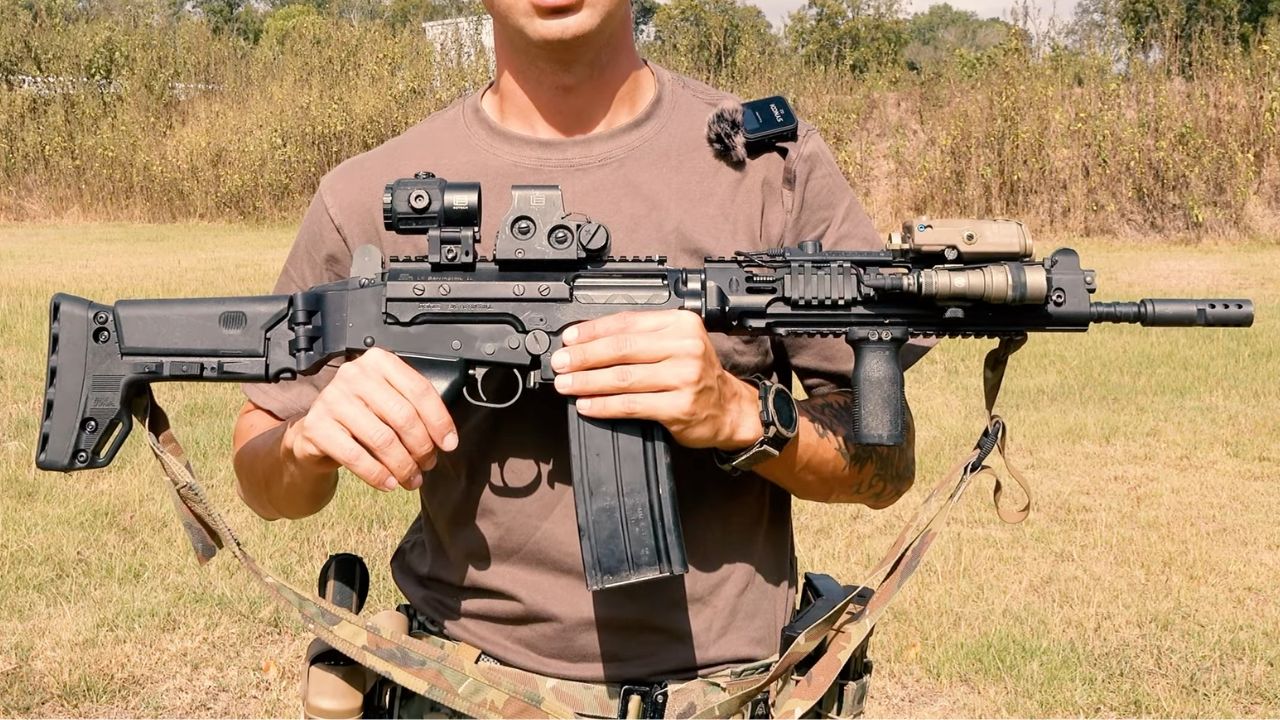
The FN FAL is probably the biggest reason military rifle fans respect FN. It became one of the defining battle rifles of the Cold War and earned the nickname “the right arm of the free world.” Chambered in 7.62x51mm NATO, the FAL gave dozens of countries a serious self-loading rifle during an era when the world was still figuring out what the modern infantry rifle should look like. It was powerful, rugged, and adaptable enough to spread across continents.
The scale of the FAL’s use is what makes it so important. It was adopted or used by more than 90 countries, with millions produced through FN and licensed production around the world. That kind of footprint is rare. Military rifle fans respect rifles that actually served, not guns that only look good in a catalog. The FAL served all over the place, in all kinds of climates, with all kinds of troops. FN’s name is welded to that legacy.
FN Proved It Could Build Rifles for the Real World
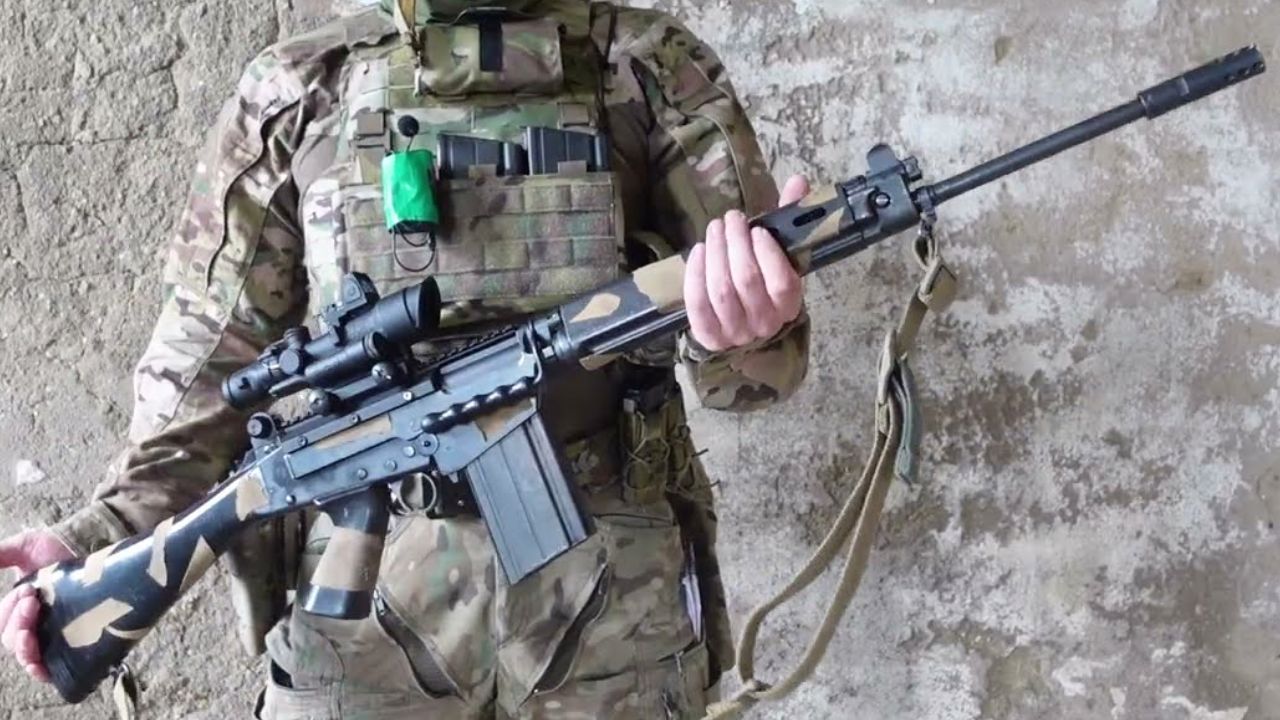
The FAL mattered because it was not some delicate range rifle. It was a working military rifle built for countries that needed a hard-use 7.62 NATO platform. That meant dust, mud, poor maintenance, rough handling, conscript troops, professional armies, jungle warfare, cold weather, and long supply chains. A rifle that spreads that widely has to be useful beyond the spec sheet.
That is one reason FN earned respect with serious military arms fans. The FAL showed that FN could build something that worked across different doctrines and different countries. Some nations modified it. Some licensed it. Some used inch-pattern variants. Some used metric-pattern rifles. But the basic idea stuck. FN was not building a boutique gun for one narrow buyer. It built a rifle that became part of global military history.
FN Helped Define the 7.62 NATO Battle Rifle Era

The FAL gave FN a central role in the 7.62 NATO battle rifle era. That period produced some of the most respected rifles in military history: the FAL, M14, G3, BM59, and others. They were heavier than later 5.56 rifles, harder recoiling, and not always easy for every soldier to run fast. But they carried authority. Military rifle fans still respect that era because those guns were built around full-power performance and battlefield durability.
FN’s contribution stands out because the FAL became one of the most widely used of the bunch. The United States went with the M14, and Germany leaned into the G3, but the FAL spread so far that it became the rifle many people picture when they think of NATO-aligned Cold War forces. FN did not simply compete in that era. It helped define it. That is why the FAL still gets talked about decades after its peak service years.
FN Made the MAG Into a Machine Gun Legend
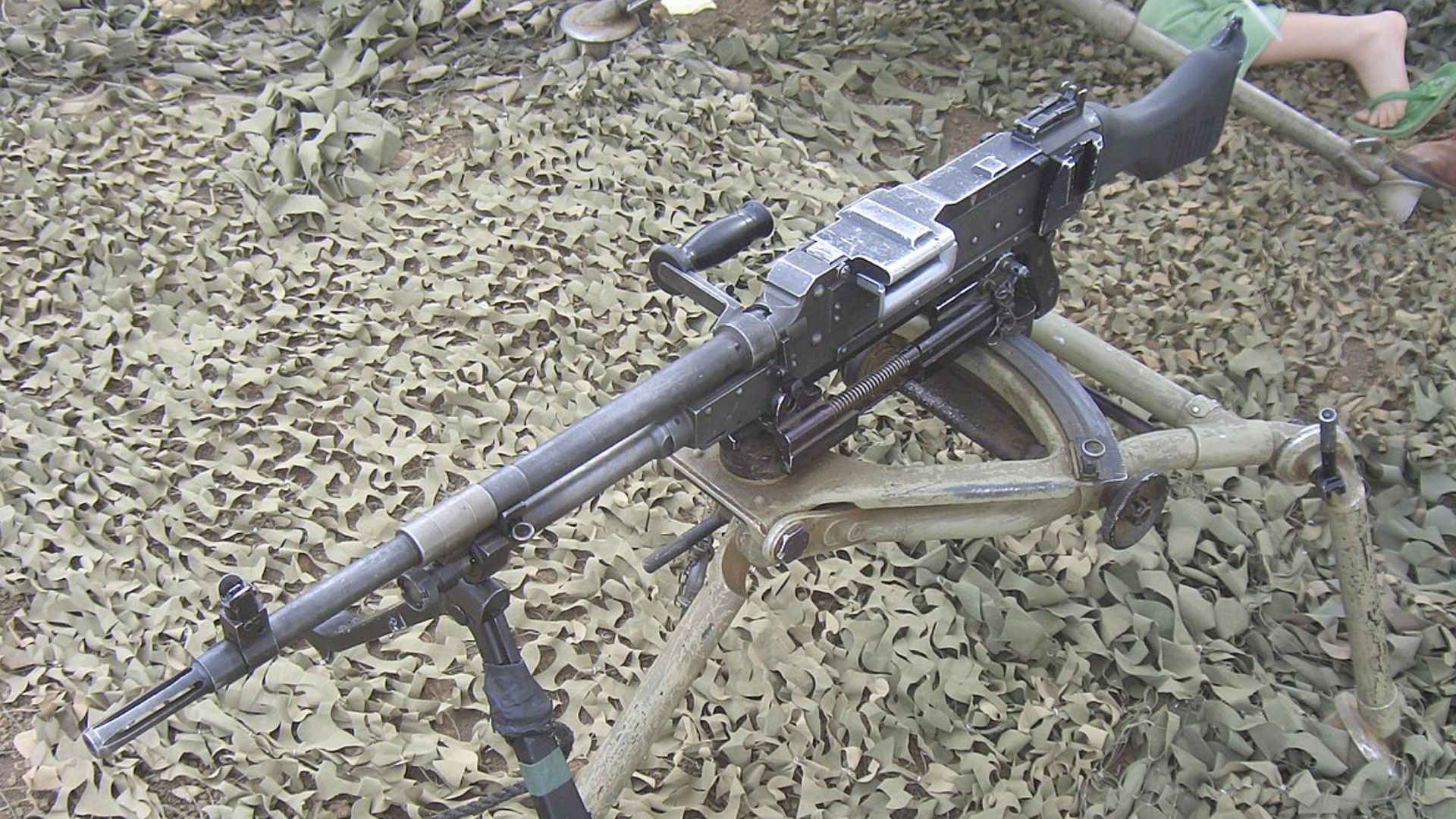
Military rifle fans respect FN partly because the company’s machine gun resume is so strong. The FN MAG, known in U.S. service as part of the M240 family, became one of the most respected 7.62 NATO general-purpose machine guns in the world. FN America describes the M240 family as long employed by all services of the U.S. Armed Forces, with the M240B serving as a “go to/can do” medium machine gun offering reliability, range, and service life.
That kind of reputation matters even to people mostly interested in rifles. Machine guns are brutally honest about design and durability. If a gun cannot handle heat, hard use, rough maintenance, and endless cycles, it gets exposed fast. The M240 family gave FN credibility as a maker of serious military hardware, not just commercial firearms. When people respect FN, a lot of that respect comes from knowing the company builds guns meant to run in conditions most civilian rifles will never see.
FN Put the Minimi Into American Military History as the M249
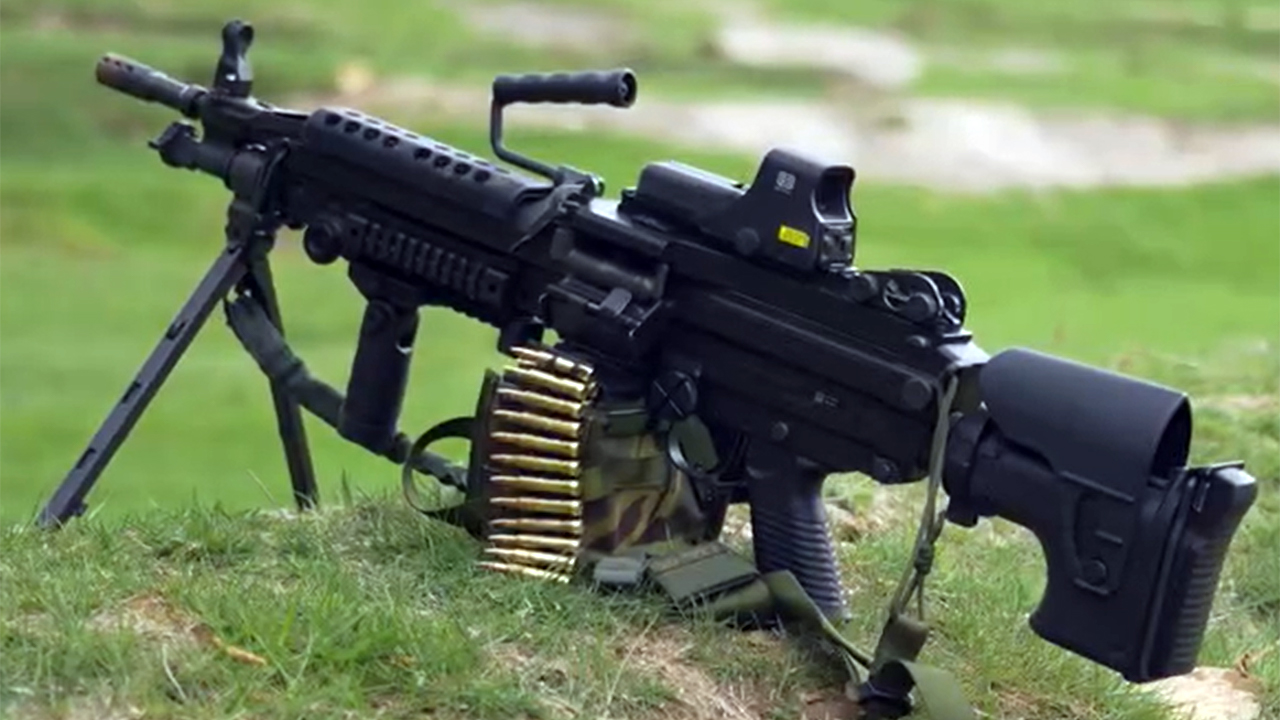
The FN Minimi became the M249 Squad Automatic Weapon in U.S. service, and that gave FN another major foothold in American military history. FN America says the U.S. Army adopted the FN Minimi as the M249 SAW in 1988, with production beginning at FN’s Columbia, South Carolina plant in 1991. That is a huge credibility marker for a foreign-rooted company in the American market.
The M249 gave infantry squads a belt-fed 5.56mm automatic weapon, and it became a familiar sight to generations of American service members. Military rifle fans notice that. A company connected to the SAW is not just selling range guns. It has supplied weapons that shaped how U.S. infantry units worked for decades. Civilian shooters can argue about the M249 all day, especially from veteran experience, but nobody can say it failed to make FN part of modern U.S. military small-arms history.
FN Built Military Guns in the United States

FN’s American manufacturing presence helped the brand earn respect here. FN America notes that after the U.S. Army adopted the M249 in 1988, production began at the Columbia, South Carolina plant in 1991. That matters because FN was not only importing prestige from Europe. It was building serious military weapons on American soil.
That gave FN a different position in the U.S. market. Plenty of European companies sell guns here. FN became tied to American military production in a deeper way. The company has produced or supported major U.S. military weapons, including machine guns and service rifles. For military rifle fans, that connection matters. It means FN is not a brand living off old Belgian history alone. It has a real American manufacturing chapter tied directly to U.S. service weapons.
FN Earned Respect With Cold Hammer Forged Barrels
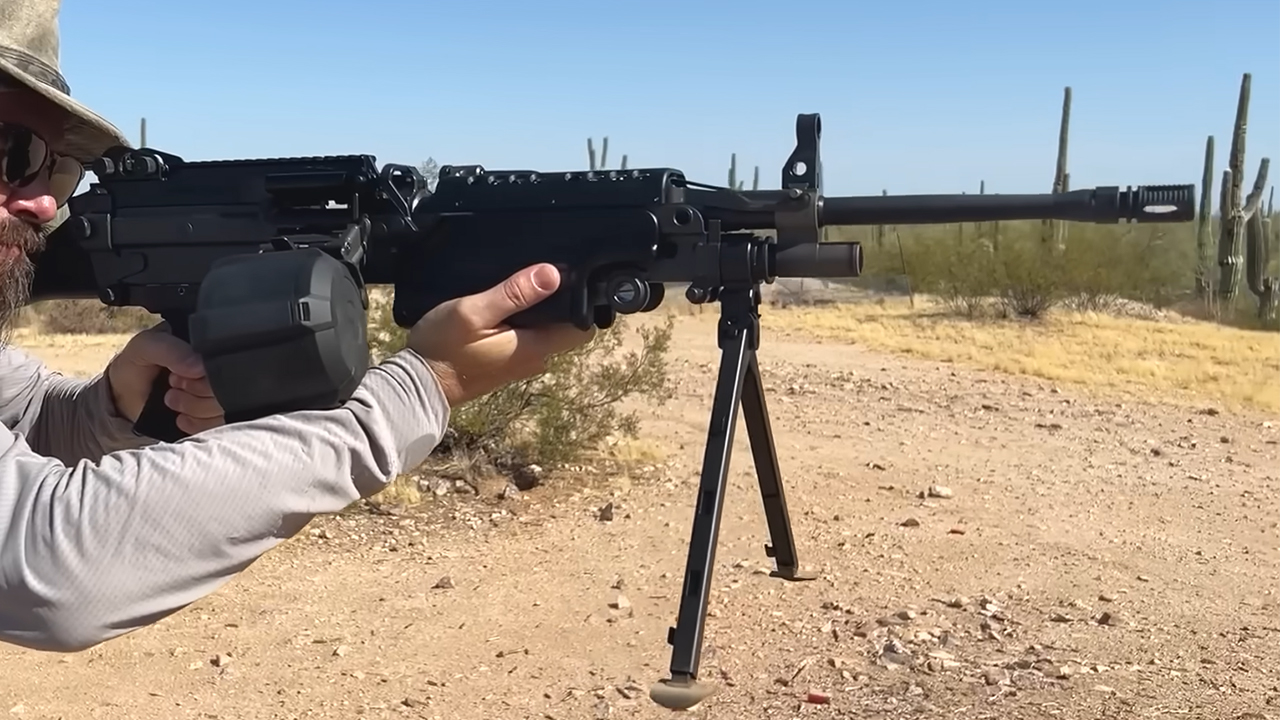
FN’s barrel reputation is a major part of why military-style rifle fans respect the brand. FN America’s M249S page describes the rifle as using an 18.5-inch FN cold hammer-forged, chrome-lined barrel, and FN’s military product pages repeatedly emphasize hard-use barrel construction. Cold hammer forging and chrome lining are not magic words, but they matter in military-style rifles because buyers associate them with durability, consistency, and longer service life under heat and volume.
That reputation carried into the civilian market. When AR buyers see “FN barrel,” they often think serious use rather than bargain-bin parts. A rifle is only as good as its barrel, and FN understood that. The company’s barrel work helped make its own rifles more respected and also gave credibility to other firearms using FN-made barrels. That is one of those behind-the-scenes advantages that serious buyers notice.
FN Won Attention With the SCAR Program
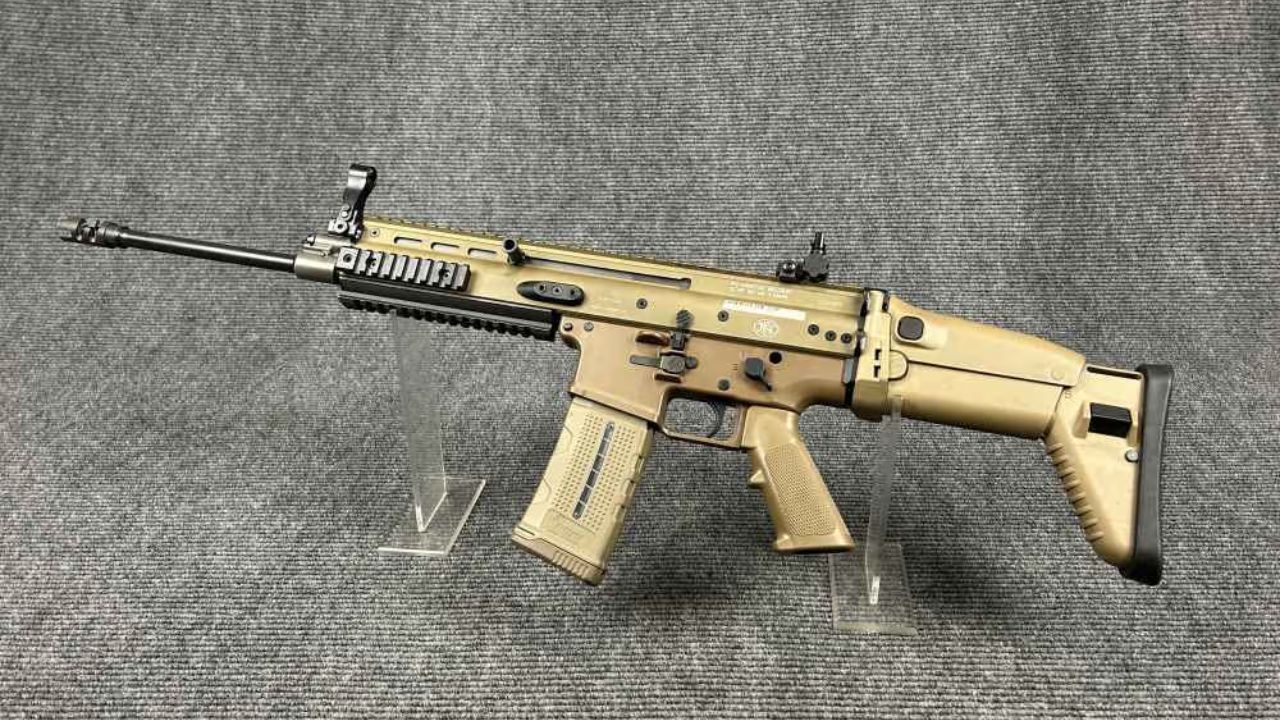
The FN SCAR gave the brand a modern rifle identity beyond the FAL. Developed for U.S. Special Operations Command, the SCAR was selected after a competitive process in the early 2000s. A 2008 report said FN’s SCAR submission was the only weapons system to pass all go/no-go criteria and was unanimously chosen in November 2004 by the selection board. That kind of selection story gave the rifle instant credibility among military rifle fans.
The SCAR stood out because it felt like a real attempt to build a modern modular rifle system rather than a slightly tweaked AR. Folding stock, piston operation, quick-change barrel concepts, ambidextrous controls, and 5.56 and 7.62 variants all helped make it feel different. Whether someone loves or hates the SCAR, they usually respect that it was a serious military rifle project. FN needed a modern icon after the FAL, and the SCAR gave it one.
The SCAR 17 Made 7.62 NATO Feel Modern Again

The SCAR 17, tied to the military Mk 17, became the SCAR variant many civilian shooters and military rifle fans took most seriously. The 5.56 SCAR had its fans, but the 7.62 version felt more distinct. It gave shooters a lighter, modernized alternative to older 7.62 battle rifle patterns like the FAL, G3, and M14. That is why the SCAR 17 became such a conversation starter.
Military rifle fans respect rifles that give old capabilities a modern form. The SCAR 17 did that. It was expensive, and it still gets criticized for price, reciprocating charging handles on earlier versions, stock feel, and parts cost. But none of that erased the fact that FN put a modern 7.62 NATO semi-auto rifle into the civilian market with real military roots. That gave the company a serious place in the modern battle rifle conversation.
FN Let Civilians Own Semi-Auto Versions of Military Icons
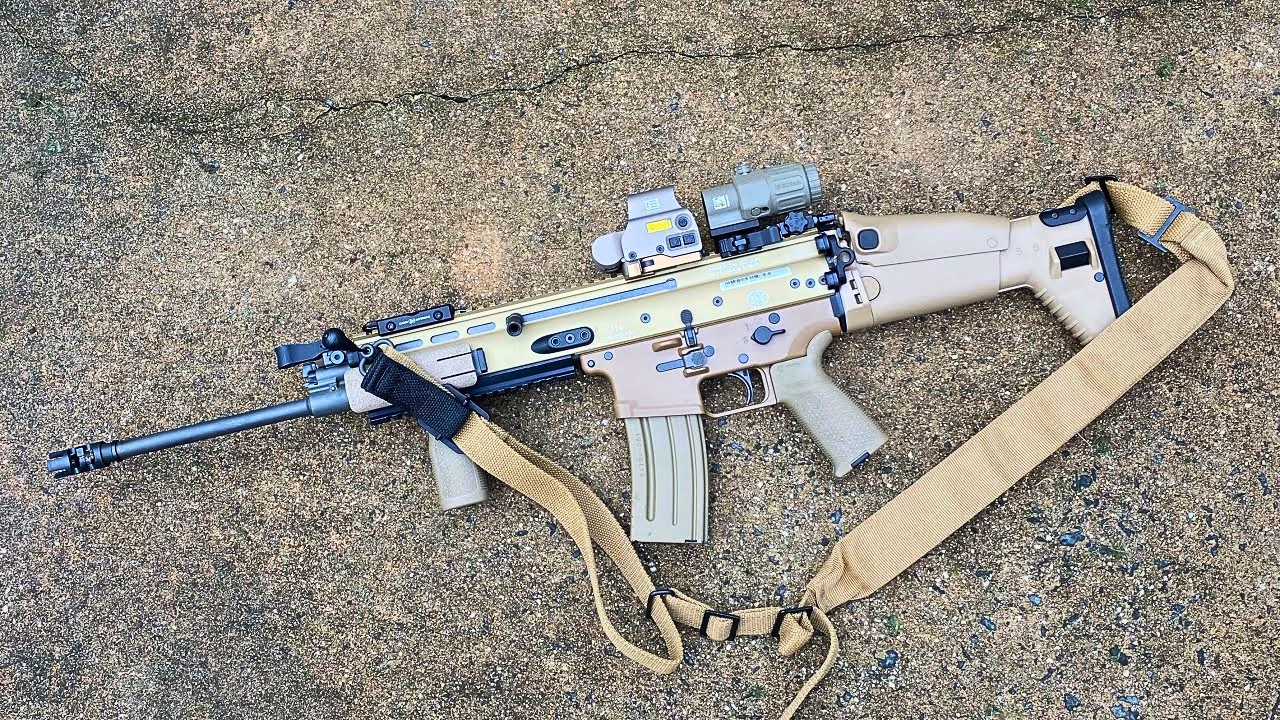
FN earned respect by offering civilian-accessible versions of guns tied to military history. The FN M249S is a semi-automatic version of the M249 SAW, originally developed as the FN Minimi and adopted by the U.S. military in 1988. FN says the semi-auto M249S accepts both linked belt ammunition and magazines and operates from a closed bolt. That is not a practical purchase for everyone, but it is a major collector and military-gun fan move.
The same idea applies to the civilian SCAR line. FN understood that a lot of shooters want more than military-looking styling. They want a civilian rifle with a direct connection to something real. Those guns are not cheap, but they give military rifle fans a legal path into platforms they already recognize. That is a strong way to build brand loyalty among the exact people who care about lineage.
FN Stayed Relevant in Both Old-School and Modern Military Circles

FN has the rare ability to matter to both old-school Cold War rifle fans and modern tactical rifle fans. The FAL crowd respects FN because of the battle rifle era. The M240 and M249 crowd respects FN because of U.S. military service weapons. The SCAR crowd respects FN because of special operations development and modern modular rifle design. That is a wide spread.
This matters because a lot of gun companies are tied to one era. Some are old legends with little modern relevance. Others are modern brands with no deep historical roots. FN has both. Its history reaches back through iconic 20th-century military arms, while its current identity still connects to military contracts and modern rifles. That makes the brand feel bigger than any single product.
FN Did Not Rely Only on the AR Platform
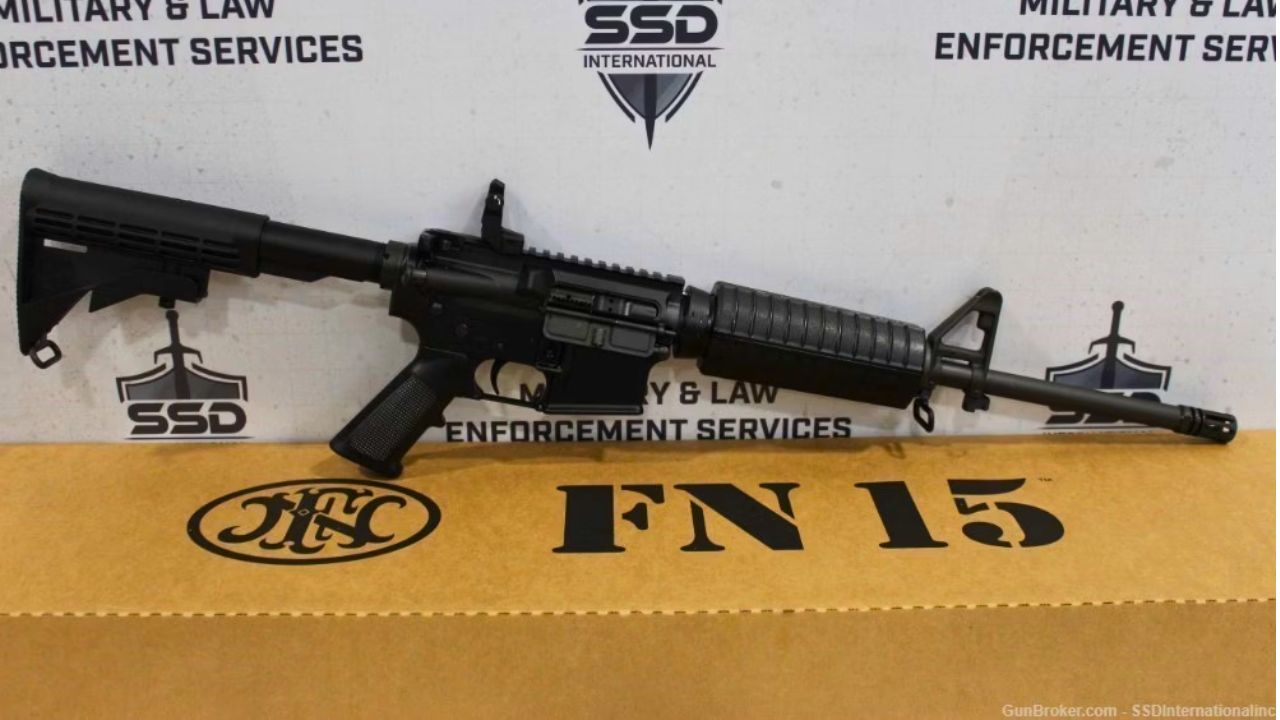
FN has made AR-pattern rifles, including FN 15 models, and has produced U.S. military rifles under contract. But the brand’s military-rifle respect does not come only from ARs. That is important. The AR market is crowded, and even good AR makers can start to blend together. FN stands apart because its identity includes the FAL, MAG, Minimi, SCAR, and more.
That gives FN a broader kind of credibility. A buyer may respect Colt for AR history, H&K for the G3 and MP5 world, and Kalashnikov for the AK pattern. FN sits in a different space because it has touched so many categories. Military rifle fans like brands with range, and FN has range. It can talk battle rifles, squad automatic weapons, medium machine guns, special operations rifles, and civilian military-style rifles without sounding like it wandered into the room yesterday.
FN Built Guns That Soldiers Actually Carried

A lot of companies make military-style firearms. FN made firearms that soldiers actually carried. That is the difference. The FAL saw broad international service. The M249 became a familiar U.S. squad automatic weapon. The M240 family became a respected medium machine gun across U.S. services. The SCAR entered special operations conversations. Those are not fantasy connections.
Military rifle fans are usually skeptical of fake tactical branding, and they should be. A black rifle with rails does not automatically have credibility. FN’s credibility comes from actual adoption, actual contracts, and actual service use. That does not make every FN civilian gun perfect, but it gives the brand a foundation most companies cannot copy. The name means something because it has been attached to guns used by real militaries in real numbers.
FN Kept Making Serious Guns While Other Brands Chased Trends
FN has never been the flashiest civilian marketing brand, and that may be part of why military rifle fans respect it. The company’s strongest identity has always been serious-use firearms. Even when civilian trends shift, FN still feels tied to military production, institutional customers, and hard-use designs. That gives the brand a certain weight.
That does not mean FN ignores the civilian market. It clearly does not. But it has avoided feeling like a company that exists only to chase the newest social media gun trend. FN’s best-known rifles and machine guns carry a deeper resume. Military rifle fans tend to respect that because they are not only looking for what is hot this year. They are looking for designs that survive beyond a product cycle.
FN Earned Respect by Building Across the Whole Small-Arms Spectrum

The biggest reason FN gets respect is that it has built across the whole military small-arms spectrum. Rifles, machine guns, pistols, belt-fed systems, U.S. military production, Cold War icons, special operations rifles, and civilian versions all sit somewhere in the FN story. That kind of breadth is hard to fake.
A company can make one good rifle and earn a following. FN made enough serious weapons over enough years that the name became part of military firearms history. That is why military rifle fans keep bringing it up. The FAL gave FN legend status. The M249 and M240 gave it U.S. military weight. The SCAR gave it a modern rifle icon. Put all that together, and FN is not just another gun brand. It is one of the names that shaped what military small arms looked like for generations.
Like The Avid Outdoorsman’s content? Subscribe to our newsletter so you never miss an article.
Here’s more from us: