Photo credit: Colion Noir/Youtube
Some guns don’t feel exciting enough to be anyone’s dream purchase. They’re not rare, dramatic, or built around a feature everyone is arguing about online. They just sit there with a long track record, broad support, and enough real-world use behind them that buying one feels almost too obvious.
That’s usually what makes them safe bets. Not perfect. Not always the most interesting. Just proven enough that owners know what they’re getting. These guns quietly became the choices people trust when they don’t want to gamble.
Glock 19
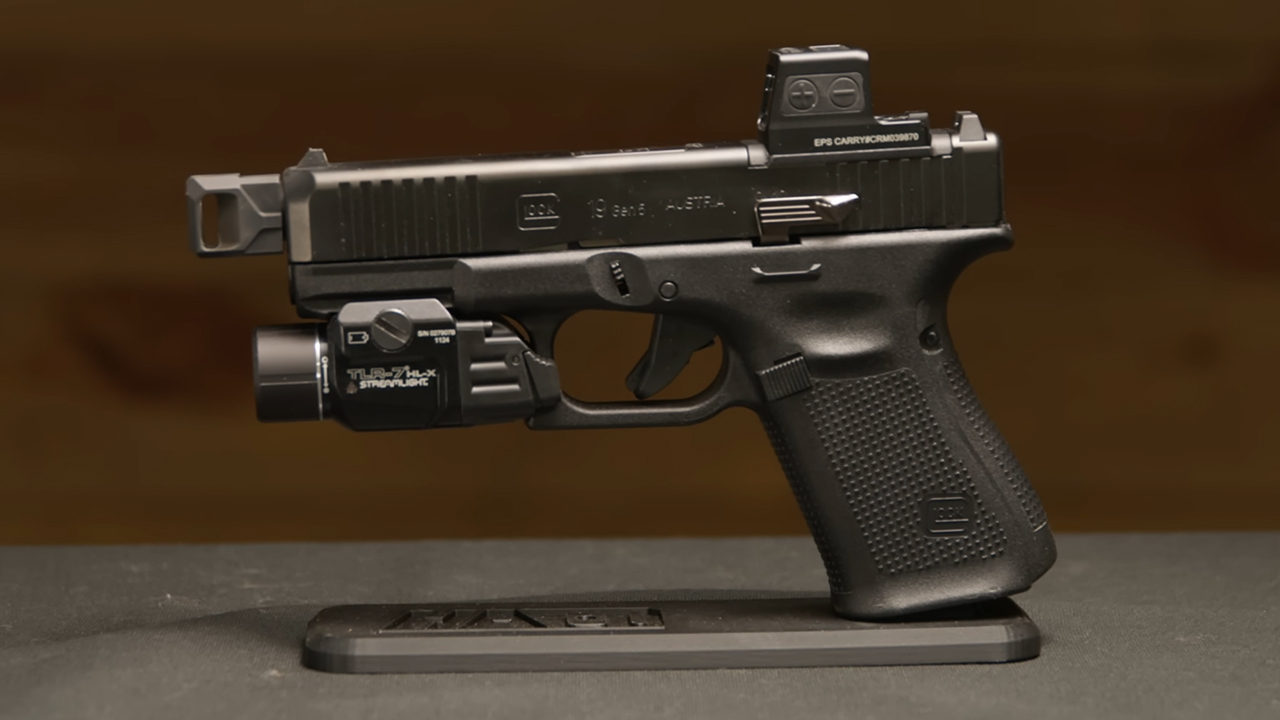
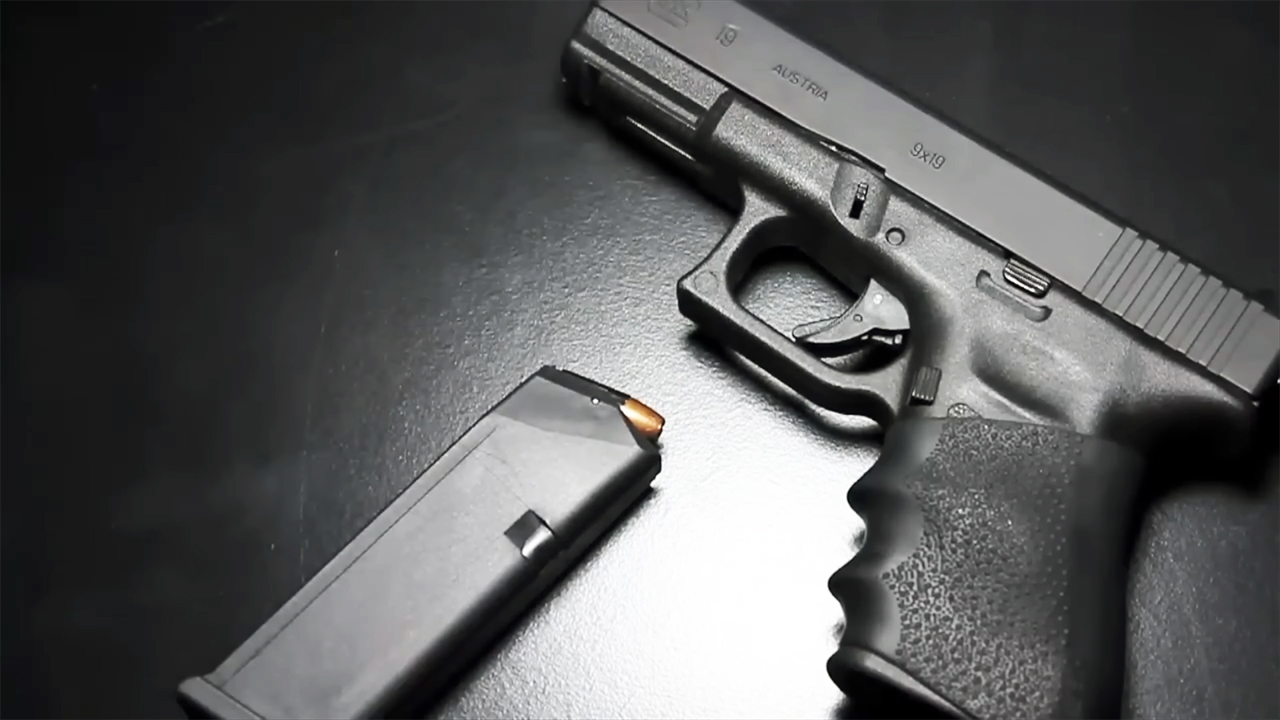
The Glock 19 became the safe bet because it covers so much ground without much drama. It can serve as a carry pistol, home-defense gun, range pistol, training gun, or duty-style compact depending on the owner’s needs. It is not the prettiest pistol, and plenty of shooters dislike the grip angle or factory trigger.
Still, the support behind it is hard to beat. Holsters, magazines, sights, parts, and training information are everywhere. The design is simple, reliable, and familiar to a huge number of shooters. There are pistols with better triggers and better ergonomics, but few are easier to own long term. The Glock 19 became the safe bet because it rarely leaves owners wondering if they made a risky choice.
Ruger 10/22
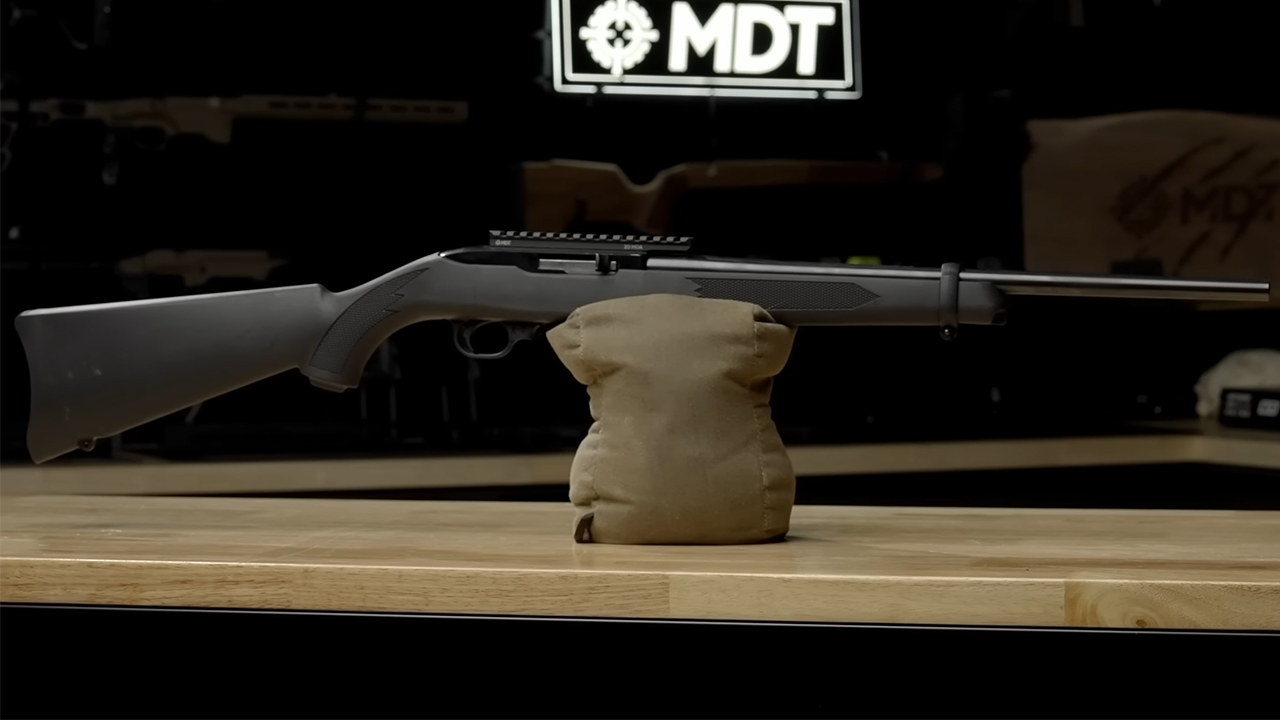
The Ruger 10/22 is one of the easiest safe bets in the rimfire world. It is common, affordable, widely supported, and useful for almost every kind of casual .22 shooting. Plinking, small game, training, family range time, and customization all fit the platform.
It may not be the most accurate semi-auto .22 right out of the box, and some owners eventually upgrade parts. But that is part of the appeal. A 10/22 can stay plain or turn into a full project rifle. Magazines are easy to find, parts are everywhere, and the rifle has decades of trust behind it. A gun that can grow with the owner is hard to regret.
Mossberg 500
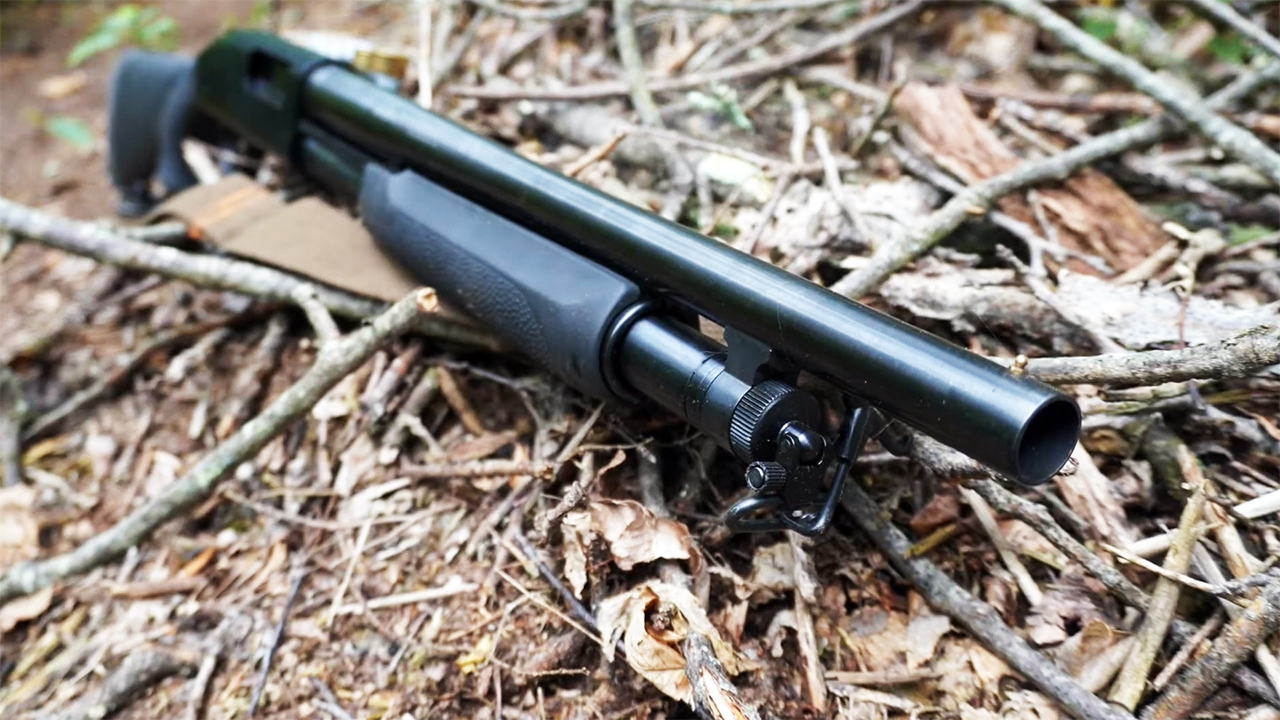
The Mossberg 500 became the safe bet because it is one of the most adaptable pump shotguns ever made. A hunter can use one for birds, turkey, deer, clays, home defense, and general property use depending on barrel and setup. It is simple, familiar, and easy to keep running.
It does not have the polished feel of higher-end pumps, and it is not as soft-shooting as a semi-auto. But it works, and that counts for a lot. The tang safety is easy for many shooters to use, and the platform has enough barrel and parts support to make it practical for decades. When someone needs one shotgun to do a lot of jobs, the 500 remains a safe choice.
Smith & Wesson M&P9 2.0
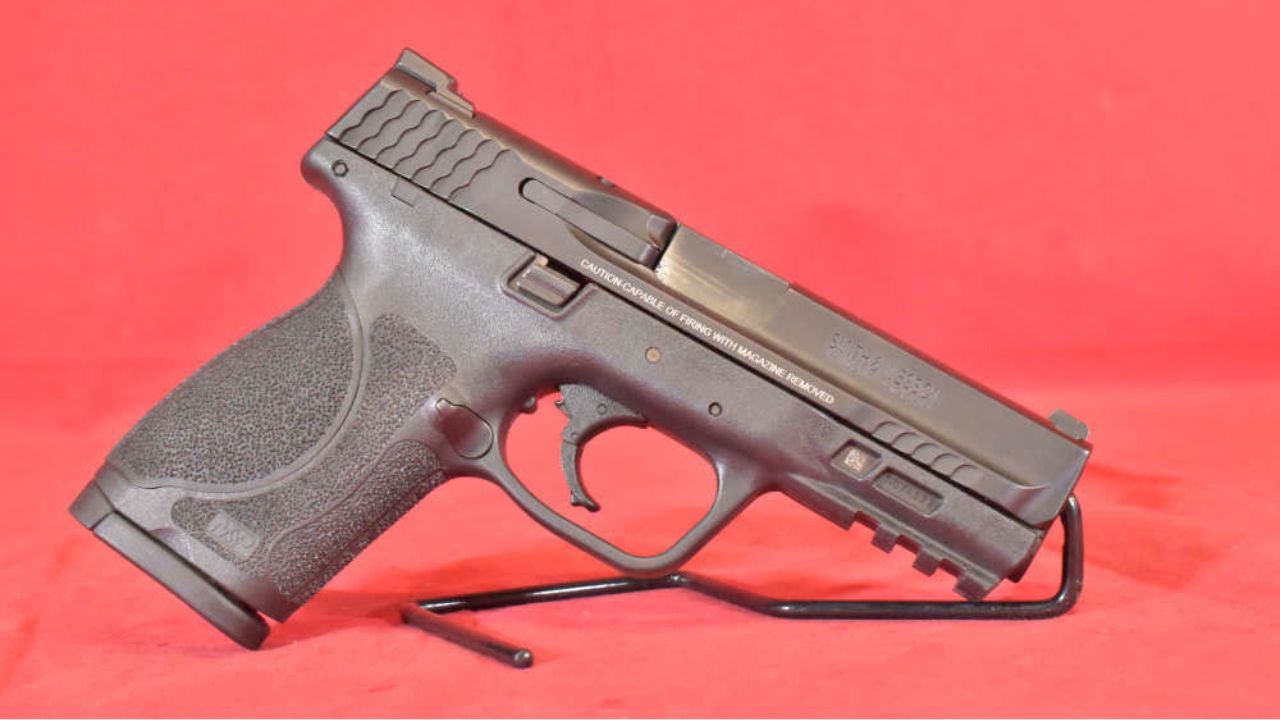
The Smith & Wesson M&P9 2.0 became a safe bet because it improved on the original M&P in the places shooters cared about most. The grip texture is stronger, the trigger is better, and the pistol feels more confident under recoil. It also comes from a company with broad support and long service-pistol experience.
It doesn’t always get the same default trust as Glock, but it has earned its place. The M&P9 2.0 works for carry, home defense, range training, and duty-style use depending on size and setup. Magazines, holsters, and sights are easy to find, and the platform feels natural to many shooters. It became the safe bet for people who wanted proven reliability without giving up better ergonomics.
Remington 870
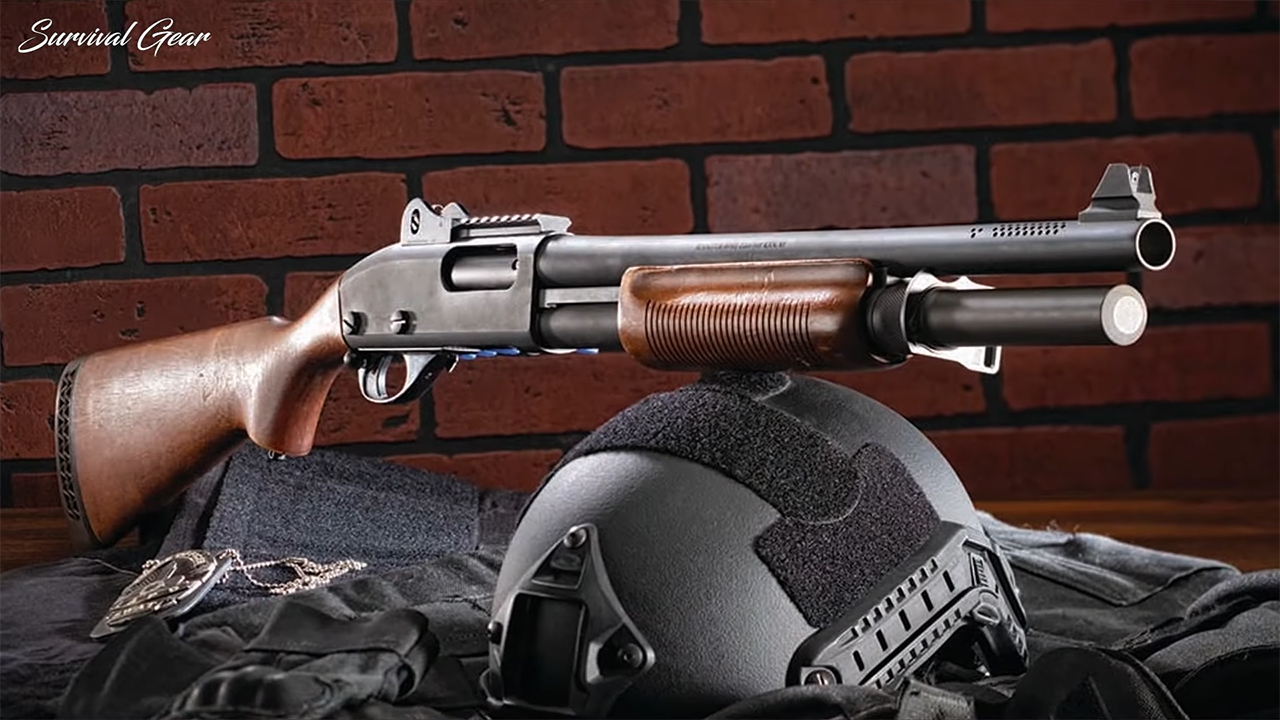
The Remington 870 became the safe bet for generations of shotgun buyers because the design was everywhere. Hunters, clay shooters, homeowners, police departments, and rural families all used them. That kind of presence builds trust, even when later production quality debates complicated the story.
A good 870 still makes sense. The action is familiar, barrel options are broad, and parts support is excellent. The Wingmaster remains the nicer version, while older Express models filled the working-gun role for countless owners. Buyers should pay attention to condition and production era, especially when shopping used. But the basic design still proves why it became one of the most trusted pump shotguns ever made.
Tikka T3x Lite
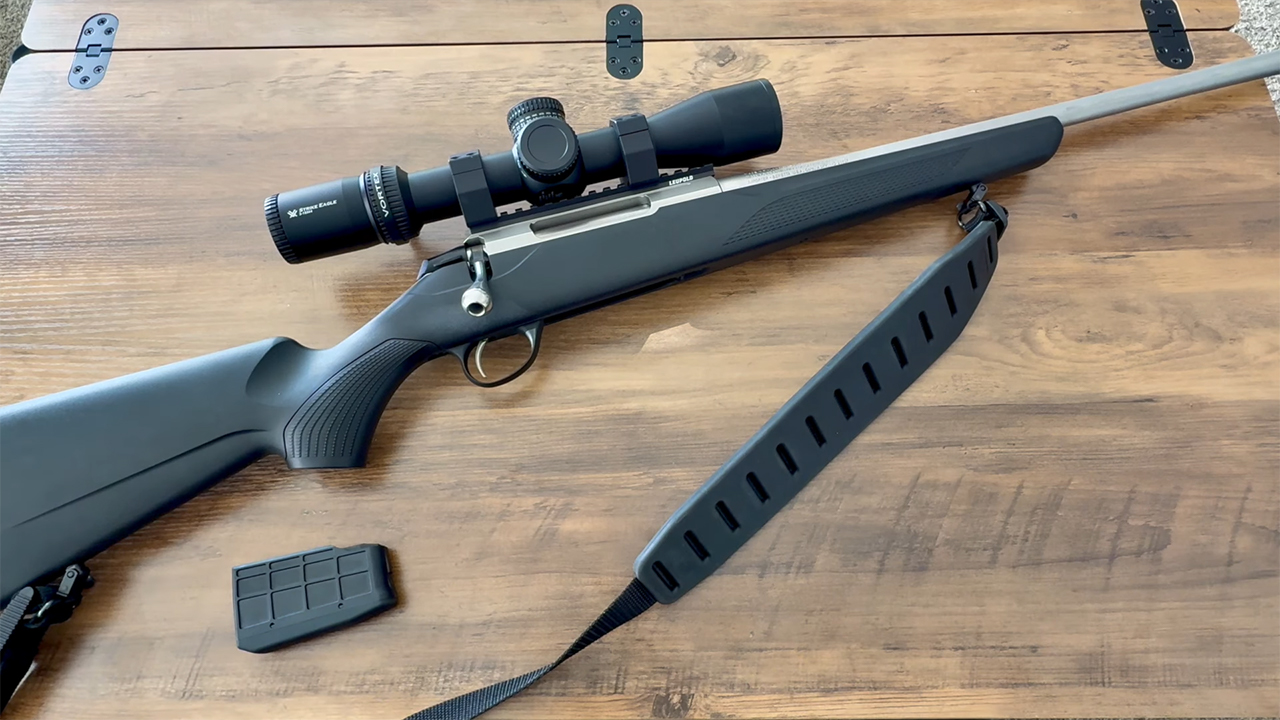
The Tikka T3x Lite quietly became a safe bet for hunters who wanted accuracy, smoothness, and carry-friendly weight without paying premium rifle money. It doesn’t look fancy, and the synthetic stock is plain, but the bolt and trigger make a strong impression fast.
The rifle’s reputation for shooting well with factory ammunition is a big part of its appeal. It carries easily, cycles smoothly, and comes in chamberings that cover most hunting needs. Some owners may upgrade the stock or bottom metal, but many simply hunt with it as-is. A rifle that shoots well and doesn’t fight the owner becomes easy to recommend. The T3x Lite earned that spot.
Smith & Wesson Model 686

The Smith & Wesson Model 686 became the safe bet for shooters wanting a .357 Magnum revolver that could do a little of everything. It is strong enough for magnum use, heavy enough to shoot comfortably, and refined enough to make range time enjoyable. That balance is the whole reason it stuck.
It works with .38 Special for easy practice and .357 Magnum for field, defensive, or hunting-sidearm roles where appropriate. The L-frame size gives it more durability than the smaller K-frames without becoming as bulky as the largest revolvers. It is not cheap, but it is rarely a strange choice. For someone who wants one good .357 revolver, the 686 is about as safe as it gets.
Beretta A300 Ultima
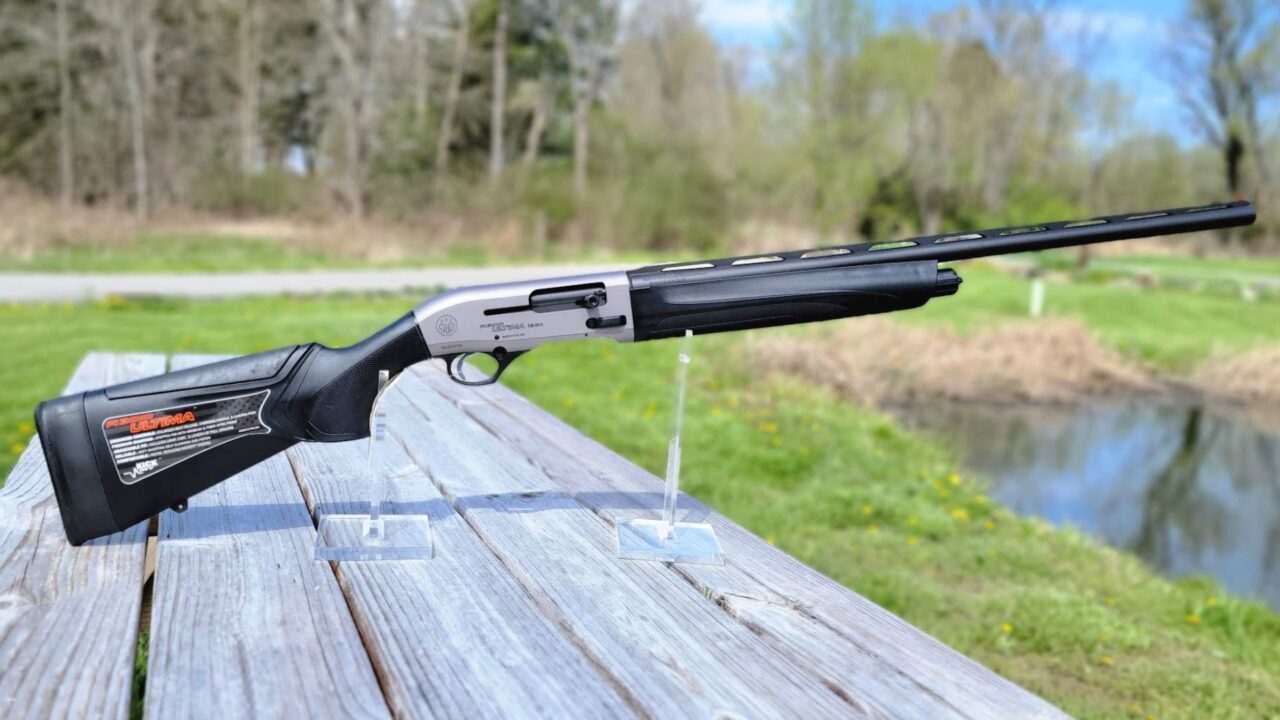
The Beretta A300 Ultima became a safe bet for shotgun buyers who wanted a semi-auto without jumping into premium pricing. It gives shooters Beretta gas-gun reliability, softer recoil, and practical controls in a package that regular hunters and clay shooters can justify.
It is not as refined as the A400 line, and some hunters will still prefer inertia guns for certain rough-weather uses. But the A300 Ultima is comfortable, useful, and backed by a company with a long semi-auto shotgun history. For dove fields, clays, upland hunts, and general use depending on configuration, it offers a lot. It became the safe bet because it gives buyers real performance without asking for top-shelf money.
Ruger GP100
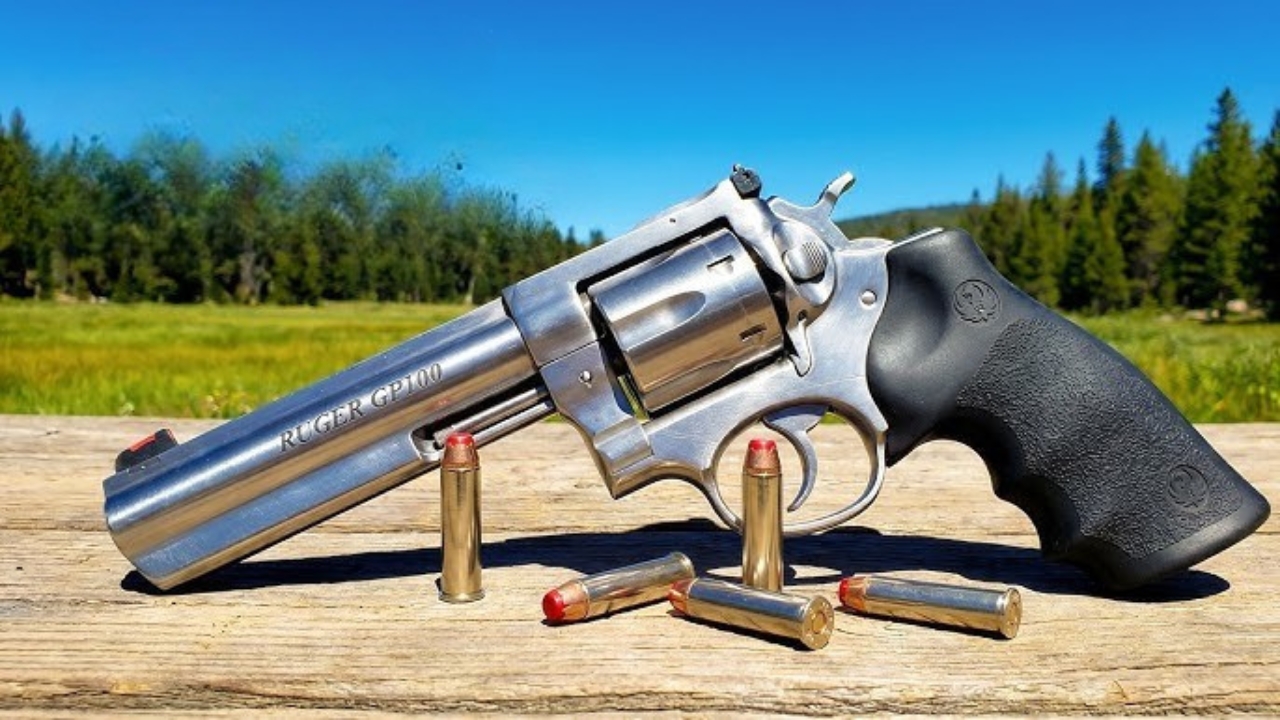
The Ruger GP100 became a safe bet because it feels like a revolver built for owners who actually plan to shoot. It’s strong, sturdy, and heavy enough to make .357 Magnum manageable. It doesn’t have the elegance of some Smith & Wesson revolvers, but it has rugged trust on its side.
A 4-inch GP100 can cover range practice, woods carry, home defense, and general revolver use. It shoots .38 Special softly and handles magnum loads with confidence. The trigger may not be perfect out of the box, but it usually smooths with use or can be tuned. Owners don’t buy the GP100 because it’s delicate. They buy it because it feels like it will still be working decades from now.
Winchester XPR

The Winchester XPR became a safe bet for hunters who wanted a practical bolt-action rifle without paying Model 70 prices. It doesn’t carry the romance of Winchester’s classic action, but it gives buyers modern accuracy, a good trigger, and dependable function at a more reachable price.
The XPR comes in several configurations, from basic synthetic models to more weather-ready and long-range versions. It is not fancy, but it is honest. Many rifles shoot well, and the design feels sturdier than some bargain competitors. For a hunter who wants a deer rifle, backup rifle, or first centerfire without taking a big financial swing, the XPR makes sense. Safe bets are often plain like that.
Springfield Armory Hellcat Pro

The Hellcat Pro became a safe bet for carry buyers who wanted micro-compact convenience without going too small. It keeps a slim frame and strong capacity, but the longer grip and slide make it easier to shoot well than the tiniest pistols in the category. That balance matters.
It is not a pocket gun, and that’s fine. The Hellcat Pro is built for people carrying inside the waistband who still want serious practice capability. The grip gives the hand more control, and the pistol has enough size to feel more stable under recoil. Tiny pistols can be convenient but punishing. The Hellcat Pro became the safer choice for shooters who wanted carry comfort and confidence together.
Browning X-Bolt

The Browning X-Bolt became a safe bet because it gives hunters a smooth, modern bolt-action with enough refinement to feel better than many entry-level rifles. The short bolt lift, good trigger, rotary magazine, and wide model selection make it easy to find one that fits a specific hunting need.
It may not have the nostalgia of the old A-Bolt or Model 70, but the X-Bolt stands on its own. It carries well, usually shoots well, and comes in versions ranging from basic working rifles to premium mountain setups. Hunters who want a rifle that feels polished without stepping into custom pricing often land here. The X-Bolt is not the cheapest answer, but it is a very dependable one.
CZ 457
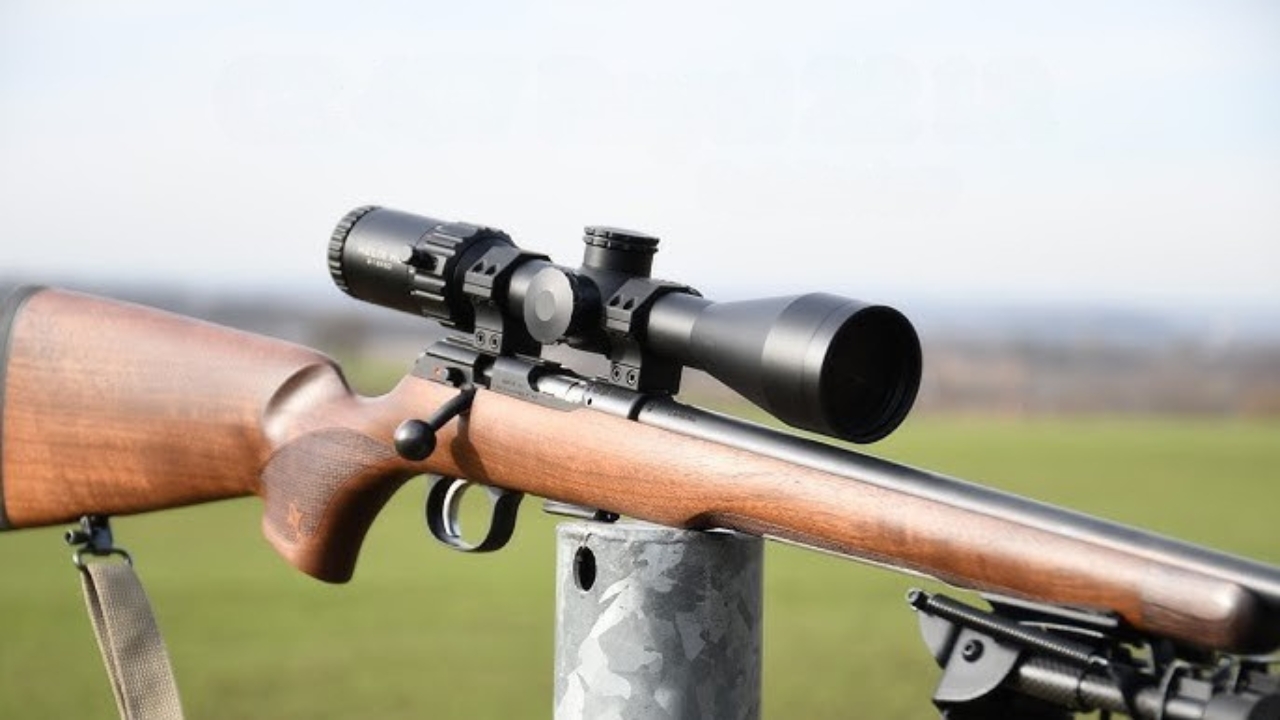
The CZ 457 became the safe bet for shooters who wanted a serious bolt-action rimfire. It improved practical details from the older CZ rimfires, including the safety, bolt throw, trigger adjustability, and barrel-swap system. That made an already respected rimfire line easier to live with.
It works for small game, target shooting, precision rimfire practice, and anyone who wants a .22 that feels like a real rifle. It costs more than basic rimfires, but it gives back quality and accuracy potential. The 457 line also offers enough variants that shooters can choose a field rifle, trainer, or heavy-barrel model. A good .22 gets used often, and the CZ 457 is a safe way to spend money there.
SIG Sauer P365 XL

The SIG Sauer P365 XL became a safe bet because it took the original P365 idea and made it more shootable. The standard P365 impressed people with capacity for its size, but the XL added grip length, slide length, and a more balanced feel without becoming bulky. That made it easier to trust for regular carry and practice.
It still conceals well for many people, especially with a good inside-the-waistband holster. The longer grip gives better control, and the pistol has broad support for holsters, magazines, optics, and parts. It is not the smallest option, but that is why many shooters prefer it. The P365 XL became the safe bet for people who wanted small enough to carry and big enough to shoot.
Henry Classic Lever Action .22

The Henry Classic Lever Action .22 became a safe bet because almost everyone can enjoy it. It’s smooth, simple, affordable, and easy to shoot. New shooters like it because recoil is nonexistent and the action is fun. Experienced shooters like it because a good .22 lever gun never really gets old.
It doesn’t need tactical furniture, precision-rifle weight, or a long list of accessories. It just needs a box of .22 LR and a little time. The rifle works for plinking, small-game hunting where legal, and teaching safe gun handling. Some guns become safe bets because they are serious defensive or hunting tools. This one became a safe bet because it is useful, friendly, and nearly impossible not to like.
Like The Avid Outdoorsman’s content? Be sure to follow us.
Here’s more from us: