Photo credit: SoGaOutdoors/GunBroker
Some rifles earn a loyal following because they run clean, dirty, hot, cold—whatever you throw at them. Then there are rifles that need the exact opposite. These are the guns that demand ideal conditions to perform the way you expect. They want gentle cleaning, perfect lubrication, and magazines that haven’t lived a hard life. If you treat them right, they can shine. But the moment you neglect them or push them outside their comfort zone, they start choking, drifting, or refusing to cycle.
When a rifle needs constant care, you become more of a caretaker than a shooter. Every trip into rough terrain or bad weather becomes a gamble. You find yourself wiping moisture, inspecting pins, and hoping the next round chambers smoothly. These rifles aren’t useless, but they force you to work around their quirks instead of trusting them outright. Here are the rifles that demand more pampering than most hunters or shooters have patience for.
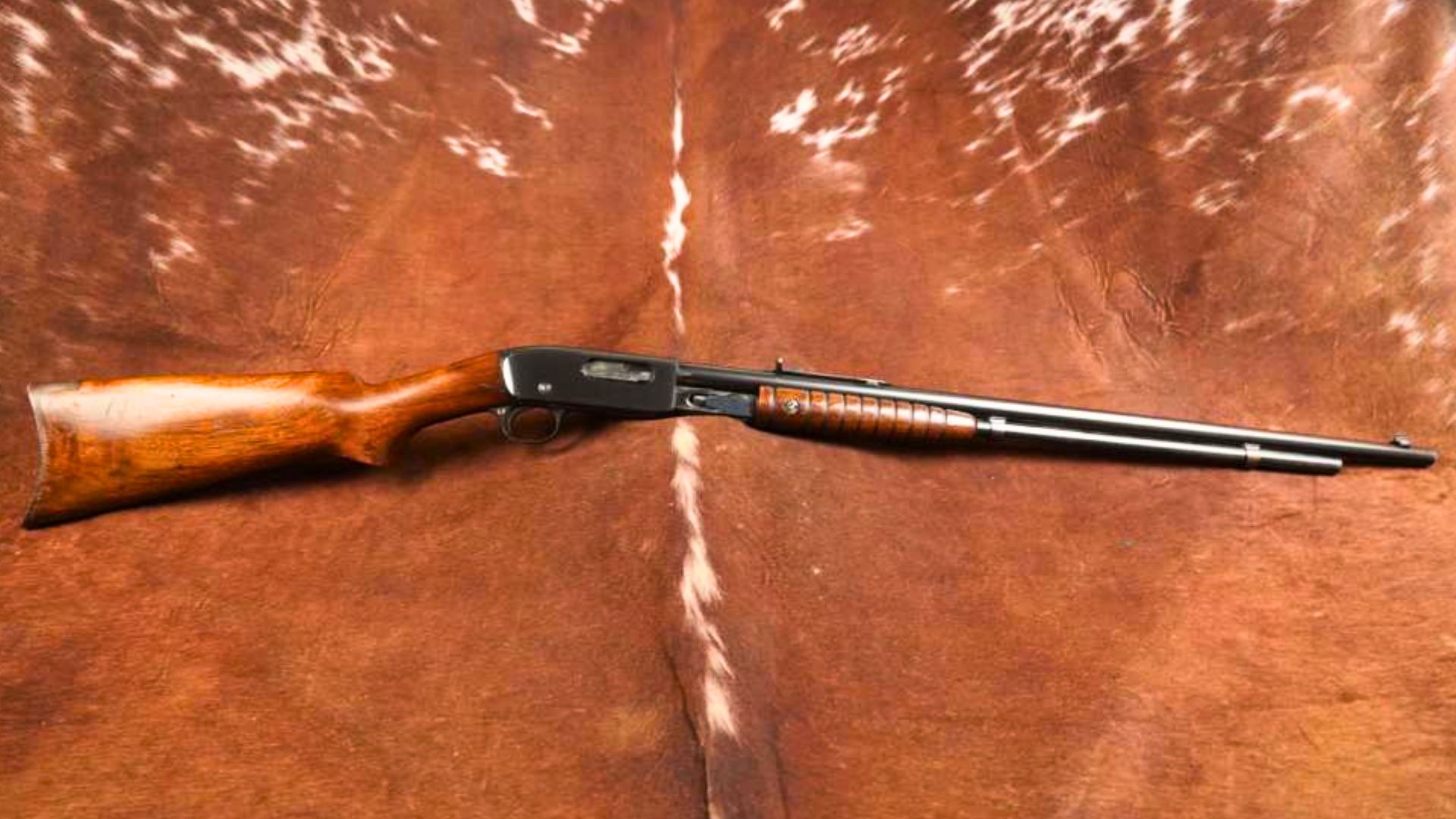
Remington Model 742 Woodsmaster

The 742 gained popularity decades ago, but over time its flaws became clear. The action collects fouling quickly, and once carbon builds around the chamber and rails, cycling becomes unreliable. Many owners learned to keep cleaning rods in their trucks because a stuck case wasn’t unusual after a few magazines. The rifle simply doesn’t tolerate heavy use or neglected maintenance.
Wear on the bolt rails is another known issue. Once those rails begin to score, the rifle’s function deteriorates fast. You can keep a 742 running, but it requires regular inspections, careful cleaning, and a steady supply of good ammunition. Anything less, and jams start appearing at the worst times.
Kimber Mountain Ascent

The Mountain Ascent is impressively light, but that weight savings comes at a cost. The rifle’s tight clearances and thin barrel don’t handle dirt, moisture, or rough handling well. A little grit in the bolt raceway or on the locking lugs can make the bolt feel sticky, especially in cold weather. If you don’t clean it after every trip, extraction becomes inconsistent.
Because the barrel heats quickly, accuracy also drops off fast. Hunters often discover that they need to keep their shots spaced out and their rifle meticulously clean to maintain consistent performance. It’s a capable gun, but it works best when treated gently.
Marlin Model 60

The Model 60 is a classic, but like many older rimfires, it’s sensitive to both fouling and ammunition quality. The semi-auto action gums up quickly, and once carbon gets into the feed throat or recoil spring area, failures to feed start piling up. This rifle demands frequent deep cleaning if you want it to behave reliably.
Its tube magazine adds another maintenance layer. Any dust or moisture that gets inside affects feeding. If you don’t wipe it down regularly or keep the internals lightly lubricated, the cycling rhythm changes and groups start drifting. It’s a great plinker—as long as you baby it.
Browning BAR Mark II

The BAR Mark II offers great balance and smooth shooting, but it’s not known for shrugging off dirt. Its gas system doesn’t like carbon buildup, and once residue builds inside, cycling becomes inconsistent. Many hunters learn quickly that the BAR needs precise cleaning, not quick wipe-downs.
The bolt and slide assembly also require lubrication in just the right places. Too little, and the action drags. Too much, and dust sticks to everything. If you’re willing to fuss with it, the rifle performs well. But take it into a dusty environment or skip a cleaning, and reliability drops in a hurry.
Ruger Mini-14 (Older Models)

The newer Mini-14s run much better, but older versions are notoriously picky. Their actions attract debris easily, and when carbon builds around the gas block, accuracy and reliability start slipping. Cold weather can stiffen the action enough to cause short stroking, especially if lubrication isn’t perfect.
These rifles run best when kept spotless and paired with quality magazines. Worn mags or dirty ammo quickly turn the Mini into a malfunction machine. If you keep after it, it’s dependable enough—but the upkeep isn’t small.
Remington Model 597

The Model 597 can shoot extremely well, but its twin guide-rail system needs to stay spotless to function properly. Dust or carbon in the action causes sluggish cycling, and moisture can lead to feeding issues. Many shooters discover that neglected 597s turn into jam magnets.
Its magazines also have a reputation for being finicky. Unless they’re kept clean and replaced when worn, feeding becomes unpredictable. Treat the rifle gently and maintain it often, and it shines. Ignore it, and it frustrates you nonstop.
Winchester Model 100

The Model 100’s design makes it sensitive to fouling, especially around the gas piston and bolt group. Once carbon accumulates, the action slows down and misfeeds start appearing. Because the rifle requires disassembly to reach those internal components, many owners skip proper cleaning—and the rifle punishes them for it.
It also dislikes moisture. Hunters in wet climates learned to keep the Model 100 wiped down constantly, because light rust inside the action quickly leads to extraction issues. It’s accurate and pleasant to shoot, but only when maintained with dedication.
Savage 99 (Well-Worn Examples)

The Savage 99 is a legend, but older, heavily used models can become incredibly maintenance-sensitive. Wear in the rotary magazine or the lever linkage can throw feeding rhythm off fast. Dust or debris in the internal gears also affects cartridge presentation, especially in cold weather.
Because many 99s live long, hard lives, they often demand gentle handling, precise lubrication, and regular inspections. Push them into rough conditions and they start hesitating, hanging up, or throwing shots wide. They still have charm—but they need attention.
Benelli R1

The R1 uses a refined recoil system, but that refinement comes with sensitivity. If the rifle isn’t cleaned on schedule or if lubrication gets heavy, debris builds along the bolt rails and slows cycling. Cold weather exaggerates these problems, making the action feel sluggish and stiff.
The rifle’s accuracy also shifts if the barrel heats quickly or if the forend tension changes. Owners often learn to carry wipes and brushes because the R1 performs best when spotless. It’s powerful and smooth—but it’s not a gun you ignore.
Steyr Scout (Early Models)

The Steyr Scout was ahead of its time, but early rifles had issues with bolt smoothness and debris sensitivity. Even a little grit in the bolt raceway causes resistance, and in freezing weather the bolt can feel tacky or hesitant. Shooters who don’t clean it frequently begin noticing light primer strikes and stiff extraction.
Its lightweight barrel also loses accuracy quickly when hot. Many Scout owners discovered they needed slow, deliberate shot pacing and consistent maintenance. The rifle performs well when pampered—but it’s not fond of rough treatment.
Browning BLR (Older Models)

The BLR is accurate and compact, but older examples have actions that attract debris easily. Dust or light moisture inside the gear-driven action can lead to sluggish cycling or bolt hang-ups. The rifle also needs well-lubricated internals to maintain smooth lever operation.
The magazine design can amplify these issues. If cartridges sit slightly off-angle due to wear or dirt, feeding becomes unpredictable. A clean BLR runs great. A neglected one becomes stubborn.
Mossberg MVP (Early 5.56 Models)

The first MVP rifles were clever designs but required careful treatment. The bolt head, which works with AR magazines, needs to stay clean to maintain consistent feeding. Even small amounts of carbon on the lugs or extractor can cause failures to chamber.
Heat affects them too. Once the pencil barrel warms, accuracy drops sharply and doesn’t recover until the rifle cools completely. With proper pacing and upkeep, the MVP behaves well. Without it, performance falls off fast.
Remington R-25
The R-25 is capable, but like many early AR-style hunting rifles, it hates neglect. Carbon buildup in the gas system causes cycling problems, and the bolt carrier group needs steady cleaning to maintain reliability. If the magazines get sandy or worn, feeding becomes unpredictable.
The barrel channel can also collect debris, which shifts accuracy as the rifle heats. If you baby the R-25 and keep it clean, it runs fine. But it demands more upkeep than most hunters want to give.
Weatherby Mark V Ultra Lightweight
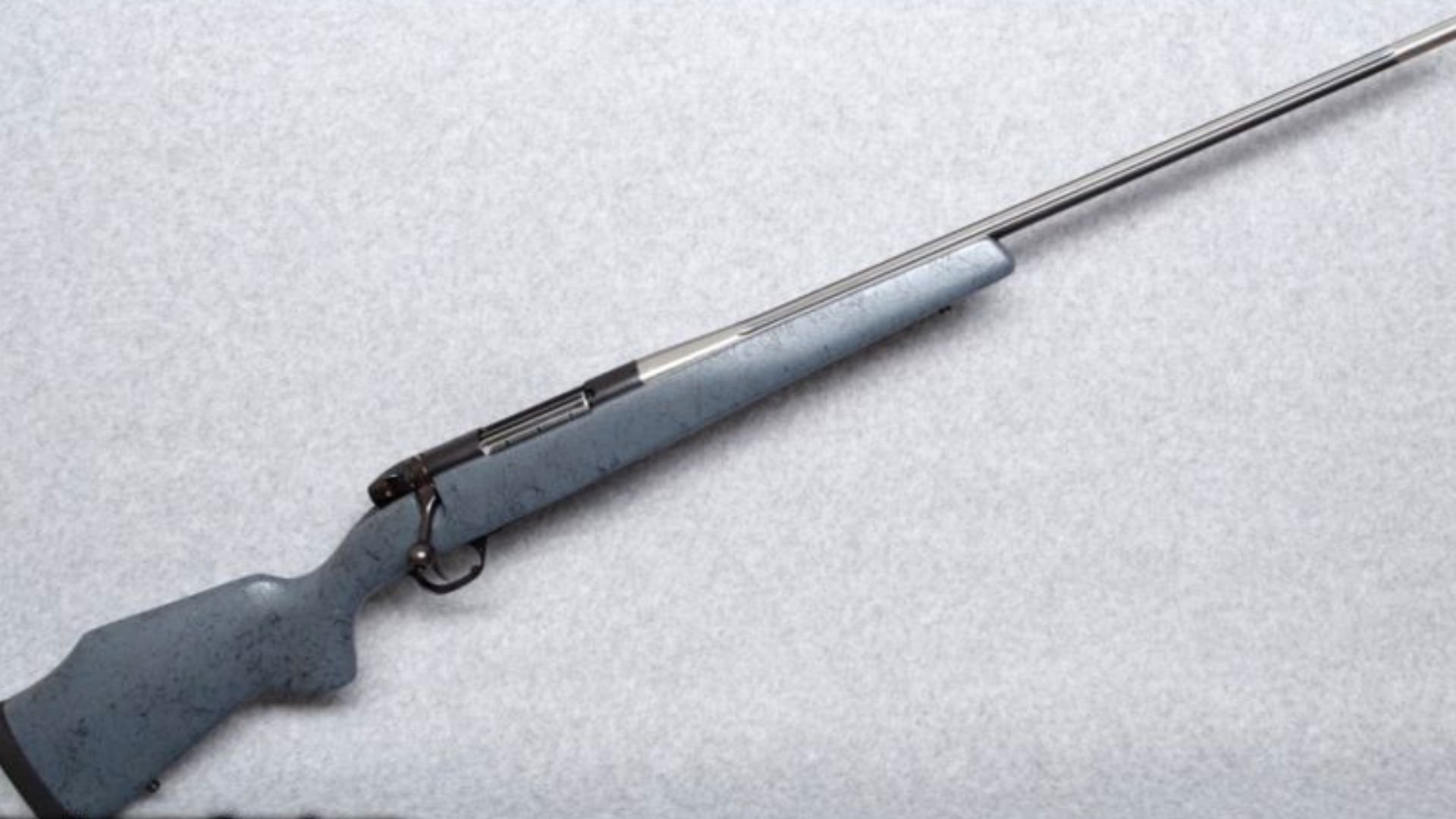
The Mark V Ultra Lightweight delivers power in a trimmed-down package, but its tight tolerances and thin barrel require gentle handling. Even small amounts of dust or grit affect bolt feel, and light lubrication is crucial for smooth cycling. Skip cleaning after a wet hunt and the action becomes noticeably stiff.
Because the barrel heats rapidly, the point of impact shifts more than most shooters expect. You need to let it cool frequently and keep it spotless to get consistent performance. It’s accurate—but only if you treat it kindly.
FNAR

The FNAR is accurate and refined, but not built for neglect. Its complex internal structure demands detailed cleaning, and carbon buildup quickly slows the action. Once fouling gets into the bolt carrier or gas system, reliability drops.
Even small lubrication mistakes cause issues. Too much oil attracts debris; too little causes binding. The rifle can excel on the range or in the field, but only if you keep after it with disciplined maintenance. It’s not a rifle that forgives shortcuts.
Like The Avid Outdoorsman’s content? Subscribe to our newsletter so you never miss an article.
Here’s more from us: