Photo credit: 2mnyshp/YouTube
Some handguns were easy to miss because they never became the loud option. They didn’t dominate gun-counter talk, didn’t get endless forum worship, and didn’t have the kind of name that made buyers stop mid-scroll. A lot of them were just sitting there while everyone chased the obvious stuff.
Then shooters circled back. Maybe the gun was better built than people remembered. Maybe it had a clever design that aged well. Maybe it came from a brand or country buyers overlooked at the time. Either way, these are the handguns people dismissed too fast before realizing they were harder to replace than expected.
Astra A-75

The Astra A-75 never had the name recognition to pull casual buyers in. It was a compact Spanish-made pistol in a market full of bigger names, and plenty of shooters walked right past it because they did not know what they were looking at.
That was their mistake. The A-75 had a solid metal-frame feel, good balance, and a compact size that still makes sense today. It was offered in practical chamberings, including 9mm, and felt more serious than its quiet reputation suggested. Now shooters who appreciate older European carry pistols know these are not always easy to find clean.
Llama Micromax

The Llama Micromax got dismissed because Llama never carried the same weight as Colt, Springfield, or Kimber in the 1911 world. A small Spanish-made 1911-style pistol was easy for buyers to treat like a budget curiosity instead of something worth paying attention to.
But oddball compact 1911-pattern pistols have their own pull now. The Micromax is interesting because it came from a period when companies were trying to shrink familiar designs before the micro-compact market became normal. It is not a perfect modern carry gun, but collectors and tinkerers who like unusual small autos often circle back to it.
Benelli B76
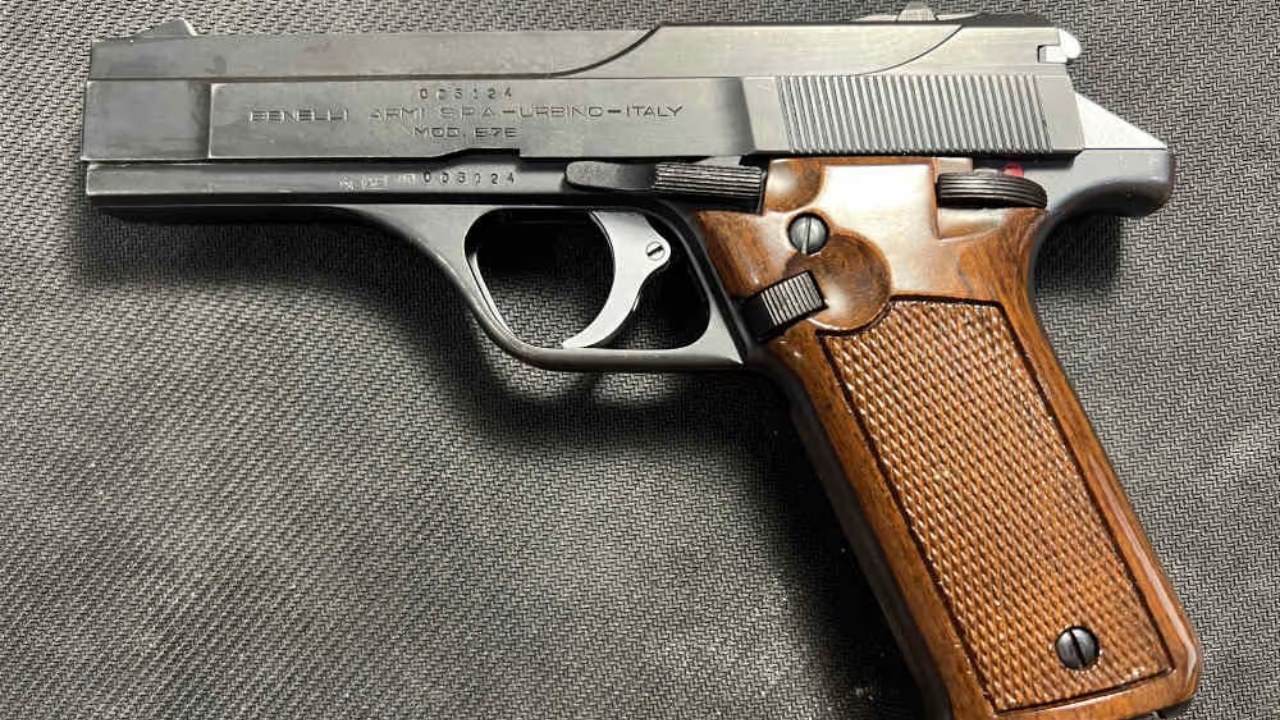
The Benelli B76 is one of those pistols that serious handgun nerds appreciate more than the average buyer ever did. It had a unique inertia-style locking system, Italian build quality, and a look that did not fit neatly beside Berettas, SIGs, or Smiths.
That lack of familiarity hurt it when it was easier to find. Shooters tend to trust what they already understand, and the B76 was different enough to get ignored. Now that unusual design is the whole reason people want one. It feels like a pistol from a time when companies were still willing to try strange mechanical ideas.
Bernardelli P.One
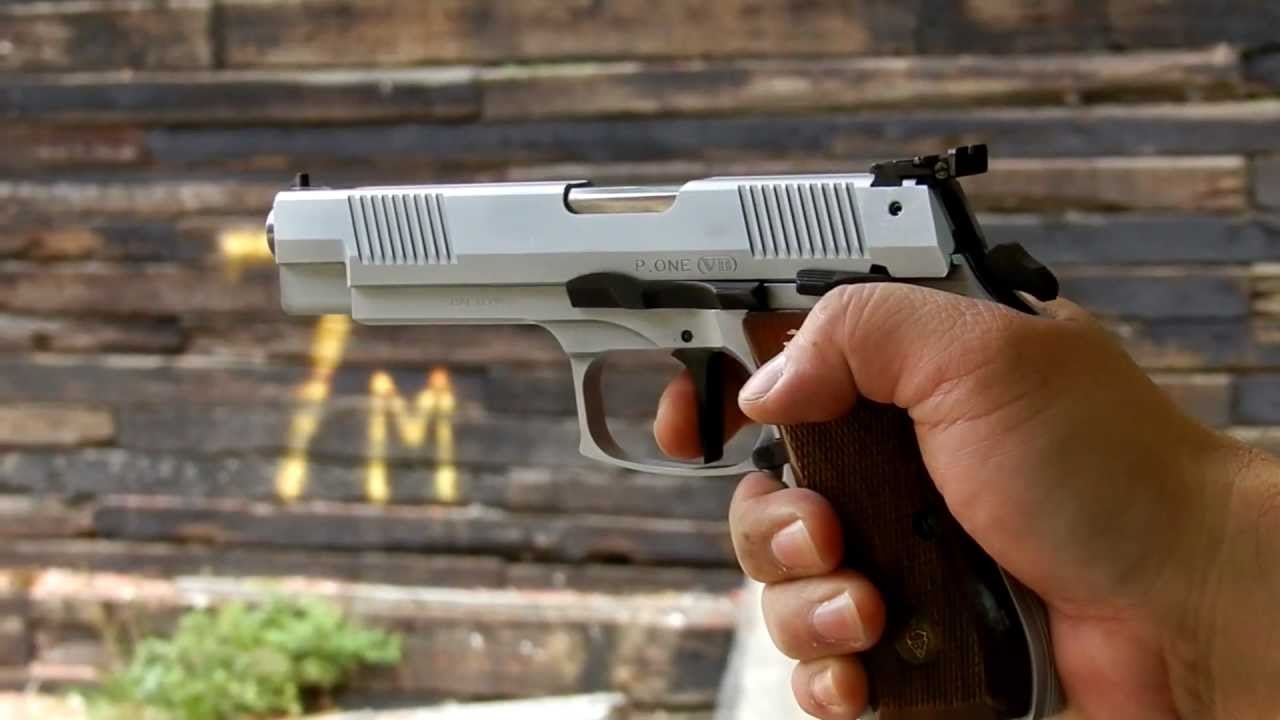
The Bernardelli P.One never had much of a chance with mainstream American shooters. The name was unfamiliar, the styling was unusual, and the pistol showed up in a market where buyers were already drifting toward safer, better-known choices.
That makes it more interesting now. The P.One had an Italian service-pistol feel and enough oddball character to stand apart from the usual 9mm crowd. It is not a pistol most shooters will stumble across every day, and that scarcity gives it appeal. It is exactly the kind of handgun people dismissed until they realized nobody else had one either.
FÉG P9R
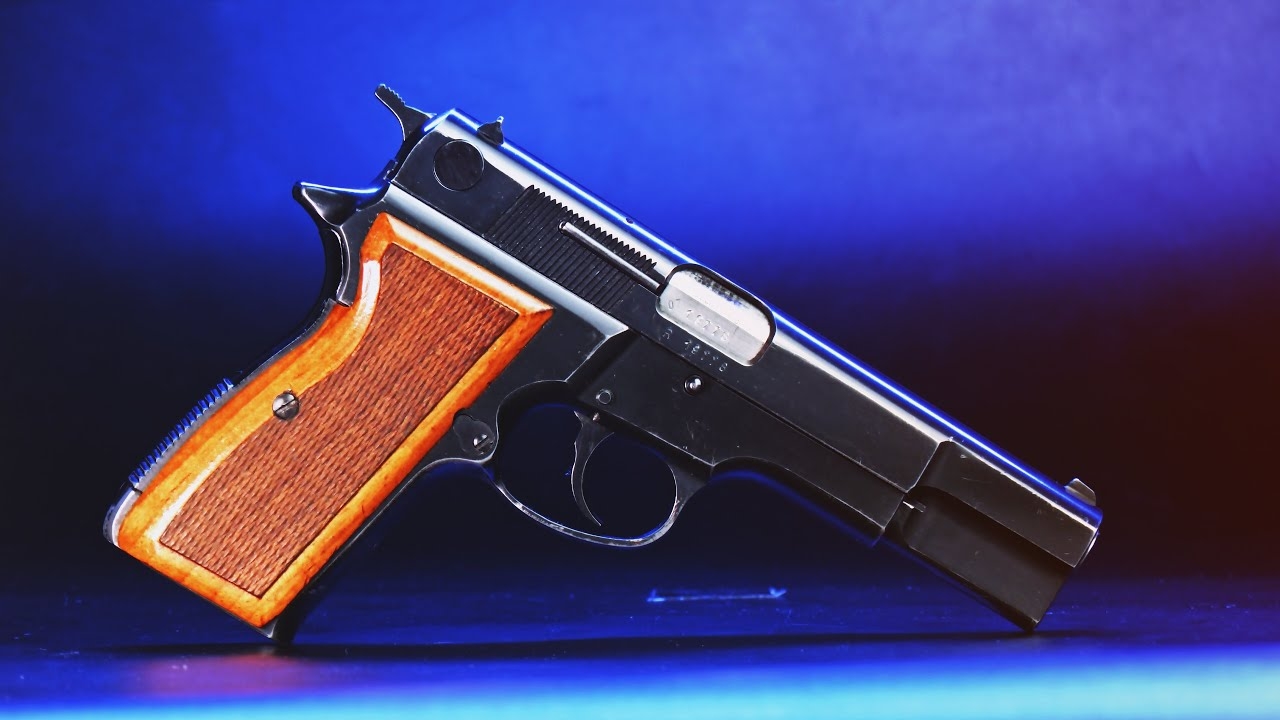
The FÉG P9R often got lumped in with “cheap foreign pistols,” which caused a lot of shooters to underestimate it. Hungarian handguns did not have the same marketing pull as German, Italian, or American names, and that kept many buyers from taking a closer look.
The P9R blended familiar ideas into a useful double-action 9mm that could shoot better than people expected. It was affordable, practical, and far more interesting than its old price tag suggested. Now shooters who like Cold War-era and post-Cold War service pistols tend to give it more respect than it got the first time around.
Firestar M43

The Firestar M43 was easy to dismiss because it was heavy for its size. In a market that kept chasing lighter carry guns, a compact steel 9mm did not always make sense on paper. A lot of people picked it up, felt the weight, and moved on.
Then they shot one. The M43’s weight helped tame recoil, the size made it easy to carry compared with full-size pistols, and the single-action layout gave it a clean old-school feel. It was not the most efficient compact ever made, but it had a stout, serious personality that later became part of its appeal.
Grendel P-30

The Grendel P-30 looked strange enough that plenty of shooters never gave it a fair chance. A .22 Magnum pistol with a 30-round magazine sounded more like a novelty than a serious handgun, and the styling did not exactly calm anyone down.
But weird guns age differently. The P-30 now has the kind of oddball appeal that collectors chase because it represents a very specific era of handgun experimentation. It was not polished, and it was not for everyone, but it was memorable. Shooters who dismissed it as goofy now understand that goofy can get hard to find.
Intratec Cat 9
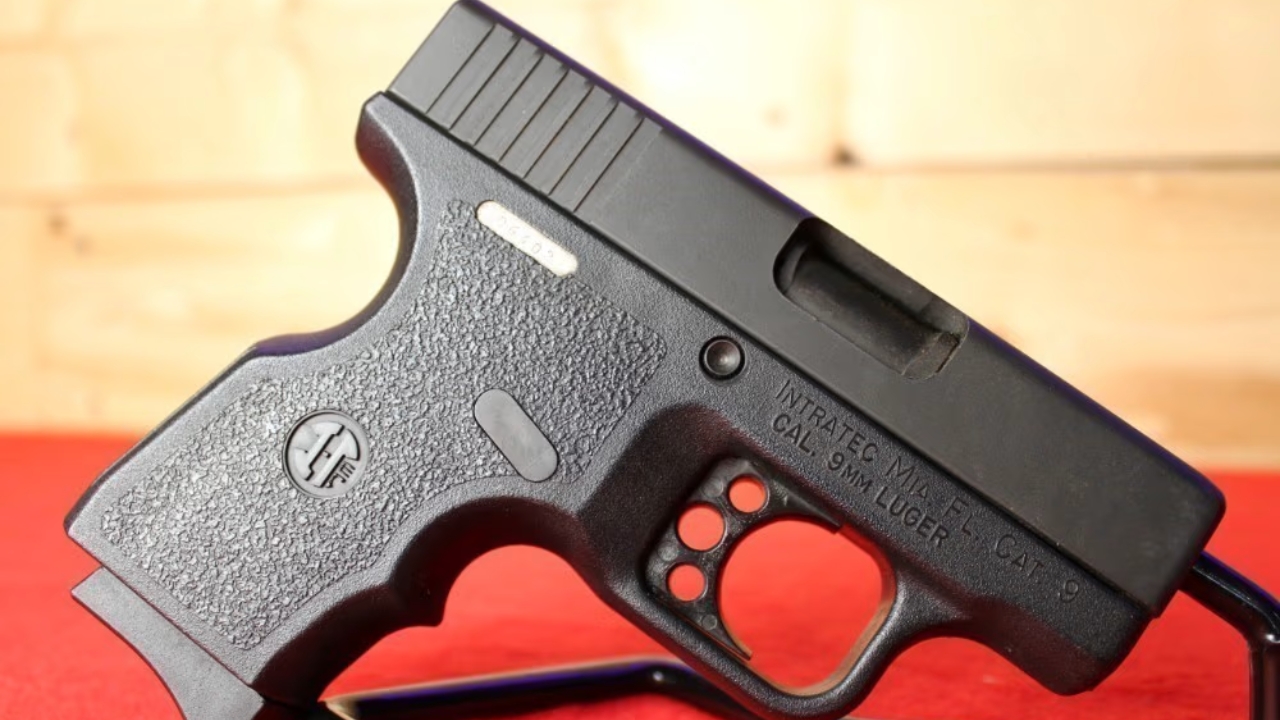
The Intratec Cat 9 lived under the shadow of Intratec’s louder, more controversial guns. Because of that, many shooters ignored it or assumed it was not worth much attention. It looked plain, budget-oriented, and easy to forget.
That is partly why it stands out now. The Cat 9 is not some lost masterpiece, but it is tied to a strange corner of 1990s handgun history. For collectors who like unusual semi-autos from that era, it has more interest than people expected. It got dismissed quickly because nobody thought ordinary Intratec pistols would become conversation pieces.
MAB PA-15
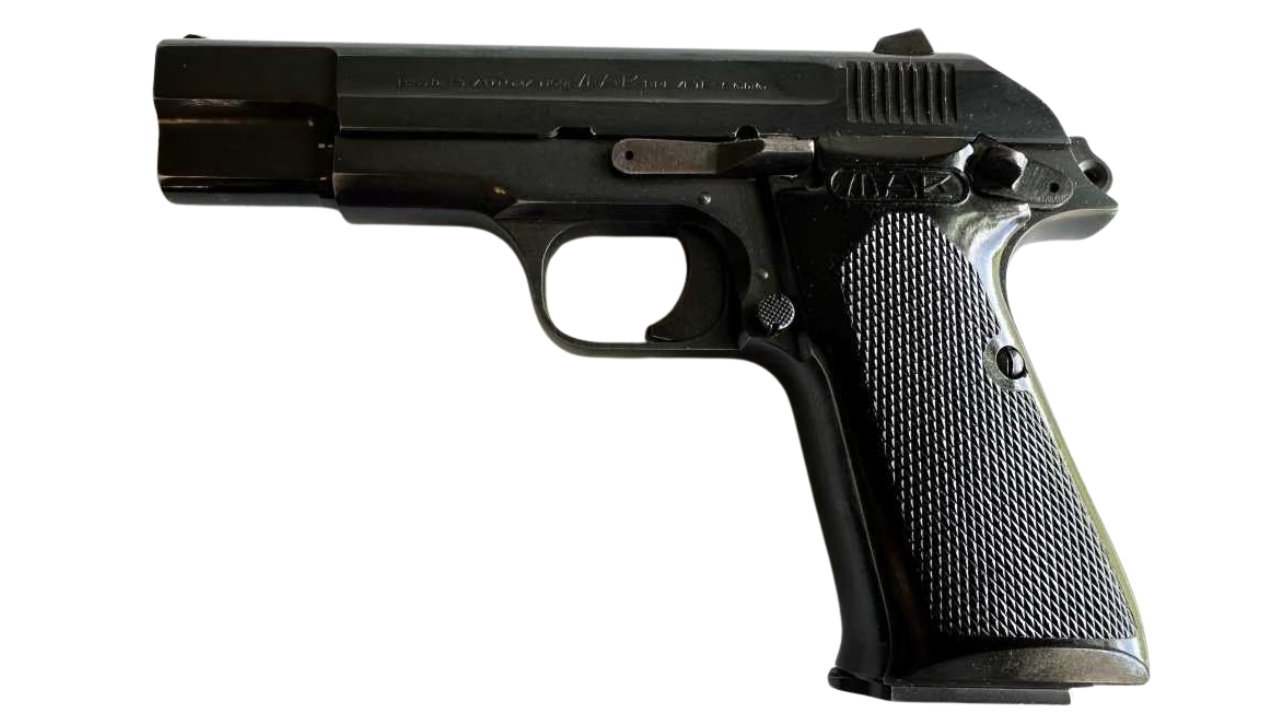
The MAB PA-15 was easy for American buyers to overlook because it did not have the instant recognition of a Browning, Beretta, or SIG. It was a French double-stack 9mm with military and police roots, but the name never had much range-counter power here.
That does not mean it lacked merit. The PA-15 had real service-pistol credibility, solid capacity for its era, and a distinctive feel that separates it from more common European handguns. Now it draws attention from people who want something beyond the usual surplus picks. It was ignored mostly because buyers did not know the story.
Mauser HSc
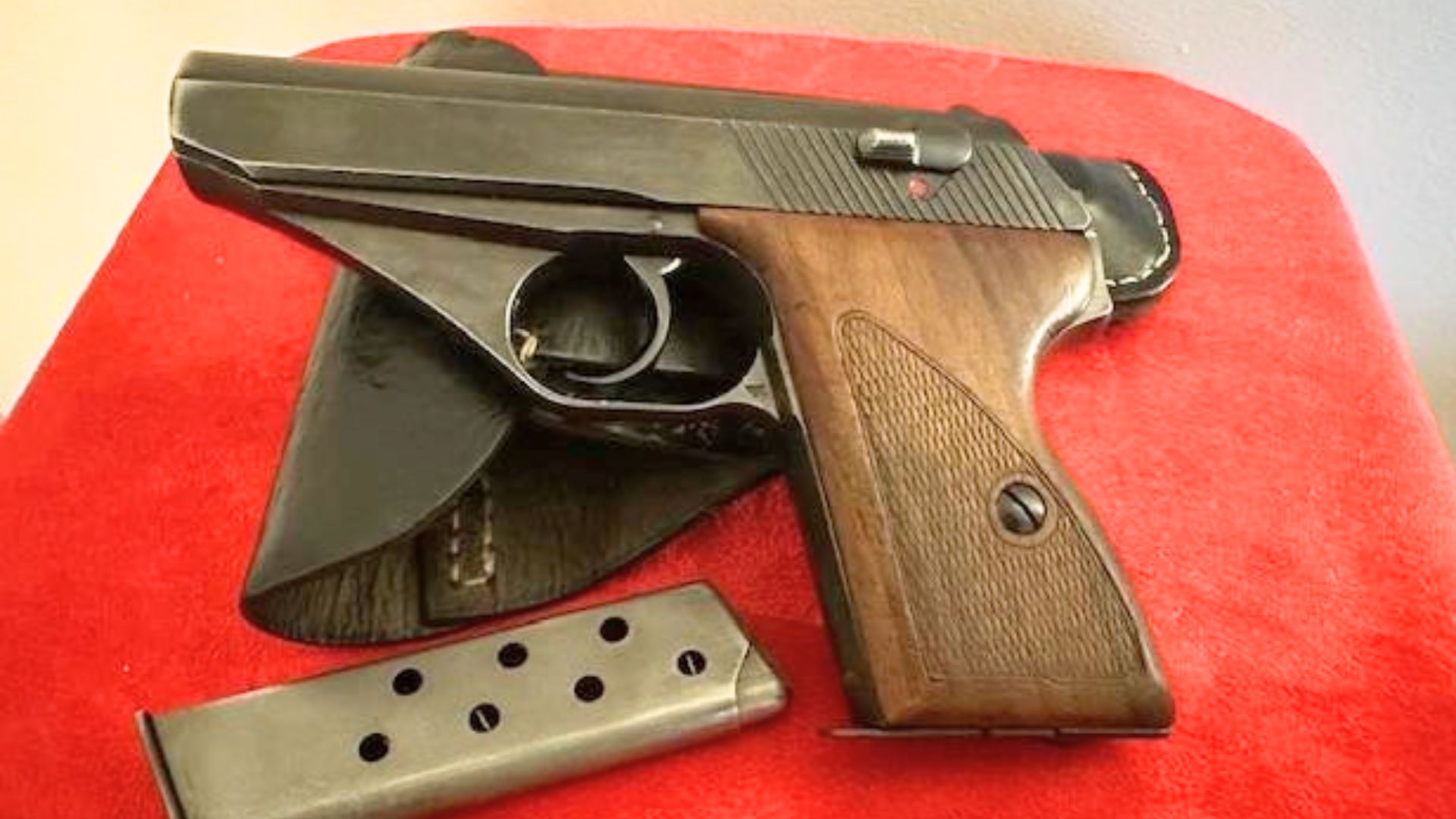
The Mauser HSc often got dismissed as just another old pocket pistol. Compared with modern compact 9mms, its chamberings and size-to-power ratio do not look impressive. Many shooters saw it as dated and moved on.
But the HSc has more going for it than raw utility. It has sleek lines, old-world machining, and a distinct profile that separates it from more common pocket autos. It is one of those pistols that makes more sense when you appreciate design history instead of judging everything by defensive carry standards. Clean examples have become more interesting with time.
Ortgies Pocket Pistol

The Ortgies pocket pistol is not the kind of gun most modern shooters think about first. It is old, small, and tied to an era before today’s defensive handgun expectations. That made it easy to pass over for years.
Now the appeal is different. The Ortgies has elegant lines, unusual construction, and a level of early 20th-century design character that collectors appreciate. It is not something you buy because it beats a modern carry pistol. You buy it because it represents a forgotten lane of handgun history, and clean examples are not getting easier to find.
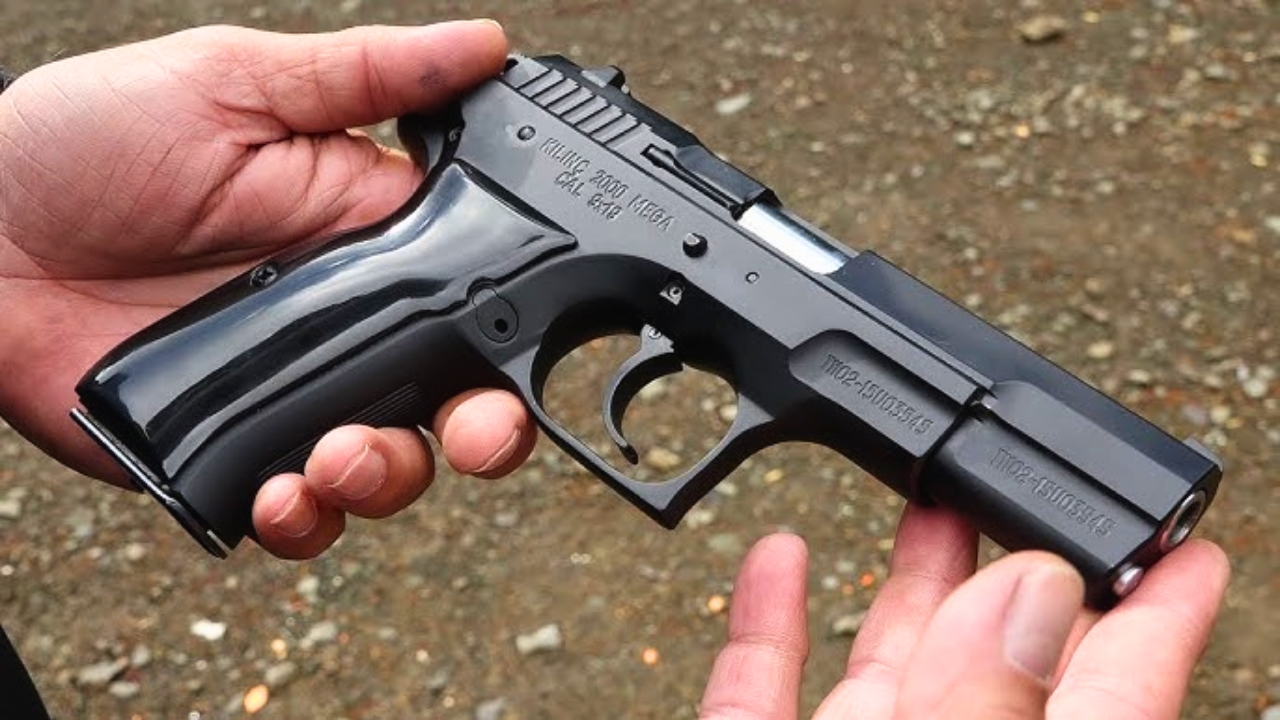
Sphinx AT 2000
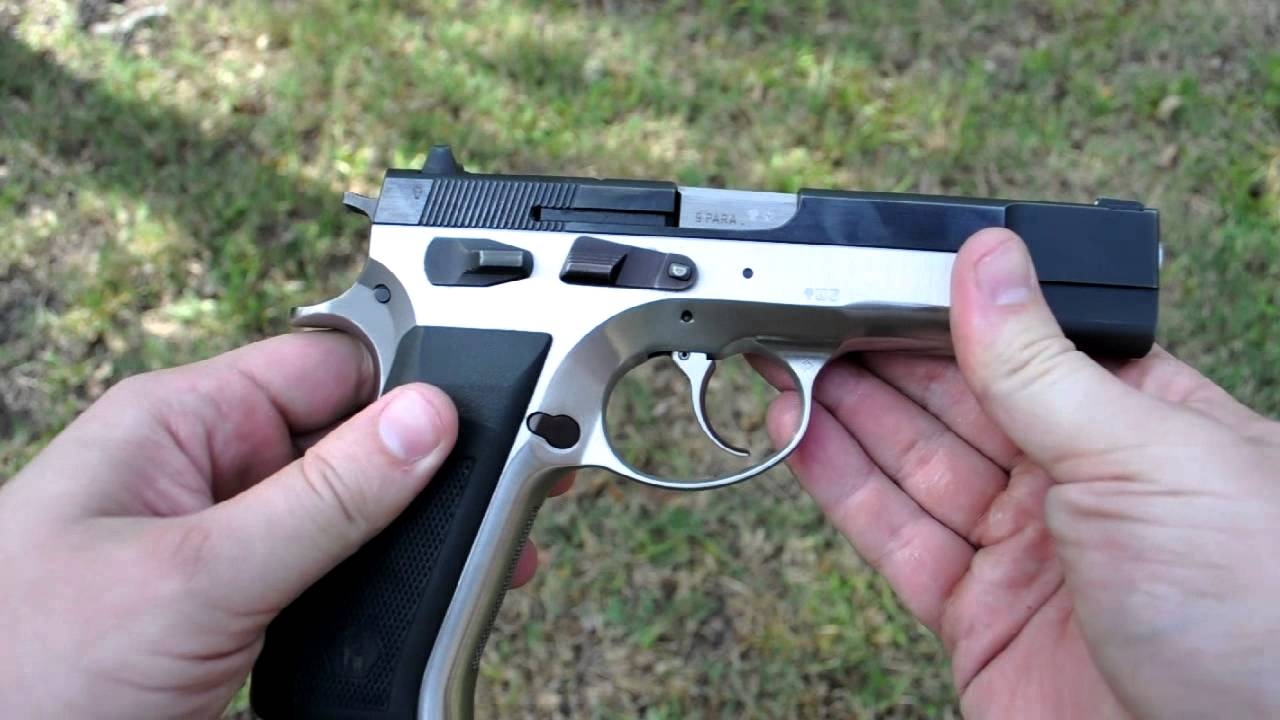
The Sphinx AT 2000 was too expensive and too unfamiliar for many buyers when it mattered. It had Swiss build quality, CZ-pattern roots, and a refined feel, but the average shooter did not always know why it cost more than the pistols beside it.
Now that is exactly why people hunt them down. The AT 2000 feels like a high-quality service pistol from a company that cared about machining and fit. It never became common, and that makes clean examples stand out even more. Shooters who dismissed it as an overpriced CZ-style pistol often regret not looking closer.
Tanfoglio Mossad
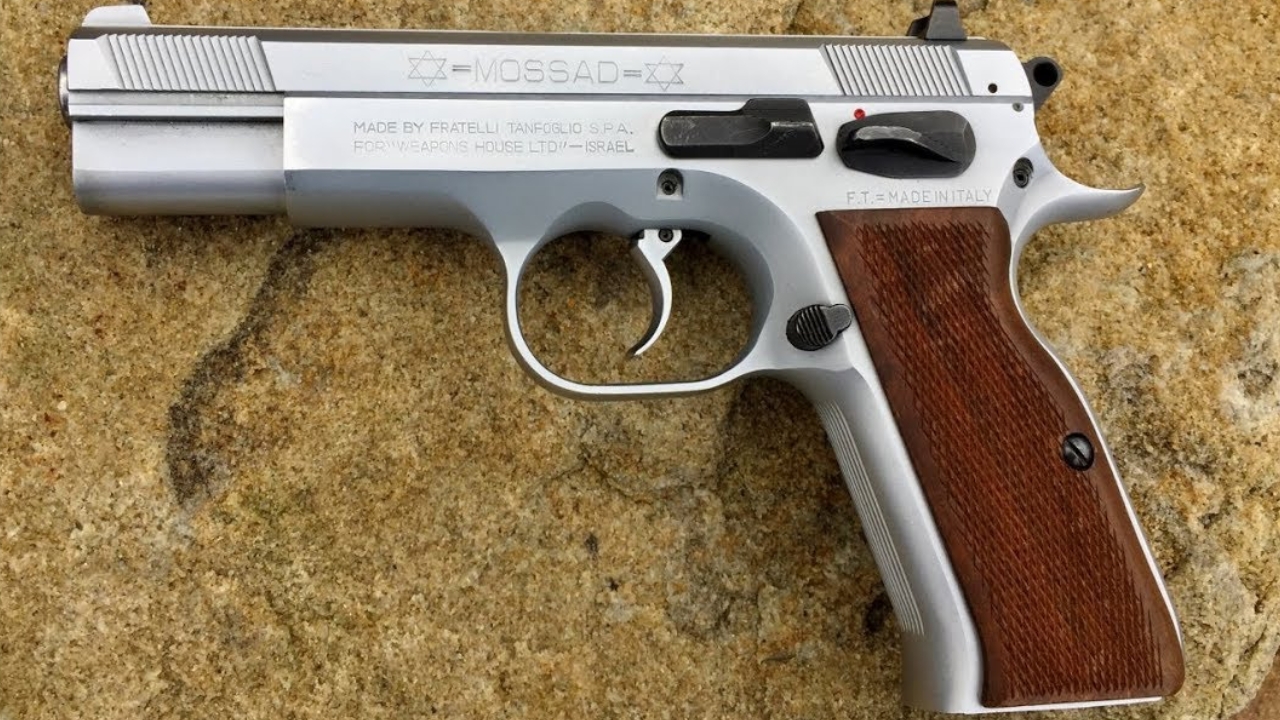
The Tanfoglio Mossad was not a household name, and that hurt it with buyers who only trusted familiar brands. It was tied to the CZ-75 pattern, but it lived in that murky world of imported service pistols that many shooters did not fully understand at the time.
That makes it more interesting now. The Mossad has a practical shape, solid shootability, and enough scarcity to get attention from people who like deep-cut handgun variants. It is not the obvious choice, which is exactly the point. Shooters overlooked it because they were chasing names they already knew.
Unique Model 52
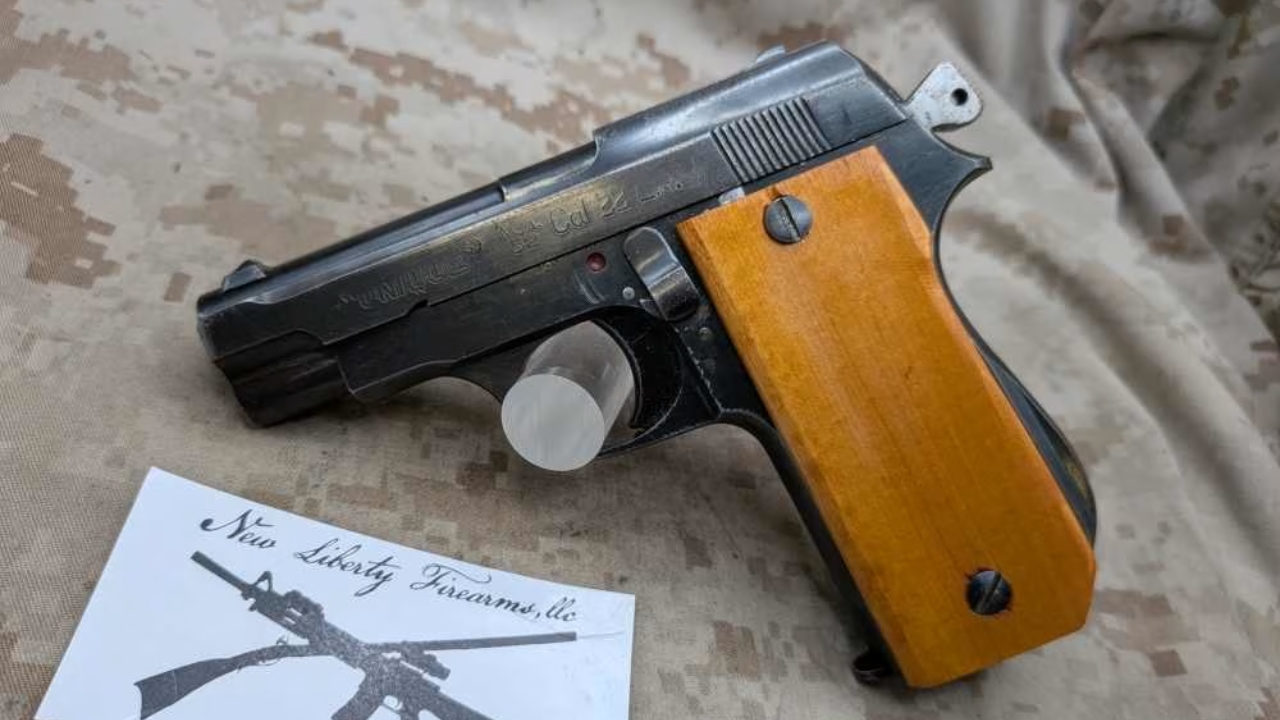
The Unique Model 52 was easy to ignore if you were not already interested in French pistols. It was not a mainstream American-market gun, and most buyers had no reason to understand where it fit. That kept it out of the conversation for years.
Now pistols like this have real appeal among collectors who are tired of the same old surplus names. The Model 52 has history, unusual styling, and a different feel from the better-known European handguns. It is not common, and that alone makes it more attractive to shooters who want something deeper than the standard recommendations.
Wildey Survivor

The Wildey Survivor was never subtle, and that made some shooters dismiss it as a movie gun more than a serious handgun. It was huge, expensive, gas-operated, and chambered for serious cartridges most people did not need. That is a hard sell if you are shopping practically.
But time has been kind to weird, ambitious handguns. The Wildey stands out because it was not trying to be another ordinary magnum pistol. It had its own system, its own look, and enough pop-culture presence to keep people interested. Buyers who laughed at it years ago now understand that strange can become collectible fast.
Like The Avid Outdoorsman’s content? Subscribe to our newsletter so you never miss an article.
Here’s more from us: