Photo credit: Plisken X51mm/YouTube
A “comeback” in the gun world usually isn’t a dramatic Hollywood return. It’s a long crawl back to being boring again, and I mean that as a compliment. When a brand stumbles—bankruptcy, ownership changes, quality drift, product lines that lose direction—the market doesn’t forgive quickly. Shooters are practical and suspicious by nature, and they should be. A hunting rifle that won’t hold zero through a wet November weekend, or a carry pistol that gets picky once it’s hot and linty, will burn trust faster than any slick ad campaign can rebuild it.
What makes these comebacks interesting is that they’re rarely just about a logo surviving. They’re about the unglamorous stuff: process control, parts consistency, spring rates that actually match the gun’s timing, magazines that present rounds at the right angle every time, and customer service that treats problems like a priority instead of an inconvenience. In the real world, a brand doesn’t “come back” because people start talking about it online again. It comes back when regular hunters and range guys buy the gun, run a few hundred rounds through it, drag it through bad weather, clean it like normal people clean guns, and then quietly stop worrying about it.
Below are a few brands that have made legitimate comebacks over the years, not because they magically became perfect, but because they found a way back to consistency. I’m also going to keep this grounded in how shooters actually experience a comeback: the rifles and pistols that start showing up at deer camp again, the guns that stop being “projects,” and the small mechanical realities that separate a fresh start from a fresh coat of paint.
Marlin came back by rebuilding the basics instead of chasing trends
Marlin’s comeback is the kind hunters actually care about because it’s tied to hard use, not safe-queen nostalgia. Lever guns live a rough life: riding in truck racks, getting carried in rain and snow, being run with gloves, and getting cycled fast when a deer steps out at 40 yards and you don’t have time to baby anything. When lever guns feel rough, bind, or show inconsistent fit, you notice it immediately because the whole point is smooth, repeatable operation. A real comeback for a lever-gun brand means the actions start feeling consistent again, the guns start feeding the ammo people actually use—flat-nose and soft points included—and the rifles stop giving that “this one might be okay, but inspect it first” vibe.
What helped Marlin’s reputation recover is that the brand didn’t just reappear; it reappeared under manufacturing that prioritized repeatability. That shows up in practical ways: smoother cycling under speed, more consistent barrel-to-receiver fit that doesn’t wander as the rifle heats, and fewer little sharp edges and sloppy tolerances that make a rifle feel cheap in the hands. When a lever gun is right, it stays right even after you’ve put a few boxes through it, wiped it down, and kept hunting. That’s what hunters mean by “they’re back,” and it’s why the newer Marlins have been hard to keep on shelves.
Colt proved a legacy name can still matter if it stabilizes production and direction
Colt’s comeback story isn’t just about a famous rollmark surviving. It’s about getting through financial turmoil and then finding a path where the brand can function like a modern manufacturer again, not just a museum piece. Colt went through a Chapter 11 process in the mid-2010s, and that kind of disruption tends to ripple into product planning, staffing, and the boring internal stuff that keeps tolerances consistent. If you’ve ever chased a reliability issue that comes and goes—an extractor that’s just a little off, a gun that runs fine clean but gets finicky when it’s hot—you know how much consistent production matters. When a company is unstable, those small issues become more common because processes get rushed and QC gets stretched thin.
The more recent chapter of Colt’s comeback is tied to corporate stability and investment, including the acquisition by CZG. That doesn’t automatically make every gun flawless, but it does matter because it can provide production capacity, planning, and long-term incentives to keep quality consistent instead of living quarter-to-quarter. In practical shooter terms, the brand “comes back” when buyers stop talking like they need a history lesson to shop—when they stop asking “which year is the good one?” and start treating the current production as a reasonable, testable purchase. The right way to judge any Colt comeback isn’t hype; it’s boring proof: run your carry ammo through it, including the hollow points you actually carry, confirm function when the gun is dry and a little dirty, and make sure your magazines are quality because 1911-style reliability still lives and dies on mags, springs, and extractor tension.
Remington shows how a name can return even after the company behind it collapses
Remington is the messy kind of comeback, because it isn’t a single clean arc upward. It’s a brand with deep history that went through bankruptcies and restructuring, then returned to production under a different corporate setup. That matters because shooters don’t just buy nostalgia—they buy rifles and shotguns that have to work when it’s 28 degrees, sleeting sideways, and the gun has been in and out of a case all week. A legitimate comeback here means the classic models people actually care about—bolt guns and working shotguns—return with consistency: chambers that don’t act sticky with normal hunting ammo, extractors that pull reliably even when the gun is dirty, and overall assembly that doesn’t feel like you’re paying to troubleshoot.
The reality is that a Remington comeback also comes with caveats, because the brand’s manufacturing footprint and operations have shifted over time, and not every “new era” equals the same thing. For the shooter, the practical takeaway is to treat the comeback like you’d treat any rifle you’re trusting on game: verify the basics instead of assuming the name guarantees them. Put 40–60 rounds through the rifle across a couple sessions, not all on one clean bench day. Confirm zero from a cold barrel at 100, then check again after the rifle has warmed up. If it’s a hunting rifle, pay attention to action screw torque and whether the stock is putting inconsistent pressure on the barrel as humidity changes, because “won’t hold zero” problems often come from shifting interfaces rather than mystical barrel issues. That’s how you separate a real comeback gun from a gun that just looks like one.
Smith & Wesson had a comeback driven by surviving backlash and refocusing on what sells
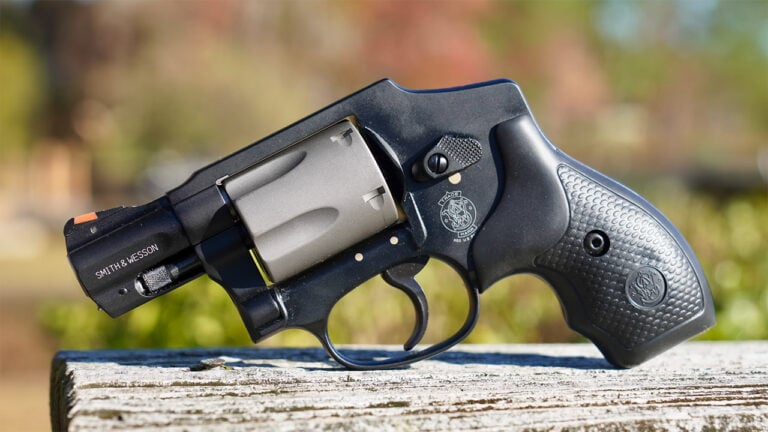
Smith & Wesson’s comeback is a reminder that brand survival isn’t only mechanical—it can be political, cultural, and business-driven too. The company took a major hit after the 2000 agreement with the Clinton administration, and the backlash and boycott pressure nearly wrecked it. That period matters because it reshaped how the brand was viewed by its own customer base, and in this industry, customer base trust is oxygen. When shooters talk about a brand “coming back,” they often mean the company re-earned enough goodwill that people stopped treating the logo like a statement and started treating the guns like tools again.
What’s interesting is how the comeback shows up in real use. Smith & Wesson regained ground by leaning hard into duty and carry guns that regular people could buy and run, and by staying relevant in a market where carry habits, optics-ready slides, and high-round-count training are normal. A modern defensive pistol doesn’t get judged on a five-shot group; it gets judged on whether it keeps feeding when the mags are dusty, whether it extracts when carbon builds, and whether it stays controllable when you’re shooting fast at 7–15 yards. The brand’s more recent relocation to Tennessee also signals a company making long-term operational bets, which is part of how comebacks stick—stable production, stable workforce, stable output. If you want to evaluate the comeback as a shooter, don’t argue about it online; buy the gun if it fits your needs, then run 300–500 rounds with a mix of practice ammo and your carry load, and watch for the boring indicators: consistent ejection, consistent lockback, and zero “only runs when…” excuses.
Dan Wesson rebuilt its reputation by becoming the opposite of a mass-market gamble
Dan Wesson’s comeback is a great example of how a brand can climb back up by owning a specific lane instead of trying to be everything. The company went through real instability in earlier decades, including bankruptcies, and that kind of disruption usually kills consistency. But the modern Dan Wesson reputation is tied to doing fewer things well: premium-fit revolvers historically, then strong 1911-pattern pistols under CZ’s ownership. The reason that matters is because 1911s are unforgiving of sloppy execution. Extractor tension, feed ramp geometry, magazine presentation, and spring rates all have to cooperate, and the gun has to run not just clean and lubed, but a little dirty too—because plenty of people carry them and don’t baby them like a match gun.
A premium comeback still has to survive real conditions. If you’re carrying a 1911 through summer sweat, lint is going to collect, and lubrication can migrate or dry out. That’s where the little stuff reveals whether the gun is truly built right: whether it returns to battery when it’s a little gritty, whether it feeds your preferred hollow point profile, and whether magazines stay reliable after being loaded and unloaded a bunch. Dan Wesson’s comeback credibility comes from being treated as a serious-use gun again by shooters who actually run their pistols, not just admire them. If you want to “buy into” that comeback smartly, the move is simple: standardize on high-quality magazines, replace recoil springs on a real interval, and test your carry ammo in warm and cold conditions, because 1911 reliability is still a system, not a wish.
Springfield Armory, Inc. is a comeback story built on reviving a name and then staying relevant
Springfield Armory, Inc. is a different kind of comeback because it’s the revival of a name that carries weight in American gun culture, even though the modern company is separate from the historic federal armory. The “comeback” here is that the brand took a heritage-laden name and turned it into a long-running commercial manufacturer that has stayed relevant across decades by offering rifles and pistols that match where shooters actually are. That matters because relevancy is the quiet killer of gun brands. If you don’t evolve with carry trends, optics-ready expectations, and modern training habits, you don’t just lose sales—you lose mindshare, and mindshare is what keeps a brand from becoming a footnote.
In practical terms, the brand’s staying power has been tied to offering dependable, mainstream options that regular shooters can support—meaning you can actually find magazines, holsters, parts, and ammunition that make sense. A “comeback” sticks when a company’s guns show up in classes, in range bags, and in deer camps, and then keep showing up because they run without drama. The way to judge it is the same way you judge any brand claim: not by the logo, but by the proof. If it’s a hunting rifle, confirm that it holds zero after being carried in the rain and after the barrel heats with three quick shots. If it’s a carry pistol, verify that it cycles your chosen defensive load, locks back reliably on empty, and doesn’t start doing weird things once the gun has a couple hundred rounds of carbon and lint in it. That’s where real comebacks live—on the boring end of the reliability spectrum, where you stop thinking about the gun and start thinking about the shot.
A lot of firearm “comebacks” are just noise—new marketing, a nostalgia launch, a short-term bump. The ones that matter are the brands that regain consistency in the parts that actually decide success: feeding, extraction, lockup, and repeatability under normal maintenance habits. If you keep that standard, you’ll spot the real comebacks fast, and you’ll avoid buying into the ones that are still just promises wearing a familiar name.
Like The Avid Outdoorsman’s content? Subscribe to our newsletter so you never miss an article.
Here’s more from us: