Photo credit: The Avid Outdoorsman
The deer camp already knew they had a problem.
This was not one of those “maybe someone crossed the line once” situations. It sounded like somebody had been using the property often enough that the people who actually belonged there were tired of guessing, tired of watching for signs, and tired of feeling like their own camp had become someone else’s backup hunting spot.
In a Reddit post, the poster asked for advice on dealing with a poacher on their deer camp property. The details pointed to the kind of issue that makes hunters feel like they’re spending more time policing the land than actually hunting it.
That’s when Reddit gave them a blunt answer: stop just watching for him and start watching his setup.
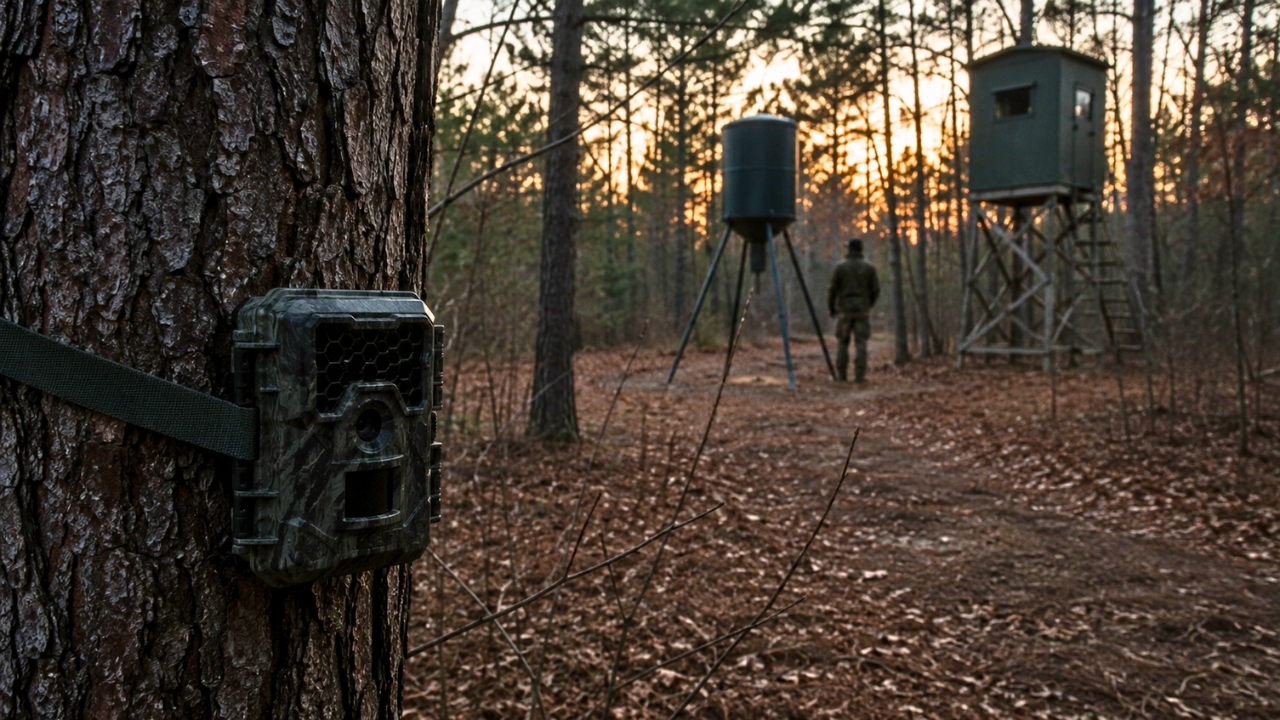
Cameras on the feeder. Cameras on the stands. Cameras where he walks in. Cameras where he parks. Not just random cameras looking for deer, but cameras placed to catch the person using the land without permission.
That shift matters.
A lot of hunters set trail cameras for game first. They want to know when deer move, what bucks are using the property, which trails are hot, and where to sit when the wind is right. But once a poacher enters the picture, the job changes. Now the cameras are not only scouting deer. They are building a case.
That’s the frustrating part about poaching problems. Everybody may know what’s happening, but “we know” is not always enough. You may see tracks. You may find corn. You may notice a stand that should not be there. You may hear shots when nobody from camp is hunting. You may even have a pretty good idea who it is.
But without proof, it can be hard to make anything stick.
And poachers know that.
They come in when people are gone. They use old roads, creek crossings, fence gaps, back gates, or neighboring access. They may avoid obvious camera spots and move just outside normal stand locations. Some are bold enough to set up feeders and stands like they have permission. Others try to stay light, slipping in and out before anyone checks the place.
Either way, the people paying for or managing the camp are the ones left dealing with it.
A deer camp is built on trust. Everyone knows who has permission, who is supposed to be there, where stands are, where people park, and what the rules are. When an outsider starts hunting the property, that trust takes a hit. Now every noise becomes suspect. Every tire track needs a second look. Every missing deer on camera makes people wonder if the poacher got it first.
It also gets dangerous fast.
An unauthorized hunter may not know where camp members sit. He may not know which trails are used to walk in and out. He may shoot toward areas that are normally safe only because everyone at camp knows the layout. He may be hunting over bait or a feeder someone else didn’t place. He may even be coming in during times when legal hunters assume nobody else is out there.
That’s how a trespass problem becomes a safety problem.
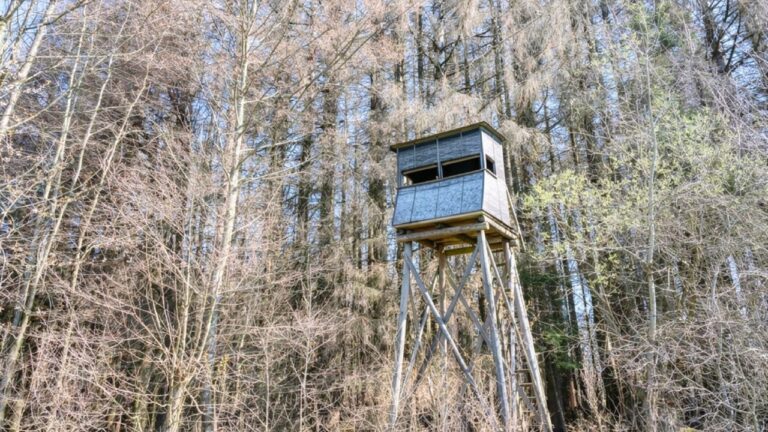
The advice to put cameras on the feeder and stands was smart because a poacher usually has a routine. If he has a feeder, he’ll check it. If he has a stand, he’ll climb into it. If he has a trail, he’ll use it. The trick is to stop thinking like you’re only tracking deer movement and start thinking like you’re tracking a person who believes he won’t get caught.
That means the camera angles have to change.
A camera aimed at a scrape might miss the poacher walking behind it. A camera facing a feeder may get a blurry shot from too far away. A camera placed at eye level might get stolen the second he sees it. But a camera hidden high in a tree, angled down toward the stand ladder or feeder approach, might catch exactly what’s needed: face, clothing, direction, time, and maybe even a weapon.
That kind of proof can change the conversation with a game warden.
Instead of saying, “Somebody keeps hunting our place,” the camp can say, “Here’s the person, here’s the time, here’s the feeder, here’s where he entered, and here’s what he was doing.” That gives authorities something concrete to work with.
It also gives the camp a way to stop arguing with shadows.
Poachers thrive in uncertainty. They count on people being too busy, too far away, or too tired to prove anything. The best response is not always a confrontation. In fact, walking up on an armed trespasser can be a terrible idea. The better response is often quiet documentation until the person has no believable excuse left.
That seems to be where commenters were steering the deer camp. Don’t just get mad. Get organized. Watch the setup. Save every photo. Mark locations. Call the warden. Make the person explain why he is standing over a feeder or climbing a stand on land he does not have permission to hunt.
Because once a poacher gets comfortable, he usually does not stop because someone hopes he will. He stops when the risk finally catches up to him.
Commenters mostly pushed the camp toward proof, not confrontation.
Several people said to set cameras directly on the feeder and stands the poacher appeared to be using. Their thinking was simple: if he keeps coming back to the same equipment or same spot, don’t waste time guessing. Watch the places he has already shown he cares about.
Others recommended hiding cameras high and away from obvious trails. A visible camera may get stolen or covered, especially if the poacher knows he is wrong. A second hidden camera watching the first one can catch someone tampering with it.
A lot of commenters told the poster to call the game warden once they had documentation, or even sooner if the problem was active. Poaching and trespassing are exactly the kind of things wardens deal with, and they may already know repeat offenders in the area.
Some warned against confronting the poacher alone. If someone is trespassing during hunting season, there is a good chance he is armed. Even if the camp members are angry, walking up on him in the woods could turn a property problem into something much worse.
There was also practical advice about signs, gates, and records. Post the property clearly. Keep photos. Note dates and times. Save camera images in more than one place. If equipment is found, photograph it before moving anything.
The main point was clear: if the camp wants the poacher gone, they need evidence strong enough that he cannot talk his way out of it. Cameras on deer are useful. Cameras on the poacher are what may finally end the problem.