Photo credit: Danny Pops/YouTube
Some guns sell because the name already did half the work. You hear the brand, the model, or the reputation, and it feels like a safer buy than it really is. Then you get it to the range or carry it for a while and realize the reputation did not match your actual experience.
That does not always mean the gun is junk. Sometimes it is just overpriced, dated, picky, uncomfortable, or not nearly as impressive as people made it sound. These are the guns that can make owners wonder if they bought the story more than the firearm.
Kimber Ultra Carry II
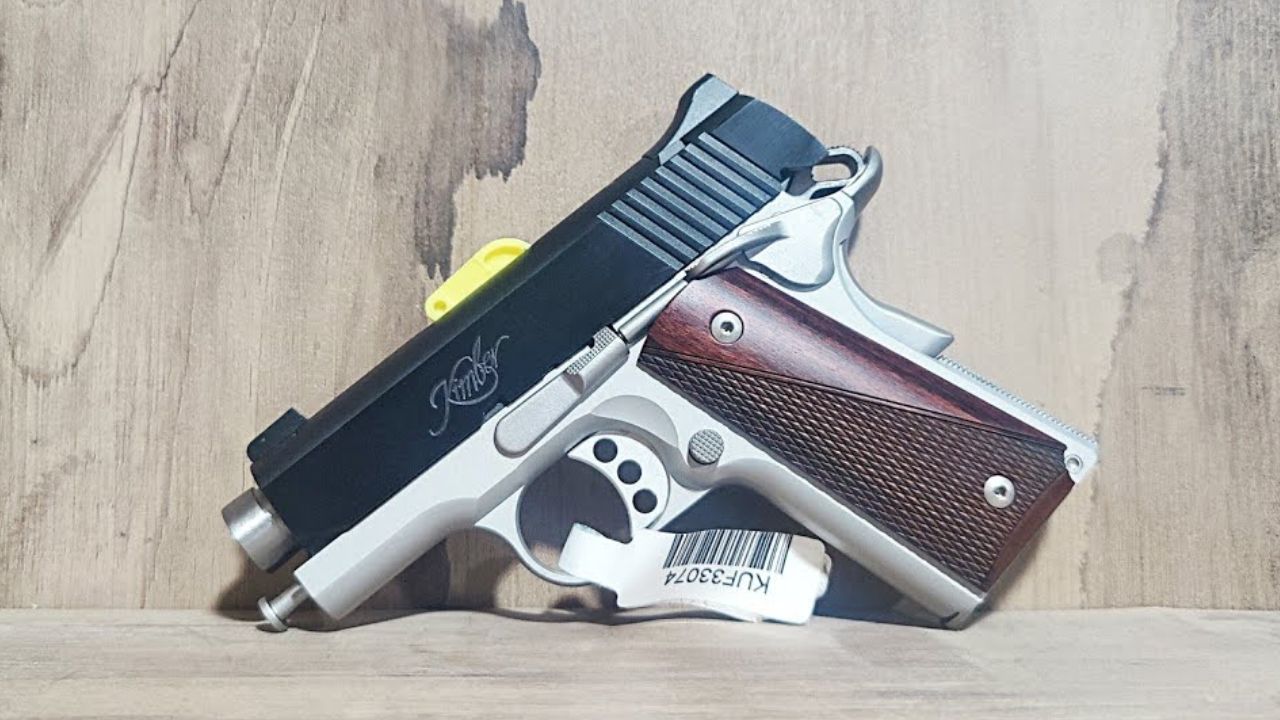
The Kimber Ultra Carry II has the kind of name and look that sells itself to a lot of 1911 fans. A compact .45 with sharp styling and a familiar 1911 layout sounds like a serious carry pistol before you ever load a magazine.
Then some owners find out how demanding small 1911s can be. Short slides, tight timing, recoil springs, magazines, extractor tension, and hollowpoint choice all matter more than people expect. When it runs, it is easy to like. When it gets picky, you start wondering if a simpler compact 9mm would have been the smarter buy.
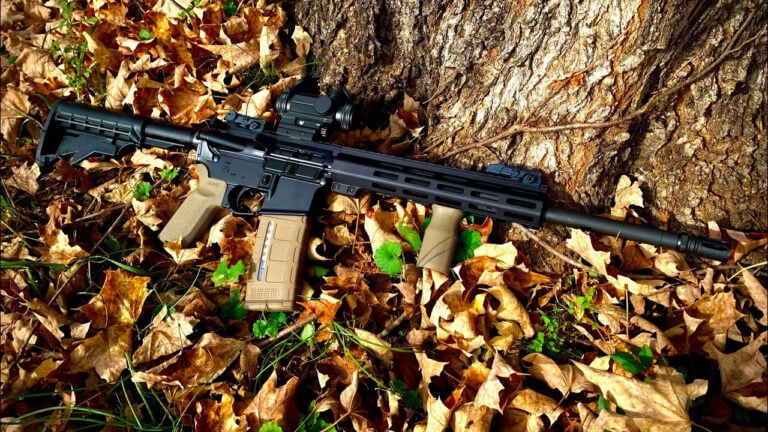
Springfield Armory Saint Victor
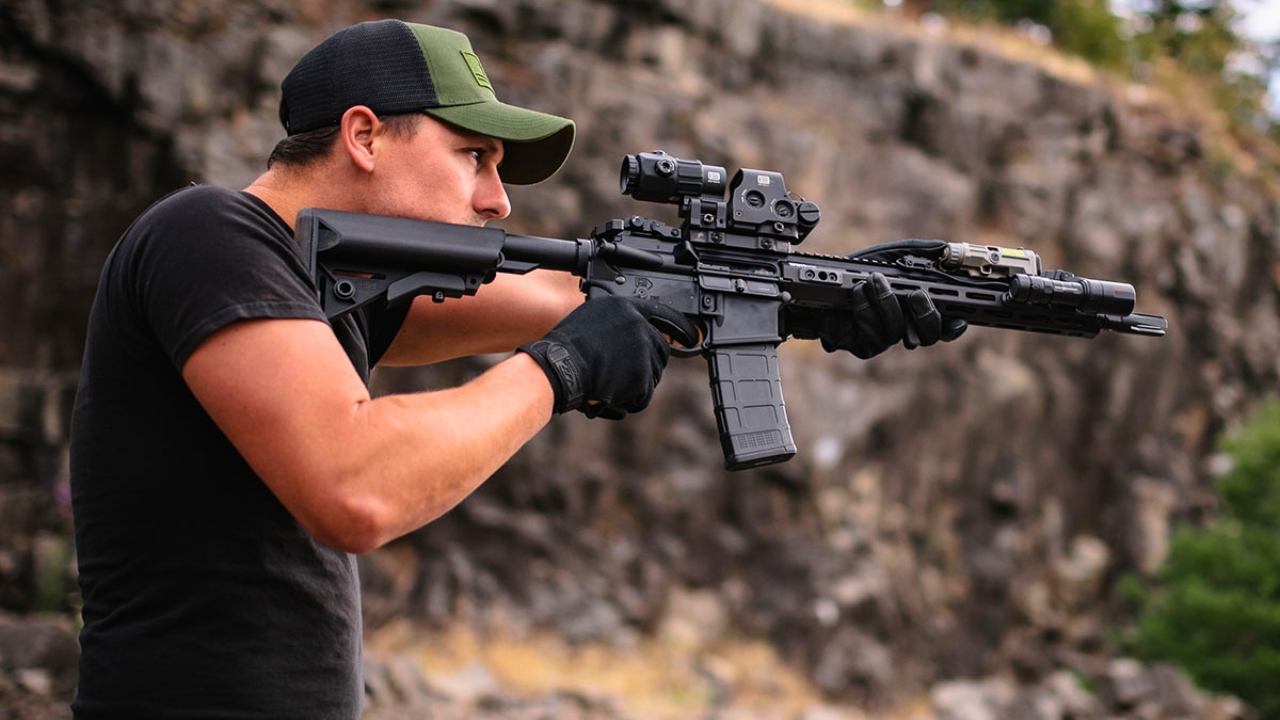
The Springfield Saint Victor has a strong reputation as a ready-to-go AR that sits above bargain-bin rifles without jumping into premium money. That middle ground attracts buyers who want something better than basic without building one themselves.
Some owners still end up disappointed once they realize the AR market is crowded with good options. The Saint Victor is not a bad rifle, but the name and marketing can make it feel more special than it is. Once you compare triggers, barrels, furniture, gas systems, and price, it may feel like you paid for confidence that a lot of rifles can already deliver.
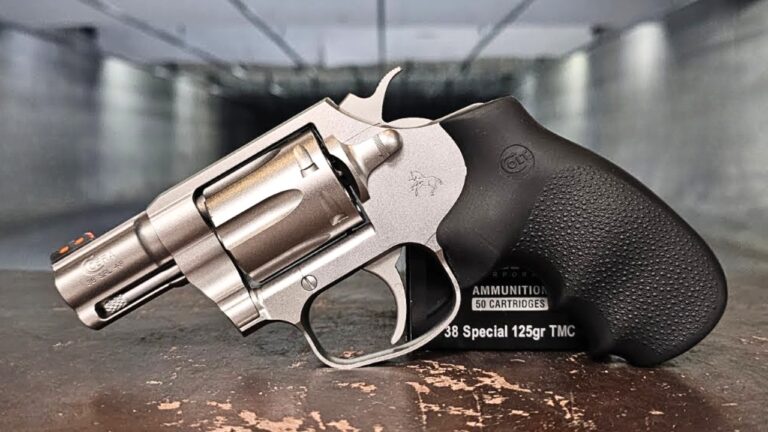
Colt King Cobra

The Colt King Cobra benefits from the Colt name in a big way. For revolver buyers, that prancing pony still carries weight, and the idea of a modern Colt .357 sounds hard to ignore. It looks good, carries history, and feels more interesting than another polymer pistol.
But some owners find the experience less magical than expected. The trigger, finish, sight setup, and price can leave people comparing it hard against Smith & Wesson and Ruger options. It is a good revolver for many shooters, but the reputation can set expectations so high that the real gun has trouble catching up.
SIG Sauer P320

The SIG P320 has a massive reputation because it is modular, popular, and tied to major military adoption. That alone makes buyers feel like they are getting something proven. The aftermarket support is huge, and the platform gives owners plenty of ways to configure the pistol.
Still, not everyone loves it once the excitement fades. Some shooters dislike the bore height, grip feel, trigger character, or how top-heavy certain versions feel. The P320 can be a very capable pistol, but its reputation is so big that ordinary personal preference can feel like disappointment after you buy in.
Remington 700 SPS

The Remington 700 SPS carries the weight of the Model 700 name, and that name matters. For decades, hunters trusted 700s, builders used them as project actions, and gun counters treated them like safe recommendations. That reputation helped sell a lot of SPS rifles.
The problem is that some SPS examples felt rougher and cheaper than buyers expected from the 700 name. Flexible stocks, basic finishes, and inconsistent factory feel made certain rifles seem more like a starting point than a finished hunting rifle. If you expected classic Remington polish, the SPS could make you regret trusting the badge alone.
Taurus Judge
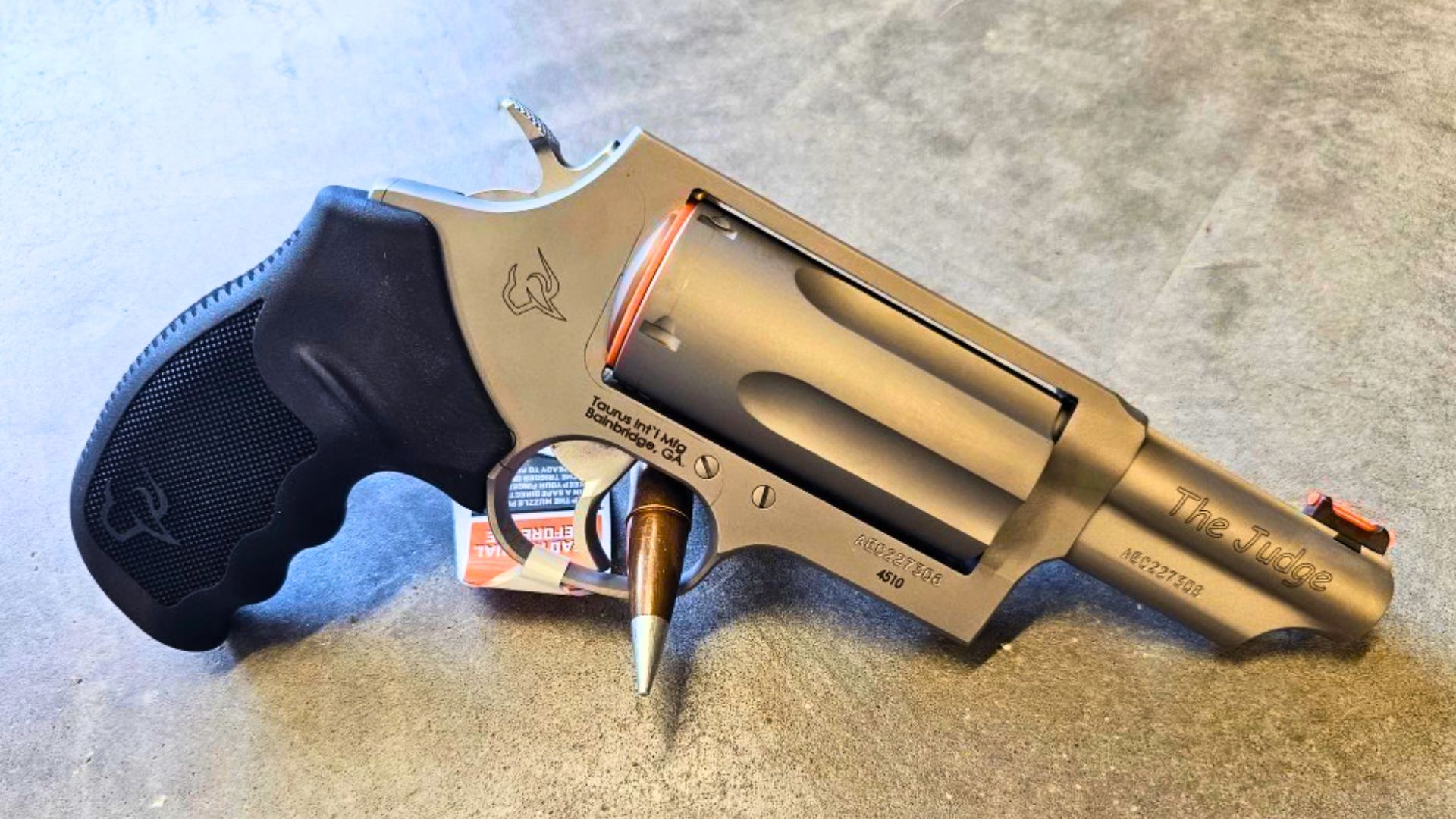
The Taurus Judge became famous fast because the concept was easy to sell. A revolver that fires .45 Colt and .410 shotshells sounds powerful, versatile, and intimidating. For a lot of buyers, the reputation came from the idea more than from actual range results.
Then patterning, recoil, size, and practical accuracy start changing the mood. The Judge is fun and can have niche uses, but it is not the magic defensive answer some people imagined. Once owners test it honestly, many realize a normal handgun or shotgun would do the job better.
Glock 43

The Glock 43 rode in on Glock reliability at the exact moment many people wanted a slim 9mm carry pistol. That reputation made it feel like the obvious choice. It was small, simple, and backed by the most trusted name in striker-fired pistols.
Then newer micro-compacts changed expectations. The G43 still works, but its low capacity, sharper feel, and limited grip make it less appealing beside pistols that carry nearly the same while holding more rounds. Owners who bought it purely because it was the Glock option sometimes move on faster than expected.
Winchester SXP
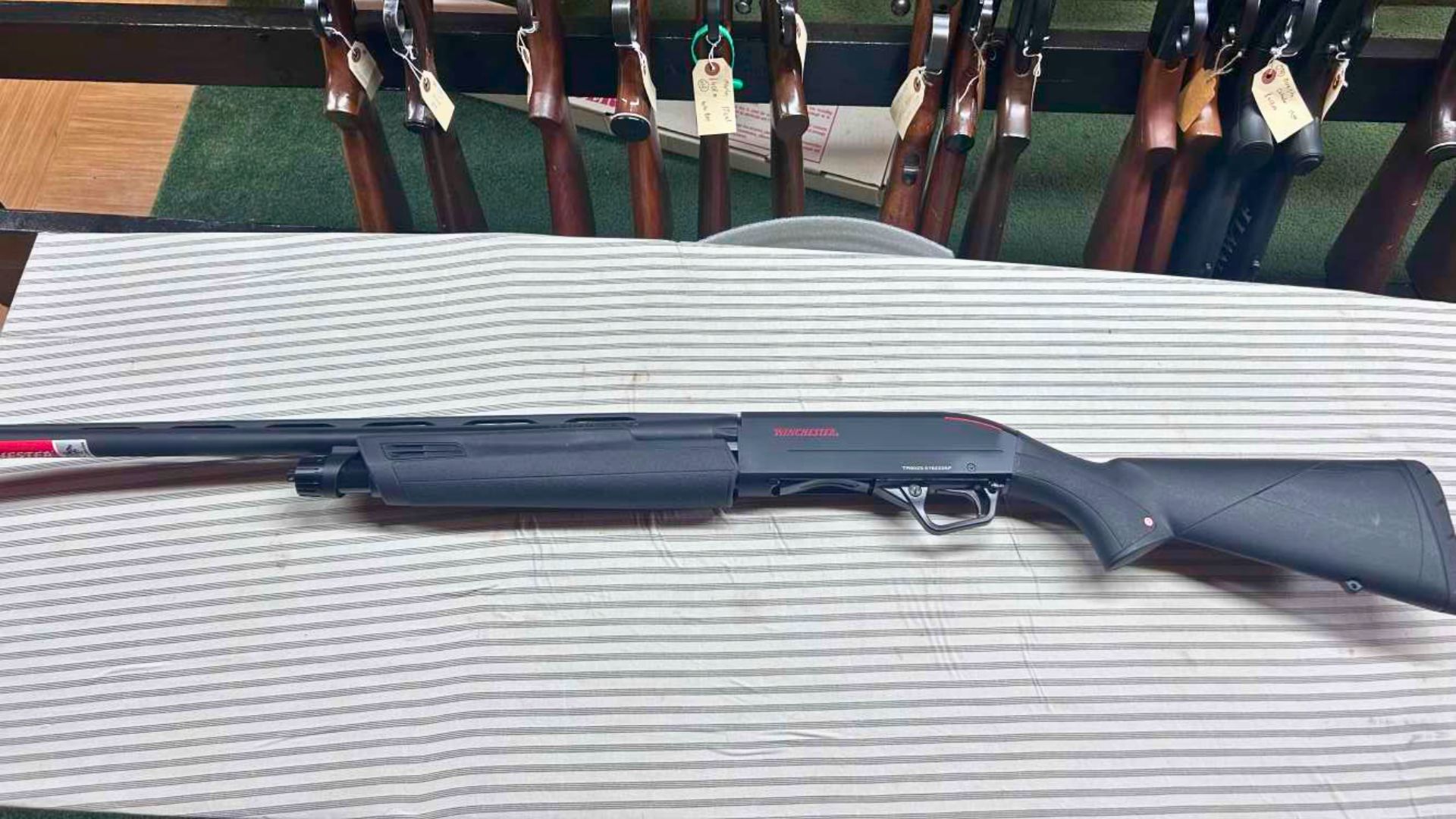
The Winchester SXP has a name that makes buyers expect old Winchester magic. It looks like a straightforward pump shotgun, and the “speed pump” reputation gives it a little extra appeal. For hunters and home-defense buyers, that can be enough to get attention.
But some owners find it does not feel like the classic Winchester shotguns they had in mind. The action is quick, but the overall fit, finish, and feel can seem more budget than legendary. It may work fine, but buying it because you expected Model 12-level charm can leave you cold.
Beretta APX A1 Carry

The Beretta APX A1 Carry benefits from a great name behind it. Beretta has built some of the most respected pistols in the world, so a tiny carry gun from them sounds like it should be a serious contender. The optics-ready update made it look even more current.
For some owners, though, the shooting experience does not match the expectation. The trigger feel, small grip, and snappy handling can make it harder to like than competing micro pistols. It is not useless, but the Beretta name can make people expect a more polished carry gun than they feel they got.
Marlin Model 60
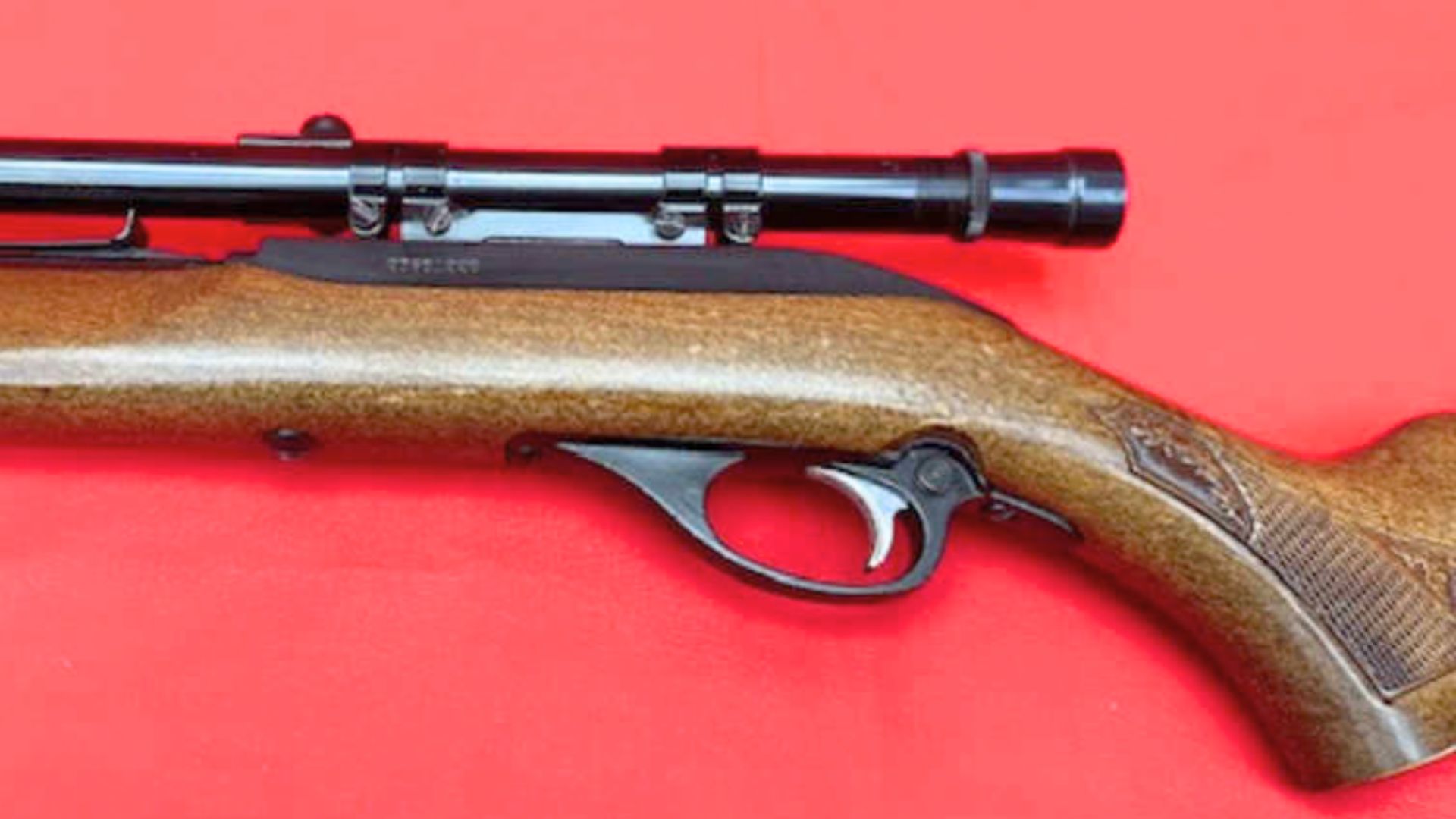
The Marlin Model 60 has a loyal following, and a lot of that respect is deserved. It is accurate, affordable, and nostalgic for many shooters. The trouble is that reputation can make some buyers expect a carefree rimfire that never asks for attention.
In reality, older or neglected Model 60s can be sensitive to cleaning, feed parts, ammunition, and tube magazine condition. They can be wonderful rifles, but they are still rimfires with wear points. If you buy one expecting childhood memories instead of checking the actual gun, regret can show up fast.
KelTec KSG
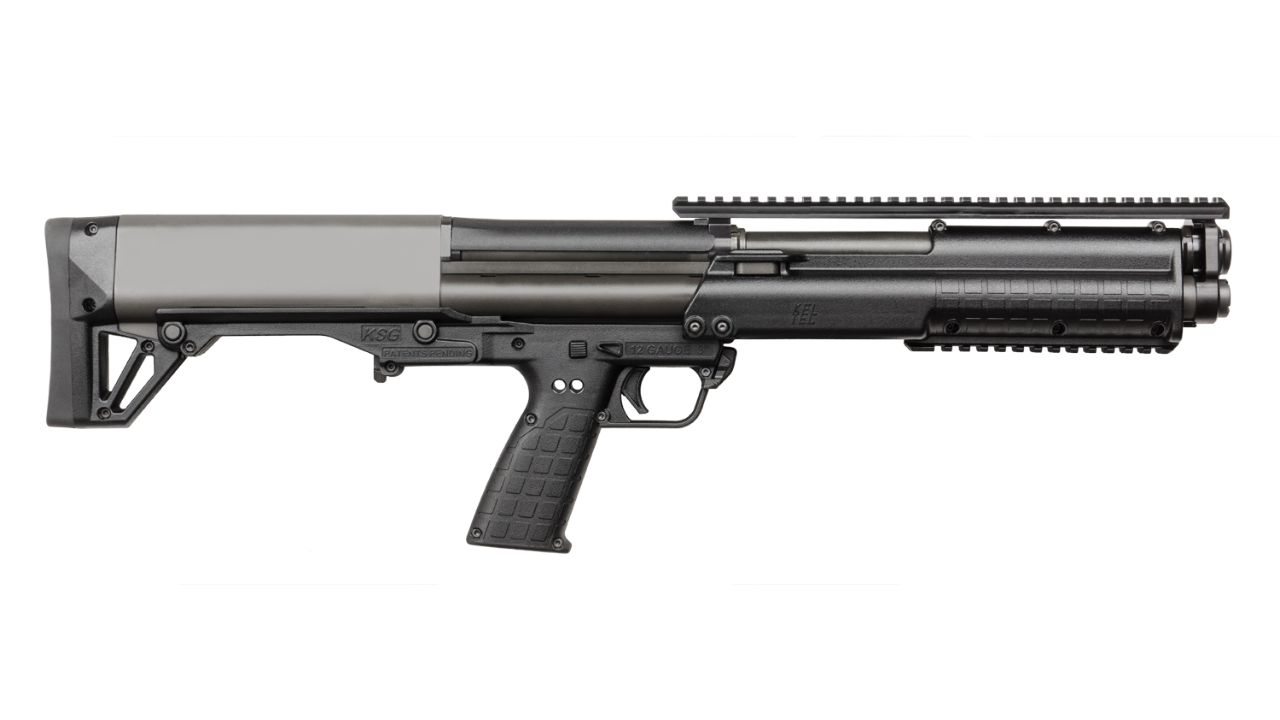
The KelTec KSG earned a huge reputation because it looked unlike anything else on the rack. A compact bullpup 12-gauge with dual magazine tubes sounds like a movie gun that somehow made it into real life. That alone pulled in a lot of buyers.
Then owners learn that cool layouts still have to be easy to run. The KSG can be compact and useful, but it also demands practice, firm operation, careful loading habits, and comfort with a very different setup. Some buyers discover they would rather have a normal pump shotgun that feels boring but runs more naturally.
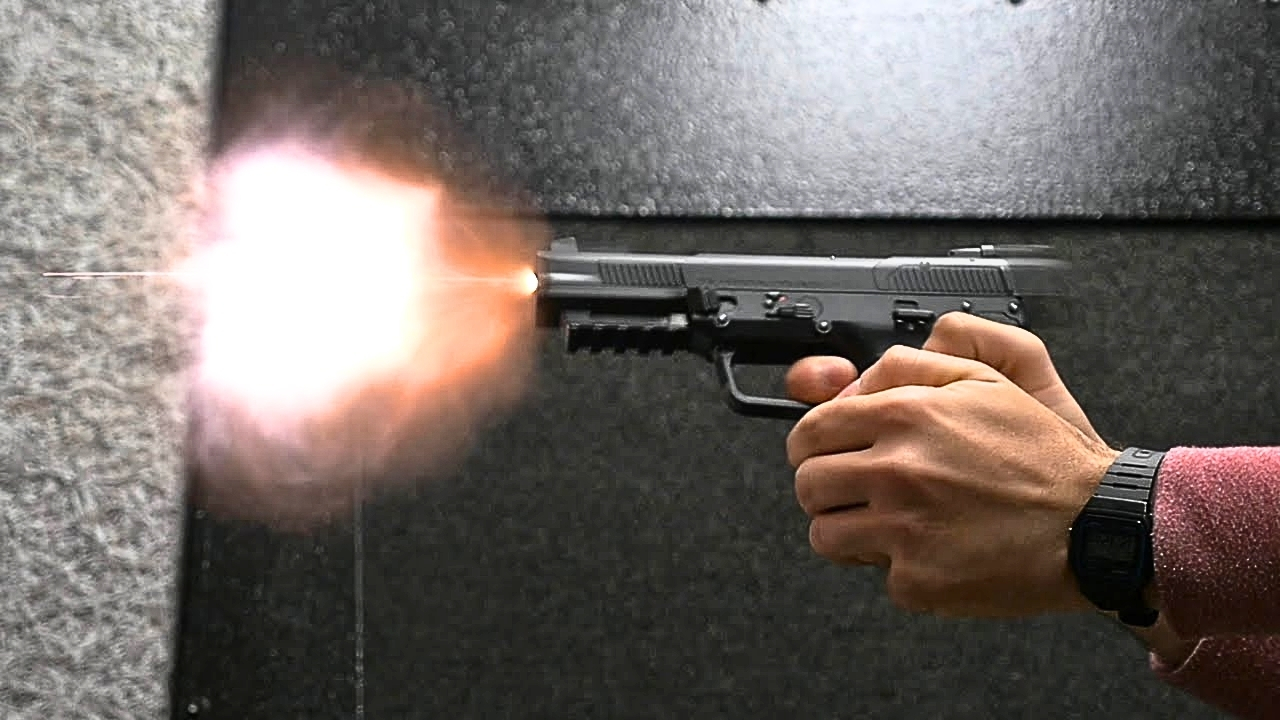
FN Five-seveN

The FN Five-seveN has a reputation that almost sells the gun before people understand it. The 5.7x28mm chambering, high capacity, light recoil, and connection to FN’s military-style ecosystem make it feel exotic and serious at the same time.
The regret usually comes from cost and expectations. Ammo is not cheap, the pistol itself is expensive, and the terminal-performance debates never really go away. It is flat-shooting and interesting, but some owners realize they bought into the mystique when a more ordinary 9mm would have been cheaper, easier, and more useful.
Mossberg 464
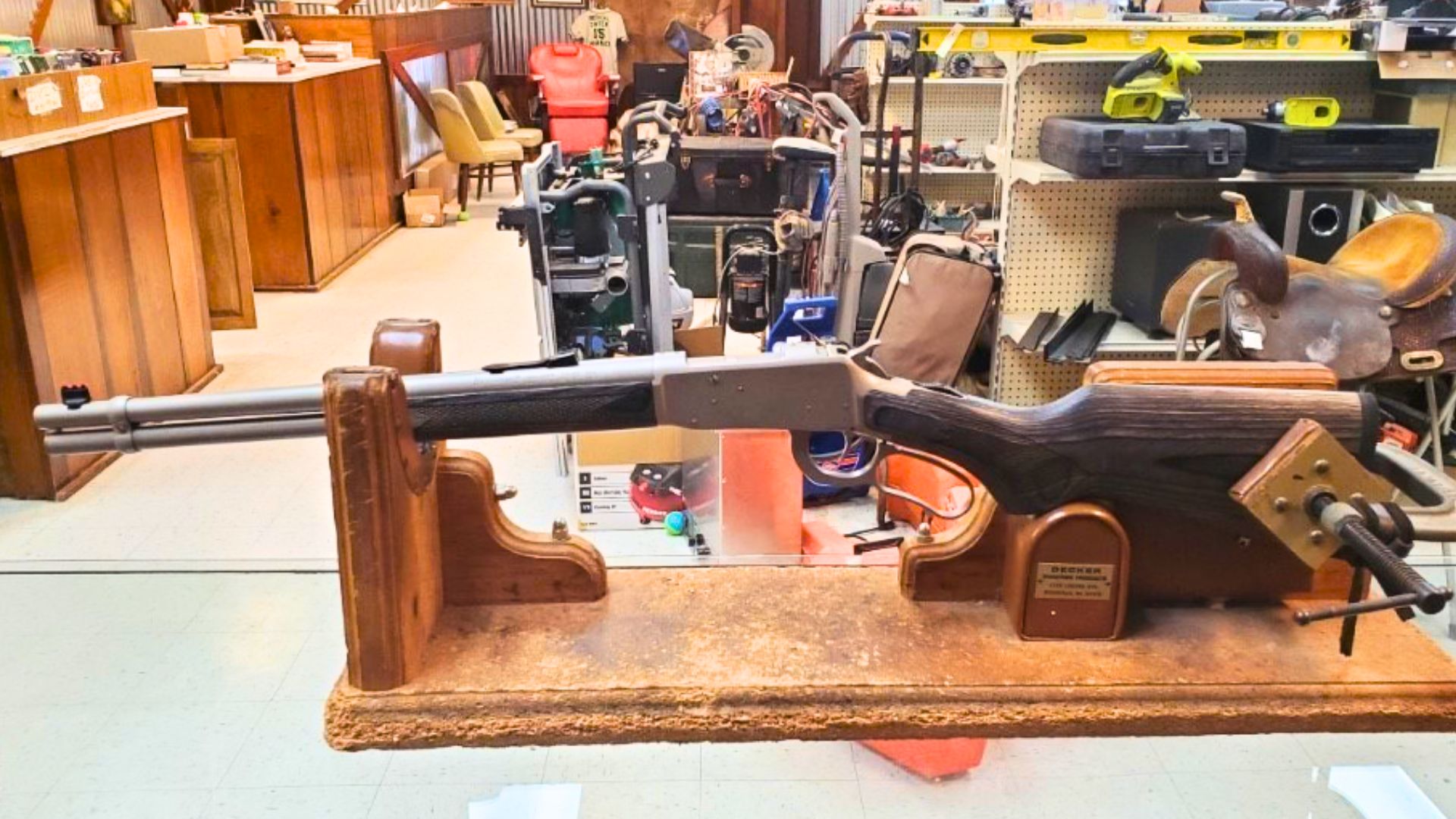
The Mossberg 464 pulled buyers in by offering a newer lever-action option with a familiar deer-rifle idea behind it. For people who wanted a .30-30 lever gun without paying old Marlin or Winchester prices, the reputation sounded promising enough.
But the 464 never fully replaced the classics in many owners’ minds. Some rifles felt rough, the fit and finish could be underwhelming, and the handling did not always have that old lever-gun charm people were chasing. When you buy a lever gun because you want nostalgia, a modern version has to feel right. This one did not always get there.
Walther PPK/S

The Walther PPK/S has one of the strongest reputations in pocket pistol history. It looks classy, feels iconic, and carries decades of pop-culture and real-world recognition. A lot of buyers want one because it feels like a gun with a story.
Then they shoot it and realize the story is not the same as comfort. The recoil can be sharp for a .380, the slide can bite some hands, and the double-action trigger is not exactly friendly. It is still cool, but cool does not always mean pleasant. Some owners learn that lesson by the second box of ammo.
Springfield Armory XD-S

The Springfield XD-S built a strong following when slim single-stack carry pistols were hot. It offered a compact defensive package, and the Springfield name gave buyers confidence. For a while, it felt like one of the smarter carry choices on the shelf.
The market moved quickly, though. Once higher-capacity micro-compacts became common, the XD-S started feeling dated to many owners. The grip safety, snappy recoil in smaller versions, and limited capacity made some people question why they bought into the reputation instead of waiting for something easier to shoot and carry.
Like The Avid Outdoorsman’s content? Subscribe to our newsletter so you never miss an article.
Here’s more from us: