Photo credit: The Avid Outdoorsman
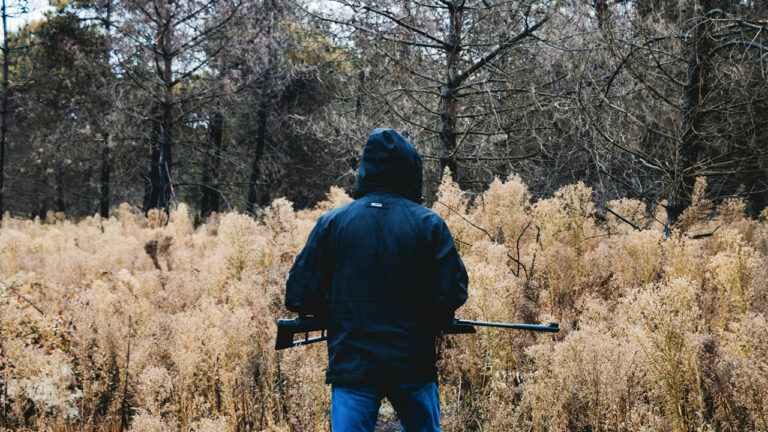
The hunter thought he had done the right thing.
That is what makes the story frustrating. He was not describing himself sneaking onto someone’s land to hunt. He was not bragging about ignoring posted signs or trying to pull a fast one. From his side, he was trying to recover game, and he believed he had permission to do it.
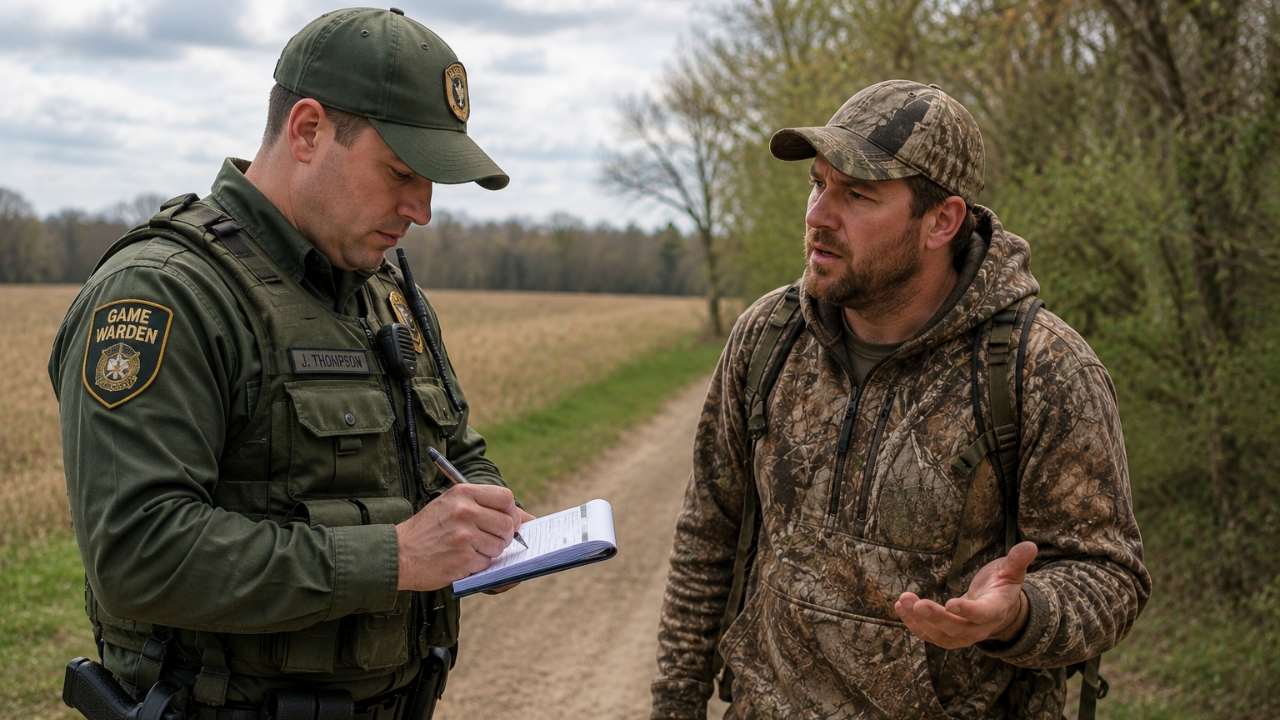
Then the game warden wrote him a ticket anyway.
In a Reddit post, the hunter said he had a run-in with a game warden after retrieving game and ended up with a $300 citation. The whole situation kicked off the kind of discussion hunters care about because recovery access is one of those things people talk about like it is simple until it happens to them.
A wounded animal crosses a line. The hunter wants to recover it. The landowner may say yes, no, or something in between. A neighbor may claim one thing. A warden may interpret the law another way. And suddenly, the hunter who thought he was being ethical is standing there with a citation.
That is a rough spot.
Most hunters are taught that recovering wounded game is part of the responsibility. You make every reasonable effort to find the animal. You do not just shrug and go home because the track got inconvenient. So when a deer, turkey, hog, or other animal crosses onto land that is not yours, the ethical instinct is to keep going — but the legal side may not automatically follow your instinct.
That is where permission matters.
The hunter said he had permission, but the ticket suggests the warden believed something was still wrong. Maybe the permission was not from the right person. Maybe it was not clear enough. Maybe it did not cover the exact area where he went. Maybe the state requires a specific process. Maybe he crossed before getting confirmed permission. Maybe the warden believed the recovery turned into trespass or another violation.
The post does not need every tiny legal detail to show the bigger problem: hunters cannot afford to treat permission casually when property lines are involved.
A text from a buddy may not be enough. A neighbor saying “you’re good” may not be enough. A landowner’s relative may not have authority. A verbal yes can be hard to prove if someone changes their mind or if law enforcement shows up later. And if a game warden is standing there with a ticket book, “I thought I had permission” may not carry the weight a hunter hopes it will.
That is a miserable lesson to learn with a $300 citation.
It also shows why recovery situations can get emotionally loaded. Nobody wants to leave game behind. If the blood trail is strong, the animal is close, and the hunter believes he can retrieve it quickly, stopping to untangle property permission feels awful. Every minute matters. Every interruption feels like it could cost the recovery.
But if the animal crosses a boundary, the hunter’s duty to recover does not erase the landowner’s rights or the state’s rules.
That is the hard truth.
The safest move is usually to stop at the line, contact the landowner directly, and call the game warden if there is any question. That may feel overly cautious, but it protects the hunter later. If the landowner refuses access, some states have rules about how recovery is handled. If the landowner grants access, having a clear text or recorded contact can help. If the warden is involved early, the hunter is less likely to be accused of sneaking around after the fact.
Of course, real life is messy. You may not know who owns the land. You may not have cell service. The animal may be visible just across the fence. The property may not be posted. The landowner may be impossible to reach. Those details are exactly why hunters should know the local recovery laws before season starts, not while standing over a blood trail.
The hunter in this story seemed to feel blindsided by the citation because he believed permission should have protected him. Commenters, though, were quick to dig into the details and point out that permission is not always as simple as it sounds.
And that is the lesson worth taking seriously.
A clean recovery plan is part of hunting, especially around property lines. Know the neighboring parcels. Know who owns them. Know whether your state allows retrieval without a weapon, requires permission, or requires a warden. Know what to do if the landowner says no. Do not assume the right thing ethically will automatically be treated as the right thing legally.
For this hunter, the recovery did not end with a handshake or a clean drag out. It ended with a game warden, a citation, and a $300 reminder that permission needs to be more than a loose understanding when property lines are involved.
Commenters mostly focused on the difference between ethical recovery and legal access.
Several people said recovering game is important, but crossing onto land without airtight permission can still get a hunter cited. They warned that “I had permission” needs to mean permission from the actual landowner or someone legally able to grant it, not just a neighbor, friend, or person who seemed like they had authority.
Others told the hunter to learn the exact retrieval laws in his state. Some states handle wounded-game recovery differently than others, and a rule that applies in one place may not apply across the line. A few commenters said calling the game warden before crossing is often the safest move if anything is unclear.
Some people thought the citation sounded harsh if the hunter truly had permission and was acting in good faith. But others said wardens hear bad excuses all the time, so they may be strict when the facts do not line up cleanly.
A lot of the practical advice came down to documentation. Get written permission when possible. Save texts. Know property boundaries. Keep the weapon behind if the law requires it during retrieval. And when in doubt, make the warden part of the process before stepping onto land that is not yours.
The main takeaway was not that hunters should abandon wounded game. It was that good intentions do not automatically protect you from a ticket. Recovery needs to be ethical and legal, or one bad track across a boundary can get expensive fast.