
Photo credit: The Avid Outdoorsman
Some firearm trends age badly because they solve problems most shooters never really had. A new stock shape, a lighter frame, a different action, or a hotter marketing angle can look great for a season and then fade once people actually live with the gun.
Other firearms keep making sense because they were built around use instead of fashion. They may not be the newest thing in the case, but they still feel right after the trend that was supposed to replace them starts looking tired.
SIG Sauer P239

The SIG P239 was supposed to get left behind once higher-capacity micro-compacts took over. On paper, that makes sense. It is heavier, lower-capacity, and not nearly as efficient as today’s small carry pistols.
But the P239 still feels like a real pistol instead of a tiny compromise. It shoots with more control than many smaller guns, carries flat, and has that old SIG confidence in the hand. Capacity trends changed the market, but they did not make the P239 feel cheap or useless. For shooters who care about control and build quality, it aged better than a lot of newer carry ideas.
Remington Model 81 Woodsmaster

The Remington Model 81 Woodsmaster looks strange next to modern semi-auto hunting rifles, but it has aged into real character. The long-recoil action, steel-and-walnut build, and classic hunting profile make it feel like a rifle from a time when companies were willing to build complicated things for real field use.
It is not light, sleek, or simple by today’s standards. Still, it has more soul than many modern rifles that chase low cost and low weight. The Model 81 aged better than plenty of semi-auto hunting trends because it still feels serious, mechanical, and useful within its lane.
Smith & Wesson 3913
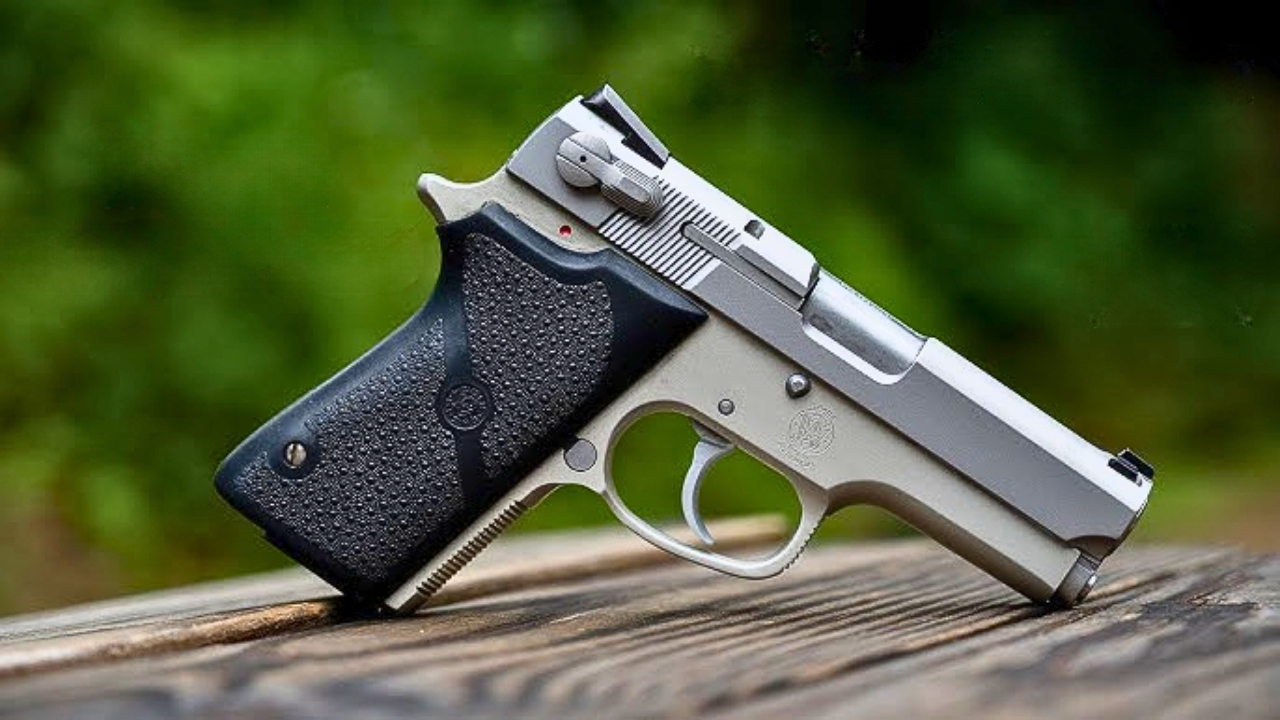
The Smith & Wesson 3913 was the kind of slim carry pistol people should not have ignored. It was compact, flat, reliable, and easier to shoot well than many tiny pistols that came later. When micro 9mms took over, the 3913 started looking old on paper.
Then shooters remembered that small does not always mean better. The 3913 gives you a usable grip, a real sight radius, and a metal-frame feel that many modern carry pistols lack. It aged better than the ultra-tiny carry trend because it balanced concealment with shootability instead of sacrificing too much.
Winchester Model 88
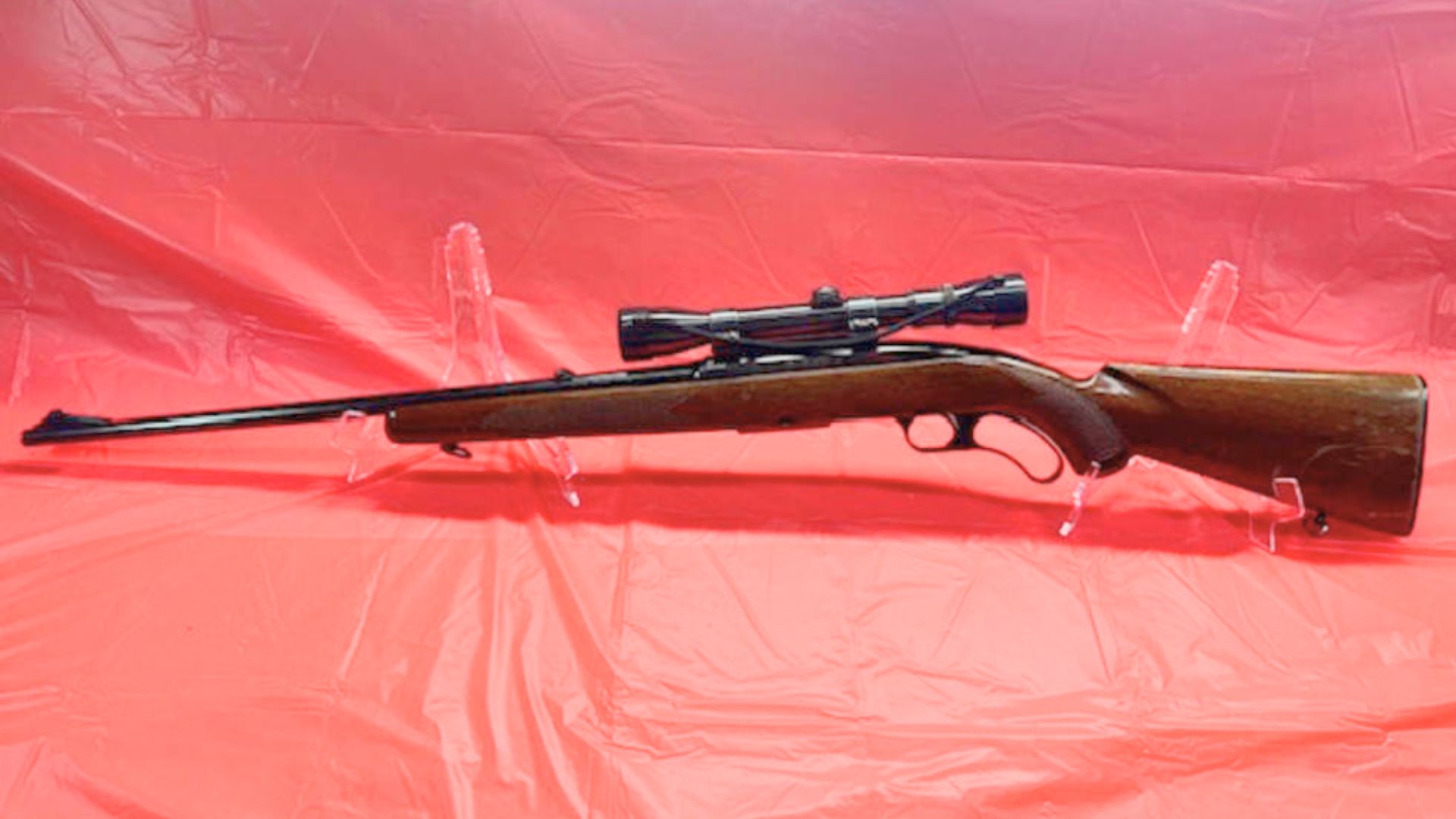
The Winchester Model 88 still feels more interesting than a lot of rifles that tried to modernize hunting. It gave shooters a lever-action rifle with a box magazine, real rifle cartridges, and a sleek profile that did not feel like a cowboy throwback.
That idea has aged well. The Model 88 is not as common as basic bolt guns, and parts can be a concern, but the rifle still feels like a serious design. It aged better than plenty of forgettable budget bolt-actions because it had a clear purpose and enough quality to make the concept work.
Beretta 84 Cheetah

The Beretta 84 Cheetah looked like it should have been buried by modern compact 9mms. It is a .380, it is wider than many newer pistols, and it does not win any capacity-to-size argument by today’s standards.
But pick one up and shoot it, and the appeal comes back fast. The Cheetah feels smooth, handsome, and easy to control. It has more personality than most pocket-size defensive pistols and shoots like a real handgun. Modern micro pistols may carry more power in less space, but they do not all make range time feel this good.
Browning BLR
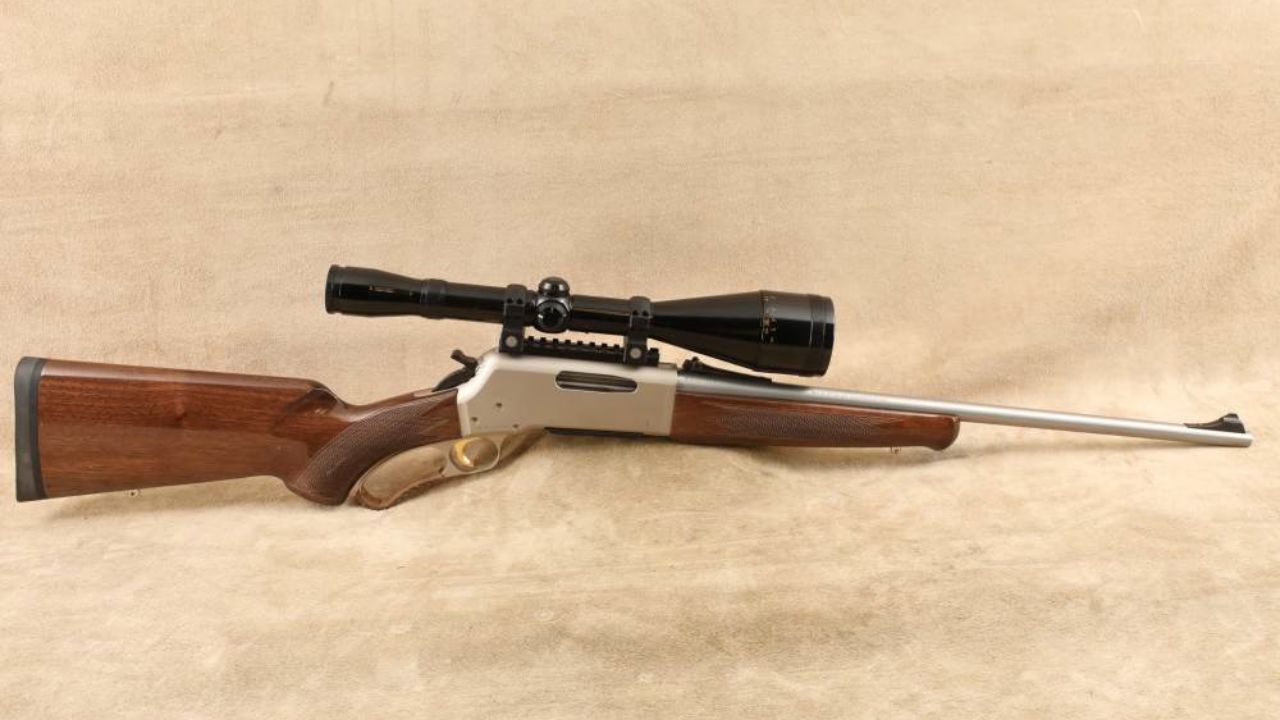
The Browning BLR aged better than the trend of making every hunting rifle feel like a cheap bolt gun with a different stock color. It is a lever action that handles modern rifle cartridges through a box magazine, which gives it a practical edge traditional tube-fed lever guns do not have.
It still feels quick, useful, and different for a reason. The BLR is not for everyone, and its trigger is not usually its strongest point. But as a hunting rifle, it has stayed relevant because the concept still works. It does not feel like nostalgia. It feels like a smart tool.
Ruger P89
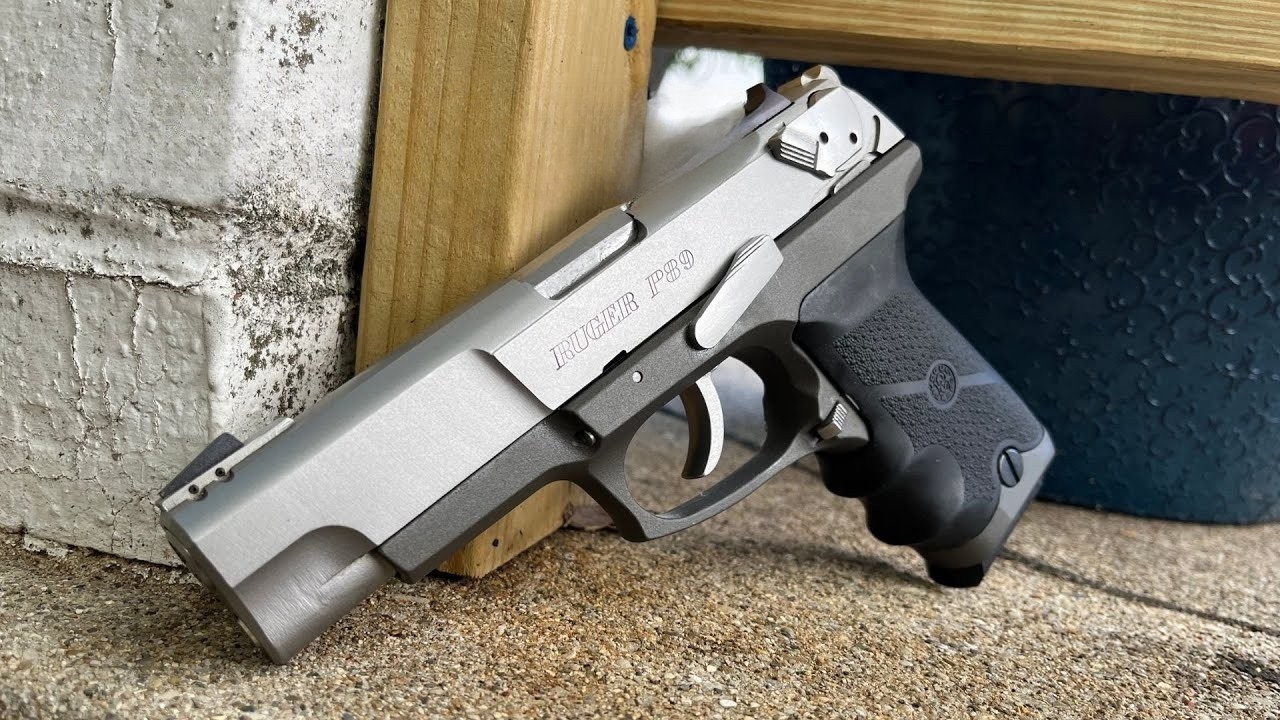
The Ruger P89 was never cool in the sleek, modern sense. It was big, chunky, and built like subtlety had no place in the meeting. That is exactly why it has aged better than a lot of lightweight duty-pistol trends that came and went.
The P89 earned its respect by being hard to kill. It is not refined, and nobody is pretending the trigger feels custom. But it runs, soaks up abuse, and still gives owners that old-school confidence. A lot of newer pistols look better. Fewer feel as indifferent to rough treatment.
Franchi SPAS-12
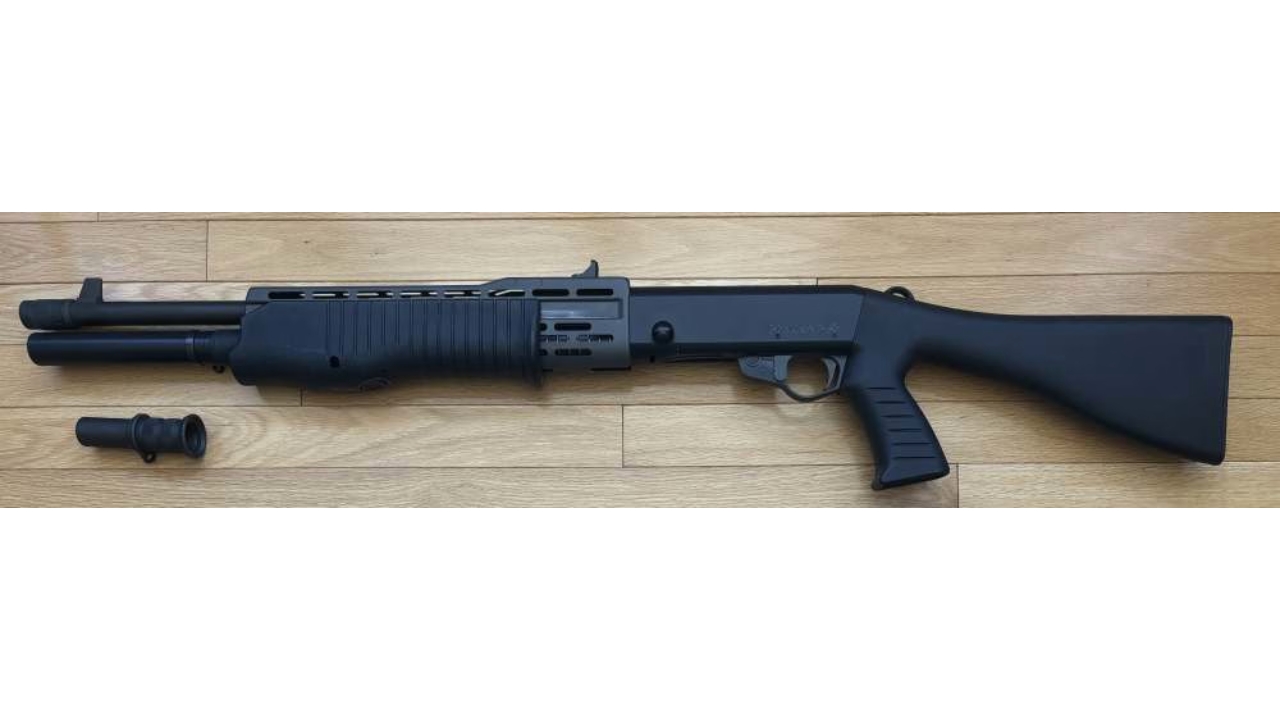
The Franchi SPAS-12 could have turned into pure movie-gun nonsense, but it aged differently because nothing else really replaced its weirdness. The dual-mode pump/semi-auto system, aggressive look, and heavy build made it stand out even after tactical shotgun trends moved in every direction.
It is not practical for most owners today. It is heavy, complicated, and expensive to maintain. But it aged better than many trend-driven tactical shotguns because it became genuinely iconic. Some guns survive because they are the most useful. The SPAS-12 survived because it is unforgettable.
CZ 452
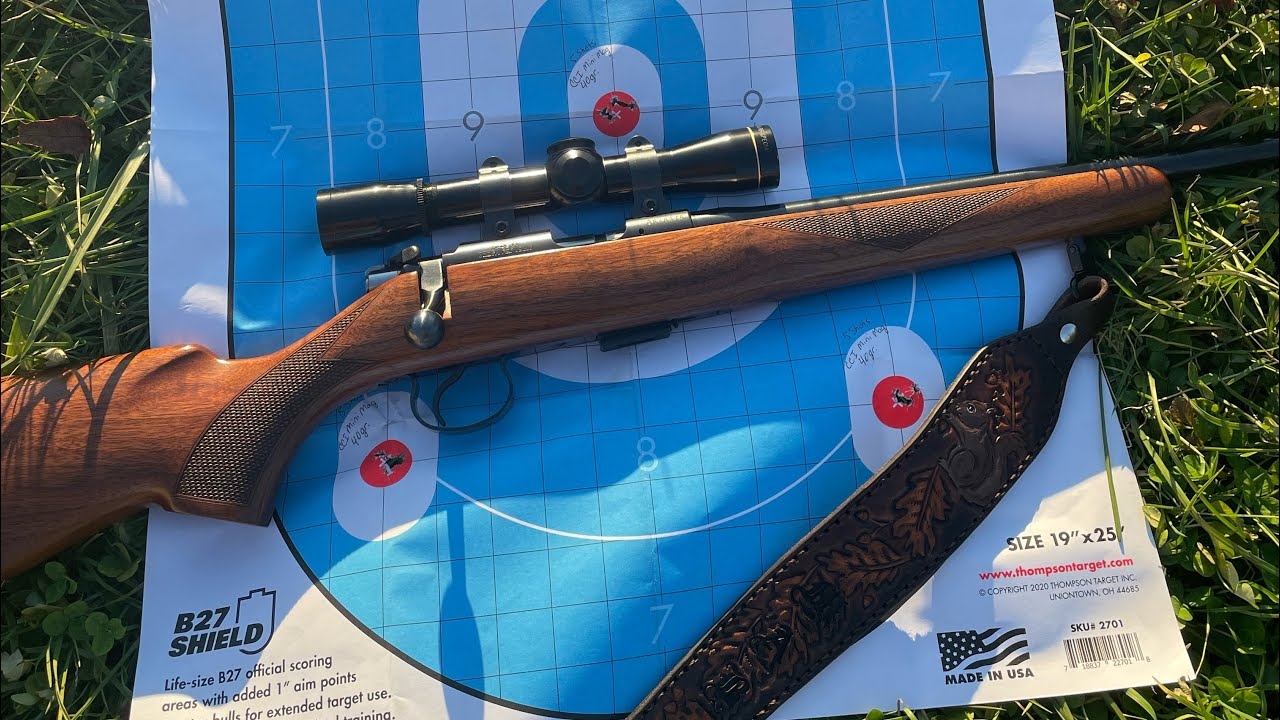
The CZ 452 aged better than a lot of tacticool rimfire trends because it stayed focused on what a good .22 bolt rifle should be. It was accurate, well-balanced, and built with a level of finish that made many cheaper rimfires feel disposable.
You do not need rails, chassis parts, or a fake sniper profile to enjoy a .22. The 452 proves that every time you shoot one. It aged well because the rifle was built around accuracy and feel, not style. Even after newer CZ rimfires arrived, plenty of shooters still respect the 452 for exactly what it is.
Smith & Wesson Model 6906

The Smith & Wesson 6906 aged better than many early polymer carry trends because it still feels like a serious compact fighting pistol. It is alloy-framed, reasonably light, and gives you double-stack 9mm capacity in a size that still makes sense.
It does not feel as sleek as today’s striker-fired compacts, but it has a confidence those guns do not always match. The 6906 points well, carries decently, and has the old third-gen Smith reputation behind it. Trends moved toward lighter and simpler. The 6906 kept reminding people that solid still counts.
Browning A5 Light Twelve
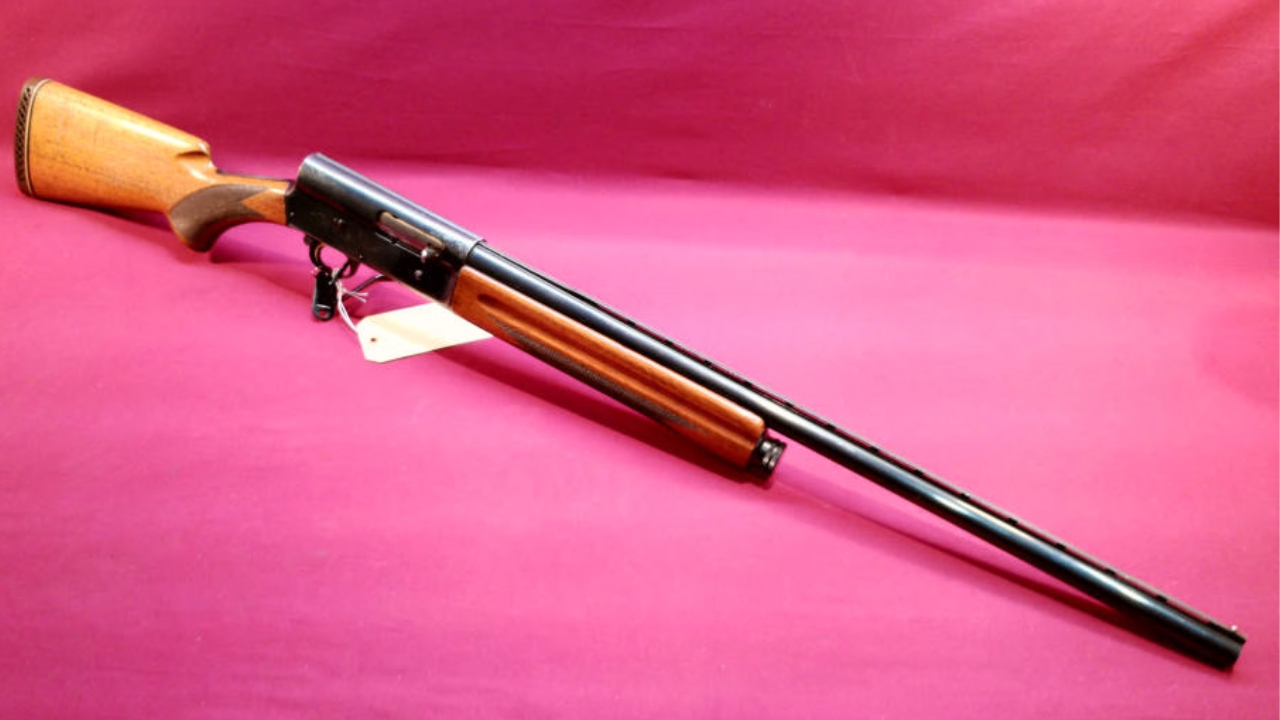
The Browning A5 Light Twelve aged better than a lot of modern shotgun trends because it was built to hunt, not decorate a catalog page. The humpback receiver, long-recoil action, and distinctive feel are old-school, but they still work.
It has a rhythm newer gas guns do not share. Some shooters love it, some do not, but it has never felt generic. The Light Twelve carries history, balance, and real field credibility. A lot of trendy shotguns looked modern for a few years. The A5 stayed memorable for generations.
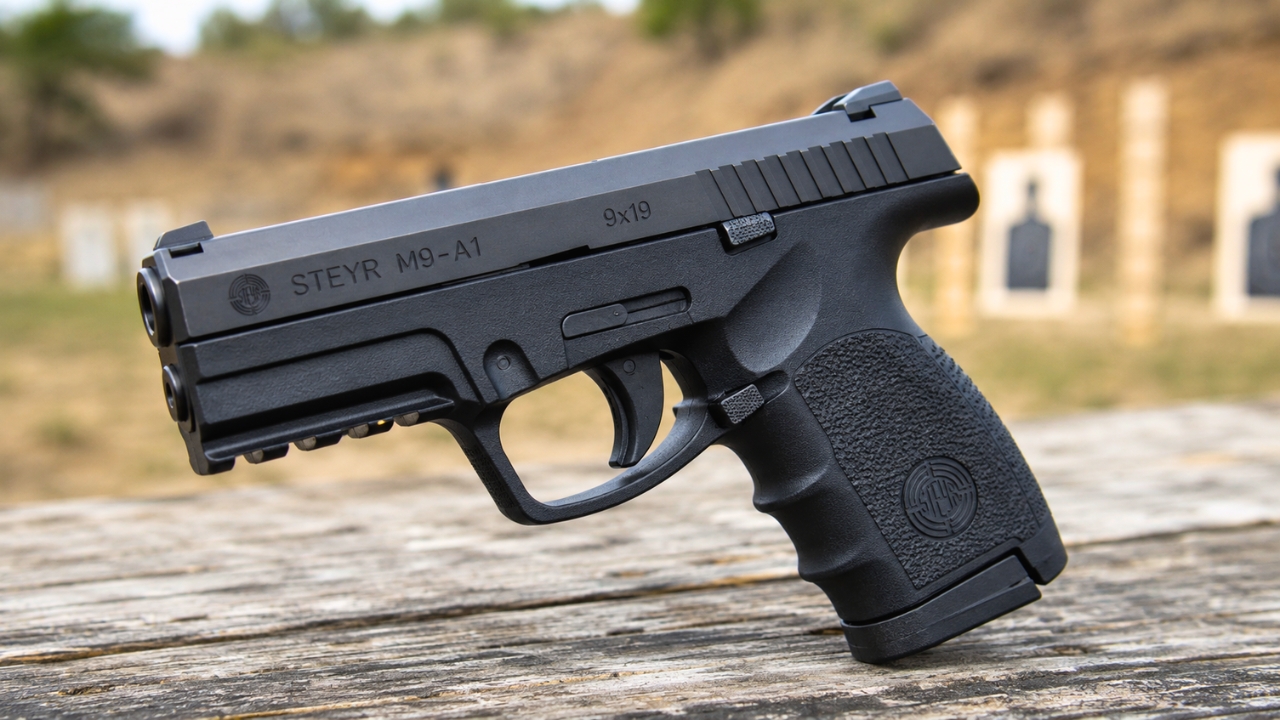
Steyr M9-A1
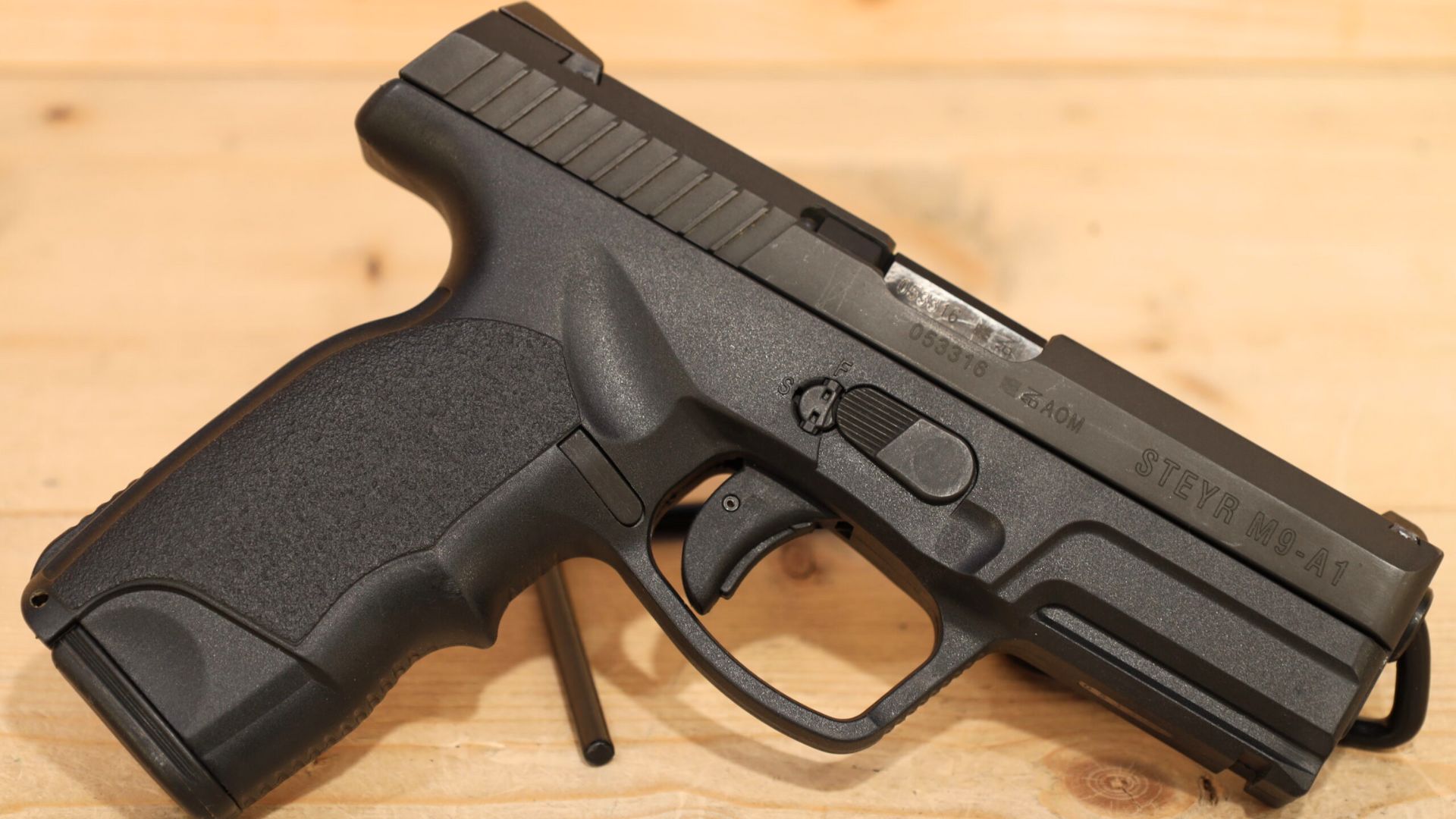
The Steyr M9-A1 never got the mainstream attention of Glock, M&P, or SIG, but it aged better than many pistols that did. Its low bore axis, unusual trapezoid sights, and comfortable grip made it feel different in a way that actually mattered on the range.
It was not weird just to be weird. The pistol shot flat, pointed naturally for many hands, and gave owners something genuinely practical. Some trends chase novelty and fade. The M9-A1 stayed respected among people who actually gave it a fair shake.
Thompson/Center Contender
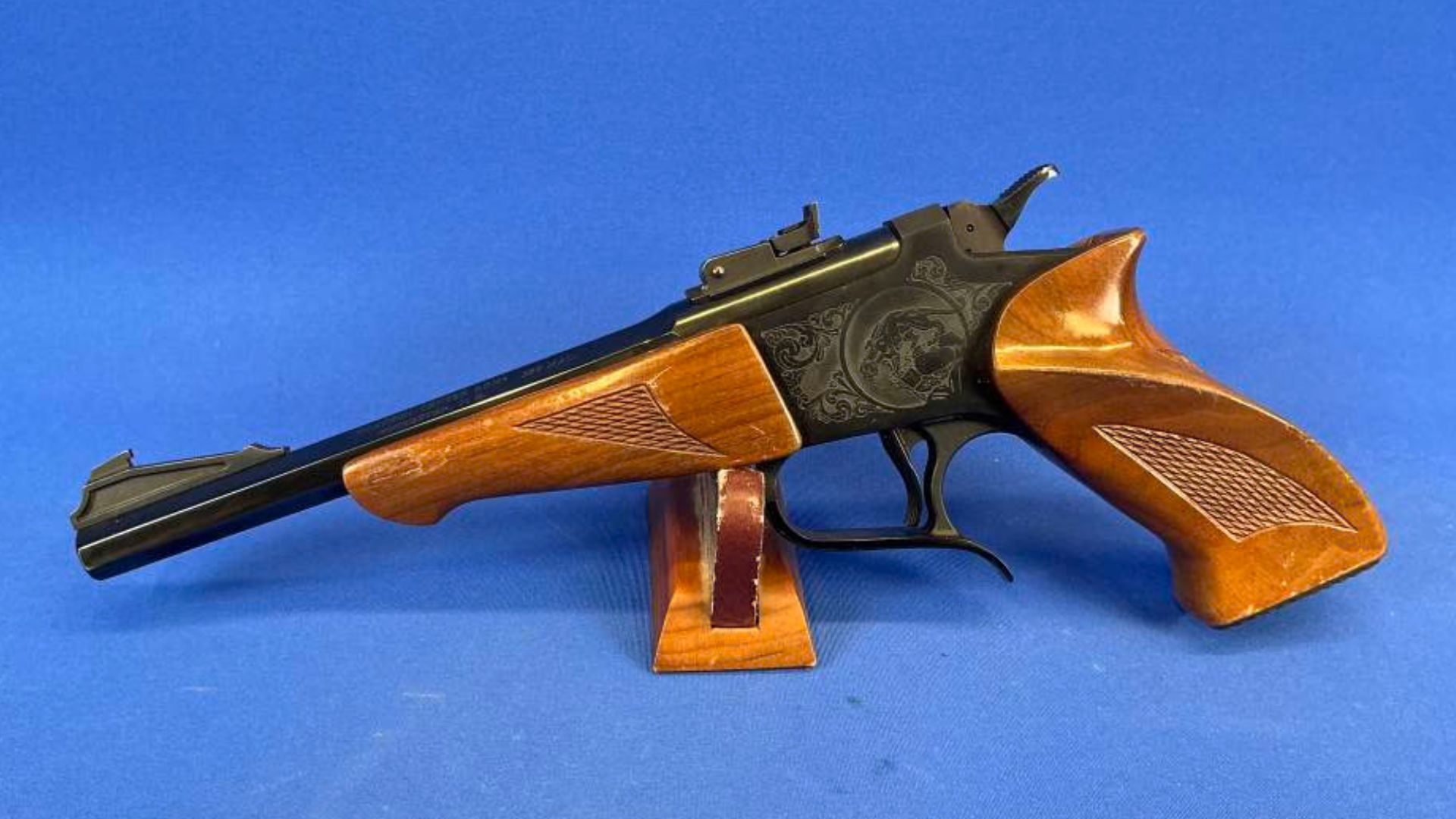
The Thompson/Center Contender aged better than the trend of buying a different firearm for every niche. It gave shooters a single-shot platform that could become a handgun, carbine, hunting rig, or range toy with a barrel swap. That kind of flexibility still feels smart.
It is not fast, and it is not for careless shooters. But it rewards people who enjoy precision, handloading, and oddball chamberings. The Contender survived because it gives serious tinkerers something most modern guns do not: real modularity without feeling disposable.
Benelli R1

The Benelli R1 never became the default semi-auto hunting rifle, but it aged better than a lot of attempts to make hunting rifles feel tactical or cheap. It brought Benelli’s smooth semi-auto thinking into a centerfire rifle that still feels different from the usual bolt-gun crowd.
It is not inexpensive, and it is not as common as more traditional hunting rifles. But for hunters who want fast follow-up shots with a refined feel, the R1 still has appeal. It aged well because it did not chase every trend. It stayed in its own lane.
Walther P99

The Walther P99 aged better than many striker-fired pistols that tried to copy the same basic formula. It had real personality: interchangeable backstraps before that was normal, a unique trigger system, good ergonomics, and a look that still stands apart.
It never replaced Glock, but it did not need to. The P99 gave shooters a different approach that actually worked. Some pistols age badly because they feel like half-hearted copies. The P99 aged well because it felt original, useful, and ahead of its time without begging for attention.
Like The Avid Outdoorsman’s content? Subscribe to our newsletter so you never miss an article.
Here’s more from us:


