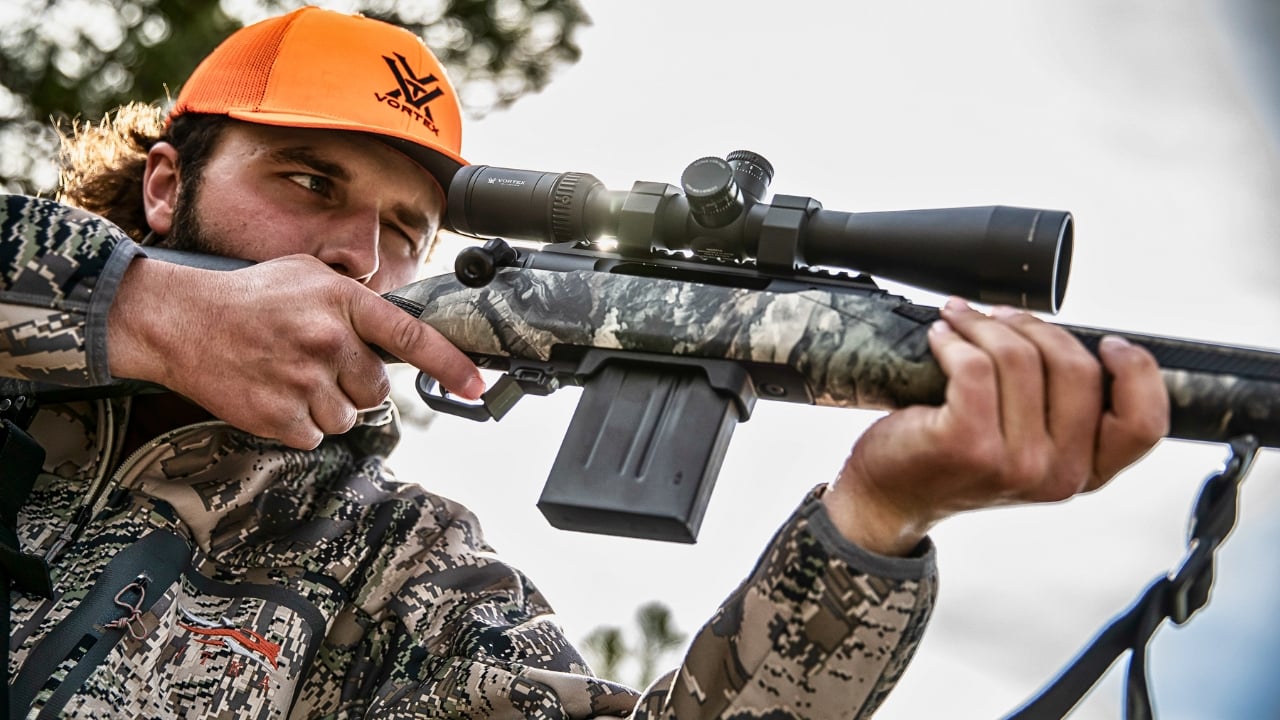
Photo credit: Savage Arms
There’s a breed of cartridge that gets praised at the gun counter, bragged on in camp, and tossed in the truck like it can do no wrong. They look good on paper. Flat trajectory, decent speed, maybe a big reputation behind them. But when you stretch them out in the field, especially on real game under real pressure, that’s when you learn the hard way—some of those rounds don’t perform like folks want to believe. They may group tight off bags, but give you a narrow window or an off-angle shot, and things fall apart fast. Some hit like a hammer but drop like a brick past 150. Others fly fast but punch like a pellet. If you’ve hunted long enough, you’ve probably missed with one of these yourself. I know I have. Here are the cartridges that get the hype but leave you shaking your head when the shot doesn’t land.
.243 Winchester
The .243 has probably introduced more young hunters to deer than any other round. It’s soft on the shoulder, flat enough inside 200, and puts meat on the ground—when everything goes right. But once you stretch it past 250 or try to punch through bone, that light bullet starts to show its limits. You’ve got to be precise.
Plenty of deer have run off wounded because someone trusted a 95-grain pill to do the job of a 150-grain hammer. It’s not that the .243 can’t kill. It can. But if your shot angle is less than ideal or your adrenaline’s kicking, it’s not forgiving. Miss a few times, and you start wondering if that recoil was worth the trade-off.
.270 Winchester
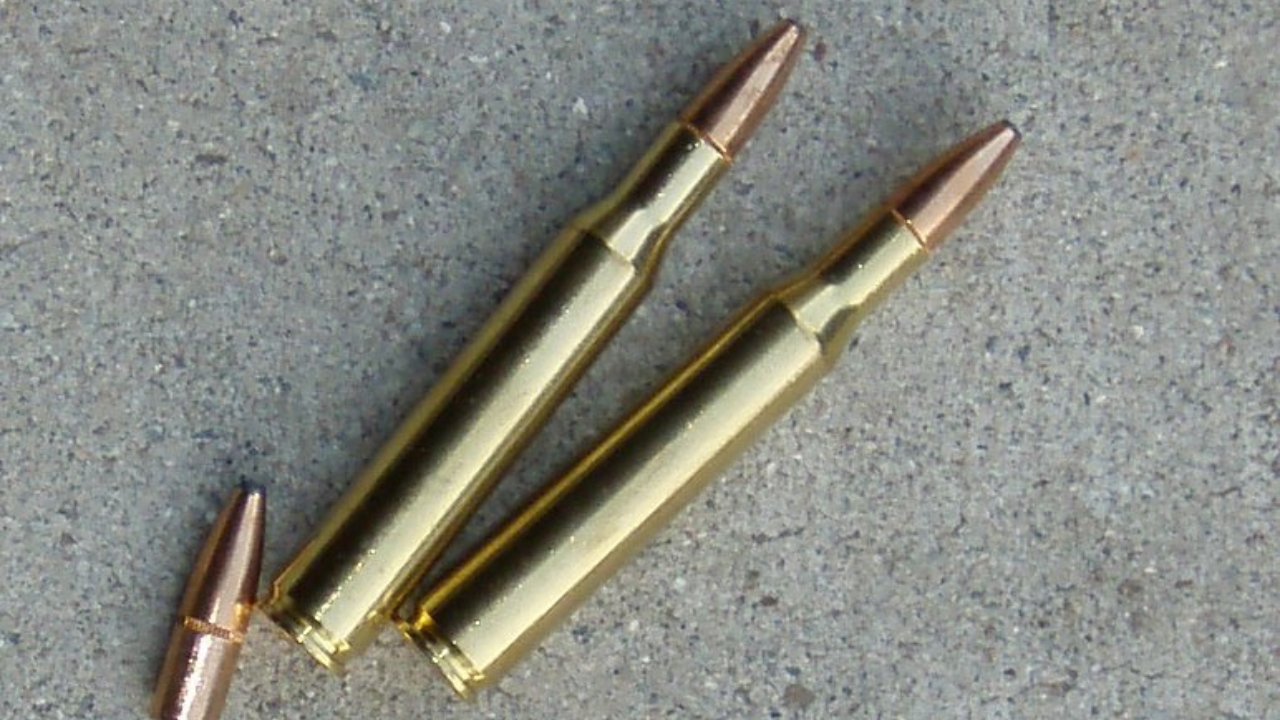
Ask a certain generation and they’ll swear the .270 is all you need for deer, elk, and probably Cape buffalo if the wind’s right. But truth be told, it’s always been a bit overrated at longer distances. It bucks wind poorly and loses energy fast past 300 yards. You wouldn’t know that listening to Uncle Bob talk it up around the fire.
The problem comes when someone takes that gospel and sends a 130-grain bullet at a broadside elk from 400 yards. Sure, it might work—but it might not. The .270 has fooled a lot of hunters into thinking they had more cartridge than they did, and more than a few missed follow-ups or wounded animals prove it.
7mm-08 Remington
This one rides a fine line. It looks good on paper and makes a lot of sense for moderate recoil and solid ballistics. But field use has a way of exposing its flaws. The 140-grain pills can be decent, but when the adrenaline’s high and the shot isn’t perfect, things don’t always go as planned.
The 7mm-08 has a habit of underwhelming on game bigger than deer, and even then, poor shot placement or questionable bullet choice will show its weaknesses fast. It’s not that it’s bad—it’s that too many folks trust it like it’s more than it is. When the moment counts, sometimes it leaves you wishing you’d brought something heavier.
.300 Blackout

In theory, a suppressed .300 Blackout is a deer hunter’s dream—low recoil, quiet, fast enough for close work. But in the field, especially beyond 100 yards, it’s a different story. Subsonic loads lack energy. Supersonics fly better but still fall short compared to traditional hunting rounds.
It’s been treated like a wonder cartridge by folks chasing hogs in the brush or whitetails in tight cover, but when the shot stretches out or the angle gets tricky, you find yourself watching wounded game disappear. The .300 Blackout works—sometimes. But it’s a cartridge you need to know intimately, or it’ll let you down when it matters.
.30-30 Winchester
I love a lever gun as much as the next guy, but the .30-30 gets too much blind loyalty. Inside 100 yards with a good soft point, it does fine. But walk out past that, especially with old school flat-nose loads, and you’re holding a rainbow. That bullet arc can ruin your day if you misjudge range by even 25 yards.
Plenty of deer have been lost because someone thought “it’s only 150 yards.” But the .30-30 drops fast and sheds energy quicker than folks expect. In thick timber where shots are close, it’s still a player. But if your hunting ever involves open country, you’d better know that drop or bring something else.
.22-250 Remington

Speed can be a trap. The .22-250 flies flat and hits varmints like a lightning bolt, which leads some folks to press it into deer duty. And while it can work with perfect shot placement and the right bullet, it leaves no room for error. I’ve seen too many deer run off after a shoulder hit that should’ve dropped them.
The trouble is energy and bullet weight. That fast-moving .22 caliber pill doesn’t do well when it hits bone or heavy muscle. The .22-250 might be fun for coyotes, but if you’ve ever tracked a wounded buck through thick cover after using it, you’ll think twice about pulling that trigger again.
6.5 Creedmoor
This one might raise eyebrows, but it belongs on the list. The 6.5 Creedmoor is accurate, flat, and modern enough to win over a new generation of hunters. But that doesn’t make it foolproof. The bullets are long and sleek, but not all of them are great on impact, especially on tough game like elk or iffy angles on deer.
Plenty of folks miss because they’re overconfident. They figure if it shoots one-hole groups on paper, it must drop deer like a hammer at 400 yards. Problem is, it doesn’t always. Hunters who rely on the Creedmoor’s reputation instead of practicing real field shots often find themselves watching game run off while they try to figure out what went wrong.
Like The Avid Outdoorsman’s content? Be sure to follow us.
Here’s more from us:
The worst deer rifles money can buy
Sidearms That Belong in the Safe — Not Your Belt
*This article was developed with AI-powered tools and has been carefully reviewed by our editors.