Photo credit: Canadian Classics/YouTube
Some guns never stop being good. They stop being trendy. The industry moves on, the internet finds a new darling, and the classics slide into the background like an old pickup that still starts every morning. That doesn’t make them outdated. It means they’ve already proven what matters: they work, they shoot, and they hold up when you use them the way people actually use guns.
If you’ve been around shooters long enough, you’ve seen the cycle. A “new standard” shows up, everybody talks like the old models are finished, and then a few years later you’re at a range or a deer camp watching someone quietly run a “forgotten” gun with calm confidence. These are the firearms that keep earning their place—whether anyone’s making videos about them or not.
Remington Arms 870 Wingmaster

The 870 Wingmaster stays classic because it does the boring things right. The action runs smooth, the gun balances well, and it points like it belongs in your hands instead of fighting you. It also takes real use—dust, rain, truck racks, and a lot of shells—without turning finicky. That’s why you still see old Wingmasters that have been around longer than some shooters.
What gets forgotten is how well a good pump can fit into modern defensive thinking. You can keep it loaded with a proven buckshot load, run it with a light, and still have a gun that cycles with authority as long as you do your part. It’s also easy to verify status, easy to unload safely, and easy to keep running with basic maintenance.
Winchester Repeating Arms Model 70
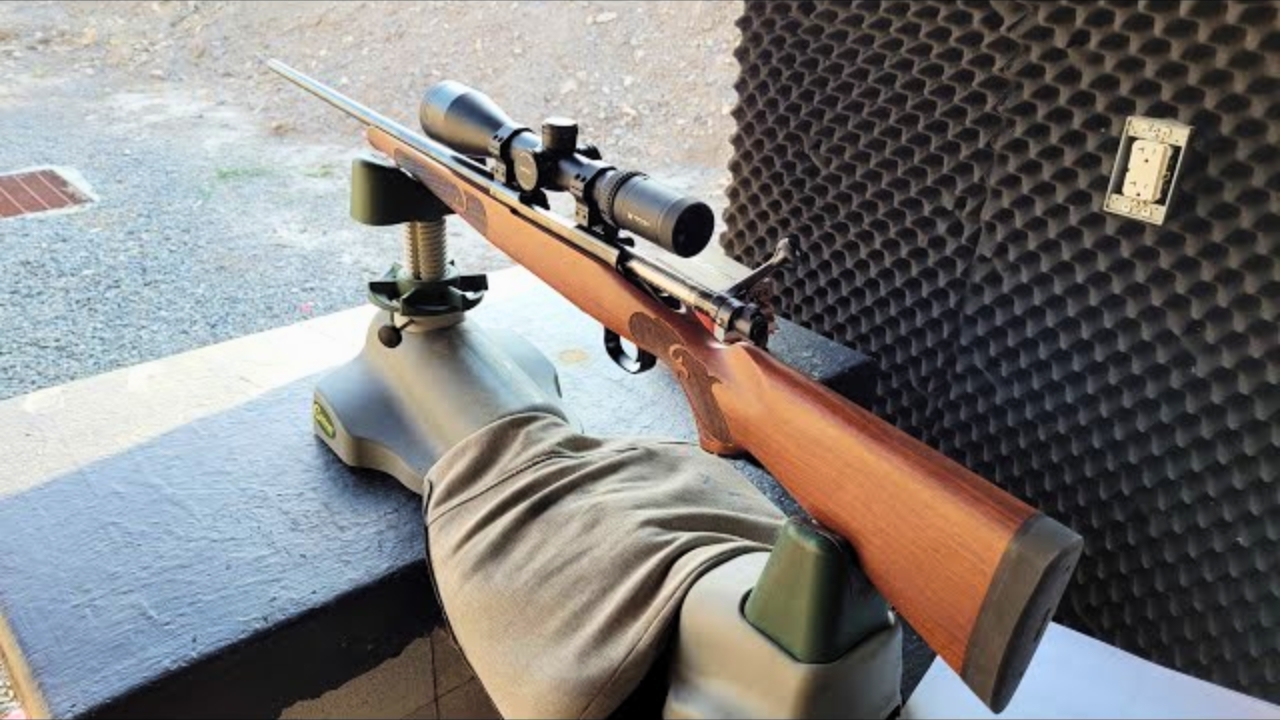
The Model 70 is a classic because it gives you a bolt rifle that feels “right” when you shoulder it. The safety is where your thumb expects it, the action feels solid, and the gun tends to settle into position without drama. Even in a world full of chassis rifles and long-range marketing, the Model 70 keeps showing up in the places that count: deer camps, elk mountains, and old family gun cabinets.
The part people forget is how many shooters do better with a rifle that isn’t trying to be clever. A well-set-up Model 70 with a sensible scope and a good sling carries well and shoots predictably. When you’re cold, tired, and breathing hard, that predictable handling matters more than features you never touch.
Sturm, Ruger & Co. 10/22 Carbine

The Ruger 10/22 gets dismissed as “everybody’s first .22,” and that’s exactly why it’s a classic. It teaches you fundamentals without beating you up, it runs well with decent ammo, and it’s endlessly useful. You can use it for training, small game, pest work, or an afternoon of cheap trigger time when centerfire prices get painful.
What gets overlooked is how well the 10/22 holds up over decades. The platform has been refined by sheer volume and experience, and the gun is easy to keep fed, easy to maintain, and easy to shoot accurately with modest effort. You can keep one set up plain with iron sights, or you can add a low-power optic and have a rifle that makes you better every time you shoot it.
Marlin Firearms Model 39A
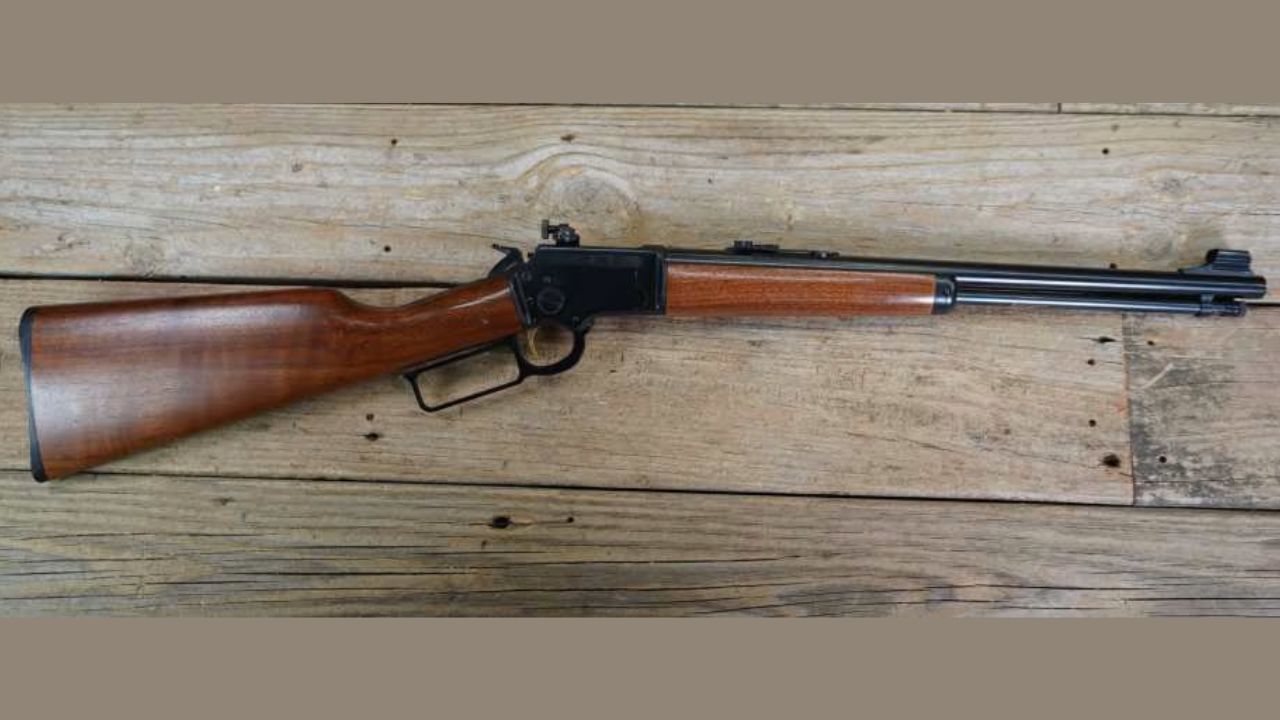
The Marlin 39A is a classic because it feels like a real rifle, not a toy, even though it’s a rimfire. The weight and balance are steady, the lever throw is smooth when the gun is in good shape, and the accuracy is good enough to make you picky about your own shooting. It’s the kind of .22 you hand to someone and watch them immediately start smiling.
The 39A also built its reputation the old way: years of squirrel woods, barn chores, and casual range days. You can run shorts, longs, or long rifle in many examples, and the gun tends to keep going when it’s cared for. When people talk about “heirloom” .22s, this is the model they’re describing, even if they don’t say it out loud.
Savage Arms Model 99

The Savage 99 stays a classic because it was ahead of its time in the ways that matter in the field. It carries slim, it shoulders fast, and it gives you lever-gun handling with cartridges that belong in deer and elk country. The rotary magazine design also lets you run pointed bullets in a lever rifle, which is a real advantage, not a trivia fact.
What gets forgotten is how “modern” the 99 feels when you actually hunt with it. It comes up quick in tight timber, it rides well in your hands all day, and it gives you repeat shots without turning into a heavy burden. A good 99 also has a clean, usable trigger for hunting work. When you want a rifle that feels lively but still hits with authority, the 99 still earns its name.
Browning Arms Company Auto-5

The Browning Auto-5 remains a classic because it proved the semi-auto shotgun concept long before modern gas guns took over the conversation. The humpback receiver is iconic, but the real story is function: these guns have been used hard for generations, and many of them are still taking birds today. When a design stays relevant that long, it’s doing something right.
What people forget is how well an Auto-5 can still fit real hunting. It swings smoothly, carries well, and has a feel that’s hard to copy. Yes, it’s a different recoil system than modern shotguns, and you set it up correctly for the load, but that’s part of owning it with intention. If you want a shotgun with history that still earns birds, the Auto-5 delivers.
Ithaca Gun Company 37
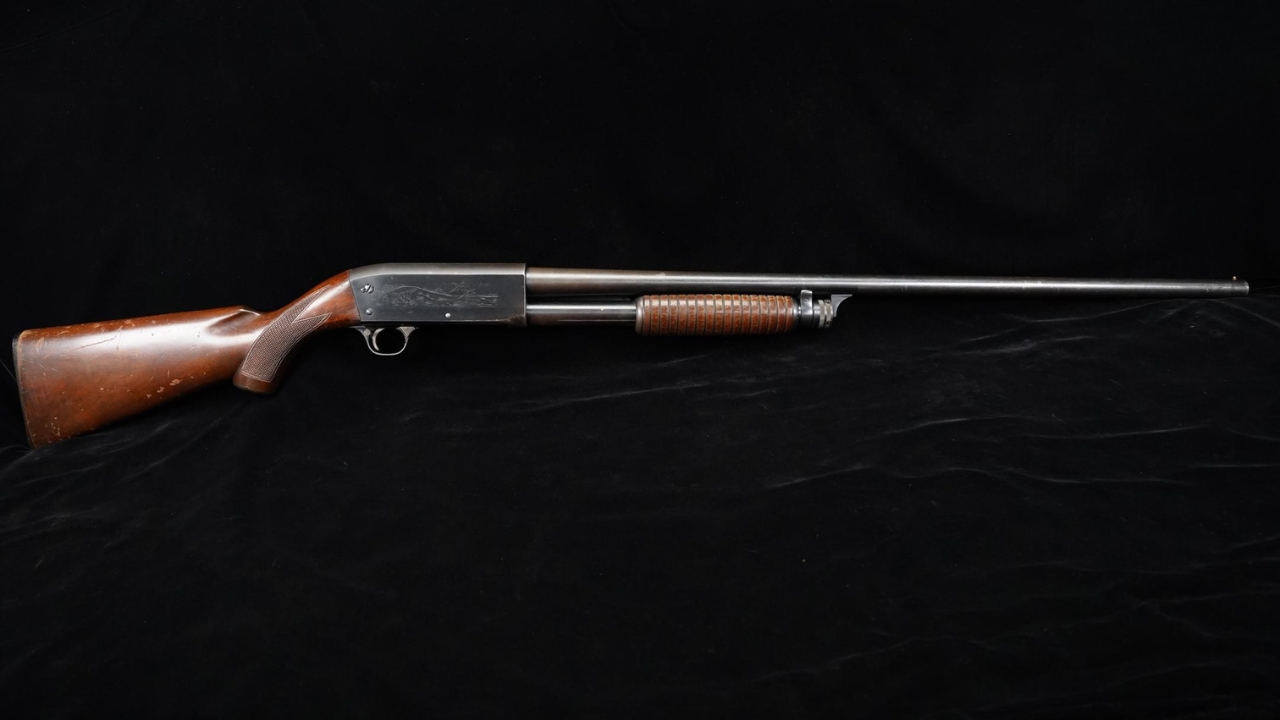
The Ithaca 37 is a classic because it runs slick and carries like it was made for long days. The bottom-eject design keeps empties out of your face, and it also keeps the action more closed off than many side-eject pumps when you’re hunting in nasty weather. That matters when you’re pushing through brush, snow, and mud and you still need the gun to cycle.
The other reason it stays relevant is handling. The 37 points naturally, and it doesn’t feel bulky in the hands. If you’ve ever carried a shotgun all day and felt your shoulders start complaining, you understand why balance matters. A good Ithaca also tends to feel smoother over time instead of rougher. It’s one of those pumps that feels alive when you run it.
Browning BLR

The Browning BLR stays a classic because it gives you lever-gun handling with a modern rotating-bolt lockup and a detachable magazine. That combination lets you run real rifle cartridges without asking the action to do gymnastics, and it gives you loading and unloading that fits the way many hunters live now—truck, cabin, fence line, and back again.
What gets forgotten is how useful that is in the real world. You get fast handling in timber, easy carry on steep ground, and cartridge options that cover deer through elk when you pick sensibly. The BLR also tends to shoot better than people expect from a lever rifle, especially with a good scope and a stable rest. When you want lever speed without giving up cartridge flexibility, the BLR keeps earning its reputation.
Remington Model 7600

The 7600 is one of those rifles that gets overlooked because it doesn’t fit a clean internet category. It’s a pump rifle, and that turns some people off before they ever shoulder one. In the woods, though, the 7600 makes a lot of sense. It carries well, shoulders fast, and lets you run quick follow-up shots without shifting your head much off the stock.
The other reason it stays a classic is practical familiarity. If you’ve spent time with pump shotguns, the manual of arms feels natural, and that can translate into speed under pressure. The detachable magazine also makes it easy to manage safely around vehicles and buildings. It’s not flashy, but it’s a real deer-camp tool that keeps working, and that’s why people who know them hang onto them.
Ruger M77 Mark II
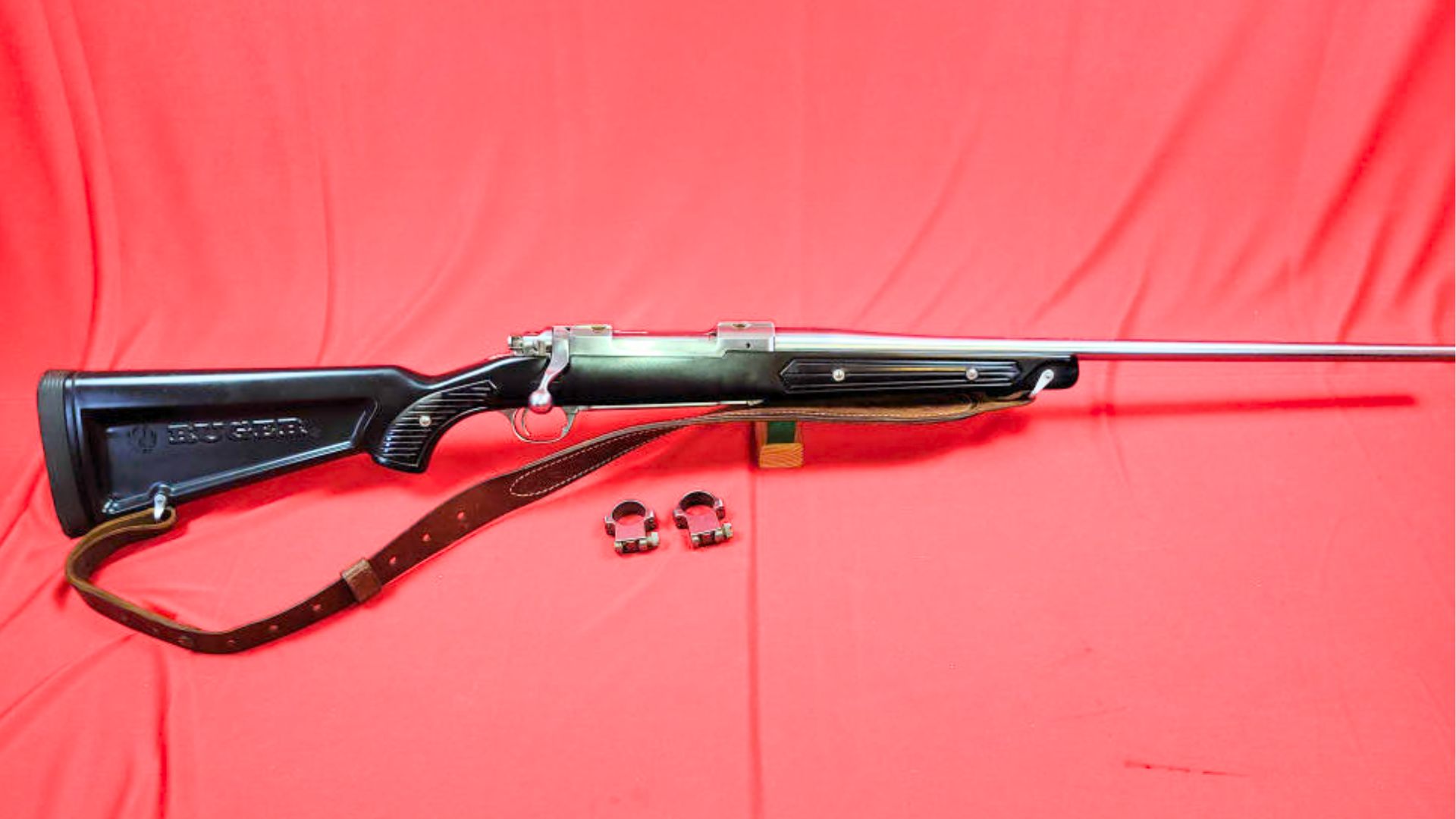
The Ruger M77 Mark II remains a classic because it’s a bolt rifle that feels built for hard hunting. The controlled-round-feed style action gives you a positive feel when you run it, and the gun has a reputation for taking knocks without falling apart. It’s the kind of rifle you don’t baby, which is how a hunting rifle should live.
What gets forgotten is how confidence changes your shooting. When you trust your rifle, you stop fussing and start focusing on wind, position, and a clean trigger press. The M77 Mark II also tends to carry well with a sling, and it balances in a way that doesn’t feel nose-heavy on long hikes. Set one up with a reliable scope and a sensible load, and you’ve got a rifle that still makes a lot of modern options feel unnecessary.
Colt’s Manufacturing Company Woodsman

The Colt Woodsman is a classic .22 pistol that people forget until they shoot one. The grip angle and balance feel natural, the trigger can be very good, and the gun has the kind of mechanical smoothness that’s harder to find now. It was built in an era when a .22 pistol was expected to be a serious shooter, not a bargain-bin accessory.
What keeps it relevant is what it does to your fundamentals. A Woodsman rewards clean sight alignment and good trigger control, and it makes you want to shoot well instead of rushing. It’s also a pistol that can turn a casual range day into real practice without you feeling beat up. If you want an older rimfire pistol that still feels like a quality instrument, the Woodsman earns the title.
Beretta 84 Cheetah

The Beretta 84 Cheetah stays a classic because it’s one of the easiest “real” carry pistols to shoot well. The grip fits a lot of hands, the weight helps tame recoil, and the gun points naturally when you drive it to the target. It also gives you a traditional double-action first shot with a smooth single-action follow-up when you practice with it.
What gets forgotten is how much shootability matters in defensive pistols. A gun that feels comfortable encourages practice, and practice is where confidence comes from. The Cheetah also has a reputation for reliability with quality ammo and magazines, and the ergonomics help you keep the sights where they belong during fast strings. It’s not the newest design, but it still performs like a serious carry pistol for people who value controllability.
Česká zbrojovka CZ 75B

The CZ 75B remains a classic because it combines a natural grip shape with a pistol that tracks flat when you shoot it fast. The weight and slide-in-frame feel help keep the gun stable, and the trigger can be very workable with use and proper setup. It’s one of those pistols that makes many shooters look better than they expected.
The other reason it stays relevant is durability and practical accuracy. The CZ 75 pattern has been used and copied widely for a reason: it tends to run, it tends to shoot, and it tends to fit. The 75B also gives you options—cocked-and-locked carry for those who train that way, or DA/SA for those who prefer a first-shot double-action. It’s a classic that still feels current once you put rounds through it.
SIG Sauer P226
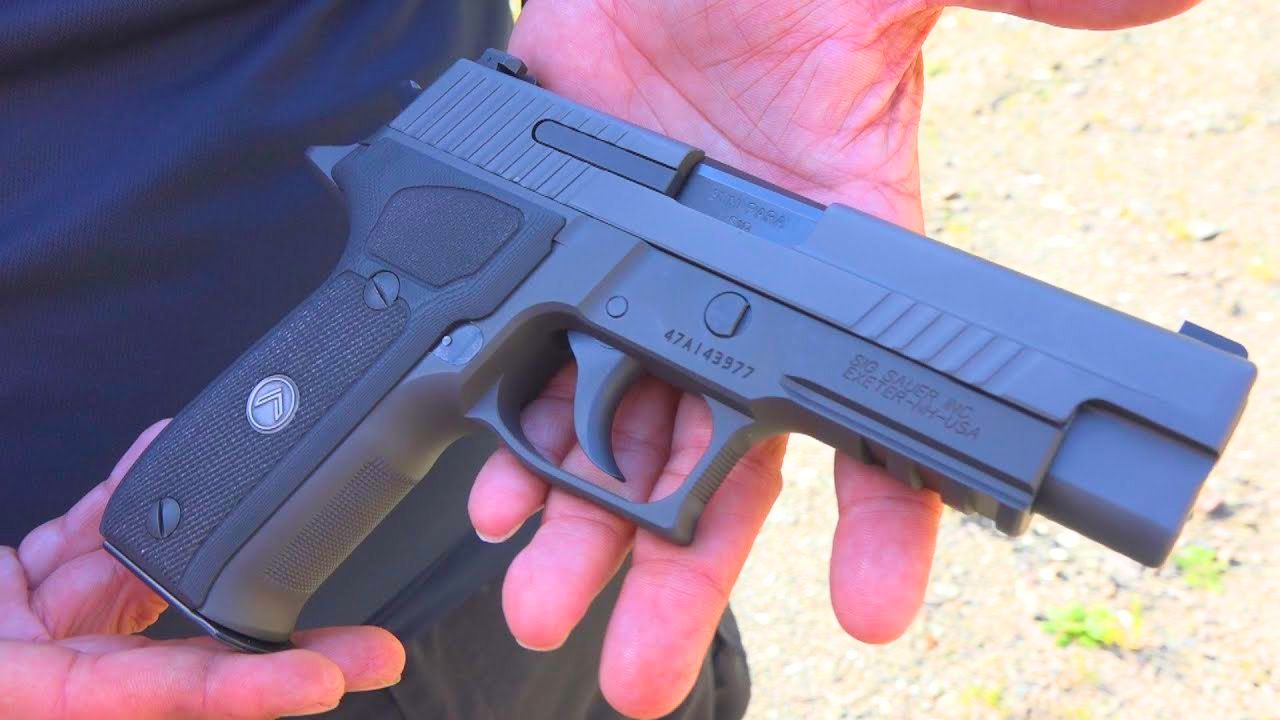
The SIG P226 remains a classic because it was built around duty use and it still behaves that way. The gun has a steady, predictable recoil impulse, a grip that supports fast shooting, and controls that feel placed by someone who carried a pistol for a living. When you run it hard, it tends to stay composed, and that shows up on target.
What gets forgotten is how much a full-size pistol can improve your shooting. The P226 gives you sight radius, weight, and a trigger system that rewards repetition. It’s also a platform that has proven itself with serious users over decades, which matters when you’re choosing a pistol for defense. The P226 isn’t trendy in every corner of the internet, but it’s still a benchmark for how a fighting handgun should handle.
Heckler & Koch P7

The HK P7 is a classic that gets forgotten because it doesn’t fit modern fashion, and because it’s its own thing. The squeeze-cocker system feels strange until it clicks, and then it feels fast and secure in a way that’s hard to explain without shooting it. The gun also has a low bore axis and a reputation for excellent practical accuracy.
What you learn quickly is that the P7 rewards discipline. It carries flat, points naturally, and the trigger press can be very clean once the gun is in battery. The tradeoffs are real—heat buildup during long strings and a manual of arms you need to commit to. Still, for a shooter who appreciates precision and control in a compact defensive pistol, the P7 remains a standout, even if most people stopped talking about it years ago.
Smith & Wesson Model 1006
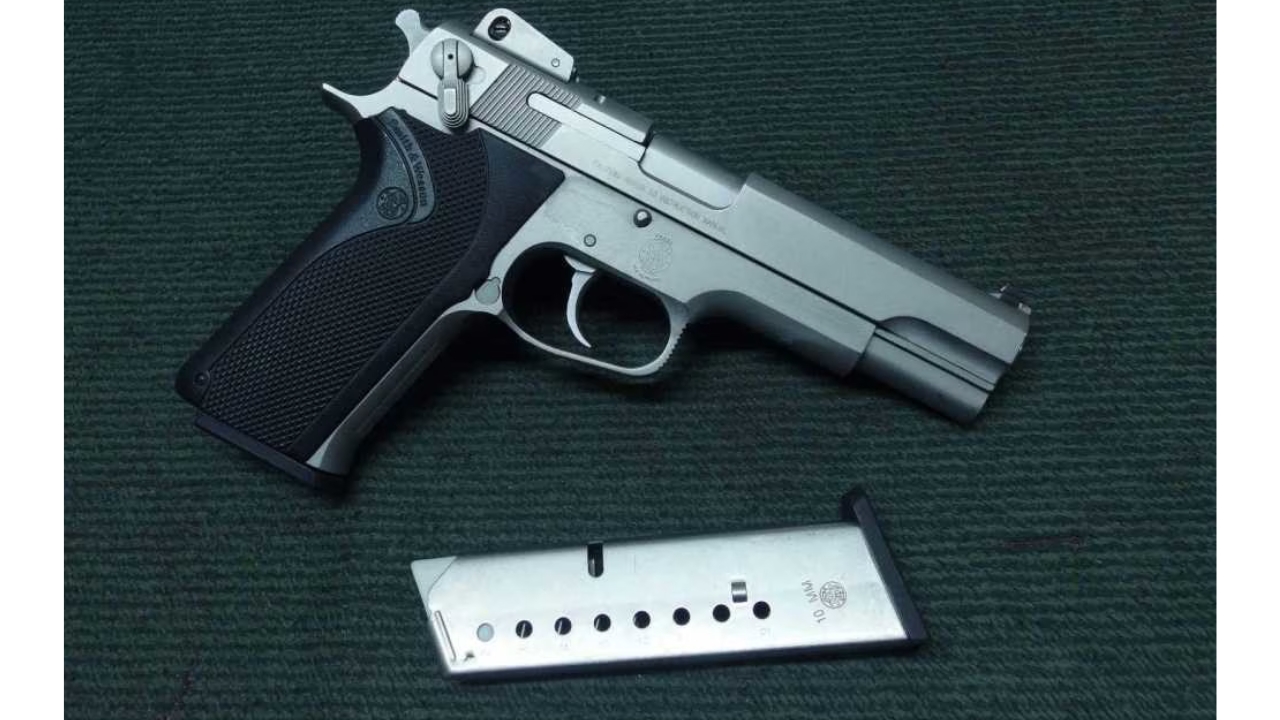
The Smith & Wesson 1006 is a classic that people forget because it’s heavy, old-school, and unapologetically built like a duty tool. In 10mm, that weight becomes an advantage. The gun absorbs recoil better than lighter pistols, and it stays steady enough that you can run it with control if you do your part. It’s not trying to feel small. It’s trying to run.
What keeps it relevant is ruggedness and shootability with real loads. The 1006 era was about service pistols built to last, and many examples still feel tight and dependable decades later. If you want a full-size pistol that handles 10mm with less drama than most, the 1006 has earned that reputation the hard way—through rounds downrange and years on the clock.
Browning BPS
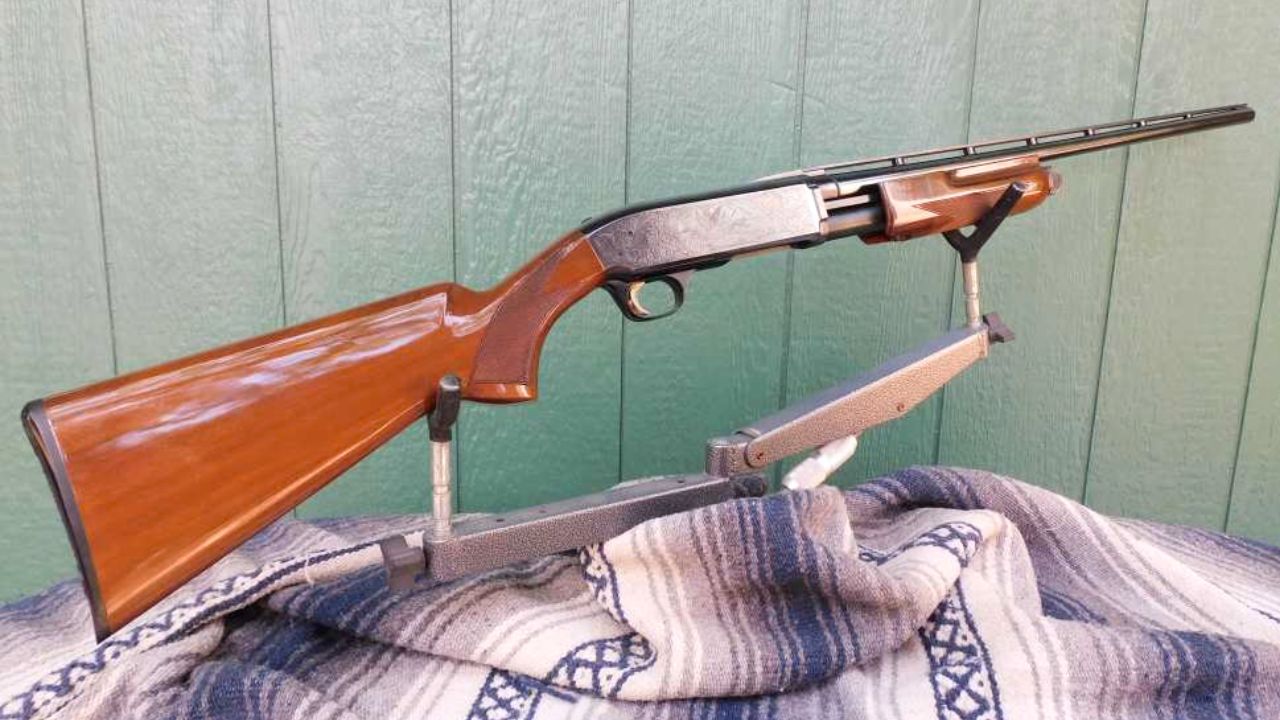
The Browning BPS remains a classic because it’s a pump shotgun designed for real hunting conditions. The bottom-eject, bottom-load setup keeps the action more closed off, and it throws empties straight down instead of sideways. In nasty weather or thick cover, that matters. It also makes the gun friendly for left-handed shooters without special parts.
What gets forgotten is how good the BPS feels when you’re actually carrying it. Many examples balance well, swing smoothly, and cycle with a steady, controlled stroke. It’s also a gun that tends to stay quiet in the hands—no rattling, no loose feel—when it’s been cared for. If you want a pump that feels refined without being delicate, the BPS is one of those classics that keeps doing work while everyone chases the newest thing.
Like The Avid Outdoorsman’s content? Subscribe to our newsletter so you never miss an article.
Here’s more from us: