Photo credit: Justin Kral/Shutterstock.com
Some rifles have a way of earning reputations they haven’t earned. People hype them up in forums, swear by them at the gun counter, and talk them up before ever taking them to the range. Then reality hits. Accuracy doesn’t hold, reliability’s hit or miss, and sometimes the “feel” everyone raves about feels wrong in the real world. These are the rifles that sound good on paper—but a lot of shooters change their tune after they actually put rounds downrange.
Browning X-Bolt Speed
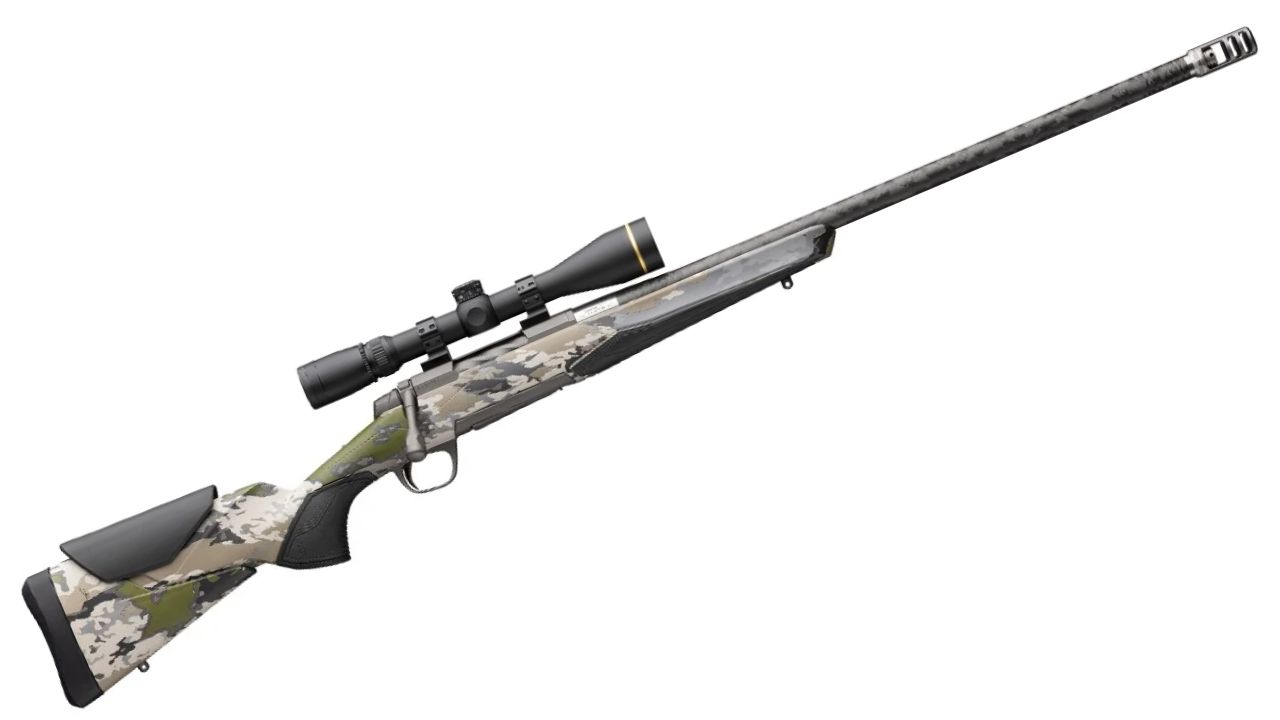
The X-Bolt Speed gets praised for its light weight and Cerakote finish, but you’ll notice the flaws once you shoot it hard. The trigger’s decent, but the stock has some noticeable flex, especially under bipod pressure. The recoil impulse is sharper than you’d expect from something marketed as a “premium mountain rifle,” and not everyone gets the sub-MOA groups they were promised. It looks great online but can leave folks disappointed at the bench.
Remington 770

A lot of first-time buyers pick up the 770 thinking it’s a budget version of the 700. It’s not. The bolt feels gritty, the plastic stock is hollow and creaks under pressure, and the trigger isn’t confidence-inspiring. It may group okay at 100 yards on a calm day, but once you stretch it or shoot in real hunting conditions, the limitations start showing. Plenty of folks learn the hard way and move on fast.
Savage Axis II XP

Savage rifles can shoot, but the Axis II XP kit isn’t always a win. Out of the box, the included scope is usually the weak point. It doesn’t hold zero well, and the eye relief can be awkward. The rifle itself is serviceable, but the flimsy stock, inconsistent accuracy with heavier loads, and subpar factory mounting setup make it more frustrating than fun for many shooters expecting a turn-key setup.
Winchester XPR

Winchester’s XPR has solid branding behind it, but once you handle one, it’s not quite what people expect. The action isn’t as smooth as competitors in the same price range, and the trigger can feel spongy. It’s accurate enough for casual hunting, but consistency between models varies. A lot of buyers end up upgrading sooner than they planned after a few frustrating range trips and a couple seasons in the field.
Ruger American Ranch

The American Ranch gets attention because of its compact size and threaded barrel, especially in calibers like 7.62×39. But accuracy can be hit or miss depending on ammo, and the magazine system—particularly with the mini-30 mags—is known to have feeding issues. The short barrel and lightweight frame make recoil more noticeable, and some shooters find the ergonomics awkward during extended sessions. It’s not bad, but it’s not the “do-it-all” many hoped for.
Mossberg Patriot
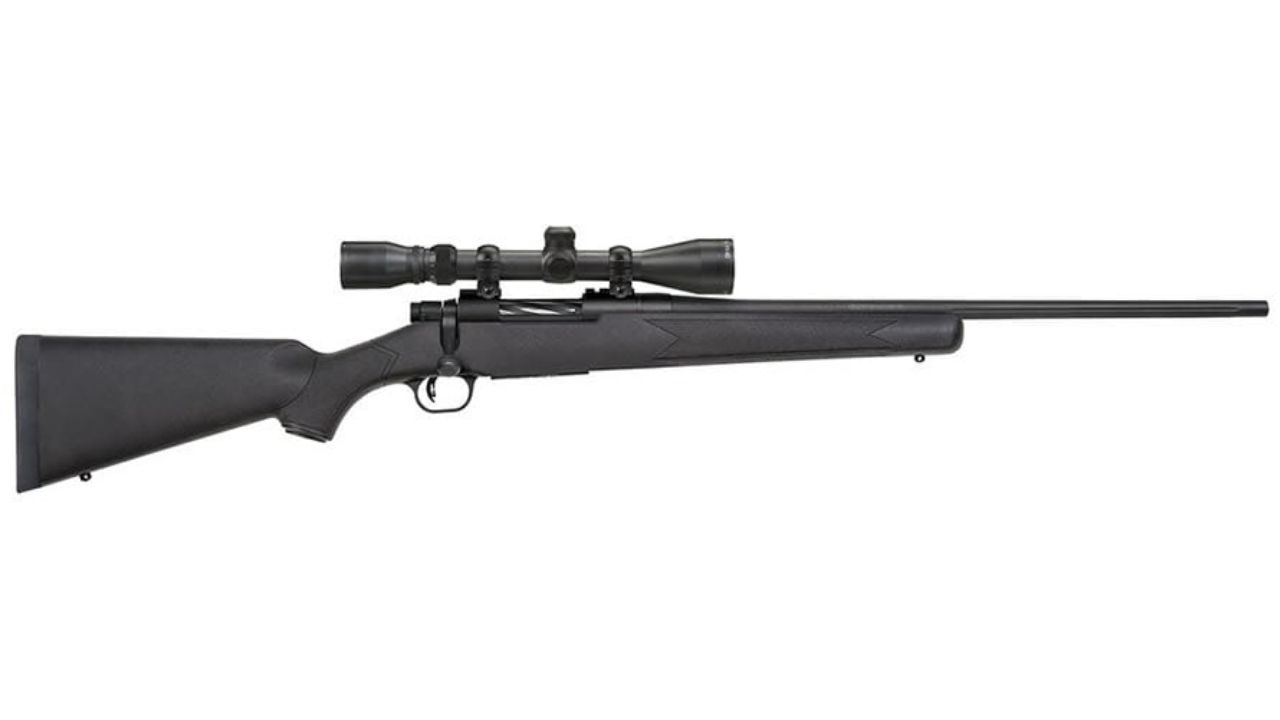
The Patriot looks good for the price, and on paper, it checks a lot of boxes. But once you get behind it, the mushy trigger and inconsistent accuracy—especially with factory hunting loads—start to show. The synthetic stock has noticeable flex, and quality control isn’t always great. Many folks end up replacing or trading theirs after realizing the Patriot performs best only under ideal, controlled conditions.
Remington 783

This one gets compared to the Savage Axis a lot, but doesn’t always hold its own. The bolt throw is rough, the stock feels cheap, and the trigger takes work to tune just right. Accuracy out of the box varies between calibers, and it doesn’t handle aftermarket upgrades well. You may hear it praised as a solid budget rifle, but plenty of folks regret not spending a bit more for something better built.
Thompson/Center Compass

The Compass was supposed to be T/C’s entry into the budget bolt market, but it never really lived up to expectations. The rifle feels unbalanced, the bolt can be sloppy, and the rotary magazine system causes more feeding issues than it solves. Some shooters get decent groups, but many complain about wandering zero and factory stock issues. It sounds like a deal, but you’ll often find them on used racks for a reason.
Diamondback DB10
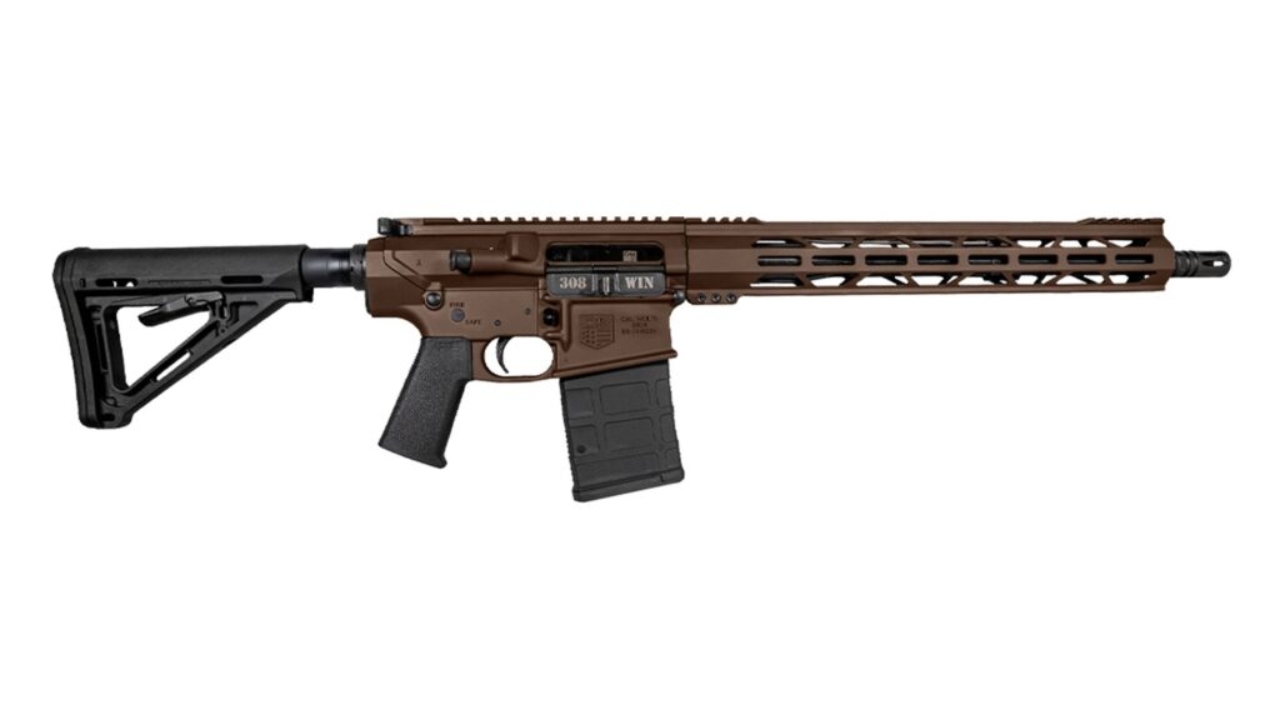
The DB10 gets attention for being one of the more affordable AR-10 platforms, but that price comes with trade-offs. Fit and finish are hit or miss, accuracy is heavily ammo-dependent, and the trigger feels like an afterthought. It can function fine at first, but under sustained fire or rougher conditions, reliability issues crop up. Many buyers jump at the price tag, then start shopping for upgrades—or replacements—pretty fast.
Century Arms C308
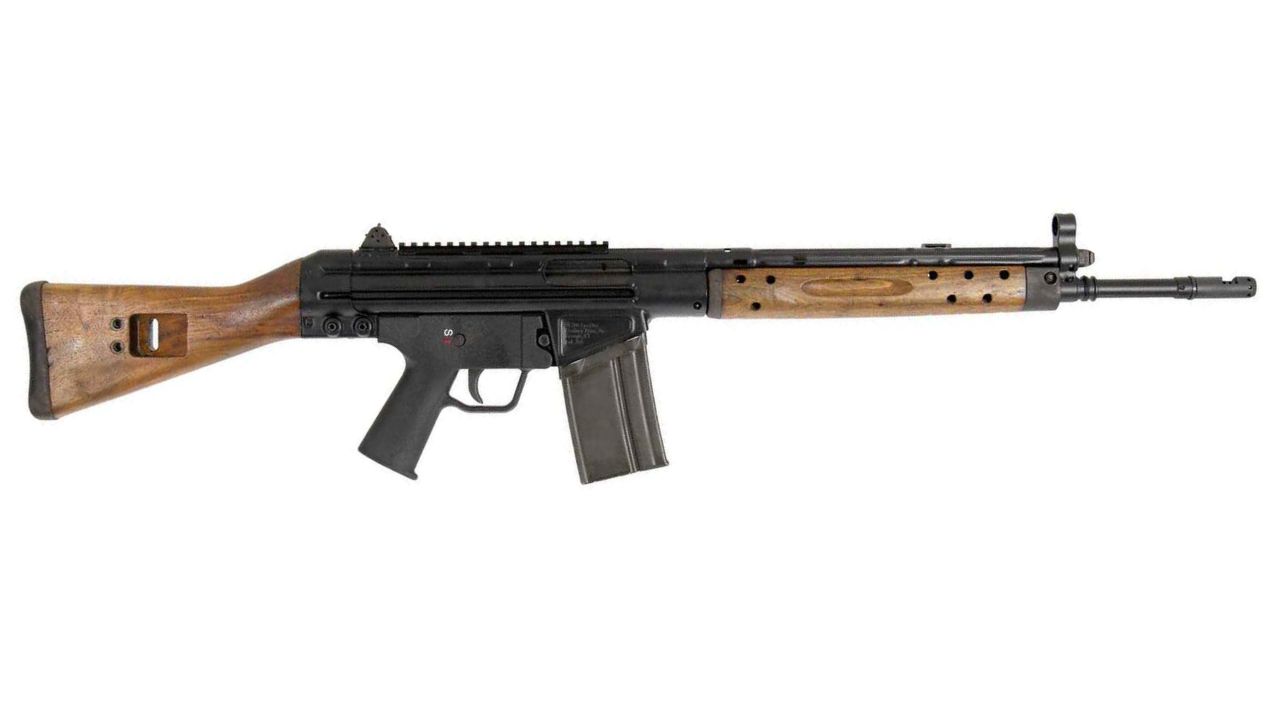
This G3 clone sells well for those chasing the battle rifle look without breaking the bank. But the heavy recoil, stiff charging handle, and inconsistent accuracy make it a chore for range time. Surplus parts can be unreliable, and iron sights are rough to zero. You’ll hear folks talk it up for its looks and nostalgia, but many end up regretting it once they actually spend a few hours behind it.
Marlin Model 60

It’s been around forever, and some shooters swear by it out of nostalgia, but the Model 60 can be finicky. The tubular magazine can be a pain to load and clean, and reliability suffers if it’s not kept spotless. Accuracy is decent with the right ammo, but bulk rimfire can cause feeding and jamming issues. A lot of folks outgrow it fast once they try a more modern .22 setup.
PSA PA-10

Palmetto State Armory makes a lot of budget-friendly rifles, and the PA-10 in particular has drawn interest from hunters and casual shooters. But it’s not always plug-and-play. Tolerance stacking can lead to cycling issues, especially with different types of ammo. Triggers are often gritty, and barrel quality can vary. Some rifles shoot well, but others leave owners scratching their heads, tweaking parts, or reaching for something with tighter specs.
*This article was developed with AI-powered tools and has been carefully reviewed by our editors.