Photo credit: Beretta/YouTube
Some guns seem like a good idea at the counter. The price looks right, the name sounds familiar, the concept feels useful, or the gun fills a hole you think you have. Then you own it for a while and realize the excitement did not survive actual range time.
That is usually when the regret starts. Not every gun here is worthless, and some owners will defend them hard. But for a lot of buyers, these are the firearms they eventually wish they had skipped and replaced with something simpler, smoother, or easier to trust.
Remington 770
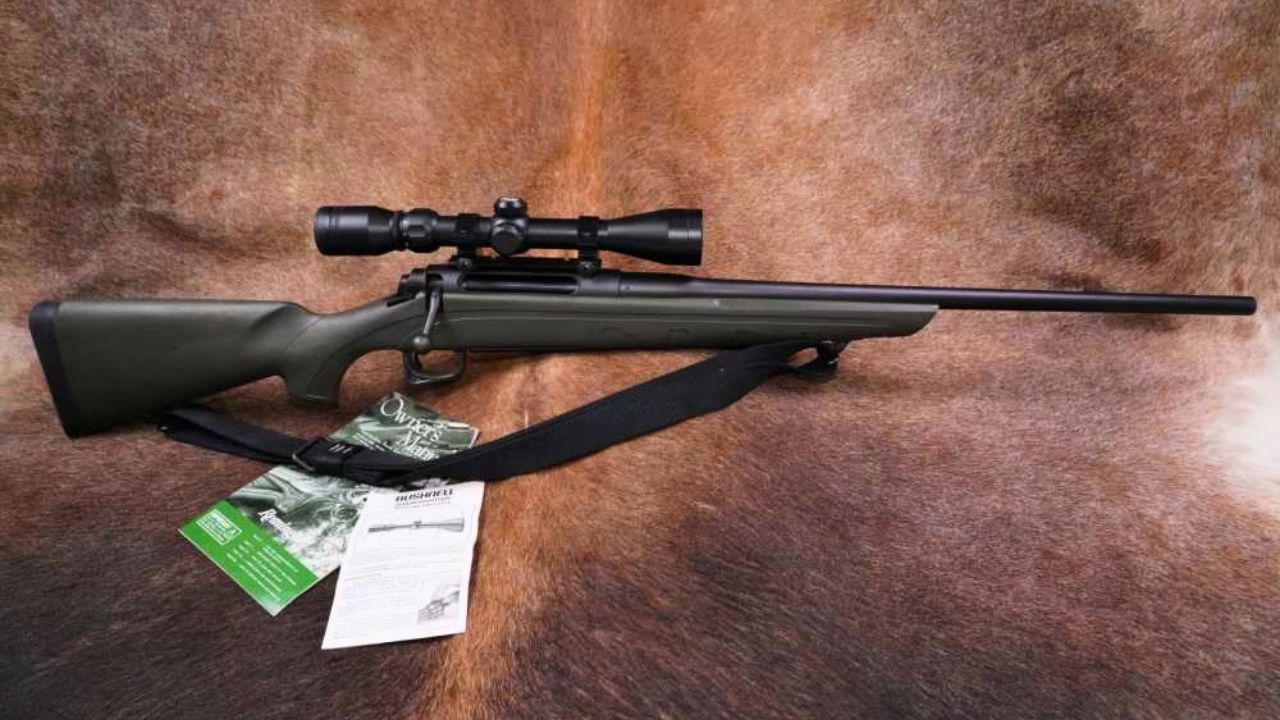
The Remington 770 looked like an easy answer for someone who needed a deer rifle on a budget. It came as a package, wore a familiar name, and seemed good enough for a few weekends in the woods.
Then owners started living with the rough bolt, cheap-feeling stock, and basic package scope. It could kill deer, but it rarely made people feel like they bought a rifle worth keeping. A budget gun can be honest and useful. The 770 often felt like a shortcut that reminded owners where every dollar got saved.
SIG Sauer Mosquito
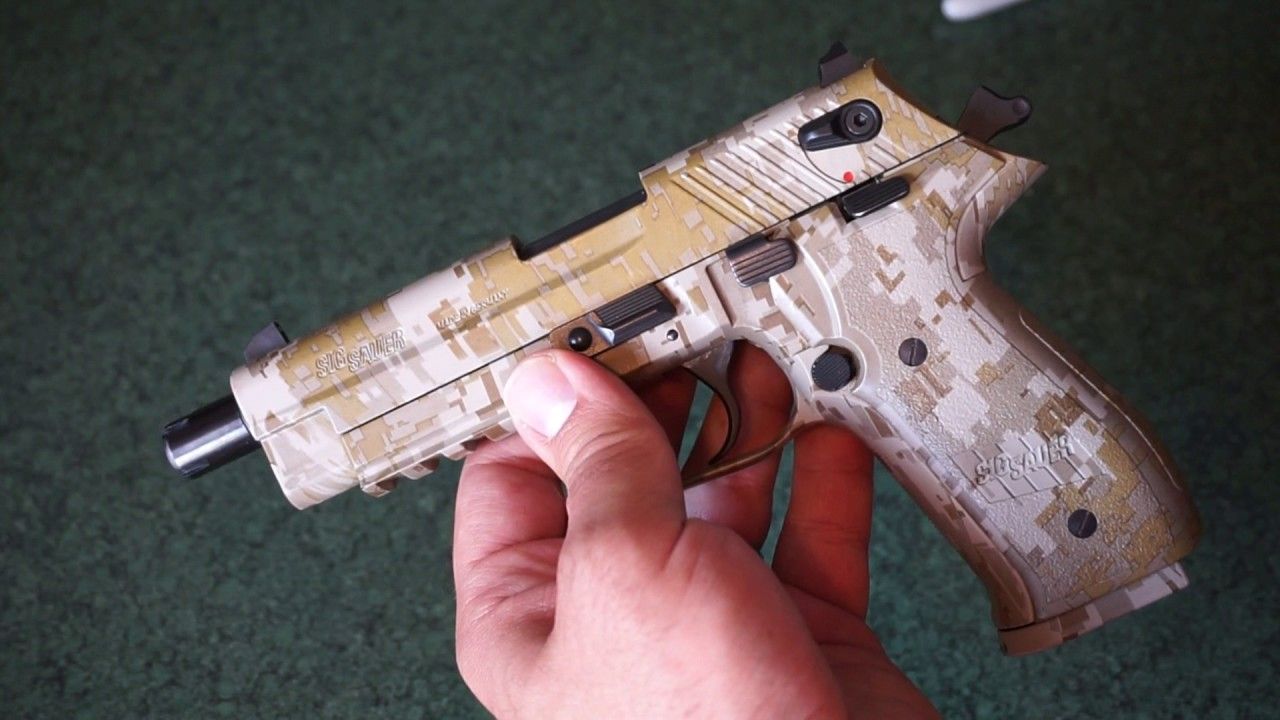
The SIG Mosquito had the kind of name that made buyers expect a fun little rimfire trainer. A .22 pistol with SIG branding sounded like cheap practice without giving up that familiar centerfire-pistol feel.
For too many owners, it became an ammo-testing project instead. Rimfires can be picky, but the Mosquito developed a reputation for being more frustrating than a plinker should be. A .22 should make you want to shoot more. When it turns every range trip into clearing malfunctions and guessing which load it likes, regret comes pretty quick.
Mossberg 464 SPX
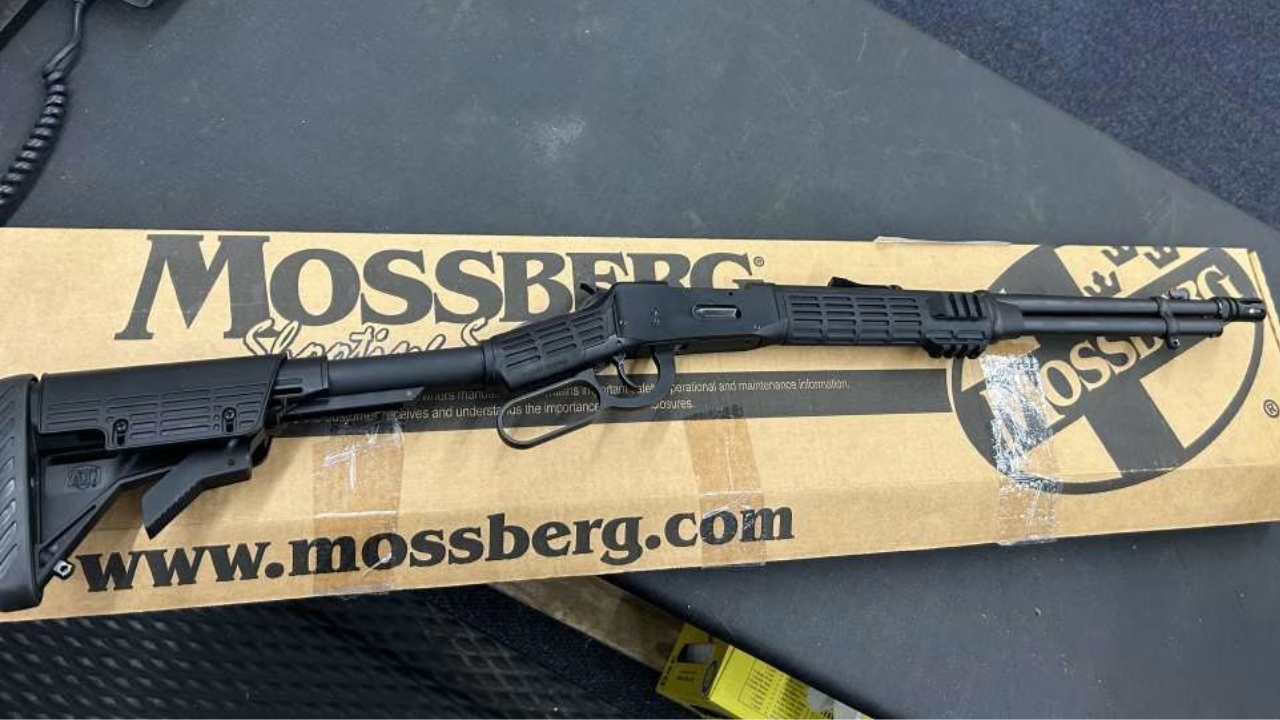
The Mossberg 464 SPX looked interesting because it took a lever-action .30-30 and gave it a tactical look. Adjustable stock, rails, and black furniture made it stand out in a world of traditional wood-stocked lever guns.
The problem is that lever guns are supposed to feel handy and natural. The SPX treatment added bulk and attitude without making the rifle better at normal lever-gun work. Once the novelty faded, a lot of buyers were left with a rifle that felt confused. Most would have been happier with a plain 464, Marlin, Henry, or Winchester.
Taurus Curve

The Taurus Curve is one of those guns people bought because it was different. The curved frame, built-in light and laser, and unusual carry concept made it seem like Taurus had solved concealed carry in a new way.
Then owners realized different is not always better. The lack of traditional sights, odd grip shape, and strange handling made training less natural than it needed to be. Defensive pistols should simplify the job. The Curve made the shooter adapt to the gimmick, and that is why many buyers probably wish they had skipped it.
Remington R51

The Remington R51 had history, a slim profile, and a design that made people curious. A low-bore-axis 9mm carry pistol from Remington sounded like it could have been a real comeback story.
Instead, the modern R51 became a confidence problem. Early reliability complaints and rough execution damaged the gun badly, and even later versions never fully escaped the reputation. A carry gun has to earn trust fast. The R51 made too many owners wonder if they had bought an idea instead of a dependable pistol.
Winchester SXP Defender
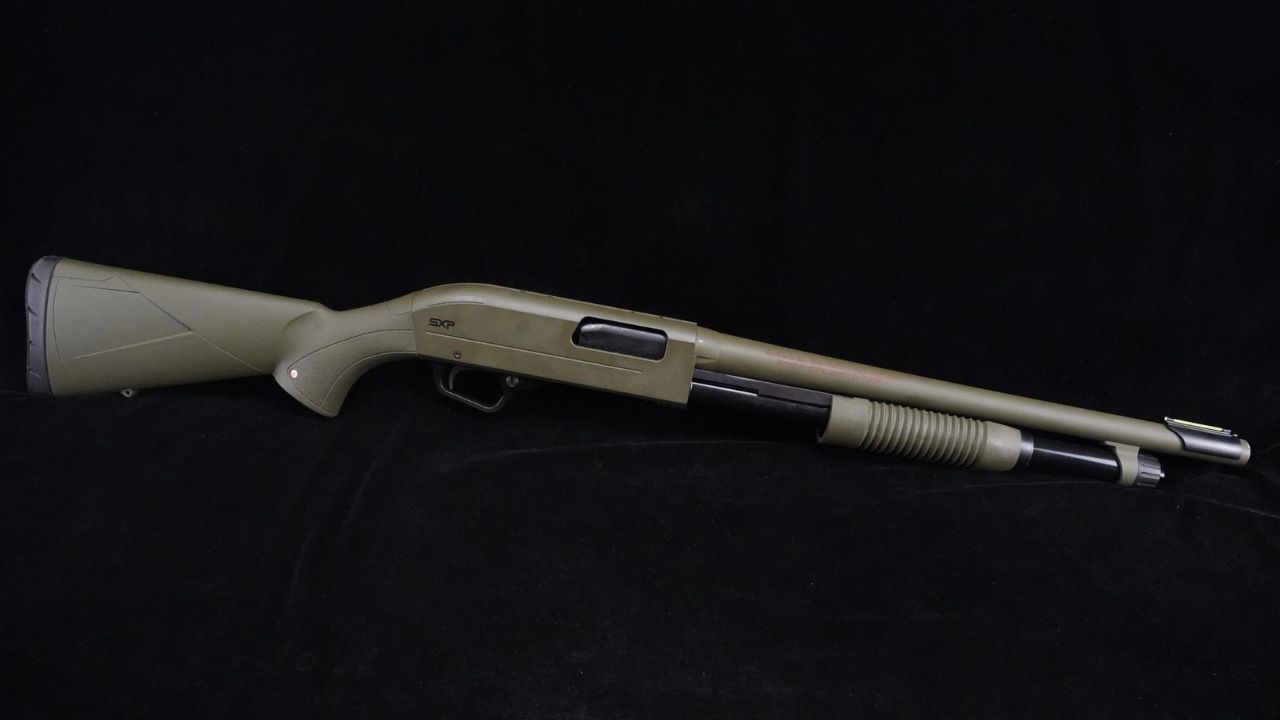
The Winchester SXP Defender has a name that gets attention. A defensive pump shotgun with Winchester on the receiver sounds like a safe, practical buy for someone who wants a simple 12-gauge.
The issue is expectation. It does not feel like the classic Winchesters people imagine. The fit, finish, and overall feel are more budget than legendary, and that can leave owners cold after the first few range sessions. It may work, but plenty of buyers eventually wish they had spent more on a Mossberg 590, 870 Police, or older pump with better feel.
Beretta Nano

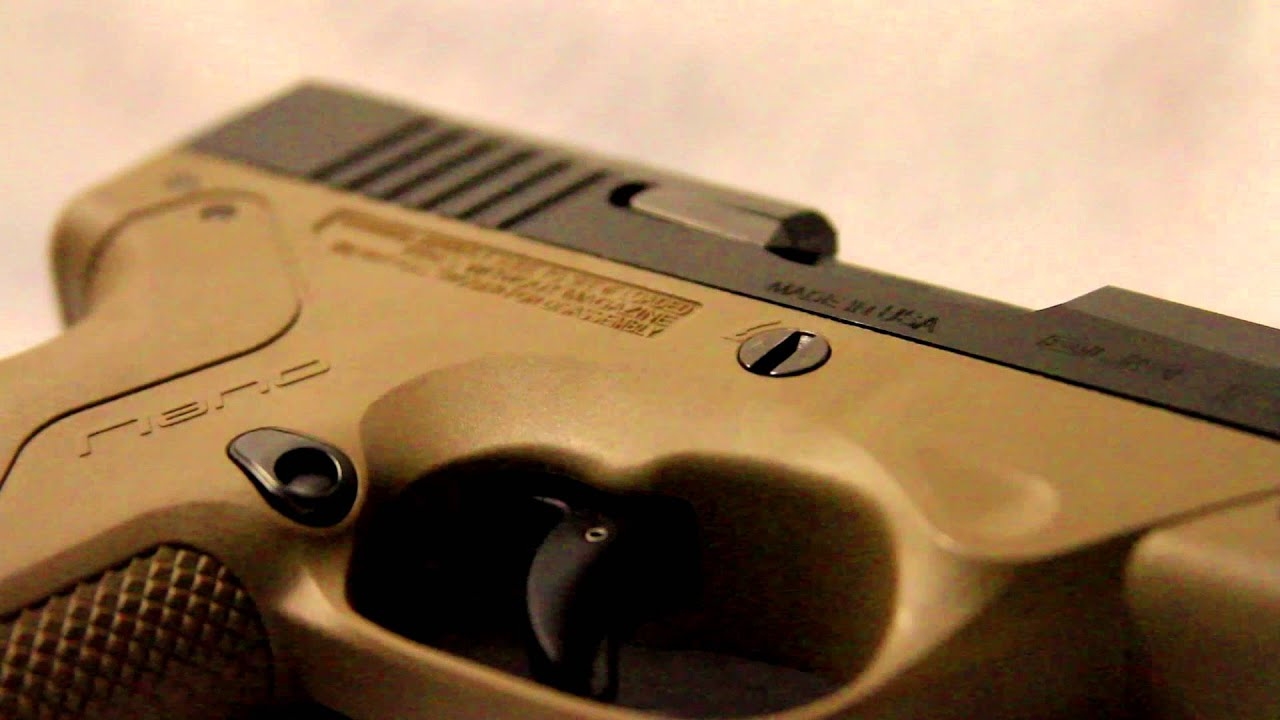
The Beretta Nano looked like a smart slim 9mm when single-stack carry pistols were everywhere. It was snag-free, compact, and backed by a brand that knows handguns. For a while, that sounded like enough.
The longer people owned it, the less exciting it became. The trigger was not especially loved, the grip shape felt odd to many shooters, and early talk about ammo sensitivity did not help. Once higher-capacity micro-compacts arrived, the Nano started feeling like a pistol from a carry trend that got replaced fast.
Savage Axis XP

The Savage Axis XP has put plenty of deer in freezers, so the problem is not that it cannot work. It is affordable, often accurate, and easy to buy as a ready-to-hunt package.
But many owners eventually wish they had started one step higher. The stock feels hollow, the bolt can feel rough, and the included scope on many packages is not always something you want to trust for years. The rifle may shoot well enough, but it can feel like a starter setup you outgrow before you planned to.
KelTec PF-9

The KelTec PF-9 made sense when thin, affordable 9mm carry pistols were harder to find. It was flat, light, and easy to conceal, which made it appealing to buyers who wanted a budget carry gun.
Range time is where it wore people down. The recoil is sharp, the trigger is long, and the whole pistol feels rough compared with newer small 9mms. A carry gun you do not like practicing with becomes a problem fast. Many owners eventually wish they had skipped it and bought something softer, cleaner, and easier to shoot well.
Rossi Circuit Judge
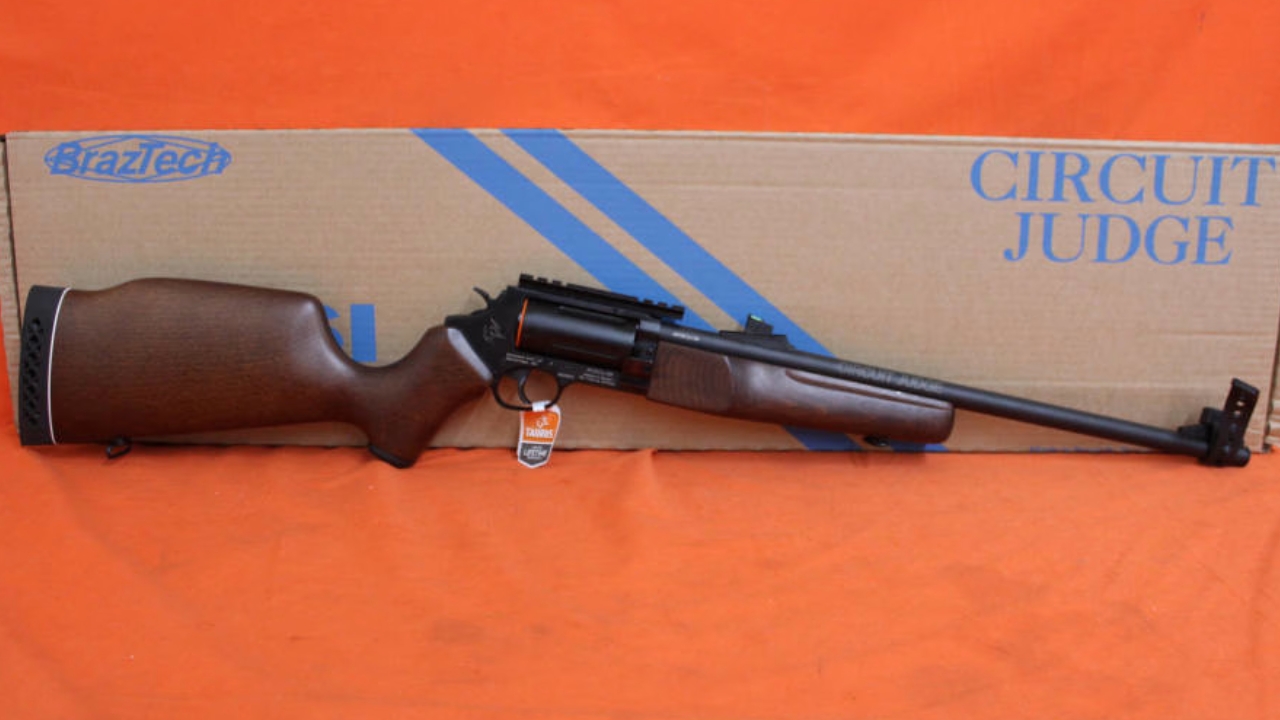
The Rossi Circuit Judge sells itself on the idea. A revolving carbine that fires .45 Colt and .410 shells sounds useful, fun, and different. It is the kind of gun that makes people stop and ask questions.
The problem is that it does not always answer those questions well. It is bulky, the .410 side is range-limited, and the .45 Colt side does not make it a great rifle. It can be entertaining, but many owners eventually realize the novelty was stronger than the purpose. A normal lever gun or shotgun usually makes more sense.
Smith & Wesson CSX

The Smith & Wesson CSX should have been easier to love. A small metal-framed pistol with good capacity, hammer-fired operation, and a major brand behind it sounded like a fresh take on concealed carry.
Then the trigger became the sticking point. The reset feel bothered enough shooters that the pistol’s best ideas got overshadowed by one frustrating detail. It is not a bad concept at all, which almost makes it more annoying. A gun with this much promise should not leave owners wondering why they did not just buy a Shield Plus.
Mossberg 715T
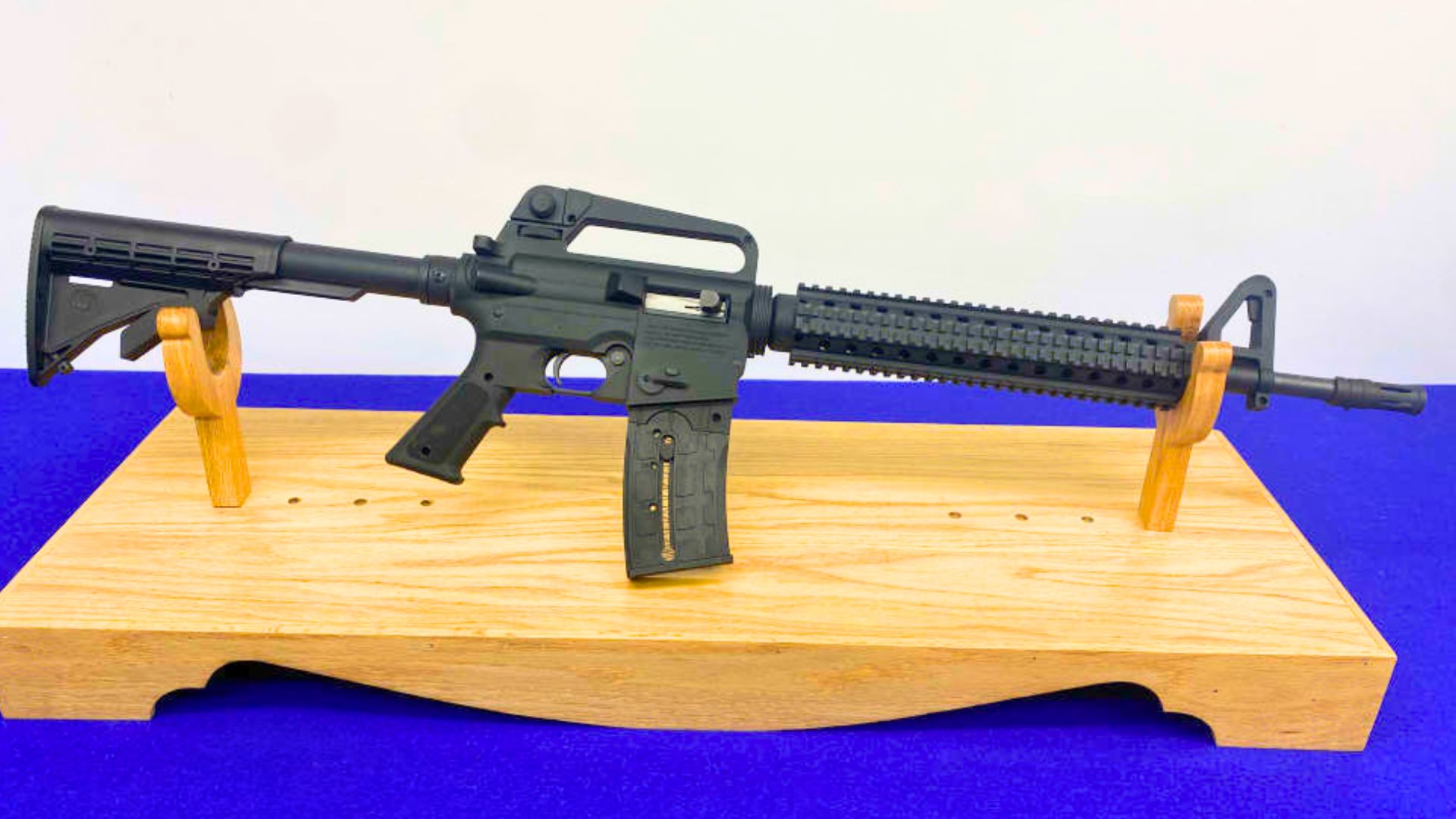
The Mossberg 715T looks fun when you first see it. A tactical-looking .22 rifle seems like an affordable way to get AR-style attitude with cheap rimfire ammo.
Then the illusion starts fading. Under the plastic shell, it feels more like a dressed-up plinker than a serious trainer. The bulk, cheap feel, and styling-over-substance approach can get old quickly. Most buyers would have been better off with a plain .22 rifle that shoots better, carries easier, and does not pretend to be something else.
Kimber Solo

The Kimber Solo looked like a premium pocket 9mm with real style. It was compact, attractive, and carried the Kimber name, which made it feel more upscale than the average tiny carry pistol.
The trouble was that it often asked for too much patience. Ammo sensitivity, grip sensitivity, and reliability complaints made some owners feel like they were managing the pistol instead of trusting it. Small carry guns already have limitations. A premium-looking pistol that still behaves like a project is exactly the kind buyers wish they had skipped.
Thompson/Center Compass
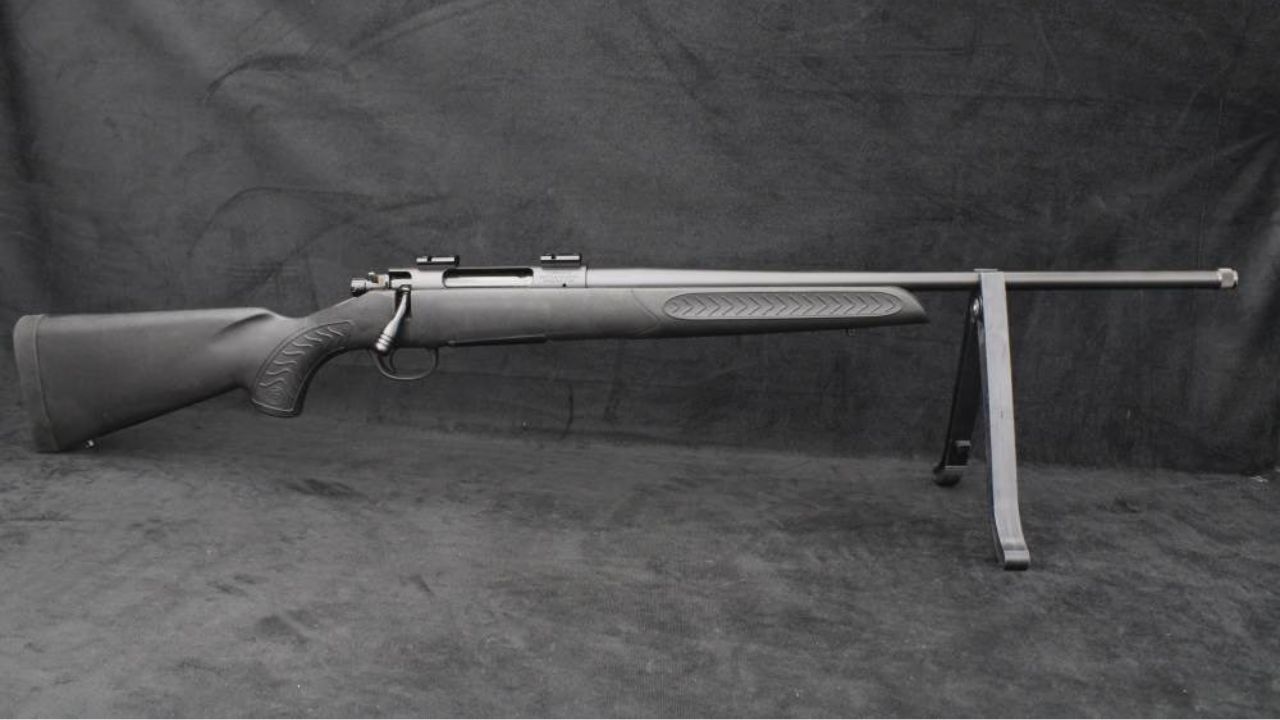
The Thompson/Center Compass pulled in buyers with a strong value pitch. Adjustable trigger, threaded barrel on some models, useful chamberings, and good accuracy claims made it look like a smart budget rifle.
Some owners got exactly that. Others got a rifle that felt rougher than the promise. The stock, magazine, bolt feel, and overall finish could make it feel cheaper than expected. If it shot well, all was forgiven. If it did not, owners were left chasing torque settings, ammo changes, and scope swaps. That is when the bargain stops feeling like a bargain.
Springfield Armory XD-S
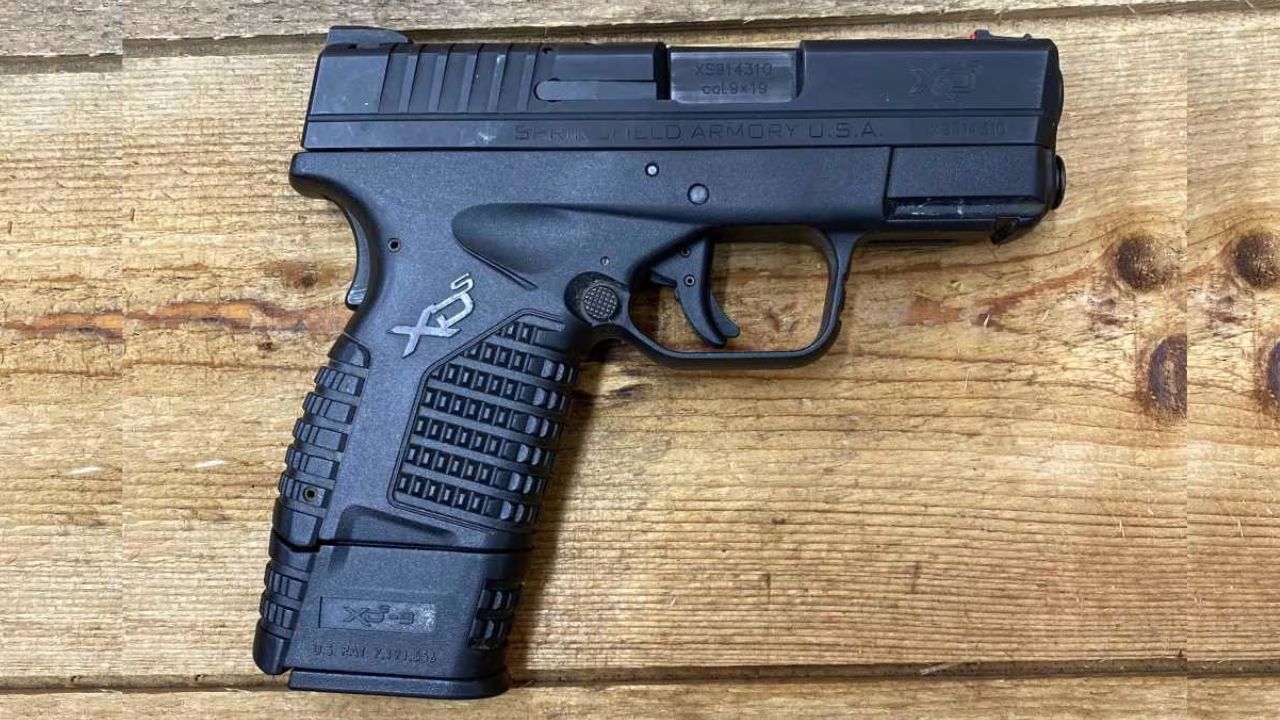
The XD-S made sense when slim single-stack carry pistols ruled the market. It was thin, serious-looking, and came from a brand with a loyal following. For many buyers, it seemed like a safe carry choice.
Time made the compromises harder to ignore. Capacity is limited, recoil can be snappy, and the grip safety is one more thing some shooters stop wanting. Once higher-capacity micro-compacts became common, the XD-S started feeling dated. It still works for some owners, but plenty probably wish they had waited or bought something easier to shoot.
Like The Avid Outdoorsman’s content? Subscribe to our newsletter so you never miss an article.
Here’s more from us: