Photo credit: Northern Hills Trading Post/Youtube
Some handguns don’t look special when they’re still sitting in used cases. They seem practical, common, or maybe a little outdated. Nobody is fighting over them because everyone assumes there will always be another one around. Then production ends, prices climb, clean examples disappear, and suddenly that forgettable pistol starts looking like the one people should have bought years ago.
That’s how a lot of good handguns become desirable. They weren’t always flashy. They didn’t always win spec-sheet arguments. But they had quality, shootability, or a certain feel that newer pistols didn’t fully replace. Once people noticed, finding a good one became a whole lot harder.
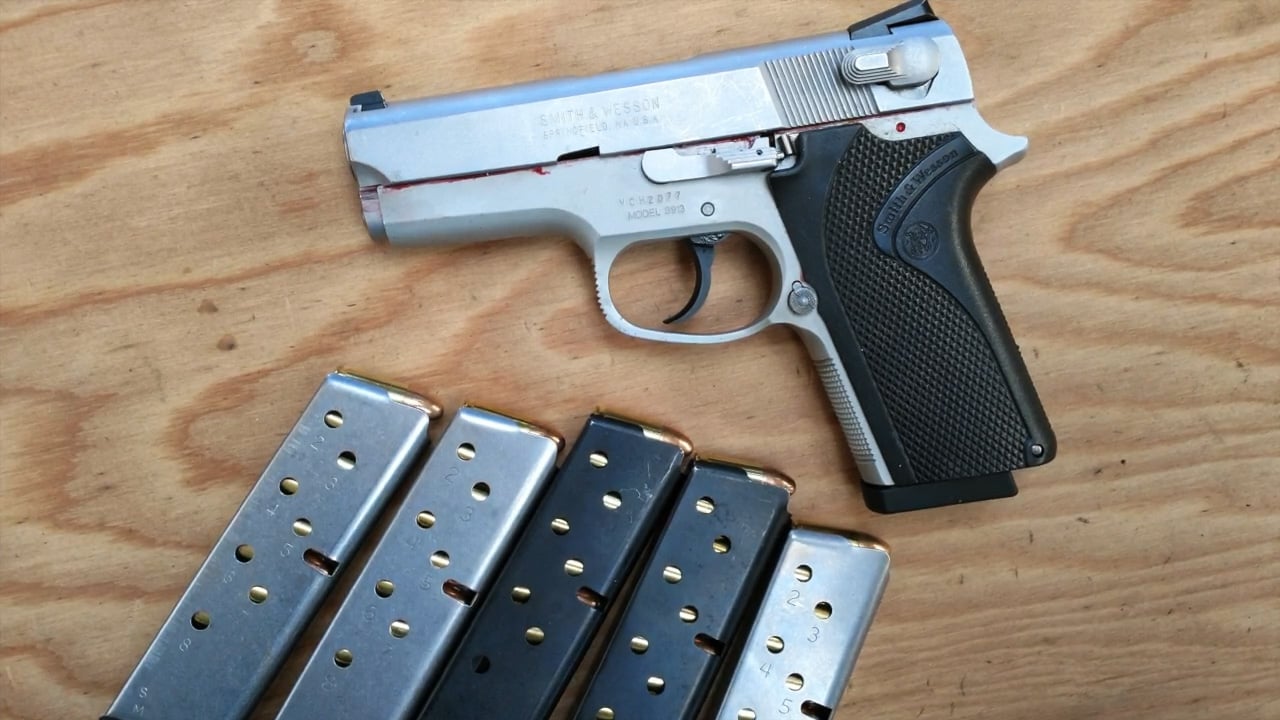
Smith & Wesson 3913
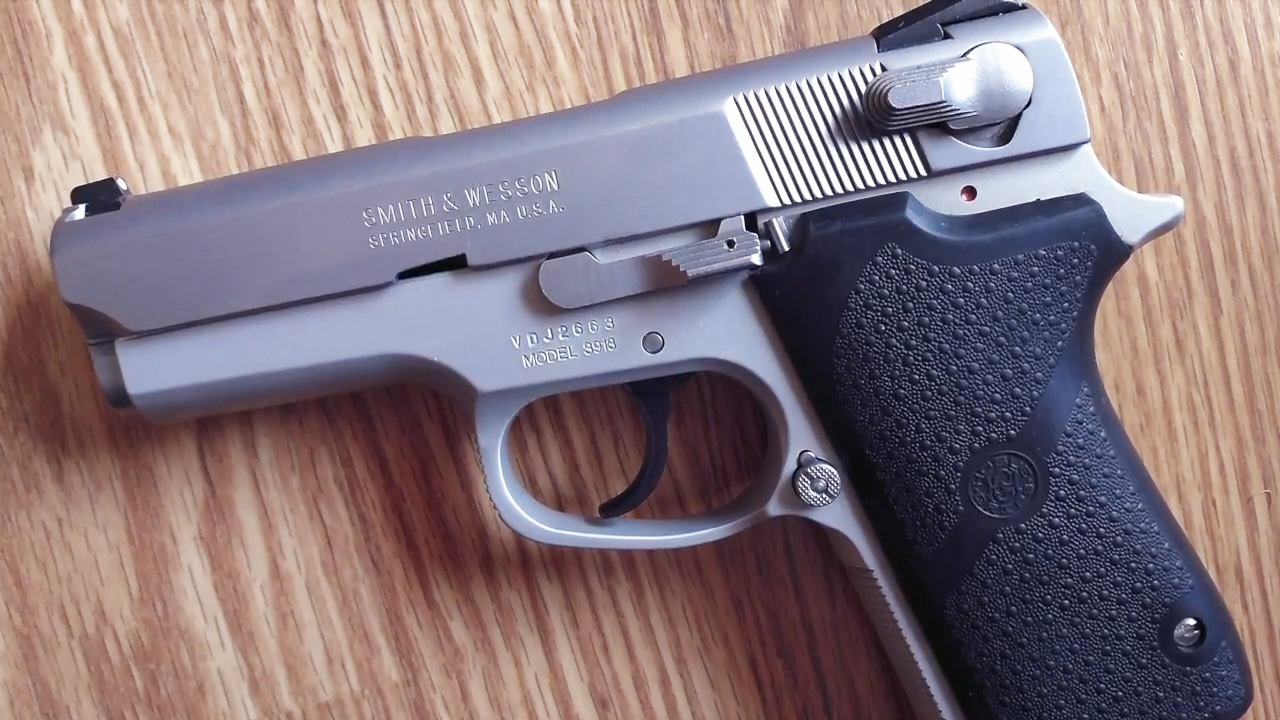
The Smith & Wesson 3913 looked like a normal slim carry pistol back when single-stack 9mms were not rare. It had an alloy frame, DA/SA trigger, and practical size, but it didn’t seem exotic. Once polymer pistols took over, a lot of shooters simply moved on.
Now the 3913 is much easier to appreciate. It carries flat, feels refined, and shoots better than many tiny modern carry guns that beat it on capacity. It doesn’t have modern optics support or the easy parts availability of current-production pistols, and that matters. But clean examples still have strong appeal because they represent an older style of carry gun that was slim, practical, and well-built. Forgettable turned into desirable once people realized nobody was really replacing it.
Walther P99 AS
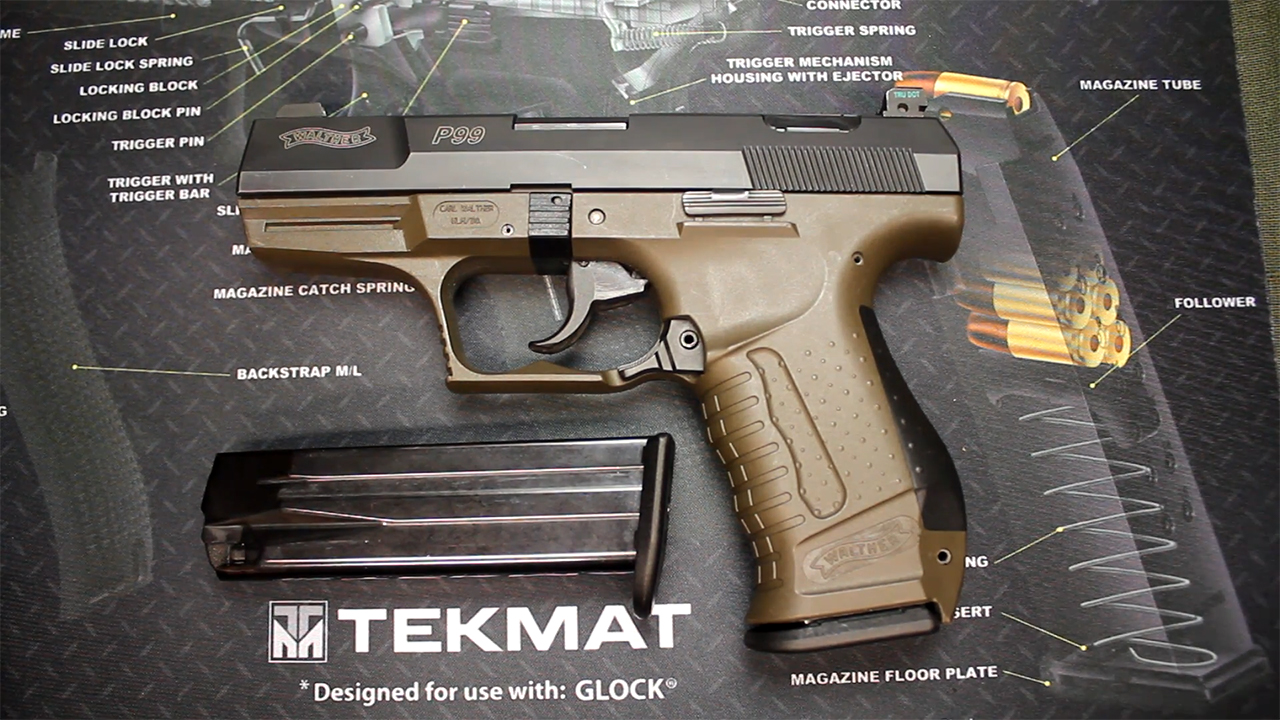
The Walther P99 AS never fit neatly into the American striker-fired conversation. It had a unique Anti-Stress trigger system, a decocker, paddle magazine release on many versions, and styling that looked different from the Glock-style pistols people understood more easily. Plenty of shooters passed it by because it seemed odd.
That oddness became part of its pull. The P99 AS has excellent ergonomics, a smart trigger system for shooters willing to learn it, and a distinct feel that newer pistols don’t really duplicate. It isn’t as common as it once was, and the market has moved hard toward more conventional optics-ready designs. That makes good P99s more interesting now. It looked forgettable to people who didn’t understand it, but owners knew it was special.
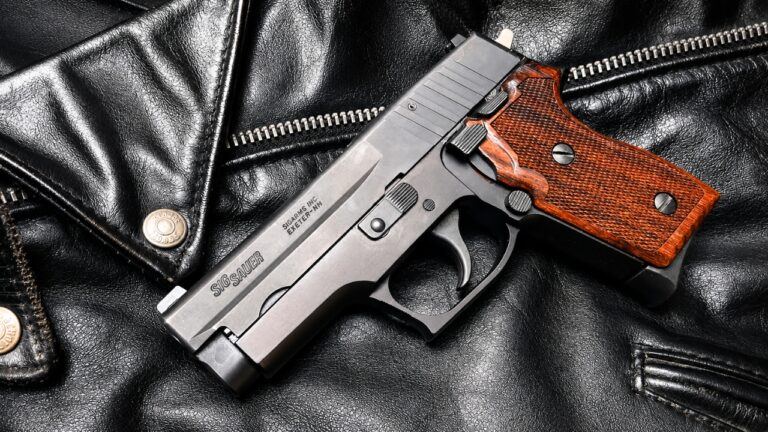
SIG Sauer P239
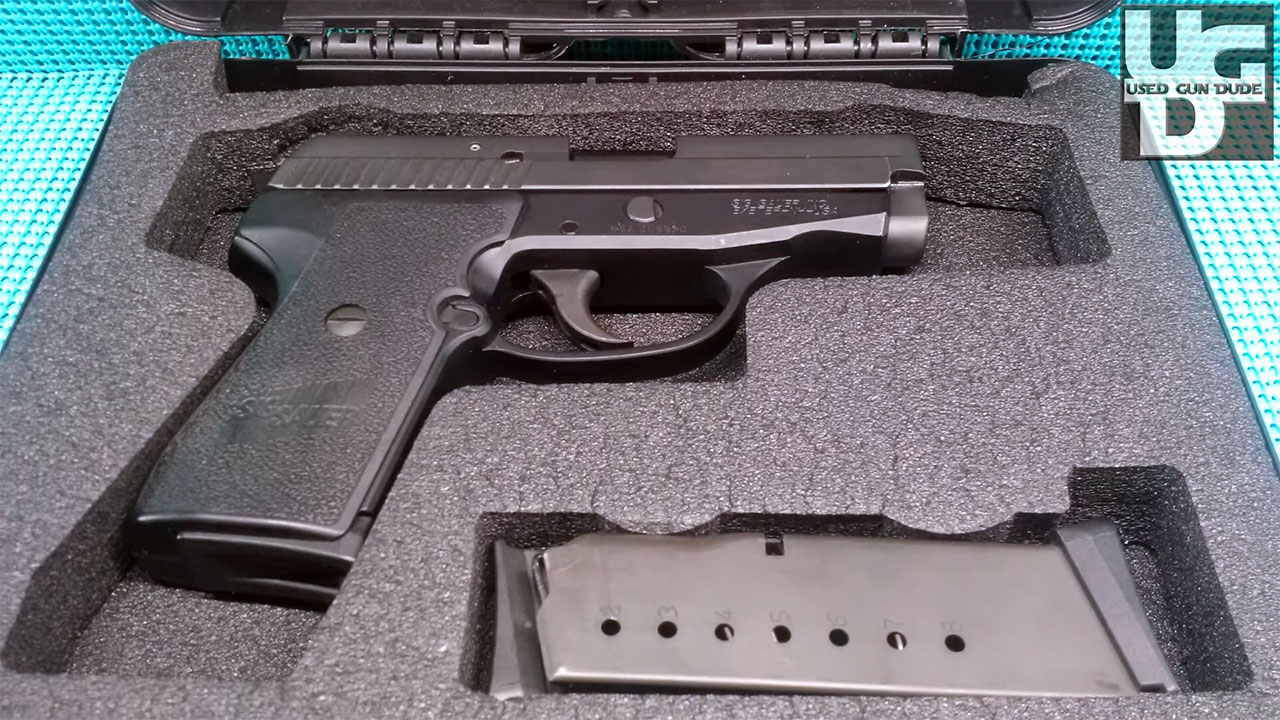
The SIG P239 looked practical but not exciting when it was easier to find. It was a slim single-stack pistol in a world that eventually became obsessed with higher capacity and lighter polymer frames. It was heavier than many newer carry guns and held fewer rounds, which made it easy to dismiss on specs.
Shooters who actually used it often felt differently. The P239 is steady, accurate, and comfortable in a way many tiny pistols are not. The metal frame helps with recoil, and the slim grip carries well. It is not the modern capacity king, but it never needed to be. As clean examples became less common, people started missing that balanced single-stack SIG feel. It became hard to find because the market quit making many pistols like it.
Beretta 84 Cheetah

The Beretta 84 Cheetah used to be easy for spec shoppers to ignore. It’s a .380 ACP pistol that’s larger than many modern 9mms, and that alone made some people write it off. Pure efficiency was never its strongest argument.
The shooting experience is why people came back around. The 84 Cheetah is soft, beautiful, comfortable, and surprisingly easy to enjoy. The double-stack grip fills the hand, the recoil stays mild, and the DA/SA Beretta feel gives it more character than most tiny .380s. It may not be the most practical carry choice today, but it is a pistol people enjoy owning. Once older examples dried up and interest grew, that once-overlooked .380 became a lot harder to casually replace.
Smith & Wesson 5906

The Smith & Wesson 5906 looked like an old stainless duty pistol for years. Heavy, DA/SA, and very much from another service-gun era, it didn’t seem exciting once polymer striker-fired pistols dominated the market. A lot of buyers saw weight where they should have seen durability.
Now the 5906 has a stronger following because it feels like a serious handgun. The stainless frame soaks up recoil, the pistol shoots comfortably, and the build quality makes many newer budget pistols feel light in the wrong way. It is not ideal for modern concealed carry, but as a range or home-defense pistol, it still makes sense. Clean examples are more appreciated because old service pistols this sturdy aren’t everywhere anymore.
Colt Mustang

The Colt Mustang looked like a small pocket pistol from a different time. Chambered in .380 ACP with 1911-like controls, it didn’t always make sense to buyers who wanted either a tiny revolver or later a compact 9mm. It was easy to overlook if someone wasn’t already drawn to Colt or single-action pocket guns.
Over time, the Mustang gained appeal because it has a feel many modern pocket pistols lack. It is small, metal-framed, and more refined than plenty of lightweight .380s. It still requires training with the manual safety and careful reliability testing, especially with older examples. But a good one has charm and carry appeal. Once Colt pocket pistols became less common on shelves, people started realizing the Mustang was more than a forgettable little .380.
HK P7
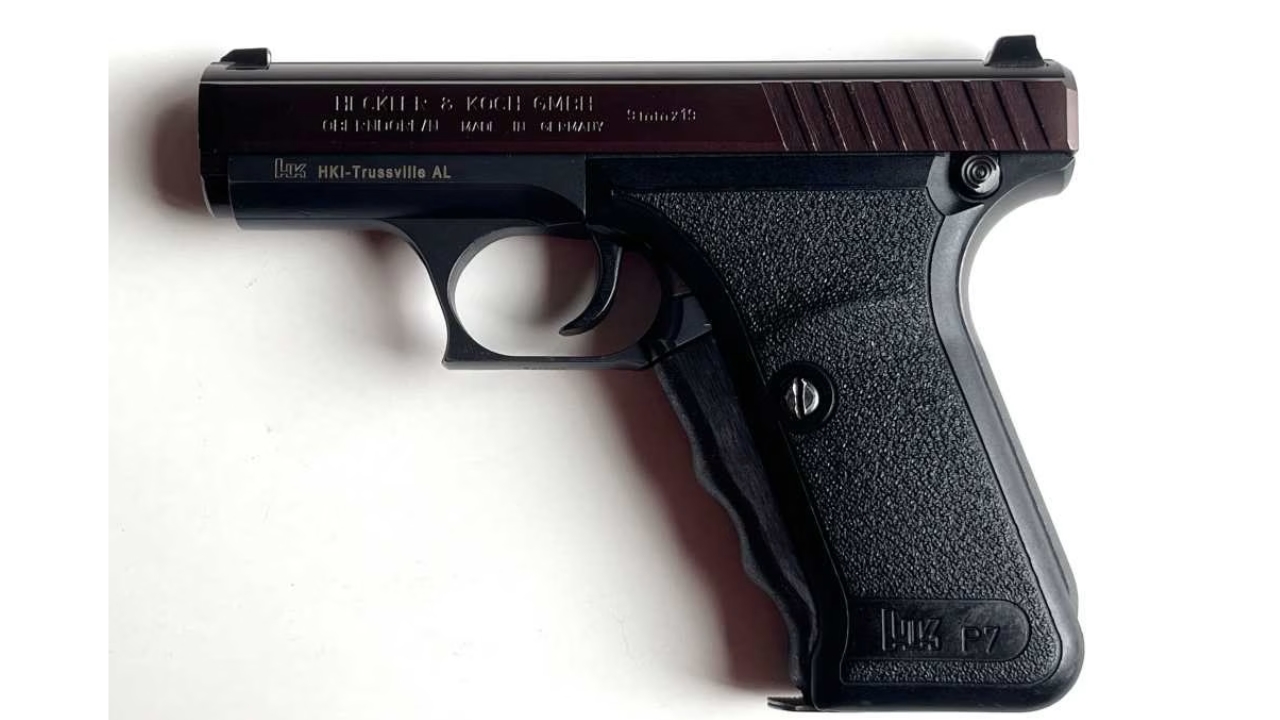
The HK P7 did not look ordinary to people who understood it, but plenty of casual buyers once passed it over because it seemed strange. The squeeze-cocker system, fixed barrel, low bore axis, and unusual manual of arms made it unlike almost anything else. That made it easy to ignore if someone wanted simple and familiar.
Now the P7 is firmly in “why didn’t I buy one earlier?” territory for many shooters. It is accurate, slim, and mechanically fascinating. It also gets hot during longer strings, has a manual of arms that requires commitment, and is not cheap to maintain or collect. But that uniqueness is exactly why it became hard to find and expensive. The P7 proves that weird can become valuable when the design is genuinely good.
Smith & Wesson 6906

The Smith & Wesson 6906 was once a fairly normal compact service pistol. Alloy frame, stainless slide, DA/SA trigger, double-stack magazine, and practical size made it useful, but not necessarily exciting. Once striker-fired compacts took over, it looked dated quickly.
Now people are realizing the 6906 had a lot going for it. It is lighter than all-steel third-gen Smiths, more compact than the full-size models, and still shoots like a solid service pistol. It gives owners old-school metal-frame confidence in a carryable size. Parts and magazines require more attention now, which makes clean examples more desirable. It looked forgettable until shooters started missing compact metal pistols that felt built to last.
Beretta 92 Compact
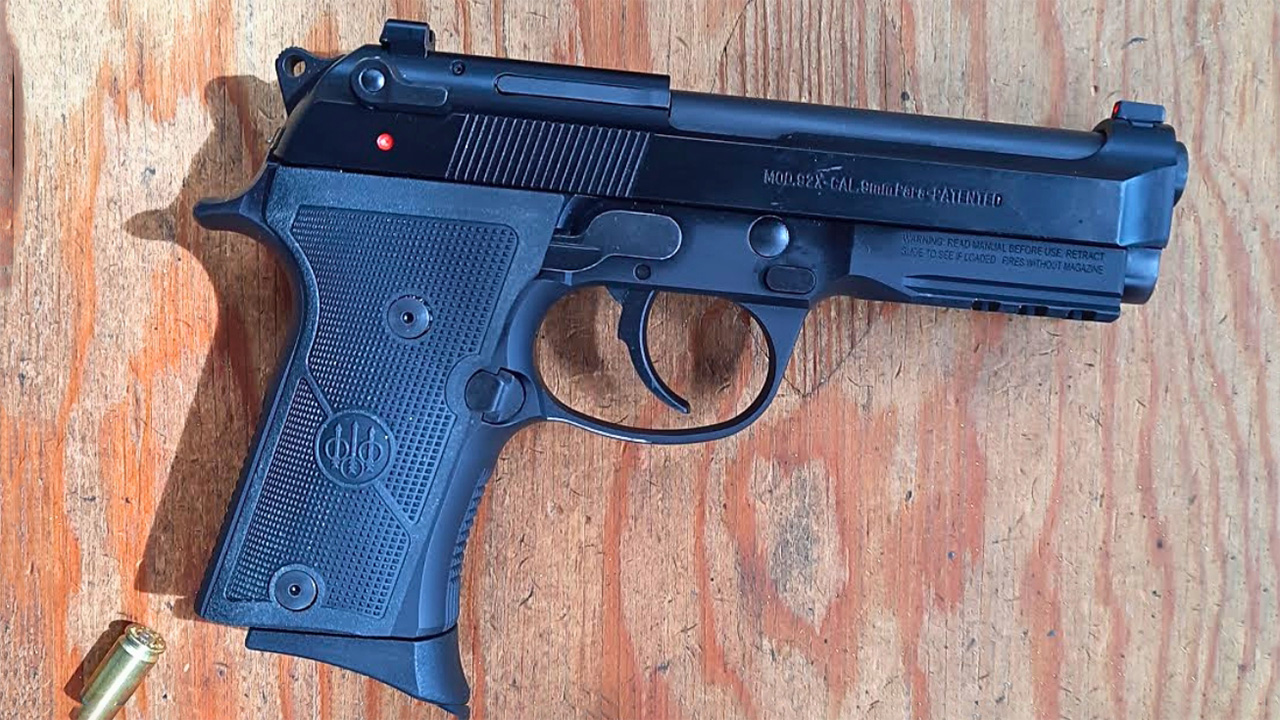
The Beretta 92 Compact lived in the shadow of the full-size 92FS for a long time. The big Beretta was famous, while the Compact seemed like a less common version that didn’t quite fit the mainstream carry market. It was still wide, still DA/SA, and not as small as many dedicated carry pistols.
That’s why it became interesting later. The 92 Compact gives shooters the soft, smooth Beretta feel in a handier package. It is easier to carry than the full-size model while still shooting like a real pistol. It does not disappear like a micro-compact, but it offers far better control than many tiny guns. Once people started appreciating compact metal-frame pistols again, clean 92 Compacts became much harder to ignore.
Ruger P95
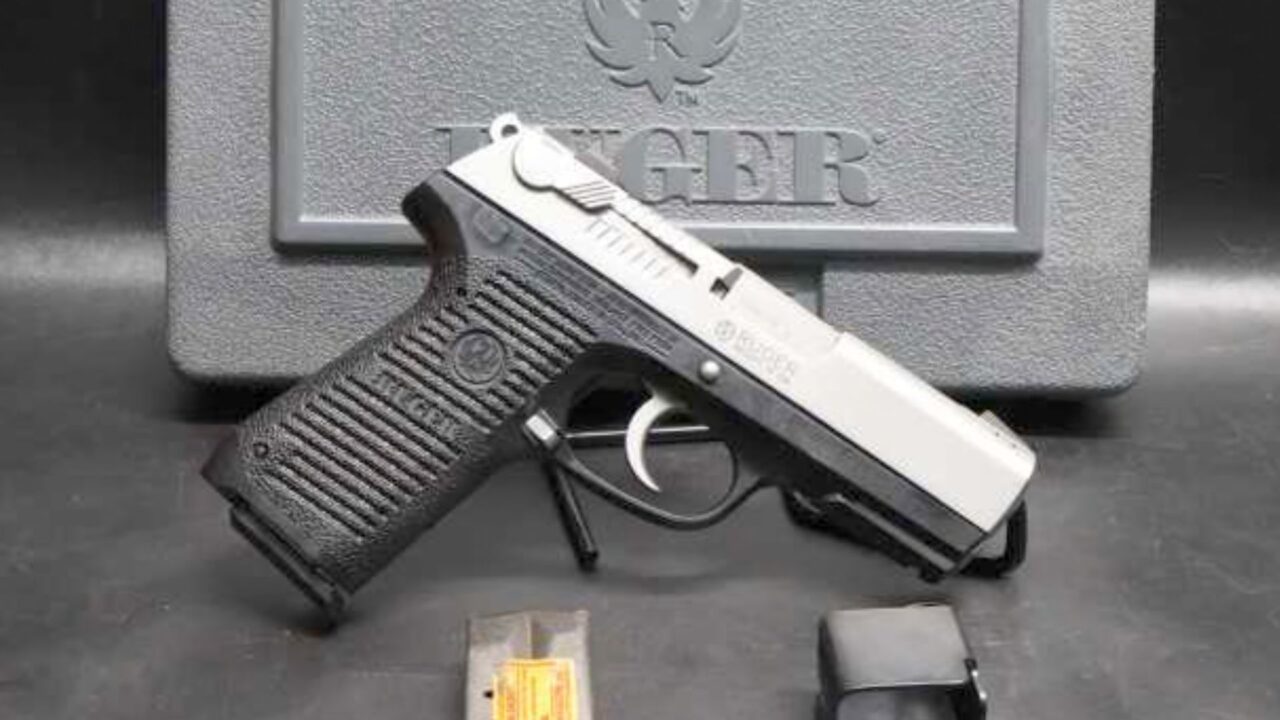
The Ruger P95 was never glamorous. It was chunky, inexpensive, and plain enough that people joked about its looks for years. Plenty of buyers treated it as a budget pistol, not a handgun they would one day wish they had kept.
But the P95 earned respect by being tough. It ran well for many owners, handled 9mm recoil easily, and survived the kind of ordinary use that matters more than styling. It is not refined, and it doesn’t have modern optics support or sleek ergonomics. Still, it represents a time when affordable pistols could feel almost overbuilt. Clean examples are not collector royalty, but they are harder to find in nice shape than people expect. The ugly little Ruger aged better than its critics did.
CZ 82

The CZ 82 looked like surplus-bin background noise to many shooters when they were cheaper and more common. Chambered in 9x18mm Makarov, with a blowback action and military surplus history, it didn’t look like something people would chase later. It was affordable, odd, and easy to underestimate.
Then shooters spent time with it. The CZ 82 has excellent ergonomics, surprising accuracy, and a better trigger than many expect from a surplus pistol. Ammunition is not as convenient as 9mm Luger, and parts deserve consideration with any older surplus handgun. But the pistol’s charm is real. Once imports slowed and clean examples became less common, the CZ 82 started looking like one of those surplus deals people should have bought while they could.
Browning BDM

The Browning BDM was easy to forget because it never became a mainstream classic. It had an unusual operating selector that let users switch between traditional double-action mode and double-action-only style operation, which confused some buyers more than it impressed them. It was slim for a double-stack 9mm, but the market didn’t fully know what to do with it.
That makes it more interesting now. The BDM is a thin, comfortable pistol with a unique design and Browning name behind it. It is not the easiest pistol to support today, and buyers need to consider magazines, parts, and condition. But as an unusual 1990s handgun, it has become far more compelling than it seemed when it was overlooked. Sometimes forgettable guns become interesting simply because nobody made anything else quite like them.
Colt Double Eagle
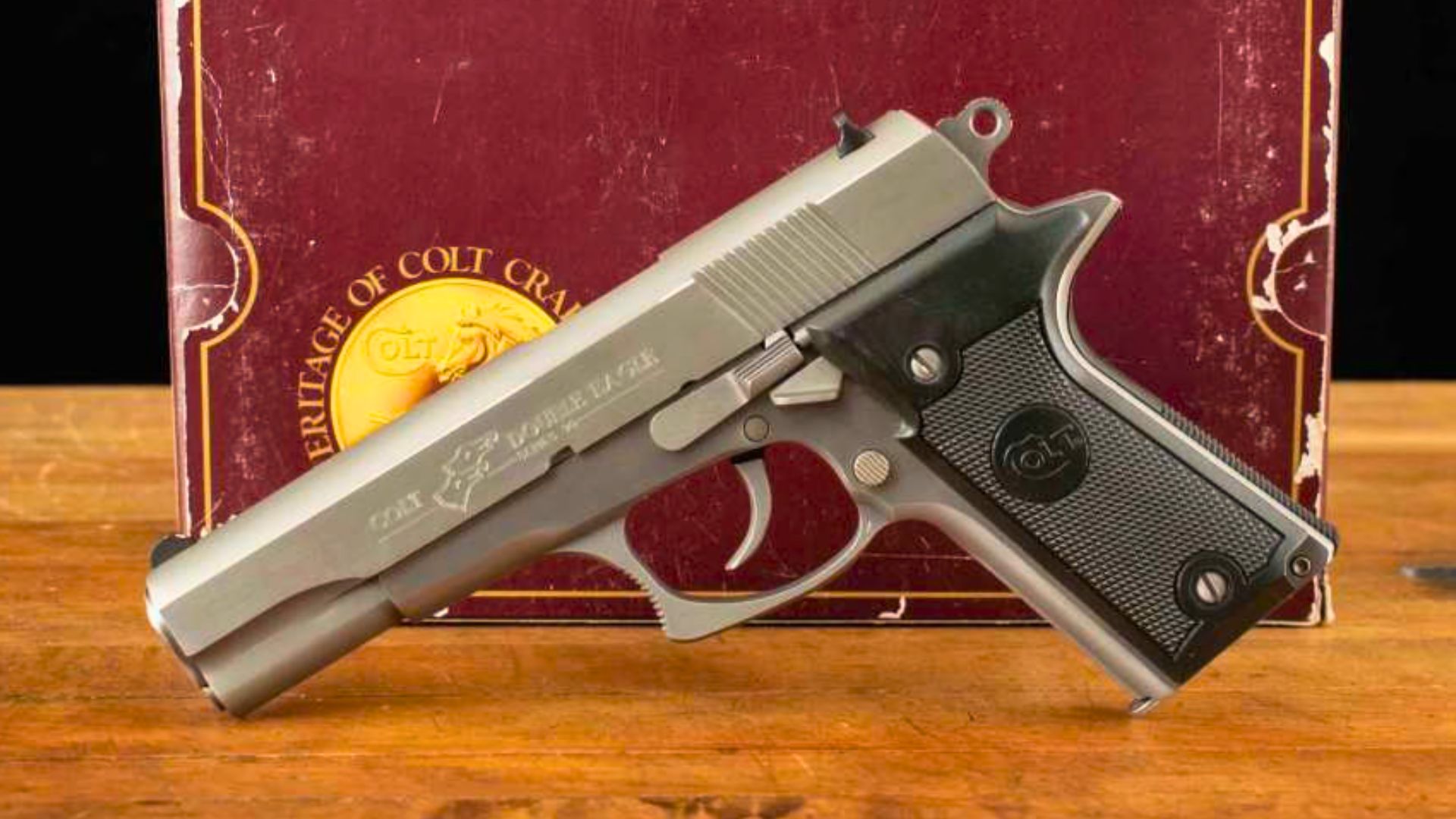
The Colt Double Eagle looked like a strange answer to a question many shooters weren’t asking. It brought a double-action system to a 1911-like pistol, which made traditional 1911 fans skeptical and modern pistol buyers look elsewhere. It didn’t fit cleanly into either camp.
That awkward identity is what makes it more notable today. The Double Eagle is not the pistol for everyone, and used examples should be inspected carefully because parts and support are not like standard 1911s. But it is a fascinating piece of Colt history. It represents a period when manufacturers were trying to modernize classic designs in unusual ways. Once people stopped seeing it as a failed mainstream pistol and started seeing it as an interesting Colt, it became harder to find casually.
Walther PPS M1
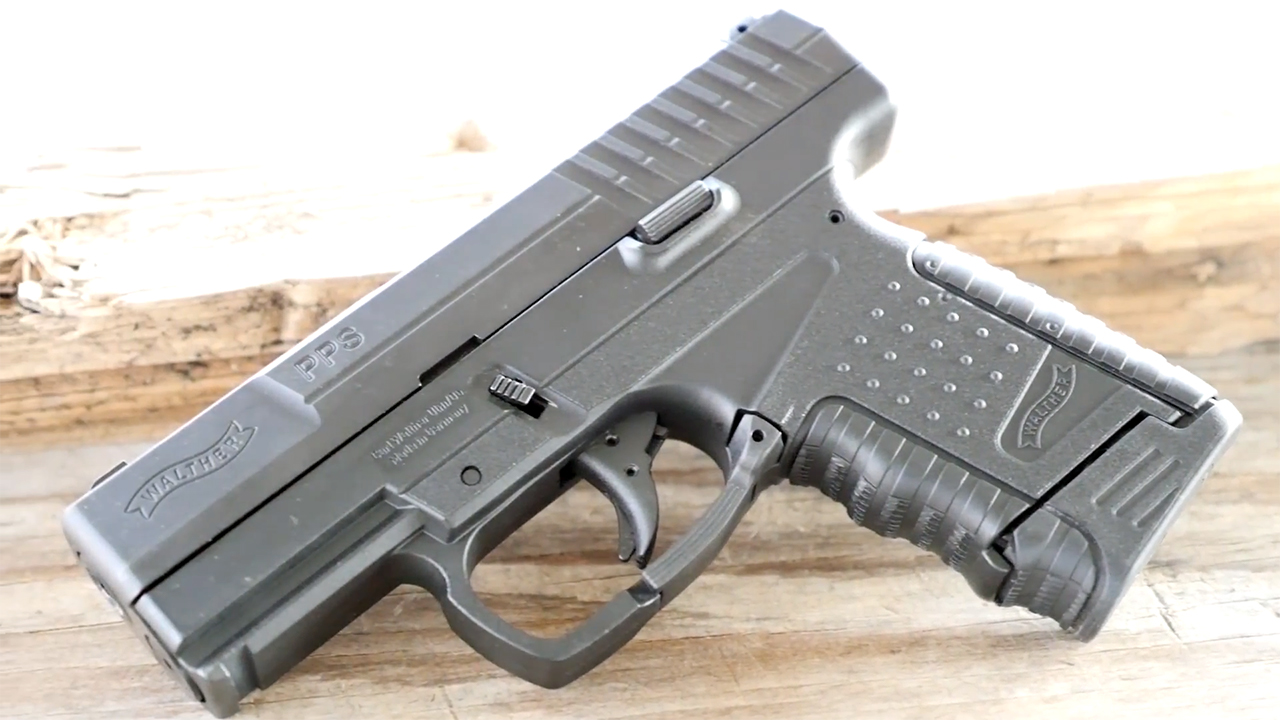
The Walther PPS M1 looked like a practical single-stack 9mm when single-stacks were popular, but it never got the same attention as some American carry pistols. The paddle magazine release made some buyers hesitate, and later the PPS M2 took over the conversation for people who preferred a button release.
Now the M1 has its own appeal. It is slim, well-built, and easy to carry, with a different feel than many small striker-fired pistols. Capacity is modest by current standards, but it shoots well for its size and carries flat. Shooters who like paddle releases often prefer it over the newer version. As single-stack pistols fade from the spotlight, clean PPS M1s feel more interesting than they did when everyone assumed there would always be more.
SIG Sauer P225/P6
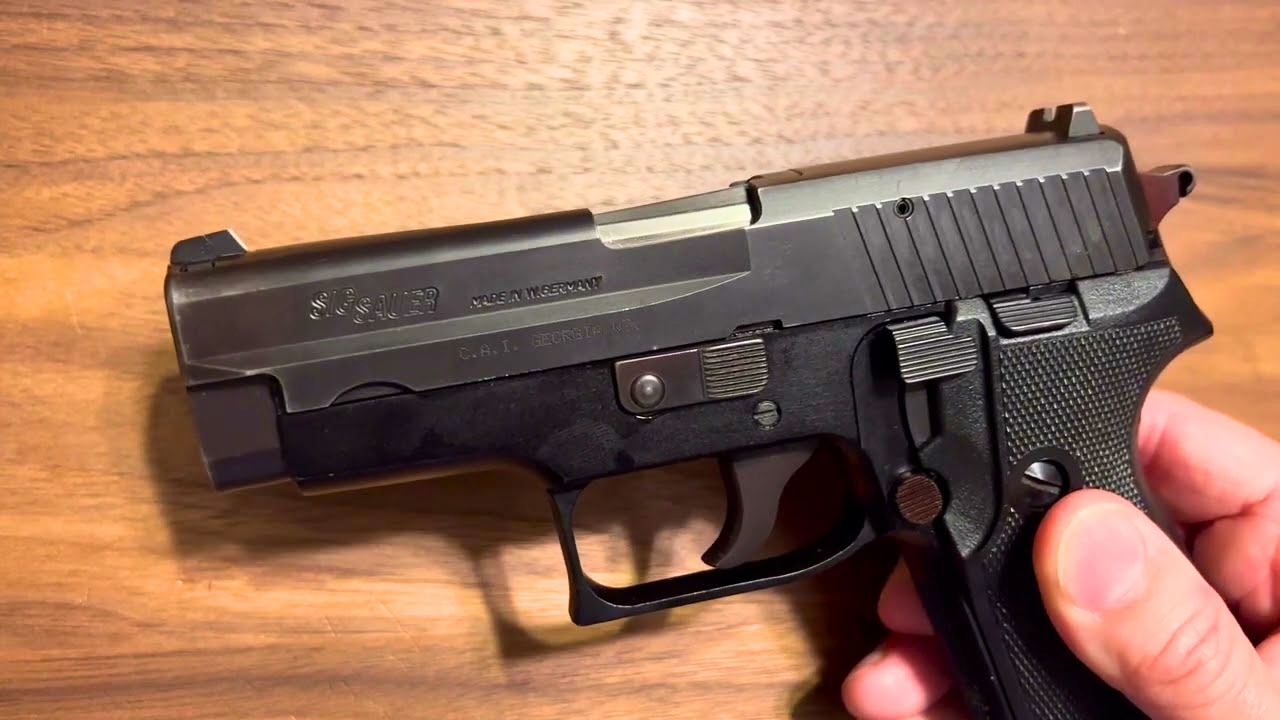
The SIG Sauer P225 and its P6 variants once looked like surplus or older single-stack SIGs that had been left behind by newer compact pistols. They were lower-capacity, DA/SA, and not especially modern. For a while, they were affordable enough that plenty of shooters didn’t think twice before passing on them.
That changed as people started appreciating slim metal-frame SIGs again. The P225 has a balanced feel, good accuracy, and a classic service-pistol personality in a trim package. P6 variants can have differences buyers need to understand, especially with feed ramps and parts depending on era and condition. But good examples have become more desirable because they offer a shooting experience modern micro-compacts don’t duplicate. They looked forgettable until they weren’t easy to find anymore.
Like The Avid Outdoorsman’s content? Be sure to follow us.
Here’s more from us: