Photo credit: Maples Images/Shutterstock.com
There’s nothing more frustrating than cleaning a gun that’s been working fine—only to find it won’t cycle afterward. It should be the opposite, right? But some guns are so sensitive to reassembly, over-lubing, under-lubing, or even microscopic shifts in spring tension that a post-cleaning malfunction becomes part of the routine. Sometimes it’s a tolerance issue, sometimes it’s poor design, and sometimes it’s a gun that only runs when it’s filthy. If you’ve ever field stripped a pistol and spent the next two hours trying to get it to cycle again, these are the names that might sound familiar.
Remington R51 (Gen 1)

The Gen 1 R51 had so many issues it could fill a book, but cleaning it often made things worse. Its hesitation-blowback system required extremely tight tolerances to function right, and even slight misalignment during reassembly could cause feed failures, cycling issues, or complete lockups.
Plenty of shooters reported guns that ran halfway decently out of the box, only to fall apart after the first detailed strip and lube. And good luck diagnosing the problem. Between the slide fit, recoil spring orientation, and how easily certain internal parts could bind, the post-cleaning R51 turned into a jigsaw puzzle of failure. Gen 2 fixed a lot of this, but Gen 1 was a cautionary tale.
Sig Sauer Mosquito

Out of the box, the Sig Mosquito already had reliability problems. Cleaning it didn’t help—in fact, it often made things worse. The Mosquito’s picky nature with ammo and its weird spring tension meant that over-oiling or slightly shifting tolerances during a strip could turn a marginally functioning pistol into a jam machine.
The slide-to-frame fit was loose enough to allow debris but tight enough to cause drag when clean. A lot of shooters found that after cleaning, it wouldn’t run until it was re-dirty and broken in again. Light primer strikes, failure to feed, and stovepipes became part of the cycle—clean, fail, curse, repeat.
KelTec P-11
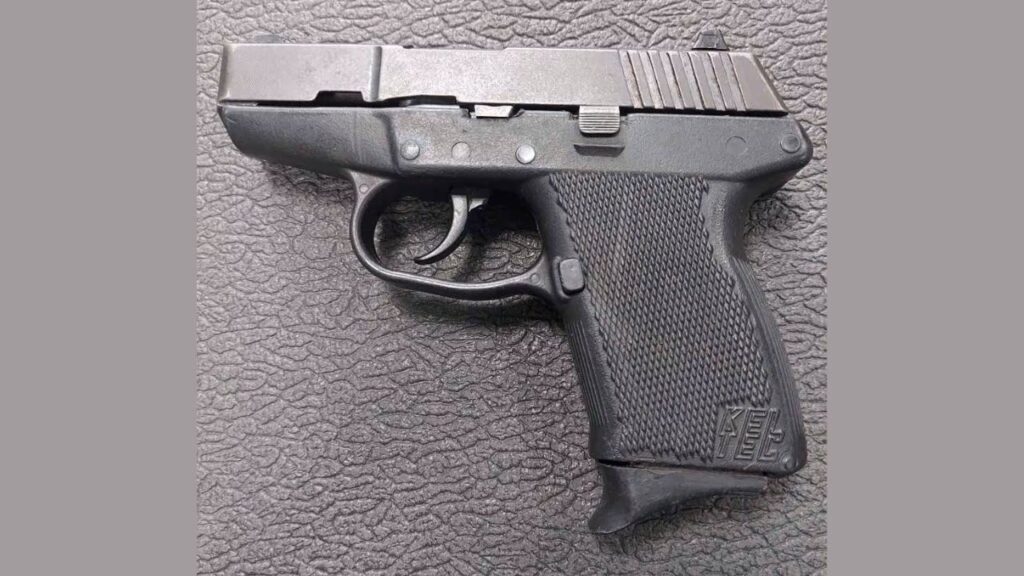
The P-11 was a functional budget gun, but not one that handled post-cleaning well. The tight frame fit, loose slide, and heavy double-action trigger all worked against each other when reassembled. If the guide rod wasn’t seated just right, or the slide wasn’t fully forward on reassembly, malfunctions showed up fast.
Even when cleaned correctly, some P-11s refused to return to full reliability until a few mags of dirty ammo were fired through again. That’s not how maintenance is supposed to work. But if you had one, you probably learned to clean it less—or at least more carefully than anything else you owned.
Walther P22 (early models)

The early Walther P22s were notorious for needing a very specific kind of post-cleaning setup to run properly. Clean it too well, and the slide wouldn’t return to battery. Leave a part out of alignment, and it would stovepipe every third round.
Some folks learned to run the gun dirty because that was the only way it would keep cycling reliably. Combine that with its sensitivity to ammo and mag wear, and the P22 became one of those guns that punished you for taking care of it. Later models were better, but early P22s earned their reputation.
Kimber Solo Carry

Kimber’s Solo was supposed to be a high-end micro-compact, but cleaning it often knocked it out of commission. It was famously sensitive to lube amounts, ammo selection, and even how tightly you reassembled the slide.
Many owners found that after a thorough cleaning, their previously functional pistol turned into a jam-prone mess. Light strikes, short-stroking, and failure to feed were all common. It needed high-pressure ammo to run, but even that didn’t help if the internals were cleaned and reset in a way the Solo didn’t “like.” It made you question whether it was worth maintaining at all.
Taurus PT22

The PT22 is a fun little gun until you try to clean it. The tip-up barrel design can be handy, but once you disassemble and reassemble the internals, reliability often tanks. Springs go back under tension, and the feeding system isn’t as forgiving as it looks.
The pistol doesn’t like to be run clean and dry, but it also hates being overlubed. The sweet spot is hard to find, and most owners don’t find it until they’ve cycled through trial, error, and frustration. Feed failures and stovepipes after cleaning are common complaints—especially if you’re not using high-quality .22 LR.
Jimenez JA-380

The Jimenez JA-380 barely runs to begin with, but if you clean it thoroughly, don’t be surprised when it gets worse. The frame and slide tolerances are loose, and reassembly often throws the barrel slightly out of line, leading to feed issues and misfires.
There’s also the problem of low-quality internal parts that shift during cleaning. The mag catch and extractor are particularly touchy. Many shooters find that after their first cleaning, they can’t get the gun back to the same marginal level of reliability it had out of the box.
Raven MP-25

Another Saturday night special that resents being maintained, the Raven MP-25 is known for running okay when dirty and choking when clean. The internal parts have a habit of shifting slightly during reassembly, especially the firing pin and extractor.
If you clean it without knowing exactly how it wants to be put back together, you end up with a gun that fails to fire or stovepipes on every shot. It’s a small-caliber backup gun that asks to be ignored maintenance-wise—but even then, it’s still a gamble.
Phoenix Arms HP22A

The HP22A isn’t a bad little gun for the money, but cleaning it can turn it into a headache. The safety system and magazine disconnect need to be seated perfectly, or the gun simply won’t fire. The tolerances aren’t tight, but they’re unforgiving in the wrong spots.
After cleaning, you might find the slide sticking or rounds failing to chamber. Add too much oil, and you get cycling issues. Add too little, and the gun feels rough and sluggish. It’s a gun that’s easiest to deal with when you leave it alone.
Beretta Bobcat 21A

The Beretta Bobcat’s tip-up barrel makes cleaning seem easier, but internally it’s still a .22 semi-auto with small, finicky parts. If you over-lube or misalign the barrel or slide during reassembly, you’ll get failures to feed or extract that didn’t exist before.
It’s one of those guns that runs well for hundreds of rounds—until you touch it. After cleaning, getting it back to 100% often means re-seating the barrel or cycling the slide a few dozen times to knock things back into place. That’s not ideal for a pocket carry gun.
Remington RP9

The RP9 had promise on paper, but reliability issues haunted it from the start. Cleaning it usually exposed or worsened those problems. Internal parts had tight tolerances that didn’t always go back together the same way, and lubrication played a big role in whether it would run or not.
Even minor over-oiling caused sluggish cycling. Under-oiling led to wear and misfeeds. Some shooters reported full failure-to-fire issues after their very first cleaning. It made the RP9 a gun you couldn’t trust unless you left it in the condition it came from the factory—which isn’t exactly the point of owning a pistol.
Remington 597 (rimfire rifle bonus)
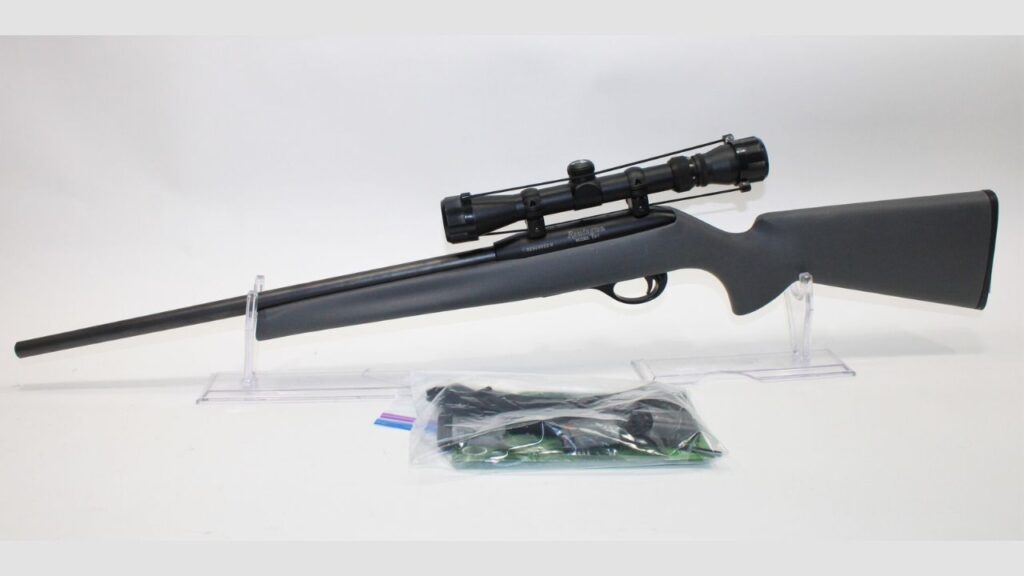
Though not a pistol, the Remington 597 deserves mention here because it has a similar post-cleaning problem. The guide rods, recoil spring, and bolt all need to be aligned just right or you’ll get stovepipes, short-stroking, or double feeds.
After cleaning, if even one spring isn’t seated exactly, the gun stops running. Many owners learn to clean the 597 as little as possible, or at least never break it down fully. For a semi-auto rimfire, that’s not the reputation you want—but it’s the one it earned.
*This article was developed with AI-powered tools and has been carefully reviewed by our editors.