Photo credit: Northern Hills Trading Post/Youtube
Spec sheets can make handgun shopping feel simple. Weight, capacity, barrel length, width, height, trigger system, optic cut, and price all look easy to compare. A new shooter can stare at the numbers and think the “best” pistol should be obvious.
Then they actually shoot them. That’s where the truth gets messier. A pistol with great specs can feel snappy, awkward, cramped, or hard to trust. Another one that looks outdated on paper can shoot beautifully. These handguns remind new shooters that specs help, but they never tell the whole story.
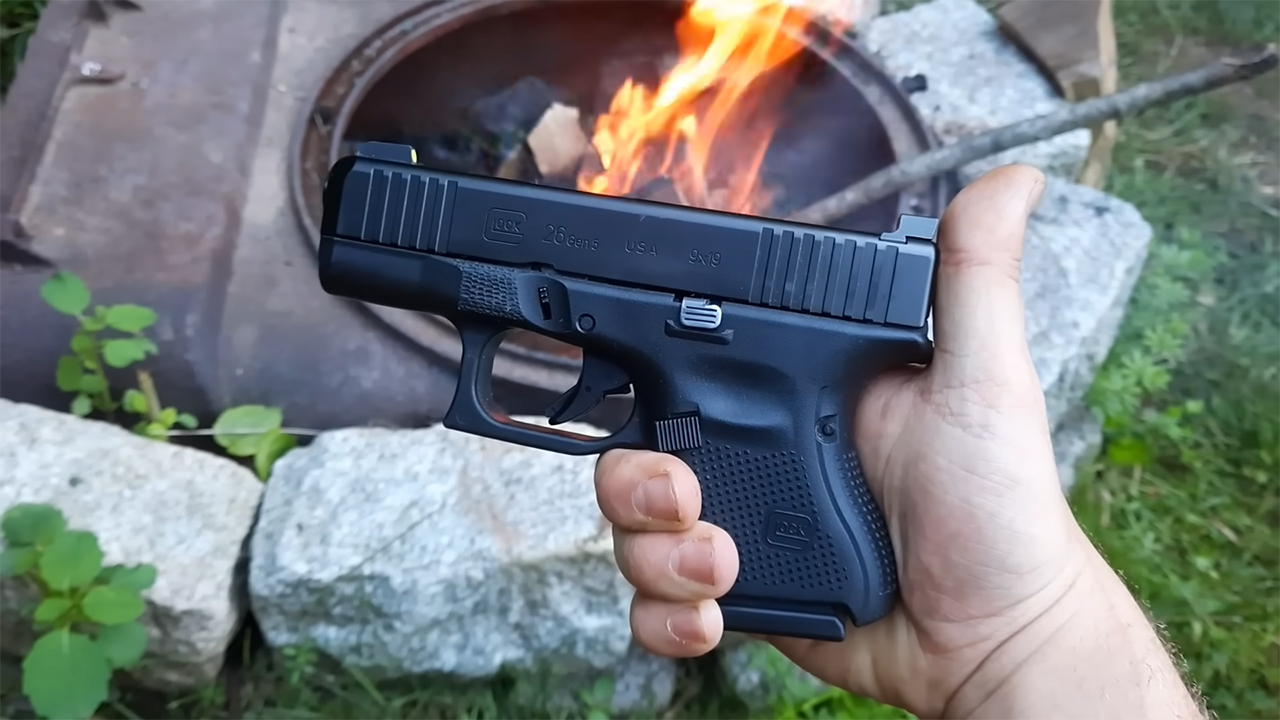
Glock 26
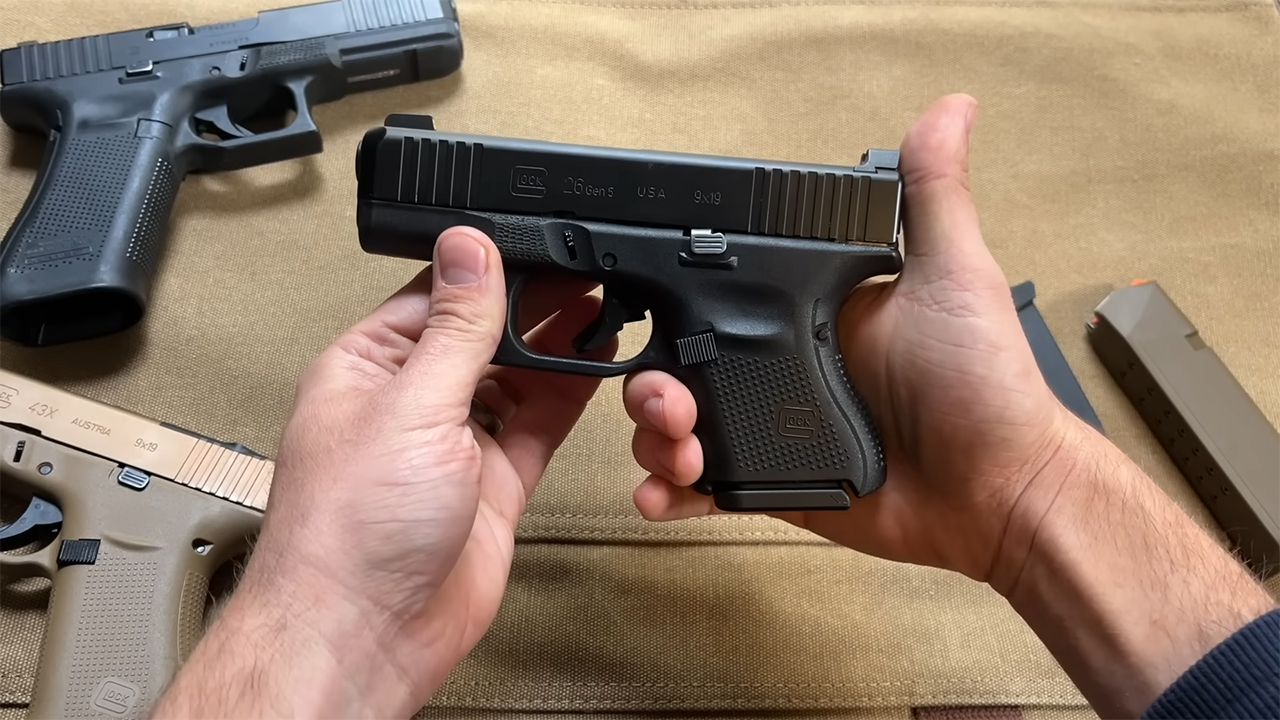
The Glock 26 looks awkward on paper. It’s short in the grip, thick through the frame, and not as slim as newer carry pistols with impressive capacity for their size. A new shooter might wonder why anyone would still bother with it when so many flatter options exist.
Then they shoot one and start to understand. The thicker frame gives the hand more to hold than many ultra-slim pistols, and the little Glock is often easier to control than its stubby shape suggests. It also takes larger Glock magazines, which adds flexibility for range work and backup use. It may not look sleek, but it works. The Glock 26 proves a pistol can lose the beauty contest and still win on confidence.
Beretta PX4 Storm Compact
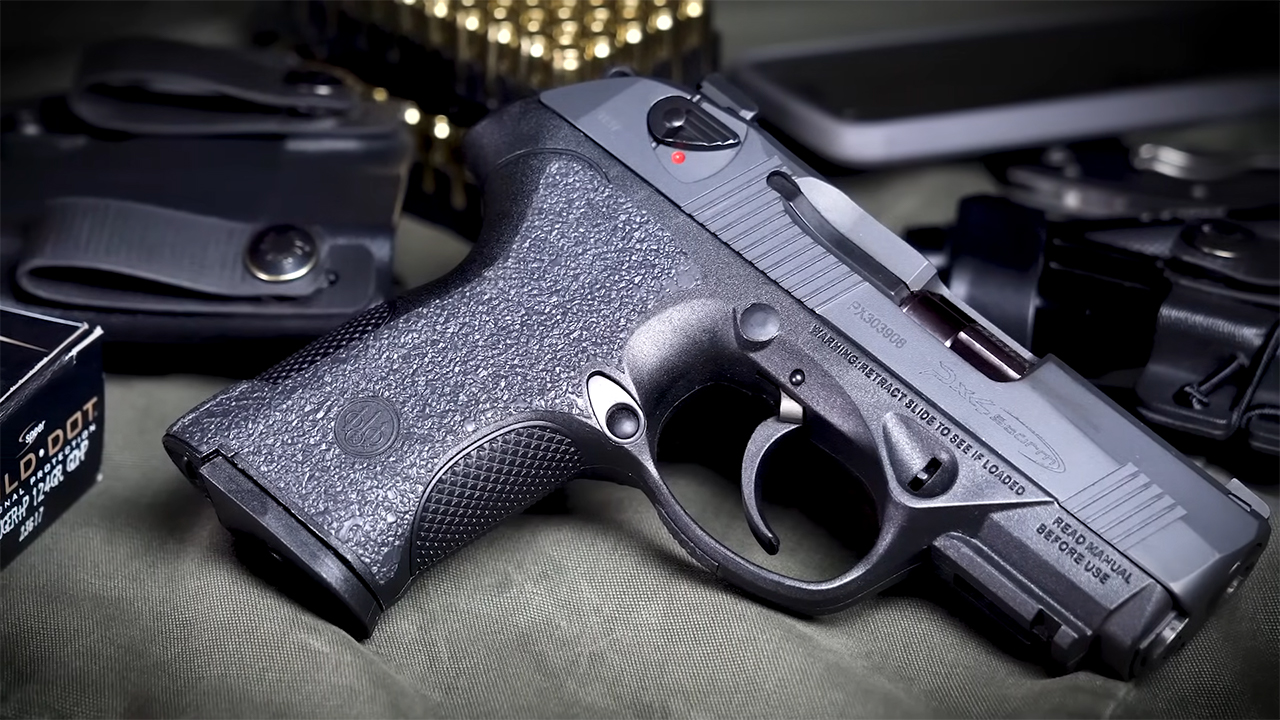
The Beretta PX4 Storm Compact is not a pistol that wins people over through measurements. It looks rounded, a little chunky, and different from the clean striker-fired pistols most new shooters recognize. The DA/SA trigger system also looks more complicated than a simple striker-fired pull.
The range tells a better story. The PX4’s rotating barrel system gives it a smoother recoil impulse than many compact 9mms, and the grip feels better than the shape suggests. It carries more comfortably than people expect with the right holster, and it rewards anyone willing to learn the trigger. The specs may make it look dated or odd. Shooting it often makes it feel smart.
Smith & Wesson Model 10
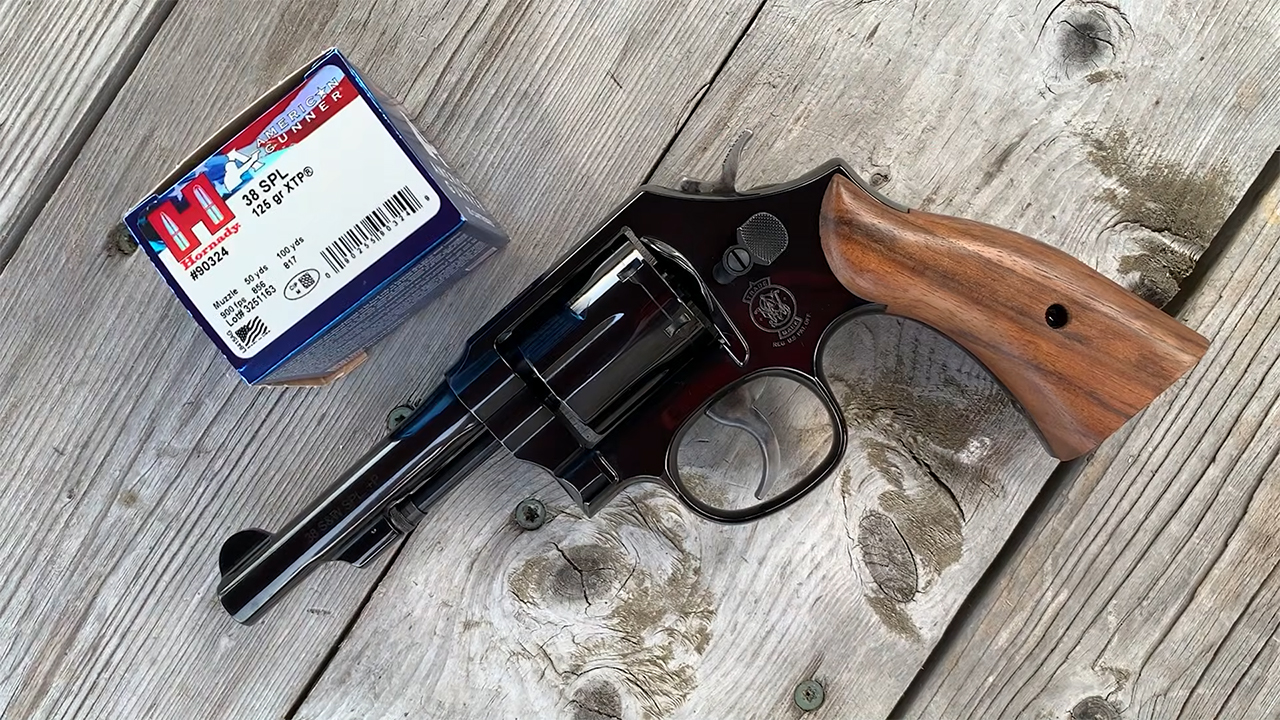
The Smith & Wesson Model 10 looks completely unimpressive to someone shopping by modern defensive specs. Fixed sights, .38 Special, six rounds, no rail, no optic cut, no magazine capacity advantage. It looks like an old revolver from a different world.
That’s exactly why it teaches so much. The Model 10 is one of the best handguns for learning double-action trigger control because it’s comfortable, accurate, and not punishing to shoot. The K-frame gives enough weight and grip to make practice productive, while .38 Special keeps recoil manageable. It may not be the modern carry answer for most people, but as a training revolver, it proves specs can miss the real value entirely.
SIG Sauer P239
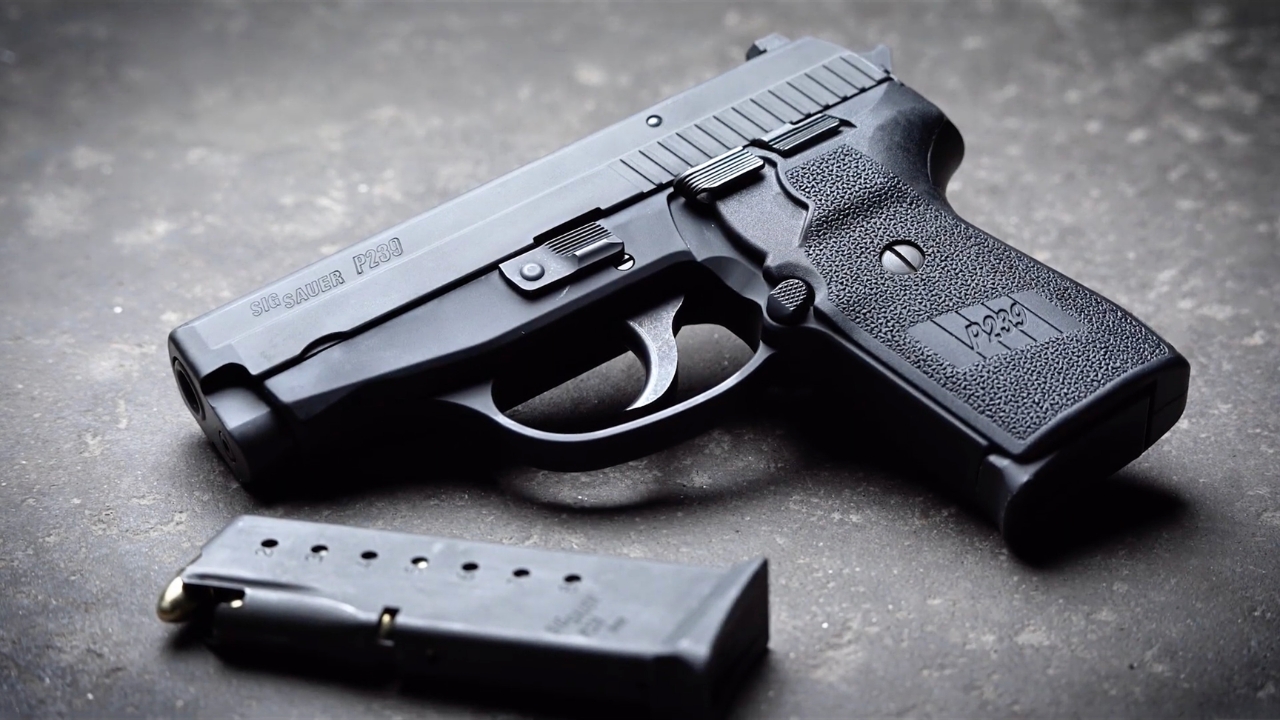
The SIG P239 looks outdated if a new shooter compares it to modern micro-compacts. It is heavier, lower-capacity, and built around a DA/SA trigger system that takes more commitment. On paper, it seems like a pistol that newer designs should have made irrelevant.
In the hand, it feels different. The slim metal frame carries flat, the weight helps tame recoil, and the pistol is often easier to shoot well than smaller, lighter guns with better capacity numbers. That matters for a new shooter who may not yet understand how much control affects confidence. The P239 proves a carry pistol is not only about being tiny or holding more rounds. Sometimes shootability is the real advantage.
Ruger LCR
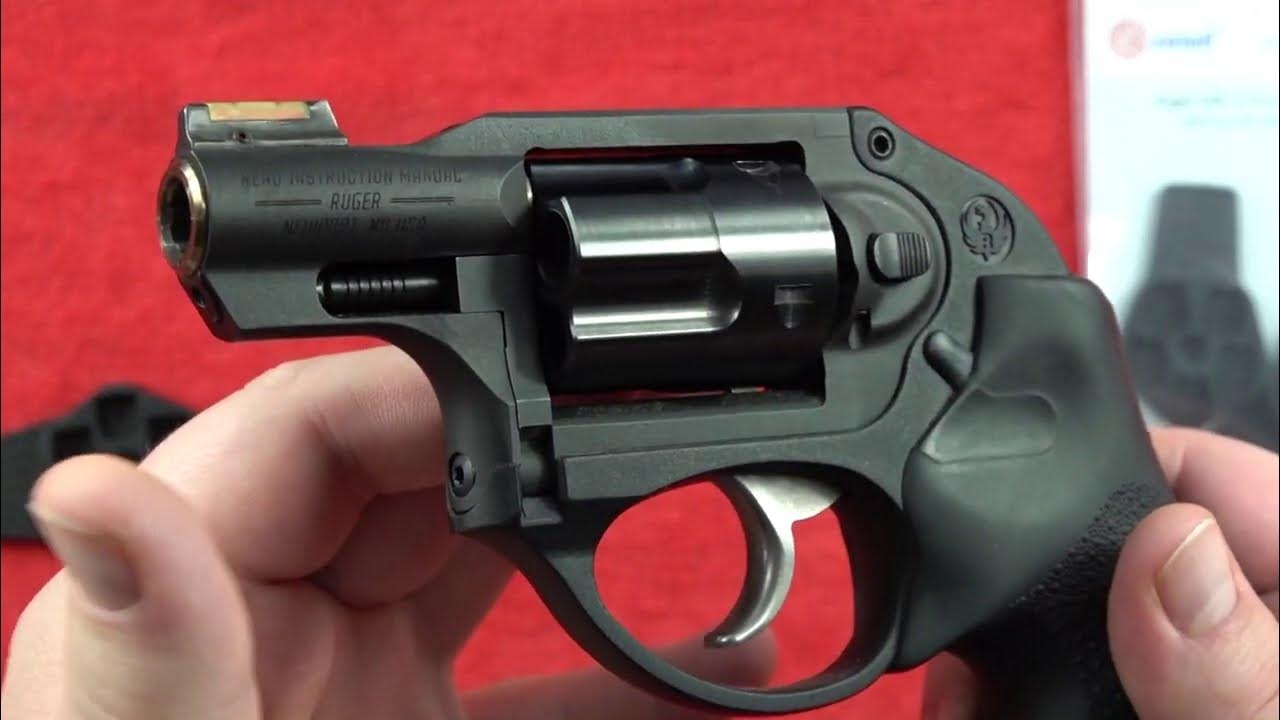
The Ruger LCR looks strange and underwhelming if someone only compares capacity and reload speed. It’s a small revolver with limited rounds, basic sights, and a modern polymer-and-metal construction that doesn’t have classic revolver charm. A compact semi-auto seems like the obvious better choice.
Then a new shooter feels the trigger. The LCR’s double-action pull is smoother than many expect from a small revolver, and the gun carries easily in places where larger pistols become annoying. It is still difficult to shoot well, especially in lighter chamberings with sharper recoil, so practice matters. But inside its role, the LCR makes sense. It proves the right handgun depends on the job, not just the numbers.
CZ 75 Compact
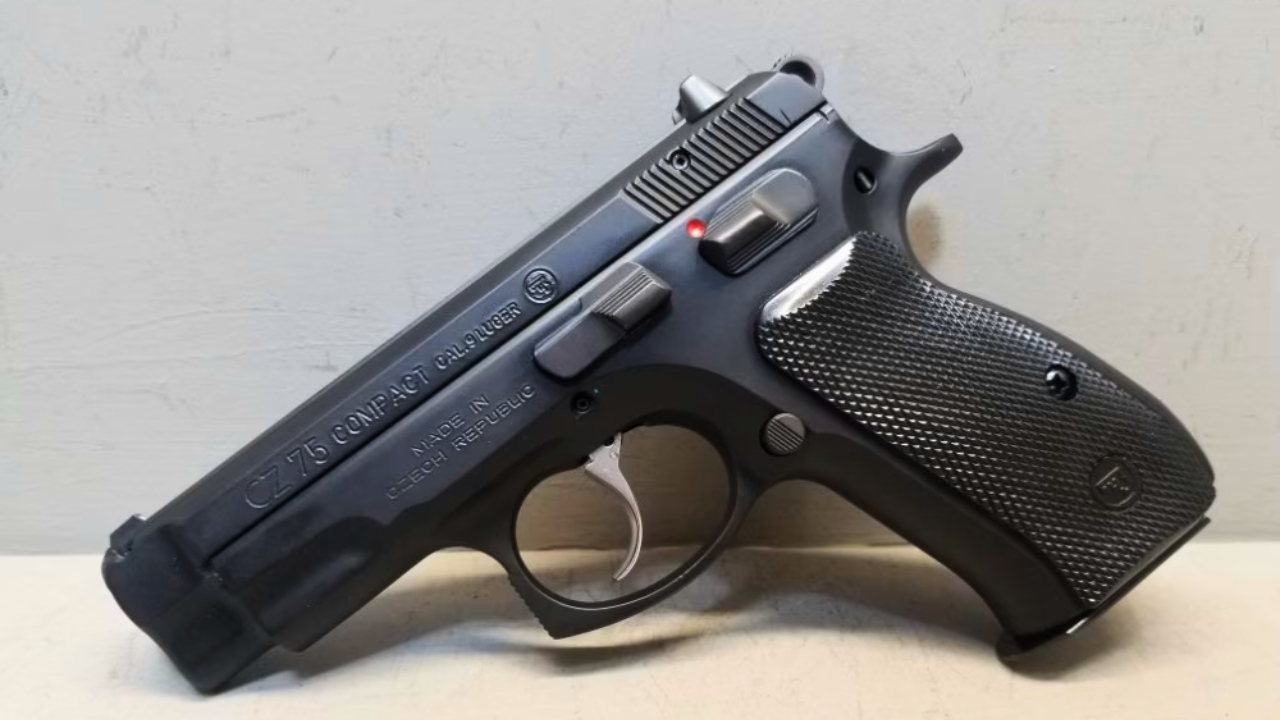
The CZ 75 Compact looks heavy compared with modern polymer carry guns. It doesn’t offer the lightest weight, easiest optics support, or simplest striker-fired trigger. A new shooter shopping by specs might skip it for something thinner and more current.
Then they shoot it and feel why weight is not always a drawback. The steel frame helps manage recoil, the grip shape feels natural for many hands, and the pistol points in a way that makes confidence come faster. It may not be the most convenient daily carry option for everyone, but it is a very shootable compact pistol. The CZ 75 Compact reminds new shooters that “heavier” can also mean steadier.
Walther PPS M2

The Walther PPS M2 looks dated beside newer high-capacity micro-compacts. It holds fewer rounds, lacks the same market buzz, and doesn’t win the spec-sheet fight against pistols that pack more capacity into similar footprints. New shooters can easily overlook it.
But carrying and shooting are not the same as reading numbers. The PPS M2 is slim, comfortable, and easier to control than many small pistols. It has a natural grip shape and a recoil impulse that doesn’t feel as harsh as some tiny 9mms. For someone who values comfort and consistent practice, it still makes sense. The PPS M2 shows that capacity matters, but it doesn’t matter more than actually shooting the gun well.
HK P30SK
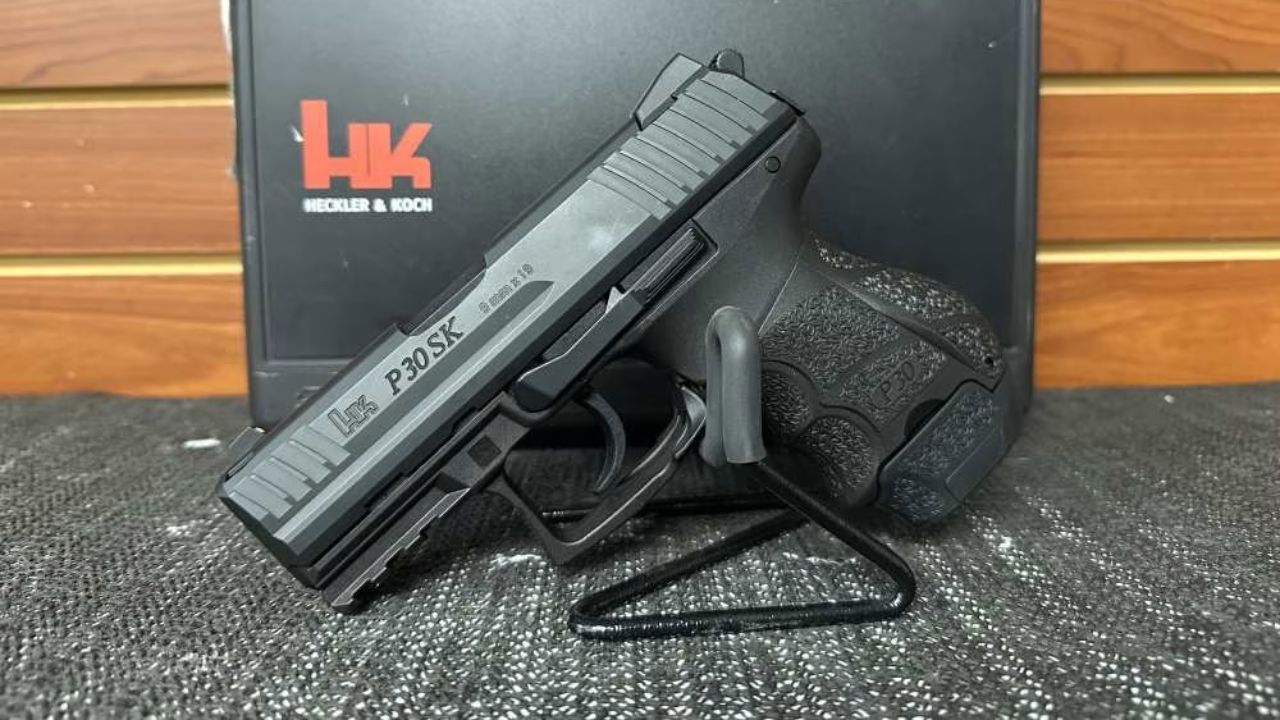
The HK P30SK doesn’t look efficient on paper. It’s thicker than many modern carry pistols, the trigger systems take commitment, and the price is usually higher than simpler options. A new shooter may wonder why anyone would choose it over something slimmer and cheaper.
The answer is fit. The P30SK’s grip panels and backstraps let shooters adjust the feel in a way many small pistols don’t allow. That can make a compact handgun feel much easier to control. It also has the tough, serious feel HK owners tend to appreciate. It’s not the simplest choice, but it can be an excellent one for the right shooter. Specs don’t measure how secure a pistol feels in your hand.
Colt Lightweight Commander
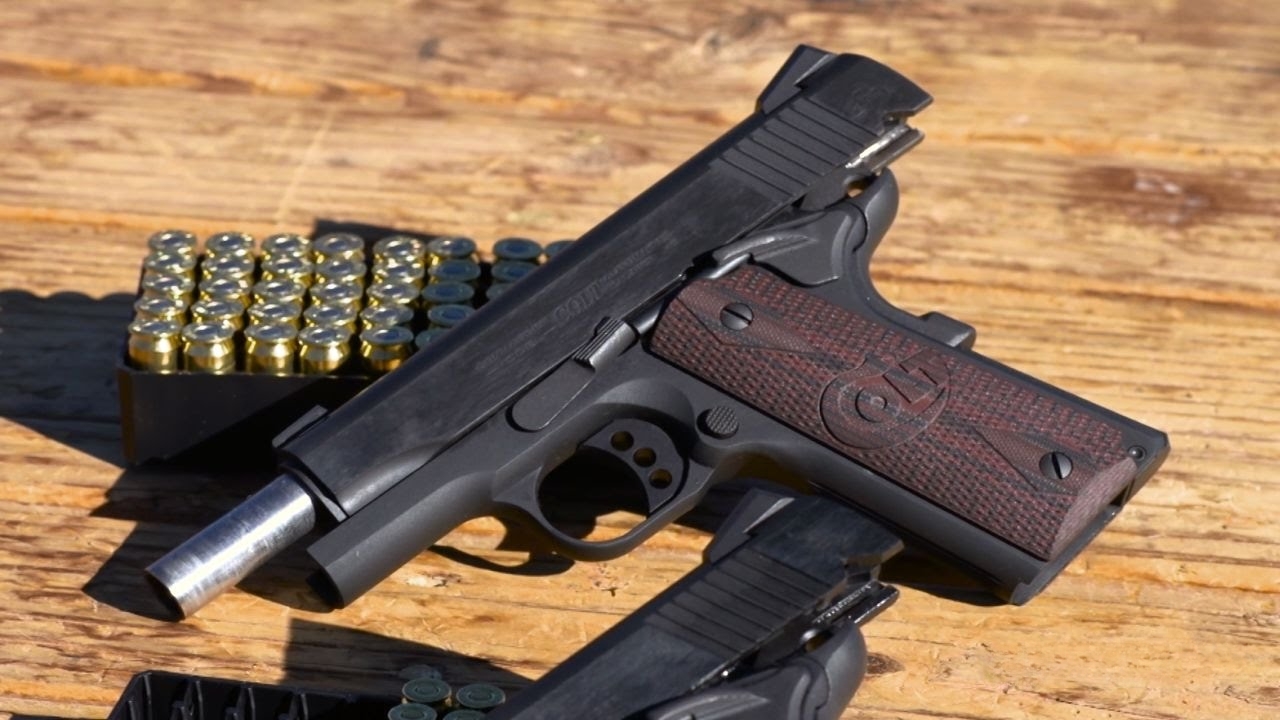
The Colt Lightweight Commander loses almost every modern spec contest. It has lower capacity than double-stack pistols, requires thumb-safety training, costs more than many polymer handguns, and brings the usual 1911 maintenance expectations. A new shooter might see all that and move on.
But the pistol has a feel that specs don’t capture. It carries flat, balances well, and offers a crisp single-action trigger that helps careful shooting. It is not the best fit for someone unwilling to train with the platform, but for a shooter who understands 1911s, it can feel incredibly natural. The Lightweight Commander proves that an older design can still make sense when the shooter and pistol match each other.
Taurus TX22
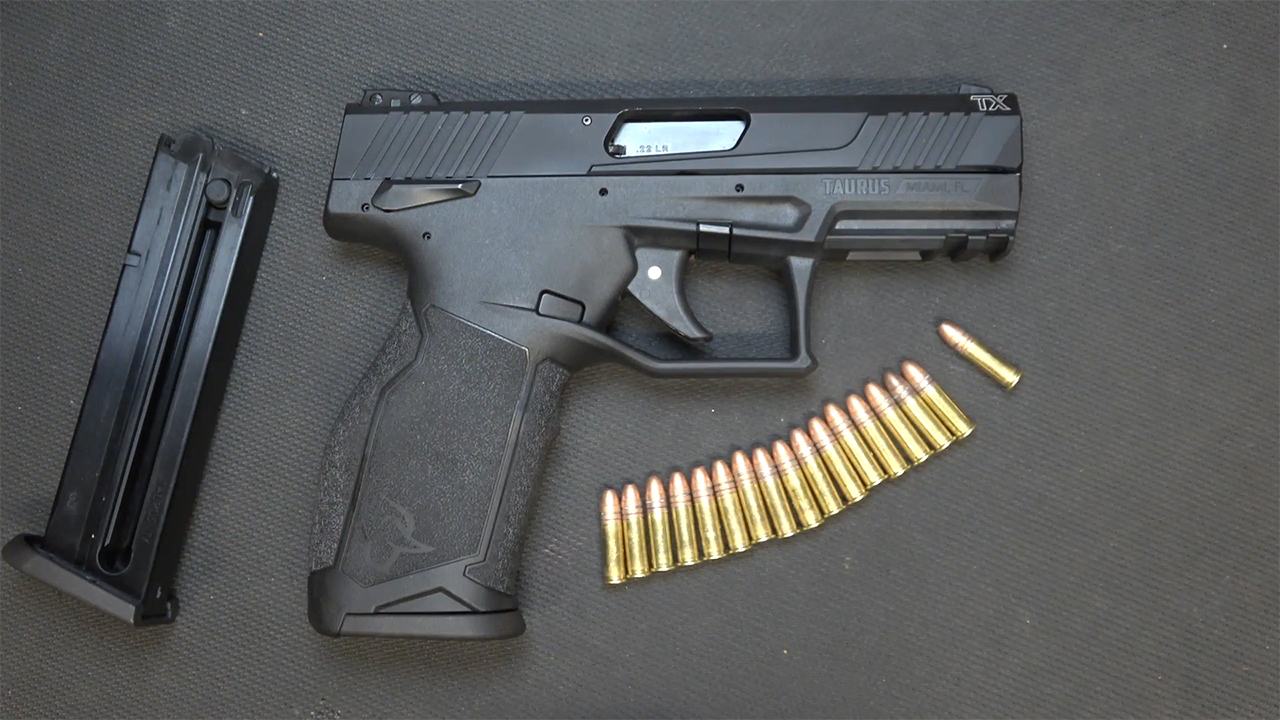
The Taurus TX22 looks like a simple budget rimfire, and brand reputation alone may make some new shooters suspicious. A polymer .22 pistol doesn’t sound like the kind of gun that teaches a major lesson about specs. It looks basic.
Then it starts getting used constantly. The TX22 is light, comfortable, affordable to shoot, and fun enough that owners actually practice with it. It has good capacity for a rimfire and familiar controls that make it a useful training pistol. It is not a premium target gun, and rimfire ammo can always be picky, but the value is obvious. Specs don’t show how much a gun encourages practice. The TX22 does.
Kimber K6s

The Kimber K6s can confuse new shooters because it costs more than many small revolvers and carries fewer rounds than compact semi-autos. It is also heavier than ultralight snubs, which makes it look less convenient if weight is the only thing being measured.
That extra weight and cost make more sense when the gun is fired. The K6s has a smooth trigger, good sights for a small revolver, and a six-shot cylinder in a compact frame. It is still a small revolver, so it takes skill, but it gives the shooter more help than many cheaper snubs. The K6s teaches that the smallest and lightest gun is not always the easiest to use well.
Springfield Armory EMP 4-Inch
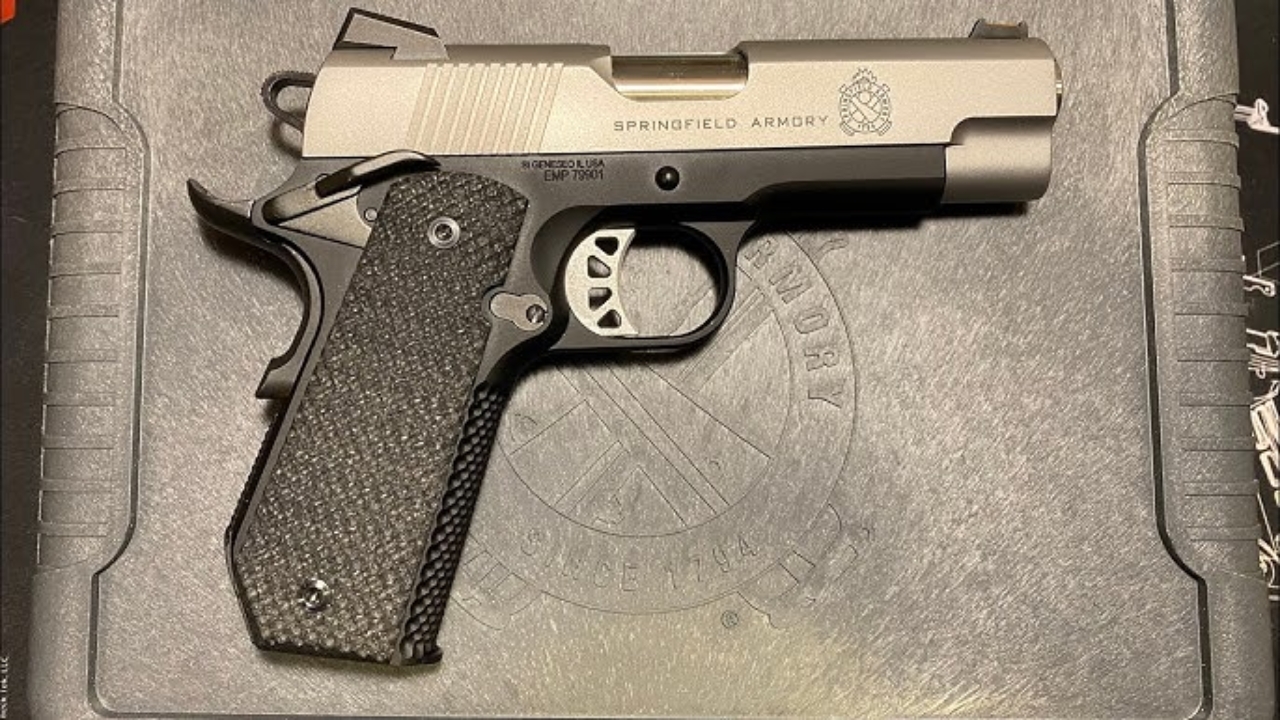
The Springfield Armory EMP 4-inch doesn’t look like the obvious choice in a world of high-capacity micro-compacts. It costs more, holds fewer rounds, and uses 1911-style controls that require real training. A new shooter may wonder why anyone would choose it over a simpler striker-fired pistol.
The shooting experience gives the answer. The EMP was scaled around shorter cartridges instead of feeling like a chopped-down full-size 1911. The grip is slim, the trigger is crisp, and the 4-inch slide gives better control than tiny pistols. It carries flat and shoots with confidence for people who like the platform. Specs can say it’s inefficient. The hand may say it fits.
Glock 30S
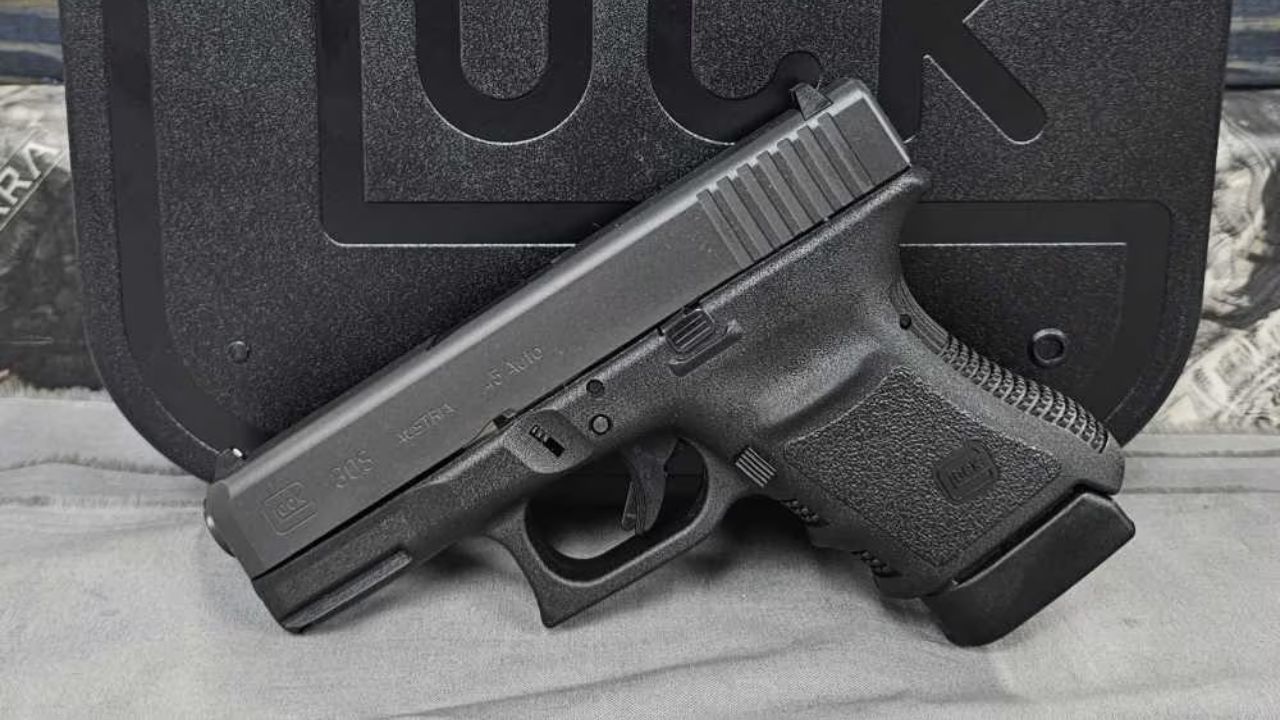
The Glock 30S looks clunky by modern carry standards. It’s a compact .45 ACP that is still fairly thick, and many shooters have moved toward slimmer 9mms with higher capacity and easier recoil. A new shooter looking only at current trends may not understand the appeal.
Owners who like the 30S usually care about how it shoots and what it offers. The slimmer slide helps compared with the standard Glock 30, while the grip still gives enough control for .45 ACP. It is not graceful, and it won’t fit every hand. But for someone who wants a compact Glock in .45 with strong parts and magazine support, the 30S still makes sense. The specs look dated until the role is clear.
Browning Buck Mark
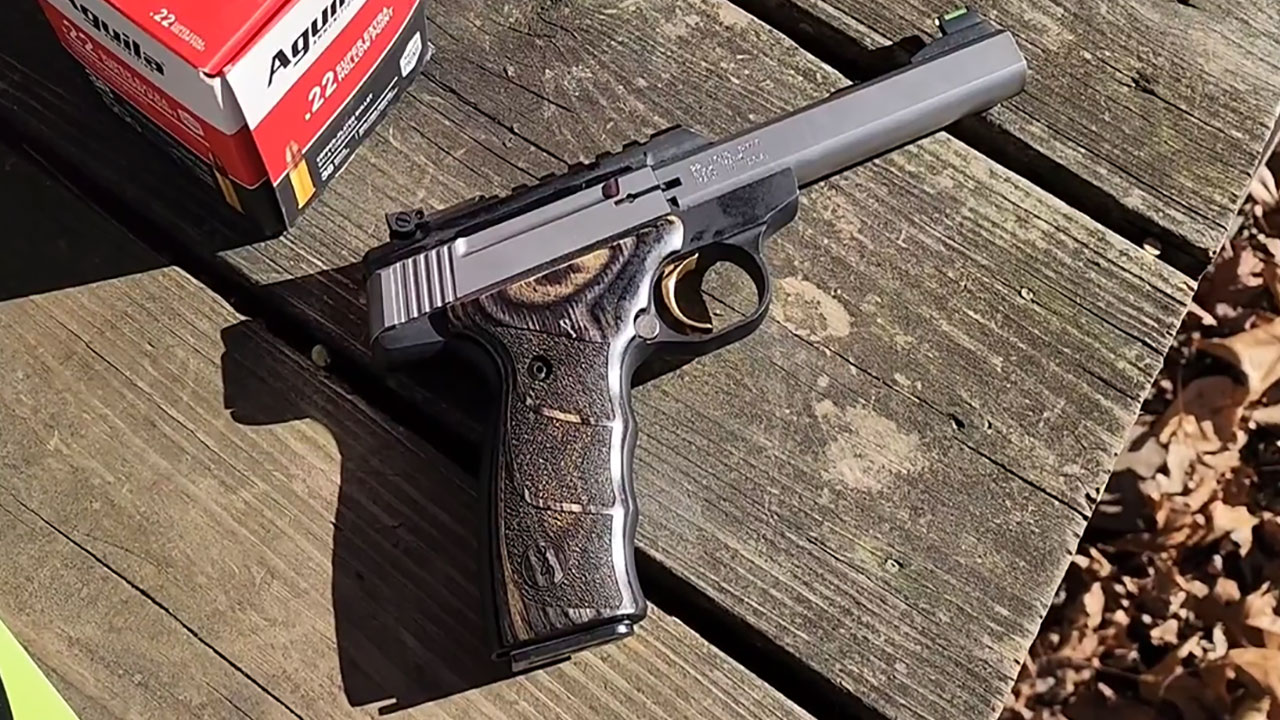
The Browning Buck Mark doesn’t always look as exciting as newer rimfire pistols with optic cuts, threaded barrels, or tactical styling. A basic Buck Mark can look plain enough that new shooters pass over it for something with more features.
Then they shoot it. The grip is comfortable, the trigger is usually good, and the pistol is accurate enough to make practice rewarding. It works for plinking, teaching fundamentals, and small-game use where legal. A .22 pistol does not have to imitate a duty gun to be useful. The Buck Mark proves that a simple, shootable rimfire can teach more than a flashy pistol that isn’t as pleasant to run.
Beretta 80X Cheetah

The Beretta 80X Cheetah looks inefficient on paper because it’s a .380 ACP pistol that isn’t especially tiny. A new shooter might compare it to compact 9mms and decide the Beretta is too large for the cartridge. That argument makes sense if power-to-size is the only concern.
But that misses the point. The 80X is soft-shooting, comfortable, stylish, and easier to control than many tiny defensive pistols. The improved sights and controls make it more practical than older Cheetah models, while the mild recoil can help newer shooters build confidence. It may not be the most efficient defensive pistol, but it is one people may actually enjoy practicing with. Specs rarely measure enjoyment, and that matters more than people admit.
Like The Avid Outdoorsman’s content? Be sure to follow us.
Here’s more from us: