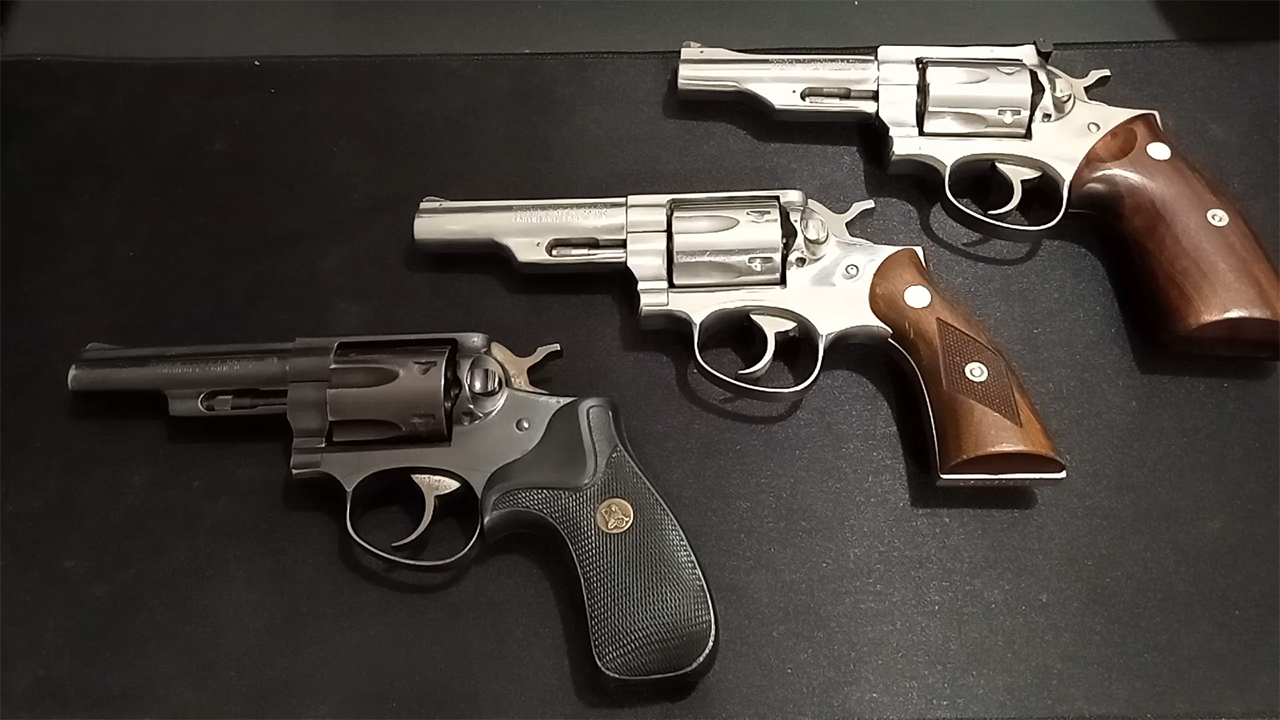
Photo credit: EDC Gear Guy/Youtube
Some guns don’t get much respect until the people who own them start acting strange about them. They won’t trade them. They won’t sell them. They don’t care what the used price is doing unless it proves their point. They just know the gun works, fits, shoots well, or fills a role nothing else handles quite the same.
That kind of loyalty usually comes from experience. A gun may look plain, outdated, or easy to replace from the outside, but owners know better. These are the guns people underestimated until the folks who had them made it clear they weren’t letting them go.
Ruger Security-Six
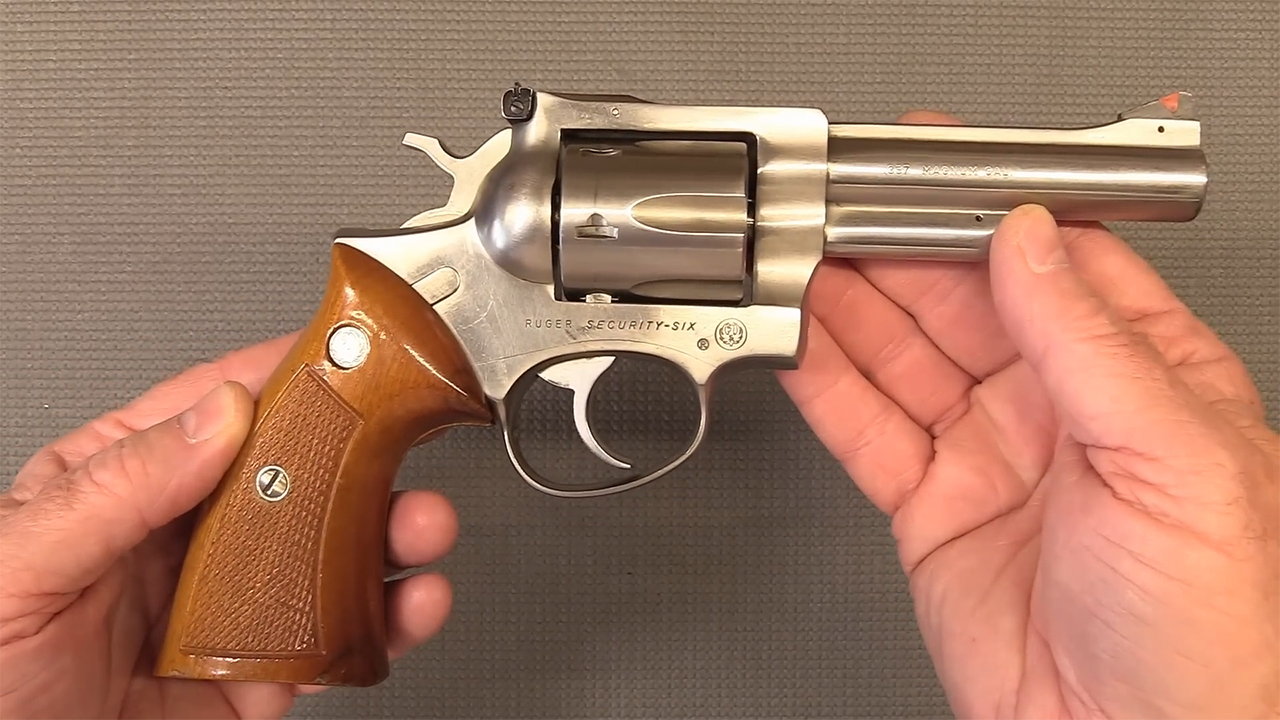
The Ruger Security-Six spent years being treated like the plain working revolver in the room. It didn’t have the polish of a Smith & Wesson, the collector pull of a Colt, or the extra beef of the GP100 that came later. To a lot of people, it looked like a basic Ruger .357.
Owners knew why they kept them. The Security-Six is strong, handy, and easier to carry than many larger magnums. It shoots .38 Special comfortably and handles .357 Magnum with confidence, all without feeling oversized. That middle ground is the part people missed. Once Ruger stopped making them, owners started looking smarter every year. Plenty of them won’t sell because they know another revolver may be nicer or newer, but not necessarily better for the same job.
Marlin Model 60
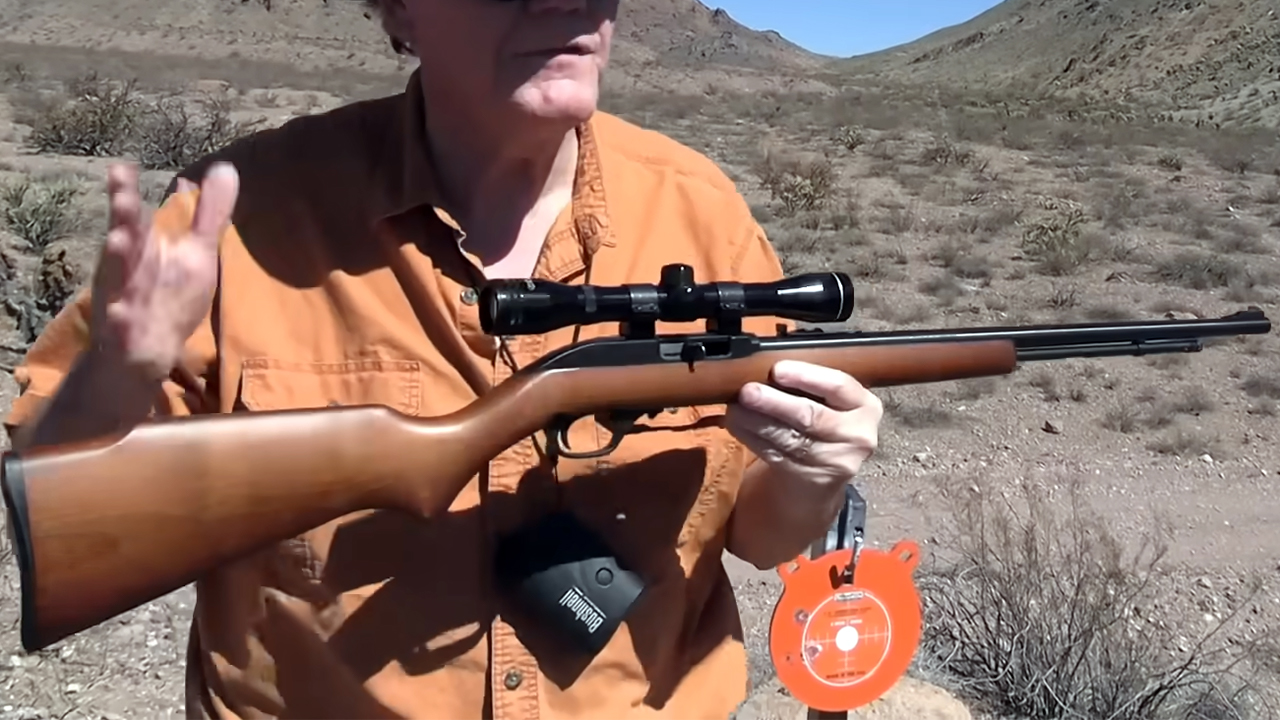
The Marlin Model 60 is about as easy to underestimate as a rifle can get. It’s a tube-fed semi-auto .22 that was affordable, common, and plain. It didn’t have the aftermarket world of the Ruger 10/22, and it didn’t have the classic lever-action charm of a Marlin 39A or Winchester 9422.
But owners who grew up with one usually understand the loyalty. The Model 60 can be surprisingly accurate, easy to shoot, and useful for plinking, small game, and teaching new shooters. It doesn’t need to become a project to earn its place. It just keeps working with ammo it likes and basic care. People underestimated it because it was common. Owners kept it because a good .22 that everyone likes shooting is harder to replace than it looks.
Smith & Wesson 5906
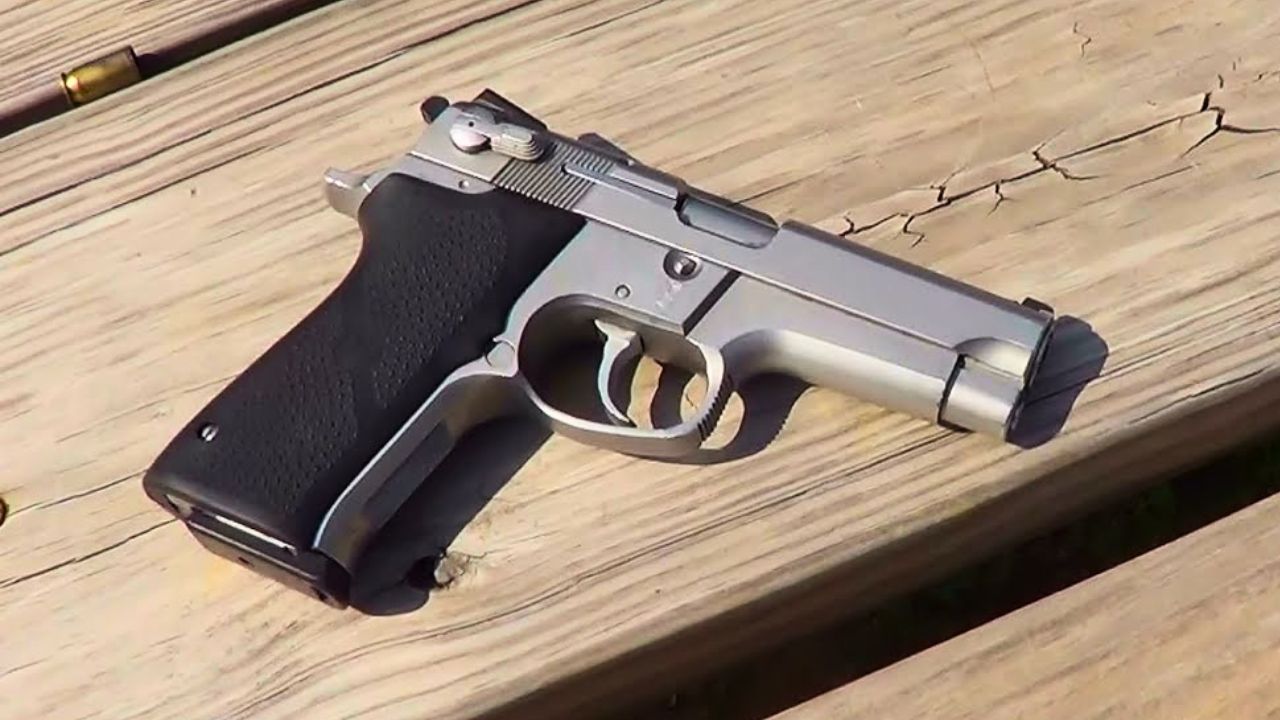
The Smith & Wesson 5906 was easy to dismiss once polymer pistols took over. It was heavy, stainless, DA/SA, and very much from another service-pistol era. A lot of shooters saw the weight and older controls and assumed it had been properly replaced.
Owners who kept them usually disagree. The 5906 feels solid in a way many modern pistols don’t. That stainless frame soaks up recoil, the gun shoots comfortably, and the build quality gives it serious range and home-defense appeal. It may not be a modern carry pistol, and nobody should pretend it is. But it is a durable, accurate, confidence-building handgun. People underestimated it because it looked dated. Owners refused to sell because it still shoots too well to let go.
Browning BL-22

The Browning BL-22 looks like a nice little rimfire, which makes people underestimate how attached owners get. A lever-action .22 can sound like a simple fun gun, not something a person would guard like a favorite rifle. Then you work the short lever throw and understand the problem.
The BL-22 is smooth, lively, and built with more care than many casual rimfires. It’s friendly for new shooters but still satisfying for experienced ones. It works for plinking, small game, and family range days, but it also has enough quality to feel worth keeping forever. Owners don’t sell them because replacing that exact feel isn’t cheap or easy. A good rimfire can sneak up on people, and the BL-22 is a perfect example.
CZ 527 Carbine
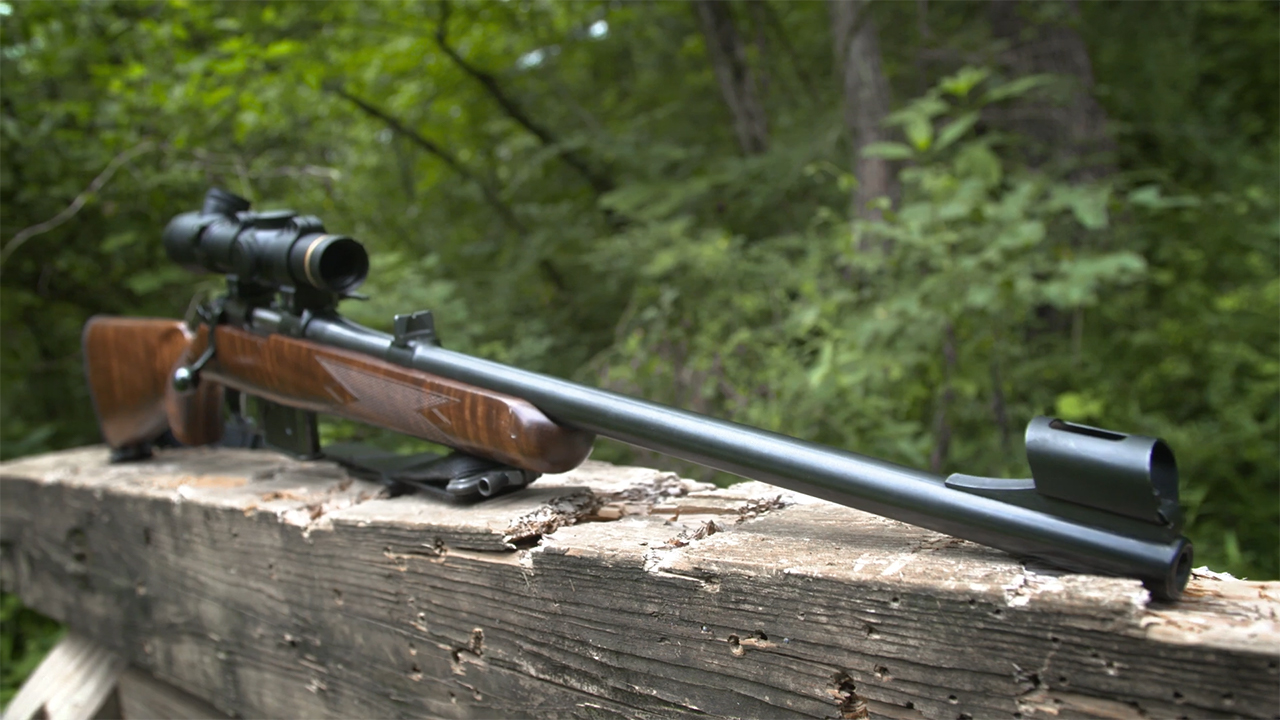
The CZ 527 Carbine looked odd enough that plenty of shooters underestimated it. A compact bolt-action with a mini-Mauser-style action, detachable magazine, and chamberings like .223 Remington or 7.62×39 didn’t fit neatly into the usual rifle categories. Some people didn’t know what to do with it.
Owners did. The 527 Carbine is handy, accurate enough for real use, and full of personality. It works well for predators, range shooting, ranch carry, and small-to-medium game where legal and appropriate. Once CZ discontinued the line, the people who kept theirs became even less interested in selling. The rifle fills a narrow lane, but it fills it beautifully. That’s usually when owners start saying no to trade offers.
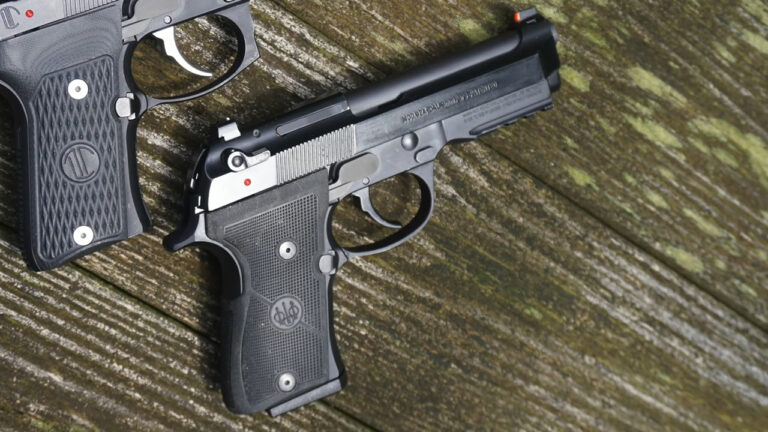
Beretta PX4 Storm Compact
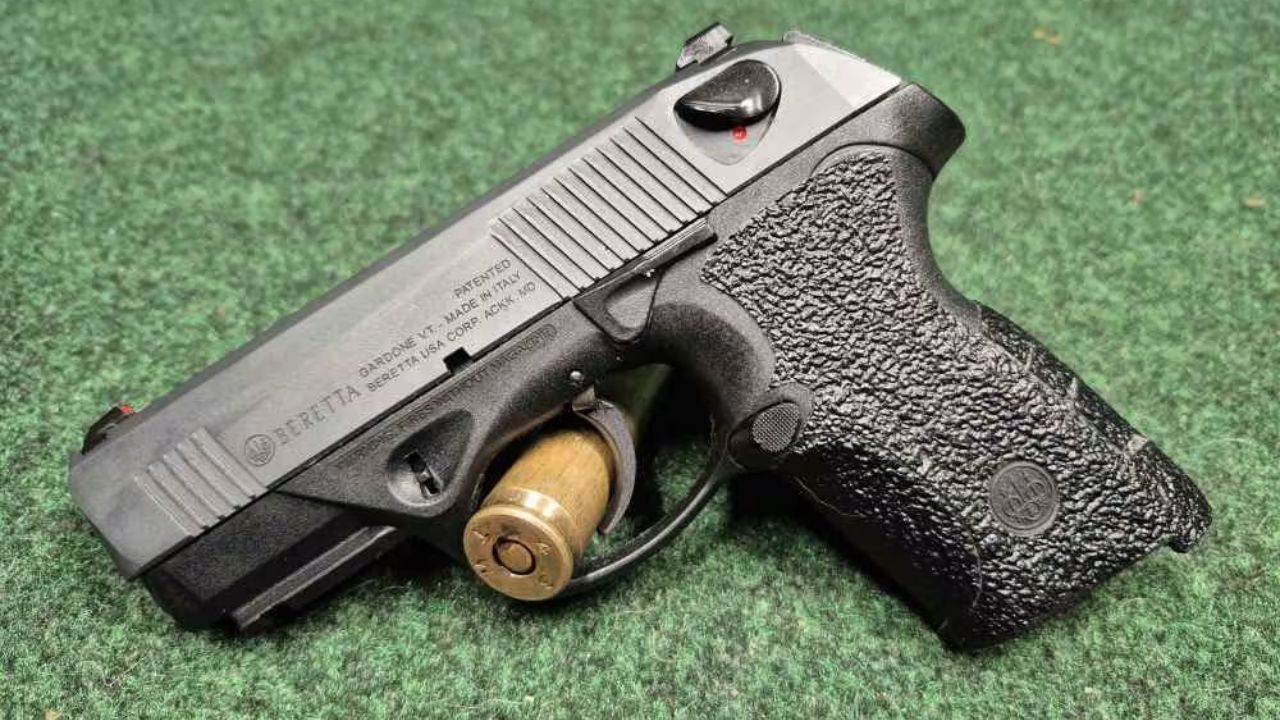
The Beretta PX4 Storm Compact has always been underestimated because of how it looks. The rounded slide and unusual profile don’t have the clean, familiar appeal of most striker-fired pistols. Add the DA/SA trigger and rotating barrel system, and a lot of buyers simply skipped it.
Owners who shoot them well tend to get protective fast. The PX4 Compact has a softer recoil impulse than many pistols its size, carries better than its shape suggests, and rewards someone willing to learn the trigger. It’s not trendy, but it works. That’s why people who like them often really like them. They know the pistol’s value isn’t obvious from a counter glance. It shows up when the gun is actually being run.
Remington 7600
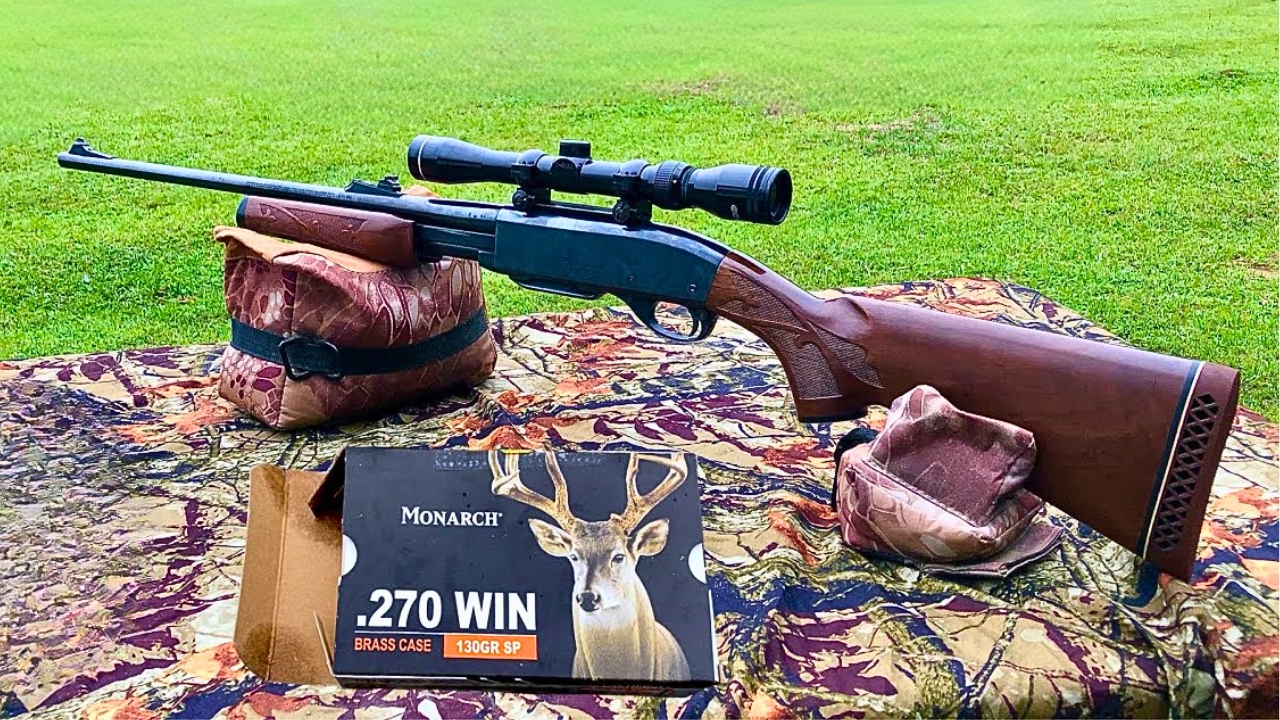
The Remington 7600 is easy to underestimate if you didn’t grow up around pump rifles. To some hunters, a centerfire pump seems strange beside a bolt-action. Others see it as a regional deer-drive gun and never think much beyond that. That limited view misses why owners hang onto them.
The 7600 is fast, familiar to shotgun hunters, and well-suited for thick woods or moving deer. It’s not a precision bench rifle, and it doesn’t need to be. In chamberings like .30-06 Springfield, .308 Winchester, .270 Winchester, and others, it gives hunters real capability with quick follow-up potential. Owners who know how to run one don’t usually care if someone else doesn’t get it. They keep it because it fits how they hunt.
Ruger P95
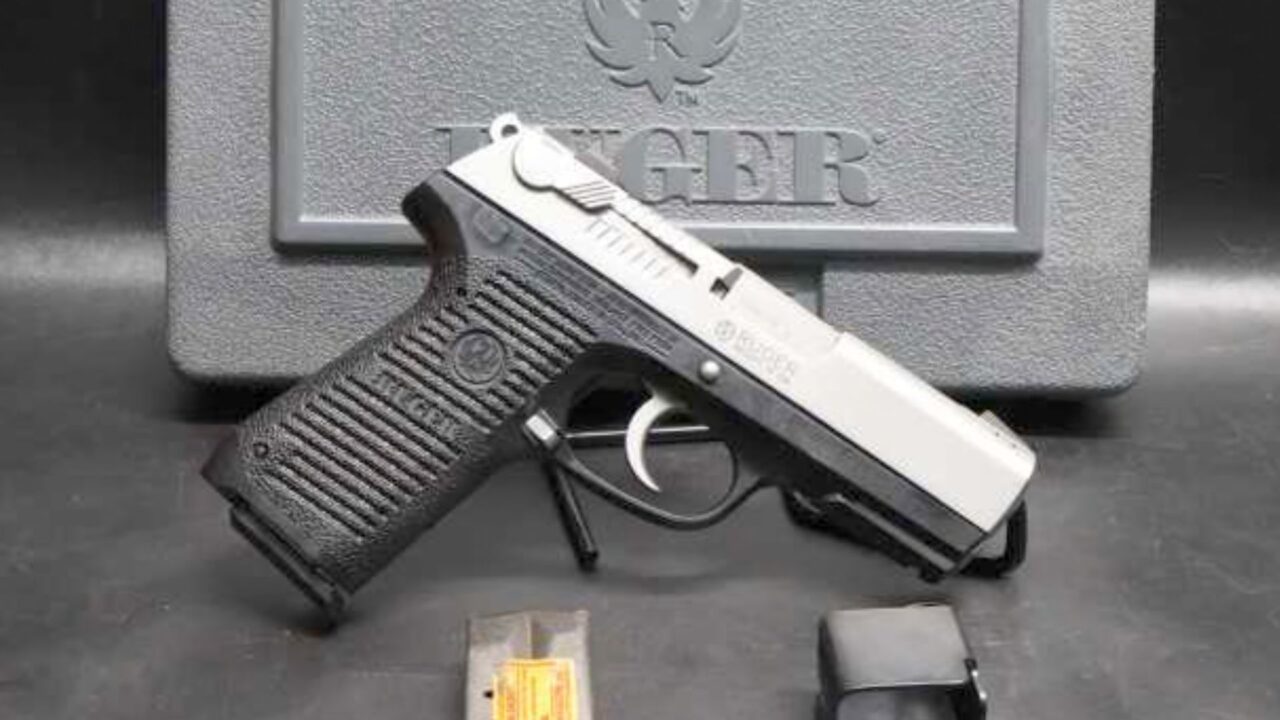
The Ruger P95 has been underestimated for most of its life because it’s not pretty. It’s chunky, plain, and not especially refined. It looks like a budget pistol from another era, and that’s enough for some shooters to write it off without much thought.
The owners who refuse to sell usually have a simple reason: theirs works. The P95 is tough, reliable for many shooters, and comfortable enough for basic 9mm range use. It doesn’t have modern optics support, sleek ergonomics, or a crisp trigger. But it has a durable, no-nonsense personality that ages better than the styling. A pistol doesn’t have to be fashionable to earn loyalty. Sometimes it just needs to run every time and shrug off years of use.
Winchester Model 88
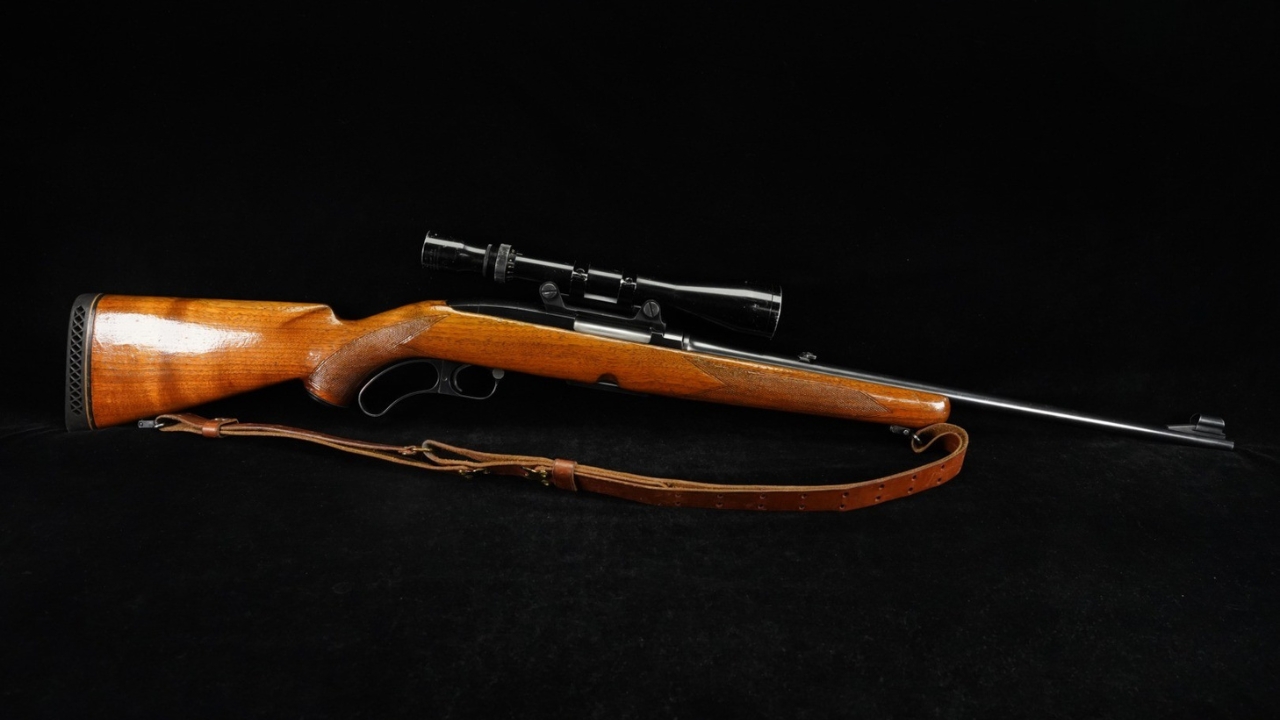
The Winchester Model 88 was underestimated because it confused people. It wasn’t a traditional lever-action, but it wasn’t a bolt-action either. The rotating bolt and detachable magazine gave it modern cartridge capability, while the lever kept it fast and slim. That made it easy to overlook if someone wanted something familiar.
Owners who have good ones tend to know exactly what they have. The Model 88 handles quickly, carries nicely, and chambers useful deer cartridges like .308 Winchester, .243 Winchester, and .284 Winchester depending on the rifle. It has quirks, and condition matters with any older gun. But a good Model 88 fills a lane most current rifles don’t. That’s why owners don’t rush to sell. The replacement list is too short.
Taurus TX22

The Taurus TX22 was underestimated before it ever got a fair shake because of the name on the slide. Taurus has had enough uneven history that plenty of shooters assumed a polymer .22 pistol from the brand would be cheap trouble. That skepticism wasn’t hard to understand.
Then owners started putting serious round counts through them. The TX22 is light, comfortable, high-capacity for a rimfire, and fun enough that people actually shoot it a lot. It’s not a premium target pistol, and rimfire ammo can always be picky, but the pistol has earned real loyalty by making practice cheap and enjoyable. Owners refuse to sell because it fills the most important rimfire role: it gets used. A gun that makes people shoot more is worth keeping.
Marlin 1894C
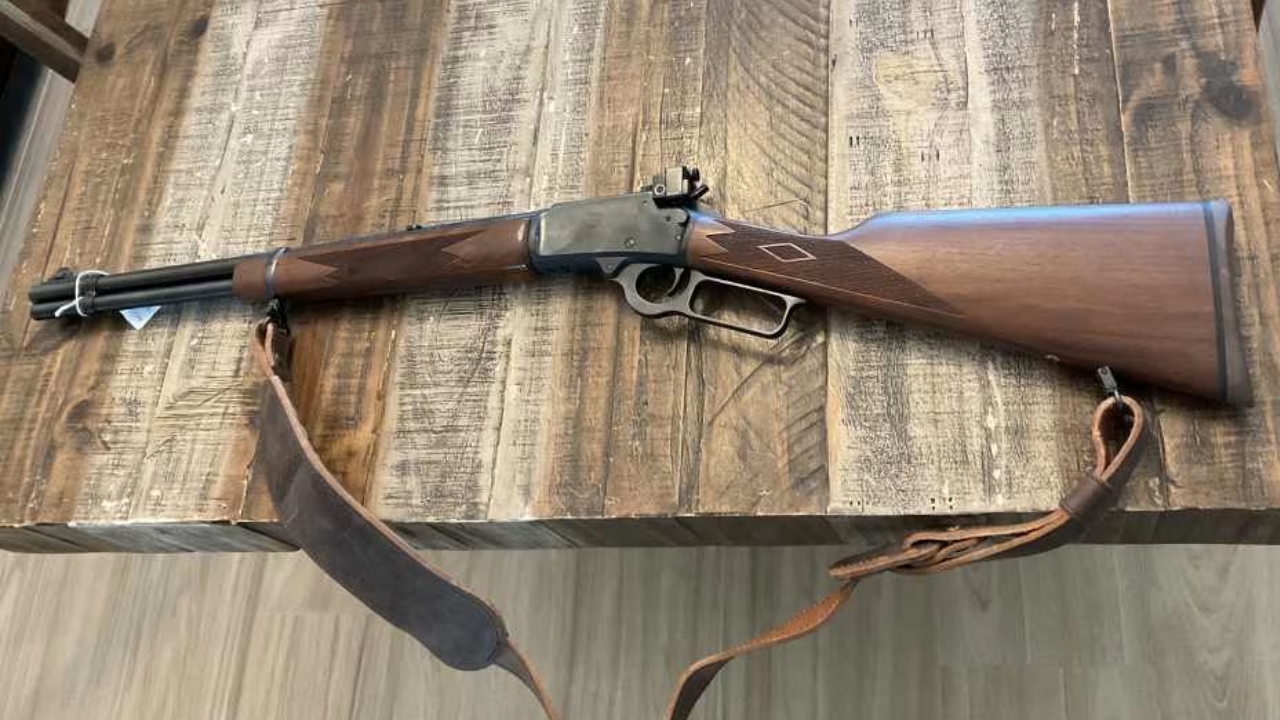
The Marlin 1894C was underestimated because a .357 lever-action carbine can sound like a novelty until you own one. It isn’t a long-range deer rifle, and it doesn’t have the power of larger lever-gun cartridges. That made some shooters treat it like a fun extra rather than a serious keeper.
Owners usually learn fast. The 1894C can shoot .38 Special for easy practice and .357 Magnum for field use where legal and appropriate. It’s light, handy, and useful around rural property or in thick cover. It also became much harder to replace once older Marlins got more attention. Owners who kept one that feeds smoothly and shoots well are not eager to start over. It’s too useful in too many small ways.
Smith & Wesson Model 10
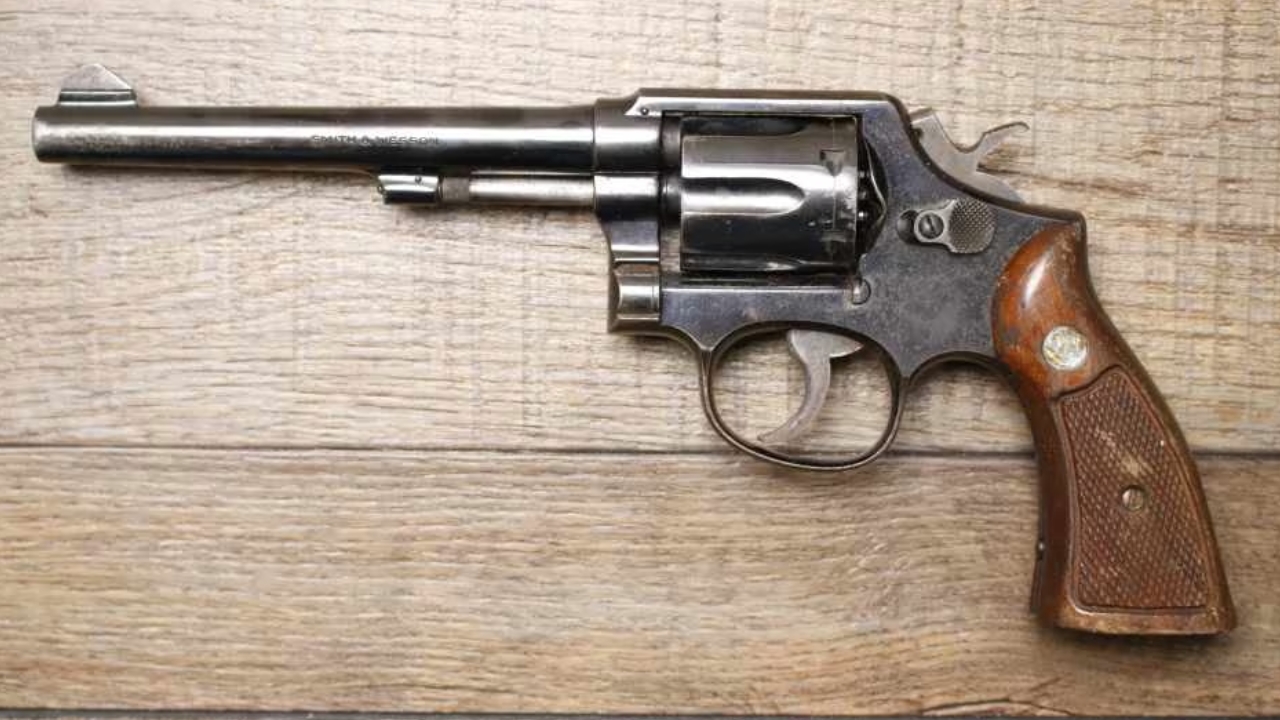
The Smith & Wesson Model 10 gets underestimated because it is so simple. Fixed sights, .38 Special, K-frame size, and no modern defensive features make it look plain beside current pistols and magnum revolvers. People who don’t shoot revolvers much may wonder why anyone is attached to one.
Then they spend time with a good Model 10. It is accurate, comfortable, and excellent for learning double-action trigger control. It’s not trying to be a high-capacity carry gun or a big-power woods revolver. It’s a clean, honest handgun that teaches fundamentals and makes .38 Special practice enjoyable. Owners refuse to sell because it does something modern pistols don’t always do well: it makes the shooter pay attention.
Franchi Affinity 3

The Franchi Affinity 3 gets underestimated because it sits between the obvious choices. It doesn’t have the big-name pull of Benelli or Beretta, and it isn’t as cheap as some budget semi-autos. That middle position makes buyers overlook it if they’re chasing either prestige or the lowest price.
Owners who hunt with one often see the value clearly. The Affinity 3 is an inertia-operated shotgun with simple maintenance, good field handling, and enough reliability to make it a strong working gun. It can kick more than gas guns, especially with heavier loads, but many hunters accept that tradeoff for simplicity. People underestimated it because it wasn’t the loudest name. Owners kept it because it did the work.
Savage Model 99

The Savage Model 99 was underestimated for years by people who saw only an old deer rifle. That misses the design’s real appeal. It gave hunters lever-action speed with cartridge performance that traditional tube-fed lever guns couldn’t match, especially with the rotary magazine on many versions.
Owners who have clean, well-functioning examples tend to be careful about letting them go. A good 99 carries well, shoots practical deer cartridges, and has a mechanical personality that current rifles rarely duplicate. The action is more complex than simpler lever guns, so condition matters. But that uniqueness is exactly why owners refuse to sell. Once gone, another one may not be easy to find in the same chambering and condition.
Browning Buck Mark

The Browning Buck Mark gets underestimated because it’s a .22 pistol that doesn’t always shout for attention. Some buyers gravitate toward Ruger Mark pistols, tactical-looking rimfires, or cheaper options. The Buck Mark can look almost too normal in comparison.
Owners know better. It has a comfortable grip, good trigger, and strong practical accuracy. It works for plinking, teaching fundamentals, and serious rimfire practice. A .22 pistol that makes range time enjoyable is not a small thing, especially when it gets shot more than most centerfire handguns. People underestimate rimfires until they realize which guns actually leave the safe. The Buck Mark keeps earning its spot one brick of ammo at a time.
Like The Avid Outdoorsman’s content? Be sure to follow us.
Here’s more from us: