
Photo credit: W&W Cycles
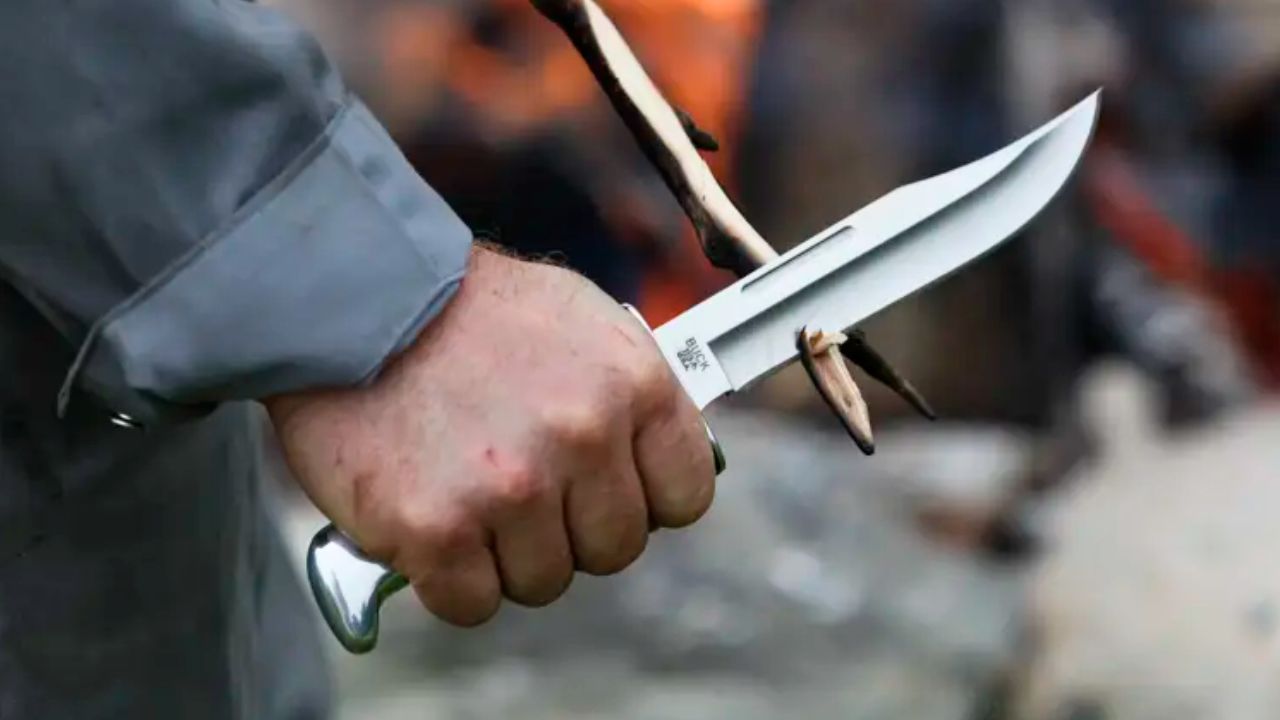
There’s a reason the same knife keeps ending up in my pocket, while the cheap ones stay in a drawer or wind up broken in the trash. I’ve used blades in the field, in the shop, on hunts, and during emergencies—and cheap imports rarely last. Meanwhile, one solid American-made knife can do the job better, faster, and longer. It holds up when things get ugly, and it doesn’t fold, chip, or snap when you actually need it to perform. Here’s why I stick with one good one over a pocketful of junk.
The Steel Actually Holds an Edge

You’ll notice real quick that most cheap knives need sharpening every couple days. That’s because the steel is soft, inconsistent, or heat-treated poorly. American makers like Benchmade or Bradford actually use premium steel—S30V, Magnacut, 154CM—that holds a working edge longer under abuse. You can feather sticks, baton, skin, or cut rope all week without touching a stone. When your edge stays sharp, you’re not wasting time in the middle of a job.
Heat Treat Makes or Breaks It
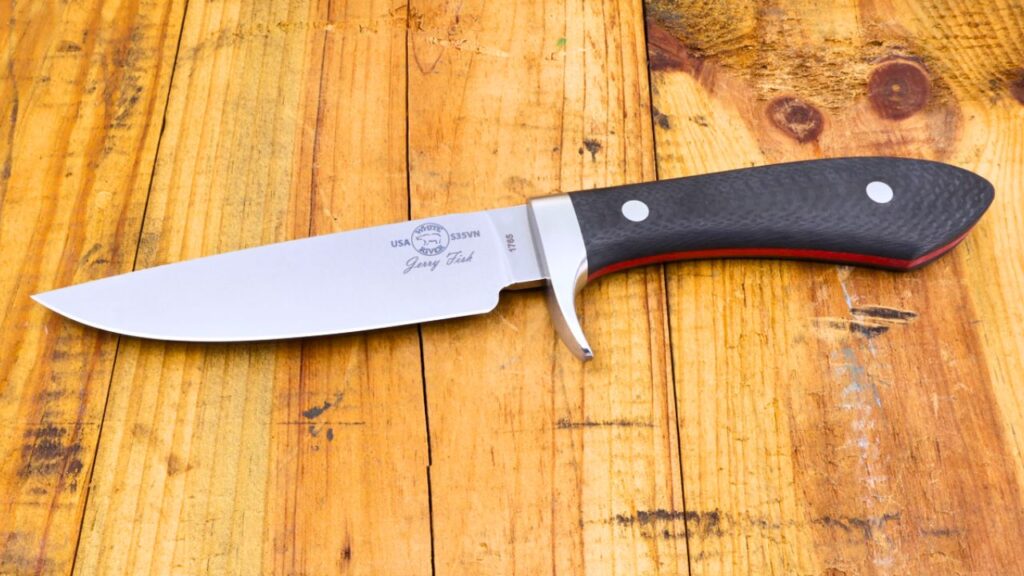
Even if a knife uses decent steel, a bad heat treat ruins it. That’s what you often get with overseas production—rushed, inconsistent hardening that makes the blade brittle or too soft. American shops tend to get this part right, especially the smaller ones that do it in-house. When the heat treat is dialed in, the blade flexes without chipping and keeps that fine working edge way longer than the specs alone would suggest.
You Know What You’re Getting

With cheap imports, specs are often vague or misleading. The knife might say “stainless,” but good luck finding out what kind. With a quality American blade, you know exactly what steel it is, what grind, and how it was made. That transparency matters when you’re counting on the knife to actually perform. You don’t have to guess if it’ll rust in your pocket or fail in the field. It does what it says it’ll do.
The Ergonomics Don’t Suck
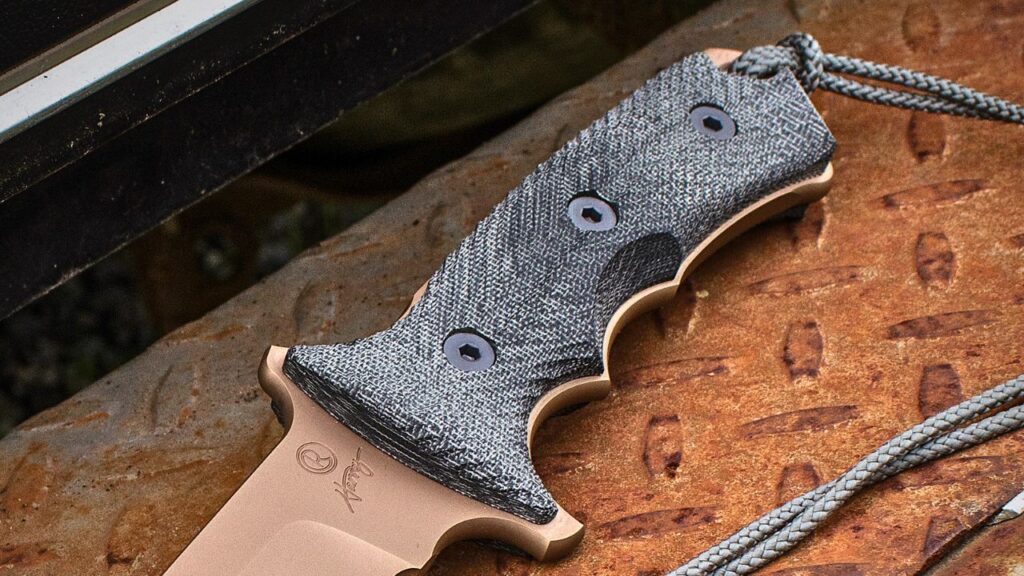
I’ve held knives that felt like they were made for cartoon characters—slippery, awkward, and uncomfortable after five minutes of use. Good American knives are usually designed by people who actually use knives. That means they fit the hand, don’t bite into your fingers under pressure, and give you control when it counts. One well-designed handle beats three blister-makers every time.
Warranty Actually Means Something

Try getting a budget knife company overseas to honor a warranty. Now try sending a broken blade back to ESEE or Benchmade. The difference is night and day. American companies tend to stand behind their knives—and many even offer lifetime sharpening or replacement. That’s because they expect their knives to last. You’re not paying extra for a name—you’re paying for backup when something goes wrong.
You Can Actually Use It Hard
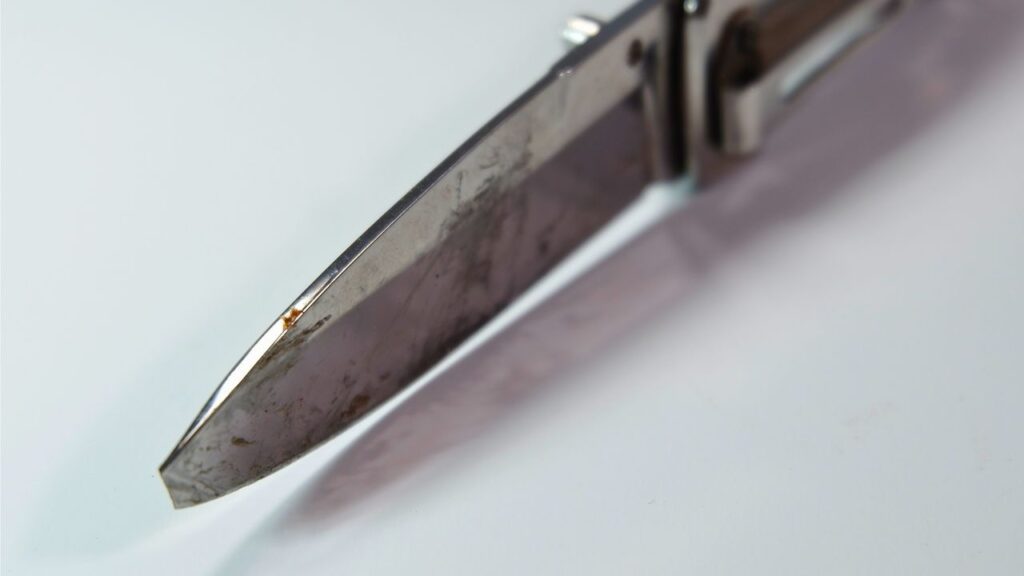
I’ve snapped budget knives clean in half trying to pry bark off a limb. I’ve chipped mystery steel batoning through softwood. A good American knife doesn’t flinch. It might get scratched, but it keeps cutting, keeps digging, keeps working. When I carry a blade, it needs to do more than open boxes. I need to trust it not to fold or fail under pressure—and one good knife that’s built right will.
Sharpening Isn’t a Constant Chore

Cheap steel wears out fast and doesn’t sharpen clean. You’ll find yourself grinding for twenty minutes just to get a workable edge—and then losing it again the next day. American steels, when done right, sharpen better and hold longer. Once you dial in the angle, it doesn’t take much to keep it shaving sharp. That means you spend more time using the knife and less time babysitting it with a stone.
Fit and Finish Actually Matter

It’s one thing for a knife to look good in photos. It’s another for the blade to be centered, the scales to line up, and the action to feel tight. Imports often feel gritty or loose right out of the box. One good American knife will show attention to detail where it matters—solid lockup, no blade play, and clean grind lines. That kind of quality holds up under real-world use without falling apart in your pocket.
You’re Supporting Real Craftsmen

I like knowing the guy who built my knife actually cared how it turned out. A lot of smaller American makers are building blades by hand, testing each one, and putting their name on it. You’re not just getting a better knife—you’re backing a craft that still means something. There’s pride in that, and it shows every time the blade gets pulled for a job.
One Knife You Trust Is Worth More
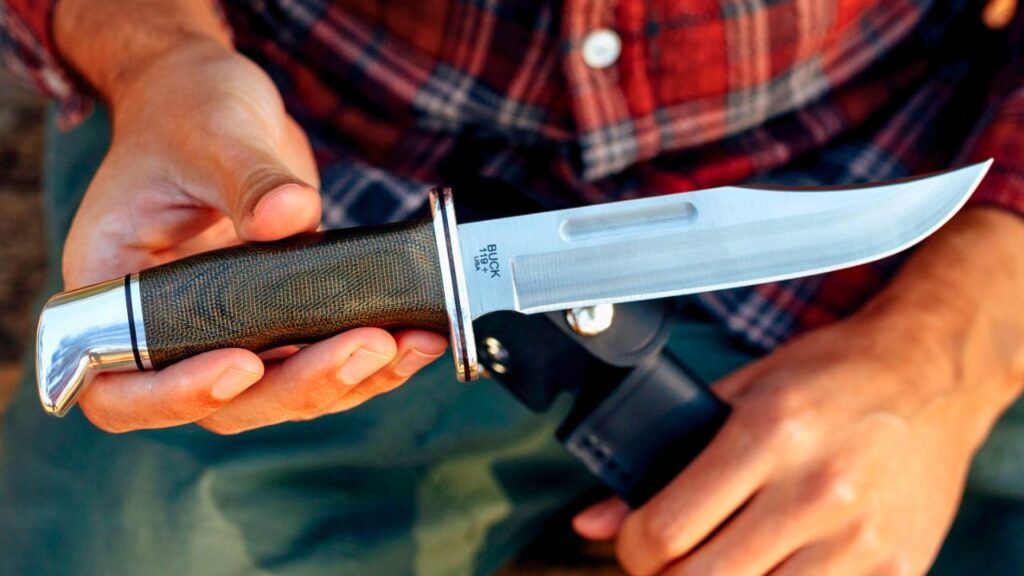
You don’t need five knives when you’ve got one that does everything right. A good American blade might cost more upfront, but it earns its keep every day. It holds its edge, doesn’t fall apart, and actually feels right in the hand. That kind of reliability matters more than a drawer full of backups that let you down. One knife that works is worth more than three that don’t.
*This article was developed with AI-powered tools and has been carefully reviewed by our editors.


