
Photo credit: Ali Kazal/Pexels.com
Batoning is one of those knife topics that turns into a shouting match online, so here’s the simple version: if you do it occasionally to split kindling, you want a knife built for it. Full tang (or at least a strong, continuous tang design), a thicker spine, a handle that won’t shift, and steel that’s heat-treated well matter way more than hype. This list isn’t “every knife ever.” It’s knives that have a track record of being used hard—often by people who actually camp and process wood—without turning into a loose-handle rattle trap after a season. Batoning also doesn’t mean you should abuse a knife like it’s an axe, but if you want a blade that can take real splits without cracking or loosening, start here.
ESEE 5
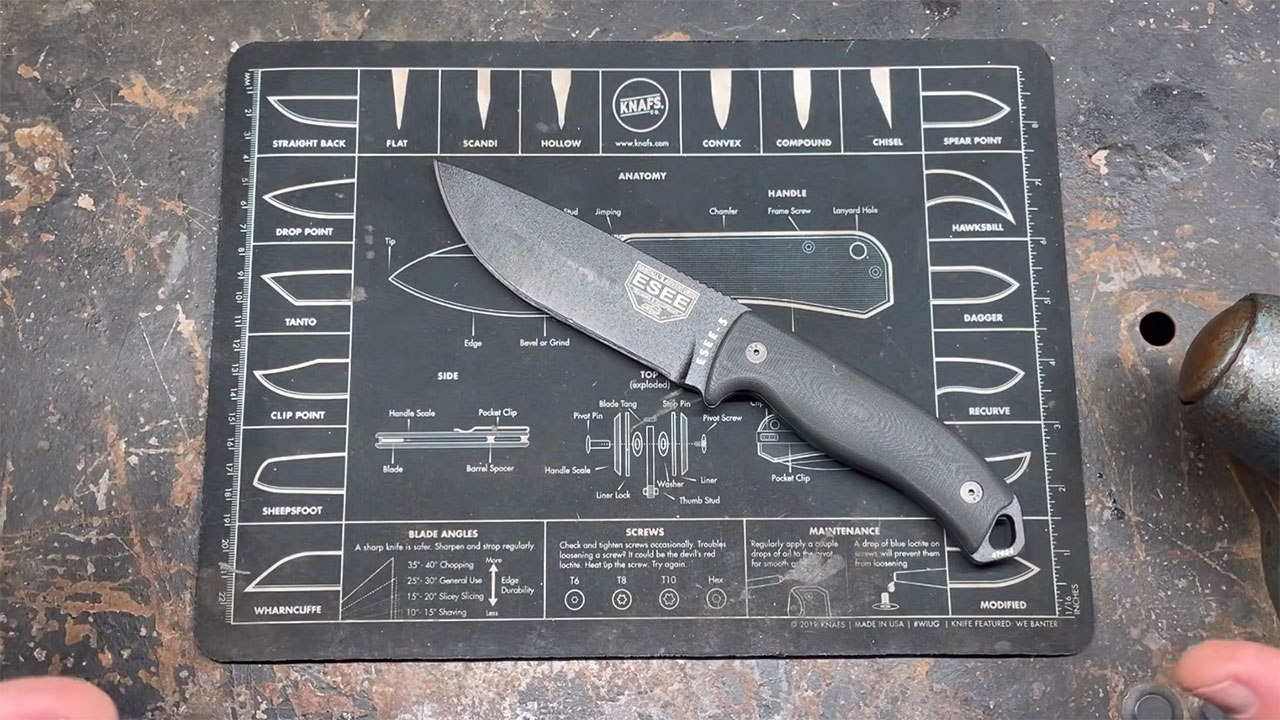
The ESEE 5 is overbuilt on purpose, and that’s exactly why it’s on this list. It’s thick, stout, and designed with “this might get abused” in mind. When you baton with it, the spine has enough meat that you’re not begging the blade to survive. The handle design is simple and secure, and the overall profile is more “survival pry-bar” than “pretty camp knife.” That can be a downside if you want something slicey, but for batoning it’s a plus because you’re trading finesse for durability. The real reason guys stick with the ESEE 5 is that it doesn’t slowly loosen up and start feeling sketchy after you’ve pounded on it. It’s not the lightest, and it’s not the most refined, but it’s one of the safest bets for repeated wood splitting.
ESEE 4

The ESEE 4 is the more realistic “carry it all day” version for a lot of people, but it still holds up well when you need to baton. It’s not a giant chopper, so you’re not trying to split rounds with it, but for camp wood and kindling, it’s solid. The blade geometry is tough enough to take impacts, and the handle construction is simple and proven. The main advantage here is balance: you can baton without babying it, and you can still use it for regular camp chores without feeling like you’re carrying a brick. A lot of knives can split a few sticks once; the ESEE 4 is the type that keeps doing it season after season without the “is my handle shifting?” paranoia. If you want one knife that lives on a belt and doesn’t get weird under impact, it’s a dependable pick.
Becker BK2 Campanion
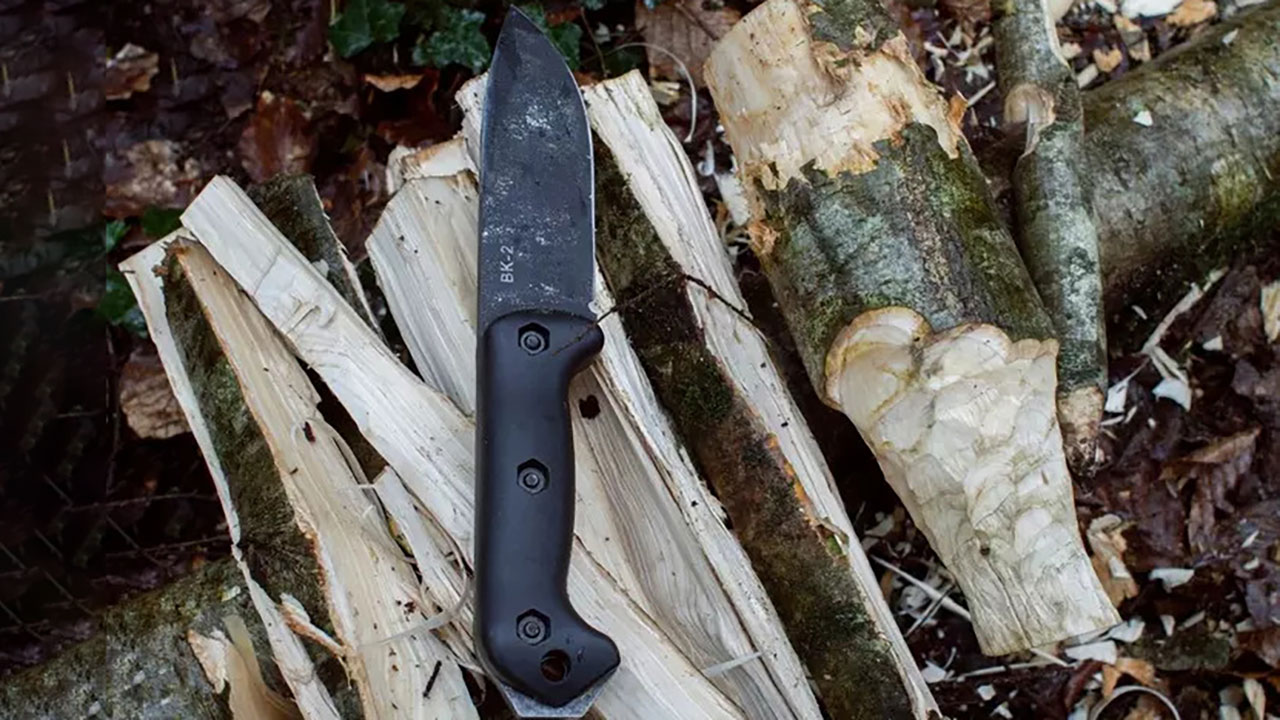
The BK2 has earned its reputation the honest way—people beat on it and it keeps working. It’s thick, heavy, and built like it expects hard use. For batoning, that extra thickness and weight help, because you’re not relying on delicate geometry to survive impacts. The handle scales are also easy to replace if you ever do manage to wear them out, which matters if you actually use your knife instead of babying it. The BK2 isn’t a finesse slicer, and it isn’t going to feel light in the pack, but it’s one of those knives you can smack through stubborn wood without worrying that the blade is going to crack or that the handle is going to start loosening. It’s a work knife that doesn’t pretend to be anything else, and that’s why it’s still a batoning favorite.
Becker BK7
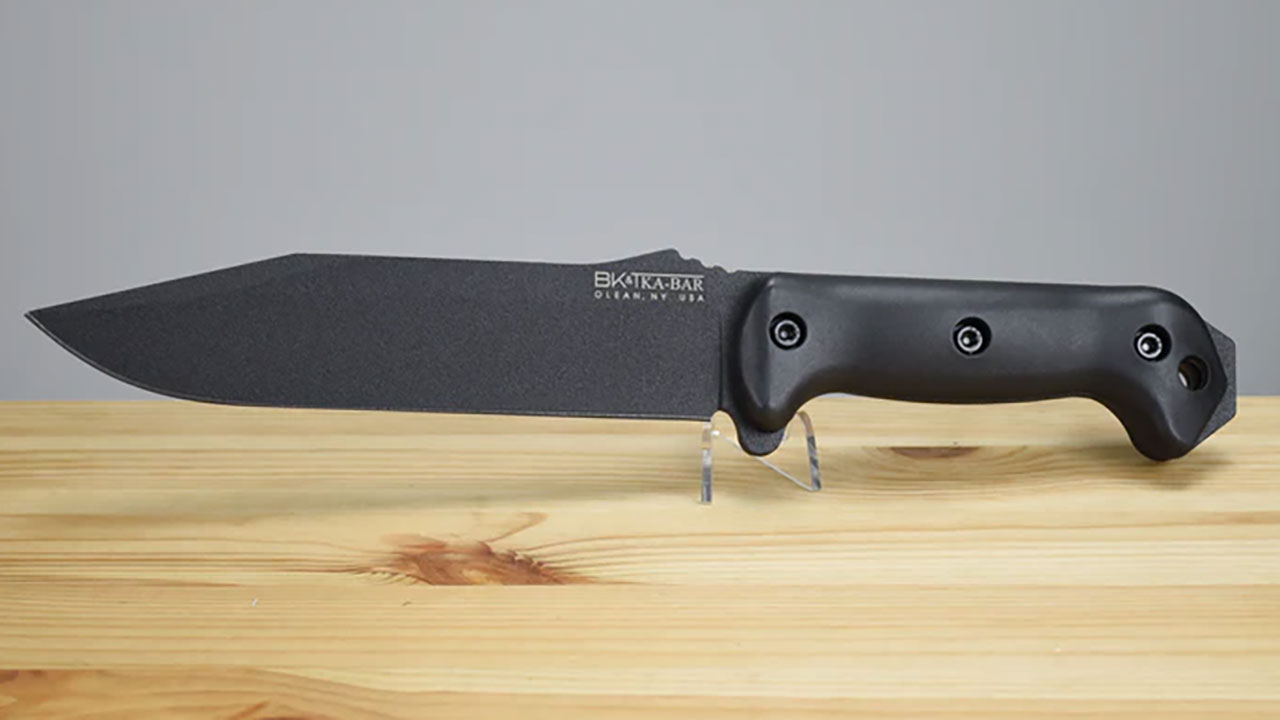
The BK7 gives you more blade length, which can be a big deal when you’re splitting longer pieces of wood. The construction is tough, and it’s the kind of knife that gets used like a small machete and a baton splitter in the same weekend. What keeps it in the “holds up” category is that it’s not built with fragile, thin geometry that chips the second you hit a knot. It’s designed to survive impacts and keep going. The longer blade also gives you more reach for chopping and brush work, so it’s a good fit for hunters and campers who want a single big fixed blade that can do multiple tasks. If you’re batoning with a longer knife, you also tend to baton smarter—splitting along grain and avoiding stupid angles—because you can actually control the split instead of forcing it.
Ka-Bar Becker BK16
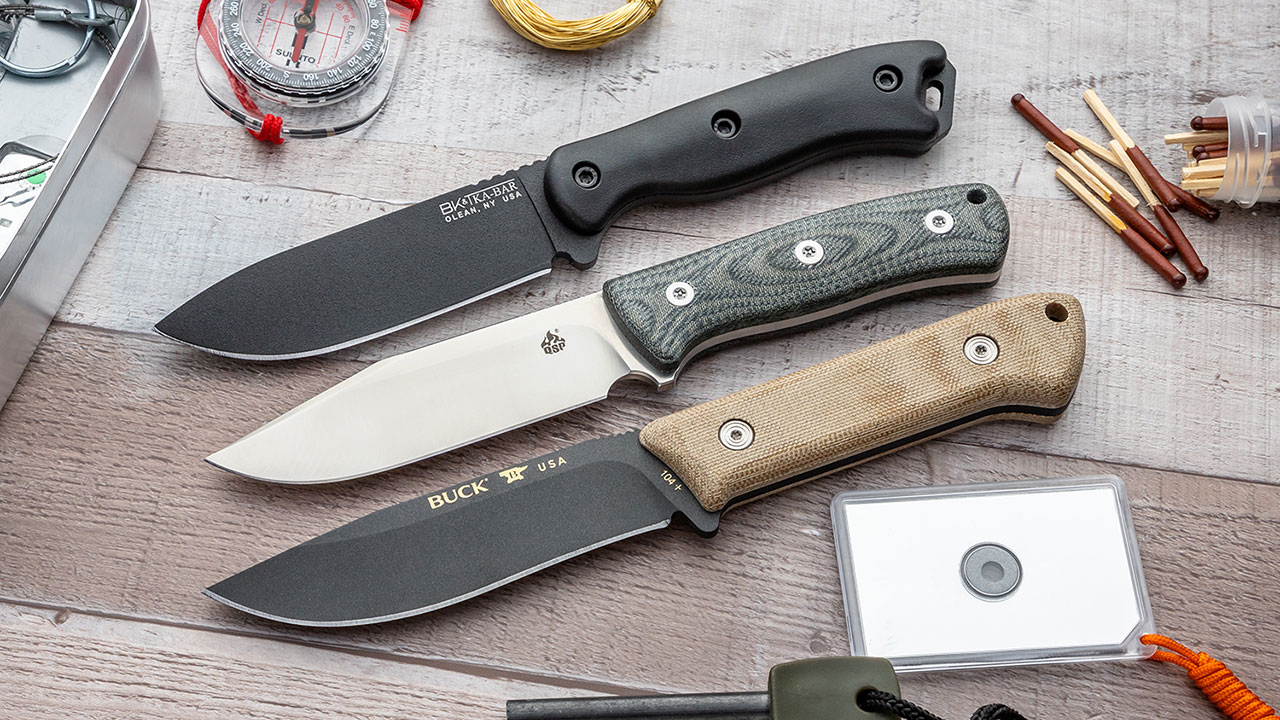
The BK16 is one of the better “medium fixed blade” options for hard use because it’s tough without being absurdly heavy. It’s a knife that can baton kindling and small splits while still being handy for everyday camp tasks. That matters because most people don’t want to carry a full-on tank knife all day. The BK16’s durability comes from a practical design: sturdy spine, solid construction, and a handle setup that doesn’t feel like it’s going to shift after a few hard hits. If you baton with it within reason—camp wood, not firewood rounds—it’ll stay tight and trustworthy. It’s also the kind of knife that doesn’t scare new users: it feels controllable, and control is half of avoiding damage in the first place. A lot of broken knives come from bad technique and overconfidence, not weak steel.
TOPS B.O.B. Fieldcraft

TOPS makes knives that expect to be used rough, and the B.O.B. Fieldcraft is a strong example. It’s built for bushcraft-style tasks, including splitting wood, and it’s designed with a thick enough spine and solid handle construction to handle repeated impacts. Where it shines is that it’s still usable for slicing and general camp chores without feeling like a sharpened crowbar. A good batoning knife isn’t just “thick”; it’s “thick enough while still being practical,” and the B.O.B. hits that for a lot of users. The handle is comfortable, which matters because a knife that hurts your hand gets used sloppier, and sloppy batoning is how knives get twisted and abused. If you want a tool that can split wood, scrape, carve, and still feel like a real knife, it’s a strong pick.
Fallkniven A1
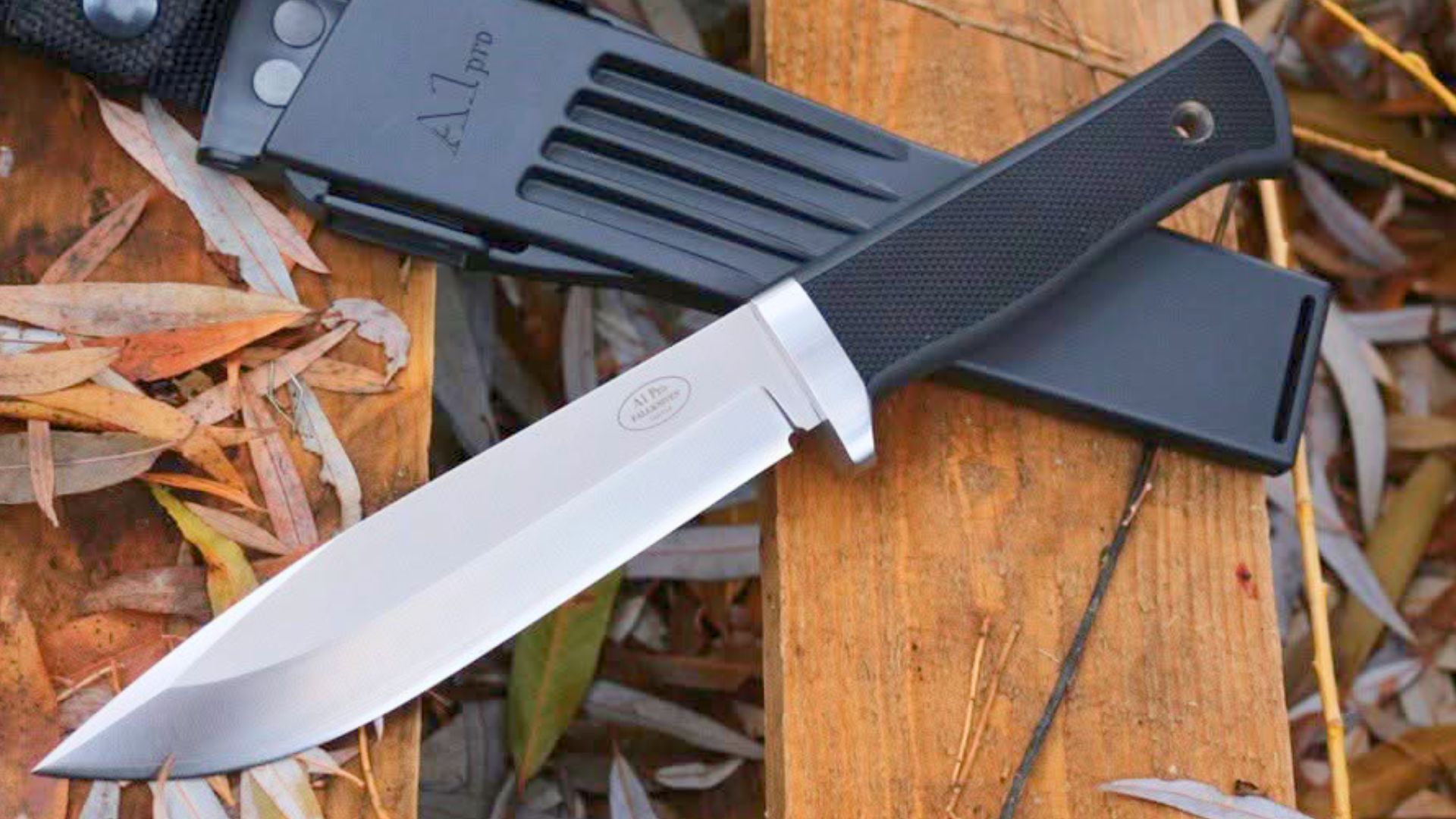
The Fallkniven A1 is one of those knives that gets brought up for a reason: it has a long history of being used hard in rough conditions. For batoning, it’s a good choice because it’s built with durability in mind, and it holds together when you’re pounding it through stubborn wood. The handle and construction have a “serious tool” feel, not a decorative feel. The key here is trust: people buy an A1 because they don’t want to wonder if their knife is going to fail when it matters. It’s not cheap, but it’s not trying to be. If you’re the type who will actually put a knife through years of camp trips, hunting seasons, and wet weather, you want something that doesn’t slowly loosen up and start feeling sketchy. The A1 tends to stay solid and predictable.
Bark River Bravo 1

A well-built Bark River Bravo 1 is a classic hard-use fixed blade that can baton without turning into a rattle trap, especially when you stay within sane wood sizes. What people like about it is that it’s tough but also refined enough to do normal knife work well—processing meat, slicing, carving, and camp prep. The batoning durability comes from solid build quality and a design that doesn’t rely on delicate features. When you’re splitting wood, the knife needs to resist twisting and impact shock, and the Bravo 1 is known for handling that kind of use. It’s also a knife that tends to feel “tight” in hand over time, which is what you want—no mystery movement, no creeping handle shift. If you’re paying for a premium fixed blade, this is the kind of performance you’re paying for: reliability under real use.
LT Wright GNS
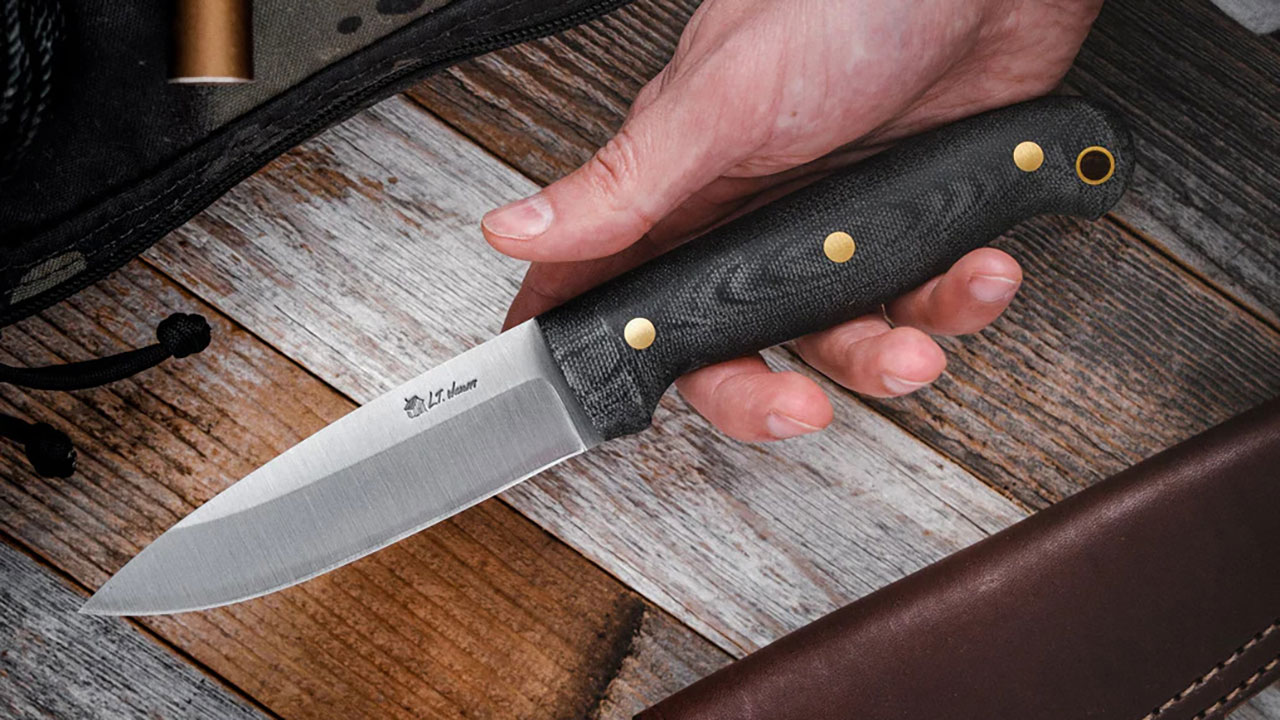
The LT Wright GNS is a great choice for the guy who wants a practical size but still wants batoning confidence for camp wood. It’s not a giant chopper, but it’s built as a real tool and it holds up well when you use it for splitting kindling and smaller pieces. The advantage is how usable it is day-to-day: it’s comfortable, it handles well, and it doesn’t force you to carry a massive knife just to feel safe. If you’re doing normal camp life—breaking down small splits, making feather sticks, processing fire-starting material—the GNS can take the impacts without feeling like it’s slowly coming apart. A lot of knives “can baton,” but they feel flimsy when you do it. The GNS tends to feel solid, and that matters because confidence makes you safer and more controlled.
Mora Garberg

The Mora Garberg is the outlier here because it’s not priced like the others, but it earns its spot by being far tougher than people expect. It’s designed as a heavier-duty Mora with a stronger build, and for batoning kindling and reasonable camp splits, it holds up well. The key with the Garberg is using it for what it’s good at: controlled splits, not brutalizing it through knots the size of your fist. What makes it a smart pick is value—if you’re building a camp kit and you want a knife you can actually use without babying, the Garberg does that. It’s also one of those knives that makes people realize most “knife failure stories” come from guys trying to do axe jobs with a thin, delicate blade. Used correctly, the Garberg can baton reliably and stay tight.
Condor Bushlore

Condor knives show up in real camps because they’re affordable, functional, and usually designed with practical abuse in mind. The Bushlore has a bushcraft profile that works well for splitting and wood processing tasks as long as you’re not trying to force it into stupid work. Batoning durability here comes from simple construction and a design that doesn’t have fragile gimmicks. It’s also a knife that a lot of people actually use—meaning it has a track record outside of Instagram photos. If you’re the type who wants a “use it hard and not feel bad” knife for camp chores, Condor fits that niche. And for batoning, that matters, because many people hesitate to use a high-dollar knife aggressively. A knife you’re willing to actually use is often the knife that keeps you safer in the woods.
Cold Steel SRK

The SRK has been used by a lot of people as a hard-use field knife because it’s simple, tough, and built to take impacts. For batoning, it does well because it’s not a fragile slicer-first design. It’s meant to be a survival/field tool that can handle rough treatment without drama. Another reason it belongs here is that it’s common—lots of hunters and campers have actually carried it, beat on it, and learned what it will and won’t do. Batoning isn’t just about “strong steel”; it’s about the whole package feeling stable when you hit it. The SRK tends to feel like a dependable tool rather than a knife you’re afraid to touch. If you want something that can ride in a pack, get used, get wet, and still split wood when needed, it’s a solid pick.
LionSteel M7

LionSteel makes some very well-built fixed blades, and the M7 is one that can handle real outdoor use while still feeling like a quality piece of gear. For batoning, you want a knife that resists twisting and shock, and the M7 is built in a way that stays stable when you put it to work. This is also a knife for the guy who wants something nicer without going “display case” mode. A good batoning knife can’t just survive one weekend; it has to stay tight after repeated impacts. The M7’s reputation comes from being more than just pretty—it’s meant to be used. If you’re careful with your angles, avoid dumb lateral prying, and baton along the grain, the M7 can split camp wood while still being a knife you’re happy to use for everything else.
Joker Ember
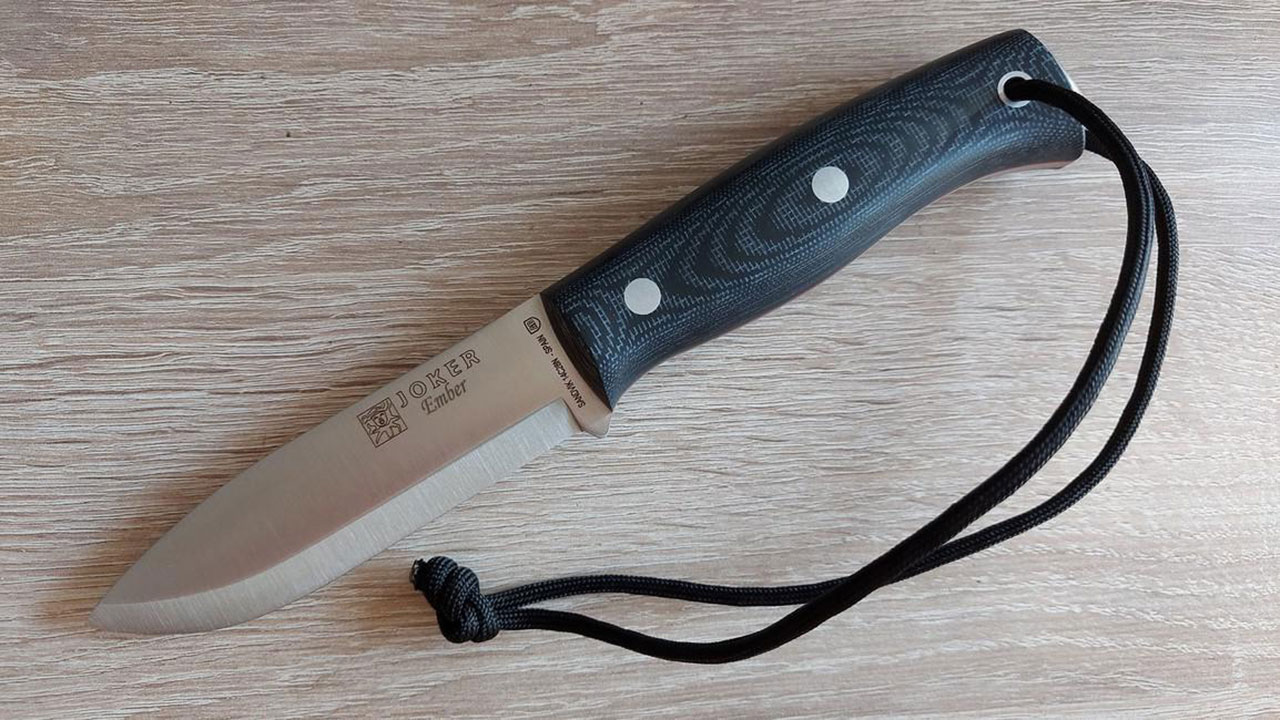
Joker has been putting out some very usable outdoor knives that are built for real camp chores without costing a fortune. The Ember is one of those designs that can baton kindling and small splits without the “this feels like it’s going to break” vibe. The durability comes from a practical build and a handle that stays comfortable even when you’re doing repetitive work. Comfort matters because batoning gets sloppy when your hands get tired or sore. The Ember tends to strike a balance: stout enough to split wood, controlled enough to do actual knife work. It’s a great pick for someone who wants a knife they’ll use hard on trips without treating it like a precious object. If you’re building a camp setup on a budget but you still want a knife that can take impacts, it’s worth a look.
Ontario RAT-5

The RAT line has a long “used hard” reputation because it’s simple, stout, and designed to be a real field tool. The RAT-5 is a good size for batoning camp wood without being too big to carry comfortably. It’s not a fancy knife, and that’s part of the appeal—no delicate features, no weird gimmicks, just a knife that can take impact and keep working. For batoning, what you’re really buying is predictability: you want a knife that doesn’t chip easily from normal splits and doesn’t start loosening after repeated use. The RAT-5 tends to give you that “tight and steady” feel. If you’re teaching someone camp skills or setting up a knife that can get abused without heartbreak, the RAT-5 is a practical workhorse.
Like The Avid Outdoorsman’s content? Subscribe to our newsletter so you never miss an article.
Here’s more from us:


